
Preserving the Past: Lessons from Andean Environmental Wisdom

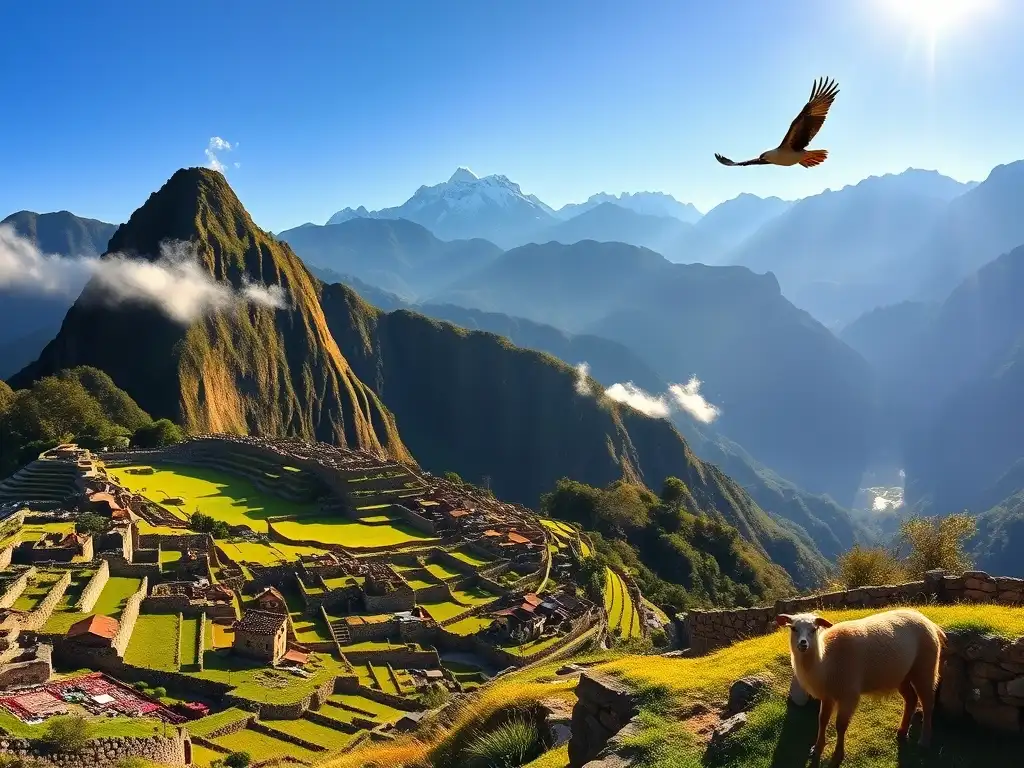
Step into a world lost to time, yet echoing with wisdom. For centuries, the Andean civilizations thrived, leaving behind a legacy of breathtaking artistry and ingenuity. But what secrets do their interactions with the environment hold? Discover the surprising story of the Andean civilizations' environmental impact, and unlock the lessons they offer for our own sustainable future. Prepare to be amazed by the ingenuity and interconnectedness of these remarkable cultures.
The Andes Mountains, a colossal spine running down the western coast of South America, have nurtured some of the most fascinating and resilient civilizations the world has ever known. For millennia, cultures like the Inca, Moche, Nazca, and Tiahuanaco thrived in this challenging environment, developing sophisticated strategies for interacting with and adapting to their surroundings.
This article delves into the remarkable environmental wisdom of these Andean civilizations, exploring their ingenious techniques for resource management, agriculture, and infrastructure, and examining the lessons we can learn from their successes and failures in relation to "Andean civilizations environmental impact". Understanding their approach to environmental stewardship offers valuable insights for contemporary societies facing similar challenges of sustainability and resource management in the face of climate change and population pressures.
We will uncover how these ancient societies not only survived but flourished in a landscape that demanded ingenuity and respect for the delicate balance of nature. Their story is one of remarkable adaptation, sustainable practices, and a profound connection with the land – a connection that holds crucial lessons for our own time.
Understanding Andean Civilizations and Their Relationship with Nature
The Andean civilizations weren't simply inhabitants of their environment; they were deeply intertwined with it. Their worldview, religious beliefs, and social structures were inextricably linked to the natural world. Mountains were revered as sacred entities, and the cyclical nature of agriculture mirrored the rhythms of the cosmos. This profound respect for nature wasn't merely spiritual; it was practical.
Survival in the Andes demanded a deep understanding of the environment, its resources, and its limitations. The harsh realities of altitude sickness, unpredictable weather patterns, and limited arable land forced these societies to develop innovative techniques for agriculture, water management, and resource utilization. This wasn't a passive relationship; it was an active and dynamic engagement, a constant negotiation between human needs and the constraints of the environment.
Evidence suggests that many Andean societies possessed a sophisticated understanding of ecological processes, demonstrating a remarkable ability to adapt their practices to changing conditions. For example, the intricate terrace farming systems, still visible in many parts of the Andes, are a testament to their mastery of water management and soil conservation. These techniques not only increased agricultural yields but also prevented soil erosion and minimized the negative "Andean civilizations environmental impact".
The Environmental Challenges Faced by Ancient Andean Societies
The Andes presented a formidable array of environmental challenges. The high altitude resulted in thin air, intense solar radiation, and freezing temperatures, making agriculture a constant struggle. Water scarcity was another major concern, with unpredictable rainfall patterns and limited access to reliable water sources. The steep slopes and rocky terrain made land cultivation difficult, while the risk of landslides and earthquakes posed a constant threat.
Additionally, the unique biodiversity of the Andes, while offering a wealth of resources, also presented challenges in terms of resource management and conservation. These societies faced issues of deforestation, soil degradation, and overgrazing, highlighting the delicate balance between human needs and environmental sustainability. Understanding how these societies navigated these challenges and, in some cases, mitigated their negative "Andean civilizations environmental impact", is crucial to appreciating their remarkable resilience and ingenuity.
Detailed studies of archaeological sites and the analysis of ancient agricultural practices reveal a complex interplay of adaptation, innovation, and, at times, environmental degradation. The long-term consequences of some of their practices remain a subject of ongoing research. The impact on biodiversity, for instance, requires further investigation to fully assess the extent of the "Andean civilizations environmental impact."
- Understanding Andean Civilizations and Their Relationship with Nature
- The Environmental Challenges Faced by Ancient Andean Societies
- What is the main focus of this article regarding Andean civilizations?
- How did Andean civilizations interact with their environment?
- What specific environmental challenges did Andean civilizations face?
- Did Andean civilizations have a negative impact on their environment?
- What lessons can we learn from Andean civilizations about environmental sustainability?
Andean Environmental Management Strategies: A Legacy of Sustainability
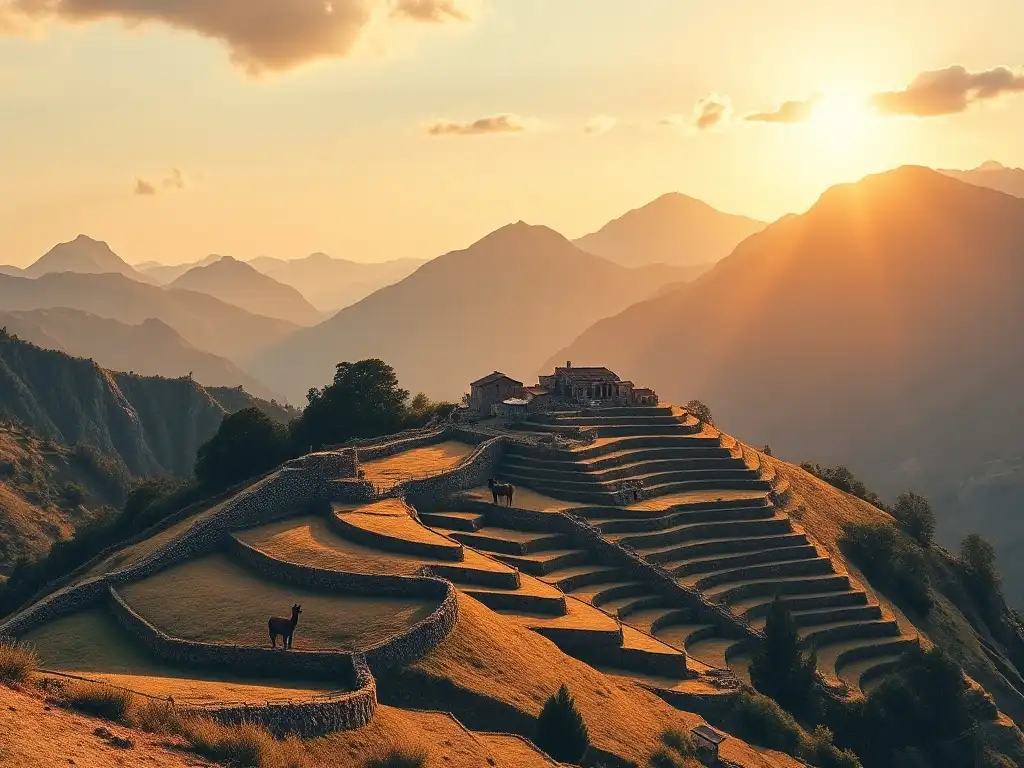
The Andean civilizations, renowned for their architectural marvels and intricate social structures, also possessed a sophisticated understanding of environmental management. Their survival depended on it. Harsh climates, steep slopes, and unpredictable weather patterns necessitated innovative strategies to ensure food security and resource sustainability.
This section explores some key examples of their ingenuity, demonstrating a remarkable legacy of environmental wisdom that continues to inspire contemporary sustainable practices. Analyzing the Andean civilizations' environmental impact reveals not only their adaptation but also their proactive approach to environmental stewardship. The impact of their practices, even today, is a testament to their understanding of ecological balance.
Terracing Techniques: Transforming the Andean Landscape for Agriculture
Andean agriculture wasn't simply a matter of planting seeds; it was a carefully orchestrated interaction with the environment. The dramatic topography of the Andes, characterized by steep slopes and limited arable land, presented a significant challenge. To overcome this, the Andean peoples developed ingenious terracing techniques. These weren't simply haphazard cuts into the hillside; they were precisely engineered systems designed to maximize arable land and minimize soil erosion.
Terraces, often supported by retaining walls made of stone, created a series of level platforms, effectively transforming steep slopes into a series of manageable agricultural plots. This innovative approach significantly increased the amount of cultivable land available, allowing for increased food production. The terraces also slowed the flow of rainwater, reducing soil erosion and runoff, crucial in the often torrential Andean rains. Different terrace designs were employed depending on the slope gradient and soil type, showcasing a deep understanding of local conditions.
The construction of these terraces required considerable labor and community cooperation, highlighting the importance of collective effort in resource management. The legacy of these terraces is still visible across the Andes, a breathtaking testament to both human ingenuity and environmental responsibility. Evidence suggests that specific terrace designs were tailored to different microclimates, further maximizing agricultural yields.
Water Management Systems: Irrigation and Aqueducts of the Andes
Water scarcity is a defining characteristic of many Andean regions. The ingenuity of the Andean civilizations is strikingly evident in their sophisticated water management systems. These weren't merely rudimentary canals; they were intricate networks designed to capture, store, and distribute water efficiently, even in arid and semi-arid environments.
The construction of canals and aqueducts allowed for the irrigation of crops in areas far from natural water sources. These systems often incorporated sophisticated techniques such as gravity-fed channels, reservoirs, and even underground water storage systems. The Nazca civilization, for example, is renowned for its extensive network of underground canals, or puquios, which tapped into underground aquifers, providing a reliable water source even during dry periods.
The precise engineering involved in these systems is remarkable, demonstrating a keen understanding of hydrology and water management. Detailed records, though not always readily available, are needed to fully document the extent and complexity of these systems across the various Andean cultures. The impact of these water management systems on the productivity of Andean agriculture was profound, enabling sustained agricultural production even in challenging environments.
Crop Diversification and Rotation: Ensuring Food Security in the Andes
The Andean civilizations did not rely on monoculture farming. Instead, they practiced a sophisticated system of crop diversification and rotation, ensuring food security and minimizing the risk of crop failure. This approach demonstrated a deep understanding of ecological principles and a commitment to sustainable agricultural practices.
By cultivating a wide variety of crops, including potatoes, maize, quinoa, beans, and various other vegetables and fruits, they created a resilient agricultural system capable of withstanding environmental shocks. Crop rotation further enhanced soil fertility and pest control, preventing soil depletion and reducing the need for chemical fertilizers. The integration of different crops with varying nutrient requirements also maximized land use efficiency.
The precise details of crop rotation practices across different Andean cultures require further investigation, but the evidence strongly suggests a deliberate and sophisticated approach to agricultural management. This diversification not only provided a wide range of nutritious foods but also contributed to the long-term sustainability of the Andean agricultural systems. The Andean civilizations' environmental impact is clearly positive, showing a model of sustainable living that is still relevant today.
Andean Agricultural Practices and Soil Conservation
Andean civilizations weren't just masters of mountain living; they were pioneers of sustainable agriculture. Their survival depended on it. The harsh, high-altitude environments demanded innovative farming techniques that not only produced food but also protected the fragile Andean ecosystem. Their methods, honed over millennia, offer valuable lessons for modern sustainable agriculture. One key aspect was their understanding of terracing.
Terraces, carved into the steep slopes of the Andes, significantly reduced soil erosion. By creating level platforms, they slowed the flow of water, preventing topsoil from being washed away by heavy rains. This ingenious system allowed for efficient irrigation and maximized arable land in challenging terrain. The scale of these terracing projects is astonishing, a testament to the organizational prowess and collaborative spirit of these societies. We see evidence of this in the vast terraced fields that still exist today, a visible legacy of their ingenuity and foresight.
The Andeans also employed sophisticated crop rotation techniques. This wasn't simply switching between different crops; it was a complex system designed to maintain soil fertility and prevent nutrient depletion. They understood the importance of nitrogen-fixing plants, integrating them into their rotation to replenish the soil's nitrogen levels naturally. Furthermore, they utilized manure and compost as fertilizers, enhancing soil health and crop yields.
This holistic approach to soil management was crucial for long-term agricultural sustainability in a region where resources were limited. Their understanding of nutrient cycling is a crucial aspect of their sustainable practices, demonstrating an intimate knowledge of the delicate balance within their ecosystems. The effectiveness of their methods is evident in the long-term cultivation of the Andes, a testament to their environmentally conscious agriculture.
Beyond crop rotation and terracing, the Andeans cleverly adapted their agricultural practices to the specific microclimates of the Andes. They recognized the variations in altitude, sunlight, and rainfall, selecting crops best suited to each area. This nuanced approach minimized the environmental impact while maximizing yields. They developed a diverse range of crops, from potatoes and maize to quinoa and beans, creating a resilient agricultural system that could withstand fluctuations in weather patterns.
This diversification significantly reduced their vulnerability to crop failures, a crucial element in ensuring food security in a challenging environment. The diversity of Andean crops is a powerful demonstration of the adaptability and resilience of their agricultural practices, offering valuable lessons for modern agriculture in the face of climate change. Their approach highlights the importance of biodiversity in building sustainable food systems.
The Environmental Impact of Andean Civilizations: A Balanced Perspective
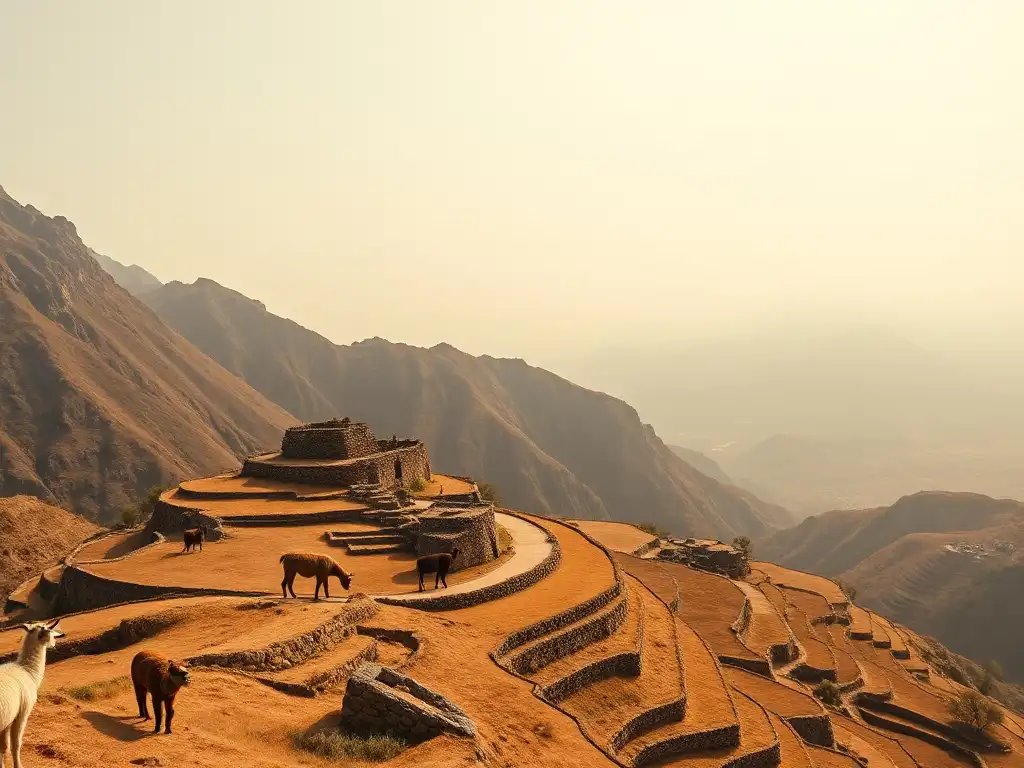
The impact of Andean civilizations on their environment is a complex issue, often presented in a simplistic manner. While some narratives focus solely on the potential negative consequences of large-scale agricultural practices or urban development, a more nuanced understanding reveals a sophisticated interplay between human activity and environmental stewardship. This section explores both the challenges and the remarkable achievements of these societies in managing their resources and adapting to the harsh Andean landscape.
Analyzing their environmental impact requires careful consideration of the specific contexts, technologies, and beliefs that shaped their relationship with the natural world. Understanding this intricate relationship provides valuable insights into sustainable practices and offers lessons for contemporary environmental management. The keyword, "Andean civilizations environmental impact," is central to this discussion, highlighting the need for a balanced and informed perspective.
Sustainable Resource Utilization in Ancient Andean Communities
Ancient Andean communities developed ingenious methods for sustainable resource utilization, tailored to the unique challenges of their environment. Their agricultural practices, though intensive at times, often incorporated techniques minimizing long-term environmental damage. Terracing, for example, was a widespread technique used to create level agricultural plots on steep slopes.
This not only increased arable land but also reduced soil erosion and water runoff. The use of waru waru agriculture, a raised-bed system, further enhanced water management and soil fertility. This system allowed for efficient irrigation and improved drainage, minimizing the risk of waterlogging and soil degradation.
Furthermore, Andean farmers practiced crop rotation and intercropping, diversifying their agriculture and maintaining soil health. The meticulous attention paid to water management is evident in the sophisticated canal systems and reservoirs constructed across the Andes, demonstrating a deep understanding of hydrological processes and the need for responsible water use. This careful resource management, while varying across different Andean cultures, points towards a remarkable level of environmental consciousness.
| Technique | Description | Environmental Benefit |
|---|---|---|
| Terracing | Creating level plots on slopes | Reduced soil erosion, increased arable land |
| Waru Waru | Raised-bed agriculture | Improved water management, enhanced soil fertility |
| Crop Rotation | Alternating crops in a field | Maintained soil health, prevented nutrient depletion |
| Intercropping | Planting different crops together | Increased biodiversity, reduced pest and disease vulnerability |
| Canal & Reservoir Systems | Sophisticated water management infrastructure | Efficient irrigation, minimized water scarcity |
Minimizing Environmental Degradation: Andean Practices
Beyond sustainable resource utilization, Andean societies employed various strategies to actively minimize environmental degradation. The integration of their spiritual beliefs with environmental practices played a significant role. Careful waste management techniques, including the use of organic fertilizers and composting, were common. This minimized pollution and enhanced soil fertility. The cyclical nature of Andean agriculture, tied to the rhythms of the Andes, further promoted ecological balance. Understanding the limitations of the environment and adapting to its cycles was crucial for survival. Additionally, evidence suggests that many Andean communities implemented strategies to prevent overgrazing and deforestation. For example, controlled burning techniques were used in some areas to stimulate grassland growth, while in others, strict regulations governed the use of forest resources. However, more research is needed to fully understand the extent and effectiveness of these practices across different Andean societies and time periods. [Specific data on deforestation rates and grazing management pending].
The Andean Concept of Pachamama and Environmental Stewardship
The Andean concept of Pachamama, the Earth Mother, profoundly influenced the relationship between Andean civilizations and their environment. Pachamama is not merely a passive entity; she is a living force, deserving of respect and reciprocity. This animistic worldview fostered a deep sense of environmental responsibility. The interconnectedness of all living beings, including humans and nature, was central to their cosmology.
This spiritual connection translated into practical environmental stewardship. Rituals and ceremonies aimed at maintaining the balance of Pachamama were integral parts of Andean life. Offerings, prayers, and agricultural practices were designed to ensure the continued fertility and productivity of the land. This spiritual dimension, intertwined with practical strategies, provides a powerful example of how beliefs and practices can contribute to sustainable resource management.
The concept of ayni, reciprocity, further emphasized the importance of balance and harmonious coexistence between humans and the environment. Understanding the significance of Pachamama is crucial to comprehending the complexities of Andean environmental practices and their lasting legacy. 🌎
Modern Applications of Andean Environmental Wisdom
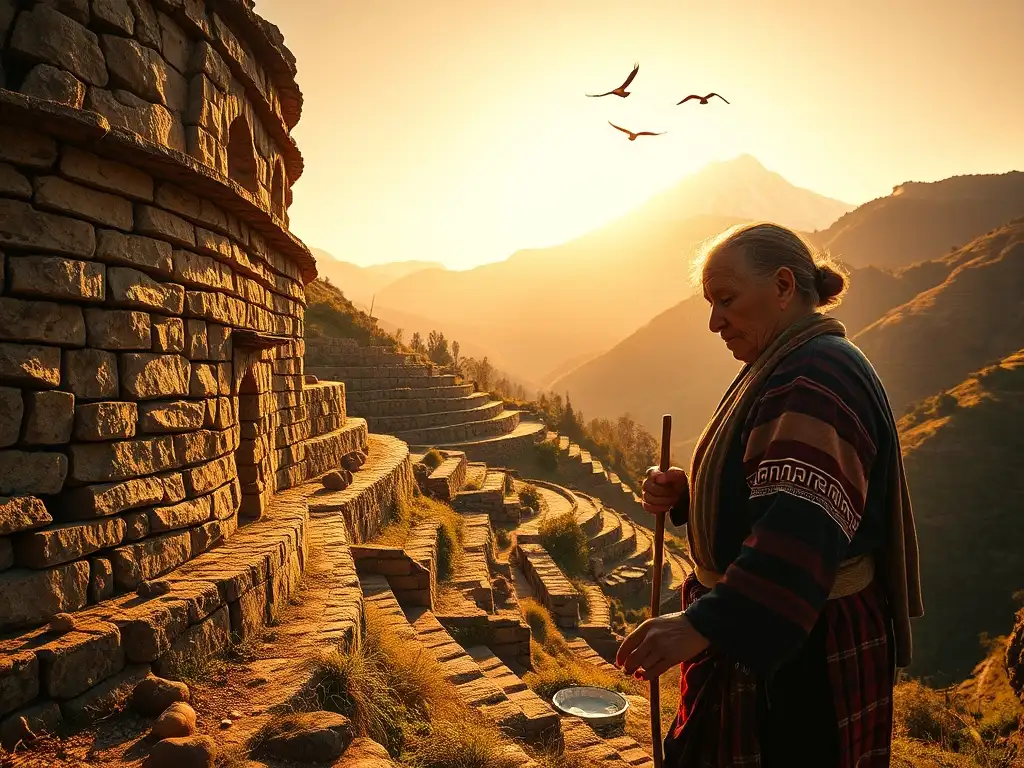
This section explores the practical applications of ancient Andean environmental knowledge in contemporary contexts. Understanding how Andean civilizations thrived in challenging environments offers valuable lessons for addressing modern environmental issues. We'll examine how their sustainable practices can inform our approaches to agriculture, water management, and climate change mitigation.
The legacy of Andean civilizations provides a rich tapestry of sustainable practices that are surprisingly relevant to the challenges we face today. The impact of Andean civilizations on their environment, while sometimes significant, was often characterized by a deep understanding of ecological balance and resource management. This understanding provides a blueprint for sustainable practices in the 21st century.
Lessons for Sustainable Agriculture and Water Management Today
Andean agricultural techniques, developed over millennia, demonstrate remarkable ingenuity and sustainability. Terracing, for example, was a crucial method for creating level fields on steep slopes, reducing erosion and maximizing arable land. This method, still practiced in some regions, significantly improves water retention and reduces soil runoff. Furthermore, the waru waru system, a raised-bed agriculture technique, allowed for efficient water management in arid climates.
This system, characterized by interconnected channels and raised planting beds, enhanced soil fertility, reduced water evaporation, and provided frost protection. These techniques offer valuable lessons for modern sustainable agriculture, particularly in regions facing water scarcity and soil degradation. The effectiveness of these methods is further underscored by their longevity; many Andean communities continue to utilize these techniques, demonstrating their long-term viability and resilience.
Analyzing the success of these methods offers vital insights for improving water-use efficiency in modern agriculture and promoting sustainable farming practices globally. Detailed studies of the waru waru system's impact on crop yields and water consumption show a significant reduction in water usage compared to conventional irrigation methods. This sustainable approach is particularly relevant in the face of increasing water stress around the world.
Applying Traditional Andean Practices to Combat Climate Change
The Andean civilizations' understanding of their environment allowed them to develop strategies for adapting to climate variability. Their deep knowledge of local ecosystems, coupled with sophisticated water management techniques, enabled them to withstand droughts and other climate-related challenges. These lessons are increasingly relevant in the context of climate change. For instance, the integration of diverse crops and livestock—a hallmark of traditional Andean agriculture—enhanced resilience to environmental shocks.
This practice, known as agrobiodiversity, mirrors modern calls for diversification in farming to reduce vulnerability to climate change impacts. Moreover, traditional Andean practices of reforestation and forest conservation played a crucial role in maintaining ecological balance and mitigating the effects of extreme weather events. Careful consideration of these ancient methods, including the sustainable harvesting of forest resources, can inform modern strategies for carbon sequestration and climate change adaptation.
The Andean civilizations’ approach to environmental management highlights the importance of a holistic view, understanding the interconnectedness of ecosystems and the need for integrated solutions to environmental challenges. The adaptation strategies they developed, passed down through generations of knowledge, provide a wealth of information for modern climate change mitigation and adaptation strategies. The integration of indigenous knowledge into climate change policy is crucial for developing effective and culturally sensitive solutions.
The Importance of Indigenous Knowledge in Environmental Conservation
The enduring relevance of Andean environmental wisdom underscores the crucial role of indigenous knowledge in conservation efforts. The deep understanding of local ecosystems and sustainable resource management possessed by Andean communities represents an invaluable resource for modern conservation practices. Integrating this knowledge into conservation strategies ensures culturally appropriate and effective solutions. Preserving this knowledge through documentation and active collaboration with indigenous communities is essential for developing sustainable and equitable environmental management practices.
Ignoring or dismissing this knowledge base risks overlooking effective and time-tested solutions to contemporary environmental problems. Furthermore, the success of Andean civilizations' long-term interaction with their environment highlights the importance of respecting and learning from traditional ecological knowledge (TEK). The continued use of traditional agricultural techniques and resource management strategies demonstrates the long-term sustainability and resilience inherent in these methods.
Active engagement with indigenous communities is not just ethically important but also crucial for developing effective environmental conservation strategies. The Andean civilizations' legacy provides a powerful example of the benefits of integrating TEK into modern environmental management. This is critical for achieving sustainable development goals and ensuring a healthy planet for future generations.
Andean Civilizations Environmental Impact: A Model for the Future
This section delves into the complex relationship between Andean civilizations and their environment, challenging common misconceptions and highlighting the ingenuity and sustainability embedded within their practices. The term "Andean civilizations environmental impact" often evokes a simplistic narrative, but a nuanced examination reveals a far more intricate story. While some practices undoubtedly altered landscapes, many others demonstrate remarkable adaptation and resource management, offering valuable lessons for contemporary societies grappling with environmental challenges. Understanding this legacy requires moving beyond a purely detrimental view and acknowledging the sophisticated strategies employed by these ancient cultures to thrive within their unique environments.
Reevaluating the Environmental Legacy of Andean Cultures
The traditional narrative surrounding the environmental impact of Andean civilizations frequently focuses on deforestation and soil erosion, particularly during the Inca expansion. However, this perspective often overlooks the long history of sustainable practices that preceded and, in some cases, coexisted with these more impactful periods.
For instance, the intricate terrace farming systems employed across the Andes, from the Nazca to the Inca, significantly reduced soil erosion and maximized agricultural output on steep slopes. These terraces, often accompanied by sophisticated irrigation systems, represent a remarkable feat of engineering and a testament to a deep understanding of environmental processes.
The evidence suggests that while some deforestation occurred, particularly in certain regions and periods, it was often balanced by careful forest management and reforestation efforts, a practice documented in various archaeological records and ethnobotanical studies. Furthermore, the Andean worldview, deeply intertwined with nature and spirituality, fostered a sense of respect and reciprocity with the environment, influencing resource management practices.
The Lasting Impact of Andean Environmental Practices on Present Times
The enduring legacy of Andean environmental practices is evident in contemporary Andean communities. Traditional agricultural techniques, like the waru waru system (raised bed agriculture), continue to be utilized, demonstrating their resilience and adaptability. This system, with its unique ability to manage water efficiently and improve soil fertility, provides a valuable model for sustainable agriculture in arid and semi-arid regions globally. Similarly, the knowledge of native plants and their medicinal properties, passed down through generations, holds immense potential for developing sustainable healthcare practices and preserving biodiversity.
The continued use of traditional building materials and construction techniques, often employing locally sourced resources, minimizes environmental impact and promotes sustainable development. Understanding and appreciating this continuity is crucial for recognizing the enduring value of Andean environmental wisdom. The continued use of these practices provides concrete evidence of their long-term efficacy and sustainability, offering valuable lessons for modern societies seeking environmentally responsible solutions.
| Practice | Description | Lasting Impact |
|---|---|---|
| Terrace Farming | Sloped agricultural fields creating level platforms for farming. | Reduced soil erosion, increased agricultural output. |
| Waru Waru Agriculture | Raised bed agriculture system for efficient water management and soil fertility. | Sustainable agriculture in arid and semi-arid regions. |
| Traditional Irrigation | Sophisticated canal systems to channel water to agricultural fields. | Optimized water use, supporting high-yield agriculture. |
| Indigenous Plant Knowledge | Deep understanding of medicinal plants and their properties. | Potential for sustainable healthcare and biodiversity preservation. |
Preserving Andean Environmental Wisdom for Future Generations
The preservation of Andean environmental wisdom requires a multi-faceted approach. Firstly, supporting and empowering indigenous communities to maintain and share their traditional ecological knowledge (TEK) is paramount. This involves actively engaging with community members, documenting their practices, and ensuring that their voices are heard in policy discussions. Secondly, integrating TEK into formal education systems can help disseminate this valuable knowledge to a wider audience.
This education should not just be about the what but also the why – the underlying philosophy and worldview that shaped these sustainable practices. Finally, promoting research initiatives that investigate and validate the effectiveness of Andean environmental practices is essential for demonstrating their potential for wider application. By combining traditional knowledge with modern scientific approaches, we can unlock the full potential of Andean environmental wisdom and apply it to address present-day environmental challenges.
The preservation of this legacy isn't simply about preserving the past; it's about building a more sustainable future, informed by the ingenuity and wisdom of Andean civilizations. This holistic approach, incorporating community engagement, education, and scientific research, is crucial for ensuring that the invaluable lessons from Andean civilizations continue to inspire and guide future generations. 🌳
Frequently Asked Questions
What is the main focus of this article regarding Andean civilizations?
This article explores the environmental impact and sustainable practices of the Andean civilizations, highlighting their wisdom and its relevance to modern environmental challenges. It examines how these civilizations interacted with and adapted to their environment.
How did Andean civilizations interact with their environment?
Andean civilizations developed sophisticated agricultural techniques, such as terracing and irrigation, to adapt to the challenging Andean landscape and maximize resource utilization. They also showed a deep understanding of water management and conservation.
What specific environmental challenges did Andean civilizations face?
They faced challenges like altitude sickness, limited arable land, variable climates, and resource scarcity. Their solutions involved innovative farming techniques and careful resource management.
Did Andean civilizations have a negative impact on their environment?
While their practices were largely sustainable, some overexploitation of resources might have occurred, particularly in later periods. However, their overall approach was characterized by a respect for nature and a deep understanding of ecological balance.
What lessons can we learn from Andean civilizations about environmental sustainability?
We can learn about sustainable agriculture, water management, and resource conservation. Their focus on adapting to their environment and living in harmony with nature offers valuable insights for addressing modern environmental issues.
Final Reflection: Echoes of the Andes: A Legacy of Sustainable Living
The wisdom of the Andean civilizations regarding environmental stewardship offers a powerful counterpoint to the ecological challenges we face today. Their sophisticated understanding of resource management, despite lacking modern technology, stands as a stark reminder of the potential for harmonious coexistence between humanity and nature. We can no longer afford to ignore the lessons embedded in their practices.
The enduring impact of Andean environmental practices is evident in the ongoing efforts to revive traditional agricultural techniques and resource management strategies. These methods, often passed down through generations via oral tradition, offer valuable insights into sustainable living that are increasingly relevant in a world grappling with climate change and resource depletion. The earth provides enough to satisfy every man's needs but not every man's greed.
– Mahatma Gandhi. This quote resonates deeply with the Andean approach, highlighting the importance of mindful consumption and respect for the planet's limits.
Consider the ingenuity of the Andean terrace farming systems, the intricate water management techniques, and the deep-seated reverence for the sacred mountains – Apus. These weren't simply practical solutions; they were integral parts of a holistic worldview that placed humans within a larger ecological context.
Now, as we grapple with the consequences of unsustainable practices, it's time to re-examine these ancient wisdoms. Let the echoes of the Andes inspire you to find sustainable solutions in your own life, to cultivate a deeper respect for the natural world, and to become a steward of the planet, ensuring a future where harmony with nature is not a distant dream, but a lived reality.
Embrace Nature's Wisdom Today!
Thank you for exploring the profound insights of Andean environmental wisdom. Your engagement is a crucial step toward understanding and preserving our planet's diverse ecosystems. Let's put this knowledge into action!
Here are some ways you can make a difference:
- **Adopt sustainable practices** in your daily life, such as reducing your waste and supporting local farmers to promote biodiversity.
- **Share this article** with friends and family to raise awareness about the importance of environmental stewardship.
- Join a local environmental group or initiative to connect with like-minded individuals dedicated to preserving our planet's natural beauty.
What will you do today to honor the rich traditions of Andean civilizations and learn from their deep connection to nature? Share your thoughts in the comments below!