
Conquering the Heights: Andean Civilizations and Vertical Agriculture

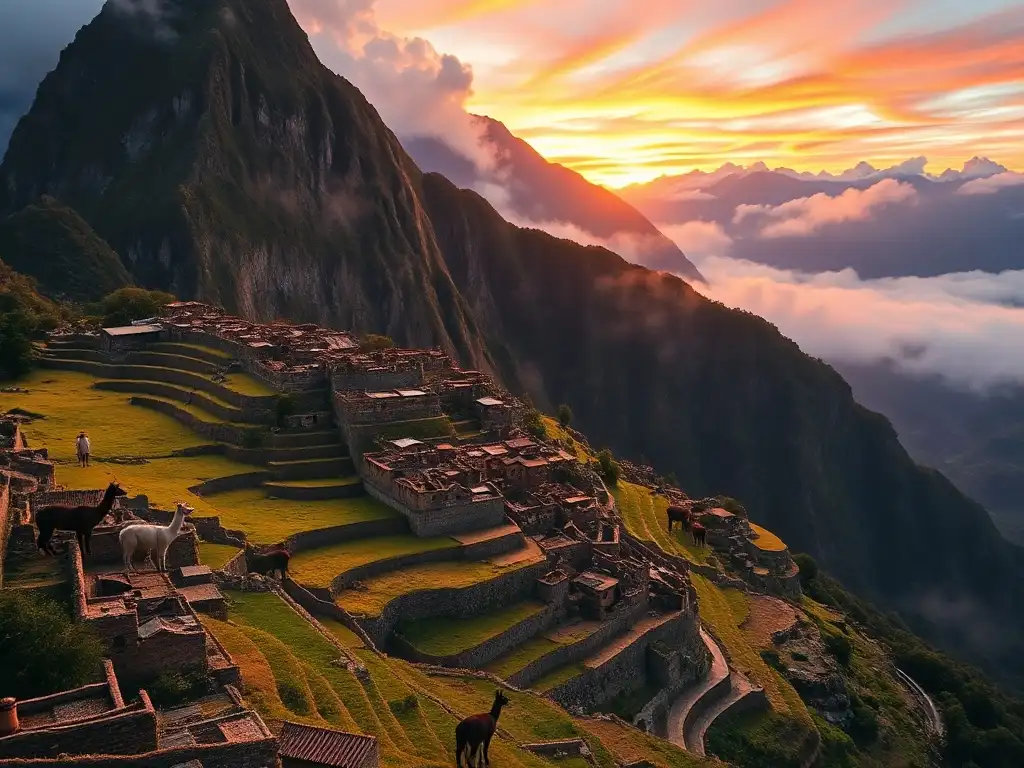
Step into a world lost in time, yet astonishingly relevant today. Imagine civilizations that not only thrived in the challenging Andean heights but mastered the art of agriculture unlike any other. Discover the secrets behind Andean civilizations vertical farming, a sophisticated system that allowed these incredible cultures to flourish against all odds. Prepare to be amazed as we unravel the ingenuity and resilience of the Incas, Moche, Nazca, and Tiahuanaco – a testament to human adaptation and innovation in the face of nature's grandest challenges. Continue reading to uncover the full story...
The towering Andes Mountains, a formidable natural barrier, presented an unparalleled challenge to the ancient inhabitants of South America. This dramatic landscape, characterized by steep slopes, varying altitudes, and diverse microclimates, shaped not only the cultural development of Andean civilizations but also necessitated ingenious agricultural strategies.
This article delves into the remarkable ingenuity of these civilizations, exploring their mastery of vertical farming—a sophisticated system of agricultural practices adapted to the unique environmental constraints of the Andes. We will examine how this innovative approach to food production sustained thriving populations and contributed to the remarkable achievements of the Incas, Moche, Nazca, and Tiahuanaco cultures, showcasing the undeniable link between environmental adaptation and societal progress in the Andes.
Understanding Andean vertical farming provides a fascinating glimpse into the resilience and adaptability of these remarkable societies, and offers valuable insights for modern sustainable agriculture techniques. The ingenuity of these ancient cultures, forced to adapt to a challenging environment, resulted in agricultural practices that continue to inspire and inform us today.
The Andean Challenge: Understanding the Landscape
The Andes Mountains present a complex and diverse environment. The altitude drastically impacts temperature and precipitation, creating a wide range of ecological zones within relatively short distances. High-altitude puna grasslands give way to lower-altitude cloud forests and valleys, each supporting a unique array of flora and fauna.
This vertical variation, coupled with steep slopes and often infertile soils, made traditional agriculture extremely difficult. The challenge was not merely to cultivate food, but to do so across a dramatically varied terrain. The lack of flat, arable land forced Andean communities to develop innovative methods to maximize their limited resources.
This environmental pressure became the catalyst for the development of sophisticated vertical farming techniques. The sheer scale of the Andean challenge—the rugged terrain, unpredictable weather patterns, and altitude-dependent growing conditions—made the achievement of these ancient civilizations all the more remarkable. Their success depended on a profound understanding of their environment and a remarkable capacity for adaptation.
Vertical Farming: A Necessity for Andean Cultures
Vertical farming in the Andes wasn't a single, uniform practice, but rather a collection of interconnected techniques adapted to specific ecological niches. These methods included:
- Terracing: The construction of terraces on hillsides, creating level platforms for cultivation, significantly increased arable land and reduced soil erosion. These terraces, often supported by intricate stone walls, were meticulously engineered to optimize water retention and sunlight exposure.
- Waru Waru: This unique system involved creating raised beds (waru) separated by irrigation canals (waru). These canals not only provided water for the crops but also acted as thermal regulators, moderating temperature fluctuations and protecting crops from frost. The system also facilitated efficient water management in arid regions.
- Andenes: These are essentially large-scale terraces, often found on mountain slopes. They created a series of steps, allowing farmers to cultivate different crops at varying altitudes, taking advantage of the diverse microclimates of the Andean landscape.
- Crop Rotation and Intercropping: Andean farmers skillfully employed crop rotation and intercropping techniques to maintain soil fertility and maximize yields. Different crops with varying nutrient requirements were strategically planted together or in succession to prevent soil depletion and pest infestations.
These techniques, implemented across the diverse Andean ecosystem, were crucial to the success and sustainability of Andean agriculture. The ingenuity and precision involved in their design and implementation underscore the depth of the Andean understanding of their environment. The effectiveness of these systems is evident in the thriving populations supported by these remarkably adapted agricultural practices.
Key Andean Civilizations and Their Agricultural Innovations
Several Andean civilizations made significant contributions to vertical farming. While the specifics varied, the underlying principle of adapting to the vertical landscape remained consistent.
| Civilization | Notable Agricultural Innovations | Specific Examples/Adaptations |
|---|---|---|
| Incas | Extensive terrace systems, sophisticated irrigation networks | Machu Picchu's agricultural terraces, intricate canal systems |
| Moche | Advanced irrigation techniques, specialized crop cultivation | Use of canals and aqueducts in arid coastal regions |
| Nazca | Underground canals (puquios) for water management | Ingenious subterranean irrigation systems in the Nazca desert |
| Tiahuanaco | Raised fields, sophisticated water management systems | Large-scale raised field agriculture in the Lake Titicaca region |
Each civilization adapted and refined these techniques to suit their specific environment and needs, demonstrating the flexibility and adaptability of vertical farming. The legacy of these ingenious agricultural practices continues to inspire modern-day efforts in sustainable agriculture and resource management. The study of Andean vertical farming provides invaluable lessons for addressing contemporary challenges in food security and environmental sustainability. 🌍
- The Andean Challenge: Understanding the Landscape
- Vertical Farming: A Necessity for Andean Cultures
- Key Andean Civilizations and Their Agricultural Innovations
- What is vertical farming, and how did Andean civilizations utilize it?
- How did the varied altitudes impact Andean agricultural practices?
- What types of crops were commonly grown in the Andean vertical farming system?
- What role did irrigation play in Andean vertical farming?
- How did Andean vertical farming techniques contribute to the civilizations' success?
The Ingenuity of Andean Vertical Agriculture
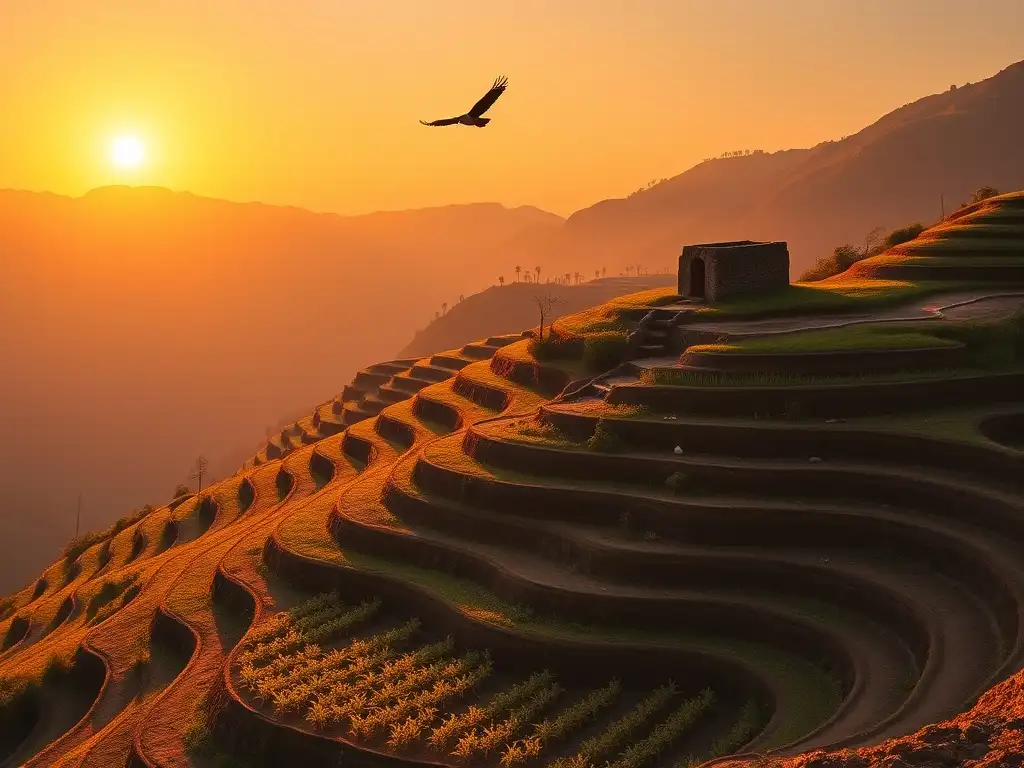
Andean civilizations, renowned for their mastery of challenging terrains, developed sophisticated agricultural techniques to thrive in the steep slopes and diverse altitudes of the Andes Mountains. This remarkable adaptation, often referred to as vertical farming, allowed them to maximize land use and produce a wide variety of crops, ensuring food security across diverse ecological zones. Their success demonstrates a deep understanding of both their environment and agricultural principles, a testament to their ingenuity and resilience. The Andean civilizations vertical farming practices were not merely a survival strategy; they were a sophisticated system reflecting a complex societal organization and worldview.
Terracing Techniques: Shaping the Mountainsides
The most visually striking element of Andean vertical farming is the extensive network of terraces that carve into the mountain slopes. These weren't haphazardly constructed; they were meticulously planned and built, often requiring immense labor and sophisticated engineering. Terraces transformed steep, unusable land into fertile, level plots ideal for cultivation.
The size and slope of each terrace were carefully considered, adapting to the specific topography and soil conditions. This precision minimized soil erosion, a critical concern on steep inclines. Different materials were used for terrace construction depending on local availability – stone, mud brick, and even interwoven vegetation – demonstrating an adaptability crucial for success across the varied Andean landscape.
The construction of these terraces also involved intricate water management systems, ensuring efficient irrigation and preventing water runoff. Evidence suggests that the construction of terraces, a hallmark of Andean civilizations, was a communal effort, reflecting the importance of agriculture to their social fabric. The precision and scale of these terracing projects are a testament to the advanced engineering and social organization of these ancient societies.
Irrigation Systems: Delivering Water to the Heights
Efficient irrigation was paramount for successful vertical farming. Andean civilizations developed a range of ingenious systems to channel water from rivers and springs to their terraced fields, often over considerable distances and significant elevation changes. These systems included canals, aqueducts, and sophisticated diversion structures, demonstrating a deep understanding of hydraulics.
Some systems utilized gravity to move water downhill, while others incorporated ingenious techniques like pressure irrigation or even the use of water-holding reservoirs to manage water flow. The specific techniques varied depending on the local geography and climate, highlighting the adaptive nature of Andean agricultural practices. For example, the Nazca culture is known for its complex canal systems, while the Inca employed sophisticated techniques for managing water in high-altitude regions.
The maintenance of these irrigation systems required ongoing communal effort, underscoring the importance of cooperation and shared resources within Andean communities. The effectiveness of these systems ensured consistent water supply to crops, even during periods of drought, contributing significantly to the success of Andean vertical farming. The remnants of these intricate irrigation systems remain visible today, offering a glimpse into the advanced engineering capabilities of these ancient civilizations.
Crop Diversity: Maximizing Yield in Varied Altitudes
Andean vertical farming wasn't just about manipulating the landscape; it also involved optimizing crop selection to suit the diverse microclimates found at different altitudes. The Andes boast a wide range of ecological zones, each with its own distinct temperature, rainfall, and soil conditions. Andean farmers took advantage of this vertical diversity by cultivating a wide array of crops at varying altitudes, maximizing their overall yield. Potatoes, for example, were cultivated at various altitudes, with different varieties adapted to different conditions.
Other important crops included maize, quinoa, beans, and various fruits and vegetables. This diverse agricultural system ensured food security and resilience in the face of environmental variability. The knowledge and understanding of the specific needs of each crop for optimal growth at different altitudes is a testament to the deep ecological knowledge possessed by Andean farmers.
This detailed understanding allowed them to achieve high yields and create a robust and sustainable food production system. The diversity of crops cultivated in the Andes is a powerful example of how Andean civilizations harnessed the verticality of their environment to create a highly productive agricultural system. The legacy of this system continues to influence modern agricultural practices in the region.
The Role of Andean Crops in Vertical Farming
Andean civilizations didn't just adapt to vertical farming; they developed crops specifically suited to the challenging terrain. Their ingenuity in selecting and cultivating these plants is a testament to their deep understanding of agriculture and their environment. The success of their vertical farming systems was intrinsically linked to the unique characteristics of the crops they chose.
Potatoes, for example, are a cornerstone of Andean agriculture and a prime example of a crop perfectly adapted to varied altitudes and microclimates. Their remarkable biodiversity, with thousands of varieties exhibiting different tolerances to temperature, sunlight, and soil conditions, allowed the Andes inhabitants to cultivate potatoes across a wide range of elevations. This wasn't simply a matter of planting the same potato at different heights; farmers carefully selected specific potato varieties ideally suited to the particular conditions of each agricultural terrace or niche.
Beyond potatoes, other crucial crops played vital roles in the Andean vertical farming systems. Quinoa, a highly nutritious grain, thrived in the harsh, high-altitude environments where other crops would struggle. Its resilience to frost and drought made it a staple food source, ensuring food security even in challenging years.
Similarly, maize, though not as naturally adapted to high altitudes as potatoes or quinoa, was successfully integrated into the vertical farming systems through careful selection of varieties and meticulous agricultural practices. The careful management of water resources, often involving complex irrigation systems, was crucial for the success of maize cultivation at higher elevations. The cultivation of these crops, alongside beans, squash, and other locally adapted plants, created a diverse and resilient agricultural system capable of supporting large populations in the challenging Andean environment.
This diversity was key to mitigating risks associated with crop failure due to disease, pests, or unpredictable weather patterns. The Andean approach to crop selection and cultivation showcases a sophisticated understanding of ecological principles, long predating modern agricultural practices. Their success highlights the importance of biodiversity and crop adaptation in sustainable agriculture, even in the most challenging environments.
Case Studies of Vertical Agriculture in Andean Civilizations
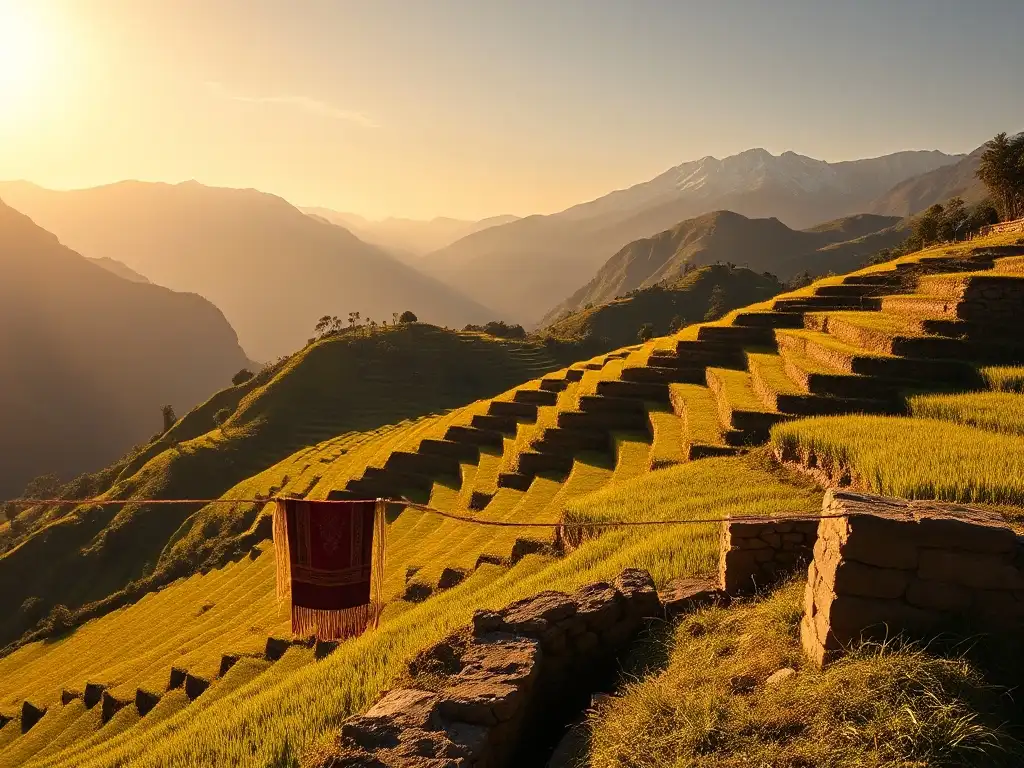
Andean civilizations, renowned for their ingenuity and adaptation to challenging terrains, mastered vertical farming techniques to maximize agricultural output in diverse and often steep environments. This section explores specific examples of their impressive agricultural innovations, highlighting the ingenuity and sophisticated understanding of their environment. The term "vertical farming," while a modern concept, accurately describes their strategies for exploiting altitude variations to cultivate a wider range of crops.
This sophisticated approach to agriculture allowed for increased food production, supporting large populations and complex societal structures. The techniques employed by different Andean cultures reveal a remarkable capacity for adaptation and innovation in response to the unique challenges of the Andean landscape. The mastery of these techniques was crucial for the survival and prosperity of these remarkable civilizations.
Inca Agricultural Terraces: A Model of Efficiency
Inca agricultural terraces represent a pinnacle of Andean vertical farming. These meticulously constructed stone walls carved into hillsides created level platforms for cultivation, allowing for efficient water management and optimal sunlight exposure across varying altitudes. The terraces weren't just aesthetically pleasing; they were a vital part of the Inca empire's food security strategy. The precise engineering involved in their construction, considering factors like slope, drainage, and soil composition, demonstrates an advanced understanding of agricultural principles.
Moray Terraces: Circular Depressions for Microclimates
Among the most impressive examples of Inca agricultural terraces are the circular depressions at Moray. These concentric rings, descending in levels, created a series of microclimates, allowing for the cultivation of a wide variety of crops, from those suited to cooler, higher altitudes to those thriving in warmer, lower elevations. The temperature differences between levels could be as significant as 15°C, providing a unique experimental environment for Inca agriculturalists. Evidence suggests that the Incas meticulously studied and manipulated these microclimates to optimize crop yields, showcasing their advanced understanding of environmental factors and agricultural experimentation.
This sophisticated system allowed them to grow a diverse range of crops, contributing significantly to the empire's food security and economic stability. Further research is needed to fully understand the extent of their experimentation and the precise techniques employed at Moray. [Specific information pending on the exact number of crop varieties cultivated at Moray].
Moche Agricultural Practices: Adapting to Coastal and Highland Environments
While the Inca are often associated with terrace farming, other Andean civilizations developed equally impressive, albeit different, vertical farming techniques. The Moche civilization, flourishing on the arid north coast of Peru, adapted their agricultural practices to the unique challenges of their environment. Their ingenuity in harnessing limited water resources and creating fertile land in seemingly inhospitable areas is a testament to their understanding of both hydrology and agriculture.
Raised Fields and Canals: Utilizing Floodplains and Water Management
The Moche skillfully employed raised fields and intricate canal systems to maximize agricultural production in their coastal and highland environments. Raised fields, constructed above floodplains, provided fertile land while protecting crops from flooding during the rainy season. These elevated plots were often irrigated by a complex network of canals that channeled water from rivers and streams.
The Moche's understanding of water management was critical to their success; their canal systems not only irrigated the fields but also helped control flooding and erosion. This sophisticated approach, combined with their raised field techniques, allowed them to cultivate a significant amount of food in an otherwise challenging environment. The precision of their engineering, particularly in the construction of canals and raised fields, is evident in the archaeological remains and continues to impress modern engineers and agricultural specialists.
The Moche's mastery of these techniques underscores the importance of innovation and adaptation in ensuring food security in challenging environments. [Further research is needed to quantify the increase in crop yields achieved through the Moche's raised field and canal system].
The Influence of Tiahuanaco on Andean Agricultural Practices
The Tiahuanaco civilization, flourishing in the Altiplano region of the Andes from approximately 500 to 1000 CE, significantly impacted agricultural practices across the region. Their mastery of water management and innovative farming techniques, particularly their sophisticated understanding of raised-field agriculture, profoundly influenced subsequent Andean cultures. The Tiahuanaco's success in cultivating the challenging high-altitude environment served as a blueprint for generations of Andean farmers.
Their influence can be seen in the widespread adoption of similar techniques, adapted to local conditions, by later civilizations like the Inca. The Tiahuanaco's ability to cultivate food surpluses in a harsh environment is a testament to their ingenuity and underscores the importance of their agricultural innovations in shaping the broader Andean landscape. Their techniques, while evolving over time, laid the foundation for the advanced agricultural systems that characterized the later Inca Empire and contributed significantly to its power and stability.
Understanding Tiahuanaco's agricultural practices provides crucial insight into the development of Andean vertical farming techniques and their long-term impact on the region's food security. The legacy of Tiahuanaco’s agricultural innovations remains a powerful example of human adaptation and resilience in the face of environmental challenges. This legacy continues to inspire modern agricultural practices, particularly those aimed at sustainable food production in challenging environments.
Waru Waru Agriculture: Raised Beds in Wetlands
Waru Waru, a sophisticated form of raised-field agriculture pioneered by the Tiahuanaco, represents a remarkable achievement in Andean engineering and agricultural innovation. These elevated planting beds, constructed in wetland areas, served several crucial functions. Firstly, they improved drainage, preventing waterlogging and creating optimal soil conditions for crop growth. Secondly, they increased soil temperature, allowing for earlier planting and longer growing seasons, vital in the relatively short growing season of the Altiplano. Thirdly, the raised beds acted as thermal reservoirs, moderating temperature fluctuations and protecting crops from frost.
The construction of Waru Waru involved careful planning and meticulous execution. Farmers would create a network of interconnected raised beds separated by canals. These canals served not only for drainage but also for irrigation, allowing for efficient water management and distribution. The raised beds themselves were often enriched with organic matter, further enhancing soil fertility. The system's effectiveness allowed for increased yields and greater agricultural productivity, contributing significantly to the Tiahuanaco's ability to support a large population.
Evidence suggests that Waru Waru systems were carefully maintained and adapted over generations, demonstrating a deep understanding of the local ecosystem and a commitment to sustainable agricultural practices. The enduring legacy of Waru Waru is evident in its continued use in some Andean communities today, showcasing the timelessness and adaptability of this ancient farming technique. The ingenuity and effectiveness of Waru Waru underscore the profound connection between Andean civilizations and their environment, a relationship built on innovation and a deep respect for the land. The impact of Waru Waru on Andean agricultural practices and its subsequent influence on other cultures highlights the significance of this ancient technology in shaping the food systems of the Andes.
Benefits of Vertical Farming in the Andes
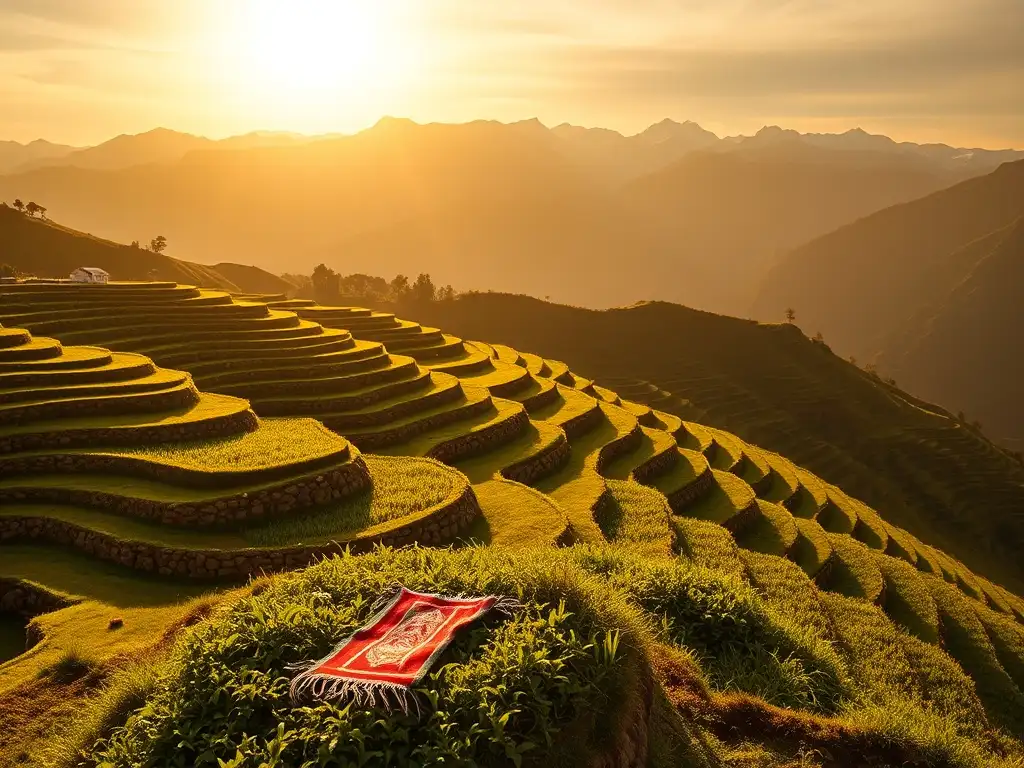
The challenging Andean terrain, characterized by steep slopes, limited arable land, and diverse microclimates, presented significant obstacles to traditional agriculture. However, the ingenuity of Andean civilizations found solutions in innovative farming techniques, laying the groundwork for what we now recognize as vertical farming principles. While not explicitly "vertical farming" in the modern, technologically advanced sense, their methods effectively maximized limited land and resources, demonstrating remarkable adaptation and resilience.
This section explores the key benefits of these vertical farming approaches, examining their impact on food security, sustainable resource management, and climate change adaptation. Understanding these historical practices offers valuable insights for contemporary approaches to sustainable agriculture in the Andes and beyond.
The application of modern vertical farming techniques could significantly enhance these already impressive achievements, offering a pathway towards food security and environmental sustainability in this unique and challenging ecosystem. The keyword "Andean civilizations vertical farming" is intrinsically linked to the success and innovation showcased here.
Food Security and Self-Sufficiency
Andean civilizations achieved remarkable food security through sophisticated agricultural practices, many of which incorporated vertical elements. Terracing, for example, transformed steep slopes into a series of level platforms, increasing arable land dramatically. This allowed for greater crop yields and diversification, ensuring a reliable food supply even in challenging conditions.
The Inca, for example, were masters of terracing, creating extensive agricultural landscapes that supported large populations. Their system wasn't simply about creating more space; it also involved careful crop selection and rotation, maximizing nutrient utilization and minimizing soil erosion. This intricate system provided a safety net against crop failures, ensuring a degree of self-sufficiency crucial for their societal stability.
Furthermore, the integration of different crops at varying altitudes allowed for year-round harvests, further enhancing food security. This ingenuity directly relates to the search term "Andean civilizations vertical farming" as it showcases the vertical nature of their agricultural solutions, increasing food production and self-sufficiency.
Sustainable Resource Management
The vertical farming techniques employed by Andean civilizations were inherently sustainable. Terracing, for instance, minimized soil erosion, a significant problem in mountainous regions. The careful management of water resources, including the construction of irrigation canals and reservoirs, was another key aspect of their sustainability strategy. These systems efficiently channeled water to different agricultural levels, optimizing its use and reducing water waste.
The integration of diverse crops also contributed to soil health, promoting natural fertilization and pest control. This approach contrasts sharply with modern, intensive agriculture, which often relies heavily on chemical inputs and depletes soil resources. The Andean model provides a powerful example of sustainable resource management, highlighting the long-term benefits of integrated and ecologically sensitive practices. The concept of "Andean civilizations vertical farming" underscores the environmentally conscious nature of their methods, offering valuable lessons for modern sustainable agriculture.
Adaptation to Climate Variations
The Andes exhibit significant climatic variability, with microclimates differing dramatically even over short distances. Andean civilizations successfully adapted to this variability through their vertical farming systems. By cultivating diverse crops at different altitudes, they mitigated the risks associated with unpredictable weather patterns.
For instance, crops sensitive to frost could be grown at lower altitudes, while those requiring cooler temperatures could be planted higher up. This diversification minimized the impact of localized weather events, ensuring a more stable food supply. The integration of different crops also fostered biodiversity, enhancing resilience to pests and diseases.
This adaptable approach demonstrates the inherent flexibility and robustness of vertical farming systems in the face of climate change. The search term "Andean civilizations vertical farming" emphasizes the historical relevance of vertical farming in mitigating the effects of climate change, showcasing the remarkable adaptability of these ancient cultures. The lessons from their practices are crucial for contemporary agriculture, particularly in the face of increasing climate instability.
The Legacy of Andean Vertical Farming
Andean civilizations, renowned for their ingenuity in adapting to the challenging Andean landscape, developed sophisticated agricultural techniques to maximize food production in diverse, often steep, terrains. Vertical farming, a term now associated with modern high-tech agriculture, was in essence, a cornerstone of their survival for centuries. This wasn't simply planting crops on slopes; it was a complex system involving terracing, irrigation canals, and crop diversification, all meticulously designed to optimize resource use and yield.
The enduring legacy of these methods continues to inspire modern agricultural practices and offers valuable lessons for sustainable food production in challenging environments. Understanding the Andean approach to vertical farming provides crucial insights into the ingenuity and resilience of these remarkable civilizations.
The sheer scale of some of their agricultural projects, like the impressive terraces of the Inca Empire, is a testament to their organizational prowess and advanced understanding of environmental management. These weren't haphazard efforts; they represent a deep understanding of soil types, water management, and microclimates – a sophisticated understanding that allowed them to cultivate a wide variety of crops, ensuring food security across diverse altitudes.
Modern Applications of Ancient Techniques
Many modern agricultural practices draw inspiration from the innovative techniques employed by Andean civilizations. The concept of terracing, for example, is being revived and adapted in various contexts to address issues of soil erosion and water management on slopes. Modern vertical farms, while utilizing advanced technologies like hydroponics and aeroponics, still share a fundamental principle with Andean systems: maximizing yield in limited space.
The ingenuity of the Andean system of waru waru agriculture, which involved raised beds and irrigation channels, is being studied and implemented in modern sustainable agriculture projects. This technique not only increases yields but also improves water retention and reduces the impact of frost. The meticulous planning and observation of the Andean farmers are also being studied to develop more resilient and efficient farming systems.
For instance, the careful selection of crops suited to specific microclimates, a core aspect of Andean agriculture, is now being incorporated into precision agriculture models. Analyzing the efficiency of Andean water management systems – their canals and irrigation techniques – provides valuable information for modern water conservation strategies. The integration of traditional knowledge with modern technology offers exciting possibilities for sustainable food production.
Lessons for Contemporary Agriculture
The success of Andean vertical farming offers several crucial lessons for contemporary agriculture. Firstly, diversification is key. Andean farmers didn't rely on monocultures; their systems were characterized by a wide range of crops, creating resilience against pests, diseases, and climate variability. This contrasts sharply with many modern agricultural practices that prioritize high yields of a single crop, making them more vulnerable to disruptions.
Secondly, water conservation was paramount. The intricate irrigation systems developed by Andean civilizations demonstrate a remarkable understanding of water management, a crucial lesson for a world facing increasing water scarcity. Thirdly, soil conservation was central to their practices. Terracing minimized erosion and preserved soil fertility, unlike some modern farming methods that can lead to significant soil degradation.
Finally, the Andean approach highlights the importance of local knowledge and adapting farming practices to specific environmental conditions. Ignoring this indigenous knowledge in favor of standardized, large-scale approaches can lead to ecological damage and decreased yields. The Andean example underscores the need for a more holistic and sustainable approach to agriculture, one that integrates traditional wisdom with modern technology.
Preserving Andean Agricultural Heritage
Preserving the knowledge and practices of Andean vertical farming is crucial not only for understanding the past but also for shaping a more sustainable future. This involves documenting and studying existing traditional farming practices, supporting communities that continue to utilize these techniques, and integrating this knowledge into modern agricultural research and development. The loss of this invaluable heritage would represent a significant setback for sustainable agriculture and food security. Efforts to preserve Andean agricultural heritage include:
- Ethnobotanical studies: Documenting the diverse range of crops cultivated by Andean civilizations and the traditional knowledge associated with their cultivation.
- Community-based conservation: Supporting local communities in maintaining and revitalizing their traditional farming practices.
- Agricultural research: Integrating traditional Andean farming techniques into modern agricultural research to develop more sustainable and resilient farming systems.
- Educational initiatives: Raising awareness about the importance of Andean agricultural heritage and its relevance to contemporary challenges.
The continued study and application of Andean vertical farming techniques offer a pathway towards creating more resilient, sustainable, and productive agricultural systems, both in the Andes and globally. This legacy is not just about the past; it is a vital resource for addressing the challenges of the future.
Frequently Asked Questions
What is vertical farming, and how did Andean civilizations utilize it?
Andean civilizations practiced vertical farming by cultivating crops at different altitudes, taking advantage of varied microclimates. This involved planting different crops at different elevations based on their specific needs for temperature and sunlight, maximizing agricultural output. They cleverly adapted to the challenging terrain.
How did the varied altitudes impact Andean agricultural practices?
The steep slopes and diverse altitudes of the Andes Mountains forced Andean people to develop innovative agricultural techniques. They used terraces, irrigation systems, and a wide variety of crops suited to different altitudes and microclimates to optimize food production. This allowed them to cultivate a diversity of crops.
What types of crops were commonly grown in the Andean vertical farming system?
Andean farmers cultivated a wide range of crops, including potatoes, maize, quinoa, beans, and coca, each adapted to specific altitudes and environmental conditions. The diversity of crops ensured food security and nutritional variety.
What role did irrigation play in Andean vertical farming?
Irrigation was essential to Andean agriculture. They constructed complex systems of canals and terraces to channel water from higher elevations to lower fields, enabling cultivation even in arid areas. This allowed for year-round crop production in many regions.
How did Andean vertical farming techniques contribute to the civilizations' success?
The sophisticated vertical farming techniques were crucial to the success and longevity of the Andean civilizations. They allowed for the support of large populations in challenging environments, contributing significantly to their economic and social stability. This efficient system provided a sustainable food source.
Final Reflection: Echoes of the Andes: A Legacy of Vertical Farming
The ingenious agricultural techniques of the Andean civilizations remain a potent symbol of human ingenuity and resilience, offering vital lessons for a world grappling with climate change and food security. Their mastery of vertical farming, a practice honed over millennia, continues to inspire innovative solutions to modern challenges, proving that sustainable practices are not merely a modern concept, but a deeply rooted human imperative.
The enduring legacy of Andean agricultural practices transcends mere historical interest; it speaks to our capacity for adaptation and innovation in the face of adversity. Their understanding of their environment, their deep respect for the land, and their ability to coax life from seemingly inhospitable slopes offer a powerful counterpoint to modern, often unsustainable, agricultural practices. The mountains are not just a physical landscape, but a living entity, a source of life and sustenance.
This sentiment, though paraphrased, captures the profound connection the Andean people held with their environment – a connection we must strive to rekindle in our own time.
Consider the ingenuity of the waru waru system, the terraced fields, the sophisticated irrigation techniques – these weren't simply methods of food production; they were expressions of a deep cultural and spiritual relationship with the land. You, the reader, are now equipped with a deeper understanding of these remarkable achievements. Let this knowledge inspire you to explore sustainable practices in your own life, whether it's supporting local farmers, reducing your food waste, or simply appreciating the intricate balance of nature. Let the echoes of the Andes guide you towards a more sustainable and harmonious future.
Elevate Your Understanding: Dive into Andean Agriculture Today!
Thank you for exploring the fascinating world of Andean civilizations and their extraordinary agricultural innovations! Your interest helps preserve and celebrate these incredible cultural achievements. Let's delve deeper!
Here are some ways to further explore this captivating topic:
- Explore Vertical Farming Techniques: Experiment with vertical gardening at home! Start with herbs or microgreens to experience these ancient techniques firsthand.
- Join the Discussion: Share your thoughts and insights on social media or in the comments below. Connect with other enthusiasts and discover new ways to engage with Andean history and culture.
- Learn More: Visit andeancivilizations.com for more articles and resources exploring the rich heritage of the Andes.
What aspect of Andean agriculture most fascinates you, and how might it inspire your own gardening practices or community involvement? We'd love to hear your thoughts!