
The Mystery of Andean Crop Diversity: A Legacy of Adaptation

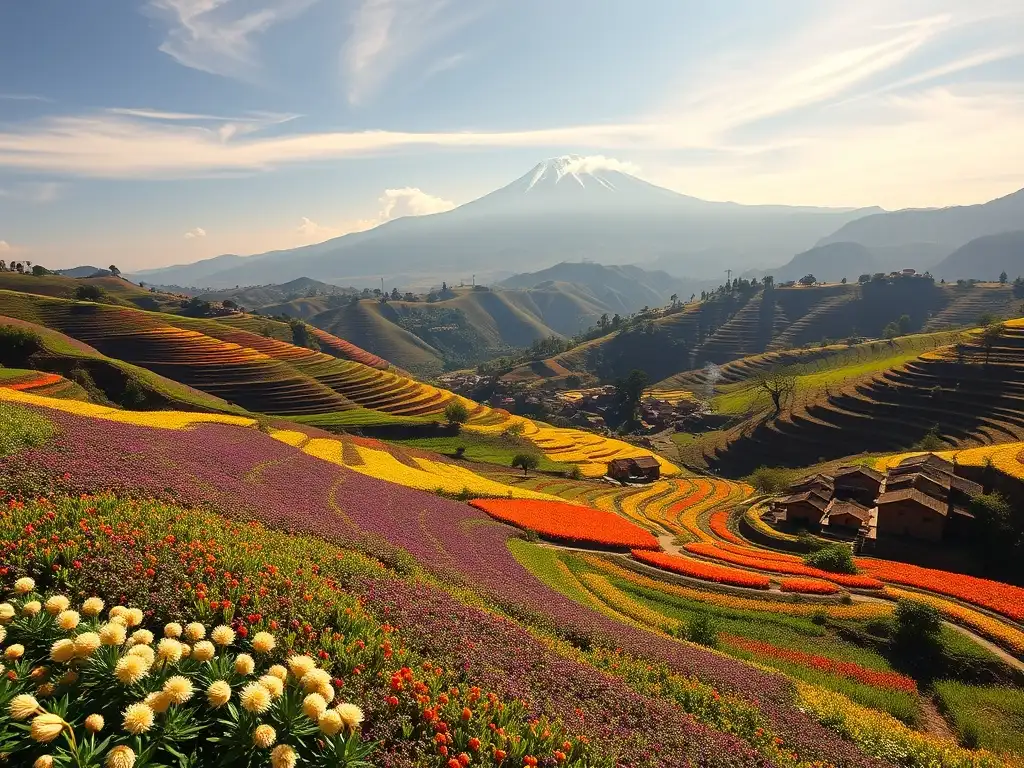
Welcome to Andean Civilizations, where the echoes of a lost world whisper tales of ingenuity and resilience. Prepare to be captivated by the astonishing achievements of ancient Andean cultures, from the Incas to the Nazca. But first, unravel the enigma of Andean crop diversity history: how did these civilizations cultivate such an incredible array of crops in some of the world's most challenging terrains? Discover the answers—and much more—as you journey through our exploration of their remarkable legacy.
The Andes Mountains, a spine of towering peaks and plunging valleys stretching along the western coast of South America, present an extraordinary challenge to agriculture. Varied altitudes, dramatic temperature swings, and unpredictable rainfall create a landscape seemingly hostile to cultivation. Yet, this seemingly unforgiving environment nurtured an astonishing diversity of crops, cultivated by ingenious Andean civilizations for millennia.
This article delves into the fascinating history of Andean crop diversity, exploring the ingenious agricultural techniques and profound understanding of their environment that allowed these cultures to not only survive but thrive in such challenging conditions. Understanding this legacy of adaptation provides crucial insights into the resilience and ingenuity of Andean peoples and offers valuable lessons for modern sustainable agriculture, particularly in the face of climate change.
We will examine the key crops, the methods employed, and the lasting impact of this remarkable achievement on the Andean world and beyond. The keyword "Andean crop diversity history" will be explored throughout this article, highlighting the unique aspects of this agricultural legacy.
Key Crops of the Andes: A Diverse Palette
The Andean region boasts an unparalleled array of domesticated plants, a testament to the ingenuity of its inhabitants. Far beyond the familiar potato ( Solanum tuberosum), which is often associated with the Andes, a remarkable diversity of crops were cultivated, each uniquely adapted to specific ecological niches. These include:
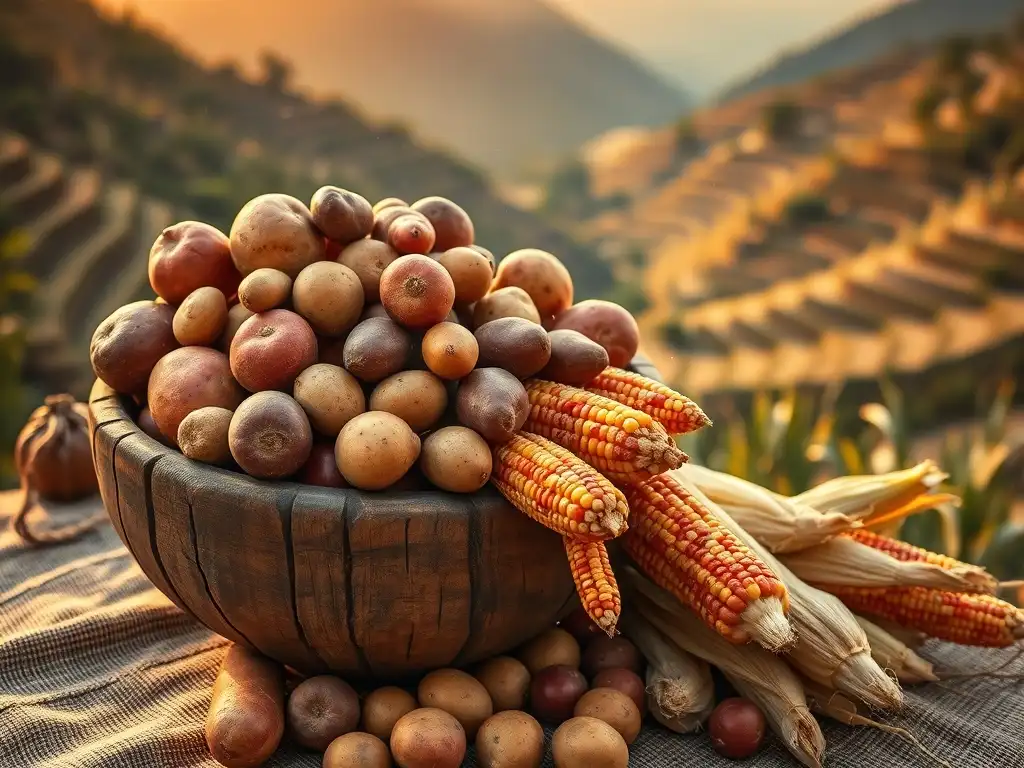
- Potatoes: Not just one type, but thousands of varieties, each with unique characteristics in terms of size, color, taste, and suitability to different altitudes and climates. The sheer diversity of potato cultivars reflects centuries of careful selection and adaptation.
- Maize (Corn): A staple crop across the Americas, maize played a vital role in Andean diets and economies. Different varieties were adapted to varying altitudes and growing conditions.
- Quinoa (Chenopodium quinoa): A highly nutritious pseudocereal, quinoa is remarkably adaptable to harsh conditions, including high altitudes and poor soils. Its cultivation was crucial to the survival of Andean populations.
- Beans (various species): Beans provided an important source of protein and complemented the carbohydrate-rich diets based on potatoes and maize. Many different bean varieties were cultivated, each with unique properties.
- Tomatoes (Solanum lycopersicum): While often associated with modern cuisine, tomatoes originated in the Andes and were cultivated in a wide range of varieties.
- Peppers (various species): From mild to intensely hot, peppers added flavor and spice to Andean diets. Their cultivation was widespread throughout the region.
This impressive list only scratches the surface of the vast array of crops cultivated in the Andes. Each crop's cultivation and management contributed to a complex and resilient agricultural system. The intricate knowledge of these crops and their specific environmental requirements was passed down through generations, shaping the cultural identity and survival of Andean societies.
Ingenious Agricultural Techniques: Harnessing the Power of the Andes
The cultivation of such a diverse range of crops in the challenging Andean environment was not simply a matter of chance. Andean farmers developed sophisticated agricultural techniques that maximized yields and minimized risks. These included:
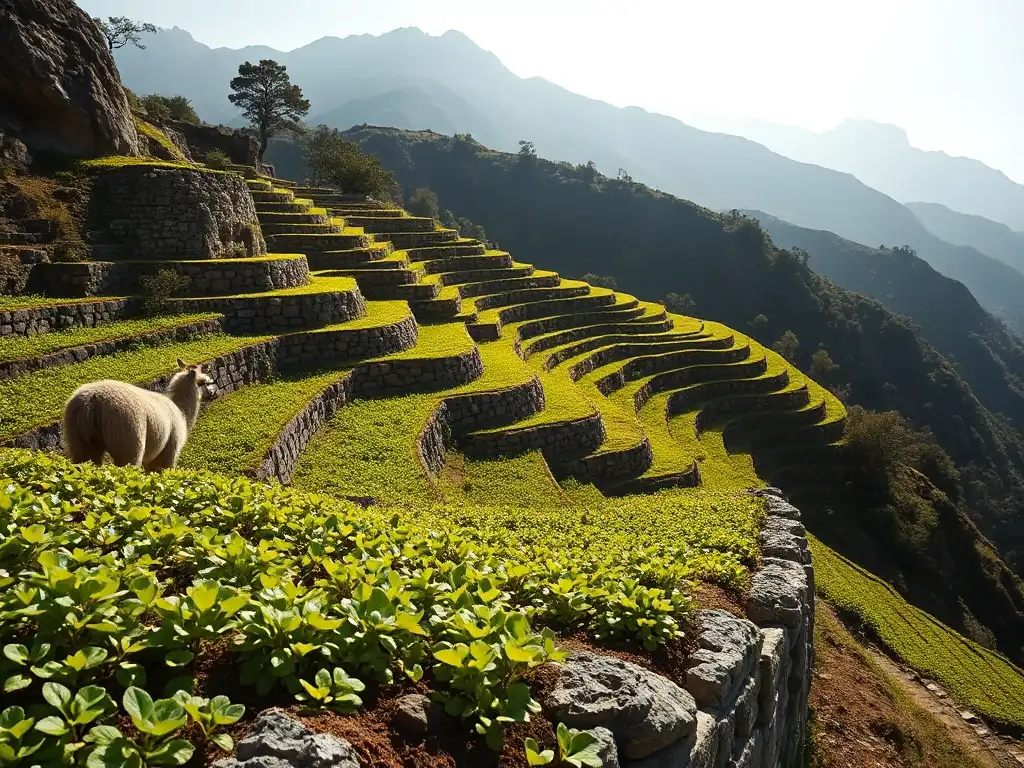
- Terracing: The construction of terraces on steep slopes allowed for efficient water management and increased cultivable land. This technique is still visible today in many Andean landscapes.
- Irrigation Systems: Complex networks of canals and channels diverted water from rivers and streams to irrigate fields, ensuring a stable water supply even in dry seasons.
- Waru Waru Agriculture: This ancient technique involved creating raised beds surrounded by canals, improving drainage and water retention. It also helped regulate soil temperature and protect crops from frost.
- Crop Rotation and Intercropping: These practices helped maintain soil fertility and reduce the risk of crop failure. By planting different crops together or in rotation, farmers maximized the use of available resources.
- Animal Manure and Fertilizer: The use of animal manure and other organic fertilizers enriched the soil and improved crop yields.
These techniques, developed over centuries, allowed Andean farmers to achieve remarkable levels of agricultural productivity in a challenging environment. The ingenuity displayed in these methods reflects a deep understanding of the Andean ecosystem and its complexities. The sophisticated knowledge and practical skills involved were essential for the survival and prosperity of Andean societies.
The Lasting Impact of Andean Crop Diversity
The legacy of Andean crop diversity extends far beyond the region's borders. Many of these crops, including potatoes, tomatoes, and quinoa, are now cultivated globally, contributing significantly to food security worldwide. The Andean agricultural techniques also hold valuable lessons for modern sustainable agriculture, particularly in the face of climate change. The adaptability of Andean crops and the ingenuity of the agricultural practices offer insights into how to build more resilient and sustainable food systems.
The historical understanding of Andean crop diversity, therefore, has implications far beyond the academic realm, offering practical solutions for the challenges of the 21st century. Further research into the historical practices and genetic diversity of these crops remains crucial for ensuring food security and promoting sustainable agricultural practices globally. The study of "Andean crop diversity history" continues to yield important insights into both past and future agricultural practices.
- Key Crops of the Andes: A Diverse Palette
- Ingenious Agricultural Techniques: Harnessing the Power of the Andes
- The Lasting Impact of Andean Crop Diversity
Unveiling the Roots of Andean Crop Diversity
The remarkable Andean crop diversity history is a testament to the ingenuity and resilience of ancient Andean civilizations. Their ability to cultivate a vast array of crops in the challenging Andean environment is a story of adaptation, innovation, and a deep understanding of their unique ecosystem. This section delves into the factors that contributed to this extraordinary agricultural achievement, focusing on the geographic influences and the sophisticated agricultural techniques employed.
Understanding this legacy helps us appreciate the complexity and sophistication of Andean agricultural practices and their lasting impact on global food security. The keyword "Andean crop diversity" is central to this exploration, highlighting the sheer variety and resilience of the crops cultivated.
The Unique Geography of the Andes and its Influence on Agriculture
The Andes Mountains, stretching along the western coast of South America, present a dramatically diverse geography. Altitude varies drastically, creating distinct ecological zones, each with its own microclimate and suitability for specific crops. This verticality, often referred to as altiplano, is a crucial factor in understanding Andean crop diversity. From the arid coastal deserts to the high-altitude puna grasslands and the lush cloud forests of the yungas, each zone supported a unique array of crops adapted to its specific conditions.
This verticality allowed for a staggering range of agricultural products. Lower altitudes, with warmer temperatures and more rainfall, were ideal for cultivating tropical crops like maize (corn), while higher altitudes, characterized by cooler temperatures and less rainfall, were suitable for crops like potatoes, quinoa, and various beans. This vertical stratification enabled the Andeans to create a complex agricultural system that maximized resource utilization and ensured food security throughout the year.
The diverse topography also fostered the development of unique varieties within each crop species, as different environments selected for different traits. For example, potatoes, a staple crop, exhibit an astonishing level of genetic diversity, with thousands of varieties adapted to specific altitudes, soil types, and climatic conditions. This genetic diversity is a direct result of the challenging yet rewarding Andean landscape.
Pre-Columbian Agricultural Practices and Crop Selection
Pre-Columbian Andean agricultural practices were far from rudimentary. They involved sophisticated techniques that maximized crop yields and adapted to the challenging environment. Careful observation of natural patterns, combined with centuries of accumulated knowledge, allowed for the development of innovative methods, such as:
- Terracing: This technique involved creating flat platforms on steep slopes, allowing for efficient irrigation and soil conservation. Terracing significantly increased the amount of arable land available, especially in mountainous regions.
- Irrigation Systems: Complex irrigation canals and channels were built to divert water from rivers and streams to cultivated fields, ensuring a reliable water supply even in arid regions. These systems were remarkably sophisticated, demonstrating a deep understanding of hydrology and engineering.
- Crop Rotation and Intercropping: Andean farmers practiced crop rotation to maintain soil fertility and prevent the depletion of nutrients. Intercropping, the practice of planting different crops together, further diversified the agricultural system and enhanced resilience against pests and diseases.
- Domestication and Selection: The Andeans actively selected and domesticated a wide range of crops, adapting them to the specific conditions of their environment. This process resulted in the development of unique varieties with desirable traits, such as high yields, disease resistance, and adaptability to high altitudes. The selection of crops also demonstrates a deep understanding of the ecological relationships within the Andean environment.
The combination of these techniques, coupled with a deep understanding of the Andean environment, allowed for the cultivation of an astonishing variety of crops. This diversity was not merely a matter of chance; it was the result of centuries of careful observation, experimentation, and adaptation. The legacy of this agricultural ingenuity continues to influence modern agricultural practices and provides valuable lessons for sustainable food production in challenging environments.
The remarkable Andean crop diversity history underscores the importance of preserving and understanding traditional agricultural knowledge. The continued study of these practices offers valuable insights for addressing modern challenges related to food security and environmental sustainability. The impact of Andean agricultural innovation resonates even today, showcasing the enduring legacy of these remarkable civilizations.
Key Crops of the Ancient Andes: A Diverse Palette
The remarkable Andean crop diversity history is a testament to the ingenuity and adaptability of ancient Andean civilizations. Facing a challenging landscape of varying altitudes, climates, and soil conditions, these cultures didn't just survive; they thrived by cultivating a breathtaking array of crops. This section will explore some of the key players in this agricultural success story, highlighting their significance and the remarkable genetic diversity they exhibit.
The sheer variety of crops cultivated speaks volumes about the sophisticated understanding of agriculture possessed by these ancient peoples, a legacy that continues to influence modern Andean agriculture and global food security. Understanding this diversity is key to understanding the Andean crop diversity history and its lasting impact.
Potatoes: More Than Just a Staple, a Genetic Marvel
Potatoes ( Solanum tuberosum) are arguably the most iconic Andean crop, and their story is one of remarkable genetic diversity. Far from the uniform potatoes found in many supermarkets today, the ancient Andes boasted thousands of potato varieties, each uniquely adapted to specific ecological niches. These varieties differed dramatically in size, shape, color (from creamy white to deep purple), taste, and even their growing requirements.
Some thrived at high altitudes, others in warmer, lower valleys. This incredible adaptability allowed the Andean people to cultivate potatoes across a vast range of environments, ensuring a reliable food source even in the face of challenging conditions. This genetic richness is a crucial element of the Andean crop diversity history, reflecting a deep knowledge of plant breeding and adaptation techniques.
The sheer number of varieties—estimates range in the thousands—is a testament to the agricultural prowess of these ancient cultures. Many of these ancient varieties possess valuable traits, such as disease resistance and tolerance to harsh climates, that are actively being researched today to improve modern potato crops. Their study is crucial for understanding Andean crop diversity history and securing future food supplies.
Quinoa: The Andean Superfood and its Ancient Lineage
Quinoa ( Chenopodium quinoa) is another cornerstone of Andean agriculture, celebrated today as a "superfood" due to its high nutritional value and adaptability. Like potatoes, quinoa boasts a remarkable diversity of varieties, each with its own unique characteristics. These variations manifest in seed color (ranging from white and red to black and purple), size, shape, and cooking properties.
The ability of quinoa to thrive in harsh, high-altitude environments, often with poor soil quality, is a testament to its resilience and the sophisticated agricultural practices of the Andean people. The Andean crop diversity history is intrinsically linked to the cultivation and development of quinoa, which provided a crucial source of protein and essential nutrients in challenging environments. Unlike many crops, quinoa is naturally gluten-free, adding to its modern appeal, but its significance in the Andean crop diversity history extends far beyond this single attribute.
It represents a resilient and adaptable crop that played, and continues to play, a vital role in the Andean diet and economy. Preserving the genetic diversity of quinoa is not only crucial for food security but also for safeguarding a crucial piece of Andean heritage.
Maize: Variations and Adaptations to Diverse Altitudes
Maize ( Zea mays), or corn, is another crucial component of the Andean crop diversity history. While not native to the Andes, maize was adopted and extensively modified by Andean cultures, resulting in a diverse array of varieties adapted to the unique conditions of the region. Different varieties were selected and bred for different altitudes and climates.
Some were suited to the warmer, lower valleys, while others thrived in the cooler, higher elevations. The diversity extended beyond simple adaptation to altitude, encompassing variations in kernel size, shape, color, and even the timing of their maturation. This adaptability allowed for a year-round supply of maize in many areas, a testament to the advanced understanding of agriculture possessed by the Andean peoples.
The Andean crop diversity history shows that the integration of maize into their agricultural systems was not a passive process, but rather a dynamic interplay of adaptation and innovation. The resulting diversity of maize varieties in the Andes is a powerful reminder of the ingenuity and adaptability of ancient Andean farmers and their profound impact on shaping the landscape and the food systems of the region. The study of these maize variations is key to understanding the Andean crop diversity history.
Other Important Andean Crops: Oca, Ulluco, Mashua, and their Significance
Beyond the "big three" of potatoes, maize, and quinoa, the Andean agricultural landscape boasted a remarkable diversity of crops, each playing a crucial role in the sustenance and cultural practices of the ancient civilizations. Oca ( Oxalis tuberosa), ulluco ( Ullucus tuberosus), and mashua ( Tropaeolum tuberosum) represent this lesser-known yet equally important facet of Andean crop diversity. These three root crops, often overlooked in modern discussions of Andean agriculture, contributed significantly to the dietary and economic stability of the region for millennia.
Their cultivation demonstrated a sophisticated understanding of Andean ecosystems and a remarkable capacity for adaptation to challenging environmental conditions. Understanding their role helps us appreciate the full extent of Andean agricultural ingenuity and its contribution to the "Andean crop diversity history."
The cultivation of oca, ulluco, and mashua presented unique challenges and rewards. Oca, with its vibrant colors ranging from white to red and purple, thrives in cooler, high-altitude environments. Its relatively high carbohydrate content provided a crucial energy source, particularly during periods of scarcity.
Ulluco, with its diverse shapes and colors, boasts a higher nutritional value than oca, offering a rich source of vitamins and minerals. Its relatively short growing season allowed for multiple harvests within a year, enhancing food security. Mashua, known for its peppery taste and distinctive tubers, is particularly hardy and adaptable to a wide range of altitudes and soil types.
Its cultivation often involved complex agricultural techniques, reflecting a deep understanding of the Andean environment and its nuances. The combined cultivation of these three crops, often intercropped, provided a level of food security and dietary diversity that was essential for the survival and prosperity of Andean communities.
The significance of oca, ulluco, and mashua extends beyond their nutritional value. These crops played a vital role in the social and economic fabric of Andean society. They were not only a staple food source but also formed the basis of trade and exchange networks.
Different varieties were cultivated in different regions, leading to a complex system of inter-regional exchange that fostered social connections and economic interdependence. Furthermore, these crops held cultural and symbolic importance, often featuring in religious ceremonies and festivals. Their cultivation was deeply intertwined with the spiritual beliefs and practices of the Andean people, highlighting their central place in the broader Andean worldview.
The enduring legacy of these crops underscores the deep connection between the Andean people and their environment, a connection forged over centuries of adaptation and innovation. The careful study of their cultivation techniques and cultural significance provides valuable insights into the "Andean crop diversity history" and the remarkable resilience of ancient Andean civilizations.
The Role of Andean Civilizations in Shaping Crop Diversity
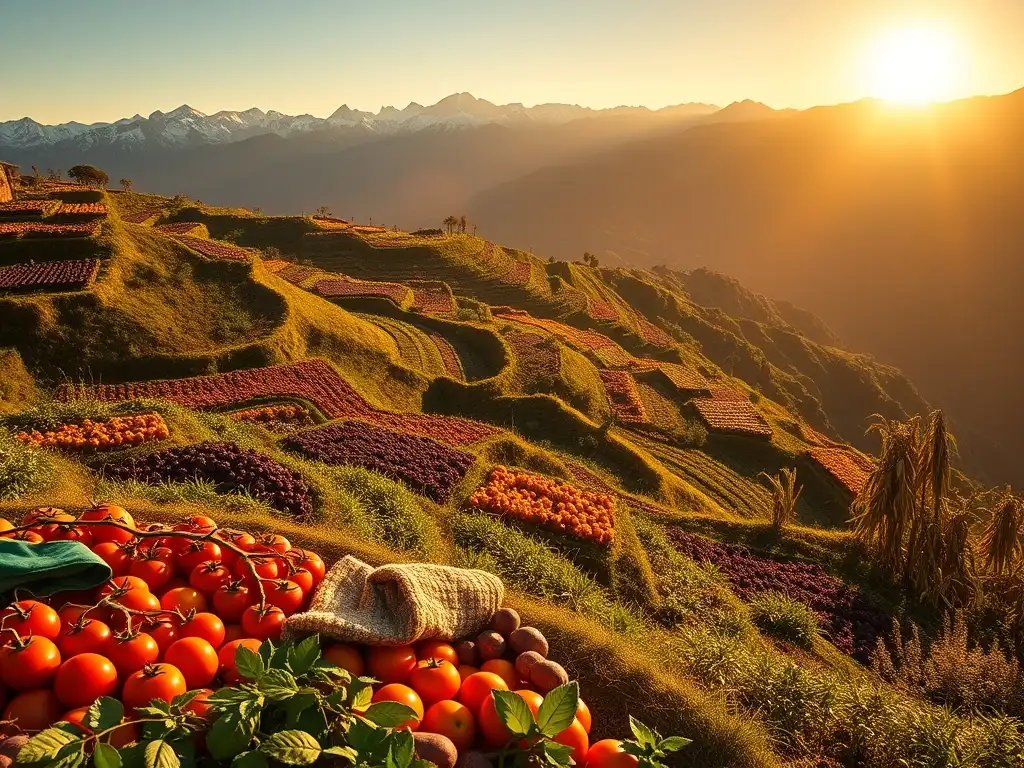
The breathtaking Andean landscape, characterized by its dramatic altitudinal variation and diverse microclimates, presented significant challenges for agriculture. Yet, it also fostered an unparalleled level of crop diversity, a testament to the ingenuity and resilience of the Andean civilizations. Understanding the Andean crop diversity history requires examining the contributions of various cultures, from their innovative farming techniques to their sophisticated understanding of plant domestication and adaptation.
The remarkable biodiversity we see today is a direct result of centuries of careful selection, cultivation, and exchange orchestrated by these remarkable societies. This section delves into the specific roles played by several prominent Andean cultures in shaping this extraordinary legacy.
The Inca Empire's Impact on Agricultural Practices and Distribution
The Inca Empire, at its zenith, controlled a vast territory spanning diverse ecological zones. Their sophisticated administrative system played a crucial role in managing and distributing agricultural resources. The mita system, a form of mandatory labor, was employed not only for construction projects but also for agricultural tasks, ensuring the cultivation and maintenance of vital crops across the empire.
This centralized approach facilitated the exchange of crops and agricultural knowledge between different regions, contributing significantly to the spread and diversification of Andean crops. For instance, potatoes, originally domesticated in the Andes, were cultivated at varying altitudes, leading to the development of thousands of unique varieties, each adapted to specific environmental conditions. The Inca's extensive road network further enhanced this process, enabling efficient transportation of both agricultural products and agricultural expertise.
This infrastructure facilitated the movement of not only staple crops like potatoes and maize but also lesser-known crops like quinoa and amaranth, enriching the agricultural landscape across the empire. The Inca's influence on Andean crop diversity history is undeniable, creating a foundation of agricultural practices that persisted even after the Spanish conquest.
Moche, Nazca, and Tiahuanaco Contributions to Crop Development
Pre-Inca Andean civilizations, such as the Moche, Nazca, and Tiahuanaco, also made significant contributions to crop diversity. Evidence suggests the Moche, known for their sophisticated irrigation systems, cultivated a wide range of crops, including cotton, beans, and various types of maize. Their intricate understanding of water management allowed them to cultivate fertile lands in arid coastal regions.
The Nazca, famous for their geoglyphs, also developed advanced irrigation techniques, enabling them to cultivate crops in the challenging desert environment. Their expertise in water management and crop cultivation contributed to the region's agricultural richness. The Tiahuanaco culture, flourishing in the Altiplano region, developed sophisticated agricultural practices adapted to high-altitude conditions.
Their mastery of terracing and raised fields allowed them to maximize agricultural output in challenging terrains. These societies, through their independent innovations, significantly expanded the range of cultivated crops and agricultural techniques within the Andes, laying the groundwork for the later Inca expansion and further diversification. The cumulative impact of these pre-Inca cultures on Andean crop diversity history is profound.
Traditional Andean Farming Techniques and Knowledge
Traditional Andean farming techniques were not merely practical methods; they were intricately intertwined with a deep understanding of the environment and a rich system of knowledge passed down through generations. Techniques like waru waru (raised field agriculture) and andenes (terracing) are prime examples. These methods not only increased agricultural yields but also helped conserve water and reduce soil erosion, demonstrating a sophisticated ecological awareness.
The use of diverse crop varieties within a single field, a practice known as polyculture, further enhanced resilience to pests and diseases, ensuring a more stable food supply. This intricate knowledge system, encompassing detailed understanding of soil types, microclimates, and planting cycles, ensured the survival and prosperity of Andean communities for centuries. The preservation and study of these traditional techniques are crucial for understanding the Andean crop diversity history and for exploring sustainable agricultural practices in the face of modern challenges.
The integration of this ancient wisdom with modern agricultural science holds immense potential for improving food security and environmental sustainability in the Andes and beyond. This deep understanding of the land and its resources, passed down through oral traditions and practical experience, is a vital part of the Andean crop diversity history narrative. The ongoing research into these methods continues to reveal new insights into the sophistication and ingenuity of Andean agricultural practices.
Adaptation Strategies: How Andean Crops Evolved
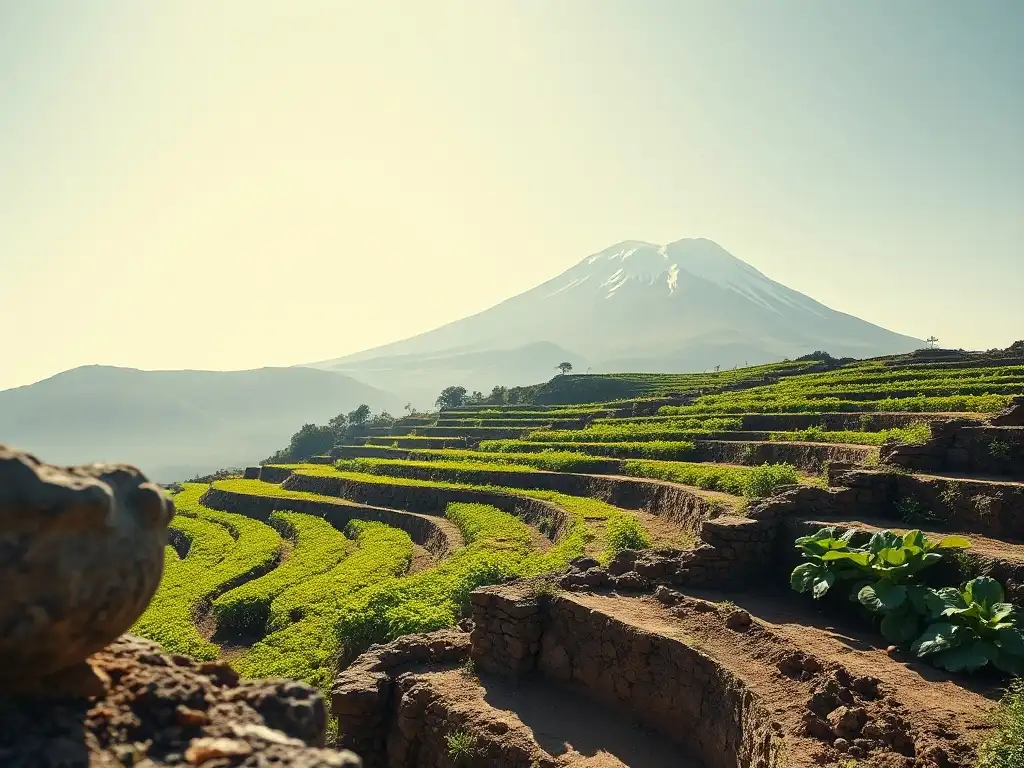
The remarkable Andean crop diversity history is a testament to the interplay between natural selection and human ingenuity. For millennia, Andean civilizations faced the challenge of cultivating food in a geographically diverse and often harsh environment. The towering Andes Mountains, with their dramatic altitudinal gradients and varied microclimates, presented both obstacles and opportunities. Understanding how Andean crops adapted – both naturally and through human intervention – is key to appreciating the sophistication of these ancient agricultural practices and their enduring legacy.
The success of Andean agriculture wasn’t merely a matter of chance; it was a carefully orchestrated process of selecting, cultivating, and improving crops suited to specific ecological niches. This involved a deep understanding of the environment and a remarkable capacity for innovation. The result is a rich tapestry of crops, many of which remain vital food sources today.
Natural Selection and the Andean Environment
The sheer diversity of the Andean landscape acted as a powerful engine of natural selection. Different altitudes, ranging from coastal deserts to high-altitude puna grasslands, presented vastly different environmental conditions. Temperature, rainfall, sunlight exposure, and soil composition varied dramatically, creating a mosaic of ecological niches.
This environmental pressure favored plants with specific traits that enhanced their survival and reproductive success in their particular habitat. For example, potatoes ( Solanum tuberosum) evolved a remarkable capacity to thrive in a wide range of altitudes and soil types, developing numerous varieties uniquely adapted to different environmental conditions. Similarly, quinoa ( Chenopodium quinoa), another staple crop, developed exceptional tolerance to high-altitude conditions, cold temperatures, and poor soils.
These adaptations, honed over millennia by natural selection, laid the foundation for the incredible diversity of Andean crops. Understanding the specific genetic adaptations of these crops – such as cold tolerance genes in quinoa or drought resistance genes in certain potato varieties – reveals the power of natural selection in shaping Andean agricultural biodiversity. The process wasn't simply random; it was a constant, ongoing interaction between the environment and the genetic makeup of the plants.
Human Intervention and Conscious Crop Improvement
While natural selection played a crucial role, the Andean crop diversity history is also a story of human intervention. Andean farmers weren't passive observers; they actively participated in shaping the genetic makeup of their crops through conscious selection and cultivation practices. This involved selecting seeds from the most desirable plants – those exhibiting traits like higher yields, improved nutritional value, disease resistance, or better adaptation to specific environmental conditions.
This process, often described as artificial selection, accelerated the rate of crop improvement, leading to a greater diversity of varieties tailored to the specific needs and preferences of different communities. Archaeological evidence, such as the discovery of diverse potato varieties in ancient storage sites, points to the long history of human-driven crop improvement in the Andes. Furthermore, Andean farmers developed sophisticated techniques for seed saving and exchange, ensuring the preservation and dissemination of valuable genetic resources across different regions and communities.
This conscious effort to improve crops represents a significant contribution to the Andean crop diversity we see today. It highlights the deep understanding of plant genetics and agricultural practices possessed by Andean civilizations.
The Importance of Vertical Agriculture and Microclimates
The Andean practice of vertical agriculture, also known as agricultural ecology, capitalized on the unique altitudinal variations in the Andes. Different crops were cultivated at different altitudes, taking advantage of the diverse microclimates found along the mountain slopes. This allowed for the cultivation of a wide range of crops, each adapted to its specific altitudinal zone. For instance, maize might be grown at lower elevations, while potatoes and quinoa were cultivated at higher altitudes.
This system maximized agricultural productivity and reduced the risk of crop failure due to environmental variability. The mastery of microclimates was crucial to success. Andean farmers understood how variations in temperature, rainfall, and sunlight influenced crop growth and carefully selected planting locations to optimize yields. Their knowledge of the local environment, combined with their sophisticated agricultural techniques, allowed them to create highly productive and resilient agricultural systems that supported dense populations for centuries.
The legacy of vertical agriculture continues to influence modern Andean farming practices, showcasing the ingenuity and ecological awareness of past civilizations. The careful consideration of microclimates in crop placement remains a vital aspect of successful Andean agriculture. This understanding – passed down through generations – is a key element in understanding the Andean crop diversity history and its continued importance today.
Preserving Andean Crop Diversity for Future Generations
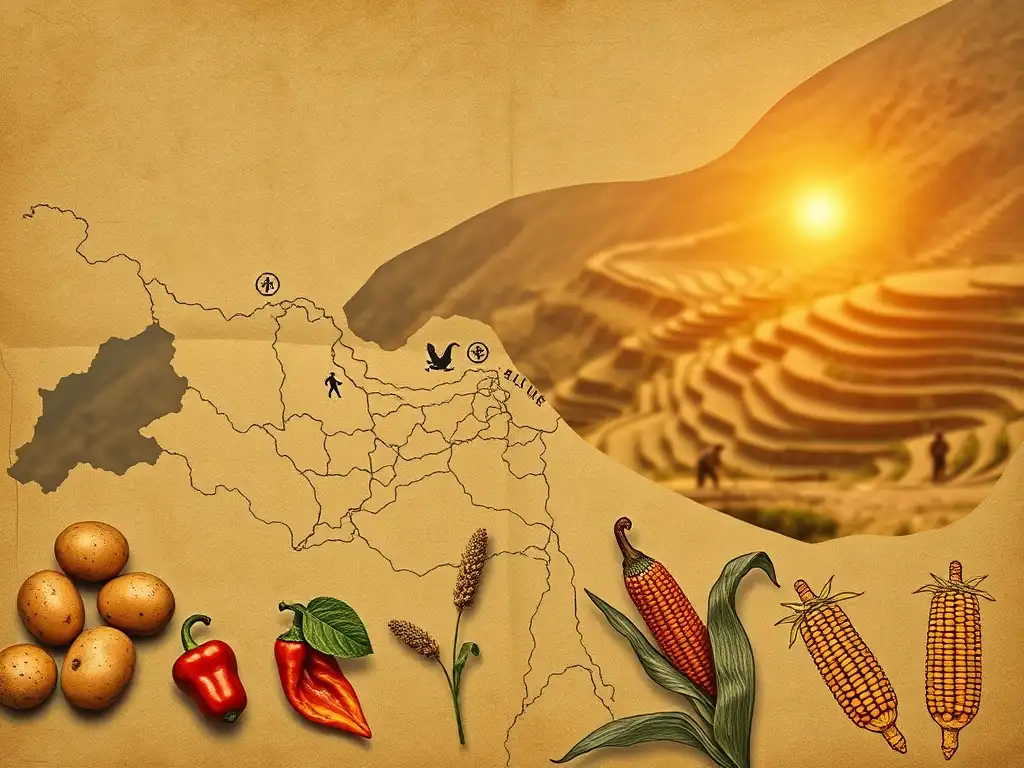
The astonishing Andean crop diversity, a legacy of millennia of human interaction with the challenging Andean environment, faces unprecedented threats. Understanding the history of this biodiversity is crucial not only for appreciating the ingenuity of past Andean civilizations but also for ensuring its survival for future generations. The remarkable adaptation of crops like potatoes, quinoa, and maize to diverse altitudes and climates represents a vital genetic resource with immense potential for global food security.
However, the complex interplay of modernization, climate change, and the erosion of traditional farming practices poses significant challenges to this precious heritage. This section will explore the pressing issues facing Andean crop diversity and highlight the crucial role of conservation efforts and the preservation of traditional knowledge.
Threats to Andean Crops: Modernization and Climate Change
Modern agricultural practices, while increasing yields in some instances, often come at the cost of biodiversity. The shift towards monoculture farming, driven by market demands and the pursuit of higher profits, diminishes the genetic diversity within Andean agricultural systems. The widespread adoption of high-yielding, genetically uniform varieties often leads to the abandonment of locally adapted landraces, jeopardizing their unique genetic traits and resilience. This homogenization weakens the overall resilience of the agricultural system to pests, diseases, and environmental fluctuations.
Furthermore, climate change exacerbates these challenges. Erratic rainfall patterns, increased frequency of extreme weather events (droughts and floods), and rising temperatures significantly impact crop yields and the survival of diverse crop varieties. Many traditional Andean crops, adapted to specific microclimates and altitudes, are particularly vulnerable to these changes. For example, the potato, a staple crop in the Andes, faces threats from changing frost patterns and the spread of new pests and diseases.
The consequences of this loss extend beyond food security, impacting cultural identity and the livelihoods of farming communities. The need for robust adaptation strategies is paramount to mitigate these risks. Data on the specific impact of climate change on various Andean crops is still being compiled, but the overall trend is alarming and requires urgent attention.
Conservation Efforts and Community-Based Programs
Recognizing the critical importance of Andean crop diversity, numerous conservation efforts are underway. These initiatives range from in situ conservation (preserving crops within their natural environment) to ex situ conservation (preserving genetic material in gene banks and seed banks). Many organizations and governments are actively involved in collecting and preserving seeds of diverse landraces, documenting traditional farming practices, and promoting sustainable agricultural techniques.
Community-based programs play a particularly vital role in these efforts. These initiatives empower local farmers to actively participate in the conservation and management of their genetic resources. By supporting traditional knowledge and promoting sustainable farming practices, these programs not only safeguard crop diversity but also enhance food security and improve the livelihoods of Andean communities. Examples of successful community-based conservation programs are plentiful, demonstrating the effectiveness of collaborative approaches that combine scientific expertise with local knowledge and experience. The success of these programs hinges on fostering collaboration, providing adequate resources, and ensuring the long-term sustainability of initiatives.
The Importance of Traditional Knowledge in Biodiversity Preservation
Traditional knowledge, accumulated over centuries by Andean farmers, is an invaluable asset in the preservation of crop diversity. This knowledge encompasses a deep understanding of crop varieties, their adaptive traits, and suitable cultivation practices for diverse environments. Traditional farming methods, often characterized by agro-ecological approaches, contribute significantly to biodiversity conservation. These methods, such as crop rotation, intercropping, and the use of diverse varieties, enhance soil fertility, pest control, and resilience to environmental stresses.
Sadly, this invaluable knowledge is increasingly threatened by the migration of young people to urban areas and the adoption of modern, often unsustainable agricultural practices. Documenting and disseminating this traditional knowledge is crucial for ensuring its survival and integration into modern conservation strategies. This involves working closely with Andean communities, recognizing their expertise, and empowering them to play a central role in the preservation of their agricultural heritage.
The integration of traditional knowledge with scientific research offers a powerful approach to developing sustainable and resilient agricultural systems that can withstand the challenges of climate change and modernization. This synergistic approach is essential for safeguarding Andean crop diversity and ensuring its contribution to global food security.
The Legacy of Andean Crop Diversity: A Global Perspective
The breathtaking Andean landscape, characterized by its dramatic altitudinal gradients and diverse microclimates, fostered an unparalleled level of agricultural innovation. This ingenuity resulted in the domestication and diversification of a remarkable array of crops, a legacy that continues to shape global food security and inspire modern agricultural practices. Understanding the Andean crop diversity history is crucial to appreciating the resilience and adaptability of these ancient civilizations and their enduring impact on the world's food systems.
The sheer variety of crops cultivated, adapted to specific ecological niches, speaks volumes about the sophisticated knowledge and meticulous observation employed by Andean farmers. This wasn't simply about survival; it was about thriving in a challenging environment, a testament to human ingenuity in the face of adversity. The consequences of this ingenuity are still felt today.
Andean Crops' Contribution to Global Food Security
The Andean region is considered a center of origin for numerous crops that now constitute staples in diets worldwide. Potatoes, Solanum tuberosum, are perhaps the most iconic example, boasting thousands of varieties adapted to diverse altitudes and climates. Their nutritional value and adaptability have made them a crucial food source for billions. Similarly, quinoa ( Chenopodium quinoa), once a niche crop, has exploded in global popularity due to its high protein content and resilience to harsh conditions.
Other significant contributions include tomatoes ( Solanum lycopersicum), beans ( Phaseolus spp. ), and various types of peppers ( Capsicum spp. ), all integral parts of modern cuisines across the globe. The genetic diversity within these crops, a direct result of centuries of Andean agricultural practices, provides a crucial buffer against climate change and disease outbreaks.
This inherent resilience makes these crops invaluable in ensuring global food security, particularly in the face of increasing environmental challenges. The impact of this Andean heritage on global food security cannot be overstated; it underpins the nutritional well-being of populations worldwide. The ongoing study of Andean crop diversity continues to reveal new possibilities for improving crop yields and resilience, highlighting the lasting relevance of this ancient agricultural knowledge.
Lessons Learned from Andean Agricultural Systems
Andean agricultural systems offer valuable lessons for contemporary agriculture. Their emphasis on agro-ecological principles, such as crop rotation, intercropping, and terracing, provides sustainable models for managing resources and enhancing biodiversity. These techniques, developed over millennia, demonstrate how to optimize yields while minimizing environmental impact. For instance, the Andean crop diversity strategies employed by the Incas and other pre-Columbian cultures focused on maximizing resource utilization within diverse ecological zones.
This nuanced understanding of environmental conditions and crop suitability is something that modern, large-scale agriculture could benefit from adopting. Furthermore, the traditional methods of seed saving and exchange fostered genetic diversity, creating resilient crops capable of weathering environmental stresses. These traditional practices, often passed down through generations of farmers, represent a wealth of knowledge that can inform the development of more sustainable and climate-resilient agricultural systems globally. Learning from the past, we can improve agricultural practices for the future.
The Ongoing Research and Exploration of Andean Plant Genetic Resources
The exploration and preservation of Andean plant genetic resources are crucial for future food security. Scientists continue to study the remarkable diversity of Andean crops, identifying genes that confer resilience to drought, disease, and other environmental stressors. This research holds the key to developing improved crop varieties that can withstand the challenges of climate change.
The process involves meticulous collection and cataloging of wild and cultivated varieties, alongside detailed analysis of their genetic makeup. This work not only safeguards the genetic heritage of the Andes but also provides invaluable resources for agricultural improvement worldwide. For example, research into wild potato relatives is revealing genes that could enhance pest resistance and drought tolerance in commercially grown potatoes.
The ongoing efforts to conserve and utilize this invaluable genetic diversity underscore the importance of preserving traditional agricultural knowledge and practices. The future of global food security is intrinsically linked to the preservation and responsible use of these precious Andean resources. The potential benefits for global agriculture are immense, emphasizing the ongoing importance of Andean crop diversity research.
Frequently Asked Questions
What is the significance of Andean crop diversity?
Andean crop diversity is crucial to the region's history and survival. It reflects millennia of adaptation to varied climates and environments, providing food security and resilience. This diversity is a vital resource for the present and future.
How did the ancient Andean civilizations contribute to this diversity?
Through selective breeding and agricultural innovation, Andean civilizations developed and adapted numerous crops. They understood and utilized diverse ecological niches, creating a vast array of plants. This included potatoes, maize, quinoa and many more.
Which crops were most important to the Andean civilizations?
Potatoes, maize (corn), and quinoa were staples, forming the foundation of their diets and economies. Other important crops included beans, tomatoes, and various tubers, demonstrating the breadth of their agricultural achievements.
How did the geography of the Andes influence crop diversity?
The diverse geography of the Andes – from coastal deserts to high-altitude mountains – presented challenges and opportunities. This diverse landscape necessitated the development and cultivation of a wide range of crops adapted to different altitudes and climates.
What is the current status of Andean crop diversity?
While facing threats from modern agriculture and climate change, Andean crop diversity remains remarkable. Efforts are underway to preserve and promote this legacy for future generations, ensuring continued food security and cultural heritage.
Final Reflection: A Legacy of Resilience in the Andes
The astonishing diversity of Andean crops isn't just a historical curiosity; it's a vital resource for a world facing climate change and food insecurity. The ingenious adaptation strategies employed by Andean farmers for millennia offer invaluable lessons for sustainable agriculture today, highlighting the critical need to preserve this precious heritage.
The enduring impact of Andean crop diversity extends far beyond the mountains themselves. It's a testament to human ingenuity and a powerful example of how close collaboration with nature can yield remarkable results. This legacy continues to shape global food systems, offering potential solutions to modern challenges. The diversity of life is the key to the survival of life.
– Edward O. Wilson. This quote underscores the importance of preserving not only Andean crops but biodiversity worldwide, recognizing the interconnectedness of all living things.
Consider the ingenuity of the Andean farmers, their deep understanding of their environment, and the resilience they built into their agricultural systems. You, too, can cultivate a deeper appreciation for the interconnectedness of our food systems and the importance of biodiversity. Embrace sustainable practices in your own life, support local farmers, and advocate for policies that protect our planet's precious resources. Let the legacy of Andean crop diversity inspire you to become a steward of our shared future.
Uncover and Celebrate Andean Crop Diversity Today!
Thank you for exploring the fascinating world of Andean crop diversity with us! We hope you've gained a deeper understanding of the rich history and remarkable adaptability of these crops. But your journey of discovery doesn't end here; there are many ways you can continue to engage with this vital legacy.
Here are some suggestions for further exploring and celebrating the wonders of Andean agriculture:
- Join a local community garden or start your own, using Andean varieties to cultivate and experience their unique flavors firsthand.
- Share your discoveries on social media using #AndeanAgro to inspire others and educate your community about these remarkable crops.
- Explore traditional Andean recipes and experiment with local ingredients to bring a taste of this rich history into your kitchen.
What aspects of Andean crop adaptation do you find most intriguing, and how can you incorporate their rich legacy into your daily life?