
Building with Nature: Andean Architecture and Seismic Stability

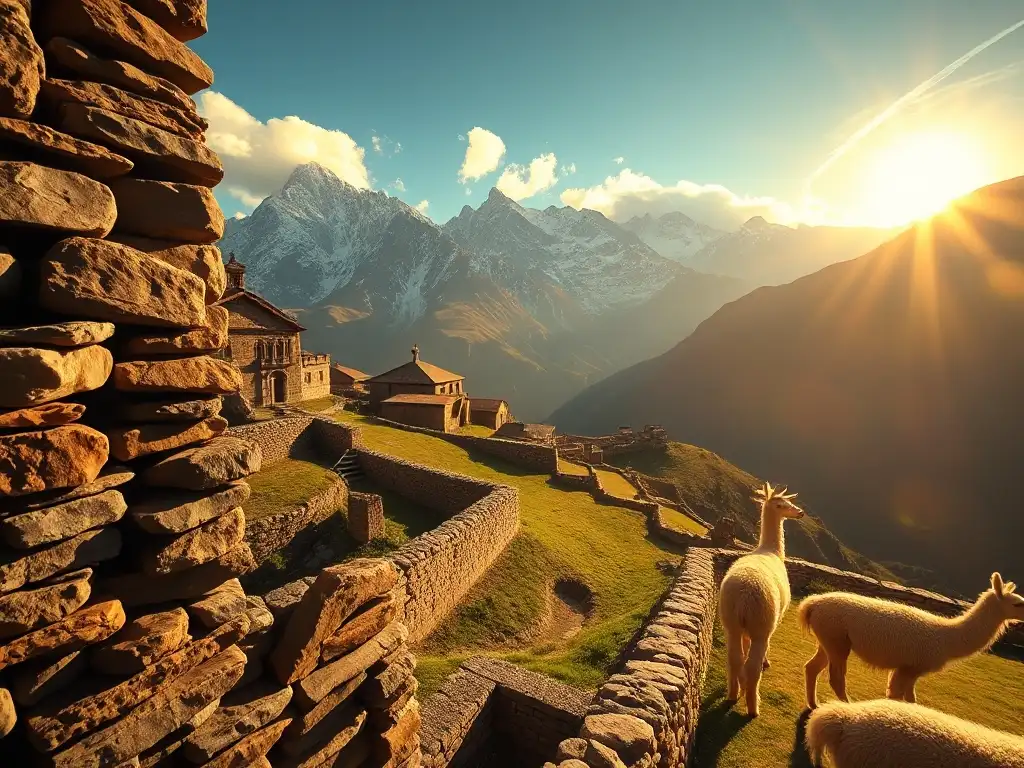
Step into a world where mountains meet mastery. For centuries, the Andes witnessed the rise and fall of magnificent civilizations, their ingenuity echoing through time. But how did they build empires in the face of relentless earthquakes? Discover the secrets of Andean earthquake resistant architecture, a testament to the profound connection between nature and human innovation, and unlock the mysteries behind their remarkable architectural achievements. Prepare to be amazed by the resilience and ingenuity of the Andean people as we delve into the fascinating world of their architectural prowess.
The Andes Mountains, a formidable and awe-inspiring landscape, presented ancient Andean civilizations with a unique set of challenges. The region's inherent instability, marked by frequent and powerful earthquakes, demanded innovative solutions for building safe and resilient structures.
This article delves into the remarkable ingenuity of Andean architects and builders, exploring how they harnessed indigenous knowledge and adapted natural materials to create earthquake-resistant architecture that stands as a testament to their understanding of seismic forces and their deep connection with their environment. We will examine the historical context of seismic activity in the Andes, analyze the key features of their construction techniques, and highlight the crucial role of indigenous knowledge in developing these remarkably effective building methods.
Understanding the principles behind Andean earthquake-resistant architecture offers valuable insights for modern construction practices, particularly in seismically active regions worldwide. This exploration of "Andean earthquake resistant architecture" will reveal a fascinating interplay between human ingenuity and the powerful forces of nature.
The Challenge of Andean Earthquakes: A Historical Perspective
The Andes are one of the most seismically active regions on Earth, situated along the boundary of the Nazca and South American tectonic plates. For millennia, Andean communities have experienced the devastating effects of earthquakes, which have shaped their cultural practices and profoundly influenced their architectural designs. Historical accounts, though limited, reveal the impact of major seismic events on various Andean civilizations.
For example, evidence suggests that significant earthquakes affected the Inca Empire, causing widespread damage to cities and infrastructure. The frequency and intensity of these events necessitated the development of building techniques that could withstand powerful tremors. Understanding the historical context of these earthquakes is vital to appreciating the remarkable achievements of Andean builders in mitigating seismic risk.
The need to build structures capable of withstanding these powerful forces drove innovation and resulted in sophisticated techniques that prioritized both safety and functionality. Archaeological evidence continues to shed light on the scale and impact of past earthquakes, helping us better understand the challenges faced by Andean communities and the ingenuity of their architectural solutions.
Understanding Andean Earthquake Resistant Architecture
Andean earthquake-resistant architecture is not a monolithic concept but rather a diverse range of techniques adapted to specific environments and building materials. The principles underlying these techniques, however, share common threads, reflecting a deep understanding of seismic forces and a masterful use of available resources. Instead of resisting seismic forces directly through sheer strength, Andean builders employed strategies that allowed structures to absorb and dissipate energy, minimizing damage during earthquakes.
This approach, often termed "flexible design," is remarkably effective in reducing the risk of collapse. This understanding was not simply intuitive; it was the result of generations of accumulated knowledge, passed down through oral traditions and practical experience. The effectiveness of these methods is evidenced by the survival of many ancient structures, some of which have withstood numerous earthquakes over centuries.
The Role of Indigenous Knowledge in Construction
The success of Andean earthquake-resistant architecture is inextricably linked to the deep understanding of local geology and seismic behavior possessed by indigenous communities. This knowledge, accumulated over generations, was not written down but rather transmitted through oral traditions, apprenticeship, and practical experience. Builders carefully selected building sites, often favoring locations with stable geological foundations.
They also possessed a sophisticated understanding of the properties of different building materials, selecting those best suited to resist seismic forces. This intimate knowledge of the land and its properties was crucial in developing effective building techniques, demonstrating the essential role of indigenous knowledge in shaping Andean architectural traditions. The integration of this knowledge with practical building skills resulted in structures that were not only functional but also remarkably resilient.
Key Features of Earthquake-Proof Andean Structures
Several key features characterize Andean earthquake-resistant architecture. These include:
- Lightweight construction: Andean builders often utilized lightweight materials such as adobe, wood, and thatch, reducing the overall weight of structures and minimizing the forces exerted during earthquakes.
- Flexible foundations: Foundations were often constructed using techniques that allowed for some movement during seismic events. This flexibility helped to absorb energy and prevent collapse.
- Interlocking building blocks: Walls were frequently built using interlocking blocks or stones, creating a strong and cohesive structure that could withstand lateral forces.
- Use of natural materials: The selection of building materials was carefully considered, with a preference for materials that possessed inherent flexibility and strength.
- Low-rise structures: Many Andean structures were relatively low-rise, reducing the overall height and minimizing the impact of seismic forces.
These features, working in concert, created structures that were remarkably resilient to seismic activity. The effectiveness of these techniques is a testament to the ingenuity and adaptability of Andean builders. The legacy of their architectural achievements continues to inspire modern engineers and architects seeking to create more resilient structures in seismically active regions.
Traditional Andean Building Techniques for Seismic Resilience
Andean earthquake resistant architecture wasn't simply a matter of luck; it was a testament to centuries of careful observation, adaptation, and ingenious building techniques. The civilizations inhabiting the Andes faced a constant threat from seismic activity, forcing them to develop sophisticated methods to mitigate the risks. Their success lies in a harmonious blend of material selection, construction methods, and an understanding of the landscape's inherent vulnerabilities.
The ability to adapt to the environment, a key aspect of Andean culture, is vividly demonstrated in their architectural achievements. These techniques weren't just about creating sturdy structures; they were about creating structures that could survive the powerful forces of nature.
The knowledge passed down through generations allowed them to build settlements and structures that endured for centuries, even in the face of devastating earthquakes. This understanding of seismic forces and the development of mitigation strategies represents a remarkable feat of engineering and cultural adaptation, showcasing the ingenuity of Andean builders.
Use of Local Materials: Stone, Adobe, and Wood
The choice of building materials was crucial in achieving seismic resilience. Andean builders skillfully utilized readily available resources, prioritizing materials that possessed inherent flexibility and strength. Stone, particularly in the form of carefully shaped and fitted blocks, formed the backbone of many structures. The precise fitting of these stones, often without mortar, allowed for a degree of flexibility, absorbing seismic shocks more effectively than rigid structures.
Adobe, a sun-dried brick made from clay and organic matter, was another widely used material, particularly in less mountainous regions. Its relatively low weight and inherent flexibility contributed to its effectiveness in earthquake-prone areas. Wood, where available, played a significant role, offering flexibility and shock absorption.
The careful selection and integration of these materials demonstrate a deep understanding of material properties and their respective roles in mitigating seismic risks. The use of these local materials was not just practical; it was also sustainable, minimizing environmental impact and maximizing resource efficiency. This holistic approach to construction is a hallmark of Andean ingenuity.
The Importance of Foundation Design in Andean Buildings
A strong foundation is paramount in any structure, but it's even more critical in earthquake-prone regions. Andean builders understood this principle implicitly. They meticulously prepared the foundations of their buildings, often excavating deep into the ground to establish a solid base.
The foundations were frequently constructed using large, carefully placed stones, creating a stable platform upon which the rest of the structure could be built. The depth and stability of the foundation were crucial in anchoring the building and resisting the lateral forces generated by earthquakes. Furthermore, the foundations were often designed to be slightly flexible, allowing for some movement during seismic activity without compromising the overall integrity of the building.
The careful consideration given to the foundation design highlights the Andean builders’ advanced understanding of structural engineering principles. Their approach was not simply to build a strong structure but to build a structure that could withstand the unpredictable forces of nature.
Flexible Construction Methods for Earthquake Absorption
Beyond material selection and foundation design, the construction methods themselves played a vital role in Andean earthquake resistant architecture. Instead of rigid structures, Andean builders often employed flexible construction techniques that allowed the buildings to absorb seismic energy. This flexibility was achieved through various methods, including the use of interlocking stones, carefully planned gaps between stones, and the incorporation of materials with inherent flexibility, such as wood and adobe.
These techniques allowed the buildings to sway and flex during an earthquake, dissipating the energy and preventing catastrophic collapse. The design often incorporated stepped or terraced features which further enhanced the building's ability to absorb seismic forces.
This approach to construction is a testament to the Andean peoples’ deep understanding of structural dynamics and their ability to translate this knowledge into practical building techniques. Their focus on flexibility, rather than rigidity, was a key factor in the survival of many Andean structures.
Examples of Andean Earthquake Resistant Architecture
The effectiveness of Andean earthquake resistant architecture is evident in the numerous surviving structures that stand as testaments to their building prowess. Examining specific examples provides a deeper understanding of the principles and techniques employed. The longevity of many of these structures underscores the sophistication of their engineering.
Inca Masonry: Precision and Stability
Inca masonry is renowned for its precision and stability. The Incas were masters of stonework, creating structures with incredibly tight-fitting stones, often without the use of mortar. This precise fitting allowed the stones to interlock, creating a strong and flexible structure capable of withstanding significant seismic activity.
The meticulous craftsmanship evident in Inca structures, like those at Ollantaytambo and Sacsayhuamán, exemplifies their commitment to building durable and earthquake-resistant settlements. The remarkable precision and stability of Inca masonry are a testament to their advanced understanding of engineering principles and their ability to translate this knowledge into breathtaking architectural achievements. This level of precision is rarely seen in other ancient civilizations and stands as a remarkable example of Andean ingenuity.
Tiwanaku Architectural Adaptations to Seismic Activity
The Tiwanaku civilization, known for its monumental architecture, also demonstrated remarkable adaptation to seismic activity. Their structures, including the iconic Kalasasaya complex, incorporated features designed to mitigate seismic risk. These features included the use of large, carefully placed stones, flexible construction techniques, and foundations designed to withstand ground movement.
The survival of many Tiwanaku structures through centuries of seismic activity is a testament to their innovative building techniques. The integration of these techniques within their monumental architecture showcases a deep understanding of both engineering and the challenges posed by the Andean environment. Their buildings not only served their cultural and religious purposes but also demonstrated an impressive capability to endure the forces of nature.
Case Study: Machu Picchu
Machu Picchu serves as a compelling case study of Andean earthquake-resistant architecture. The city's location in a seismically active region necessitated the implementation of sophisticated building techniques. The use of precisely fitted stones, deep foundations, and flexible construction methods enabled Machu Picchu to withstand centuries of earthquakes.
The city’s survival, despite its precarious location and exposure to seismic activity, is a testament to the effectiveness of Andean architectural principles. The careful planning and execution of the construction at Machu Picchu demonstrate a deep understanding of both the environment and the requirements for building durable structures in a seismically active region. The city stands as a powerful symbol of Andean resilience and a remarkable example of sustainable and earthquake-resistant architecture.
Andean Earthquake Resistant Architecture: Lessons for Modern Construction
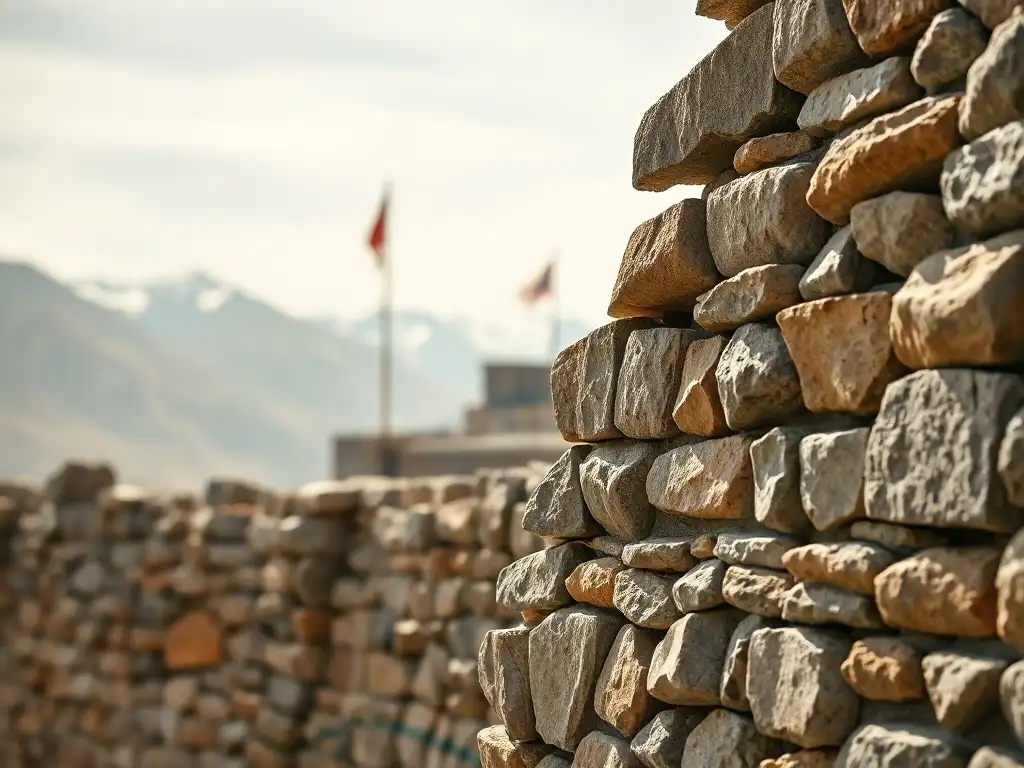
The remarkable resilience of Andean architecture to seismic activity offers invaluable insights for contemporary construction practices. For centuries, Andean civilizations, facing frequent earthquakes, developed ingenious building techniques that minimized damage and ensured structural integrity. Their understanding of local materials and their inherent properties, combined with innovative construction methods, resulted in structures that not only survived but often thrived through seismic events.
These techniques, often passed down through generations of master builders, represent a wealth of knowledge that continues to inspire and inform modern earthquake-resistant design. Analyzing these ancient methods allows us to understand fundamental principles of seismic engineering, such as the importance of flexible structures, the use of lightweight materials, and the strategic placement of load-bearing elements. The study of Andean architecture provides a tangible example of how a deep understanding of the environment and its challenges can lead to sustainable and resilient building solutions.
The integration of these time-tested principles into modern construction could significantly improve the safety and longevity of buildings in seismically active regions worldwide. This is particularly crucial in areas with similar geological conditions to the Andes, where the risk of earthquakes remains high. The Andean legacy in earthquake-resistant architecture offers not just historical interest, but a practical roadmap for a more resilient future.
Sustainable Building Practices Inspired by the Andes
Andean building practices were inherently sustainable, utilizing readily available local materials and minimizing environmental impact. Stone, adobe, and timber were primary building materials, chosen for their abundance and suitability to the Andean climate and geography. The use of these materials reduced the carbon footprint of construction significantly compared to modern methods reliant on energy-intensive materials like steel and concrete.
Furthermore, the integration of these materials into the landscape was seamless, minimizing disruption to the environment. The construction techniques themselves were often labor-intensive but low-impact, relying on human skill and ingenuity rather than heavy machinery. This approach contrasts sharply with modern construction’s reliance on heavy equipment and transportation, which contribute significantly to greenhouse gas emissions and environmental degradation.
The sustainable practices of Andean builders offer a valuable lesson in resource management and environmental responsibility, providing a compelling model for environmentally conscious construction in the 21st century. By adopting similar principles of material selection and construction methods, we can strive to create buildings that are not only earthquake-resistant but also environmentally friendly.
Incorporating Andean Techniques into Contemporary Design
While directly replicating ancient Andean techniques in modern high-rise structures might not be feasible, the underlying principles can be effectively incorporated into contemporary design. For instance, the use of flexible building materials and the integration of seismic dampeners can mimic the inherent flexibility of traditional Andean structures. The concept of load-bearing walls, a cornerstone of Andean architecture, can be adapted in modern designs to enhance structural stability.
Furthermore, the understanding of local geology and the careful selection of foundation materials, as practiced by Andean builders, remains crucial in contemporary earthquake-resistant design. Modern engineering can combine these ancient principles with advanced technologies to create buildings that are both aesthetically pleasing and exceptionally resilient to seismic activity.
This approach requires a collaborative effort between architects, engineers, and material scientists to translate the wisdom of ancient Andean builders into innovative and practical solutions for modern construction. The challenge lies in finding creative ways to blend traditional knowledge with cutting-edge technology, fostering a synergy that ensures both seismic safety and architectural excellence.
The Future of Andean Building Practices and Seismic Safety
The future of Andean building practices hinges on the preservation and integration of traditional knowledge with modern engineering advancements. This requires a multidisciplinary approach that involves archaeologists, anthropologists, engineers, and local communities. Documenting and analyzing existing structures is crucial to understanding the nuances of Andean building techniques and their effectiveness in withstanding seismic events.
This research should inform the development of new building codes and standards that incorporate the lessons learned from the past. Furthermore, educational initiatives are needed to train future generations of builders and engineers in these time-tested methods, ensuring the continued relevance of Andean architectural traditions. The goal is not merely to replicate the past but to adapt and innovate, creating buildings that are both seismically safe and sustainable, reflecting the rich heritage of Andean architecture while addressing the challenges of the 21st century.
This involves fostering a collaborative environment where traditional knowledge and modern technology work in harmony, creating a future where Andean building practices contribute significantly to global seismic safety. The potential for innovation and collaboration in this field is immense, promising safer and more sustainable buildings for generations to come.
Preserving Andean Architectural Heritage and Knowledge
Preserving the architectural heritage of the Andes is crucial not only for understanding the ingenuity of past civilizations but also for informing modern earthquake-resistant construction techniques. The knowledge embedded within these ancient structures, built to withstand powerful seismic activity, represents a valuable resource for contemporary engineering. Unfortunately, many sites face threats from natural disasters, neglect, and unsustainable development. Efforts to preserve these sites often involve complex challenges, ranging from securing funding for conservation projects to engaging local communities in preservation efforts.
The delicate balance between preserving authenticity and employing modern conservation methods requires careful consideration. For example, the use of traditional materials alongside modern stabilization techniques can be a critical component of successful preservation. The ongoing research into the materials and construction methods employed by Andean builders is invaluable in this process, unlocking secrets to their remarkable resilience. This research not only safeguards our cultural heritage but also offers practical lessons in sustainable and resilient building practices.
Furthermore, educational programs focused on the significance of Andean architecture are vital in fostering a sense of responsibility towards preserving these invaluable sites for future generations. By actively promoting awareness and understanding, we ensure the legacy of Andean architectural ingenuity continues to inspire innovation in building design and disaster preparedness. Without dedicated preservation efforts, the invaluable lessons inherent in Andean earthquake resistant architecture risk being lost, limiting our ability to learn from the past and build a more resilient future. The transmission of traditional knowledge, often passed down through generations of builders, also requires careful documentation and preservation to prevent the loss of vital skills and techniques.
- The Challenge of Andean Earthquakes: A Historical Perspective
- Understanding Andean Earthquake Resistant Architecture
- Traditional Andean Building Techniques for Seismic Resilience
- Examples of Andean Earthquake Resistant Architecture
- Andean Earthquake Resistant Architecture: Lessons for Modern Construction
- The Future of Andean Building Practices and Seismic Safety
- Preserving Andean Architectural Heritage and Knowledge
- How did Andean cultures adapt their architecture to withstand earthquakes?
- What materials were commonly used in Andean earthquake-resistant architecture?
- Were all Andean cultures equally adept at earthquake-resistant building?
- How does Andean earthquake-resistant architecture compare to modern techniques?
- Where can I learn more about Andean earthquake-resistant architecture?
Frequently Asked Questions
How did Andean cultures adapt their architecture to withstand earthquakes?
Andean builders utilized innovative techniques such as interlocking stonework, terracing, and flexible foundations to absorb seismic energy. These methods proved remarkably effective in protecting structures from earthquake damage.
What materials were commonly used in Andean earthquake-resistant architecture?
Stone, particularly carefully fitted and shaped blocks, was a primary material. Adobe, a sun-dried brick, was also used, often combined with other techniques to enhance stability. The choice of materials reflected both availability and their seismic properties.
Were all Andean cultures equally adept at earthquake-resistant building?
While many Andean cultures developed sophisticated techniques, the level of sophistication varied. Inca architecture is often cited for its advanced seismic resistance, but other cultures like the Moche also demonstrated impressive engineering skills.
How does Andean earthquake-resistant architecture compare to modern techniques?
Modern engineering incorporates principles inspired by Andean methods. While modern materials differ, the underlying concepts of flexible structures, weight distribution, and foundation design share similarities with ancient Andean practices.
Where can I learn more about Andean earthquake-resistant architecture?
You can explore further by researching specific Andean cultures (Inca, Nazca, etc.) and their building practices. Academic journals and archaeological sites offer valuable insights into this fascinating subject.
Final Reflection: Echoes of the Andes: Building Resilience for Tomorrow
The ingenious earthquake-resistant techniques of Andean architecture remain a potent testament to the power of human ingenuity in the face of nature's fury, a lesson urgently needed in our increasingly volatile world. The frequency and intensity of seismic events globally underscore the vital importance of understanding and adapting these ancient wisdoms for modern construction practices. We cannot afford to ignore the lessons etched in stone across the Andes.
The enduring legacy of Andean architectural resilience speaks volumes about the deep connection between culture, environment, and survival. These structures, built with a profound understanding of their surroundings, stand as a powerful symbol of adaptation and resourcefulness. The mountains teach us patience. They teach us to endure. They teach us to build with what we have, and to build to last.
This unspoken philosophy, woven into the very fabric of Andean architecture, offers a profound insight into sustainable and resilient design principles that transcend time and geography.
Consider the implications of this knowledge. You, the reader, are now equipped with a deeper understanding of the principles of seismic stability and the potential for integrating these into contemporary building design. Will you champion the integration of these sustainable and resilient practices in your community? Let the echoes of the Andes inspire you to build not just structures, but a future where resilience and harmony with nature are paramount.
Embrace Nature's Strength—Act Now!
Thank you for joining us on this exploration of Andean architecture and its remarkable harmony with nature. Understanding how these structures achieve seismic stability offers valuable insights into sustainable building practices rooted in ancient traditions. Let's put this knowledge to practical use!
Here's how you can get involved:
- Start a project: Incorporate eco-friendly materials or design elements inspired by Andean architecture into your home renovation or community project. Consider using locally-sourced, sustainable timber, or designing spaces that maximize natural light and ventilation.
- Join a community: Connect with local architects, builders, or environmental groups dedicated to sustainable practices. Sharing your newfound knowledge and collaborating on projects will amplify the impact of your commitment to sustainable architecture.
- Spread the word: Share this article and the inspiring principles of Andean architecture with your network. Raising awareness about the importance of harmonious design will inspire others to adopt similar sustainable practices.
What aspect of Andean architecture most inspires you to adopt more sustainable practices in your own life?