
The Tiahuanaco Raised Fields: A Solution to Flooding and Frost

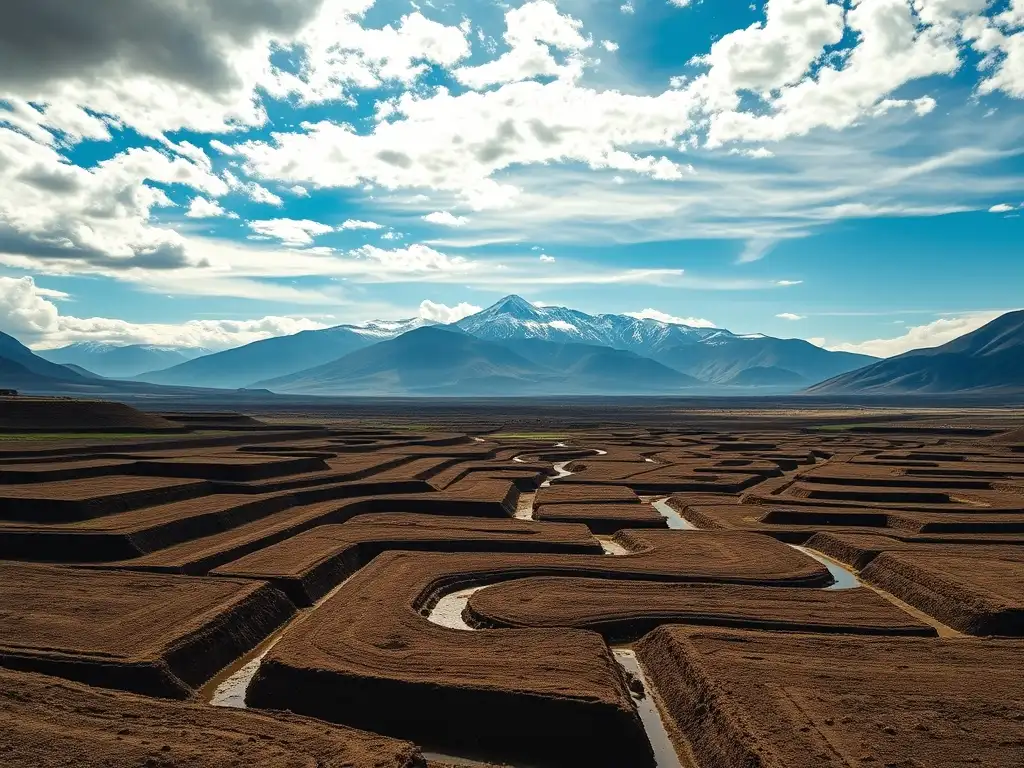
Step into a world lost to time, yet echoing with innovation. Imagine a civilization thriving in the harsh Andes, mastering techniques that defy the elements. The secrets of the Andean civilizations await, and we begin our journey with the enigmatic Tiahuanaco raised field farming techniques. Uncover how these ingenious methods not only conquered flooding and frost but also sustained a powerful empire. Prepare to be amazed by the ingenuity and resilience of a civilization that shaped the very landscape it inhabited. Learn more about this remarkable feat of ancient engineering and its lasting impact.
The breathtaking expanse of the Titicaca Basin, nestled high in the Andes Mountains, presented significant challenges to the ancient inhabitants of Tiahuanaco. This article delves into the ingenious agricultural techniques employed by the Tiahuanaco civilization, focusing specifically on their remarkable raised fields. These weren't merely fields; they were a sophisticated, sustainable solution to the harsh environmental realities of the Altiplano, showcasing an impressive understanding of hydrology and environmental adaptation.
We will explore how these raised fields not only increased agricultural yields but also mitigated the devastating effects of flooding and frost, allowing for a thriving civilization in a seemingly inhospitable environment. This exploration of Tiahuanaco raised field farming techniques will reveal the ingenuity and resilience of this remarkable Andean culture.
The mastery of these techniques allowed for the support of a large population and a complex social structure, a testament to their deep understanding of their environment and their ability to adapt to its challenges. Understanding these techniques provides valuable insights into the sophisticated agricultural practices of pre-Columbian Andean civilizations and their remarkable ability to thrive in challenging conditions.
Introduction to Tiahuanaco Agriculture and its Challenges
Tiahuanaco, a pre-Columbian civilization flourishing between 500 and 1000 CE, thrived in a challenging high-altitude environment. The Altiplano, characterized by its high elevation and thin atmosphere, presents unique agricultural obstacles. Short growing seasons, unpredictable weather patterns, and the ever-present threat of frost significantly limited agricultural potential. However, the Tiahuanaco people weren't simply passive recipients of these environmental constraints; they actively sought solutions.
Their agricultural practices were far from rudimentary; they were innovative and sophisticated, demonstrating a profound understanding of their environment and a remarkable capacity for engineering and adaptation. The development of raised fields stands as a prime example of their ingenuity, a testament to their ability to overcome the limitations of their environment and build a thriving society. Their agricultural success was crucial to the growth and complexity of Tiahuanaco society, supporting a large population and facilitating the development of a sophisticated urban center.
Understanding the Harsh Andean Environment
The Titicaca Basin, home to Tiahuanaco, is characterized by a unique and challenging environment. The high altitude results in intense solar radiation during the day and significant temperature drops at night, leading to frequent frost. The proximity to Lake Titicaca, while providing a vital water source, also introduces the risk of flooding, particularly during the rainy season. The thin atmosphere at this elevation means that the soil is often poor in nutrients, further complicating agricultural efforts.
The combination of these factors – frost, flooding, and nutrient-poor soil – created a formidable challenge for agriculture. The average annual temperature hovers around 10°C (50°F), with significant fluctuations between day and night. Rainfall is relatively low and unpredictable, making consistent crop yields difficult to achieve without advanced techniques. These challenging conditions underscore the remarkable achievement of the Tiahuanaco people in developing effective agricultural strategies.
The Problem: Flooding and Frost in the Titicaca Basin
The combination of flooding and frost posed a significant threat to agriculture in the Titicaca Basin. Flooding, often caused by heavy rains and the overflow of Lake Titicaca, could easily destroy crops and damage farmland. The fertile topsoil, crucial for agriculture, would be washed away, leaving behind infertile subsoil.
Conversely, frost, frequent during the colder months, could decimate crops, especially during critical stages of growth. The precarious balance between sufficient moisture and the threat of frost created a narrow window for successful cultivation. The unpredictable nature of both flooding and frost made agricultural planning incredibly challenging, requiring innovative solutions to ensure consistent food production and the survival of the Tiahuanaco civilization.
The impact of these environmental hazards on crop yields was significant, highlighting the need for resilient and adaptable agricultural strategies. The ingenuity of the Tiahuanaco people in mitigating these risks is a testament to their deep understanding of their environment and their capacity for innovative problem-solving.
Traditional Farming Limitations in the Andean Highlands
The high-altitude Altiplano region, where Tiahuanaco flourished, presented significant challenges to traditional agricultural practices. The thin, often poor soil, combined with unpredictable weather patterns, severely limited crop yields. Farmers faced the constant threat of frost, which could decimate crops overnight, especially during the colder months. Furthermore, the irregular rainfall patterns, characterized by both prolonged droughts and intense periods of flooding, made reliable crop production extremely difficult.
Traditional methods of planting directly into the ground often resulted in crop failure due to waterlogging during floods or desiccation during droughts. This precarious situation necessitated innovative solutions to ensure food security for the growing Tiahuanaco population. The limitations weren't just climatic; the terrain itself posed challenges. Steep slopes and rocky outcrops reduced the amount of arable land significantly, further constraining agricultural output.
The combination of these factors—thin soil, unpredictable weather, and challenging terrain—made the development of sophisticated agricultural techniques crucial for survival and the prosperity of the Tiahuanaco civilization. The ingenuity of their solutions, particularly the raised field system, is a testament to their deep understanding of their environment and their ability to adapt to its limitations. Without such innovations, the scale and complexity of Tiahuanaco society would have been impossible to achieve.
- Introduction to Tiahuanaco Agriculture and its Challenges
- Understanding the Harsh Andean Environment
- The Problem: Flooding and Frost in the Titicaca Basin
- Traditional Farming Limitations in the Andean Highlands
What are Tiahuanaco Raised Fields?
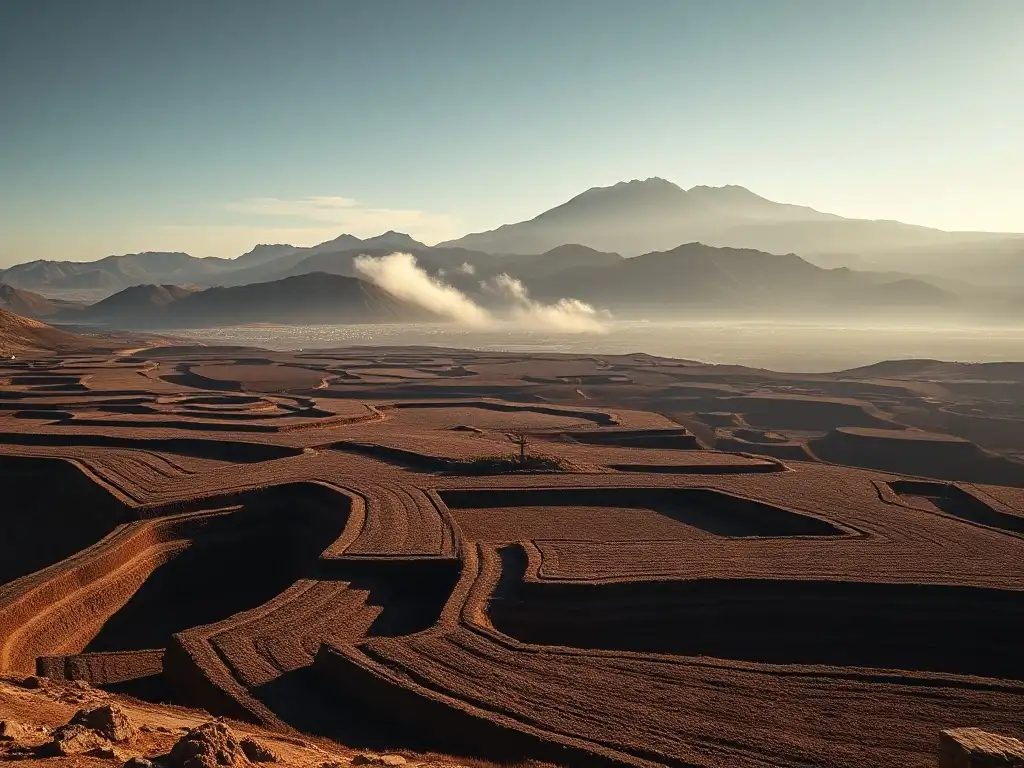
The ingenuity of the Tiahuanaco civilization is strikingly evident in their mastery of agriculture, particularly their development of raised field systems, also known as waru waru. These weren't simply fields elevated above the surrounding land; they were sophisticated hydrological systems designed to optimize crop production in a challenging environment characterized by frequent flooding, frost, and unpredictable weather patterns. Understanding these Tiahuanaco raised field farming techniques reveals a remarkable level of technological and environmental awareness far surpassing many contemporary agricultural practices.
The legacy of these fields continues to inspire sustainable agricultural practices today, demonstrating the enduring relevance of ancient Andean wisdom. This section delves into the specifics of these remarkable agricultural innovations, exploring their design, components, and the significant impact they had on the Tiahuanaco civilization's success.
Definition of Raised Field Agriculture
Raised field agriculture is a method of cultivating crops on artificially elevated plots of land, typically constructed in wetland areas or floodplains. This technique offers several key advantages, primarily mitigating the risks associated with waterlogged soils and frost. In the case of the Tiahuanaco civilization, located on the Altiplano, a high-altitude plateau in the Andes, these advantages were crucial for survival.
The waru waru system, a specific type of raised field agriculture, involved creating rectangular or trapezoidal plots separated by canals. These canals served not only to drain excess water but also to regulate temperature and provide irrigation during drier periods. The raised fields themselves were constructed using local materials, often a combination of soil, organic matter, and sediment, creating a fertile growing environment elevated above the water table.
This simple yet effective technique allowed the Tiahuanaco people to cultivate crops successfully in an environment that would otherwise have been extremely challenging. The precise methods used to construct these fields, and the scale of the undertaking, remain a testament to their sophisticated understanding of hydrology and agricultural engineering.
The Ingenious Design of Waru Waru Fields
The design of the Tiahuanaco waru waru fields was far from haphazard. The intricate network of raised beds and canals wasn't just a matter of creating elevated planting surfaces; it was a carefully planned system designed to maximize crop yields while mitigating environmental risks. The rectangular or trapezoidal shape of the fields, for instance, was likely chosen to optimize sunlight exposure and minimize water loss through evaporation. The orientation of the fields often aligned with prevailing winds and sunlight patterns, further enhancing their efficiency.
Furthermore, the canals between the raised fields served multiple crucial purposes. During periods of flooding, they acted as drainage channels, preventing waterlogging and protecting the crops. In drier periods, the water stored in these canals provided a reliable source of irrigation.
The system also acted as a natural temperature regulator, reducing the risk of frost damage by retaining heat from the water in the canals. This ingenious design showcases a deep understanding of microclimates and their influence on crop growth, a knowledge passed down through generations of Tiahuanaco farmers. The meticulous planning and execution evident in the waru waru fields highlight the advanced agricultural knowledge of the Tiahuanaco civilization.
Key Components of Waru Waru Systems
Several key components made the Tiahuanaco waru waru systems so effective. These include:
- Raised Fields: The elevated planting surfaces were the core of the system, providing a stable and fertile growing environment above the water table. The soil composition of these fields, often enriched with organic matter, contributed to high crop yields.
- Canals: These were not merely drainage channels; they served as a vital irrigation source and a crucial element in temperature regulation. The water within the canals acted as a thermal buffer, mitigating the effects of frost and providing a reliable water supply.
- Drainage System: The system's effective drainage was essential for preventing waterlogging and crop damage during periods of heavy rainfall. The careful design of the canals and the precise elevation of the fields ensured efficient water management.
- Organic Matter: The incorporation of organic matter, such as animal manure and plant debris, significantly enhanced soil fertility and improved water retention. This sustainable practice contributed to the long-term productivity of the waru waru fields.
The interplay of these components created a self-regulating ecosystem that optimized crop production while enhancing resilience to environmental challenges. The construction and maintenance of such a sophisticated system demonstrate a remarkable level of community organization and engineering skill. The waru waru fields are not merely agricultural structures; they represent a sophisticated understanding of environmental management and sustainable agricultural practices.
The legacy of these techniques continues to inspire modern agricultural practices, highlighting the enduring relevance of ancient Andean knowledge. Further research is needed to fully understand the nuances of this system and its long-term impact on the Tiahuanaco civilization and its environment.
Construction Techniques of Ancient Raised Fields
The construction of the Tiahuanaco raised fields represents a remarkable feat of engineering and agricultural ingenuity. These weren't simply haphazard mounds of earth; they were meticulously designed and built structures reflecting a deep understanding of hydrology and soil science. Archaeological evidence suggests a complex process involving several key steps. First, the builders carefully selected the location, prioritizing areas with access to water sources and fertile soil, yet also prone to flooding or frost. This careful site selection was crucial for maximizing the effectiveness of the raised fields.
The construction itself involved the excavation of deep channels to drain excess water. This wasn't a simple ditching operation; the channels were strategically placed to create a network that efficiently removed water from the fields, preventing waterlogging and potential crop damage. The excavated soil was then used to build up the raised platforms themselves.
This wasn't just a matter of piling dirt; the soil was likely layered, possibly with different soil types used to optimize drainage and fertility. Evidence suggests the use of organic matter, such as manure and decaying vegetation, to enhance soil quality and increase its water retention capacity. This organic enrichment would have significantly boosted crop yields.
The precise techniques used varied depending on the specific location and available resources. Some areas might have relied more heavily on hand tools, while others may have utilized more sophisticated tools or techniques. However, the underlying principles remained consistent: careful planning, strategic drainage, and soil enrichment.
The precision and scale of the raised fields suggest a highly organized workforce, possibly employing specialized labor or even a sophisticated system of labor allocation, reflecting a complex social organization capable of undertaking large-scale projects. The longevity and effectiveness of these fields stand as a testament to the skill and knowledge of the Tiahuanaco people. Their understanding of soil mechanics, water management, and agricultural practices significantly advanced their ability to cultivate crops in a challenging environment.
The construction of these fields was not simply a response to environmental challenges; it was a demonstration of their advanced engineering capabilities and sophisticated societal organization. Further research is needed to fully understand the nuances of construction techniques across different parts of the raised field system. However, the available evidence clearly points to a highly skilled and organized society capable of impressive feats of engineering.
How Waru Waru Solved Environmental Problems
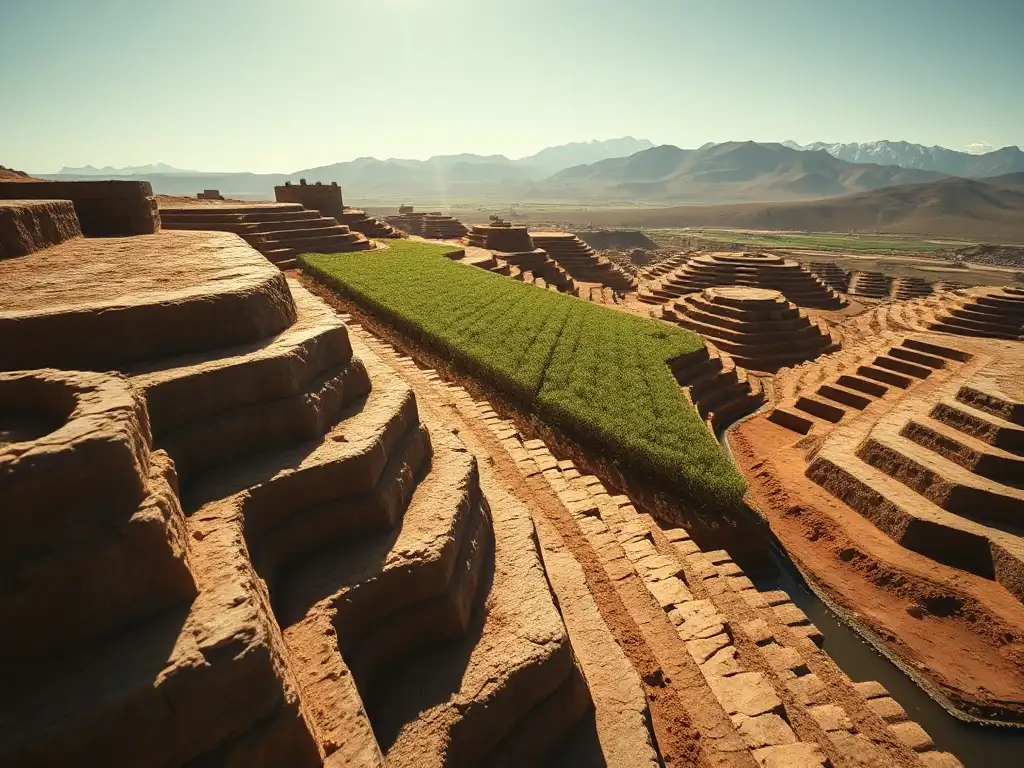
The Tiahuanaco raised field farming techniques, also known as waru waru, represent a remarkable feat of engineering and agricultural ingenuity. These elevated planting beds, constructed in the Altiplano region of the Andes, provided a sophisticated solution to the challenging environmental conditions faced by the Tiahuanaco culture. The system's effectiveness stemmed from its ability to mitigate flooding, protect crops from frost, and improve overall water management.
Understanding the intricacies of waru waru allows us to appreciate the advanced knowledge and adaptability of this ancient civilization, offering valuable lessons for sustainable agriculture even today. The careful design and implementation of these raised fields demonstrate a deep understanding of hydrology, soil science, and the delicate balance of the Andean ecosystem. This sophisticated approach to agriculture allowed the Tiahuanaco people to thrive in a region characterized by unpredictable weather patterns and limited arable land.
Mitigating Flooding with Elevated Planting Surfaces
The Altiplano, with its high altitude and fluctuating water levels, is prone to severe flooding during the rainy season. The waru waru system directly addressed this challenge by elevating planting surfaces above the surrounding water table. This simple yet effective design prevented crops from being submerged and destroyed by floodwaters.
The raised fields acted as natural levees, channeling excess water away from the crops and preventing waterlogging of the soil. Furthermore, the channels between the raised fields served as drainage systems, efficiently removing excess water from the agricultural area. Analysis of ancient waru waru sites reveals a complex network of canals and channels meticulously designed to manage water flow, ensuring optimal drainage and preventing damage to the crops.
The effectiveness of this system is evident in its longevity – archaeological evidence suggests that waru waru fields remained productive for centuries. This long-term success highlights the resilience and adaptability of this ingenious agricultural system. The precise dimensions and spacing of the raised fields, determined by the specific hydrological characteristics of the region, further demonstrate the sophisticated understanding of water management possessed by the Tiahuanaco people.
Protecting Crops from Frost Using Water and Thermal Mass
The high altitude of the Altiplano also exposes crops to significant risks from frost. The waru waru system, however, ingeniously mitigated this threat. The water retained in the channels between the raised fields acted as a thermal buffer, moderating temperature fluctuations and protecting the crops from freezing temperatures.
The water's high specific heat capacity meant that it absorbed and released heat slowly, preventing extreme temperature drops during the night. Furthermore, the soil within the raised fields, with its increased thermal mass, also contributed to temperature regulation. This combination of water and soil acted as a natural insulator, creating a microclimate favorable to crop growth even during periods of intense cold.
Studies have shown that the temperature difference between the raised fields and the surrounding areas can be significant, particularly during frost events. This difference highlights the effectiveness of the waru waru system in protecting crops from frost damage, enabling the Tiahuanaco people to cultivate a wider range of crops than would otherwise be possible in this harsh environment. The strategic use of water and thermal mass represents a profound understanding of environmental physics and its application to agriculture.
Improved Water Management in Andean Agriculture
The waru waru system significantly improved water management in Andean agriculture. The network of canals and channels not only drained excess water during the rainy season but also served as irrigation systems during drier periods. Water from nearby sources could be channeled into the waru waru fields, providing a reliable source of irrigation for the crops.
The efficiency of the system was further enhanced by the use of raised fields, which allowed for better soil aeration and reduced water evaporation. The careful management of water resources was critical to the success of the waru waru system, highlighting the Tiahuanaco people's deep understanding of the interplay between water availability, soil conditions, and crop growth. This intricate system of water management allowed for increased agricultural productivity, supporting a larger and more stable population.
The long-term sustainability of the waru waru system underscores its effectiveness as a model for water-efficient agriculture in arid and semi-arid regions. The Tiahuanaco's mastery of water management stands as a testament to their agricultural expertise and innovative spirit. The legacy of waru waru continues to inspire contemporary agricultural practices, offering valuable insights into sustainable and resilient farming techniques.
Soil Enrichment and Fertility Enhancement
The Tiahuanaco raised fields, or waru waru, weren't just about managing water; they were a sophisticated system designed to dramatically improve soil fertility. The raised beds themselves acted as a natural fertilizer trap. Organic matter, including decaying plant material and animal waste, accumulated in the channels between the fields. This organic matter decomposed, releasing essential nutrients that were then absorbed by the crops growing on the raised beds. This process significantly enhanced the soil's fertility, reducing the need for external fertilization and promoting sustainable agriculture.
The design of the waru waru system further contributed to soil enrichment. The network of channels and raised beds created a microclimate that fostered the growth of beneficial microorganisms. These microorganisms played a crucial role in breaking down organic matter, releasing nutrients, and improving soil structure. The diverse plant species cultivated within the system also contributed to soil health, with different plants having different nutrient needs and contributing to a more balanced ecosystem. This biodiversity further enhanced the soil's capacity to support crop growth, leading to higher yields and increased resilience to environmental stresses.
Furthermore, the system's capacity to regulate water flow prevented nutrient leaching. Unlike traditional farming methods where nutrients could be washed away by heavy rains, the waru waru system retained nutrients within the raised beds, ensuring their availability to crops. This efficient nutrient cycling was a key factor in the system's long-term sustainability and its ability to support high-density populations in a challenging environment.
Studies have shown that soils within waru waru systems retain significantly higher levels of organic carbon compared to surrounding areas, a clear indicator of enhanced soil fertility and health. This remarkable achievement highlights the ingenuity of the Tiahuanaco people in developing a sustainable agricultural system that addressed both water management and soil enrichment challenges. The legacy of their sophisticated farming techniques continues to inspire modern sustainable agricultural practices.
The Impact of Waru Waru Farming Techniques
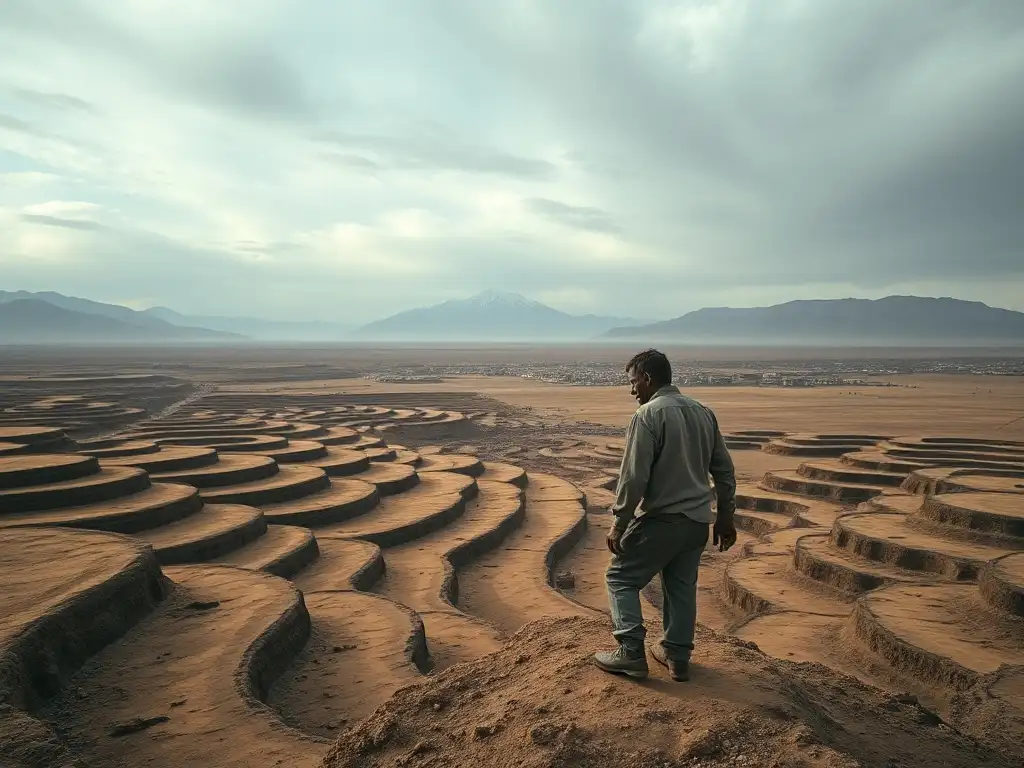
The Tiahuanaco raised field farming techniques, also known as waru waru, represent a sophisticated adaptation to the challenging altiplano environment. These elevated fields, constructed from earth and rock, dramatically altered the agricultural landscape, impacting various aspects of Tiahuanaco society. Understanding the impact of waru waru requires examining its effects on productivity, population support, and environmental sustainability.
This section will delve into these key areas, providing a detailed analysis of the system's success. The ingenuity of the waru waru system, and its lasting impact on the understanding of ancient Andean agricultural practices, is undeniable, making it a cornerstone of research into "Tiahuanaco raised field farming techniques".
Increased Agricultural Productivity and Food Security
The waru waru system significantly boosted agricultural productivity in the high-altitude, often harsh conditions of the Tiwanaku region. The raised fields acted as microclimates, trapping solar radiation and increasing soil temperatures. This resulted in longer growing seasons and higher yields compared to traditional farming methods. Furthermore, the system improved soil drainage, mitigating the effects of flooding and waterlogging, common problems in the seasonally wet altiplano.
Studies suggest that waru waru fields could produce significantly higher yields of potatoes, quinoa, and other staple crops, ensuring food security for the growing population. This increased productivity was crucial for the development and sustenance of the Tiahuanaco state. Specific yield increases are difficult to quantify definitively without more extensive archaeological data, however, comparative studies of similar raised field systems suggest yield improvements of at least 30-50%, potentially even higher depending on the specific crop and environmental conditions.
Supporting a Large Population in the Tiahuanaco State
The enhanced agricultural productivity facilitated by waru waru was critical in supporting the large population of the Tiahuanaco state. Archaeological evidence indicates a substantial urban center and surrounding agricultural lands, suggesting a complex social and political organization reliant on efficient food production. The capacity of waru waru to produce surplus crops allowed for specialization of labor, the development of a stratified society, and the construction of monumental architecture characteristic of the Tiahuanaco civilization.
Without the innovative waru waru system, sustaining such a large population in the challenging Andean environment would have been significantly more difficult, if not impossible. The ability to feed a large, urban population is a testament to the effectiveness of Tiahuanaco raised field farming techniques.
The Sustainable and Eco-Friendly Nature of Waru Waru
Beyond its economic impact, the waru waru system demonstrated remarkable environmental sustainability. The canals between the raised fields acted as irrigation channels, efficiently distributing water resources and minimizing water waste. The system also helped to conserve soil moisture, reducing the need for frequent irrigation. Moreover, the raised fields protected the soil from erosion, a significant concern in the altiplano's often windy and rainy conditions.
The integrated approach of waru waru, combining water management and soil conservation, demonstrates a sophisticated understanding of ecological principles and sustainable land management. This approach contrasts sharply with modern, intensive agricultural practices that often lead to environmental degradation. The Tiahuanaco's mastery of "Tiahuanaco raised field farming techniques" offers valuable lessons for contemporary sustainable agriculture. The long-term sustainability of the system is further evidenced by the fact that modified versions of waru waru are still used in the region today.
Comparison with Other Andean Agricultural Practices
The Tiahuanaco waru waru system, with its raised fields and canals, stands in contrast to other Andean agricultural practices, showcasing a unique adaptation to the Altiplano's challenging environment. While other cultures employed terracing—like the Inca's extensive terraced farming on mountain slopes—the waru waru system offered a different approach specifically designed to mitigate flooding and frost in the relatively flat, seasonally inundated plains. Terracing, effective for controlling water runoff on slopes, wouldn't have been as practical in the flat, marshy areas where the Tiahuanaco people built their raised fields.
Unlike the Incas' focus on intensive agriculture on steeper terrains, the Tiahuanaco system prioritized water management and soil improvement in a low-lying, often flooded environment. The Incas, while also masterful agriculturalists, relied more on the creation of extensive terrace systems to optimize land use in mountainous regions. Their techniques, while incredibly effective in their context, differed significantly from the water-regulating strategies employed in the waru waru system.
The Moche, known for their irrigation canals and sophisticated water management along the Peruvian coast, focused on a different type of adaptation, adapting to arid conditions rather than the high-altitude challenges faced by the Tiahuanaco. Their coastal irrigation systems were designed to bring water to the fields, while the waru waru system managed water within the fields themselves, making it a unique solution for the Altiplano's unique challenges. The Nazca, famous for their intricate geoglyphs, also developed sophisticated irrigation systems, but these were predominantly based on canals and aqueducts, again contrasting with the raised field approach of the Tiahuanaco.
The Nazca's focus on canal irrigation in arid environments showcases the varied and regionally specific agricultural adaptations that developed across the Andes. The Tiahuanaco waru waru system, therefore, represents a highly specialized response to specific environmental conditions, demonstrating the ingenuity of Andean agricultural practices in diverse settings.
The Legacy of Waru Waru
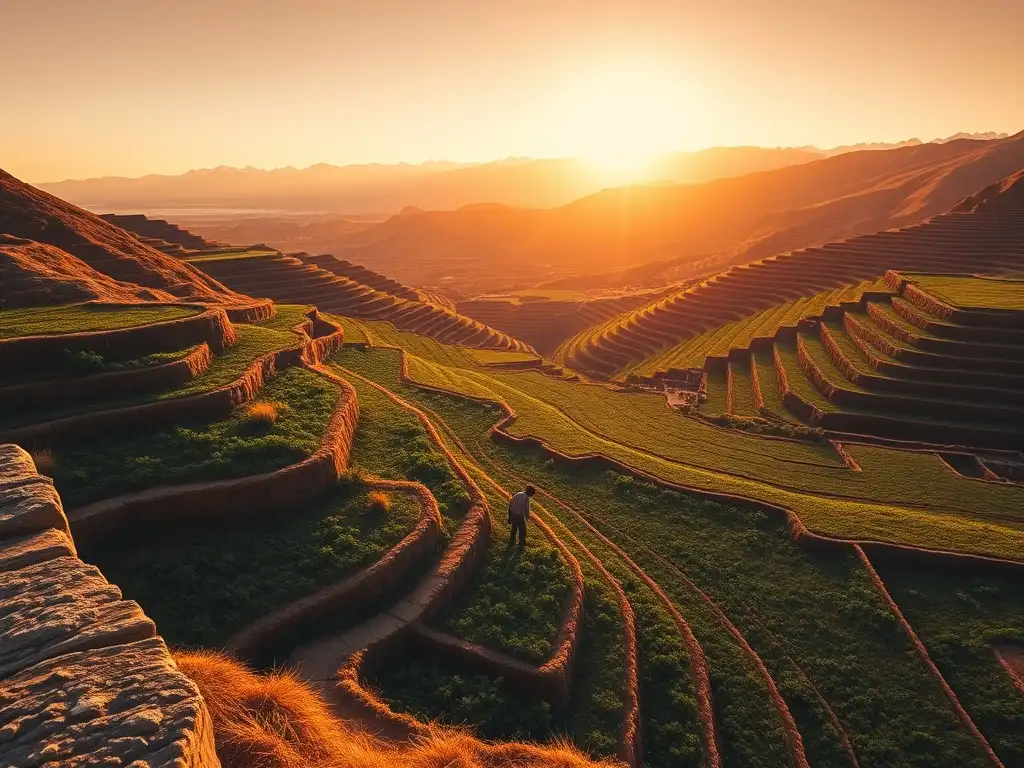
The Tiahuanaco raised field farming techniques, also known as waru waru, represent a sophisticated and sustainable agricultural system developed by the Tiahuanaco culture in the Altiplano region of the Andes. These weren't simply raised fields; they were a complex network of interconnected, elevated plots separated by canals, demonstrating an advanced understanding of hydrology and soil management. The ingenuity of the waru waru system allowed the Tiahuanaco people to thrive in a challenging environment characterized by extreme altitudes, unpredictable rainfall, and frequent frosts.
This system stands as a testament to the civilization's remarkable adaptability and resilience, a crucial aspect of their success in this demanding environment. The impact of the waru waru system extended far beyond mere food production; it shaped social structures, economic organization, and the very landscape of the Altiplano. Understanding the intricacies of waru waru is key to appreciating the sophisticated agricultural practices of the Tiahuanaco.
Rediscovering and Reimplementing Ancient Farming Methods
The knowledge of waru waru was largely lost after the decline of the Tiahuanaco civilization. However, recent decades have seen a renewed interest in this ancient technology, driven by the need for sustainable agricultural practices in the face of climate change and increasing environmental pressures. Archaeological research has played a crucial role in unearthing the secrets of waru waru, revealing details about its construction, layout, and functionality.
This research has not only helped us understand the past but also provided valuable insights for modern applications. Furthermore, local communities in the Altiplano are actively involved in the rediscovery and reimplementation of waru waru, drawing upon traditional knowledge and combining it with modern techniques. This collaborative effort is not just about reviving an ancient farming practice; it's about creating a more sustainable and resilient future for the region.
The success of these reimplementation projects underscores the enduring relevance of Tiahuanaco's agricultural innovations. Detailed studies are ongoing to fully document and understand the long-term effects of these modern applications of ancient techniques.
Modern Applications of Waru Waru Agricultural Techniques
Modern applications of waru waru are demonstrating its remarkable adaptability to contemporary challenges. Studies have shown that waru waru systems significantly improve soil fertility, water retention, and frost protection, all crucial factors in the harsh Andean climate. The raised fields act as microclimates, moderating temperature fluctuations and protecting crops from frost damage.
The canals between the fields serve as irrigation channels, providing a reliable water source even during periods of drought. Furthermore, the system enhances biodiversity by creating diverse habitats for beneficial insects and microorganisms. These benefits translate into increased crop yields and improved food security for local communities.
Some projects are even exploring the use of waru waru for the cultivation of high-value crops, further demonstrating its economic potential. The integration of traditional knowledge with modern agricultural practices is leading to innovative and sustainable solutions for food production in the Altiplano. Specific data on yield increases and economic impact in various reimplementation projects is still being compiled, but early results are very promising.
Lessons Learned from Tiahuanaco's Approach to Farming
The Tiahuanaco's waru waru system offers valuable lessons for contemporary agriculture. It highlights the importance of integrating traditional knowledge with modern science to create sustainable and resilient farming practices. The system showcases the benefits of a holistic approach to agriculture, considering not only crop production but also soil health, water management, and biodiversity.
The success of waru waru demonstrates the potential of adapting to environmental challenges through innovative and sustainable solutions. The Tiahuanaco civilization's understanding of their environment and their ability to develop ingenious solutions to overcome its limitations are a powerful reminder of the importance of adapting to climate change and environmental variability. The lessons learned from waru waru can be applied to other regions facing similar challenges, offering a valuable model for sustainable agriculture worldwide.
Further research into the long-term sustainability and scalability of waru waru is crucial for its wider adoption and implementation. The legacy of Tiahuanaco's agricultural ingenuity continues to inspire and inform modern approaches to farming, offering a pathway towards a more sustainable future.
The Importance of Preserving Andean Agricultural Heritage
The Tiahuanaco raised fields, or waru waru, represent more than just an ingenious agricultural solution; they embody a profound understanding of Andean ecology and a sustainable approach to farming that resonates even today. Preserving this heritage is crucial for several reasons. Firstly, waru waru offer valuable insights into the ingenuity and resilience of ancient Andean civilizations.
Their sophisticated design, adapted to the harsh environmental conditions of the Altiplano, showcases a remarkable ability to harness natural resources and mitigate environmental challenges. Studying these techniques can provide valuable lessons for modern agricultural practices, particularly in regions facing similar environmental constraints. Understanding how the Tiahuanaco people managed water resources, soil fertility, and frost protection can inform the development of climate-resilient agricultural strategies in the face of climate change.
Secondly, the preservation of waru waru systems contributes to the maintenance of biodiversity. These agricultural systems supported a diverse range of crops and fostered a rich ecosystem. Their restoration can help revive lost plant varieties and contribute to the overall biodiversity of the Altiplano region.
The intricate network of channels and raised beds created microclimates that supported a wider variety of plant life than conventional farming methods. This biodiversity is not only ecologically significant but also holds potential for future agricultural development. The rediscovery and cultivation of ancient Andean crops could provide valuable genetic resources for breeding new, more resilient varieties.
Finally, preserving waru waru is important for cultural and historical reasons. These agricultural systems are integral to the identity and cultural heritage of Andean communities. Their preservation helps maintain a connection to ancestral knowledge and traditions.
Many communities are actively involved in restoring and utilizing waru waru systems, demonstrating the continuing relevance of this ancient technology. Supporting these efforts is vital for promoting cultural preservation and empowering local communities. The ongoing research and community-based restoration projects highlight the importance of integrating traditional knowledge with modern scientific approaches to ensure the long-term sustainability of this unique agricultural heritage.
The legacy of the waru waru extends beyond its agricultural significance; it represents a vital link to the past, a source of inspiration for the present, and a potential solution for the future. Protecting this heritage is not merely an act of preservation, but an investment in a more sustainable and resilient future for the Andean region and beyond.
Conclusion: The Genius of Tiahuanaco's Agricultural Innovation
The Tiahuanaco raised field system, also known as waru waru, stands as a testament to the ingenuity and adaptability of the Andean civilizations. Facing the challenges of a high-altitude environment characterized by unpredictable flooding and severe frosts, the Tiahuanaco people developed a sophisticated agricultural technique that not only ensured food security but also demonstrated a profound understanding of their environment. This wasn't merely farming; it was a complex hydrological engineering project that maximized resource utilization and minimized environmental impact.
The success of waru waru speaks volumes about the advanced knowledge and meticulous planning employed by the Tiahuanaco, showcasing their remarkable ability to harness the power of nature for the benefit of their society. Their legacy continues to inspire modern-day agricultural practices seeking sustainable solutions. Understanding the intricacies of Tiahuanaco raised field farming techniques reveals a sophisticated civilization far ahead of its time.
The Significance of Waru Waru Systems
The waru waru system wasn't just about producing food; it was a complex, integrated system designed to mitigate the harsh environmental conditions of the Altiplano. The raised fields themselves acted as thermal buffers, protecting crops from damaging frosts. The network of canals and channels, carefully constructed to regulate water flow, prevented both flooding and drought. This intricate network also functioned as a microclimate regulator, trapping solar heat during the day and releasing it slowly at night.
This created a more stable environment for crop growth, even in the face of extreme temperature fluctuations. Archaeological evidence suggests that the system was incredibly productive, supporting a large population density in a region that, without these techniques, would have been far less hospitable. The long-term sustainability of the waru waru system is further evidence of its ingenuity.
It wasn't a fleeting solution; it was a carefully planned and meticulously maintained system that provided sustenance for generations. The enduring impact of the waru waru system is undeniable, solidifying its place as a significant achievement in ancient Andean engineering and agricultural innovation. The efficiency and sustainability of this system are still studied and imitated today, highlighting its enduring relevance.
Waru Waru Farming Techniques: A Sustainable Solution for the Future
The principles behind Tiahuanaco raised field farming techniques—namely, water management, microclimate control, and soil improvement—offer valuable lessons for modern-day agriculture, particularly in regions facing similar environmental challenges. The increasing frequency and intensity of extreme weather events, coupled with the growing need for sustainable food production, make the waru waru system more relevant than ever. Modern agricultural practices often rely heavily on chemical fertilizers and irrigation methods that can deplete resources and damage the environment. In contrast, waru waru represents a holistic approach that promotes biodiversity, conserves water, and enhances soil fertility.
Current research explores the application of waru waru principles in various contexts, including arid and semi-arid regions. For instance, studies have shown that adapting waru waru techniques can significantly improve crop yields and water use efficiency in areas prone to drought. Moreover, the system's ability to sequester carbon in the soil offers a potential solution to climate change.
The revival and adaptation of Tiahuanaco raised field farming techniques offer a pathway towards a more sustainable and resilient agricultural future. The ingenuity of the Tiahuanaco people continues to provide valuable insights and inspiration for tackling the agricultural challenges of the 21st century. The legacy of waru waru is not merely a historical curiosity; it is a blueprint for a more sustainable tomorrow.
Frequently Asked Questions
What were Tiahuanaco raised fields?
Tiahuanaco raised fields were artificial elevated platforms built in the Altiplano region of the Andes. These fields were used for intensive agriculture, allowing the cultivation of crops despite challenging environmental conditions. They were a key element of Tiahuanaco's success.
How did Tiahuanaco raised fields combat flooding?
The raised fields acted as a drainage system, diverting excess water away from crops and preventing damage from flooding. The elevated platforms kept crops above the water table, protecting them from waterlogging.
How did the raised fields help protect crops from frost?
The elevated position of the fields, combined with the dark soil, helped to retain heat, protecting crops from damaging frosts common in the high-altitude Altiplano. This improved the growing season significantly.
What crops were grown using Tiahuanaco's raised field farming techniques?
A variety of crops were cultivated, including potatoes, quinoa, and other Andean staples. The raised fields allowed for increased yields and more reliable harvests, supporting a large population.
Why are Tiahuanaco's raised field farming techniques considered innovative?
The sophisticated engineering and agricultural knowledge demonstrated by the raised fields are remarkable. This sustainable farming system allowed for high yields in a challenging environment and is still studied today.
Final Reflection: Echoes of Ingenuity in the Andes
The ingenuity of the Tiahuanaco raised field system remains a potent example of sustainable agriculture, offering crucial lessons for addressing modern challenges of climate change and food security. Its ability to mitigate both flooding and frost, two significant threats to Andean agriculture, continues to resonate powerfully in a world grappling with increasingly unpredictable weather patterns. The system's effectiveness, even after centuries, serves as a stark reminder of the power of human adaptation and innovation in the face of environmental adversity.
The enduring legacy of the Tiahuanaco raised fields extends far beyond their historical significance; they represent a profound understanding of ecological principles and a testament to the deep connection between human societies and their environment. Their sophisticated design, reflecting a detailed knowledge of hydrology and soil science, continues to inspire modern agricultural practices. The past is never dead. It's not even past,
wrote William Faulkner, and the Tiahuanaco raised fields stand as a living testament to this truth, offering valuable insights for sustainable agriculture in the 21st century and beyond.
Consider the implications of this ancient technology for your own life. How can we, inspired by the resilience and foresight of the Tiahuanaco people, develop more sustainable and resilient agricultural practices in our own communities? Let the echoes of their ingenuity inspire you to explore innovative solutions to the challenges of food production and environmental stewardship. Embrace the opportunity to learn from the past and build a more sustainable future, one where ingenuity and respect for the environment work hand-in-hand.
Unveil the Secrets of Sustainable Agriculture!
Thank you for exploring the fascinating world of Tiahuanaco's raised field agricultural system! You've learned about a remarkable solution to the challenges of flooding and frost, offering valuable insights for modern farming. Now, let's put that knowledge to work!
Here's how you can get involved and contribute to a more sustainable future:
- Explore your local environment: Consider how the principles behind raised field agriculture could be adapted to your community's specific needs and resources. Could you create raised beds in your garden, or perhaps contribute to a larger community project?
- Share your knowledge: Discuss the innovative and effective methods used in the Tiahuanaco system with friends, family, and neighbors. Inspire conversations about sustainable and resilient agriculture!
- Get involved: Seek out local community gardens or agricultural initiatives focused on flood-resistant and sustainable farming practices. Volunteer your time and expertise to support these efforts.
How could adapting the principles of Tiahuanaco's raised field system in your garden or community improve local food security and resilience? We'd love to hear your thoughts!