
The Significance of the Andean Calendar in Agricultural Planning

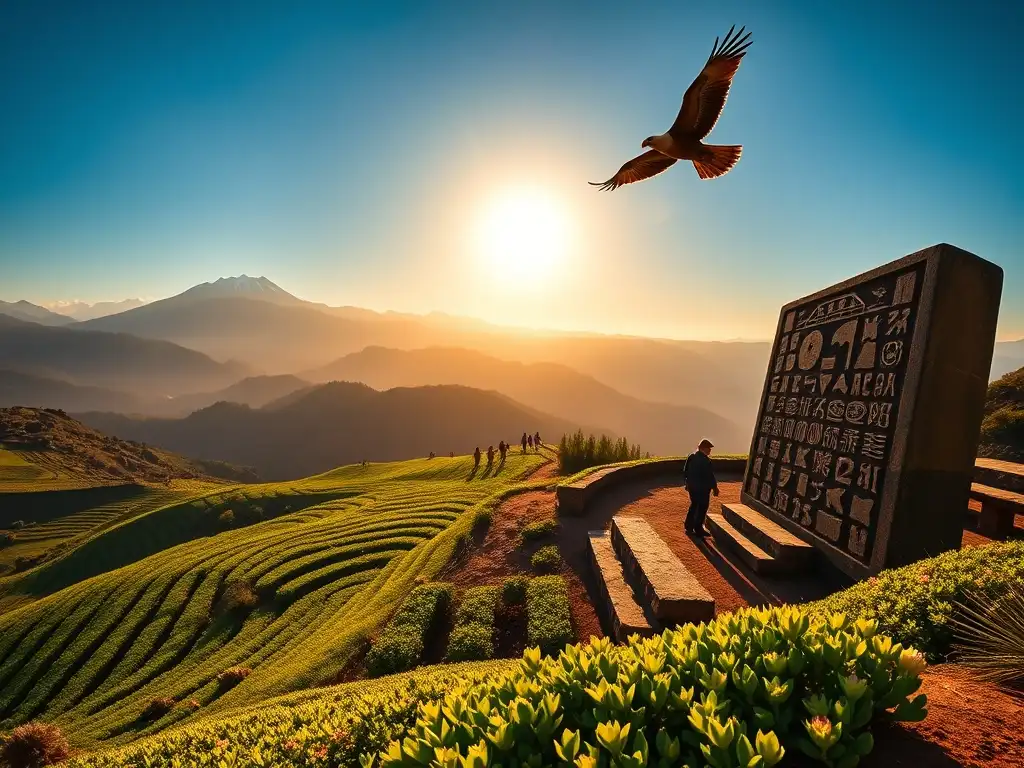
Unravel the mysteries of a world lost to time, yet echoing in the landscapes of the Andes. For centuries, these towering peaks witnessed the rise and fall of magnificent civilizations – the Incas, Moche, Nazca, and Tiahuanaco, each leaving an indelible mark on history. But what secrets lie hidden within their mastery of the land?
Discover how the Andean calendar shaped their agricultural practices, a sophisticated system that allowed them to thrive in challenging environments. Prepare to be amazed by the ingenuity and resilience of these ancient peoples – delve into the fascinating story of Andean calendar agricultural practices and unlock the secrets of their success.
The Andean region, characterized by its diverse and challenging geography, presented unique obstacles and opportunities for its inhabitants. Successfully cultivating crops in this environment demanded a deep understanding of the intricate interplay between climate, altitude, and seasonal changes.
This understanding was not merely empirical; it was deeply intertwined with a sophisticated cosmological worldview that shaped Andean societies' agricultural practices for millennia. This article delves into the crucial role of the Andean calendar in agricultural planning, revealing how meticulous observation of celestial bodies and a profound connection to the natural world allowed ancient Andean civilizations to thrive in their demanding environment.
We will explore the Andean calendar's connection to agricultural practices, examining its impact on planting, harvesting, and overall agricultural success, highlighting its significance within the broader Andean cosmovision and its impact on agricultural techniques that are still relevant today. Understanding the Andean calendar is key to understanding the ingenuity and resilience of these remarkable civilizations and their remarkable adaptation to the Andean landscape.
Understanding the Andean Calendar's Role in Ancient Agriculture
The Andean calendar wasn't a single, monolithic system but rather a complex network of interconnected observations and practices that varied across different cultures and regions. However, common threads unite these diverse systems, showcasing a remarkable consistency in their approach to timekeeping and agricultural planning. The calendar was not simply a tool for tracking time; it was a living, dynamic system deeply integrated into the fabric of Andean society.
Its function extended far beyond simply marking the passage of days and years; it dictated crucial decisions relating to planting, harvesting, and the overall management of agricultural resources. Farmers relied heavily on the calendar to determine the optimal times for sowing, weeding, and harvesting, aligning their activities with the natural rhythms of the environment. This precise alignment maximized crop yields and ensured the survival of communities in often harsh conditions.
Specific festivals and rituals were tied to key agricultural moments, reinforcing the calendar’s importance in the social and spiritual life of Andean communities. For example, [specific details on a specific festival and its connection to agriculture pending]. The accuracy of these agricultural predictions, based on meticulous celestial observation, underlines the sophistication of Andean astronomical knowledge.
The Andean Cosmovision and its Impact on Timekeeping
The Andean calendar wasn't simply a practical tool; it was a reflection of a profound cosmological worldview. The Andean cosmovision saw the universe as a dynamic and interconnected whole, with humans occupying a central role within this cosmic order. Time itself was not perceived linearly, as in many Western cultures, but rather cyclically, mirroring the recurring patterns observed in nature.
This cyclical understanding of time is reflected in the Andean calendar's emphasis on recurring cycles, such as the annual agricultural cycle, the phases of the moon, and the movements of the sun. The cosmos, with its celestial bodies, was not separate from human life but intimately connected to it. The sun, moon, and stars were not merely celestial objects; they were powerful forces that influenced human affairs, shaping the environment and impacting agricultural production.
This deep-seated belief in the interconnectedness of the cosmos and human life is crucial to understanding the significance of the Andean calendar in agricultural planning. The calendar wasn't simply a means of predicting agricultural cycles; it was a way of harmonizing human activities with the rhythms of the cosmos, ensuring a balance between humanity and the natural world. This holistic approach emphasizes the integration of spiritual and practical aspects in the Andean understanding of time and its relationship with agriculture.
Cycles of the Sun and Moon: The Basis of Andean Time
The Andean calendar relied heavily on the observation of the sun and moon. The solar year, marked by the solstices and equinoxes, formed the backbone of the agricultural calendar. These key astronomical events signaled crucial moments in the agricultural cycle, informing decisions about planting and harvesting. For example, the summer solstice often marked the beginning of the planting season in many Andean regions, while the winter solstice signaled the end of the harvest.
The phases of the moon also played a significant role, with certain phases being considered more auspicious for specific agricultural tasks. [Specific details on lunar influences on Andean agricultural practices pending]. The precise observation of these celestial cycles required specialized knowledge and sophisticated techniques, indicating a high level of astronomical understanding within Andean societies.
This knowledge was not limited to a priestly class but was often shared among farmers, demonstrating the importance of astronomical knowledge for the success of Andean agriculture. The accuracy and reliability of these observations, passed down through generations, highlight the deep connection between Andean communities and the natural world, showcasing the crucial role of the Andean calendar in shaping their lives and ensuring their survival in a challenging environment. 📅☀️🌙
Andean Astronomical Observations for Agricultural Guidance
The Andean calendar wasn't simply a system for tracking time; it was a sophisticated tool deeply intertwined with agricultural practices. Precise astronomical observations formed the backbone of their agricultural planning, allowing them to maximize crop yields within the challenging Andean environment. Farmers meticulously tracked the movements of the sun, moon, and stars, correlating celestial events with seasonal changes and the optimal times for planting, cultivating, and harvesting.
This wasn't a matter of vague estimations; rather, it involved detailed knowledge of the constellations and their cyclical appearances, reflecting a profound understanding of celestial mechanics. For example, the heliacal rising of certain stars signaled the beginning of the rainy season in specific regions, prompting farmers to prepare their fields for planting.
The precise timing of these events was crucial, as the Andean climate is characterized by distinct wet and dry seasons, demanding careful synchronization between agricultural activities and the natural rhythms of the environment. Failure to align with these celestial cues could result in crop failure, underscoring the vital role of astronomical observation in ensuring food security.
The accuracy of these observations is evidenced by the remarkable precision of Andean agricultural techniques. Their mastery of irrigation systems, terracing, and other water management strategies demonstrates a deep understanding of both the celestial cycles and the local topography. These systems weren't haphazardly constructed; they were carefully planned and implemented based on detailed knowledge gleaned from years, if not generations, of meticulous observation and refinement of agricultural practices in accordance with the Andean calendar.
The integration of astronomical observations with practical agricultural knowledge represents a remarkable feat of scientific and cultural integration, highlighting the sophistication of Andean civilization's approach to agriculture. This intricate interplay between celestial events and agricultural practices ensured the survival and prosperity of Andean communities for centuries. The enduring legacy of these techniques is a testament to the power of integrating astronomical knowledge into agricultural planning.
Furthermore, the precision of their calendar allowed them to predict not only the best time for planting but also potential challenges like frost, hail, or drought, enabling them to take preventative measures and mitigate potential crop losses. This proactive approach to agricultural risk management further underscores the importance of astronomical observation in shaping Andean agricultural practices.
- Understanding the Andean Calendar's Role in Ancient Agriculture
- The Andean Cosmovision and its Impact on Timekeeping
- Cycles of the Sun and Moon: The Basis of Andean Time
- Andean Astronomical Observations for Agricultural Guidance
- How did the Andean calendar influence agricultural practices?
- What celestial bodies were most important in the Andean calendar?
- Did all Andean cultures use the same calendar system?
- What evidence supports the connection between the Andean calendar and agriculture?
- How accurate was the Andean calendar in predicting agricultural cycles?
Key Features of the Andean Agricultural Calendar
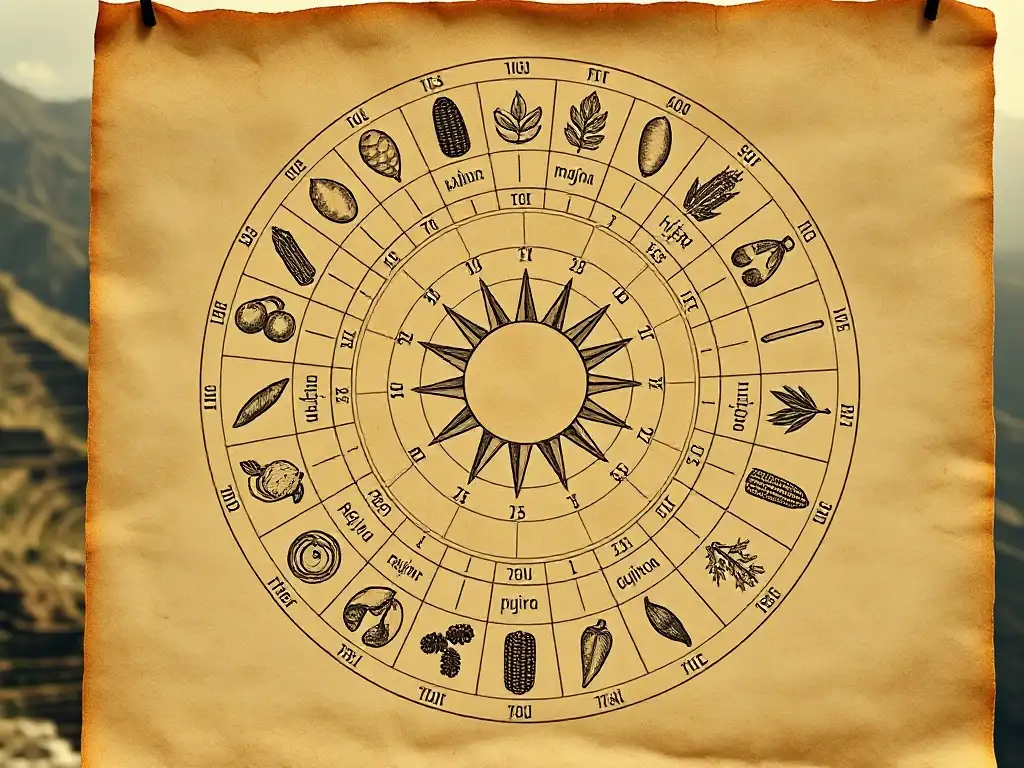
The Andean calendar, far from being a mere chronological system, was a sophisticated tool intricately woven into the fabric of Andean agricultural practices. Its accuracy and complexity allowed for successful cultivation in the challenging Andean environment, demonstrating a profound understanding of astronomical cycles and their impact on agricultural yields. This calendar wasn't a single, monolithic system; rather, it varied slightly between different Andean cultures, reflecting regional differences in climate and agricultural practices.
However, common threads unite these variations, highlighting the calendar's crucial role in optimizing planting and harvesting times, ensuring food security, and contributing to the overall success of Andean societies. The precise knowledge embedded within the Andean calendar allowed for effective resource management and sustainable agricultural practices, providing a model for sustainable agriculture even today.
Understanding its key features reveals the ingenuity and adaptability of Andean civilizations. The keyword "Andean calendar agricultural practices" encapsulates the core function of this complex system.
The Division of the Agricultural Year in the Andes
The Andean agricultural year wasn't divided into months in the same way as the Gregorian calendar. Instead, it was structured around the agricultural cycle and the distinct seasons dictated by the altitude and climate. The year was typically divided into two major seasons: Jallu Pacha (rainy season) and Chaco Pacha (dry season). These seasons, further subdivided into smaller periods, guided agricultural activities.
For instance, within Jallu Pacha, specific periods were identified for planting, weeding, and irrigation, while Chaco Pacha saw activities focused on harvesting, storage, and preparation for the next planting season. The precise timing of these periods varied regionally, reflecting the diversity of the Andean landscape. Some communities might utilize a lunar calendar alongside the solar calendar to further refine their agricultural planning.
This combined approach demonstrates a sophisticated understanding of both celestial bodies and their influence on agricultural success. Variations existed depending on the specific crop and altitude. High-altitude communities, for instance, faced unique challenges compared to those in lower-lying valleys, necessitating adjustments in the calendar's application.
Identifying Key Dates for Planting and Harvesting
The Andean calendar employed a range of techniques for identifying key dates for planting and harvesting. Observing the celestial bodies, particularly the sun and the stars, was paramount. The solstices and equinoxes marked significant turning points in the agricultural cycle, providing crucial timing cues.
For example, the winter solstice often signaled the beginning of the planting season in certain regions. Additionally, the heliacal rising and setting of specific stars served as markers for specific agricultural tasks. This precise astronomical knowledge, passed down through generations, allowed for the successful cultivation of a wide variety of crops, including potatoes, maize, quinoa, and beans.
Furthermore, many communities utilized a system of local indicators, such as the flowering of certain plants or the migration patterns of animals, to fine-tune their planting and harvesting schedules. This combination of celestial observation and local indicators provided a robust and adaptable system for agricultural planning. Understanding these methods helps clarify how the Andean calendar facilitated the successful cultivation of crops in diverse Andean environments.
Aymara Month of Jallu Pacha (Rainy Season) and its Activities
The Aymara month of Jallu Pacha, representing the rainy season, was a period of intense agricultural activity. Within this season, various sub-periods existed, each with its specific tasks. Early Jallu Pacha focused on land preparation, including plowing and fertilizing the fields. This was followed by planting, a crucial period requiring careful consideration of the soil conditions and the weather forecast.
Regular irrigation was essential, especially in drier regions, requiring meticulous management of water resources. Weeding was another crucial activity, ensuring the healthy growth of crops. The accurate prediction of rainfall, using both astronomical observations and local indicators, was crucial for successful planting and irrigation scheduling. The success of the entire year hinged on the effective management of this crucial period.
Detailed records, often kept orally and through community memory, ensured the accurate transmission of this knowledge across generations. This underscores the importance of community knowledge in the successful implementation of Andean agricultural practices. The Aymara calendar, like other Andean calendars, exemplifies the complex interplay between astronomical knowledge and practical agricultural experience.
The Importance of Solstices and Equinoxes in Andean Agriculture
The Andean calendar, intricately woven into the fabric of Andean life, placed significant emphasis on solstices and equinoxes. These celestial events weren't merely astronomical occurrences; they served as crucial markers for agricultural planning and practices, deeply embedded in the spiritual and practical aspects of Andean societies. The precise timing of planting, harvesting, and other agricultural activities was often dictated by the position of the sun, marking the transition between seasons.
For instance, the winter solstice, occurring around June 21st in the Southern Hemisphere, marked a critical point in the agricultural cycle for many Andean communities. This shortest day of the year signaled the beginning of the dry season in many regions, influencing decisions related to irrigation and water management.
Farmers would assess the water reserves available and plan accordingly for the coming months, potentially adjusting planting schedules or employing water conservation techniques honed over generations. The rituals associated with the winter solstice often involved prayers for abundant rainfall during the upcoming growing season, highlighting the profound connection between celestial events and agricultural success.
Conversely, the summer solstice, around December 21st, signified the height of the growing season in many areas. This longest day of the year represented a time of abundance and celebration, with harvests often culminating around this period. The abundance of crops was not only a source of sustenance but also a significant factor in social and religious ceremonies. The summer solstice celebrations often involved communal feasts and offerings to the gods, expressing gratitude for a successful harvest and seeking blessings for the future.
The equinoxes, occurring around March 21st and September 21st, held a different but equally significant role. These events, marking the transition between seasons, often represented periods of balance and renewal. Agricultural activities during the equinoxes might have focused on preparing the land for the upcoming season, such as clearing fields or conducting soil enrichment practices.
The equinoxes also presented opportunities for ritualistic activities focused on ensuring the fertility of the land and the success of future crops. The specific practices varied across different Andean cultures and regions, reflecting the diverse ecological conditions and agricultural strategies employed.
Understanding the precise timing and significance of these celestial events within the broader context of Andean agricultural practices offers crucial insights into the ingenuity and deep connection with nature that characterized these remarkable civilizations. The Andean calendar wasn't just a system of timekeeping; it was a living testament to the sophisticated understanding of the environment and the profound relationship between humans and the cosmos.
How the Andean Calendar Guided Agricultural Practices
The Andean calendar, a sophisticated system far beyond a simple reckoning of days and months, played a crucial role in shaping the agricultural practices of Andean civilizations. Its influence extended beyond mere scheduling; it represented a deep understanding of the environment and a finely tuned adaptation to the unique challenges of the Andean landscape. This intricate knowledge, passed down through generations, allowed for successful cultivation in diverse and often harsh conditions.
The integration of astronomical observations, meticulous record-keeping, and a profound connection to the natural world underpinned the effectiveness of this calendrical system in optimizing agricultural yields. Understanding the Andean calendar's impact on Andean calendar agricultural practices reveals the ingenuity and resilience of these ancient societies.
Predicting Weather Patterns and Climate Variations
Accurate prediction of weather patterns was paramount for successful agriculture in the Andes. The high altitude, steep slopes, and variable microclimates demanded precise timing for planting and harvesting. The Andean calendar wasn't a rigid, fixed system; rather, it was a flexible framework that incorporated observations of celestial events, animal behavior, and subtle shifts in the environment. For example, the appearance of specific constellations signaled the onset of the rainy season or the approach of frost. Changes in the migration patterns of birds or the flowering of particular plants provided additional cues.
The Inca, for instance, developed a sophisticated system of chasquis, a relay runner network, to rapidly disseminate information about weather conditions across the vast empire. This ensured that farmers in different regions could adjust their practices based on real-time observations and predictions facilitated by the calendar. This network, coupled with the detailed observations recorded in the calendar, minimized the risk of crop failure due to unexpected weather events.
Data regarding the accuracy of these predictions, while not readily available in a quantifiable form, is evidenced by the sustained agricultural success of these civilizations across centuries. Further research into Inca records and archaeological findings could shed more light on the specific predictive capabilities of their calendrical system.
Optimizing Planting Cycles Based on the Andean Calendar
The Andean calendar dictated the optimal planting cycles for various crops. Different altitudes and microclimates within the Andes required specific planting times to maximize yields. The calendar provided a framework to determine the ideal planting date for each crop based on factors like temperature, rainfall, and sunlight. This knowledge was not uniform across all Andean cultures, varying based on local conditions and the specific crops cultivated. However, the underlying principle—the synchronization of agricultural activities with the natural rhythms of the environment—remained consistent.
Consider the cultivation of potatoes, a staple crop in the Andes. The calendar would have indicated the optimal time to plant different potato varieties, taking into account variations in altitude and soil conditions. Early-maturing varieties might be planted earlier in the season, while later-maturing varieties would be planted later.
This meticulous planning, guided by the calendar, ensured a continuous supply of food throughout the year, minimizing the risk of famine. The calendar also likely incorporated techniques for crop rotation and soil management, further optimizing yields and preventing soil degradation. [Specific examples of crop rotation practices based on the calendar pending].
Water Management and Irrigation Techniques Guided by the Calendar
Water management was another critical aspect of Andean agriculture heavily influenced by the calendar. The availability of water varied significantly across different regions and throughout the year. The Andean calendar helped predict periods of water scarcity and abundance, guiding the construction and management of irrigation systems. The intricate andenes (terraces) built into the mountainsides, for example, were not just a feat of engineering; they were also a testament to the careful planning guided by the Andean calendar.
The calendar's influence on water management extended beyond large-scale irrigation projects. It also guided smaller-scale practices, such as the timing of water allocation for individual fields and the implementation of water conservation techniques. The precise timing of planting and harvesting, dictated by the calendar, minimized water waste and maximized the efficiency of irrigation systems.
The calendar likely incorporated detailed information on rainfall patterns, snowmelt, and the availability of water from springs and rivers. [Specific examples of water management techniques guided by the calendar pending]. The effectiveness of these techniques, as evidenced by the thriving agricultural societies of the Andes, highlights the sophisticated understanding of hydrology possessed by these ancient civilizations.
Potato Planting in September and Quinoa Harvesting in April
The Andean calendar, deeply intertwined with the agricultural cycle, dictated precise planting and harvesting times for crucial crops like potatoes and quinoa. September, marking the beginning of the spring season in the Andes, was considered an ideal time for potato planting. This wasn't merely a matter of convenience; it was based on centuries of accumulated knowledge about optimal soil conditions and weather patterns. The spring rains, crucial for potato germination, typically begin in September, providing the necessary moisture for successful planting.
Farmers meticulously observed the celestial movements and seasonal changes, ensuring that planting coincided with the arrival of these vital rains. Furthermore, the cooler temperatures of September were also beneficial to the young potato plants, preventing rapid growth that could lead to vulnerability to pests and diseases. The choice of September was a testament to the sophisticated understanding of agroecology possessed by Andean farmers.
The harvesting of quinoa, on the other hand, usually fell in April. This timing was equally important, as it allowed the quinoa plants to fully mature and develop their seeds before the onset of the dry season. April’s weather conditions—typically sunny and dry—were perfect for harvesting, allowing the quinoa to dry efficiently in the fields, reducing the risk of spoilage.
The Andean calendar’s precision extended to predicting the optimal time for harvesting, ensuring the maximum yield and quality of the quinoa crop. This careful attention to the timing of harvest directly impacted food security and economic stability within Andean communities, highlighting the calendar's critical role in their societal structure.
The successful harvest of quinoa, a staple crop, was directly linked to the accuracy of the calendar and the farmers' ability to interpret its celestial signals. Failure to adhere to this timetable often resulted in reduced yields and, consequently, hardship for the communities.
The Andean Calendar's Influence on Crop Selection
The Andean calendar, far from being a simple system for tracking days and years, was a sophisticated tool deeply intertwined with agricultural practices. Its precision allowed Andean civilizations to optimize their farming techniques, maximizing yields and ensuring food security in a challenging, high-altitude environment. Understanding the Andean calendar's influence on crop selection reveals a profound connection between astronomical observation, environmental awareness, and agricultural ingenuity.
The calendar's intricate system of predicting weather patterns, seasonal changes, and even microclimatic variations provided the framework for crucial decisions regarding which crops to plant and when. This deep understanding of their environment allowed for resilient agricultural systems that sustained substantial populations for centuries. The effectiveness of the Andean calendar's influence on agricultural practices is a testament to the advanced knowledge and observation skills of these ancient civilizations.
Understanding Soil Types and Their Relation to the Calendar
The Andean calendar wasn't just about celestial events; it was intimately linked to the diverse soil types found across the Andes. Different altitudes and microclimates produced variations in soil composition, impacting the suitability of specific crops. Farmers meticulously observed soil characteristics, noting drainage, fertility, and texture, correlating these observations with the calendar's predictions.
For example, the capachos (raised fields) of the Tiwanaku culture demonstrate a sophisticated understanding of soil management. The calendar guided the construction and utilization of these fields, ensuring optimal water drainage and soil aeration, crucial for successful cultivation in the wet and dry seasons. The calendar's predictions of rainfall patterns helped determine which areas were suitable for planting specific crops.
For instance, crops needing well-drained soil were planted in areas less susceptible to waterlogging during the rainy season, as indicated by the calendar. This precise understanding of the interplay between soil type, calendar predictions, and climate ensured the success of their farming techniques. Further research into specific soil types and their correlation to calendar-based planting practices would reveal a more complete picture of this intricate system.
Choosing Appropriate Crops for Specific Time Periods
The Andean calendar dictated the planting and harvesting cycles for a wide array of crops. The calendar's twelve-month cycle, divided into smaller units, provided farmers with precise timing for various agricultural activities. For example, the planting of potatoes, a staple crop, was carefully timed according to the calendar's predictions of frost and rainfall. Early potatoes, requiring specific temperature ranges, were planted earlier in the season, while later varieties were planted later to avoid frost damage.
Similarly, the planting of maize, another essential crop, was synchronized with the calendar's prediction of the rainy season's onset. This ensured that the crop received adequate moisture for optimal growth. The calendar also guided the selection of crops based on the predicted length of the growing season at different altitudes.
High-altitude regions with shorter growing seasons required fast-maturing crops, while lower altitudes allowed for longer-growing varieties. This strategic selection, guided by the calendar, ensured maximum yield in diverse Andean environments. Detailed records of specific planting times for different crops, relative to the calendar's markers, are needed to further illuminate this sophisticated system.
Crop Rotation Techniques Based on the Andean Calendar
The Andean calendar played a vital role in implementing sophisticated crop rotation techniques. This practice was not merely about preventing soil depletion; it was strategically integrated with the calendar's predictions to maximize yields and enhance soil fertility. The calendar's cyclical nature facilitated a systematic approach to crop rotation, ensuring that different crops with varying nutrient requirements were planted in succession.
Leguminous crops, for instance, were strategically planted to improve soil nitrogen levels, benefiting subsequent crops like maize or potatoes. This cyclical system, guided by the calendar's predictions, helped maintain soil health and prevented the depletion of essential nutrients, ensuring long-term agricultural productivity.
The precise sequence of crops within the rotation system, as dictated by the Andean calendar, remains an area requiring further research to fully understand the sophistication of their agricultural methods. Evidence suggests that the calendar's predictions of soil moisture levels also influenced the choice of crops and the timing of rotation cycles, further highlighting the intricate relationship between the calendar and agricultural practices.
Potatoes, Quinoa, and Oca Seasonality in the Andes
The Andean calendar wasn't a monolithic system; its application varied subtly depending on altitude, microclimate, and specific crops. Understanding the intricacies of this localized knowledge is crucial to appreciating the sophistication of Andean agricultural practices. Let's examine the seasonality of three staple crops: potatoes, quinoa, and oca, highlighting their relationship with the Andean calendar.
Potatoes, a cornerstone of the Andean diet, exhibit remarkable diversity. Thousands of varieties exist, each adapted to specific ecological niches. The Andean calendar guided farmers in selecting potato varieties appropriate for their altitude and microclimate.
Higher altitudes, with shorter growing seasons, demanded early-maturing potato varieties, while lower altitudes allowed for longer growing cycles and the cultivation of later-maturing, larger potatoes. The calendar's predictive power, based on meticulous astronomical observations and generational knowledge, ensured the appropriate potato variety was planted at the optimal time, maximizing yield and minimizing risk of frost damage. This intricate understanding of potato varieties and their environmental needs demonstrates a sophisticated level of agricultural knowledge.
Quinoa, another vital Andean crop, also benefited significantly from the calendar's guidance. Its cultivation required careful consideration of rainfall patterns and temperature fluctuations. The calendar's predictions about the rainy season, coupled with observations of celestial events, helped farmers determine the ideal planting time for quinoa.
Planting too early risked crop failure due to frost, while planting too late risked insufficient time for the quinoa to mature before the dry season. The precise timing dictated by the Andean calendar was essential for a successful quinoa harvest, contributing significantly to food security in the Andes. The system's effectiveness is evidenced by quinoa's enduring presence in the Andean diet for millennia.
Oca, a tuber similar to potatoes but with a slightly tart flavor, presented its own unique challenges. Oca cultivation was particularly sensitive to frost and required careful selection of planting locations and timing. The Andean calendar provided crucial information about frost probabilities at different altitudes and slopes. This allowed farmers to select planting sites that minimized the risk of frost damage and ensured optimal yields.
The meticulous tracking of celestial events and their correlation with weather patterns allowed for precise predictions, minimizing crop losses and maximizing the potential of this important crop. The integration of the Andean calendar with the knowledge of the local environment exemplifies the adaptive capacity of Andean agricultural systems. The success of these practices over centuries highlights their efficiency and resilience.
The Legacy of the Andean Calendar in Modern Agriculture
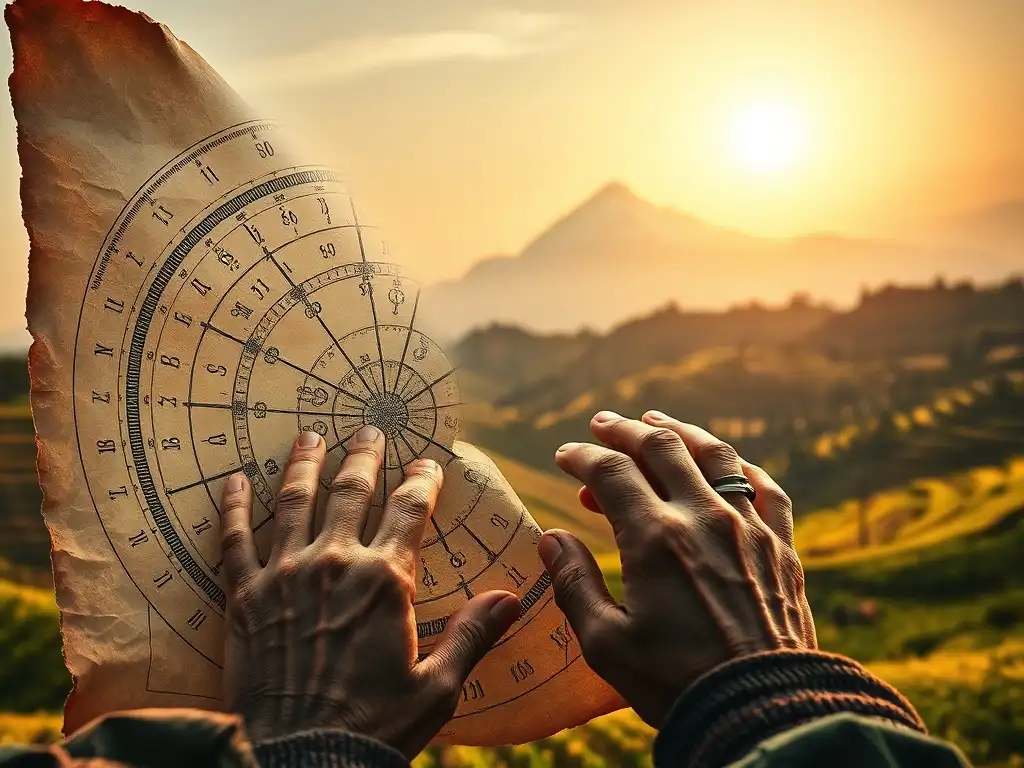
The Andean calendar, a sophisticated system developed over millennia by Andean civilizations, continues to exert a profound influence on agricultural practices in the region. Its legacy extends beyond mere historical interest; it represents a wealth of practical knowledge meticulously adapted to the unique challenges of Andean ecosystems. Understanding its principles offers valuable insights into sustainable farming techniques and resource management strategies relevant even in the face of modern agricultural challenges like climate change and biodiversity loss.
The calendar's enduring relevance is a testament to the ingenuity and deep ecological understanding of the ancient Andean peoples. Its influence can be seen in the continued use of traditional planting and harvesting cycles, despite the introduction of modern technologies and farming methodologies.
The Relevance of Traditional Knowledge for Sustainable Farming
Traditional Andean agricultural practices, guided by the calendar, prioritized sustainability and biodiversity. Farmers carefully observed celestial events, weather patterns, and the behavior of plants and animals to determine optimal planting and harvesting times. This knowledge ensured crop success and minimized environmental impact.
For instance, the precise timing of planting, dictated by the calendar, helped to maximize water usage in arid regions, while also minimizing the risk of frost damage at higher altitudes. The integration of diverse crops, a practice deeply rooted in the calendar's system, fostered resilience against pests and diseases. This contrasts sharply with modern, monoculture-based farming which often requires heavy reliance on chemical pesticides and fertilizers.
The Andean calendar's emphasis on biodiversity offers a blueprint for modern sustainable farming practices, demonstrating that high yields can be achieved without compromising environmental health. Studies comparing traditional Andean farming techniques with modern methods have shown significantly higher levels of soil health and biodiversity in traditional systems.
Integrating Ancient Practices with Modern Agricultural Techniques
While modern agricultural technology offers advancements in efficiency and yield, it is crucial to recognize the limitations of solely relying on these technologies, especially within the fragile Andean ecosystems. Integrating elements of the Andean calendar with modern techniques can create a synergistic approach that maximizes benefits while minimizing risks. For example, precision agriculture technologies, such as GPS-guided irrigation, could be calibrated with the calendar's planting recommendations to optimize water use and minimize waste.
Similarly, modern pest and disease management strategies could be enhanced by incorporating traditional crop rotation methods, as dictated by the Andean calendar, to improve natural pest control and reduce the need for chemical interventions. This integrated approach fosters resilience, reduces environmental impact, and respects the deep wisdom embedded within the Andean calendar. Such a blend of ancient knowledge and modern technology is vital for ensuring food security and environmental sustainability in the Andes.
Preserving Andean Calendar Knowledge for Future Generations
The continued relevance of the Andean calendar necessitates concerted efforts to preserve and transmit this invaluable knowledge to future generations. Documentation, research, and educational initiatives are crucial to ensure its survival. This includes archiving oral traditions, translating ancient texts, and integrating the calendar's principles into agricultural education programs. Community-based initiatives, involving local farmers and elders, are particularly important in preserving the practical aspects of the calendar, ensuring its continued application in daily farming practices.
Furthermore, supporting research that explores the scientific basis behind the calendar's accuracy and effectiveness can help demonstrate its value and encourage wider adoption of its principles. The preservation of the Andean calendar is not simply a historical endeavor; it is an essential step towards building sustainable and resilient agricultural systems in the Andes and beyond. Failing to preserve this knowledge risks losing a powerful tool for addressing future challenges in food security and environmental stewardship.
Community-Based Farming Using Andean Calendar Principles
The Andean calendar's influence extends far beyond historical records; its principles continue to shape agricultural practices in many Andean communities today. Farmers, often organized into ayllus (traditional community groups), still rely heavily on the calendar's insights for planting, harvesting, and other crucial agricultural activities. This isn't simply a matter of tradition; it's a deeply ingrained system that reflects a profound understanding of the local environment and its rhythms. The calendar's predictions, honed over millennia, provide crucial guidance on optimal planting times, considering factors like rainfall patterns, temperature fluctuations, and the availability of water resources.
This community-based approach ensures a shared understanding and collaborative effort in managing resources and optimizing yields. For example, in the high-altitude regions of the Andes, the timing of potato planting, a staple crop, is often determined by observing specific constellations and applying traditional knowledge passed down through generations. This ensures the potatoes are planted when conditions are most favorable for germination and growth, maximizing the chances of a successful harvest.
The collective knowledge and experience within the ayllu are essential, as individual farmers might not possess the complete understanding of the intricate relationship between celestial events and agricultural success. The community's shared understanding of the calendar fosters resilience in the face of climate variability and unpredictable weather patterns, crucial for sustainable agriculture in a challenging environment. The knowledge is not static; it is constantly adapted and refined based on collective experience and observations, ensuring its continued relevance in modern contexts.
The effectiveness of this community-based approach is evident in the sustained agricultural productivity of many Andean communities, even in the face of significant challenges such as climate change and land degradation. The Andean calendar isn't merely a historical artifact; it's a living testament to the enduring wisdom of indigenous knowledge systems and their capacity to promote sustainable and resilient agriculture. The continued use of this calendar highlights the importance of integrating traditional ecological knowledge with modern agricultural practices for achieving food security and environmental sustainability in the Andes.
The success of this system underscores the value of community-based resource management and the power of collective action in adapting to environmental change. By understanding and respecting the Andean calendar, we can gain valuable insights into sustainable agricultural practices applicable globally.
The interconnectedness of the community, their shared knowledge of the calendar, and their deep connection to the land are key factors in the long-term success of their agricultural endeavors. Their approach serves as a powerful example of how traditional knowledge can be effectively integrated with modern agricultural techniques to achieve food security and environmental sustainability.
The Andean Calendar and its Connection to Andean Rituals
The Andean calendar, far from being a simple tool for tracking time, was deeply interwoven with the spiritual and ritual life of Andean civilizations. Its precise nature remains a subject of ongoing scholarly debate, with variations existing across different cultures and regions. However, a common thread connecting these diverse systems is the profound link between celestial observations, agricultural cycles, and religious practices.
The accurate prediction of solstices and equinoxes, crucial for planting and harvesting, wasn't merely a matter of practical survival; it was a sacred act, reflecting a worldview where the cosmos and human society were inextricably linked. This intimate relationship is evident in the numerous ceremonies and festivals that punctuated the agricultural year, reinforcing the calendar's importance as a unifying cultural force.
Understanding this connection is key to appreciating the sophisticated level of Andean knowledge and its impact on their agricultural practices. The intricate relationship between the Andean calendar and agricultural practices demonstrates an advanced understanding of astronomy and its application to practical needs, far exceeding simple observation.
Agricultural Ceremonies Tied to the Calendar
Numerous agricultural ceremonies were directly tied to specific dates within the Andean calendar. These weren't simply celebratory events; they were vital rituals believed to influence the success of the harvest. For instance, the Capac Raymi, the Inca festival celebrating the winter solstice, involved elaborate offerings and prayers to ensure a bountiful harvest in the coming year.
Similarly, ceremonies dedicated to specific deities associated with agriculture, such as the maize god, were timed to coincide with crucial stages of the agricultural cycle, such as planting and harvesting. These rituals involved complex preparations, including the creation of special offerings such as chicha (fermented maize drink) and coca leaves. The precise details of these ceremonies varied across different Andean cultures, reflecting regional differences in agricultural practices and belief systems.
However, the underlying principle remained constant: the calendar provided a framework for interacting with the supernatural world to ensure agricultural prosperity. The timing of these rituals, dictated by the Andean calendar, was considered vital for their efficacy, highlighting the close relationship between the spiritual and the practical aspects of Andean life. Evidence suggests that the effectiveness of these rituals was carefully monitored and adjusted based on the results of past harvests, demonstrating a pragmatic approach to spiritual practices.
The Importance of Festivals and Celebrations in the Agricultural Cycle
The Andean calendar wasn't just a guide for agricultural tasks; it also structured the social life of Andean communities. Festivals and celebrations, often linked to specific agricultural stages, served multiple functions. They provided opportunities for community bonding, reinforcing social cohesion and cooperation, crucial for the labor-intensive nature of Andean agriculture.
These celebrations also served as a means of reaffirming social hierarchies and political power. Elites often played a prominent role in these events, reinforcing their authority and legitimacy through ritual performances and displays of wealth. The distribution of resources, particularly during harvest festivals, played a significant role in maintaining social order and mitigating potential conflicts.
Consider the Inti Raymi, the Inca festival celebrating the summer solstice, a time of great celebration and feasting, symbolizing the abundance of the harvest and the renewal of life. The scale and extravagance of these festivals reflected the importance of agriculture in Andean society and the calendar's role in organizing and structuring these events. The sheer variety of festivals, each with its specific purpose and timing, further emphasizes the integrated nature of the calendar within Andean social and spiritual life.
The Andean Calendar as a Cultural and Spiritual Framework
The Andean calendar transcended its purely practical function as an agricultural planning tool. It served as a fundamental framework for understanding the cosmos and humanity's place within it. The precise alignment of agricultural cycles with celestial events reinforced a worldview that saw the world as a harmonious and interconnected system.
This holistic perspective is reflected in the integration of astronomical observations, agricultural practices, and religious beliefs within the calendar system. The calendar wasn't merely a passive record of time; it was an active instrument for shaping Andean culture and identity. The stories, myths, and legends associated with different celestial events and agricultural festivals further cemented the calendar's importance as a cultural and spiritual touchstone.
For example, the constellations and their movements were often interpreted as symbolic representations of deities and their interactions, influencing the interpretation of agricultural events and reinforcing the cyclical nature of life and death. This intricate system of beliefs and practices demonstrates a sophisticated level of understanding and integration of astronomy, agriculture, and spirituality, a defining characteristic of Andean civilization and its unique adaptation to the challenging environment. The Andean calendar, therefore, represents far more than a simple calendar; it’s a testament to the sophisticated worldview of Andean peoples and their deep connection to the land and cosmos.
Inti Raymi (Festival of the Sun) and its Agricultural Significance
Inti Raymi, the Festival of the Sun, was—and in some ways, still is—a pivotal event in the Inca agricultural calendar. More than just a celebration, it marked a crucial turning point in the agricultural cycle, signifying the summer solstice and the peak of the growing season. The precise date, around June 21st, coincided with the time when crops like maize, potatoes, and quinoa reached their maturity. The festivities, therefore, weren't merely joyous occasions; they were deeply intertwined with the success of the harvest and the ensuring of the community's food security for the coming year.
The Inca Empire's sophisticated agricultural techniques relied heavily on a precise understanding of the seasons. Inti Raymi served as a vital reminder of this reliance, reinforcing the importance of agricultural practices and the need for continued respect for the apus (mountain spirits) and the sun god, Inti, upon whom their agricultural success ultimately depended. The festival's elaborate ceremonies, involving offerings, sacrifices, and processions, served not only to honor the deities but also to publicly reaffirm the community's commitment to the agricultural cycle and its vital role in their survival.
Beyond the immediate agricultural implications, Inti Raymi played a crucial role in social cohesion. The festivities brought together people from different regions and social strata, strengthening community bonds and reinforcing the hierarchical structure of Inca society. The shared experience of celebrating the harvest, and the subsequent distribution of resources, cemented social order and ensured the continued functioning of the empire's intricate agricultural system.
The spectacle of the festival itself, with its vibrant costumes, music, and dances, served as a powerful reminder of the importance of agricultural success and the collective effort required to achieve it. This collective participation solidified the connection between the Andean calendar, agricultural practices, and the social fabric of the Inca Empire.
The success of the harvest was not just a matter of individual effort but a reflection of the collective strength and devotion of the entire community, a sentiment powerfully reinforced during Inti Raymi. The festival acted as a powerful symbol, linking religious belief, agricultural success, and social stability in a deeply interwoven manner.
Frequently Asked Questions
How did the Andean calendar influence agricultural practices?
The Andean calendar provided crucial information for optimal planting and harvesting times, based on meticulous observations of celestial events and weather patterns. This ensured maximum crop yields and sustained food security.
What celestial bodies were most important in the Andean calendar?
The sun, moon, and stars, particularly constellations like the Pleiades, played vital roles in the Andean calendar. Their movements were used to predict seasons and agricultural cycles.
Did all Andean cultures use the same calendar system?
While variations existed, many Andean cultures shared a common understanding of the importance of astronomical observations for agriculture. Specific calendar systems differed based on regional variations and the needs of each civilization.
What evidence supports the connection between the Andean calendar and agriculture?
Archaeological evidence, including agricultural terraces aligned with celestial events and iconography depicting astronomical observations, strongly supports this connection. Ethnohistorical accounts further confirm the calendar's agricultural significance.
How accurate was the Andean calendar in predicting agricultural cycles?
The Andean calendar, based on centuries of empirical observation, proved remarkably accurate in predicting seasonal changes and optimal planting times. This accuracy contributed to the success of Andean agriculture.
Final Reflection: Harvesting the Wisdom of the Andean Calendar
The intricate knowledge embedded within the Andean calendar remains profoundly relevant today, offering a powerful alternative to industrialized agricultural practices that often disregard ecological balance and community well-being. Its cyclical understanding of time, deeply intertwined with the rhythms of nature, provides a sustainable model for food production that is increasingly crucial in the face of climate change and resource depletion.
The Andean calendar's influence extends far beyond mere agricultural planning; it represents a holistic worldview that values interconnectedness and respect for the environment. It's a testament to the ingenuity and wisdom of indigenous communities, a legacy that deserves to be understood and appreciated. The earth is what we all have in common.
This simple statement encapsulates the profound respect for the land inherent in the Andean calendar's philosophy, a respect that modern agriculture often lacks. Its continued application could help us move towards a more equitable and sustainable future.
Consider the wisdom woven into the Andean calendar. Think about how its principles of observation, adaptation, and community collaboration could enrich your own approach to sustainability, whether in your garden, your community, or your daily life. Embrace the cyclical nature of time, learn to listen to the rhythms of the earth, and discover the profound connection between human actions and ecological well-being. Let the legacy of the Andean calendar inspire you to cultivate a more harmonious relationship with the natural world.
Harness the Power of the Andean Calendar!
Thank you for exploring the profound significance of the Andean Calendar in agricultural planning. Your interest in this unique cultural practice demonstrates a commitment to enriching your understanding of Andean civilizations. Now, let's put that knowledge to practical use and make a positive impact on your life and community.
- Explore local resources: Research sustainable agricultural practices in your region that harmonize with natural seasonal cycles, drawing inspiration from the wisdom of the Andean calendar.
- Share your insights: Share this article on social media to inspire friends and family to learn about the Andean Calendar and its enduring relevance.
- Engage with your community: Participate in, or organize, a workshop or discussion group focused on traditional farming methods and their application in modern agriculture.
What changes will you implement in your gardening or farming practices, inspired by the principles of the Andean Calendar?