
The Enduring Wisdom of the Andes: Inspiration for a Sustainable Future

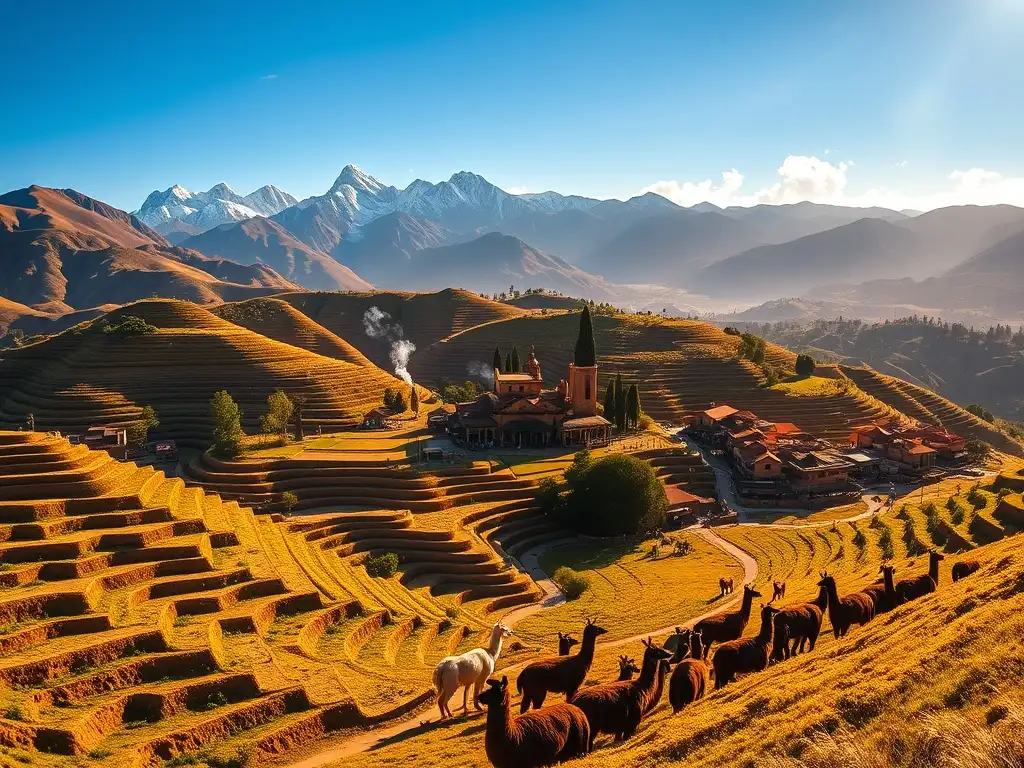
Step into a world lost to time, yet echoing with wisdom for our future. Imagine societies thriving in harmony with their environment, centuries before sustainability became a buzzword. The Andean civilizations, from the Incas to the Nazca, mastered ingenious techniques that shaped their landscapes and lives. Discover the secrets behind their remarkable Andean civilizations sustainable practices – a legacy that holds profound lessons for navigating our own challenges. Uncover the fascinating story and prepare to be inspired.
The Andes Mountains, a spine of towering peaks stretching along the western edge of South America, have nurtured some of the world's most remarkable civilizations. For millennia, cultures like the Incas, Moche, Nazca, and Tiahuanaco thrived in this challenging environment, developing sophisticated systems of agriculture, water management, and social organization that allowed them to flourish for centuries.
This article explores the ingenious sustainable practices employed by these Andean civilizations, examining their relevance and potential inspiration for addressing contemporary environmental challenges. We will delve into specific examples of their ingenuity, highlighting the remarkable adaptability and resourcefulness that allowed them to not only survive but thrive within the often unforgiving Andean landscape.
Understanding their strategies offers valuable insights for creating a more sustainable future, demonstrating that harmonious coexistence with nature is not a modern invention, but a legacy passed down from these ancient Andean societies. The enduring wisdom of the Andes offers a powerful counterpoint to unsustainable modern practices, reminding us of the importance of respecting ecological balance and resource management.
Introduction: Ancient Andean Civilizations and Their Legacy of Sustainability
The legacy of the Andean civilizations extends far beyond their impressive architectural feats and intricate artistic expressions. These societies, facing the constant challenges of a high-altitude environment with diverse microclimates, developed remarkably sophisticated strategies for sustainable living. Their success stemmed from a deep understanding of their environment and a profound respect for the interconnectedness of all living things.
This holistic approach, rooted in a practical and spiritual connection to the land, resulted in innovative techniques that allowed them to cultivate food, manage water resources, and organize their societies in ways that minimized environmental impact. This section will lay the groundwork for understanding the core principles underpinning Andean sustainable practices, providing a context for the detailed examples that follow.
We will explore the fundamental values and beliefs that informed their actions, emphasizing the importance of understanding these cultural underpinnings to fully appreciate their achievements. The focus will be on how their sustainable practices were interwoven with their social structures and spiritual beliefs, revealing a complex interplay between human society and the natural world.
Agricultural Innovations: Terracing, Irrigation, and Crop Diversification
Andean civilizations were masters of agriculture, transforming steep, challenging terrains into productive farmland. Terracing, a technique involving the creation of flat platforms on hillsides, dramatically increased cultivable land and reduced soil erosion. Ingenious irrigation systems, including canals, aqueducts, and sophisticated water distribution networks, ensured a reliable water supply, even in arid regions.
Furthermore, they practiced crop diversification, cultivating a variety of crops adapted to different altitudes and microclimates, minimizing the risk of crop failure and maximizing resource utilization. The intricate network of agricultural practices, finely tuned to the specific conditions of the Andean landscape, showcases a remarkable understanding of ecology and resource management.
Specific examples of these agricultural innovations, including the precise techniques used in terracing and irrigation system designs, will be presented in detail, supported by archaeological and historical evidence. The impact of these practices on food security and environmental sustainability will also be analyzed, emphasizing their long-term effects on the Andean civilizations and their enduring relevance today.
Water Management: Harnessing and Conserving a Precious Resource
Water, a scarce and precious commodity in the Andes, was managed with exceptional skill and foresight. The Andean civilizations built sophisticated systems of canals, reservoirs, and aqueducts to capture and distribute water efficiently. They understood the importance of water conservation and developed techniques to minimize water loss through evaporation and leakage.
Moreover, their understanding of water cycles and hydrological patterns allowed them to predict and manage water resources effectively, ensuring a reliable supply for agriculture, domestic use, and other needs. This understanding went beyond mere engineering; it was embedded in their worldview, emphasizing the sacred nature of water and its importance for life.
The section will delve into the specific engineering marvels of their water management systems, highlighting their innovative solutions to the challenges posed by the Andean environment. The social and religious aspects of water management will also be explored, showing how these practices were integrated into their cultural and spiritual beliefs.
The success of Andean civilizations in sustainably managing their environment was closely linked to their social organization. Their hierarchical societies, characterized by a strong sense of community and collective responsibility, fostered cooperation and collaboration in resource management. This social structure ensured that resources were used equitably and sustainably, preventing overexploitation and environmental degradation.
Furthermore, their spiritual beliefs emphasized the interconnectedness of humans and nature, fostering a deep respect for the environment and a sense of responsibility for its well-being. This section will explore the intricate relationship between social organization and environmental stewardship in Andean societies, illustrating how their social structures facilitated sustainable practices.
The role of religious beliefs and rituals in promoting environmental conservation will be examined, revealing a complex interplay between culture, society, and the environment. The implications of this symbiotic relationship for modern sustainability initiatives will be discussed, highlighting the importance of community engagement and shared responsibility in achieving environmental goals.
- Introduction: Ancient Andean Civilizations and Their Legacy of Sustainability
- Agricultural Innovations: Terracing, Irrigation, and Crop Diversification
- Water Management: Harnessing and Conserving a Precious Resource
- Social Organization and Environmental Stewardship: A Symbiotic Relationship
Understanding Andean Environmental Challenges and Adaptations

The Andes Mountains present a formidable challenge to human habitation, demanding remarkable ingenuity and adaptation from the civilizations that thrived within its diverse ecosystems. Understanding the Andean civilizations sustainable practices requires acknowledging the extreme environmental conditions these cultures faced and the innovative solutions they developed. These solutions, often rooted in deep ecological knowledge, offer valuable lessons for contemporary sustainable development strategies.
The harsh realities of the Andean environment—steep slopes, unpredictable weather patterns, limited arable land, and varying altitudes with vastly different climates—shaped the very fabric of Andean societies, pushing them towards sustainable practices that ensured their survival for centuries. This section will explore the unique landscape and the ingenious strategies employed by Andean communities to achieve long-term sustainability.
The Unique Andean Landscape: A Test for Civilizations
The Andean landscape is characterized by its dramatic altitudinal variation, creating a series of distinct ecological zones, each with its own unique challenges and opportunities. From the arid coastal deserts to the high-altitude puna grasslands and the lush cloud forests, the environment presented a complex tapestry of ecological niches. This verticality, while offering a diversity of resources, also presented difficulties in terms of resource management and transportation.
The steep slopes increased the risk of soil erosion and landslides, while unpredictable weather patterns, including droughts and floods, posed significant threats to agricultural production. The scarcity of arable land in many areas further intensified the need for efficient and sustainable agricultural practices. These environmental constraints drove Andean civilizations to develop sophisticated strategies for resource management and adaptation.
Their success in navigating these challenges over centuries underscores the effectiveness of their sustainable approaches. The ingenuity displayed in harnessing the diverse resources of this challenging landscape is a testament to their deep understanding of their environment.
Sustainable Agricultural Techniques of the Andes
The Andean civilizations sustainable practices in agriculture are particularly noteworthy, reflecting a sophisticated understanding of ecological principles and a commitment to long-term sustainability. Their agricultural systems were not simply about producing food; they were intricately woven into the social and spiritual fabric of their societies. These techniques, honed over millennia, demonstrate an impressive capacity to maximize productivity while minimizing environmental impact. The ingenuity and foresight displayed in their agricultural innovations offer crucial insights for modern sustainable agriculture.
Terracing and Water Management: Ingenious Solutions
Andean agriculture is synonymous with terracing. This practice involved carving level platforms into steep slopes, creating a series of manageable agricultural plots. Terracing dramatically increased the amount of arable land available, reduced soil erosion, and facilitated efficient water management. Combined with intricate systems of canals, ditches, and reservoirs, terracing allowed for controlled irrigation, ensuring a reliable water supply even in arid regions.
The precise engineering and meticulous planning evident in Andean terraces demonstrate a deep understanding of hydrology and soil mechanics. These systems not only maximized agricultural yields but also minimized environmental damage, preventing soil degradation and preserving water resources. The enduring legacy of Andean terracing highlights the long-term benefits of sustainable land management.
Crop Diversification and Vertical Agriculture
Andean farmers practiced a remarkable degree of crop diversification, utilizing the different ecological zones along the slopes to cultivate a wide variety of crops. This vertical agriculture maximized productivity by taking advantage of the diverse microclimates within the Andean landscape. By strategically planting different crops at different altitudes, they ensured a continuous supply of food throughout the year and minimized the risk of crop failure due to unpredictable weather patterns.
This approach not only provided food security but also contributed to biodiversity conservation, promoting resilience in the face of environmental variability. The intricate knowledge of crop suitability for different altitudes and microclimates is a remarkable example of adaptive agricultural practices.
Andean Knowledge of Soil Fertility and Conservation
The Andean civilizations possessed a profound understanding of soil fertility and conservation. They employed various techniques to maintain soil health and prevent degradation, including crop rotation, the use of organic fertilizers (like guano), and the careful management of grazing lands. Their knowledge of soil types and their nutrient content allowed them to optimize crop yields while minimizing the depletion of soil resources.
This holistic approach to soil management ensured long-term agricultural productivity and contributed to the sustainability of their agricultural systems. The sophisticated understanding of soil ecology demonstrated by Andean farmers offers valuable lessons for modern agriculture, emphasizing the importance of maintaining soil health for long-term sustainability. The preservation of this traditional knowledge is crucial for informing contemporary sustainable agricultural practices.
Andean Civilizations' Resource Management: A Model for Today
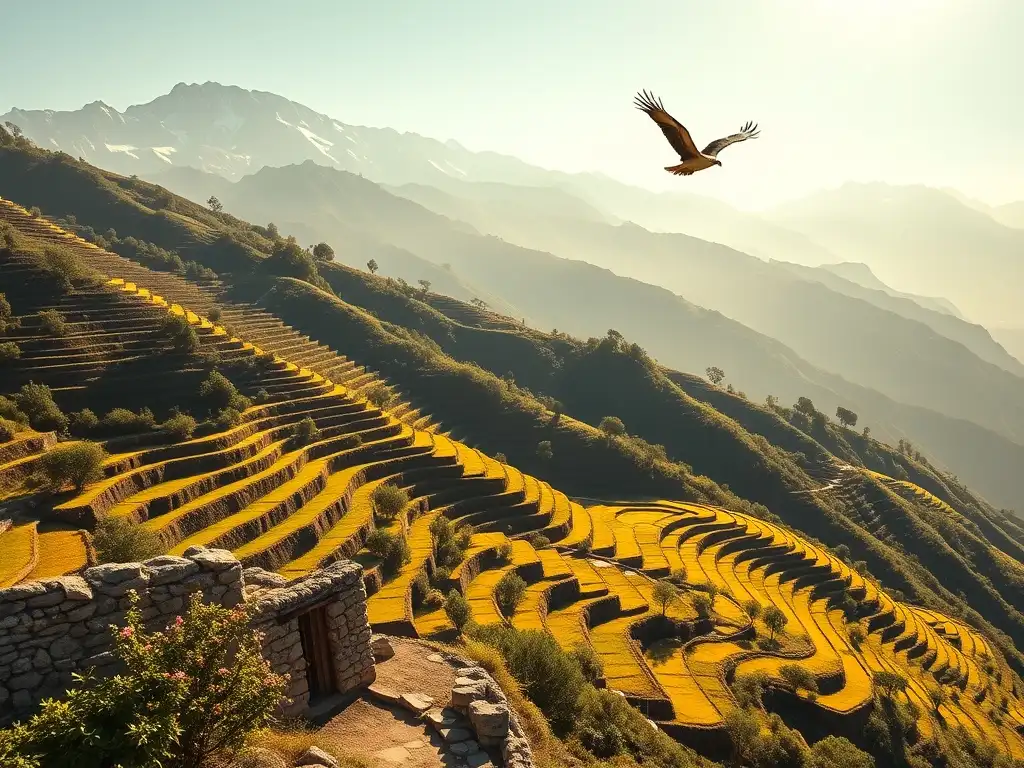
The Andean civilizations, renowned for their ingenuity in adapting to the challenging Andean landscape, offer valuable lessons in sustainable resource management. Their practices, often deeply intertwined with their spiritual beliefs and social structures, provide a compelling model for contemporary societies grappling with environmental challenges. Understanding their approaches to resource allocation, mining, and textile production reveals a sophisticated understanding of ecological balance and long-term sustainability that remains relevant today.
The ingenuity of these ancient Andean civilizations in achieving sustainable practices serves as a powerful testament to the enduring wisdom of their traditions. This section will delve into specific examples of their resource management strategies, highlighting their remarkable foresight and adaptability. By examining these historical practices, we can gain insights into creating a more sustainable future.
Community-Based Resource Allocation and Governance
The success of Andean civilizations' sustainable practices rested heavily on community-based resource allocation and governance. Instead of centralized control, resources were often managed at the community level, fostering a sense of shared responsibility and stewardship. This decentralized approach ensured equitable distribution and prevented overexploitation.
For instance, the Inca ayllu, a kinship-based community system, played a crucial role in regulating access to water, land, and other vital resources. Detailed records, often kept using quipus (knotted strings), meticulously tracked resource availability and allocation, ensuring fairness and preventing conflict. This system promoted both environmental sustainability and social equity, demonstrating a deep understanding of the interconnectedness between ecological well-being and social harmony.
The concept of ayni, reciprocal exchange of goods and services, further reinforced community cooperation in resource management and sustainable practices. This model of community-led resource governance, rooted in social responsibility and collective action, offers a powerful alternative to centralized, often exploitative, resource management systems prevalent in many parts of the world today. The effective management of resources within the ayllu system highlights the importance of local knowledge and community involvement in achieving sustainable development.
Sustainable Mining and Mineral Extraction in the Andes
Contrary to popular misconceptions, Andean civilizations did not engage in indiscriminate mining. Their mining practices, while technologically less advanced than modern methods, were remarkably sustainable. Evidence suggests a focus on selective extraction, targeting high-grade ores to minimize environmental impact. Moreover, they employed techniques that minimized waste and maximized resource utilization.
For example, the careful selection of mining locations, often near existing water sources, minimized the need for extensive infrastructure and reduced environmental disruption. The Moche civilization, known for their sophisticated metalworking skills, demonstrates a commitment to responsible resource extraction. Their detailed understanding of metallurgy allowed them to efficiently process ores, reducing waste and maximizing the yield of valuable metals.
Furthermore, the recycling of metals was a common practice, highlighting a circular economy approach that minimized environmental impact. While the scale of their operations was smaller than modern industrial mining, their practices underscore the importance of responsible resource extraction, even with limited technological capabilities. Further research is needed to fully understand the complete extent of their sustainable mining practices [specific information pending on precise techniques used in different Andean cultures].
Textile Production and Natural Dyes: An Eco-Friendly Approach
The Andean civilizations' textile production represents a remarkable example of sustainable practices. Their mastery of weaving techniques, using natural fibers such as alpaca and llama wool, minimized environmental impact. The use of natural dyes derived from plants, insects, and minerals further enhanced the ecological sustainability of their textile production. These dyes, often sourced locally, avoided the use of harmful chemicals and reduced pollution.
The intricate designs and vibrant colors of Andean textiles showcase not only artistic skill but also a deep understanding of the environment and its resources. The Inca, for example, developed sophisticated techniques for raising and shearing alpacas and llamas, ensuring the sustainable production of wool. This careful management of animal husbandry contributed to the long-term viability of their textile industry. The use of natural dyes, like those obtained from cochineal insects or various plants, further underscores their commitment to sustainable practices.
The complex dyeing processes, often involving multiple steps and specialized knowledge, were passed down through generations, demonstrating the importance of traditional knowledge in maintaining sustainable textile production. The enduring legacy of Andean textiles serves as a powerful reminder of the potential for sustainable practices within the fashion and textile industry. 🧶
The Spiritual Connection to Nature: The Andean Cosmovision

The Andean worldview, or cosmovision, profoundly shaped the sustainable practices of ancient civilizations. Unlike Western perspectives that often see humanity as separate from nature, the Andean cosmovision emphasizes a deep interconnectedness between humans and the environment. This holistic view fostered a profound respect for the natural world and led to ingenious strategies for resource management and environmental stewardship, directly impacting their sustainability.
Understanding this spiritual foundation is crucial to appreciating the ingenuity of their practices and their potential relevance for modern sustainable development. The concept of Ayni, reciprocal exchange, permeated all aspects of Andean life, reinforcing the idea of balance and sustainability within their ecosystem.
Respect for Pachamama (Mother Earth) and its Influence on Sustainable Practices
Pachamama, meaning "Mother Earth," is not merely a metaphor in the Andean cosmovision; she is a living entity deserving of utmost respect and care. This reverence translated into sustainable agricultural practices. For example, the terracing techniques employed by the Incas, Moche, and other Andean cultures minimized soil erosion and maximized water retention in the steep slopes of the Andes. These sophisticated systems, often combined with intricate irrigation canals, allowed for intensive agriculture without depleting the land's resources.
Furthermore, the careful selection of crops adapted to specific altitudes and microclimates showcased a deep understanding of ecological diversity and a commitment to sustainable farming. The use of natural fertilizers, such as guano (bird droppings), further demonstrates their commitment to soil health and fertility, minimizing the need for environmentally damaging artificial inputs. The cyclical nature of their agricultural practices, mirroring the natural rhythms of Pachamama, ensured the long-term health of the ecosystem.
The Andean Calendar and its Relation to Agricultural Cycles
The Andean calendar wasn't just a system for tracking time; it was a sophisticated tool for managing agricultural cycles and ensuring sustainable resource use. Close observation of celestial events, such as solstices and equinoxes, guided planting and harvesting times, optimizing crop yields and minimizing environmental impact. This deep understanding of seasonal variations and their effects on plant growth allowed for efficient resource allocation and reduced waste.
The calendar's intricate system, often incorporating knowledge of local microclimates and specific crop needs, highlights the advanced level of ecological knowledge possessed by Andean communities. This precision in agricultural timing, in conjunction with their water management strategies, significantly contributed to the sustainability of their agricultural systems. Precise records of these cycles, while not fully preserved, are still being pieced together, revealing the sophistication of their agricultural planning and its direct link to sustainable practices.
Traditional Ecological Knowledge: Passed Down Through Generations
The sustainable practices of Andean civilizations weren't the result of accidental discoveries; they were the product of accumulated Traditional Ecological Knowledge (TEK) passed down through generations. This knowledge, embedded in oral traditions, rituals, and practical skills, encompassed a vast understanding of local ecosystems, including plant and animal life, weather patterns, and soil conditions. This TEK wasn't simply a collection of facts; it was a holistic understanding of the interconnectedness of all living things and their relationship to the environment.
The knowledge was actively managed and adapted to changing environmental conditions, demonstrating remarkable resilience and adaptability. For example, the Inca's understanding of water management evolved over centuries, incorporating new techniques and adapting to variations in rainfall patterns. The preservation and transmission of this TEK is crucial for understanding the long-term sustainability of Andean civilizations and for applying these lessons to contemporary environmental challenges.
The continued study and application of this knowledge offers valuable insights for building more sustainable futures. The legacy of Andean civilizations serves as a powerful reminder of the importance of respecting Pachamama and integrating spiritual connection with practical environmental stewardship.
Lessons from the Past: Applying Andean Sustainable Practices Today
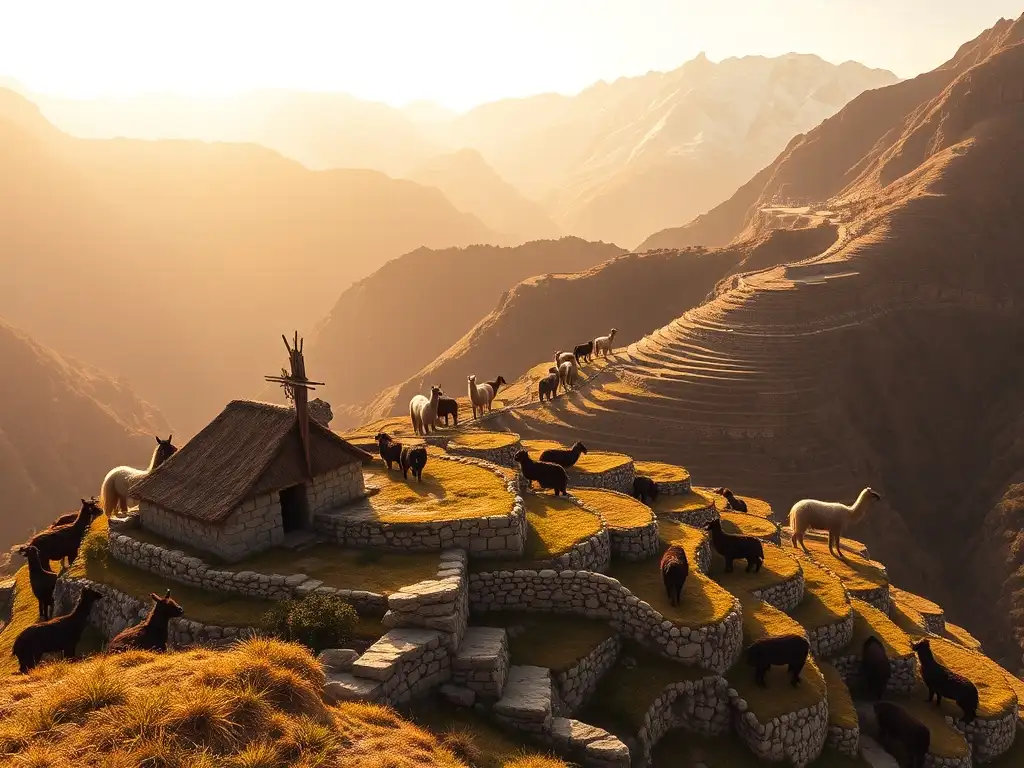
The Andes Mountains, a geographically challenging yet breathtaking landscape, fostered the development of remarkably sustainable practices among its ancient inhabitants. These civilizations, including the Inca, Moche, Nazca, and Tiahuanaco, didn't simply survive; they thrived for centuries by carefully managing their resources and adapting to the harsh realities of their environment. Their ingenuity offers invaluable lessons for our modern world grappling with environmental challenges and the urgent need for sustainable living.
Understanding and applying their wisdom can significantly contribute to building a more resilient and eco-friendly future. The study of Andean civilizations sustainable practices reveals a sophisticated understanding of resource management that is highly relevant today.
Relevance of Andean Agricultural Wisdom in Modern Farming
Andean agricultural techniques were characterized by a deep understanding of the environment and a commitment to long-term sustainability. Terracing, for example, was a crucial method for preventing soil erosion on steep slopes. This wasn't just a simple technique; it involved meticulous planning and execution, adapting the terrace size and orientation to the specific microclimate and soil type. This precise approach maximized agricultural yield while minimizing environmental impact.
Furthermore, the Andean civilizations employed crop rotation and intercropping, diversifying their crops to prevent soil depletion and improve resilience against pests and diseases. Their sophisticated understanding of agroforestry, integrating trees and shrubs into their agricultural systems, further enhanced soil fertility and provided additional resources. Modern farming could greatly benefit from adopting these techniques, particularly in areas with challenging terrain or susceptible to soil erosion.
The integration of Andean-inspired strategies into contemporary agricultural practices could lead to increased yields, reduced environmental impact, and enhanced food security. For example, modern precision agriculture techniques could be enhanced by incorporating the principles of microclimate-specific terrace design. This synergy between ancient wisdom and modern technology holds tremendous potential for creating more sustainable and resilient agricultural systems globally.
Sustainable Water Management: Learning from the Andean Experience
Water scarcity is a pervasive global issue, but Andean civilizations developed ingenious solutions centuries ago. Their mastery of water management is particularly noteworthy. The construction of sophisticated irrigation systems, including canals, aqueducts, and reservoirs, allowed them to effectively distribute water resources across vast areas, even in arid regions. These weren't haphazard constructions; they were carefully planned and maintained, demonstrating an advanced understanding of hydrology and engineering.
Furthermore, their techniques were adaptive, responding to variations in rainfall and topography. For instance, the use of andenes (terraces) not only improved agricultural productivity but also played a crucial role in water harvesting and retention. The qanats, underground channels used to transport water from higher elevations to lower ones, represent another remarkable feat of engineering and a testament to their sustainable water management practices. The ingenuity of these systems, built to withstand centuries of use, stands as a stark contrast to the often unsustainable water management practices of today.
Studying and replicating these techniques could provide invaluable solutions to modern water challenges, particularly in arid and semi-arid regions. Efficient irrigation systems combined with water harvesting methods could significantly improve water use efficiency in agriculture and other sectors. The Andean experience underscores the importance of integrated water resource management—a holistic approach that considers all aspects of water use and conservation.
Renewable Energy and Traditional Techniques in the Andes
The Andean civilizations relied heavily on renewable energy sources. While they didn't have access to modern technologies, their resourcefulness is impressive. The harnessing of hydropower, through the construction of small-scale watermills for grinding grains, is a prime example. These systems provided a reliable and sustainable source of energy for essential tasks, minimizing reliance on other potentially less sustainable alternatives.
Additionally, the use of solar energy for drying crops and other processes showcases their practical understanding of renewable energy principles. The integration of renewable energy sources into their daily lives was not a matter of choice but a necessity dictated by their environment. Their ingenuity in adapting to this reality serves as a valuable lesson for contemporary societies seeking to transition to cleaner and more sustainable energy sources. Modern renewable energy technologies, such as solar and wind power, can be enhanced by studying how Andean communities integrated these resources into their daily lives.
For instance, the design of efficient, small-scale hydropower systems could be improved by drawing inspiration from traditional Andean techniques. The Andean experience demonstrates that sustainable energy solutions can be both effective and culturally appropriate, offering valuable insights for a global transition to renewable energy. Moreover, their resourcefulness suggests that even with limited technology, significant progress towards sustainability is achievable.
The Future of Sustainability: Inspired by Andean Wisdom
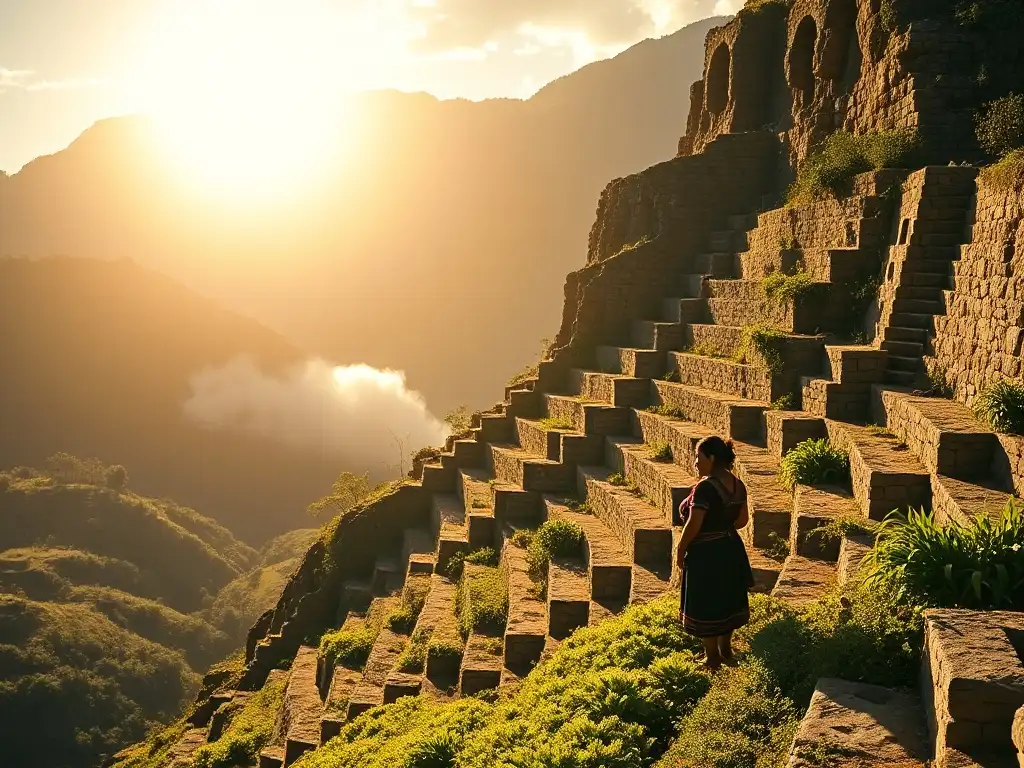
The Andean civilizations, masters of adaptation in a challenging environment, offer invaluable lessons for achieving a sustainable future. Their sophisticated understanding of resource management, ecological balance, and community-based solutions provides a compelling blueprint for addressing contemporary environmental challenges. Analyzing their practices reveals a deep-seated respect for the interconnectedness of all living things, a concept often overlooked in modern, fragmented approaches to sustainability.
This section explores how the wisdom of the Andes can inform and improve our current sustainability efforts, offering practical applications for policy and individual action. Understanding the ingenuity of Andean civilizations in resource management, particularly water, agriculture, and land use, can provide critical insights for navigating the complexities of climate change and resource depletion.
The enduring legacy of Andean sustainable practices offers a powerful counterpoint to unsustainable modern practices, emphasizing the importance of long-term planning and community engagement in achieving true environmental stewardship. The potential for integrating these principles into modern environmental policies and practices is immense, offering a pathway towards a more equitable and ecologically sound future.
Integrating Andean Principles into Modern Environmental Policies
Many Andean civilizations developed sophisticated systems for managing resources and minimizing environmental impact. These included intricate water management systems, terraces for agriculture that minimized soil erosion, and careful planning of settlements to minimize their ecological footprint. These approaches, often rooted in a deep understanding of local ecosystems and the cyclical nature of the environment, offer valuable lessons for modern environmental policy.
For example, the integration of traditional ecological knowledge (TEK) into environmental impact assessments could significantly improve the accuracy and effectiveness of these assessments. TEK, often passed down through generations, provides invaluable insights into local ecosystems and the potential consequences of development projects. Ignoring TEK can lead to unforeseen environmental consequences, while incorporating it can lead to more sustainable and equitable outcomes.
Furthermore, the Andean emphasis on community-based resource management provides a valuable model for addressing environmental challenges collaboratively. Modern environmental policies often struggle with fragmented approaches, leading to inefficiencies and a lack of community buy-in. By adopting a more holistic, community-focused approach, inspired by Andean practices, we can foster greater participation and achieve more effective environmental outcomes. This could involve incorporating community-based monitoring, participatory planning, and shared responsibility for environmental stewardship into policy frameworks. The success of Andean civilizations highlights the critical role of community involvement in long-term environmental sustainability.
The Ollantaytambo Water Management System: A Modern Case Study
The Ollantaytambo water management system in the Sacred Valley of Peru serves as an exceptional case study in Andean ingenuity. This intricate network of canals, aqueducts, and reservoirs demonstrated a remarkable understanding of hydrology and water conservation. The system efficiently channeled water from mountain sources to irrigate agricultural terraces, ensuring a reliable water supply for the thriving community.
The system's design incorporated features to minimize water loss and maximize its efficient distribution, reflecting a sophisticated understanding of water management principles. This system’s longevity, spanning centuries, stands as a testament to its effectiveness and adaptability. The Ollantaytambo system is not just a historical artifact; it represents a model of sustainable water management that remains relevant today.
The principles underlying the Ollantaytambo system – careful planning, community collaboration, and a deep understanding of the local environment – are readily transferable to contemporary challenges. Modern water management strategies could benefit from adopting a similar approach, focusing on decentralized systems, efficient water use, and community participation in water resource management. The system's resilience in the face of environmental changes also highlights the importance of designing adaptable and robust infrastructure.
Analyzing the Ollantaytambo system can help us develop more resilient and sustainable water management solutions for the future. Its success offers a powerful example of how sustainable practices can contribute to the long-term prosperity of communities.
The Importance of Preserving and Promoting Andean Environmental Knowledge
Preserving and promoting Andean environmental knowledge is crucial for achieving a truly sustainable future. This knowledge, accumulated over millennia, provides a wealth of insights into sustainable practices and a profound understanding of the interconnectedness of human societies and their environment. The loss of this knowledge would represent an immense loss of potential solutions to contemporary environmental challenges.
This preservation requires a multi-faceted approach. This includes supporting research and documentation of traditional ecological knowledge (TEK), engaging with indigenous communities to ensure respectful and collaborative research practices, and integrating TEK into educational curricula and environmental policy. Furthermore, supporting indigenous-led initiatives for environmental conservation and sustainable development is essential. By valuing and empowering indigenous communities, we can ensure the continuity of their knowledge and their active participation in shaping a sustainable future.
The wisdom of the Andes is a valuable resource, and its preservation is not merely an academic endeavor; it is a crucial step towards building a more sustainable and equitable world. The importance of respecting and incorporating Andean perspectives in environmental discussions cannot be overstated. Their understanding offers a path towards a more harmonious relationship between humanity and the environment, something desperately needed in our modern world. 🌍
Conclusion: The Enduring Legacy of Andean Sustainable Practices
The ingenuity of Andean civilizations in adapting to their challenging environment offers invaluable lessons for our modern world grappling with sustainability challenges. Their sophisticated understanding of water management, agricultural techniques, and resource utilization provides a compelling counterpoint to unsustainable practices prevalent today. By examining their achievements, we can glean practical strategies and a renewed appreciation for harmonious coexistence with nature.
The legacy of these civilizations isn't merely historical; it's a blueprint for a more sustainable future. The meticulous terrace farming, the intricate canal systems, and the careful selection of crops demonstrate a deep understanding of ecological balance and resource optimization – principles that remain profoundly relevant in the face of climate change and environmental degradation. Studying Andean civilizations sustainable practices isn't just about appreciating the past; it's about building a better future.
A Call to Action: Embracing the Wisdom of the Andes for a Sustainable Future
The Andean civilizations' sustainable practices weren't born out of mere necessity; they were the result of a deep-seated respect for the environment and a sophisticated understanding of ecological interconnectedness. This wisdom, honed over millennia, offers a powerful antidote to the unsustainable practices of our modern world. We can learn from their examples in several key areas:
- Water Management: The intricate canal systems and sophisticated irrigation techniques employed by the Andean cultures highlight the importance of efficient water use and conservation. Modern societies can learn from these designs to improve water management in agriculture and urban settings. Implementing water-harvesting techniques, improving irrigation efficiency, and reducing water waste are all practical steps inspired by Andean ingenuity.
- Agricultural Practices: The Andean civilizations’ mastery of terrace farming, crop diversification, and soil enrichment techniques provides a model for sustainable agriculture. These techniques minimized soil erosion, maximized crop yields, and promoted biodiversity – all crucial elements of sustainable food production. Modern agriculture can benefit significantly from adopting similar approaches to reduce its environmental impact.
- Resource Management: The careful and responsible use of resources, evident in the Andean civilizations’ construction techniques and resource utilization, underscores the importance of sustainable consumption and production patterns. Minimizing waste, prioritizing renewable resources, and adopting circular economy principles are all crucial steps towards a more sustainable future, directly inspired by the resourcefulness of these ancient cultures.
The Andean legacy is not just a collection of fascinating artifacts and historical narratives; it's a living testament to the possibility of harmonious coexistence between humanity and nature. By embracing the wisdom of the Andes, we can develop more sustainable practices that benefit both present and future generations. This requires a shift in mindset, a renewed commitment to environmental stewardship, and a concerted effort to implement sustainable practices inspired by the enduring legacy of these remarkable civilizations.
Let us learn from their past to build a more sustainable future, ensuring that the wisdom of the Andes continues to inspire generations to come. 🌎 The time for action is now. Let's build a future where Andean civilizations sustainable practices are not just a historical curiosity, but a guiding principle for a thriving planet.
Frequently Asked Questions
What sustainable practices did Andean civilizations employ?
Andean civilizations implemented ingenious water management systems, such as terraces and canals, to optimize agriculture. They also practiced crop rotation and intercropping to maintain soil fertility and biodiversity.
How did the Incas contribute to sustainable agriculture?
The Incas developed advanced agricultural techniques including the creation of extensive terrace farming on steep slopes, allowing them to maximize arable land and minimize erosion. Their sophisticated irrigation systems ensured consistent water access.
What role did llamas and alpacas play in Andean sustainability?
Llamas and alpacas provided essential resources like wool, meat, and transportation, while their manure served as natural fertilizer. Their grazing habits, while managed, also helped maintain the health of Andean grasslands.
Did Andean civilizations have any environmental challenges?
Yes, they faced challenges like soil erosion, droughts, and resource depletion. However, their innovative practices helped them to mitigate these issues and ensure long-term environmental sustainability, at least to a certain degree.
How can we learn from Andean sustainable practices today?
By studying their innovative water management, agricultural techniques, and resource management strategies, we can gain valuable insights into building more resilient and sustainable societies for the future. Their integrated approach offers valuable lessons.
Final Reflection: Echoes of the Andes, Whispers of Tomorrow
The ingenious sustainable practices of the Andean civilizations resonate powerfully today, offering a vital counterpoint to our current environmental crisis. Their understanding of harmonious coexistence with nature, far from being a relic of the past, presents a blueprint for a more equitable and sustainable future. We stand at a critical juncture, and the lessons learned from these ancient cultures are more relevant than ever.
The enduring legacy of the Andean people's deep connection to their environment continues to shape our understanding of sustainable living. Their sophisticated agricultural techniques, intricate water management systems, and reverence for the interconnectedness of all living things offer a powerful critique of our often exploitative relationship with the planet. The earth does not belong to us; we belong to the earth.
This sentiment, though ancient, speaks volumes about the responsibility we bear towards future generations. It compels us to question our current practices and seek inspiration from those who lived in harmony with their surroundings for centuries.
Consider the wisdom of the Andes, not as a historical curiosity, but as a living testament to the possibility of a different way of life. You have the power to integrate these principles into your daily choices – from supporting sustainable agriculture and reducing your environmental footprint to fostering a deeper appreciation for the natural world. Let the echoes of the Andes inspire you to build a future where sustainability is not just a goal, but a way of being.
**Embrace Sustainable Change Inspired by the Andes! **
Thank you for exploring the profound wisdom of Andean civilizations. Their enduring legacy offers valuable lessons for building a more sustainable future. Now, let's put that knowledge into action.
Here's how you can begin making a difference:
- **Adopt a Sustainable Practice:** This week, commit to one eco-friendly change. Perhaps you'll reduce your plastic consumption or start a small vegetable garden—every step counts towards a greener lifestyle.
- **Share Your Progress:** Discuss your newfound knowledge with friends and family, inspiring them to join your sustainable journey.
- **Expand Your Knowledge:** Seek out local workshops or community events focused on sustainability. Connecting with like-minded individuals can foster new ideas and collaborations.
Inspired by the wisdom of the Andes, what sustainable practice will you integrate into your daily life? Share your commitment in the comments below!