
More Than Just Objects: The Cultural Significance of Andean Artifacts

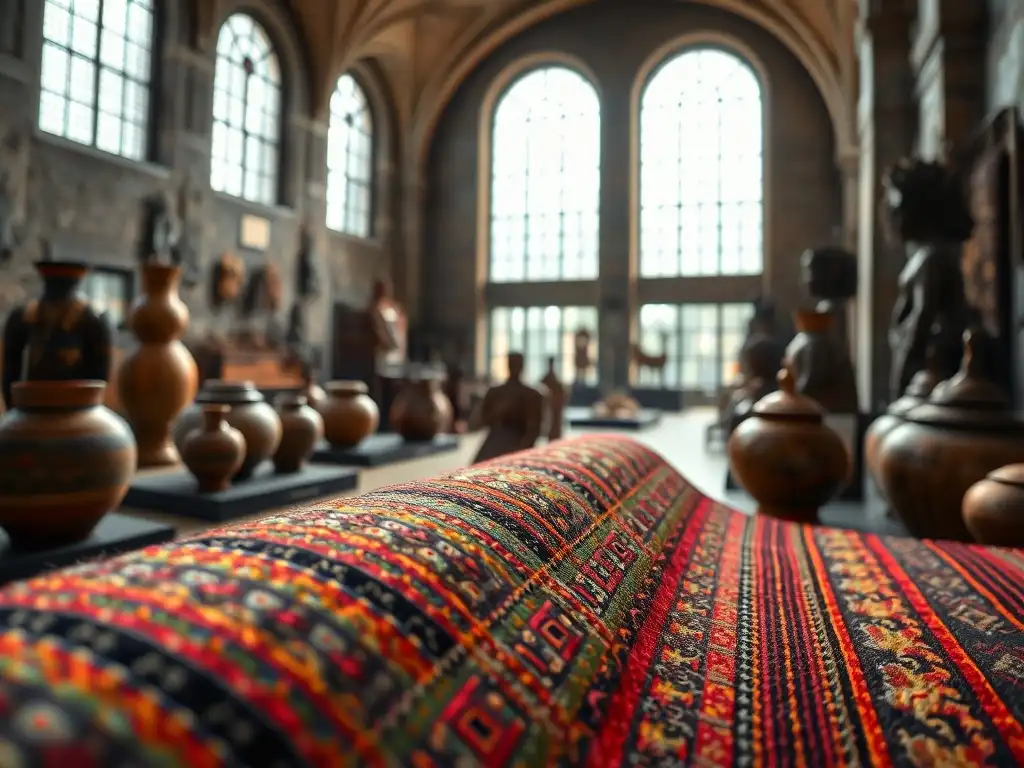
Step into a world lost to time, yet echoing with vibrant life. Prepare to unravel the mysteries of the Andes, where magnificent civilizations flourished, leaving behind a legacy etched in stone, gold, and breathtaking artistry. Discover the profound Andean artifacts cultural significance, far beyond mere objects—they are the keys to understanding a rich tapestry of beliefs, rituals, and social structures. Dare to delve deeper and uncover the secrets these ancient treasures hold...
The Andean region, encompassing the vast expanse of the Andes Mountains in South America, boasts a rich tapestry of ancient civilizations. From the intricate artistry of the Nazca lines to the sophisticated engineering of Machu Picchu, these cultures left behind a legacy that continues to captivate and inspire. This legacy isn't solely defined by grand monuments; it's woven into the very fabric of the countless artifacts unearthed from the Andean highlands and coastal regions.
This article delves into the profound cultural significance of these artifacts, moving beyond their aesthetic appeal to explore the stories they tell, the beliefs they reflect, and the enduring connection they maintain with their ancestral creators. Understanding the cultural context of Andean artifacts is crucial for appreciating their true value—a value that transcends mere monetary worth and speaks to the heart of Andean identity and history.
We will explore how these objects serve as tangible links to a past brimming with innovation, spirituality, and resilience, providing insights into the complex social structures, religious practices, and daily lives of these remarkable civilizations. The exploration of Andean artifacts helps us understand not just what these societies created, but why, revealing a deeper understanding of their worldview and their lasting impact on the world.
Understanding the Deeper Meaning of Andean Art and Artifacts
Andean artifacts, often seemingly simple objects, hold layers of meaning deeply embedded within their design and materials. Consider, for example, the intricate textiles produced by various Andean cultures. These weren't just clothing; they were powerful symbols of status, identity, and spiritual beliefs. The vibrant colors, complex weaving techniques, and symbolic motifs all communicated specific messages, often reflecting the wearer's social standing, clan affiliation, or connection to the supernatural realm.
Similarly, ceramic vessels, seemingly mundane containers, were often adorned with elaborate designs depicting deities, mythical creatures, or scenes from daily life. These designs provided valuable insights into the cosmology, mythology, and social structures of the cultures that created them. The meticulous craftsmanship evident in many Andean artifacts underscores the significance placed upon these objects. The time and skill invested in their creation highlight their importance beyond mere utility.
Furthermore, the materials themselves often held symbolic meaning. Certain stones, metals, or feathers were associated with specific deities or spiritual powers, imbuing the artifacts with a sacred quality. The use of gold, for instance, was not solely for ornamentation; it held deep religious and cosmological significance, often associated with the sun and its life-giving power.
Analyzing the materials and techniques used in the creation of Andean artifacts provides a deeper understanding of the technological advancements, artistic skills, and spiritual beliefs of these societies. The study of these artifacts, therefore, requires a multidisciplinary approach, combining archaeology, anthropology, art history, and material science to unlock their full potential as historical sources.
The Allure of Andean Artifacts: More Than Just Collectibles
The enduring appeal of Andean artifacts extends beyond their historical or artistic merit. Their acquisition and collection, however, necessitates a responsible approach. The market for Andean artifacts is complex, with a range of authentic pieces alongside numerous forgeries.
Ethical considerations are paramount; acquiring artifacts that have been looted or illegally obtained contributes to the destruction of cultural heritage and undermines efforts to preserve these invaluable treasures for future generations. A responsible collector will prioritize provenance—the documented history of an artifact's ownership—and seek to acquire pieces through reputable channels, supporting ethical excavation and preservation practices. The true value of an Andean artifact lies not just in its monetary worth, but in its contribution to our understanding of these remarkable cultures and the preservation of their legacy.
Therefore, collectors should view themselves as stewards of cultural heritage, ensuring that these objects are properly documented, preserved, and made accessible for study and appreciation. The allure of Andean artifacts should be balanced with a profound respect for their cultural significance and a commitment to ethical collecting practices. This ensures the continued protection and study of these invaluable pieces of Andean history.
Common Pitfalls When Collecting Andean Artifacts: Authenticity and Ethical Concerns
Collecting Andean artifacts can be a rewarding experience, offering a tangible connection to a rich and fascinating history. However, navigating this field requires caution and awareness of potential pitfalls. The market for Andean artifacts, unfortunately, is rife with forgeries and replicas, making authenticity verification crucial. Furthermore, ethical concerns surrounding the acquisition and ownership of these artifacts must be carefully considered. Many pieces have been looted from archaeological sites, contributing to the destruction of invaluable cultural heritage.
Responsible collecting necessitates a commitment to acquiring artifacts through legitimate channels, supporting ethical sourcing and contributing to the preservation of Andean cultural sites. Ignoring these ethical considerations not only compromises the integrity of collections but also actively undermines efforts to protect the invaluable archaeological record of the Andes. Collectors must prioritize responsible acquisition above all else. The beauty of these artifacts should never come at the cost of cultural heritage.
Problem 1: Identifying Genuine Andean Artifacts
The task of identifying genuine Andean artifacts is complex and often requires specialized knowledge. Distinguishing authentic pieces from modern forgeries or cleverly disguised replicas demands a keen eye for detail and a thorough understanding of Andean artistic traditions and materials. The market's prevalence of reproductions highlights the importance of rigorous authentication procedures.
The Challenge of Distinguishing Authentic Pieces from Replicas
Replicas of Andean artifacts are frequently encountered, ranging from crude imitations to highly sophisticated forgeries designed to deceive even experienced collectors. These replicas often utilize modern materials and manufacturing techniques, lacking the subtle imperfections and unique characteristics inherent in authentic pieces. For example, a seemingly ancient ceramic pot might reveal a consistency of clay and firing techniques impossible to achieve using traditional Andean methods.
Similarly, the patina of age, often a key indicator of authenticity, can be skillfully mimicked but rarely perfectly replicated. The subtle variations in color, texture, and wear found on genuine artifacts are often absent in reproductions. This requires a deep understanding of the techniques and materials used by different Andean cultures across various time periods.
Key Features of Authentic Andean Artifacts: Materials, Techniques, and Provenance
Authentic Andean artifacts exhibit specific characteristics derived from the materials, techniques, and provenance of their creation. Understanding these features is paramount in identifying genuine pieces. The materials used, such as specific types of clay, stone, metal, or textiles, often reflect regional variations and technological advancements within different Andean cultures.
For example, the Moche culture's mastery of metalworking is evident in the intricate details and high-quality alloys used in their artifacts. Similarly, the Nazca culture’s unique textile techniques and the use of specific dyes are hallmarks of their artistic production. Careful examination of the craftsmanship, including weaving techniques, pottery styles, and metalworking processes, reveals crucial clues about authenticity.
Finally, provenance, or the documented history of an artifact's ownership and origin, is a critical component in establishing authenticity. Legitimate provenance often involves detailed records tracing the artifact's journey from its discovery to its current ownership, ideally with credible documentation from reputable archaeological institutions or established collectors.
Recommended Tools: Authenticity Verification Guides and Expert Consultations
Several resources can aid in the authentication of Andean artifacts. Specialized books and guides on Andean archaeology and art provide valuable information on materials, techniques, and stylistic features. These resources, though, should be supplemented with expert consultation. Seeking the opinion of experienced archaeologists, art historians, or reputable appraisers specializing in Andean artifacts is crucial for confirming authenticity.
Their expertise in identifying subtle characteristics and potential red flags is invaluable. While online resources can offer preliminary information, professional evaluation is essential for making informed decisions, particularly when dealing with valuable or significant pieces. Investing in expert assessment is a prudent step towards responsible and informed collecting of Andean artifacts. Remember, a cautious and informed approach is key to building an ethical and authentic collection.
The acquisition of Andean artifacts carries significant ethical responsibilities. The sheer antiquity and cultural importance of these objects demand a mindful approach, far beyond mere aesthetic appreciation. Collectors must prioritize ethical sourcing and responsible practices to ensure they aren't contributing to the looting of archaeological sites or the exploitation of local communities. Ignoring these ethical considerations not only damages cultural heritage but also undermines the very cultures that produced these breathtaking works of art.
The weight of this responsibility rests heavily on the shoulders of every collector, demanding a deep understanding of the implications of their purchases. This understanding is crucial for preserving the integrity of Andean heritage for future generations. A lack of awareness can lead to unintentional harm, highlighting the urgent need for education and responsible collecting guidelines.
The Importance of Responsible Sourcing and Cultural Sensitivity
Responsible sourcing is paramount. Purchasing artifacts known to have been looted from archaeological sites directly fuels illegal excavation and the destruction of invaluable historical contexts. Understanding the provenance—the history of ownership—of an artifact is crucial. Legitimate provenance often involves detailed documentation tracing the object's journey from its discovery to the current seller. This documentation can include archaeological reports, museum records, or private collection histories.
Moreover, cultural sensitivity is essential. Some artifacts hold profound religious or spiritual significance for indigenous communities, and acquiring them without proper respect can cause deep offense and harm. Collectors should be aware of the potential sensitivities surrounding specific artifacts and strive to act with cultural awareness and respect. This involves understanding the cultural context surrounding the artifacts and respecting the traditions and beliefs of the communities they originated from.
Supporting Communities: Purchasing from Reputable Dealers and Artisans
Supporting local communities is another critical aspect of ethical collecting. Purchasing from reputable dealers and artisans ensures that the economic benefits of the trade directly support the communities involved in the creation and preservation of Andean art. This approach fosters sustainable economic development and empowers local artisans to continue their traditions. Reputable dealers often partner with local communities, ensuring fair wages and working conditions.
They also frequently contribute to community projects, such as the preservation of cultural sites or the support of education programs. Choosing to buy from such sources helps to create a virtuous cycle: supporting artisans and communities while simultaneously acquiring authentic and ethically sourced artifacts. This conscious consumerism is vital for the long-term preservation of Andean cultural heritage and the well-being of its people.
Ethical Sourcing Practices: Fair Trade Marketplace for Andean Crafts
The concept of a fair trade marketplace for Andean crafts is gaining traction, offering a model for ethical sourcing and sustainable development. This model emphasizes fair wages, safe working conditions, and environmental sustainability for artisans. By supporting fair trade initiatives, collectors contribute to the economic empowerment of Andean communities while ensuring that the production and sale of crafts are environmentally and socially responsible.
This approach contrasts sharply with practices that exploit artisans for cheap labor or utilize unsustainable materials. Fair trade certification provides assurance that the artifacts were produced ethically, adhering to strict standards that protect both the environment and the rights of workers. This transparent system provides collectors with confidence that their purchases align with their ethical values and support positive social and environmental impact.
Problem 3: Understanding the Cultural Significance Beyond Aesthetics
Appreciating Andean artifacts solely for their aesthetic value is a significant oversight. These objects are not merely beautiful; they are imbued with deep cultural significance, reflecting the beliefs, practices, and social structures of the civilizations that created them. To truly understand these artifacts, one must delve into their historical and cultural context, recognizing their role in ritual, society, and daily life.
This deeper understanding enhances the appreciation of the artistry while simultaneously providing a profound insight into the ingenuity and worldview of Andean cultures. Failing to consider this broader context diminishes the true value and meaning of these remarkable objects.
The Role of Andean Artifacts in Ritual, Society, and Daily Life
Andean artifacts played multifaceted roles in the lives of ancient Andean peoples. Ceramics, textiles, and metalwork often served religious purposes, used in rituals and ceremonies. Textiles, for example, were not merely clothing but held symbolic meanings, often reflecting social status or religious affiliation. Metalwork, particularly gold and silver objects, frequently held significant ritualistic importance, used in offerings or as symbols of power.
Even seemingly mundane objects like pottery vessels were often intricately decorated, reflecting the aesthetic preferences and beliefs of the culture. Understanding these uses provides context and depth to the appreciation of their artistry. The objects were integrated into the fabric of daily life, reflecting the cultural values and beliefs of their creators.
Examples: The Symbolic Power of Moche Ceramics and Inca Textiles
Moche ceramics, renowned for their vibrant colors and intricate depictions of daily life and mythology, provide a window into the worldview of this ancient civilization. The detailed scenes on their pottery depict rituals, warfare, and even erotic encounters, offering invaluable insights into their culture. Similarly, Inca textiles, with their complex weaving techniques and intricate designs, reveal the sophistication of Inca technology and their social hierarchy.
Specific motifs and colors held symbolic meanings, reflecting the status and role of the individual who wore the garment. These examples highlight the powerful symbolic language embedded within Andean artifacts, extending far beyond mere decoration. Studying these objects allows us to reconstruct aspects of their societies and understand the beliefs and values that shaped their lives.
Learning Resources: Books and Online Courses on Andean Art History
For those seeking a deeper understanding of Andean artifacts and their cultural significance, numerous resources are available. Several excellent books delve into specific aspects of Andean art history, offering detailed analyses of various artifact types and their cultural contexts. Additionally, many universities and online platforms offer courses on Andean archaeology and art history, providing structured learning opportunities.
These resources provide valuable insights into the rich history and cultural significance of Andean artifacts, facilitating a more informed and responsible approach to collecting and appreciating these remarkable objects. By utilizing these resources, collectors can enhance their understanding and appreciation, ensuring a more ethically sound and culturally sensitive approach to their hobby.
Solutions: Maximizing Appreciation and Value through Informed Collecting
Building a Meaningful Collection of Andean Artifacts
Building a collection of Andean artifacts is more than just accumulating objects; it's about cultivating an understanding and appreciation for the rich cultural heritage they represent. Begin by focusing on a specific area of interest, perhaps pre-Columbian textiles, Inca ceramics, or Moche goldwork. This focused approach allows for deeper research and a more nuanced understanding of the artifacts' historical and cultural context.
Consider starting with smaller, more affordable pieces to gain experience and knowledge before investing in larger or more expensive items. Remember, the journey of collecting is as important as the destination. Each acquisition should tell a story, adding to the narrative of your collection and deepening your connection to Andean culture.
Don't be afraid to seek advice from experts and fellow collectors; their insights can be invaluable. A well-curated collection reflects not only the beauty of the artifacts but also the collector's dedication to learning and understanding. The process itself is a form of cultural engagement, enriching your appreciation for the artistry and craftsmanship of Andean civilizations.
Connecting with the Cultural Heritage: Museums and Educational Resources
Museums play a crucial role in preserving and interpreting Andean artifacts. Visiting museums like the Larco Museum in Lima, Peru, or the Museo Nacional de Antropología in Mexico City provides invaluable opportunities to see authentic pieces in context, learn about their creation, and understand their significance within Andean societies. Engage with museum staff and educational resources—lectures, workshops, and guided tours—to enhance your knowledge. Many museums offer online resources, including virtual tours and databases of their collections, providing accessible ways to learn about Andean art and culture.
Participating in museum events and supporting their initiatives contributes directly to the preservation of Andean cultural heritage. Furthermore, actively engaging with these institutions strengthens your understanding of ethical collecting practices and responsible stewardship of these irreplaceable cultural treasures. Connecting with the wider community of scholars and enthusiasts expands your perspective and helps build a more informed and responsible approach to collecting.
Recommended Products: Books on Andean Iconography and Museum Membership
Investing in high-quality books on Andean iconography and art history is essential for any serious collector. These resources provide crucial context and deeper understanding of the artifacts' cultural significance. Look for publications from reputable publishers and authors specializing in Andean archaeology and anthropology. Consider books focusing on specific Andean cultures, such as the Incas, Nazca, or Moche, to develop a more specialized knowledge base.
Membership in relevant museums and archaeological societies provides access to exclusive events, publications, and networking opportunities. These memberships often include discounts on museum shop items and educational programs, offering a valuable return on investment. Membership also directly supports the vital work of museums in preserving and protecting Andean cultural heritage for future generations. By diversifying your learning resources, you deepen your understanding and cultivate a more informed appreciation for the artifacts you collect.
Maximizing Your Investment: Valuing Andean Art and Artifacts
Understanding Market Dynamics for Andean Art
The market for Andean art and artifacts is dynamic and complex, influenced by factors such as rarity, provenance, condition, and current market trends. Understanding these dynamics is crucial for both collectors and potential sellers. Prices can vary significantly depending on the artifact's age, material, artistic merit, and historical significance. Certain styles and periods are more sought after than others, impacting their value.
Market research, including attending auctions and art fairs, and consulting with reputable dealers and appraisers, can provide valuable insights into current market trends and pricing. Staying informed about the market ensures you make informed decisions when buying or selling. The investment potential of Andean art is influenced by factors beyond immediate market trends, including increasing global interest in pre-Columbian cultures and the growing recognition of the artistic and cultural value of these artifacts.
The Importance of Documentation and Provenance for Resale Value
Detailed documentation and a clear chain of provenance are essential for maximizing the resale value of Andean artifacts. Provenance refers to the documented history of ownership of an artifact, tracing its journey from its creation to its current owner. A strong provenance significantly increases an artifact's value and credibility, assuring potential buyers of its authenticity and legitimacy. Thorough documentation includes detailed descriptions of the artifact, including its materials, dimensions, and any identifying marks.
Photographs and expert appraisals further strengthen the documentation. Maintaining meticulous records throughout the ownership history is crucial. This documentation not only protects your investment but also contributes to the responsible stewardship of cultural heritage. A well-documented artifact is more likely to attract serious buyers willing to pay a premium for its verifiable history and authenticity.
Professional Appraisal Services: Andean Art Appraisal Professionals
Engaging professional appraisal services is crucial for accurate valuation, insurance purposes, and informed decision-making regarding buying, selling, or bequeathing Andean artifacts. Reputable appraisers specializing in Andean art possess the expertise to assess the authenticity, condition, and market value of artifacts. These professionals use a combination of knowledge, experience, and market research to provide accurate valuations. Their reports offer valuable insights into the artifact's history, stylistic characteristics, and market worth.
Choosing a qualified and reputable appraiser is essential; look for those with proven experience and credentials in Andean art. A professional appraisal provides not only a monetary valuation but also a detailed assessment of the artifact's cultural and historical significance, offering a comprehensive understanding of its value beyond its market price. This professional assessment provides peace of mind and supports informed decisions related to the artifact's long-term care and preservation.
- Understanding the Deeper Meaning of Andean Art and Artifacts
- The Allure of Andean Artifacts: More Than Just Collectibles
- Common Pitfalls When Collecting Andean Artifacts: Authenticity and Ethical Concerns
- Problem 1: Identifying Genuine Andean Artifacts
- Problem 2: Navigating the Ethical Landscape of Andean Artifact Collection
- Problem 3: Understanding the Cultural Significance Beyond Aesthetics
- Solutions: Maximizing Appreciation and Value through Informed Collecting
- Maximizing Your Investment: Valuing Andean Art and Artifacts
Frequently Asked Questions
What makes Andean artifacts culturally significant?
Andean artifacts offer crucial insights into the daily lives, beliefs, and social structures of ancient civilizations. They reveal complex artistic styles, technological advancements, and spiritual practices, providing a window into their rich history. Their materiality also reflects the environment and resources available.
How did the Incas use artifacts in their society?
Inca artifacts, like gold and silver objects, served both practical and ceremonial purposes. Elaborate textiles and pottery demonstrated social status, while religious items were used in rituals and offerings. Royal insignia reinforced the power of the Inca empire.
What is the significance of Nazca pottery?
Nazca pottery is renowned for its vibrant polychromy and intricate designs. These designs often depict mythological figures, animals, and plants, providing valuable information about Nazca cosmology and beliefs. The fine craftsmanship showcases their advanced artistic skills.
How do Andean artifacts reflect the environment?
Many artifacts reflect the impact of the Andean environment on the civilizations. For example, agricultural tools show adaptation to the challenging terrain, while textiles and clothing demonstrate techniques for surviving diverse climates. Materials used directly reflect readily available resources.
Where can I learn more about the cultural significance of Andean artifacts?
You can explore museums and archaeological sites across South America, and delve into academic journals and books dedicated to Andean studies. Many online resources also provide detailed information on specific artifacts and cultures.
Final Reflection: Echoes of the Andes: A Legacy in Stone and Spirit
The enduring power of Andean artifacts isn't confined to museum displays; they are potent symbols echoing through time, shaping our understanding of identity, resilience, and the profound connection between humanity and the natural world. These objects, far from being mere relics of a distant past, continue to resonate deeply within contemporary Andean cultures and offer invaluable insights into the complexities of human civilization.
The intricate artistry and symbolic language embedded within these artifacts speak volumes about the ingenuity and spiritual depth of Andean societies. Their continued presence in modern life, whether through ceremonial practices, artistic inspiration, or ongoing archaeological discoveries, underscores their enduring cultural relevance. The past is never dead. It's not even past.
- William Faulkner. This quote perfectly encapsulates the persistent influence of Andean artifacts, reminding us that their stories continue to unfold and inform our present.
Consider the legacy of these artifacts – their ability to bridge the chasm between past and present, to connect us to the rich tapestry of human experience. You, the reader, are now part of this ongoing conversation. Take a moment to reflect on the power of objects to transcend time and place, to carry within them the echoes of countless lives and beliefs. Engage with these stories, seek out further knowledge, and let the legacy of the Andes inspire your own appreciation for the enduring power of cultural heritage.
Unveil the Rich Culture of Andean Artifacts Today!
Thank you for joining us on this journey through the intricate world of Andean artifacts! We hope you've gained a deeper appreciation for their cultural significance and the vibrant history they reflect. Now, let's put that knowledge to good use!
Here are some ways you can further explore and engage with the beauty of Andean culture:
- Dive deeper: Visit a museum or gallery showcasing Andean art to experience these remarkable artifacts firsthand. Witnessing their intricate detail and craftsmanship in person provides an unparalleled understanding.
- Connect with the community: Join online forums or social media groups dedicated to Andean history and archaeology to connect with fellow enthusiasts and share your insights. These communities offer a wealth of knowledge and diverse perspectives.
- Spread the word: Share this article with friends and family, or post it on social media, to introduce others to the fascinating stories behind these ancient objects. Help us celebrate and preserve this rich cultural heritage!
What aspect of Andean culture or artifacts resonates most with you, and how might you incorporate it into your daily life?