
The Dark Side of Collecting: Avoiding Fakes and Supporting Ethical Sources

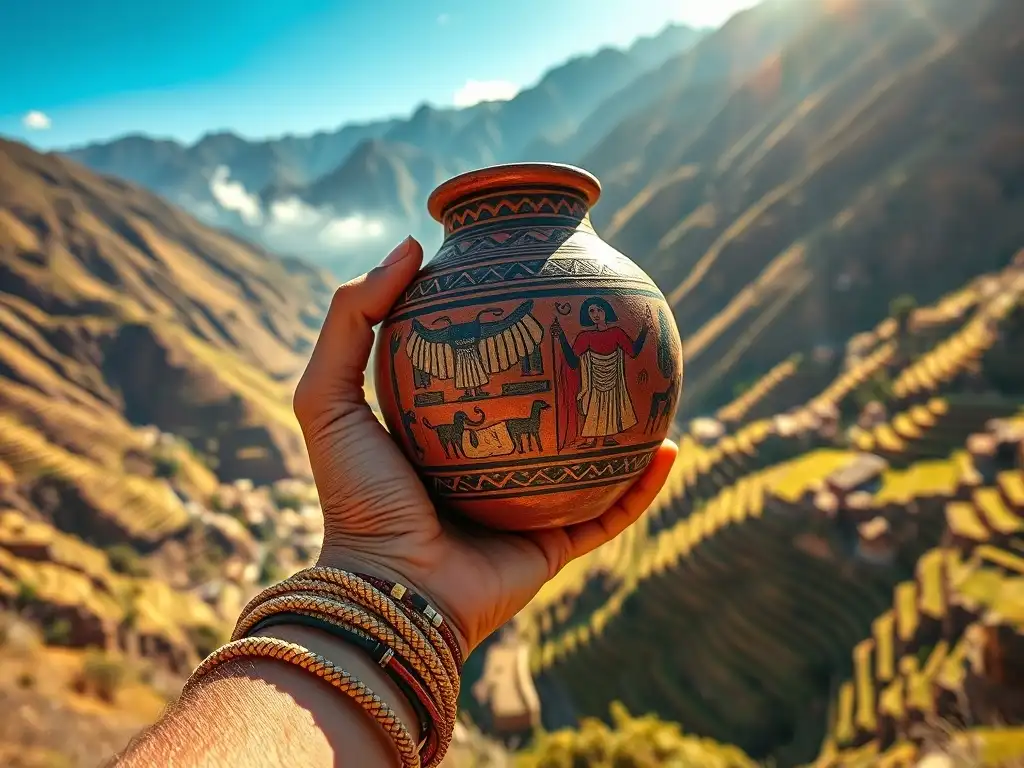
Step into a world lost to time, yet echoing with the vibrant spirit of the Andes. From the intricate artistry of the Nazca lines to the ingenious engineering of Machu Picchu, the Andean civilizations left behind a legacy of breathtaking wonder. But beneath the surface of shimmering gold and exquisite textiles lies a complex story. Our exploration of Ethical Andean artifact sourcing reveals the hidden truths behind collecting, urging you to discover how you can appreciate these treasures responsibly. Dare to delve deeper and uncover the fascinating—and sometimes unsettling—secrets of their past.
The allure of ancient Andean artifacts—the intricate textiles, the powerful pottery, the enigmatic goldwork—is undeniable. For collectors, owning a piece of this rich history can be a deeply rewarding experience. However, the world of Andean artifact collecting is fraught with complexities, ethical dilemmas, and the ever-present risk of acquiring forgeries.
This article delves into the "dark side" of collecting, exploring the challenges of authentication, the devastating impact of unethical sourcing, and the crucial importance of supporting ethical practices to preserve this invaluable cultural heritage for future generations. We'll examine how to navigate the complexities of acquiring authentic Andean artifacts responsibly and contribute to the protection of these irreplaceable treasures, ensuring that “Ethical Andean artifact sourcing” becomes the standard, not the exception.
This is essential not only for preserving history but also for respecting the cultures and communities from which these artifacts originate. Understanding the ethical implications is paramount for any serious collector.
Understanding the Challenges of Andean Artifact Collecting
The Andean region boasts a breathtaking array of archaeological sites, each a testament to the ingenuity and artistry of past civilizations. This abundance, however, also creates a fertile ground for the illicit trade of artifacts. The challenges facing collectors are multifaceted:
- Authentication: Distinguishing genuine artifacts from expertly crafted fakes requires a keen eye and significant expertise. Many forgeries are remarkably convincing, employing techniques that mimic age and wear. Without rigorous authentication by qualified experts, the risk of acquiring a fake is substantial.
- Provenance: Knowing the history of an artifact—its chain of custody from its discovery to its current ownership—is crucial for establishing authenticity and ethical sourcing. A lack of clear provenance raises serious red flags. A complete and verifiable provenance is paramount for ethical collecting.
- Legal Compliance: International and national laws regulate the import and export of cultural artifacts. Collectors must ensure that their acquisitions comply with all relevant regulations to avoid legal repercussions. Ignorance of the law is no excuse.
- Market Fluctuations: The value of Andean artifacts can fluctuate wildly depending on market trends and expert opinions. This volatility makes it even more important to exercise caution and due diligence before making a purchase.
The Problem with Unethical Andean Artifact Sourcing
Unethical sourcing of Andean artifacts fuels looting, destruction of archaeological sites, and the erosion of cultural heritage. The consequences are far-reaching:
- Looting and Site Destruction: Illegal excavation often involves the destruction of invaluable contextual information – the precise location of finds within a site, their relationship to other objects, and the surrounding stratigraphic layers – all crucial for understanding the past. This irreversible damage deprives archaeologists and future researchers of vital data.
- Cultural Disrespect: The removal of artifacts from their original context disrupts the cultural heritage of the communities from which they originated, often causing deep emotional distress and a sense of loss. It's a violation of cultural integrity.
- Financial Incentives for Illegal Activity: The demand for Andean artifacts fuels a lucrative black market that encourages illegal excavation and trafficking. This creates a vicious cycle of destruction and exploitation.
- Repatriation Issues: Artifacts acquired unethically often become entangled in complex legal battles over repatriation, highlighting the ethical and legal ramifications of irresponsible collecting.
Why Authentic Andean Artifacts are Often Targeted
The high value and desirability of authentic Andean artifacts make them prime targets for looting and forgery. Several factors contribute to this:
- Rarity and Uniqueness: Many Andean artifacts are incredibly rare, possessing unique artistic styles and technological innovations. This scarcity drives demand and inflates prices, making them lucrative targets for criminals.
- Material Value: Certain materials, such as gold, silver, and precious stones, used in Andean artifacts significantly increase their monetary value, further fueling illegal activities.
- Historical Significance: The historical and cultural significance of Andean artifacts makes them highly sought-after by collectors and museums worldwide. This desirability makes them vulnerable to theft and illicit trade.
- Lack of Awareness: A lack of public awareness about the ethical implications of collecting Andean artifacts contributes to the problem. Educating collectors and the public is critical to curbing unethical practices.
The responsible acquisition of Andean artifacts necessitates a commitment to ethical sourcing and authentication. By understanding the challenges, supporting ethical dealers and institutions, and prioritizing the preservation of cultural heritage, collectors can contribute to a more sustainable and responsible collecting environment.
The Dangers of Purchasing Fake Andean Artifacts
The allure of owning a piece of history, a tangible connection to the vibrant cultures of the Andes, is undeniable. However, the market for Andean artifacts is rife with forgeries, and purchasing a fake carries significant consequences beyond simply losing money. The proliferation of counterfeit artifacts undermines the efforts of legitimate researchers and institutions striving to understand and preserve Andean heritage.
These fakes often lack the historical context and craftsmanship of genuine pieces, distorting our understanding of past techniques and artistic styles. Furthermore, the demand for fakes fuels the illegal looting of archaeological sites, causing irreversible damage to invaluable cultural heritage. This damage isn't merely aesthetic; it erodes our collective understanding of the past, silencing the voices of ancient Andean peoples.
Buying a fake, therefore, is not just a financial loss; it's a contribution to the destruction of cultural heritage and a betrayal of the ethical principles of responsible collecting. The financial loss can be substantial, especially for high-profile pieces where sophisticated forgeries command high prices. But the ethical implications far outweigh the monetary ones.
Consider the ripple effect: the purchase of a fake encourages the creation of more fakes, perpetuating a cycle of deception that damages both the market and the integrity of Andean cultural heritage. This cycle directly contributes to the looting of archaeological sites, as unscrupulous individuals exploit the demand for these artifacts to fuel their illegal activities. The long-term consequences are devastating, potentially leading to the irreversible loss of irreplaceable artifacts and the destruction of valuable historical contexts.
Ethical sourcing is paramount; it's not just about acquiring a beautiful object; it's about participating responsibly in preserving and respecting the legacy of Andean civilizations. The purchase of a fake directly contradicts this responsibility. Therefore, due diligence and a commitment to ethical sourcing are crucial steps in responsible collecting.
- Understanding the Challenges of Andean Artifact Collecting
- The Problem with Unethical Andean Artifact Sourcing
- Why Authentic Andean Artifacts are Often Targeted
- The Dangers of Purchasing Fake Andean Artifacts
- Using Professional Authentication Services for Andean Artifacts
- Learning About Andean Art and Culture to Enhance Your Knowledge
- Reporting Suspected Fakes and Unethical Practices
- Supporting Organizations Dedicated to Andean Cultural Heritage Protection
- Recommended Books for Andean Art and Archaeology Collectors
- Recommended Books on Andean Archaeology and Art History - Affiliate Links
- Reputable Authentication Services for Andean Artifacts - Affiliate Links
- Ethically Sourced Replicas of Andean Art - Direct Sales
- Travel Packages to Andean Regions Focused on Cultural Heritage - Affiliate Links
- Online Courses on Andean Culture and Art - Affiliate Links
Identifying Authentic Andean Art and Artifacts: A Collector's Guide
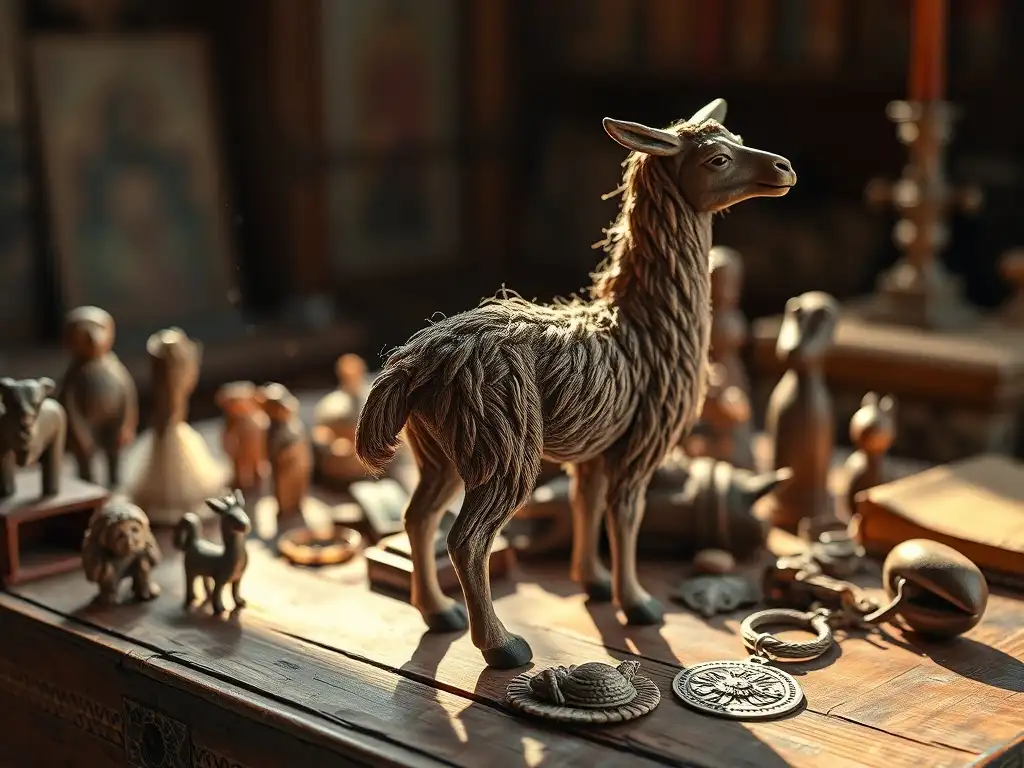
This section delves into the practical aspects of verifying the authenticity of Andean artifacts, crucial for ethical collecting and preserving cultural heritage. The Andean region boasts a diverse array of artistic expressions, each with unique characteristics that can help discerning collectors differentiate genuine pieces from forgeries. Understanding these indicators is paramount to responsible acquisition and contributes significantly to the preservation of Ethical Andean artifact sourcing.
Recognizing Genuine Andean Ceramics: Key Indicators
Authentic Andean ceramics, particularly those from cultures like the Moche and Nazca, exhibit specific characteristics that distinguish them from modern imitations. Careful examination is key. For instance, the surface texture is often a significant indicator. Genuine pieces frequently show signs of hand-crafting, including slight imperfections, variations in thickness, and tool marks. These irregularities are rarely replicated in mass-produced fakes. Furthermore, the firing process leaves unique clues. Authentic pieces may exhibit variations in color due to uneven heat distribution in ancient kilns, a characteristic seldom seen in modern, controlled firings.
Analyzing the paint application is another critical step. Ancient Andean artisans used natural pigments, often applied with meticulous detail. The pigments themselves might exhibit subtle variations in hue or texture, and their application often displays a certain fluidity and spontaneity absent in modern reproductions. Finally, the style and motifs should be carefully studied in comparison with known examples from reputable museums and academic sources.
While variations exist within a given cultural style, significant deviations may suggest a forgery. For example, a Moche ceramic depicting anachronistic elements or a stylistic blend inconsistent with the known timeline would raise serious questions about authenticity. Always cross-reference your findings with established scholarly work on Andean ceramics.
Analyzing the Materials of Authentic Andean Textiles:
Andean textiles, renowned for their intricate designs and vibrant colors, require a similarly meticulous approach to authentication. The fibers themselves are a primary point of investigation. Traditional Andean textiles were often crafted from camelid fibers like alpaca and llama wool, or cotton. Careful microscopic analysis can reveal the fiber type and its characteristics, helping to distinguish genuine materials from synthetic imitations. The dyeing techniques used are another crucial indicator. Ancient Andean artisans employed natural dyes derived from plants and minerals, resulting in unique color palettes and subtle variations in shades. Modern synthetic dyes often lack this organic complexity.
The weaving techniques are also essential to consider. Andean textiles are known for their intricate weaves, including techniques like tapestry weaving and brocade. The complexity and precision of these weaves, often involving multiple colors and textures, are difficult to replicate perfectly. A close examination of the weave structure can reveal inconsistencies in a forgery.
Finally, the decorative motifs and patterns should be analyzed in relation to known stylistic conventions of specific Andean cultures. The presence of anachronistic designs or inconsistencies in pattern repetition may be strong indicators of a forgery. Understanding the symbolic significance of various motifs within specific Andean cultures provides a crucial layer of context in this analysis.
Examining the Provenance of Andean Metalwork: A Crucial Step
The provenance, or history of ownership, of Andean metalwork is arguably the most critical aspect of its authentication. Unlike ceramics and textiles, which can sometimes be more easily analyzed visually, metalwork often requires more investigation into its chain of custody. This involves tracing the object’s history from its discovery to the present. A verifiable provenance often involves documentation detailing its discovery context (e.g., archaeological excavation with proper permits), previous owners, and any relevant authentication reports. The absence of such documentation raises serious concerns about the object's legitimacy.
Furthermore, the metal composition and techniques used in the creation of the artifact must be carefully examined. Ancient Andean metalworkers employed sophisticated techniques, including lost-wax casting, hammering, and alloying. Scientific analysis can determine the metal composition and identify any inconsistencies with known ancient Andean metallurgical practices. Finally, the style and iconography should be analyzed within the context of known Andean metalworking traditions.
The presence of anachronistic elements or stylistic inconsistencies may indicate a modern fabrication. The ethical acquisition of Andean metalwork necessitates a thorough investigation into its provenance, ensuring it was obtained legally and ethically. This respect for the cultural heritage of the Andean people is paramount for responsible collecting.
Spotting Fake Gold Artifacts: A Detailed Look
The allure of pre-Columbian gold artifacts is undeniable. Their intricate craftsmanship and historical significance make them highly sought-after by collectors. Unfortunately, this demand fuels a thriving market for forgeries, making it crucial for collectors to develop a keen eye for authenticity. Identifying fake gold artifacts requires a multi-faceted approach, combining visual inspection with an understanding of the techniques and materials used by ancient Andean artisans.
One of the most common giveaways of a fake is the quality of the workmanship. Authentic Andean goldwork, even relatively simple pieces, often displays remarkable precision and attention to detail. Look for inconsistencies in the design, such as uneven lines, poorly executed motifs, or a lack of finesse in the shaping of the metal.
Fake artifacts often exhibit a rushed or machine-like quality that lacks the organic feel of handcrafted pieces. Genuine pieces will often show subtle variations in thickness or texture that reflect the hand-hammering techniques employed by ancient artisans. These subtle variations are rarely replicated in modern forgeries.
Another critical aspect is the gold's characteristics itself. Ancient Andean gold often contains traces of other metals, resulting in a slightly different color or hue than modern, refined gold. While pure gold is relatively soft, Andean artisans often alloyed it with copper or silver to increase its durability. This alloying process can produce a distinctive color, ranging from a pale yellow to a reddish-gold.
Analyzing the alloy composition through scientific methods like X-ray fluorescence (XRF) can definitively confirm the authenticity of a piece. However, a visual assessment can offer preliminary clues. If the gold appears too bright or uniform in color, it may be cause for suspicion.
Furthermore, consider the style and iconography. Each Andean culture possessed a distinct artistic style and repertoire of motifs. Familiarize yourself with the characteristic features of different cultures, such as the Moche's elaborate depictions of deities and rituals or the Nazca's intricate geometric patterns. Gross inconsistencies with established stylistic conventions are a strong indicator of forgery. For example, a piece claiming to be Moche but displaying stylistic elements more characteristic of the Inca would immediately raise red flags. Studying reputable museum collections and scholarly publications is essential for developing this expertise.
Finally, provenance plays a vital role. A credible provenance—a documented history of ownership—is crucial for establishing the authenticity and ethical sourcing of an artifact. Be wary of artifacts that lack any documentation or have a dubious history. Reputable dealers and auction houses will typically provide detailed provenance information, including previous owners and any scientific analysis conducted on the piece.
Lack of provenance, especially for high-value pieces, should be a major warning sign. Remember, ethical "Andean artifact sourcing" demands thorough investigation into the provenance of any piece you consider acquiring. This commitment to transparency is crucial in protecting cultural heritage and supporting responsible collecting practices.
Ethical Andean Artifact Sourcing: A Responsible Approach
This section delves into the crucial aspects of ethical Andean artifact sourcing, a practice vital for preserving cultural heritage and avoiding the pitfalls of acquiring counterfeit items. The acquisition of Andean artifacts should be approached with a deep respect for the cultural significance of these objects and a commitment to responsible collecting. This means not only acquiring authentic pieces but also ensuring that their acquisition doesn't contribute to the looting of archaeological sites or the exploitation of local communities.
Ethical sourcing is paramount, and this guide will help navigate the complexities of this field. Understanding the nuances of ethical Andean artifact sourcing is crucial for responsible collecting and the preservation of Andean cultural heritage.
The Importance of Supporting Ethical Dealers and Reputable Galleries
Supporting ethical dealers and reputable galleries is the cornerstone of responsible Andean artifact collecting. These establishments prioritize provenance – the documented history of ownership – and transparency in their acquisition processes. They often work directly with local communities, ensuring fair compensation and respecting cultural sensitivities. This contrasts sharply with the black market, where artifacts are often looted, smuggled, and sold with little regard for their historical context or the harm inflicted on heritage sites.
Choosing a reputable dealer or gallery means you're less likely to acquire a fake or an artifact obtained illegally. Reputable sources frequently provide detailed documentation, including certificates of authenticity and provenance research. This documentation significantly reduces the risk of acquiring a forgery or a piece with a dubious history. Furthermore, supporting ethical dealers contributes to sustainable practices within the art market, encouraging responsible sourcing and preserving Andean cultural heritage for future generations.
The difference between an ethical dealer and an unethical one is significant. An ethical dealer will readily provide provenance information, be transparent about the artifact's origin, and demonstrate respect for the cultural heritage it represents. In contrast, an unethical dealer might be evasive about the artifact's origin, offer suspiciously low prices, or lack documentation. Always prioritize transparency and thorough due diligence.
Understanding the Legal Framework for Andean Artifact Sales
Navigating the legal landscape surrounding Andean artifact sales is crucial for ethical collecting. International and national laws govern the import, export, and sale of cultural artifacts, aiming to protect archaeological sites and prevent the illicit trafficking of antiquities. These laws vary significantly between countries, making it essential to research the specific regulations of the country of origin and the country of import.
Many countries have strict regulations regarding the export of cultural artifacts, often requiring permits or licenses. The illegal excavation and export of artifacts are serious crimes punishable by heavy fines and imprisonment. Moreover, even if an artifact was legally exported in the past, its current sale might still be subject to restrictions, depending on the specific circumstances and applicable laws.
Therefore, verifying the legality of an artifact's acquisition throughout its history is crucial. Ignoring these legal frameworks not only carries significant legal risks but also contributes to the destruction of cultural heritage. Understanding the legal ramifications of your purchase is not merely a matter of compliance; it's a commitment to preserving history.
The penalties for violating these laws can be severe, ranging from significant fines to imprisonment. Furthermore, purchasing illegally obtained artifacts can lead to the confiscation of the item, leaving the collector with substantial financial losses. Therefore, due diligence in understanding and adhering to the legal framework is not only ethically responsible but also crucial for protecting your own interests.
How to Research Reputable Sources of Andean Art
Researching reputable sources for Andean art requires a multi-faceted approach, combining online research with direct engagement with potential sellers. Begin by identifying established galleries and auction houses specializing in pre-Columbian art. Look for galleries with a strong reputation, a long history in the field, and a commitment to ethical sourcing practices. Their websites often provide details about their acquisition processes and provenance research.
Beyond established galleries, online resources can help in identifying ethical dealers and collectors. However, always exercise caution when using online platforms. Verify the seller's credentials and reputation before engaging in any transactions. Look for detailed descriptions, high-quality images, and transparent information regarding provenance. Be wary of sellers who are evasive about the artifact's origin or lack proper documentation.
Directly contacting potential sellers and requesting detailed provenance information is essential. Ask about the chain of custody, the methods used to acquire the artifact, and any relevant documentation. A reputable source will be transparent and happy to provide this information. Remember, ethical sourcing is a collaborative effort. By engaging thoughtfully and responsibly, collectors play a crucial role in protecting Andean cultural heritage. The effort invested in thorough research will not only ensure the authenticity of your acquisition but will also contribute to the preservation of these irreplaceable cultural treasures.
Alternatives to Collecting: Supporting Andean Artisans Directly
Instead of focusing on acquiring potentially problematic artifacts, consider supporting contemporary Andean artisans directly. This approach offers a powerful way to engage with Andean culture ethically and sustainably. By purchasing handcrafted items from living artists, you contribute to their livelihoods and help preserve traditional techniques and knowledge. This method avoids the ethical dilemmas associated with potentially looted or illegally traded artifacts, ensuring that your purchase promotes positive cultural exchange and economic growth within Andean communities.
Many artisans create beautiful textiles, ceramics, jewelry, and other works of art that reflect their rich cultural heritage. These items often incorporate traditional designs and techniques, offering a unique and authentic connection to Andean culture without the ethical baggage of collecting ancient artifacts. Moreover, purchasing directly from the artisans allows you to learn more about their craft, their inspiration, and the stories behind their work, fostering a deeper appreciation for Andean artistry and culture.
This approach transforms the act of acquiring an Andean item from a potentially exploitative endeavor into a mutually beneficial exchange that supports both the artist and the preservation of Andean cultural heritage. The vibrant tapestry of Andean culture continues to thrive in the hands of its current artisans – supporting them directly ensures this vibrant heritage is sustained for future generations. Consider seeking out cooperatives or fair trade organizations that work directly with Andean artisans to guarantee ethical sourcing and fair compensation.
You can even take this a step further and explore opportunities for cultural exchange and collaboration with Andean artists. This might involve commissioning a piece of art, participating in workshops, or supporting artists' initiatives. Such interactions not only provide you with unique and meaningful pieces but also contribute to the empowerment of Andean communities and the preservation of their cultural traditions.
Remember, supporting living artists is a tangible way to contribute to the sustainability of Andean culture, avoiding the complexities and potential ethical pitfalls of collecting ancient artifacts. This method offers a far more enriching and responsible engagement with the vibrant heritage of the Andes.
Protecting Yourself and Andean Heritage: Practical Solutions
This section focuses on proactive steps collectors can take to ensure ethical sourcing and avoid acquiring counterfeit Andean artifacts. The illicit trade in cultural artifacts not only deprives communities of their heritage but also fuels looting and destruction of archaeological sites. By taking informed steps, collectors can contribute to the preservation of Andean heritage while building a responsible collection.
Using Professional Authentication Services for Andean Artifacts
Authenticating Andean artifacts can be a complex process, requiring specialized knowledge of materials, techniques, and stylistic variations across different Andean cultures (Inca, Moche, Nazca, Tiahuanaco, etc.). Relying solely on visual inspection or online resources is often insufficient and can lead to costly mistakes. Professional authentication services offer a crucial safeguard against acquiring fakes. These services employ experts with extensive experience in Andean archaeology and art history. They utilize a range of techniques, including:
- Material Analysis: Scientific methods like X-ray fluorescence (XRF) spectroscopy, and thermoluminescence (TL) dating, can determine the age and composition of materials, helping to distinguish between genuine ancient artifacts and modern imitations.
- Stylistic Analysis: Experts analyze the artifact's style, iconography, and craftsmanship, comparing it to known examples from specific Andean cultures and time periods. Slight variations in pottery techniques, textile weaving styles, or metalworking methods can be crucial indicators of authenticity.
- Provenance Research: Tracing an artifact's history is vital. Legitimate artifacts usually have documented provenance, showing a clear chain of custody from the point of discovery or acquisition to the present owner. Professionals can verify the claims of provenance and identify any red flags.
The cost of professional authentication varies depending on the complexity of the artifact and the services required. However, this investment can prevent substantial financial losses from purchasing fakes and contributes to responsible collecting practices. Remember, the cost of authentication is a small price to pay compared to the potential loss from purchasing a fake.
Learning About Andean Art and Culture to Enhance Your Knowledge
Developing a strong understanding of Andean art and culture is paramount for ethical collecting. This knowledge empowers you to make informed decisions, identify potential red flags, and appreciate the historical significance of your acquisitions. Several avenues exist for enhancing your expertise:
- Academic Resources: Universities and research institutions often offer courses, seminars, and publications on Andean archaeology and art history. These provide in-depth insights into different Andean cultures and their artistic expressions.
- Museum Collections: Studying museum collections of authentic Andean artifacts provides valuable hands-on learning opportunities. Carefully examine the artifacts' details, noting stylistic features, materials, and any accompanying documentation.
- Reputable Books and Publications: Numerous books and scholarly articles are available on Andean art and archaeology. These resources provide comprehensive information on various aspects of Andean culture, including the historical context of artifacts.
- Expert Networks: Connecting with experts in the field, such as archaeologists, art historians, and museum curators, provides invaluable insights and guidance. Attending conferences and workshops related to Andean archaeology can facilitate networking opportunities.
By actively seeking knowledge, you develop a sharper eye for detail and a deeper appreciation for the cultural significance of Andean artifacts, making you a more discerning and responsible collector. This pursuit of knowledge is directly linked to ethical Andean artifact sourcing.
Reporting Suspected Fakes and Unethical Practices
Collectors play a crucial role in combating the illegal trade of Andean artifacts. If you suspect an artifact is a fake or that its acquisition involves unethical practices, reporting it is essential. Several avenues for reporting exist:
- Law Enforcement Agencies: Contact your local law enforcement authorities or agencies specializing in cultural heritage crimes. They possess the resources and expertise to investigate suspected illegal activities.
- Cultural Heritage Organizations: Many organizations dedicated to the protection of cultural heritage operate internationally and nationally. These organizations often have established procedures for reporting suspected illegal artifact trafficking.
- Museums and Research Institutions: Museums and research institutions with expertise in Andean archaeology can assist in investigating the authenticity of artifacts and identifying potential sources of unethical acquisition.
Reporting suspected fakes and unethical practices is not only a moral obligation but also a crucial step in preserving Andean heritage. Your action, however small it might seem, contributes to a larger effort to protect these invaluable cultural treasures. Remember, ethical Andean artifact sourcing relies on the collective responsibility of collectors and stakeholders. 🕵️♂️ Your vigilance is a powerful tool in the fight against the illegal antiquities trade.
Supporting Organizations Dedicated to Andean Cultural Heritage Protection
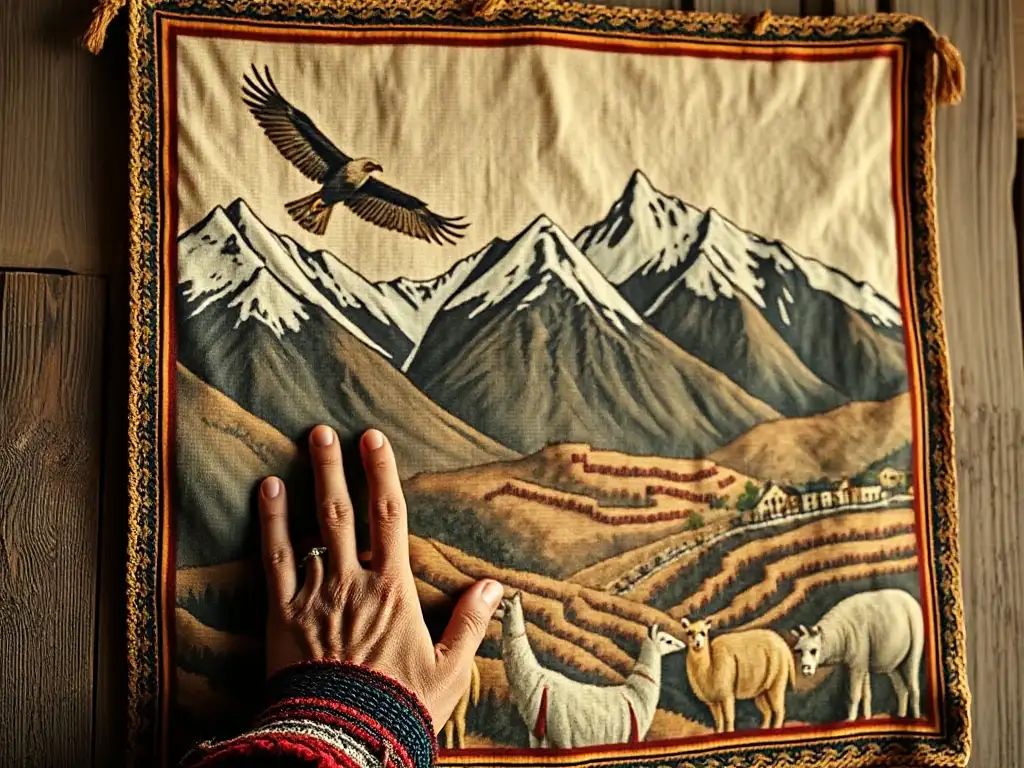
Several organizations are dedicated to the preservation and protection of Andean cultural heritage. Supporting these groups is crucial for ethical collecting and ensuring the long-term survival of these invaluable artifacts. Their work ranges from archaeological research and excavation to community engagement and repatriation efforts. By donating or volunteering your time, you directly contribute to the fight against illicit trafficking and the responsible management of archaeological sites. These organizations often publish scholarly articles, reports, and educational materials that can help collectors make informed decisions.
One important aspect of supporting these organizations is understanding their diverse roles. Some focus specifically on combating the illegal trade of artifacts, working closely with law enforcement agencies to seize and repatriate stolen goods. Others concentrate on community-based preservation projects, working directly with Andean communities to protect their cultural heritage and ensure that their voices are heard in the decision-making process regarding the management and protection of their ancestral sites and artifacts.
Still others specialize in research and documentation, creating detailed records of Andean artifacts and sites to aid in future studies and help prevent future looting. Therefore, understanding the specific mission of each organization is key to ensuring your support aligns with your ethical collecting goals.
Many offer transparency in their financial practices and impact reports, allowing potential donors to assess their effectiveness and accountability. By actively researching and choosing to support organizations with a proven track record of success and transparency, collectors can make a tangible difference in the protection of Andean heritage.
Furthermore, engaging with these organizations can provide collectors with invaluable insights and expertise. Many offer workshops, seminars, and educational programs on ethical collecting practices, artifact identification, and the history of Andean cultures. Participation in these events not only enhances a collector's knowledge but also fosters a sense of community among those dedicated to the responsible appreciation of Andean art and artifacts.
This shared commitment to ethical practice helps to create a more sustainable and responsible collecting environment for everyone. Supporting these organizations is not merely a financial contribution; it's an active participation in the ongoing effort to protect Andean cultural heritage for generations to come.
Recommended Books for Andean Art and Archaeology Collectors
Choosing reputable resources for information is critical when building an Andean artifact collection. Many books offer detailed insights into Andean art and archaeology, providing valuable context and aiding in the identification of authentic pieces. However, it's crucial to select publications from established scholars and reputable publishers to ensure accuracy and avoid misinformation that could lead to acquiring forgeries. The quality of research and the author's expertise are paramount in discerning trustworthy sources.
Several books focus specifically on the identification of authentic Andean artifacts, covering topics such as stylistic analysis, material composition, and provenance. These publications often include high-quality images and detailed descriptions of various artifact types, enabling collectors to compare their pieces against known examples. This comparative approach, coupled with a thorough understanding of Andean artistic traditions and techniques, is essential in detecting potential fakes.
Additionally, books that explore the historical context of Andean art and archaeology provide crucial background information, helping collectors understand the significance of individual artifacts within a broader cultural framework. This understanding not only enhances the appreciation of the collection but also encourages responsible collecting practices, as collectors become more aware of the cultural and historical significance of the artifacts they own. By carefully selecting books from reputable scholars and publishers, collectors can avoid misleading information and build a collection based on sound knowledge and ethical considerations.
Moreover, engaging with academic publications and scholarly articles expands the understanding beyond what's available in general-interest books. These often delve into specific aspects of Andean art and archaeology, offering detailed analysis of particular artifact types or cultural practices. By incorporating these scholarly sources into their research, collectors can significantly enhance their ability to identify authentic pieces and avoid purchasing forgeries.
Combining this in-depth research with a network of experts and reputable dealers further strengthens the collector's ability to make informed and ethical decisions. This comprehensive approach ensures that the passion for collecting Andean art is combined with a deep respect for the cultural heritage it represents. The pursuit of knowledge is, therefore, an essential part of ethical Andean artifact sourcing.
Monetization Opportunities: Products and Services for Ethical Collectors
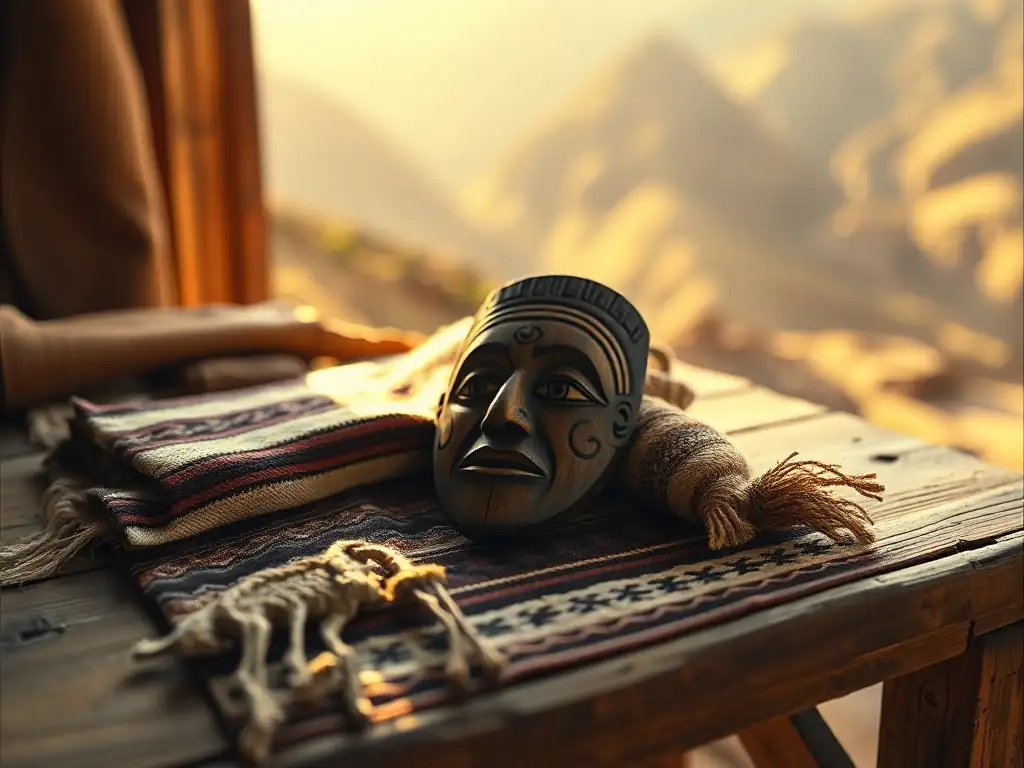
This section explores avenues for monetizing a commitment to ethical Andean artifact sourcing, focusing on opportunities that align with responsible collecting practices. By offering products and services that support ethical acquisition and appreciation of Andean art, collectors can contribute to the preservation of cultural heritage while building a profitable enterprise. This approach fosters a sustainable model that benefits both collectors and the Andean communities whose heritage is represented in these artifacts.
Recommended Books on Andean Archaeology and Art History - Affiliate Links
Offering curated lists of reputable books on Andean archaeology and art history through affiliate marketing provides a valuable service to collectors. These resources are essential for informed collecting, enabling enthusiasts to deepen their understanding and appreciate the cultural significance of the artifacts they acquire. This strategy allows for passive income generation while promoting scholarly knowledge and responsible collecting practices. The selection should prioritize books written by leading experts in the field, focusing on accurate and nuanced representations of Andean cultures, avoiding those that might perpetuate harmful stereotypes or contribute to the illicit trade.
For example, a carefully curated list might include works focusing on specific Andean cultures: a book dedicated to Moche pottery techniques, another exploring the intricate textiles of the Nazca, and a third providing a comprehensive overview of Inca architecture. This diverse range caters to different interests while maintaining a high standard of academic rigor. Selecting books with high-quality images is crucial, as visual learning plays a significant role in appreciating Andean art.
The affiliate links should be clearly disclosed, upholding transparency and ethical marketing practices. This section should also include a brief description of each book, highlighting its key strengths and target audience. Regularly updating the list with new publications ensures the selection remains relevant and engaging.
Reputable Authentication Services for Andean Artifacts - Affiliate Links
Offering authentication services for Andean artifacts through affiliate partnerships with reputable experts is another profitable avenue. This service directly addresses a critical need within the collecting community: verifying the authenticity and provenance of artifacts to prevent the acquisition of fakes or illegally sourced items. By partnering with established archaeologists, art historians, or museums with expertise in Andean artifacts, collectors can access professional authentication services while supporting ethical practices.
The affiliate links should clearly identify the authentication service provider and their qualifications, including any relevant academic credentials or museum affiliations. It is essential to highlight the authentication process, specifying the methods used to verify authenticity and provenance, including scientific analysis if applicable. Transparency about pricing and turnaround times is also crucial.
An FAQ section addressing common questions about authentication, such as the types of artifacts they can authenticate or the required documentation, would further enhance the value of this service. This section should emphasize the importance of ethical sourcing in the authentication process, highlighting the role of provenance research in determining the legality and ethical implications of an artifact's acquisition.
Ethically Sourced Replicas of Andean Art - Direct Sales
Offering ethically sourced replicas of Andean art provides collectors with an alternative to acquiring original artifacts, particularly when the acquisition of originals raises ethical concerns. These replicas should be crafted using traditional techniques and materials, whenever possible, and produced by artisans from Andean communities. This directly supports local economies and preserves traditional crafts, promoting sustainable development. This approach aligns with ethical collecting practices by satisfying the desire for Andean art without contributing to the potential exploitation of cultural heritage.
The description of each replica should emphasize its ethical sourcing, detailing the materials used, the crafting process, and the artisan's background. High-quality images showcasing the craftsmanship are essential. This section should also transparently disclose the pricing structure and shipping information.
Consider incorporating testimonials from satisfied customers to build trust and credibility. This direct sales approach allows for a higher profit margin compared to affiliate marketing, while contributing to the preservation of Andean cultural heritage and supporting the livelihoods of Andean artisans. The use of high-resolution images and detailed descriptions allows potential buyers to fully appreciate the quality and authenticity of these ethically produced replicas.
Travel Packages to Andean Regions Focused on Cultural Heritage - Affiliate Links
Ethical sourcing of Andean artifacts often begins with responsible travel and a deep understanding of the cultures involved. Offering curated travel packages focused on cultural heritage provides a unique monetization opportunity. These packages could include visits to museums showcasing authentic Andean artifacts, guided tours of archaeological sites led by experts, and workshops with local artisans. The focus should be on immersive experiences that foster appreciation for the cultural significance of these objects, rather than simply acquiring them.
Careful consideration should be given to partnering with local communities and ensuring that tourism revenue directly benefits those who are the custodians of this heritage. For example, a package could include a stay in a community-run lodge in the Sacred Valley of the Incas, allowing travelers to interact directly with local artisans and learn about their traditional crafts. Another package might focus on the Nazca Lines, including a visit to a local museum and a guided tour explaining the cultural significance of these enigmatic geoglyphs.
By offering high-quality, ethically-conscious travel experiences, you can attract discerning collectors who value responsible tourism and contribute directly to the preservation of Andean culture. Revenue generation can be achieved through affiliate links with reputable tour operators specializing in cultural tourism, ensuring a transparent and ethical approach to monetization. This model aligns perfectly with the principles of ethical Andean artifact sourcing, as it promotes responsible engagement with the cultural heritage and its people.
Online Courses on Andean Culture and Art - Affiliate Links
The digital realm provides another avenue for ethical monetization. Creating and marketing online courses focused on Andean culture and art can educate collectors and enthusiasts, fostering a deeper appreciation for the historical and artistic significance of these artifacts. These courses can delve into various aspects of Andean civilization, including its history, mythology, artistic techniques, and the cultural context surrounding specific artifact types. For instance, a course might explore the symbolism and iconography of Moche pottery, or the intricate textile techniques of the Inca.
Furthermore, these courses could incorporate interviews with experts in Andean archaeology and art history, providing valuable insights into the authenticity and provenance of artifacts. The curriculum should emphasize responsible collecting practices and ethical sourcing, guiding learners towards making informed decisions. Monetization can be achieved through affiliate marketing partnerships with online learning platforms, allowing you to share revenue generated from course sales. This approach not only provides a sustainable income stream but also contributes to the preservation of Andean cultural heritage by promoting informed and ethical collecting practices.
The focus on education and responsible collecting practices directly supports the ethical sourcing of Andean artifacts, fostering a more informed and conscientious collecting community. Careful consideration of the course content ensures that the information is accurate, engaging, and reflects the latest scholarly research. This approach to monetization aligns perfectly with the principles of ethical Andean artifact sourcing.
Frequently Asked Questions
How can I ensure I'm buying an authentic Andean artifact?
Authenticity is crucial. Look for artifacts with provenance documentation, ideally tracing ownership back to a reputable source like a museum or archaeological dig. Avoid suspiciously cheap deals; genuine artifacts are rarely inexpensive.
What makes an Andean artifact source "ethical"?
Ethical sourcing means the artifact's acquisition didn't involve looting, illegal excavation, or exploitation. It should have been obtained legally and with respect for cultural heritage. Supporting reputable dealers and museums is key.
Why is ethical sourcing of Andean artifacts so important?
Ethical sourcing protects cultural heritage and prevents the destruction of archaeological sites. It supports sustainable tourism and benefits local communities instead of fueling illegal activities.
How can I tell if an artifact might have been looted?
Look for signs of damage or hasty excavation. Incomplete artifacts or those lacking context are red flags. Poorly-made replicas are also common, so be wary of unusually low prices or overly perfect condition.
Where can I find ethically sourced Andean artifacts or information about them?
Reputable museums and academic institutions are excellent resources. Search for certified dealers who provide transparent provenance information. Support organizations working to protect Andean cultural heritage.
Final Reflection: The Enduring Legacy of Ethical Acquisition
The pursuit of authentic Andean artifacts is not merely a hobby; it's a responsibility. The illicit trade in these precious objects fuels conflict, destroys cultural heritage, and perpetuates a cycle of exploitation that continues to harm communities in the Andes. Understanding the ethical implications of collecting is crucial for preserving history and supporting sustainable practices.
The impact of unethical collecting extends far beyond the individual transaction. It undermines the cultural identity of indigenous communities, erasing their history and heritage from their own lands. The past is never dead. It's not even past.
- William Faulkner. This quote rings true when considering the enduring consequences of acquiring artifacts without regard for their origin and the people who created them. The ongoing struggle to protect Andean cultural heritage requires constant vigilance and a commitment to responsible collecting practices. We must actively challenge the market that profits from the destruction of cultural treasures.
Consider your own relationship with collecting. Are you actively seeking out ethical sources? Are you supporting organizations dedicated to the preservation of Andean culture? You have the power to make a difference. By choosing to purchase only ethically sourced artifacts, you are not only acquiring a piece of history but also contributing to the preservation of a vibrant culture and the well-being of its people. Let's work together to ensure that the legacy of Andean art is one of respect, preservation, and sustainable appreciation.
Protect Your Passion: Embrace Ethical Collecting Today!
Thank you for exploring the complexities of collecting in today's world. Your interest in responsible collecting is crucial to building a more sustainable and ethical community. Let's put that knowledge into practice!
Here's how you can make a difference:
- Educate Yourself: Thoroughly research ethical sourcing and relevant regulations. Understanding these aspects is key to avoiding counterfeit items and supporting legitimate practices.
- Support Ethical Vendors: Seek out businesses committed to authenticity and ethical sourcing. Explore local exhibitions and online marketplaces known for their commitment to integrity.
- Share Your Knowledge: Spread awareness! Discuss responsible collecting with fellow enthusiasts online or in person. Help build a community that prioritizes ethical practices.
As you build your collection, consider this: What steps will you take to ensure your collecting reflects your values? Let's talk!