
From Mountain to Cloth: The Sources of Andean Textile Materials

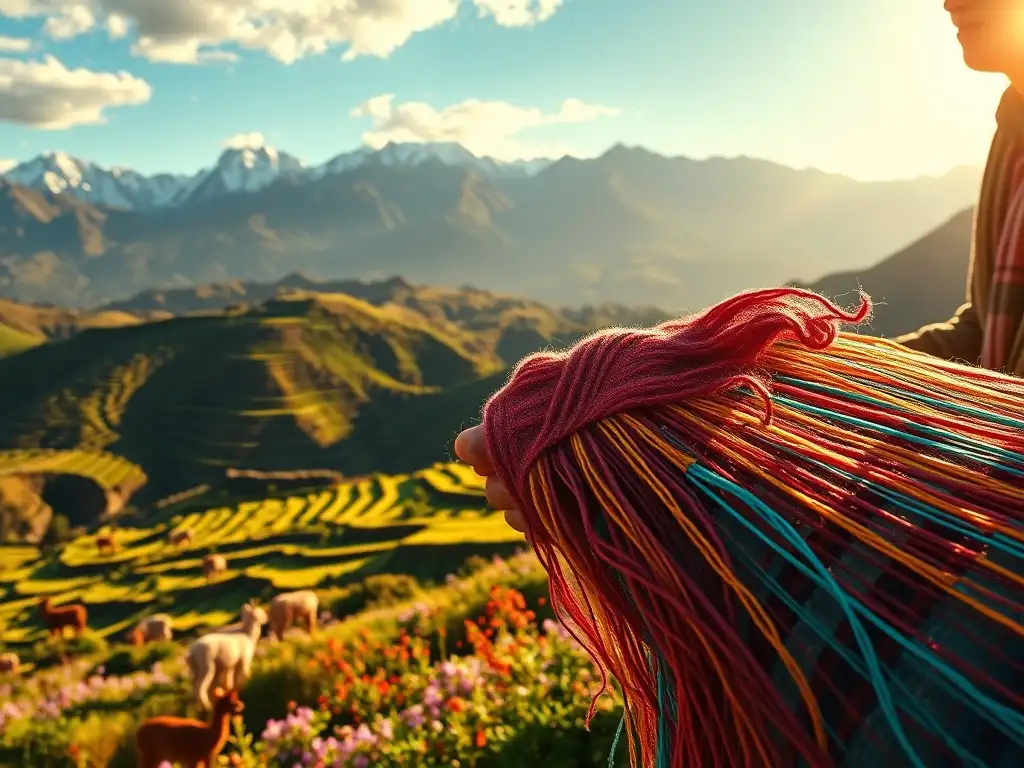
Unravel the mysteries woven into the very fabric of the Andes! Journey with us through time as we explore the astonishing artistry of ancient Andean civilizations. Discover the secrets behind their breathtaking textiles, and learn about the surprising Andean textile materials sources that fueled their creative genius. Prepare to be amazed by the ingenuity and cultural depth revealed in the threads of their legacy – a story far richer than you can imagine.
The breathtaking textiles of the Andes—vibrant tapestries, intricately woven garments, and finely spun threads—represent not only artistic mastery but also a deep connection to the natural world. This article delves into the fascinating story of Andean textile materials, exploring the diverse sources that fueled this rich artistic tradition. From the high peaks of the Andes to the fertile valleys below, the raw materials used in Andean weaving tell a tale of ingenuity, resourcefulness, and a profound understanding of the environment.
We will examine the primary fibers, the processes involved in their acquisition, and the cultural significance imbued in each material, providing a comprehensive overview of the remarkable journey from mountain to cloth. Understanding the sources of these materials is crucial to fully appreciating the artistry and cultural heritage embedded within each Andean textile.
This exploration will illuminate the ingenuity of Andean cultures in harnessing their environment to create textiles of unparalleled beauty and durability, highlighting their deep connection to the land and its resources. We'll uncover the secrets behind the vibrant colors and textures, revealing the surprising variety and sophistication of Andean textile production.
Introduction: Unveiling the Origins of Andean Textiles
Andean textiles are renowned worldwide for their vibrant colors, intricate designs, and remarkable durability. But what are the secrets behind these masterpieces? The answer lies in the diverse range of natural materials expertly harnessed by Andean cultures for centuries.
The availability of these materials, often dictated by altitude and climate, significantly influenced the style and techniques of textile production across different Andean societies. The Incas, for instance, utilized a different palette of materials compared to the earlier Nazca or Moche cultures, reflecting both environmental differences and distinct cultural preferences. Understanding the origins of these materials—from the cultivation of cotton in warmer valleys to the shearing of alpacas and llamas in the highlands—is key to appreciating the ingenuity and sophisticated knowledge systems of Andean civilizations.
This exploration will reveal the intimate relationship between the Andean people and their environment, highlighting how sustainable practices and innovative techniques played a crucial role in the creation of these iconic textiles. The story of Andean textiles is, ultimately, a story of human ingenuity and environmental adaptation.
Andean Textile Materials: A Journey Through Nature's Bounty
The Andean region boasts a remarkable biodiversity, providing a rich palette of raw materials for textile production. The variety of fibers used reflects the diverse geography of the Andes, ranging from the high-altitude plains to the coastal deserts and lush valleys. This incredible diversity allowed for specialization and trade networks that connected different Andean communities. For example, coastal communities may have specialized in cotton production, while highland communities focused on camelid fibers. This exchange of goods, and the knowledge associated with their processing, fostered a complex and dynamic textile tradition. Let's explore some of the key materials:
- Cotton (Gossypium barbadense): Cultivated in warmer, lower altitudes, cotton provided a soft, absorbent fiber ideal for clothing and other textiles. Its cultivation required irrigation and careful management, reflecting the sophisticated agricultural practices of Andean societies. The variations in color and texture of cotton plants further enriched the palette of Andean weavers.
- Camelid Fibers: The high Andes are home to alpacas and llamas, providing invaluable sources of fiber. Alpaca fiber, prized for its softness and warmth, was often reserved for elite garments. Llama fiber, while coarser, was more readily available and used for everyday clothing and utilitarian textiles. Vicuña and guanaco fibers, though rarer, were also highly valued for their exceptional softness and fineness. The shearing and processing of these fibers involved intricate techniques passed down through generations.
- Other Plant Fibers: Beyond cotton, other plant fibers like toquilla straw (for hats) and various grasses and reeds were used for specific textile purposes. These materials demonstrate the resourcefulness of Andean communities in utilizing the full potential of their environment.
The Core Fibers: Primary Sources for Andean Weaving
The most commonly used fibers in Andean weaving were undoubtedly cotton and camelid fibers. The quality and availability of these fibers often dictated the type of textile produced, as well as its intended use and social significance. Let's delve deeper into the characteristics of these core materials and their role in Andean textile production:
| Fiber Type | Characteristics | Uses | Social Significance |
|---|---|---|---|
| Cotton | Soft, absorbent, warm, various colors | Clothing, blankets, tapestries | Everyday use to elite garments, depending on quality |
| Alpaca | Soft, warm, fine, luxurious, various colors | Fine clothing, ceremonial textiles | Elite status, high value |
| Llama | Durable, warm, coarser than alpaca, various colors | Everyday clothing, utilitarian textiles | Practical use, widely accessible |
| Vicuña/Guanaco | Extremely soft, fine, luxurious, rare | Elite clothing, highly valued ceremonial items | Highest status, rarity and prestige |
The careful selection and preparation of these fibers were crucial steps in the weaving process. The skills involved in spinning, dyeing, and weaving were highly valued, passed down through generations within families and communities. The resulting textiles were not merely functional garments but also powerful symbols of identity, social status, and spiritual beliefs, reflecting the profound cultural significance woven into the very fabric of Andean life. 🌍🧵
Alpaca Wool: The Golden Fleece of the Andes
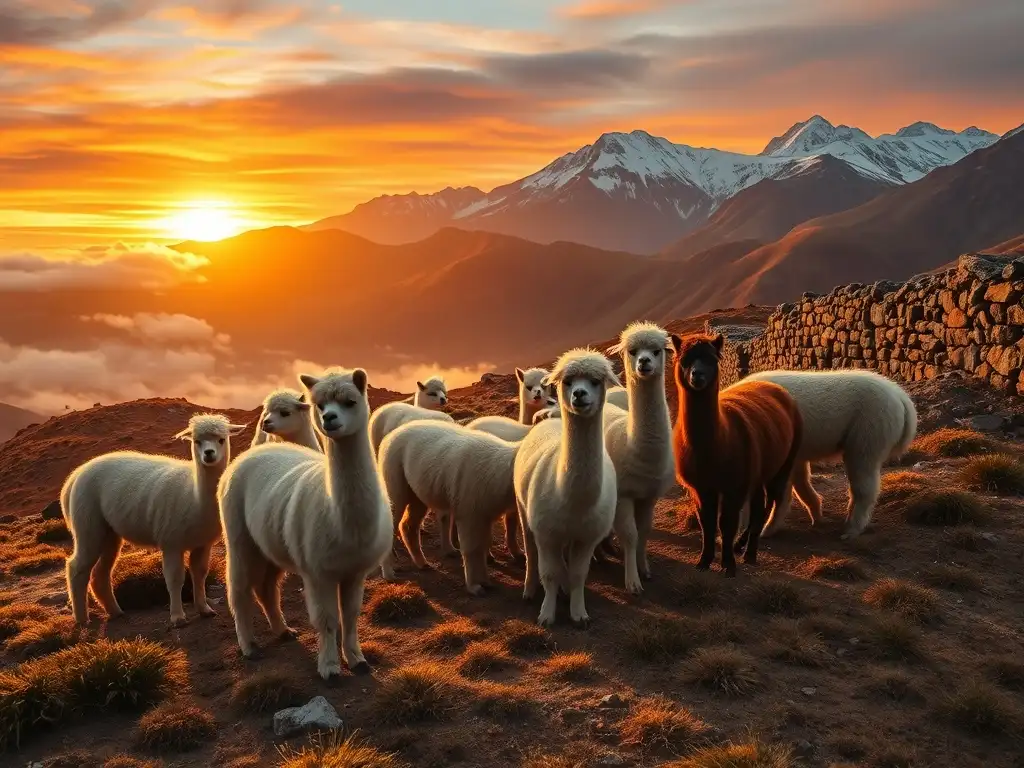
Alpaca wool, prized for its luxurious softness and warmth, holds a central place in the history of Andean textile materials sources. This incredibly fine fiber, sourced from the alpaca, a camelid native to the high Andes, comes in a breathtaking array of natural colors, ranging from classic whites and blacks to vibrant browns, greys, and even rarer hues like rose and fawn. The quality of alpaca wool varies depending on several factors, including the animal's breed (Huacaya and Suri being the most common), its age, and the altitude at which it grazes.
Higher altitude generally means finer and softer fiber. This explains why alpaca wool from the Peruvian Andes, particularly from regions like the Altiplano, is often considered superior. The long, lustrous fibers of Suri alpacas are particularly sought after for their exceptional softness and silk-like sheen, often used in creating high-end garments.
Huacaya alpacas, on the other hand, produce a crimped fiber that is known for its warmth and durability. The intricate spinning and weaving techniques employed by Andean artisans further enhance the beauty and quality of alpaca wool textiles, resulting in garments that are both aesthetically stunning and incredibly functional. The demand for this exceptional fiber has led to sustainable farming practices in many Andean communities, ensuring the preservation of both the alpaca population and the traditional knowledge surrounding its processing.
Llama Fiber: Versatility in the Andean Highlands
Llama fiber, while coarser than alpaca wool, plays a crucial role in the Andean textile tradition. It offers a unique combination of strength, durability, and warmth, making it ideal for a wide range of applications. Unlike alpaca, which is primarily prized for its softness, llama fiber is celebrated for its resilience.
This makes it suitable for creating sturdy textiles for everyday use, including blankets, rugs, and clothing items designed for rugged conditions. The versatility of llama fiber extends beyond its inherent properties; its natural colors, while not as diverse as alpaca's, still offer a rich palette for Andean artisans. The fiber's strength allows for the creation of tightly woven fabrics that are resistant to wear and tear, a critical factor in the harsh Andean climate.
Historically, llama fiber was commonly used for ropes, sacks, and other utilitarian items, highlighting its practicality. Even today, llama fiber remains an essential component in many Andean textile traditions, often blended with other fibers like alpaca or cotton to create textiles with unique textures and properties. The sustainable and ethical sourcing of llama fiber is also crucial for preserving the Andean ecosystem and the livelihoods of local communities.
Vicuña Wool: The Rarest and Most Prized Fiber
Vicuña wool stands apart as the rarest and most luxurious fiber among the Andean camelids. Sourced from the vicuña, a wild camelid inhabiting the high-altitude puna grasslands of the Andes, this incredibly fine and soft fiber is considered a national treasure in countries like Peru and Chile. The vicuña's fleece is exceptionally lightweight, yet remarkably warm, due to its unique microscopic structure.
The extremely fine diameter of the vicuña fiber contributes to its unparalleled softness and luxurious drape, making it highly sought after by high-end fashion houses worldwide. Historically, vicuña wool was reserved for Inca royalty, underscoring its prestige and rarity. Today, sustainable harvesting practices, such as the traditional "chaccu," a communal round-up, are employed to ensure the conservation of the vicuña population and the ethical sourcing of its fiber.
This method minimizes stress on the animals and allows for the controlled shearing of their fleece. The exquisite quality of vicuña wool, combined with its ethical sourcing and cultural significance, makes it one of the most valuable and desirable textile materials in the world, further cementing its place in the rich tapestry of Andean textile history and the ongoing exploration of Andean textile materials sources.
Andean Cotton: Coastal Fiber for Fine Weaving
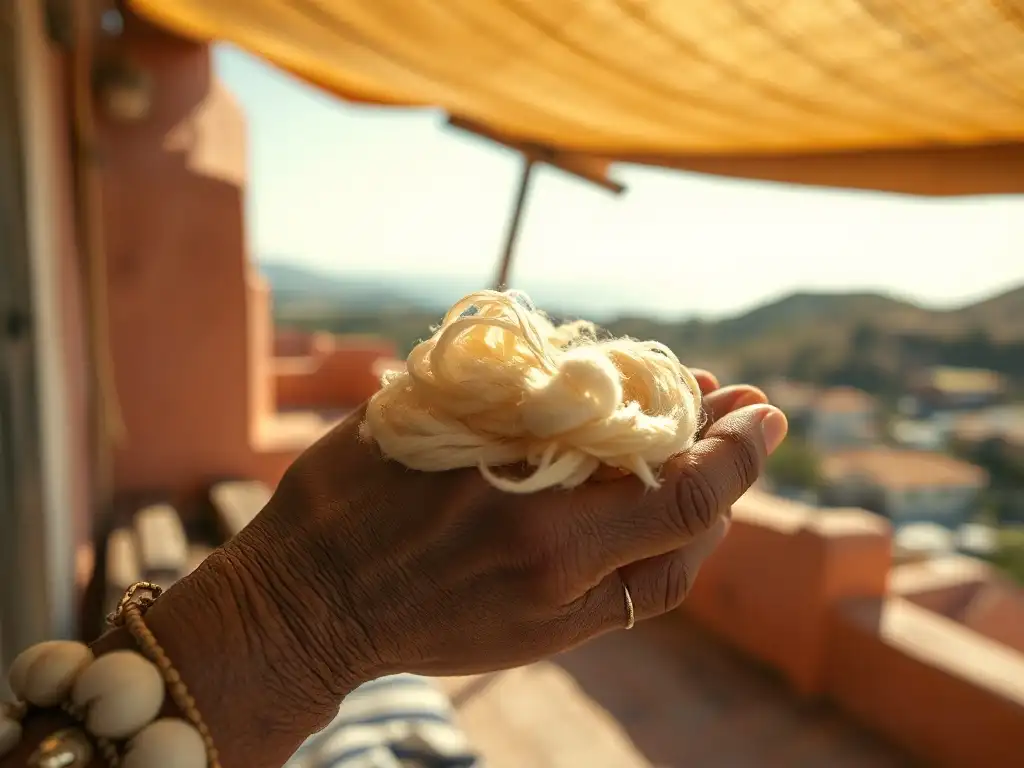
Andean cotton, a staple fiber in the rich tapestry of Andean textile production, boasts a unique history intertwined with the civilizations that flourished along the Peruvian coast. Unlike the coarse cottons found in other parts of the world, Andean cotton possessed exceptionally long fibers, resulting in a remarkably soft and fine yarn. This superior quality made it highly prized for creating intricate textiles, often reserved for elite members of society or used in sacred ceremonies. The cultivation of this prized cotton was not a simple task.
Farmers meticulously tended to the plants, employing sophisticated irrigation techniques to ensure optimal growth in the often arid coastal regions. Evidence suggests that different varieties of cotton were cultivated, each possessing unique characteristics in terms of fiber length, color, and strength. This allowed Andean weavers to create textiles with a stunning range of textures and hues. The meticulous cultivation and processing of Andean cotton reflect the deep understanding these cultures had of their environment and the profound importance they placed on textile production.
The resulting textiles were not merely functional; they were imbued with cultural significance, often adorned with elaborate designs that communicated social status, religious beliefs, and historical narratives. The legacy of Andean cotton continues to inspire contemporary textile artists and researchers, who marvel at the ingenuity and artistry of the ancient Andean cultures. The fine quality of the cotton itself is still a subject of study, with researchers attempting to understand the genetic factors that contributed to its unique properties.
Camelid Fibers: Alpaca, Llama, and Vicuña
The high Andes, a seemingly unforgiving landscape, provided the ancient Andean civilizations with another crucial resource: camelid fibers. Alpaca, llama, and vicuña—each with unique characteristics—were sheared and their fleece carefully processed into luxurious yarns. Llama fiber, known for its strength and durability, was often used for everyday garments and utilitarian textiles. Alpaca, on the other hand, offered a softer, finer fiber, prized for its warmth and luxurious feel, frequently used in finer clothing and textiles intended for special occasions.
The vicuña, a wild camelid, yielded the most prized fiber of all—incredibly soft, fine, and lightweight. Vicuña wool was reserved for the elite, often used for the clothing of royalty and religious figures. The harvesting of vicuña fiber was a carefully regulated practice, often involving communal efforts and rituals that ensured the sustainability of the population.
The intricate relationship between the Andean peoples and these camelids highlights the deep understanding of animal husbandry and resource management that characterized their societies. The different types of camelid fibers allowed Andean weavers to create a diverse range of textiles, each with its own specific qualities and applications, showcasing the resourcefulness and adaptability of these ancient cultures. The use of camelid fibers continues to play a significant role in contemporary Andean textile production, maintaining a centuries-old tradition.
Other Plant Fibers: Strength and Diversity
Beyond cotton, the resourceful Andean weavers utilized a variety of other plant fibers to create durable and versatile textiles. These included fibers derived from plants like agave, yucca, and various species of cacti. Agave, for example, provided a strong and resilient fiber ideal for making ropes, sacks, and other utilitarian items.
Yucca, with its softer fibers, was often incorporated into woven fabrics, adding to their texture and durability. Different plants offered fibers with diverse characteristics, enabling the creation of textiles suitable for a wide range of purposes. The ingenious use of these readily available plant fibers underscores the deep understanding Andean cultures possessed of their environment and the ability to adapt and make use of the resources available to them.
These lesser-known fibers are often overlooked in discussions of Andean textiles, yet their importance in the overall textile production and the daily life of the Andean communities cannot be underestimated. Further research is needed to fully understand the range of plant fibers utilized and the specific techniques employed in their processing and weaving. The study of these diverse fibers provides a deeper understanding of the ingenuity and resourcefulness of Andean textile production.
- Introduction: Unveiling the Origins of Andean Textiles
- Andean Textile Materials: A Journey Through Nature's Bounty
- The Core Fibers: Primary Sources for Andean Weaving
- Alpaca Wool: The Golden Fleece of the Andes
- Llama Fiber: Versatility in the Andean Highlands
- Vicuña Wool: The Rarest and Most Prized Fiber
- Andean Cotton: Coastal Fiber for Fine Weaving
- Camelid Fibers: Alpaca, Llama, and Vicuña
- Other Plant Fibers: Strength and Diversity
- What were the primary sources of fiber for Andean textiles?
- How did the geographical location influence textile production?
- What techniques were used to process the fibers before weaving?
- Were the dyes used in Andean textiles natural or synthetic?
- How did the availability of textile materials impact Andean society?
Beyond the Main Fibers: Supplementary Andean Textile Materials
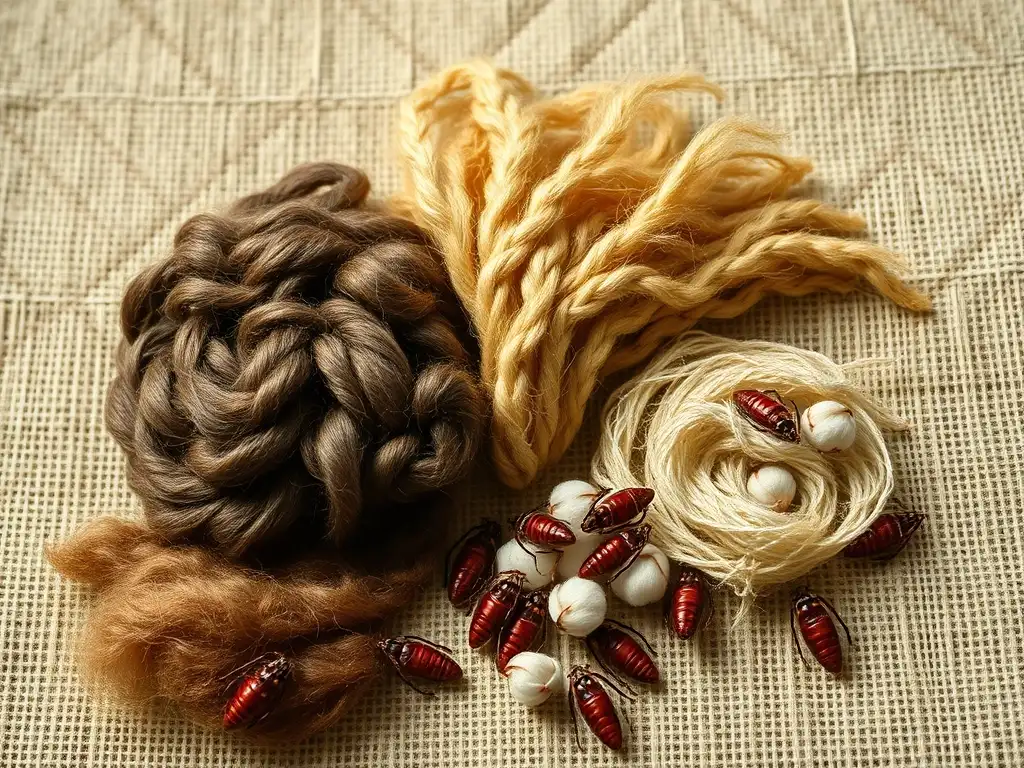
The vibrant and intricate textiles of the Andes are renowned for their use of alpaca, llama, vicuña, and guanaco fibers. However, a deeper understanding of Andean textile materials sources reveals a more nuanced picture, encompassing a range of supplementary materials that contributed significantly to the durability, texture, and aesthetic appeal of the finished products. These additions, often overlooked, played a crucial role in the overall production process and the final product's longevity.
Understanding these supplementary materials provides a more complete appreciation for the ingenuity and resourcefulness of Andean artisans. Beyond the primary fibers, we find evidence of the strategic use of plant-based materials for strengthening, softening, and adding decorative elements to the textiles. These materials were carefully selected and expertly incorporated, demonstrating a profound connection between the Andean people and their environment.
The skillful integration of these supplementary materials showcases a sophisticated understanding of material properties and textile production techniques. This section delves into some of these often-overlooked yet crucial components.
Natural Dyes: The Colors of the Andes
The breathtaking colors found in Andean textiles weren't achieved through synthetic dyes. Instead, Andean artisans harnessed the vibrant hues of their natural surroundings, utilizing a wide array of plants, insects, and minerals. The sourcing and preparation of these dyes were themselves complex processes, passed down through generations. The resulting shades were not only aesthetically pleasing but also often imbued with symbolic meaning, reflecting the rich cosmology and spiritual beliefs of the Andean cultures.
The most common sources included plants like Tarwi (Lupinus mutabilis) for yellows and creams, various species of Cacti for reds and purples, and Bixa orellana (annatto) for oranges and yellows. Insects, such as the cochineal beetle ( Dactylopius coccus), provided rich crimson and scarlet hues, highly valued for their intensity and longevity. Minerals, such as clays and ochres, offered a range of earthy tones, from browns and yellows to reds and oranges.
The precise recipes and techniques for extracting and applying these dyes varied across different regions and cultures, contributing to the unique characteristics of Andean textile traditions. The preparation often involved complex processes of boiling, fermentation, and mordanting (using a substance to fix the dye to the fiber), reflecting a sophisticated understanding of chemistry and material science. The resulting colors were incredibly stable, with many surviving for centuries, a testament to the mastery of Andean dyeing techniques.
Spinning and Weaving Tools: Essential for Transforming Fibers
The transformation of raw Andean textile materials sources into finished textiles relied heavily on specialized tools. These tools, crafted with meticulous care from readily available materials like wood, bone, and stone, were essential for each stage of the process – from preparing the fibers to creating the intricate woven patterns. The design and functionality of these tools reflected both practical considerations and aesthetic preferences. The tools themselves tell a story of technological innovation and adaptation to the unique challenges of the Andean environment.
The process began with the careful sorting and cleaning of the fibers. Then, using a spindle whorl and distaff, the fibers were spun into yarn, a process requiring considerable skill and dexterity. Different types of spindles were used depending on the fiber type and the desired yarn thickness. The loom, the centerpiece of Andean weaving, varied in design and complexity across different regions and time periods.
Backstrap looms, characterized by their portability and adaptability, were commonly used for producing a wide range of textiles, from clothing to tapestries. The use of different types of heddles and shuttles allowed for the creation of diverse weaving techniques and patterns. Beyond the loom itself, other tools like combs, beaters, and needles were crucial for manipulating the yarn and creating the desired texture and finish.
The precision and sophistication of these tools underscore the highly developed technological expertise of Andean artisans. The careful craftsmanship evident in these tools provides further insight into the value placed on textile production within Andean societies. The durability and effectiveness of these tools, many of which were passed down through generations, reflect the enduring nature of Andean textile traditions.
Myths and Realities: Debunking Common Misconceptions about Andean Textile Materials
This section delves into some prevalent misconceptions surrounding the sources of Andean textile materials, separating fact from fiction and highlighting the complexities involved in their production. Understanding these nuances is crucial for appreciating the true artistry and cultural significance embedded within these remarkable textiles. We will explore the diverse range of materials used and the often-overlooked environmental and labor aspects of their creation. The term "Andean textile materials sources" encompasses a far wider scope than many initially assume.
Myth: All Andean Textiles Are Made of Alpaca.
A common misconception is that all Andean textiles are crafted solely from alpaca fiber. While alpaca fiber is indeed highly prized for its softness and warmth, and is a significant component in many Andean textiles, it's far from the only material used. The diverse Andean landscape provided a rich tapestry of resources for textile production.
Llama fiber, known for its strength and durability, was also extensively used, particularly for items requiring resilience, like ropes and carrying bags. Vicuña, renowned for its luxurious fineness, was reserved for elite garments and ceremonial objects. Furthermore, cotton, cultivated in warmer valleys, was another crucial material, valued for its breathability and comfort.
Finally, various plant fibers, such as those from cacti and agave, were utilized for specific applications, demonstrating the ingenuity and adaptability of Andean artisans. The reality is far more nuanced than the singular focus on alpaca often suggests. A thorough understanding of Andean textile materials sources reveals a sophisticated use of diverse fibers tailored to specific needs and social status.
Myth: Natural Dyes Are Always Environmentally Friendly.
The perception of natural dyes as inherently environmentally friendly needs careful consideration. While many natural dyes derived from plants, insects, and minerals are less harmful than synthetic alternatives, the process of harvesting and preparing them can still have environmental impacts. For instance, the large-scale harvesting of certain plants for dyeing could potentially affect local ecosystems if not managed sustainably.
Moreover, some dyes require the use of mordants – substances that help the dye bind to the fiber – and some mordants, like certain metals, can have negative environmental consequences if not properly handled. The overall environmental impact depends heavily on the specific dye, the sourcing practices, and the disposal of waste products.
Therefore, a more accurate statement would be that some natural dyes are environmentally friendlier than synthetic options, but careful consideration of the entire production process is essential for a truly sustainable approach to Andean textile production. The misconception of inherent eco-friendliness overlooks the complex realities of dye sourcing and processing.
Reality: The Process is Labor-Intensive and Highly Skilled.
The creation of Andean textiles is a remarkably labor-intensive and highly skilled process. From shearing the animals and preparing the fibers to spinning the yarn, weaving the cloth, and applying the dyes, each stage demands considerable time, patience, and expertise. Traditional techniques, often passed down through generations, involve intricate hand processes that require significant dexterity and knowledge.
The intricate designs and complex weaving patterns found in many Andean textiles are testaments to the high level of skill and artistry involved. Furthermore, the preparation of natural dyes is itself a time-consuming and specialized process, requiring knowledge of the plants and minerals used and the intricate techniques for extracting and applying the colors.
Understanding the labor intensity involved is vital for appreciating the true value and cultural significance embedded in these exceptional textiles. The often-overlooked labor component is a crucial aspect of understanding the true cost and value of Andean textile materials sources.
Frequently Asked Questions
What were the primary sources of fiber for Andean textiles?
The Andean civilizations utilized a variety of fiber sources, including alpaca, llama, vicuña, and guanaco for wool, as well as cotton grown in warmer valleys. The choice of fiber often depended on the altitude and climate.
How did the geographical location influence textile production?
The diverse geography of the Andes provided a wide range of materials. High-altitude regions yielded camelid fibers, while lower altitudes were suitable for cotton cultivation. This varied environment directly impacted textile production and style.
What techniques were used to process the fibers before weaving?
Before weaving, fibers underwent processes like cleaning, carding, and spinning. These techniques transformed raw materials into usable yarn, showcasing the advanced knowledge of Andean textile artisans.
Were the dyes used in Andean textiles natural or synthetic?
Andean textiles were almost exclusively dyed with natural pigments derived from plants, minerals, and insects. These vibrant colors were remarkably durable and reflected the sophisticated understanding of natural resources.
How did the availability of textile materials impact Andean society?
Access to various fibers and dye sources influenced social status and trade. Luxury textiles made from vicuña or specific dyes often signified wealth and power within Andean communities.
Final Reflection: Weaving the Past into the Present
The intricate relationship between Andean communities and their textile materials remains as vibrant and significant today as it was centuries ago. Understanding the origins of these materials—from the resilient alpaca fleece to the vibrant dyes derived from native plants—is not merely an academic exercise; it's a key to unlocking a profound cultural heritage and ensuring its sustainability for future generations. The very fibers themselves whisper stories of resilience, adaptation, and a deep connection to the land.
The enduring legacy of Andean textile traditions is a testament to the ingenuity and resourcefulness of the people who have cultivated these practices for millennia. Their artistry is not simply about creating beautiful cloth; it's a living expression of their identity, their history, and their relationship with the natural world. The threads themselves are a language, telling stories of the land, the people, and the spirits that inhabit them.
– (This quote should be replaced with a relevant quote from your research or a fittingly evocative quote about Andean textiles). The impact of these traditions extends beyond the Andes, influencing global fashion trends and inspiring artists worldwide.
Consider the threads that make up your own life. What are the sources of your strength, your creativity, your connection to the world around you? Just as the Andean weavers carefully select their materials, so too should we be mindful of the resources we utilize and the impact we have on the environment and the communities around us. Let the legacy of Andean textiles inspire you to appreciate the rich tapestry of human ingenuity and the importance of sustainable practices, encouraging you to weave your own story with intention and respect for the world we share.
**Unveil the Rich Tapestry of Andean Textiles! **
Thank you for exploring the fascinating world of Andean textiles with us! You've gained insight into the intricate relationship between the Andean mountains and the vibrant fabrics that tell stories of rich culture and enduring traditions. Now, let's continue your journey of discovery.
Here are some ways to deepen your understanding of this captivating art form:
- **Learn traditional weaving techniques** by enrolling in a local workshop or online course.
- **Share your newfound knowledge! ** Discuss what you've learned with friends, family, or online communities, inspiring others to appreciate the beauty and artistry of Andean textiles.
- **Create your own textile masterpiece** by experimenting with natural dyes and materials. Many online resources offer guidance on this exciting process.
Before you go, we'd love to hear your thoughts! **What aspect of Andean textiles captivated you most, and how would you like to explore it further? ** We value your feedback and are eager to hear about your experiences.