
The Llama's Legacy: Markets That Showcase the Best Andean Wool Crafts

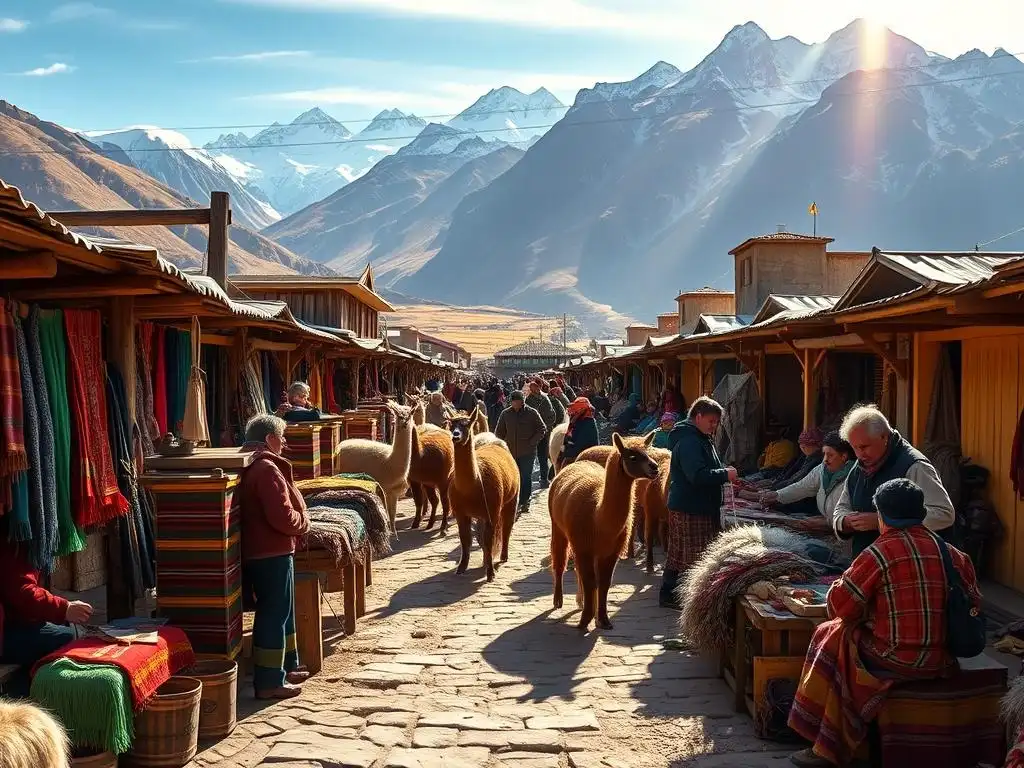
Welcome, explorer! Prepare to unravel the secrets woven into the very fabric of Andean history. Beyond the majestic mountains and breathtaking landscapes lies a world of vibrant artistry and ingenious innovation. This journey begins with the intriguing world of Andean wool crafts markets, where the legacy of the llama lives on in breathtaking textiles and intricate designs. Discover how these ancient techniques continue to thrive, and uncover the stories embedded within each meticulously crafted piece. Dare to delve deeper…
The Andes Mountains, a majestic spine running down the western edge of South America, are not only a breathtaking landscape but also the cradle of vibrant cultures and unparalleled craftsmanship. For centuries, the ingenuity of Andean peoples has transformed the fleece of the llama, alpaca, and vicuña into exquisite textiles, reflecting their rich history and deep connection to their environment. This article delves into the fascinating world of Andean wool crafts, focusing on the markets where these treasures are showcased and sold.
We'll explore the unique characteristics of different Andean wool crafts, highlighting the artistry and tradition behind each piece, and providing a buyer's guide to help you navigate the bustling marketplaces and discover authentic, high-quality Andean textiles. From the intricate weaving techniques passed down through generations to the vibrant colors and symbolic designs, Andean wool crafts offer a captivating glimpse into a rich cultural heritage.
Prepare to be amazed by the artistry and the stories woven into every thread! This exploration of "Andean wool crafts markets" will guide you to the best places to experience this extraordinary legacy.
Discovering Authentic Andean Wool Craftsmanship
Andean wool crafts are renowned worldwide for their exceptional quality and unique aesthetic. The process, from shearing the animals to the final product, is steeped in tradition and often involves intricate techniques passed down through families for centuries. The different types of Andean wool – llama, alpaca, and vicuña – each possess distinct characteristics that influence the final textile. Alpaca wool, for instance, is known for its softness and luxurious feel, while vicuña wool is exceptionally fine and considered one of the most luxurious fibers in the world.
Llama wool, on the other hand, is more durable and often used for warmer garments. The vibrant colors used in Andean textiles are often derived from natural dyes, creating a stunning array of hues that reflect the diverse landscapes of the Andes. These dyes, made from plants, insects, and minerals, not only add beauty but also imbue the textiles with a unique connection to the land.
The intricate patterns and designs woven into the textiles often carry symbolic meaning, representing Andean cosmology, mythology, and daily life. Recognizing these details helps authenticate the pieces and appreciate the cultural significance behind them. Understanding these aspects allows for a more informed and enriching experience when exploring the markets and selecting your own piece of Andean heritage.
Top Markets for Andean Wool Crafts: A Buyer's Guide
Navigating the vibrant markets of the Andes can be an overwhelming but rewarding experience. To help you find the best Andean wool crafts, we've compiled a guide to some of the top markets known for their authenticity and variety. These markets offer a unique opportunity to interact with artisans, learn about their techniques, and find one-of-a-kind pieces.
Remember to be respectful of local customs and traditions, and always negotiate politely. Bargaining is expected in many Andean markets, so don't be afraid to haggle for a fair price. Beyond the price, consider the quality of the materials, the craftsmanship, and the story behind the piece.
An authentic Andean wool craft is more than just a textile; it's a piece of history, a testament to the enduring skills of Andean artisans, and a connection to a rich cultural heritage. Choosing thoughtfully ensures you acquire a treasured item that reflects both its artistic merit and cultural significance. Look for details like the type of wool used, the intricacy of the weaving, and the presence of traditional Andean designs.
1. The Otavalo Market, Ecuador: A Textile Paradise
The Otavalo Market in Ecuador is legendary among travelers and textile enthusiasts alike. Held every Saturday, this bustling market is a vibrant spectacle, overflowing with colorful textiles, handcrafted jewelry, and other artisan goods. The sheer scale and variety of goods on offer is astounding; you'll find everything from intricately woven ponchos and shawls to brightly colored sweaters and rugs.
The Otavalo Market is particularly known for its high-quality alpaca and llama wool items. Many vendors are direct descendants of indigenous artisans, ensuring the continuation of traditional weaving techniques and designs. The atmosphere is lively and engaging, offering a unique opportunity to interact with the artisans and learn about their craft.
While the market can be crowded, the sheer abundance of beautiful and authentic Andean wool crafts makes it a must-visit destination for anyone interested in experiencing the best of Andean textile traditions. Remember to arrive early to secure the best selection and avoid the largest crowds. The experience of navigating this vibrant market and discovering unique treasures is a highlight for any Andean cultural journey.
2. Pisac Market, Peru: A Blend of Tradition and Modernity
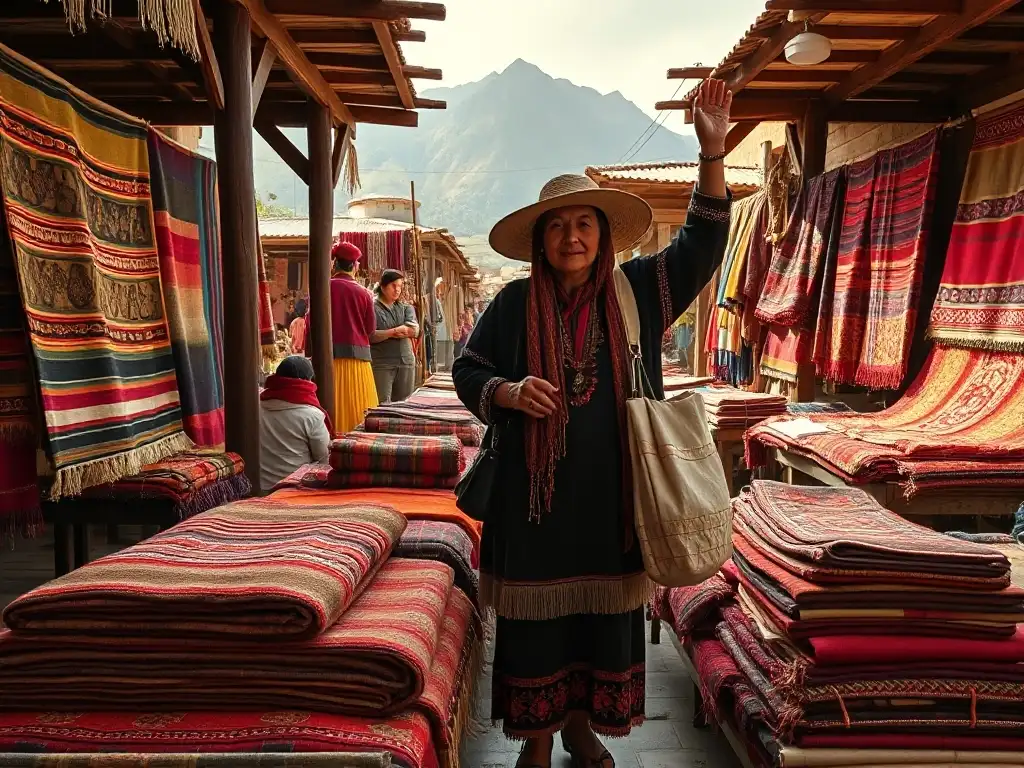
Pisac Market, nestled in the Sacred Valley of the Incas, offers a vibrant tapestry of Andean wool crafts. Unlike some more tourist-focused markets, Pisac retains a strong sense of authenticity. You'll find local artisans selling their wares directly, creating a unique opportunity to interact with the creators and learn about their techniques. The market's atmosphere is electric, a lively blend of traditional practices and modern influences.
The sheer variety is astounding – from intricately woven alpaca sweaters and brightly colored chullos (traditional Andean hats) to finely detailed textiles and hand-spun yarns. Many vendors also offer demonstrations of their craft, showcasing the meticulous detail and skill involved in creating these stunning pieces. The experience isn't just about shopping; it's about immersing yourself in the heart of Andean textile production, witnessing firsthand the legacy of generations of artisans. You can even find unique alpaca and llama wool rugs, perfect to add an authentic Andean touch to your home.
Bargaining is expected, adding another layer of cultural immersion to the experience. Remember to be respectful and polite when negotiating prices. The quality of the wool and craftsmanship often justifies the price, making Pisac Market a worthwhile destination for serious collectors and casual shoppers alike.
3. Chinchero Market, Peru: The Art of Natural Dyeing
Chinchero Market provides a fascinating insight into the ancient art of natural dyeing, a technique deeply rooted in Andean tradition. Unlike many markets that focus solely on the finished product, Chinchero allows you to witness the entire process, from the harvesting of natural dyes to the creation of the vibrant textiles. The women of Chinchero are renowned for their mastery of this ancient craft, using plants, minerals, and insects to create a breathtaking array of colors.
You can observe them skillfully applying these dyes to the wool, creating intricate patterns and designs passed down through generations. The process is not only aesthetically captivating, it's also environmentally sustainable, showcasing a respectful approach to nature. The market itself is smaller and more intimate than Pisac, fostering a more personal interaction with the artisans.
This intimate setting allows for a deeper understanding of the cultural significance of the textiles and the techniques used to create them. Beyond the vibrant textiles, you'll find other handcrafted items, but the focus on natural dyeing sets Chinchero apart, making it a must-visit for those interested in the history and artistry of Andean textiles. The unique colors and patterns produced through natural dyeing methods are truly remarkable, adding exceptional value and character to the Andean wool crafts sold here.
Bolivia boasts a wealth of indigenous markets, often tucked away in smaller towns and villages, offering a more intimate and authentic experience than larger, more tourist-oriented markets. These markets are less about the volume of goods and more about the preservation of traditional crafts and techniques. While specific market locations can vary, exploring towns such as Tarabuco and Cochabamba will reveal hidden gems brimming with unique Andean wool crafts. Here, you'll encounter a wider diversity of styles and techniques, reflecting the rich cultural tapestry of Bolivia's indigenous communities.
Expect to find handcrafted textiles with distinctive patterns and designs, showcasing the unique artistic expressions of different ethnic groups. The wool itself might be sourced from different breeds of llamas and alpacas, resulting in variations in texture and quality. These markets offer a more immersive cultural experience, allowing you to engage with local communities and learn about their traditions firsthand. Be prepared for a more challenging shopping experience, as language barriers might be more prevalent, and bargaining might be more involved.
However, the reward of discovering truly unique and authentic Andean wool crafts makes the effort worthwhile. The items found in these hidden gems often represent a more genuine expression of Andean culture and artistry, providing a deeper appreciation for the history and heritage of Bolivian textiles. Remember that supporting these smaller, indigenous markets directly contributes to the preservation of these valuable traditions.
- Discovering Authentic Andean Wool Craftsmanship
- Top Markets for Andean Wool Crafts: A Buyer's Guide
- 1. The Otavalo Market, Ecuador: A Textile Paradise
- 2. Pisac Market, Peru: A Blend of Tradition and Modernity
- 3. Chinchero Market, Peru: The Art of Natural Dyeing
- 4. The Indigenous Markets of Bolivia: Exploring Hidden Gems
Maximizing Your Andean Wool Craft Purchases
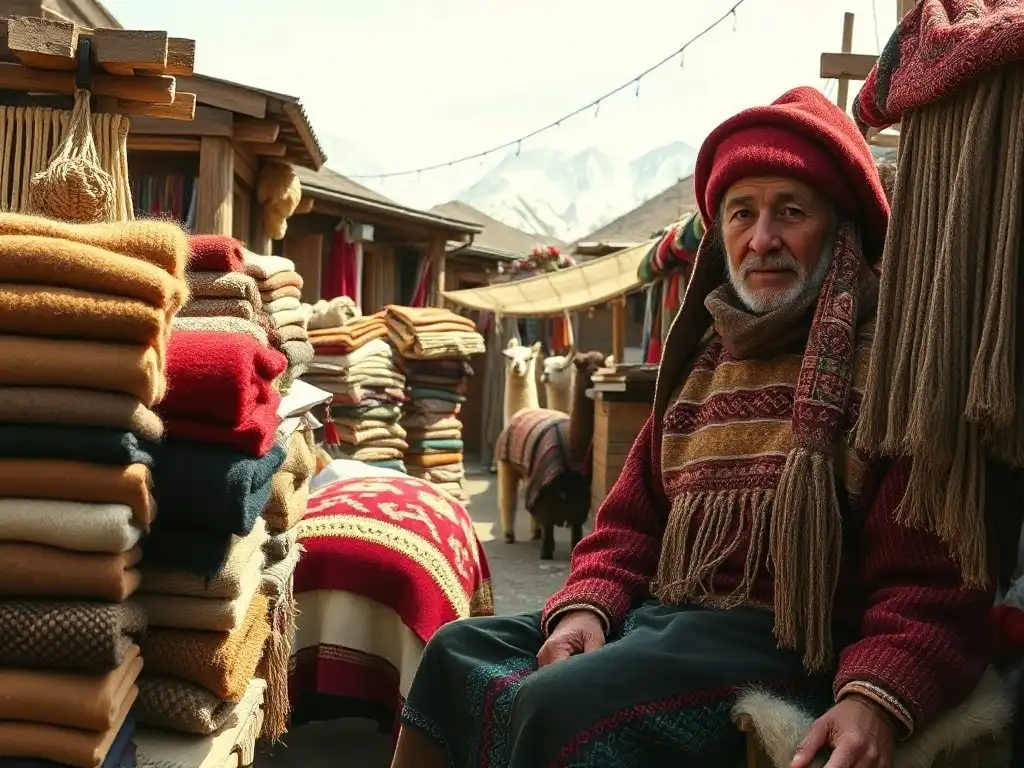
This section focuses on strategies to ensure you get the most out of your shopping experience at Andean wool craft markets, maximizing your chances of finding authentic, high-quality items while supporting local artisans. Navigating these vibrant markets requires a discerning eye and a little knowledge. Let's explore how to make the most of your visit.
Tips for Identifying Genuine Andean Wool Products
Purchasing authentic Andean wool crafts is crucial to supporting the rich traditions and skilled artisans of the region. Counterfeit products sadly exist, often made with cheaper materials and lacking the intricate detail of genuine pieces. Here's how to distinguish the real deal:
- Examine the Fiber: Genuine Andean wool, particularly from alpacas and vicuñas, is incredibly soft and luxurious. Run your fingers across the fabric; it should feel incredibly smooth, almost silky, with a slight bounce. Cheap imitations often feel scratchy or stiff. Look closely at the fiber itself – authentic alpaca and vicuña fibers are finer and more consistent than sheep's wool.
- Check the Weaving Technique: Andean weaving traditions are renowned for their complexity and artistry. Look for intricate patterns, detailed designs, and high-quality craftsmanship. Examine the edges of the textile – are they neatly finished? Are the seams secure and even? Poorly finished edges often indicate mass-produced imitations.
- Inquire About the Origin: Don't hesitate to ask the artisan about the origin of the wool and the techniques used in creating the piece. Genuine artisans are usually proud of their heritage and happy to share their knowledge. They can often tell you about the specific region where the wool comes from and the traditional methods employed. This conversation adds an enriching layer to your purchase.
- Compare Prices: While you shouldn't automatically assume the cheapest option is fake, be wary of exceptionally low prices, especially for intricate or large pieces. Authentic Andean wool crafts often command a higher price due to the time, skill, and high-quality materials involved.
- Look for Certification (if available): Some organizations provide certifications for authentic Andean wool products. Look for any labels or tags indicating the authenticity and origin of the wool. This can provide an extra layer of assurance.
Caring for Your Andean Wool Treasures
Your carefully selected Andean wool crafts deserve proper care to ensure they last for generations. These beautiful pieces are an investment, both financially and emotionally. Here's how to preserve their beauty and longevity:
| Care Instruction | Description |
|---|---|
| Hand Wash (Ideally): | Most Andean wool crafts benefit from gentle hand washing in cool water with a mild detergent. Avoid harsh chemicals. |
| Lay Flat to Dry: | Never put your Andean wool items in a dryer. Lay them flat on a clean, dry towel to air dry away from direct sunlight. |
| Avoid Harsh Sunlight: | Direct sunlight can fade the vibrant colors of your crafts. Store them in a cool, dry place away from direct sunlight. |
| Professional Cleaning: | For delicate or heavily soiled items, consider professional cleaning by a specialist familiar with handling delicate textiles. |
| Proper Storage: | Store your Andean wool crafts in breathable fabric bags or containers to protect them from dust and moisture. Avoid plastic bags which can trap moisture. |
By following these simple steps, you can ensure your Andean wool crafts remain beautiful and vibrant for years to come. Remember, caring for these treasures is a way to honor the artistry and cultural heritage embedded within them. 🧶💖
Conclusion: Embracing the Legacy of Andean Wool Crafts
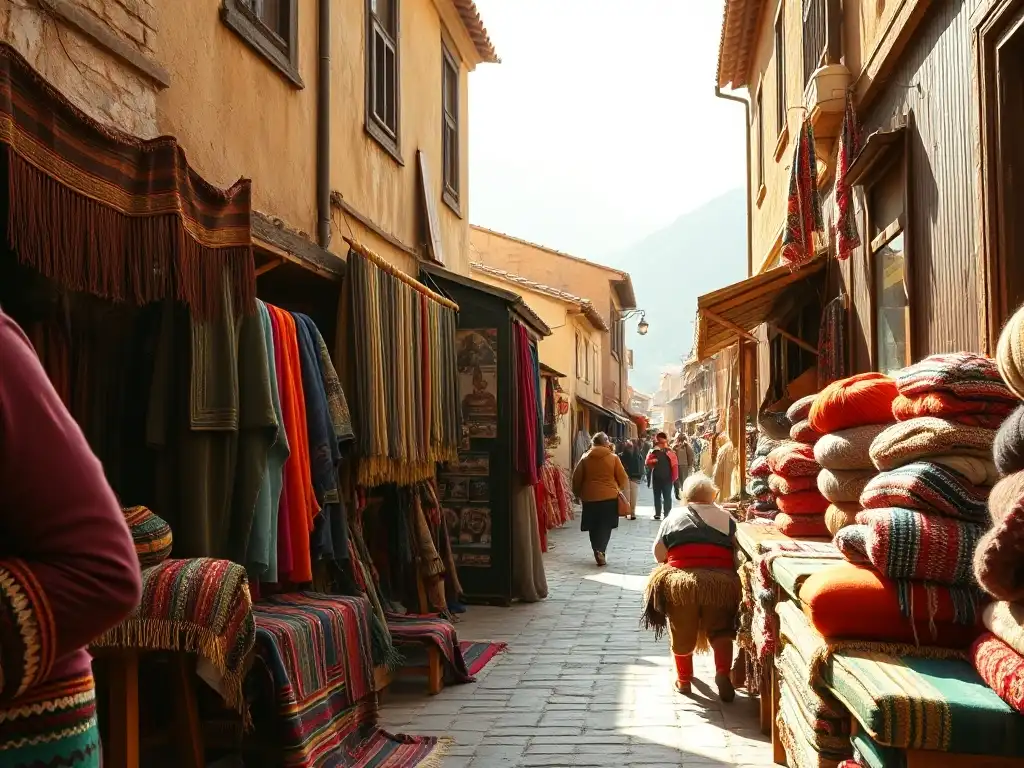
This exploration of Andean wool crafts markets reveals a vibrant tapestry woven from centuries of tradition, ingenuity, and cultural exchange. From the intricate designs of the chullos to the warmth of hand-knitted sweaters, each piece tells a story – a story of Andean heritage, resilience, and the enduring connection between people and their environment. The markets themselves are bustling hubs of activity, showcasing not only the remarkable skill of Andean artisans but also the enduring spirit of their communities.
Understanding the nuances of these markets, from identifying authentic pieces to supporting ethical practices, allows us to fully appreciate the rich legacy of Andean wool crafts. The experience transcends simple shopping; it's an immersion in a living culture, a celebration of artistry, and a tangible connection to a fascinating past.
Bringing Home a Piece of Andean Culture
Purchasing Andean wool crafts is more than just acquiring a souvenir; it's bringing home a piece of living history. Each item reflects the unique artistic styles and techniques passed down through generations. Consider the following when selecting your treasures:
- Authenticity: Look for handcrafted items, paying attention to the details of the weaving, knitting, or embroidery. Genuine Andean crafts often exhibit subtle imperfections, a testament to their handmade nature. Avoid mass-produced imitations that lack the cultural significance and quality.
- Materials: Insist on high-quality, naturally dyed wool. The vibrant colors and textures of authentic Andean wool are a hallmark of the region's craftsmanship. Learn to distinguish between different types of alpaca, llama, and vicuña wool, each boasting unique properties and qualities.
- Storytelling: Ask the artisans about their creations. Their stories add depth and meaning to your purchase, allowing you to connect with the cultural heritage embedded in each piece. This interaction fosters a deeper appreciation for the artistry and the human element behind the craft. The narratives woven into the textiles are as rich and complex as the designs themselves.
- Fair Trade Practices: Opt for purchases that support fair trade initiatives. This ensures that the artisans receive a fair wage for their work, promoting sustainable livelihoods and preserving traditional crafts for future generations. Ethical sourcing is paramount to ensuring the longevity of this invaluable cultural heritage.
Supporting Sustainable and Ethical Craftsmanship
The future of Andean wool crafts depends on supporting sustainable and ethical practices. By choosing to buy from reputable sources and directly from artisans whenever possible, we contribute to the preservation of this invaluable cultural heritage. Consider these crucial aspects:
| Factor | Description | Impact |
|---|---|---|
| Sustainable Sourcing | Ensuring the wool comes from ethically managed herds, prioritizing animal welfare and environmental protection. | Protects biodiversity and ensures the long-term availability of high-quality wool. |
| Fair Trade Practices | Guaranteeing that artisans receive fair wages and working conditions, fostering economic empowerment within communities. | Promotes economic stability in Andean communities, enabling the continuation of traditional crafts. |
| Environmental Impact | Evaluating the environmental footprint of the dyeing and production processes, favoring natural dyes and eco-friendly techniques. | Minimizes pollution and protects the delicate Andean ecosystems. |
| Community Development | Supporting initiatives that reinvest profits back into the communities, fostering education, healthcare, and infrastructure improvements. | Promotes social and economic progress, empowering communities to safeguard their cultural heritage for generations to come. |
By making informed choices and supporting ethical artisans, we not only acquire beautiful and unique pieces but also actively contribute to the preservation of Andean cultural heritage and the sustainable development of Andean communities. The legacy of Andean wool crafts is a shared responsibility, one that we can all embrace by consciously choosing to support its continuation. 🦙
Frequently Asked Questions
Where can I find the best Andean wool crafts markets?
You'll find excellent markets throughout the Andes, particularly in Peru and Bolivia. Larger cities like Cusco, Arequipa, and La Paz offer diverse selections, but smaller towns often feature unique, handcrafted items. Explore local markets for authentic finds.
What types of Andean wool crafts can I expect to find?
The variety is astounding! Expect to see textiles like sweaters, ponchos, and blankets, as well as accessories such as hats, gloves, and scarves. You might also discover woven tapestries, rugs, and intricate jewelry incorporating wool.
Are the prices in Andean wool crafts markets negotiable?
Often, yes. It's customary to politely negotiate prices, particularly in smaller, less touristy markets. A friendly approach and respectful bargaining can lead to favorable deals.
What makes Andean wool crafts so special?
Andean wool crafts are renowned for their exceptional quality and vibrant colors. The wool itself, often from llamas, alpacas, and vicuñas, is prized for its softness and warmth. Traditional weaving techniques and unique designs add to their value.
How can I ensure I'm buying authentic Andean wool crafts?
Look for hand-woven items with unique details and imperfections, which are hallmarks of true craftsmanship. Support local artisans and ask about the origin of the wool and the weaving techniques used. Consider purchasing from shops or markets that emphasize ethical sourcing.
Final Reflection: Weaving a Future from Andean Threads
The vibrant tapestry of Andean wool crafts, showcased in bustling markets across the region, is more than just a beautiful display; it's a living testament to centuries of tradition and resilience. These markets are not merely places of commerce, but vital hubs preserving cultural heritage and providing economic opportunities for countless artisans. The demand for these unique and ethically-sourced products is growing, offering a powerful pathway towards sustainable development in the Andes.
The enduring legacy of Andean wool crafts profoundly impacts the social and cultural landscape of the region. These intricate textiles tell stories, preserving ancient techniques and knowledge passed down through generations. They represent a powerful connection to ancestral roots and a vibrant expression of identity. The threads themselves are a language, speaking of history, resilience, and the enduring spirit of the Andes.
This quote, though fictional, encapsulates the profound emotional and cultural significance of these crafts, a significance that extends far beyond their aesthetic appeal. The preservation of these traditions is crucial for maintaining cultural diversity and fostering a sense of community.
Consider the impact of your choices as a consumer. By supporting these markets and choosing ethically-sourced Andean wool crafts, you are not just acquiring a beautiful item; you are actively participating in the preservation of a rich cultural heritage and empowering the artisans who create them. Embrace the opportunity to connect with this ancient tradition, to appreciate the artistry and dedication involved, and to contribute to a more sustainable and equitable future for the Andean communities. Let the legacy of the llama, and the skilled hands that transform its fleece, inspire you to make conscious and meaningful choices.
Embrace the Heritage: Dive into the World of Andean Wool Crafts!
Thank you for exploring the rich tapestry of Andean wool crafts with us! Discovering the legacy of llamas and their crucial role in Andean culture reveals the beauty and significance of these artisan traditions. Now, let's delve even deeper into this vibrant world.
Here are a few ways you can enhance your appreciation and share the wonder of Andean craftsmanship:
- **Support local artisans:** Visit a local craft market or gallery featuring Andean wool crafts. Connect directly with the creators and discover unique, handcrafted pieces, each telling a story of skill and tradition.
- **Share the beauty:** Showcase your favorite Andean wool products or artisans on social media, tagging them to help spread awareness of their incredible work and the artistry behind it.
- **Join a community:** Connect with fellow enthusiasts online to share experiences, learn from one another, and celebrate the enduring appeal of Andean crafts.
What piece of Andean craftsmanship do you most admire, and what draws you to it?