
Threads of the Divine: The Religious Symbolism in Andean Weaving

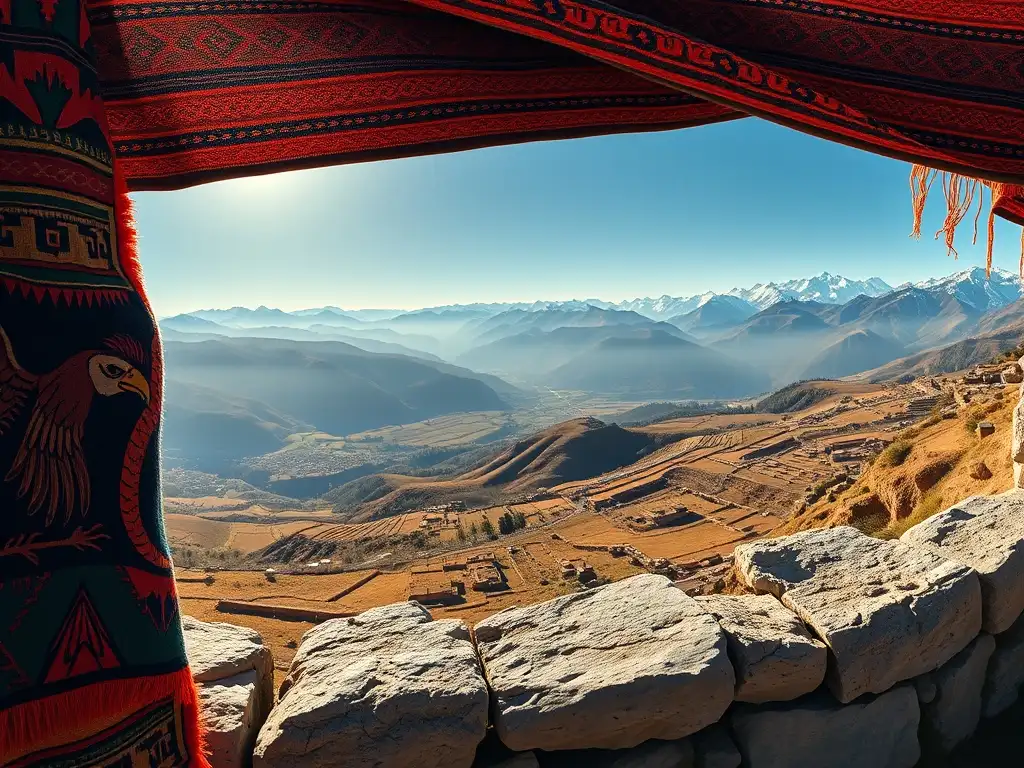
Unravel the mysteries of a lost world. For centuries, the Andes Mountains have held secrets woven into the very fabric of their civilizations. Here, you'll embark on a journey through the breathtaking artistry and profound spirituality of the ancient Andean cultures. Discover how intricate Andean weaving served as more than just clothing—it was a powerful language of religious symbolism. Prepare to be captivated by the stories encoded in every thread, as we delve into the fascinating world of "Andean weaving religious symbolism."
-
Threads of the Divine: Unveiling the Religious Symbolism in Andean Weaving
- Introduction to Andean Textile Art and Spirituality
- Understanding the Sacred Nature of Andean Weaving
- Andean Weaving Religious Symbolism: A Deep Dive
- Key Deities Represented in Andean Textiles
- Decoding Common Religious Motifs in Andean Weaving
- Materials and Techniques with Sacred Significance
- How to Appreciate and Interpret Religious Symbolism in Andean Weaving Today
- Preserving the Legacy of Andean Religious Textiles
- Conclusion: The Enduring Spiritual Power of Andean Weaving
-
Frequently Asked Questions
- What is the significance of weaving in Andean cultures?
- How did Andean weavers incorporate religious symbolism into their textiles?
- What specific religious beliefs are reflected in Andean weavings?
- Which Andean cultures are known for their religiously symbolic textiles?
- Where can I learn more about Andean weaving and its religious symbolism?
- Final Reflection: Unraveling the Sacred in Andean Threads
- Weave Your Own Threads of Connection!
Threads of the Divine: Unveiling the Religious Symbolism in Andean Weaving
The vibrant textiles of the Andes are far more than mere clothing or decorative items; they are powerful expressions of spirituality, deeply interwoven with the religious beliefs and cosmology of the ancient Andean civilizations. From the intricate designs of the Inca to the mesmerizing patterns of the Nazca, these textiles served as conduits to the divine, embodying a complex system of symbolism that reflected their worldview and connection to the natural world.
This exploration delves into the fascinating world of Andean weaving, uncovering the rich religious symbolism embedded within its threads and revealing how these textiles served as tangible representations of their spiritual beliefs. We will examine specific examples from various Andean cultures, highlighting the recurring motifs and their significance in understanding the religious practices and cosmology of these remarkable societies.
This journey through the threads of the divine will illuminate the profound spiritual significance woven into the very fabric of Andean culture.
Introduction to Andean Textile Art and Spirituality
Andean textile art is renowned for its exceptional craftsmanship and intricate designs. The production of textiles was not merely a craft; it was a sacred act, deeply intertwined with religious practices and beliefs. The process, from the shearing of the alpaca or llama to the final weaving, was imbued with ritualistic significance.
Spiritual leaders often played a crucial role in guiding the creation of these textiles, ensuring their alignment with the divine. The materials themselves – the wool from camelids, the dyes derived from natural sources – held symbolic meaning, further connecting the textiles to the spiritual realm. The colors used, for example, often represented specific deities or natural elements, adding layers of meaning to the already complex designs.
Understanding this profound connection between textile production and spirituality is crucial to appreciating the religious symbolism encoded within Andean weavings. Consider, for instance, the intricate knotting techniques, often interpreted as representing connections to the ancestors or the celestial realm. These weren't merely decorative choices; they were deliberate acts of spiritual creation.
Understanding the Sacred Nature of Andean Weaving
The sacred nature of Andean weaving is evident in the various rituals and ceremonies surrounding its creation and use. Textiles were frequently used in religious ceremonies, adorning sacred objects, being offered as sacrifices, or used as garments for priests and shamans. The designs themselves often depicted mythological figures, celestial events, or sacred landscapes, reinforcing their spiritual significance.
The use of specific colors and patterns further contributed to their religious meaning, with certain combinations representing specific deities or cosmological concepts. For example, the color red was often associated with the sun god, while specific geometric patterns might represent the Andean worldview of a layered cosmos. The creation process itself was often accompanied by prayers and offerings, ensuring the textile's alignment with the divine.
Moreover, the textiles were not simply created for immediate use; many were intended as offerings to deities or ancestors, reflecting a belief in the continuity between the living and the spiritual world. The careful preservation of certain textiles across generations further emphasizes their enduring sacred value.
Andean Weaving Religious Symbolism: A Deep Dive
Analyzing Andean weaving reveals a rich tapestry of religious symbolism. Recurring motifs, such as the khipu (a system of knotted cords used for record-keeping, often with religious connotations), the depiction of mythical creatures like the condor and the puma, and representations of agricultural cycles all point to a deep connection between the spiritual and the material world. The intricate patterns often reflected the Andean understanding of the cosmos, with specific elements representing the sky, earth, and underworld.
Detailed studies of surviving textiles reveal a sophisticated system of codified symbols, allowing for a deeper understanding of the religious beliefs and practices of these civilizations. Further research is needed to fully decipher the meaning of all the symbols, but the existing evidence strongly suggests a complex and nuanced system of religious expression through textile art.
The preservation and study of these textiles offer invaluable insights into the worldview and spiritual practices of the ancient Andean peoples, demonstrating the profound role of weaving in their religious life. The meticulous detail and the clear intentionality embedded within the designs underscore the sacred nature of these artifacts and their enduring power to connect us to the rich spiritual heritage of the Andes.
Key Deities Represented in Andean Textiles
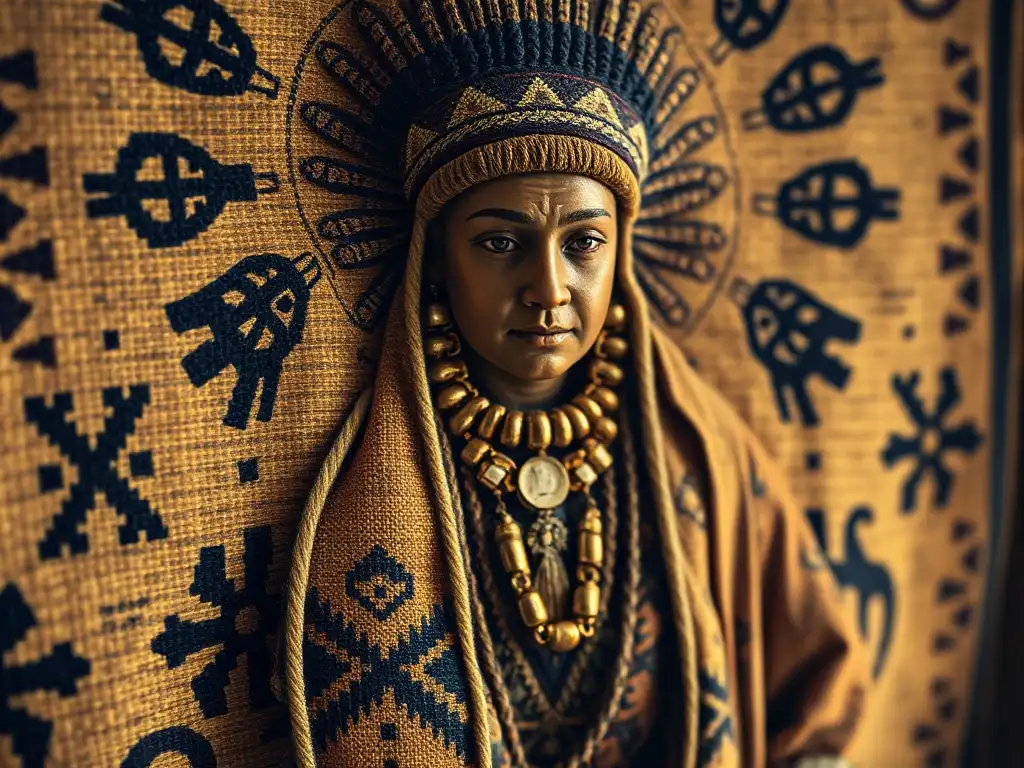
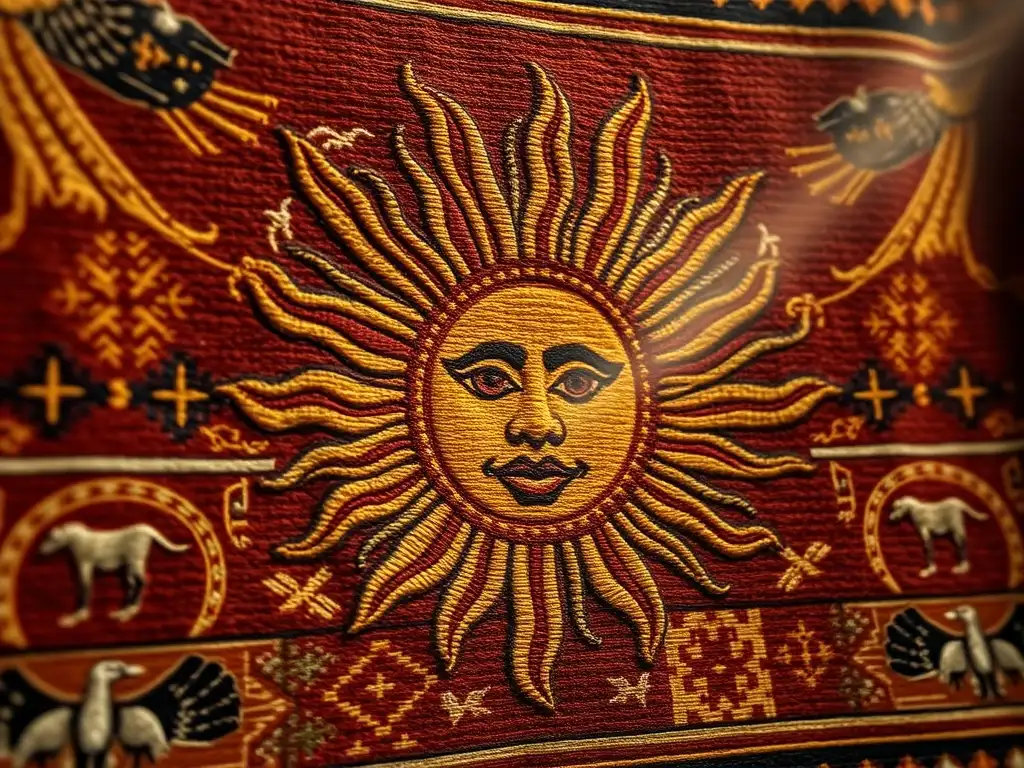
Andean textiles frequently depicted key figures from the pantheon of the various Andean cultures. The representation varied depending on the specific civilization and time period, reflecting the evolving religious beliefs and practices. For instance, in Inca textiles, the sun god, Inti, was a prominent figure, often portrayed with radiating sunbursts or within a circular frame symbolizing the celestial sphere. His importance is underscored by the frequent use of gold thread in his depiction, highlighting his association with wealth and power.
Similarly, the moon goddess, Mama Killa, was often represented alongside Inti, emphasizing the duality and balance of the cosmos. In other Andean cultures, such as the Moche, different deities held prominence. Their textiles often featured depictions of Ai Apaec, a powerful deity associated with warfare and fertility, often shown with ferocious features and elaborate headdresses. The intricate detail and vibrant colors used in these representations reflect the deep reverence and significance these deities held within their respective societies.
The specific iconography varied, but the overall message remained consistent: the textiles served as a visual testament to the power and influence of the divine in the daily lives of Andean people. Even seemingly minor deities were woven into the fabric of Andean life, their presence subtly reminding the people of their connection to the spiritual world. Scholars continue to unravel the complex symbolism present in these ancient textiles, revealing new insights into the religious beliefs and practices of these fascinating cultures.
Decoding Common Religious Motifs in Andean Weaving
Beyond the representation of specific deities, Andean weaving incorporated numerous recurring motifs imbued with deep religious symbolism. The use of geometric patterns, such as stepped pyramids, zigzags, and spirals, often carried cosmological significance, representing mountains, rivers, or the celestial pathways of the sun and moon. These patterns weren't merely decorative; they were visual representations of the Andean worldview, reflecting their understanding of the cosmos and their place within it. For example, the stepped pyramid motif, frequently found in textiles from various Andean cultures, might represent the sacred mountains, which were considered dwelling places of the gods.
The zigzag pattern, often associated with lightning and water, could symbolize the life-giving forces of nature. Spirals, on the other hand, might represent the cyclical nature of time and the continuous renewal of life. Furthermore, the use of specific colors also held symbolic meaning. Red, for instance, was often associated with blood, fertility, and the earth, while yellow represented gold, the sun, and royalty.
The combination of these motifs and colors created complex narratives, conveying intricate religious messages and beliefs. Understanding these motifs provides crucial insight into the cosmology and religious practices of the ancient Andean civilizations. The complexity of these designs underscores the sophistication of Andean textile traditions and their deep connection to the spiritual realm. The careful study of these motifs continues to illuminate the rich tapestry of Andean religious thought.
Materials and Techniques with Sacred Significance
The very materials and techniques used in Andean weaving held significant religious meaning, further emphasizing the sacred nature of these textiles. The choice of fibers, such as alpaca or vicuña wool, was not arbitrary. These animals were often considered sacred, and their wool was imbued with spiritual power. The process of shearing, spinning, and weaving itself was often accompanied by rituals and prayers, ensuring the textiles were imbued with positive energy and spiritual protection.
The use of specific dyes, derived from natural sources like plants and insects, further contributed to the sacred nature of the textiles. Certain dyes, like the vibrant purples and reds obtained from cochineal insects, were highly prized and associated with royalty and divinity. The intricate techniques employed, such as tapestry weaving or brocade, also held symbolic significance. The precision and artistry involved demonstrated the weaver's skill and devotion, reflecting the importance of the textile's sacred purpose.
The time and effort invested in creating these textiles underscore their value beyond mere utilitarian objects; they were imbued with spiritual energy and served as powerful conduits between the human and divine realms. The meticulous craftsmanship served as a tangible expression of faith and devotion, creating objects that were both beautiful and spiritually significant. Analyzing the materials and techniques used reveals a deep understanding of the religious significance embedded within the very fabric of Andean textiles.
How to Appreciate and Interpret Religious Symbolism in Andean Weaving Today
Understanding the religious symbolism embedded within Andean textiles requires a multi-faceted approach. It's not simply about identifying individual motifs, but about grasping the context in which they were created and used. For example, a simple geometric pattern might represent a deity, a celestial event, or an agricultural cycle depending on its placement within the larger textile and the cultural group that produced it.
Careful observation is key. Note the colors used – vibrant reds might symbolize blood or fertility, while deep blues could represent the sky or water. The materials themselves hold significance; the use of alpaca wool versus llama wool, for instance, might indicate social status or a connection to specific deities associated with those animals. Furthermore, the technique employed – intricate tapestry weaving versus simpler techniques – reflects the time and skill invested, often signifying the importance of the textile and its intended purpose.
Beyond visual analysis, researching the specific cultural group and time period associated with a textile provides crucial context. Ethnographic studies, archaeological findings, and historical accounts offer invaluable insights into the meaning and significance of various motifs. Museums and academic institutions often hold extensive collections of Andean textiles accompanied by detailed research, providing a rich resource for deeper understanding.
Finally, engaging with contemporary Andean communities who continue these traditions can offer unique perspectives and interpretations, bridging the gap between ancient practices and modern understanding. This holistic approach allows for a richer and more nuanced appreciation of the religious symbolism woven into these magnificent textiles.
Preserving the Legacy of Andean Religious Textiles
The preservation of Andean religious textiles is crucial for maintaining cultural heritage and understanding the profound spiritual significance embedded within them. These textiles are fragile, susceptible to damage from light, humidity, and insects. Therefore, careful storage and conservation practices are essential. This includes maintaining stable environmental conditions, using acid-free materials for storage and handling, and employing specialized cleaning and restoration techniques when necessary.
Many museums and cultural institutions dedicate significant resources to preserving these invaluable artifacts. They employ trained conservators who utilize advanced techniques to stabilize and repair damaged textiles, ensuring their long-term survival. Furthermore, ongoing research is vital to deepen our understanding of the materials used, the techniques employed, and the cultural context in which these textiles were created. This research informs conservation strategies and ensures that preservation efforts are informed and effective.
Beyond institutional efforts, community involvement plays a crucial role. Traditional Andean communities often hold their own knowledge and practices for preserving textiles, passed down through generations. Supporting these communities and their traditional textile-making practices is essential not only for preserving the physical artifacts but also for safeguarding the living cultural traditions that give them meaning. This includes promoting fair trade practices, supporting textile workshops, and documenting traditional techniques and knowledge before they are lost. The preservation of Andean religious textiles is a collaborative effort that requires the commitment of institutions, researchers, and communities alike.
Conclusion: The Enduring Spiritual Power of Andean Weaving
Andean weaving, far from being a mere craft, serves as a powerful testament to the enduring spiritual beliefs and practices of the Andean civilizations. The intricate designs and symbolic motifs woven into these textiles offer a window into a rich and complex religious worldview, revealing the profound connection between the Andean peoples and the natural world, their deities, and their ancestors. From the vibrant colors representing celestial bodies and earthly elements to the intricate patterns symbolizing sacred narratives and rituals, Andean textiles continue to resonate with a spiritual power that transcends time.
Studying Andean weaving provides invaluable insights into the religious beliefs and practices of past civilizations, enriching our understanding of human spirituality and cultural expression. The preservation and study of these textiles are not simply acts of historical preservation but also acts of cultural revitalization, ensuring that the spiritual legacy of the Andean peoples continues to inspire and inform future generations. The enduring power of Andean weaving lies not only in its aesthetic beauty but also in its capacity to connect us to a rich and complex spiritual heritage, reminding us of the enduring human need to find meaning and connection in the world around us.
The legacy of Andean weaving is a powerful reminder of the enduring human spirit and its capacity for creativity and spiritual expression. 🌎
Frequently Asked Questions
What is the significance of weaving in Andean cultures?
Weaving held immense religious and social significance in Andean cultures. It was not merely a craft, but a sacred act connecting the people to their gods and ancestors. Textiles were imbued with spiritual power.
How did Andean weavers incorporate religious symbolism into their textiles?
Andean weavers used complex iconography including stylized animals, deities, and mythical beings to represent spiritual beliefs. Geometric patterns and colours also held specific meanings, often relating to cosmological concepts. These symbols were carefully woven to transmit spiritual messages.
What specific religious beliefs are reflected in Andean weavings?
Andean weavings reflect beliefs in a complex pantheon of gods and goddesses, ancestor veneration, and the importance of fertility and agriculture. They also depict the relationship between the human and spiritual worlds, and the cyclical nature of life and death.
Which Andean cultures are known for their religiously symbolic textiles?
Many Andean cultures created textiles with rich religious symbolism, including the Inca, Moche, Nazca, and Paracas. Each civilization had its unique stylistic conventions and iconography, yet shared common threads in their use of textiles to express spiritual beliefs.
Where can I learn more about Andean weaving and its religious symbolism?
You can explore museums with collections of Andean textiles, such as the Larco Museum in Lima, Peru, or research scholarly articles and books on Andean archaeology and textile studies. Many online resources also provide information on this fascinating topic.
Final Reflection: Unraveling the Sacred in Andean Threads
The intricate artistry of Andean weaving isn't merely decorative; it's a vibrant tapestry woven with threads of faith, reflecting a profound spiritual connection to the cosmos that resonates powerfully even today. These ancient designs, far from being relics of a bygone era, offer a compelling lens through which to understand the enduring power of religious symbolism and its capacity to shape cultural identity. The enduring legacy of these textiles speaks volumes about the human need to connect with something larger than ourselves.
The enduring influence of Andean weaving's religious symbolism is undeniable, shaping not only the aesthetic landscape but also the very fabric of Andean cultural identity. These textiles serve as living testaments to a rich spiritual heritage, passed down through generations, whispering stories of gods, ancestors, and the cyclical rhythms of life and death. The threads themselves become a language, a visual prayer, a tangible connection to the divine.
This quote, though not from an Andean source, perfectly captures the essence of the spiritual power embedded within these intricate designs. Their continued presence in modern Andean life, often subtly incorporated into contemporary clothing and art, underscores their ongoing significance.
Consider the intricate details, the vibrant colors, the symbolic motifs you've encountered throughout this article. Now, I invite you to reflect on your own relationship with symbolism and spirituality. How do you connect with the sacred in your own life? What stories do your personal symbols tell? Let the threads of the Andean weavings inspire you to explore the rich tapestry of your own spiritual journey, recognizing the profound power of symbolism to connect us to something greater than ourselves and to the enduring legacy of human creativity and faith.
Weave Your Own Threads of Connection!
Thank you for exploring the rich tapestry of religious symbolism in Andean weaving! Your curiosity about this vibrant culture has undoubtedly deepened your appreciation for the intricate stories and meanings woven into each piece. Ready to put your newfound knowledge into practice? Here's how you can make a difference:
- Begin your own weaving journey by joining a local weaving workshop or finding online tutorials to learn the techniques and symbolism behind Andean textiles. Many resources are available for all skill levels.
- Share your discoveries! Discuss what you've learned with friends and family, or post about it on social media to inspire others. Sharing your passion can be incredibly rewarding.
- Support local artisans and help preserve traditional crafts by visiting nearby craft fairs or galleries showcasing Andean art. Your patronage directly supports these talented individuals and their communities.
As you delve deeper into this fascinating world, consider the unique stories your own creations could tell. What personal experiences or perspectives could you weave into your work?