
The Language of Andean Art: Understanding Symbols and Their Meanings

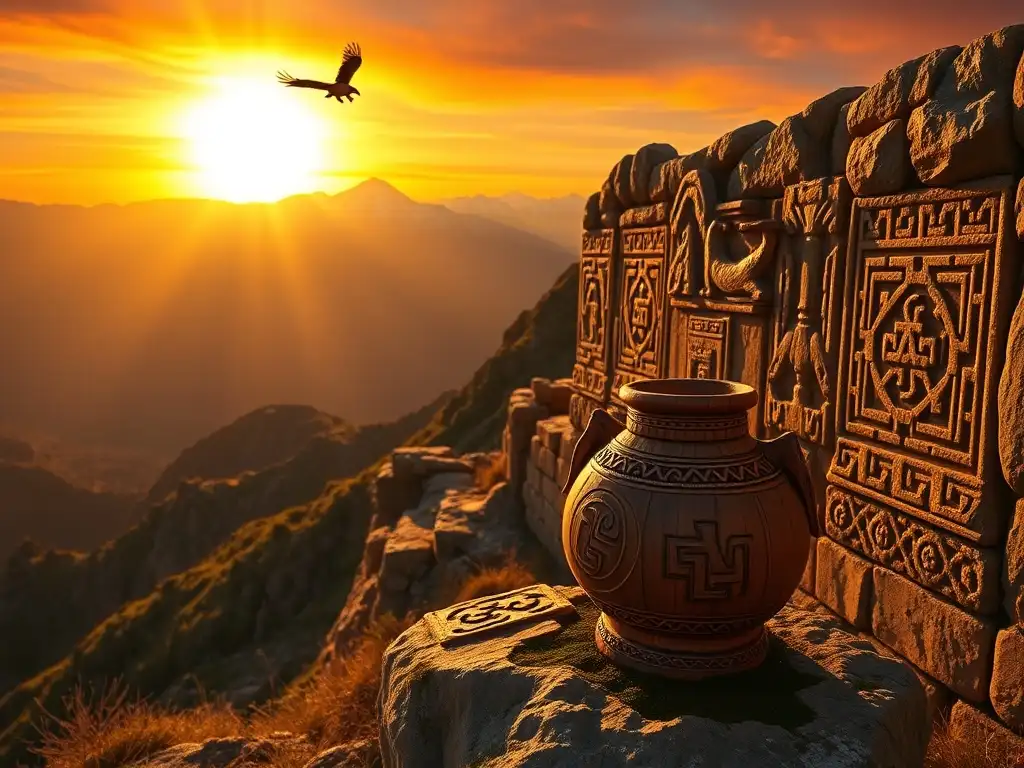
Dive into the captivating world of Andean Civilizations, where the echoes of ancient empires still resonate. From the intricate artistry of the Nazca lines to the monumental architecture of the Incas, a hidden language awaits discovery. Unravel the mysteries behind the Andean art symbols meaning and unlock the secrets held within these remarkable cultures. Prepare to be amazed by the ingenuity and spiritual depth reflected in their breathtaking creations – your journey into the heart of Andean history begins now.
The vibrant tapestry of Andean art, spanning millennia and encompassing diverse cultures like the Inca, Moche, Nazca, and Tiahuanaco, is rich with symbolism. More than mere decoration, these intricate designs, woven into textiles, carved into ceramics, and etched into metalwork, served as a powerful means of communication, conveying complex narratives, religious beliefs, social structures, and even astronomical observations.
This article delves into the fascinating world of Andean art symbols, exploring their meanings and the cultural context that shaped their creation. Understanding these symbols provides a deeper appreciation for the ingenuity and sophistication of these ancient civilizations and unlocks a window into their rich spiritual and societal lives.
We will uncover the visual vocabulary used by Andean artisans, revealing the stories hidden within their masterful creations and providing collectors with crucial knowledge for authenticating and interpreting their acquisitions. This journey will illuminate how the careful observation of Andean art symbols can enhance the understanding and appreciation of these invaluable cultural artifacts.
Decoding the Visual Vocabulary of Andean Cultures: An Introduction
Andean art is not simply aesthetically pleasing; it’s a complex system of visual communication. Symbols, often repeated and combined in intricate patterns, conveyed profound meanings. For example, the recurring motif of the puma in Inca art represents power, strength, and nobility, while the condor, a master of the skies, symbolizes spiritual connection and the realm of the gods. Geometric designs, such as stepped pyramids and spirals, often represent cosmological concepts, reflecting Andean beliefs about the relationship between the earthly and spiritual worlds.
The precise meaning of a symbol, however, can vary depending on the specific culture and the context in which it appears. For instance, a particular geometric pattern might signify fertility in Nazca art but represent social hierarchy in Tiahuanaco. Therefore, understanding the cultural context is paramount to accurate interpretation.
Detailed study of archaeological findings, combined with ethnographic research and the analysis of surviving texts (where applicable), helps to unravel the intricacies of these visual languages. Careful consideration of the materials used – gold, silver, feathers, textiles – further enriches our understanding, as the choice of material often holds symbolic weight. The use of color also plays a crucial role; for example, red might represent blood and sacrifice, while yellow could symbolize the sun and its life-giving power.
Why is Understanding Andean Art Symbols Meaning Important?
Understanding the meaning behind Andean art symbols is crucial for several reasons. Firstly, it allows for a more profound appreciation of the artistic achievements of these ancient cultures. Instead of simply admiring the beauty of an object, we can begin to understand the thought processes and beliefs that shaped its creation. Secondly, this knowledge is essential for authenticating Andean artifacts.
Collectors and museums rely on a thorough understanding of stylistic conventions and symbolic language to distinguish genuine pieces from forgeries. The ability to identify specific stylistic features and recurring motifs allows for more accurate dating and attribution. Thirdly, interpreting Andean art symbols helps to preserve and transmit cultural heritage. By understanding the stories encoded within these artworks, we can better appreciate the richness and diversity of Andean cultures and ensure that their legacy continues to inspire future generations.
Finally, this knowledge contributes to a more holistic understanding of Andean history, providing insights into social structures, religious beliefs, and cosmological perspectives that might otherwise remain hidden. The accurate interpretation of Andean art symbols is, therefore, not simply an academic pursuit, but a vital component of cultural preservation and appreciation. The more we understand these symbols, the better equipped we are to protect and celebrate the extraordinary heritage of the Andean world.
The Challenge of Interpreting Ancient Andean Iconography
Interpreting ancient Andean art is a fascinating but complex undertaking. Unlike many other ancient cultures that left behind extensive written records, the Andean civilizations relied heavily on visual communication through intricate textiles, ceramics, and metalwork. This reliance on visual language presents significant challenges for modern researchers. The meanings of many symbols remain debated, and there's no single "key" to unlock their secrets.
Furthermore, the meaning of a symbol could vary across different cultures and time periods within the Andes. A specific motif might represent fertility in one context, power in another, or even something entirely different depending on its placement within a larger artwork. The lack of a standardized written language means that interpretations often rely on careful observation of context, stylistic analysis, and comparison with similar artifacts. Researchers must consider the materials used, the techniques employed, and the overall composition of the artwork to piece together potential meanings.
Cross-referencing with archaeological findings and anthropological studies also plays a crucial role in building a more complete understanding. Ultimately, the interpretation of Andean art is an ongoing process of scholarly investigation, constantly refined and updated as new evidence emerges. The inherent ambiguity, however, is part of what makes studying Andean iconography so engaging and rewarding.
Step-by-Step Guide: How to Identify Common Andean Art Symbols
This guide provides a structured approach to understanding the symbolism found in Andean art. By breaking down the analysis into manageable steps, we can gain a better appreciation for the rich visual language of these ancient cultures. Remember, interpretation is often subjective, and multiple meanings might coexist. This guide aims to offer a foundational understanding, encouraging further exploration and research. The key is to observe carefully, compare across various pieces, and consider the broader context of the artifact.
Step 1: Recognizing Animal Motifs in Andean Art
Animals played a significant role in Andean cosmology and mythology. Identifying animal motifs is a crucial first step in understanding the message conveyed in Andean artwork. Commonly depicted animals include condors, representing power and altitude; jaguars, symbolizing strength and ferocity; snakes, associated with fertility and the underworld; and llamas, representing domesticity and wealth. However, the meaning of an animal could be influenced by its posture, associated objects, and the overall composition of the artwork.
For example, a condor depicted in flight might represent freedom and spiritual transcendence, while a condor perched on a mountain peak might symbolize power and dominion over a specific territory. Careful observation of details is paramount. Are the animals depicted realistically or stylized?
Are they shown in isolation or interacting with other elements? These questions are essential to a more nuanced interpretation. Pay close attention to the details—even subtle variations in the depiction can alter the meaning.
Step 2: Understanding Geometric Shapes and Patterns in Andean Artwork
Geometric shapes and patterns are ubiquitous in Andean art, often carrying complex symbolic meanings. Simple shapes like triangles, squares, and circles might represent mountains, fields, or celestial bodies. More intricate patterns, such as stepped frets or zigzags, could represent agricultural terraces, water channels, or even the pathways of the cosmos. The repetition of these patterns can also add significance.
For example, the repetition of a specific geometric shape might emphasize its importance or represent the cyclical nature of life and death. Furthermore, the colors used in these patterns can also add another layer of meaning. For instance, red might represent blood or fertility, while yellow might represent the sun or gold. The interplay of color and shape is fundamental to unlocking the deeper meanings within the artwork.
Consider the overall composition and how the shapes relate to each other. Are they arranged symmetrically or asymmetrically? Do they create a sense of balance or tension? These are crucial questions to consider during your analysis.
Step 3: Identifying Anthropomorphic Figures and Deities
Anthropomorphic figures, often depicting deities or ancestors, are common in Andean art. These figures can be highly stylized, making identification challenging. However, certain recurring features can help in their interpretation. For instance, specific headdresses, clothing, or accessories can indicate the figure's status or identity.
The presence of staffs, scepters, or other regalia can further indicate power and authority. Analyzing the context in which these figures appear is crucial. Are they depicted in isolation or interacting with other figures or elements? Are they shown performing specific actions or rituals?
The answers to these questions can provide valuable insights into their roles and significance within the Andean worldview. Remember, these figures are not simply representations of individuals but often embody complex concepts and beliefs. Careful observation of details, combined with broader knowledge of Andean mythology and religion, is essential for a thorough interpretation. Comparing figures across different artifacts can also reveal common iconographic elements and help to establish a more comprehensive understanding.
Common Problems in Interpreting Andean Art and Their Solutions
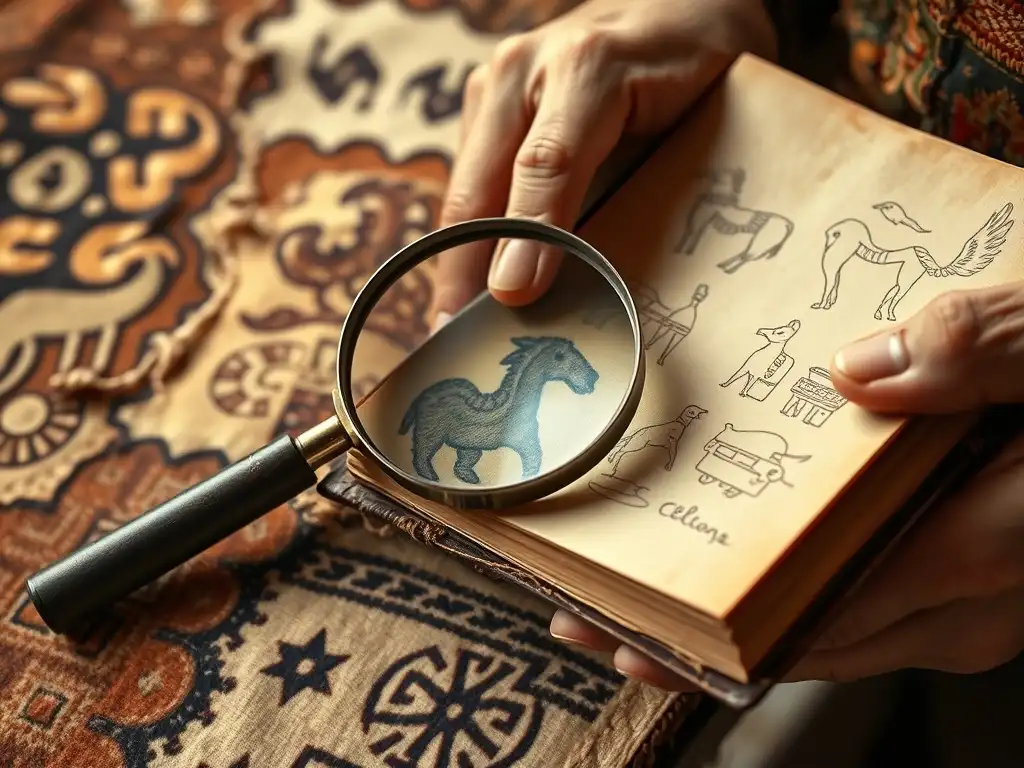
Interpreting Andean art requires careful consideration and a nuanced understanding. Many challenges arise for both novice and experienced collectors, stemming from the art's age, complexity, and cultural context. Let's explore some common issues and practical solutions.
Problem 1: Lack of Context and Historical Knowledge
One significant hurdle in understanding Andean art symbols is the lack of historical context. Many artifacts lack detailed accompanying records, making it difficult to ascertain their precise purpose, creation date, or the societal role they played. For example, a seemingly simple geometric pattern on a textile might represent a complex cosmological belief system, a clan marker, or even a record of historical events, depending on the specific culture and period. Without thorough research into the relevant Andean civilization (Inca, Moche, Nazca, etc. ), the true meaning remains elusive.
To overcome this, rigorous scholarly research is essential. Consulting academic journals, books focusing on Andean iconography, and reputable museum databases can provide crucial background information. Cross-referencing findings from multiple sources helps build a more robust and reliable interpretation. Furthermore, engaging with experts in Andean archaeology and art history can offer invaluable insights and guidance.
Problem 2: Misinterpreting Symbols Due to Cultural Differences
Interpreting Andean art symbols requires acknowledging significant cultural differences between the Andean worldview and our own. What might appear as a simple decorative motif to a modern observer could hold profound religious, social, or political significance within its original context. For instance, a particular animal representation might symbolize fertility, power, or a deity, depending on the specific culture and its associated mythology. Directly imposing modern interpretations onto these symbols risks severe misinterpretations.
To mitigate this, a deep dive into the specific cultural beliefs and practices of the relevant Andean civilization is crucial. Understanding their cosmology, social structures, and religious systems is paramount to deciphering the intended meaning of the symbols. This necessitates studying anthropological and ethnological sources alongside art historical research. Adopting a humble and respectful approach, acknowledging the limitations of our understanding from a different cultural perspective, is vital for accurate interpretation.
Problem 3: Difficulty in Differentiating Between Genuine Artifacts and Replicas
The market for Andean art frequently encounters the problem of identifying authentic artifacts versus skillfully crafted replicas. The age and delicate nature of many pieces make it challenging to distinguish between genuine antiquities and modern forgeries. Replicas, often produced for the tourist market, can be incredibly deceptive, leading to misinterpretations and financial losses. To avoid this pitfall, careful examination of the artifact is paramount.
This includes assessing the material's age and provenance, looking for signs of wear and tear consistent with age, and scrutinizing the craftsmanship for inconsistencies. Engaging a reputable appraiser or expert in Andean art is highly recommended, particularly for high-value pieces. They possess the expertise to analyze the artifact's materials, techniques, and stylistic elements to determine its authenticity. Furthermore, purchasing from established and reputable dealers with a proven track record of authenticity is a crucial protective measure.
Where to Find Authentic Andean Art and Artifacts (Monetization Focus)
Acquiring authentic Andean artifacts requires careful consideration and ethical practices. Here are some avenues to explore, balancing the collector's desires with the preservation of cultural heritage.
Recommended Sources for Collectors: Live Auctioneers
Live auctioneers provide a platform where collectors can find a wide range of Andean artifacts, from textiles to pottery to metalwork. Reputable auction houses often include detailed provenance information, providing insights into the artifact's history and authenticity. However, it's crucial to thoroughly research the auction house's reputation and the specific lot's description before bidding. Carefully examining high-resolution images and seeking expert opinions when necessary is crucial to avoid purchasing forgeries or pieces with unclear provenance. This rigorous approach safeguards both your financial investment and the ethical integrity of your collection.
Supporting Local Andean Artisans: Novica Fair Trade Shop
Beyond acquiring antique pieces, supporting contemporary Andean artisans offers a valuable way to engage with the cultural heritage. Platforms like Novica showcase the work of skilled artisans, ensuring fair trade practices and providing opportunities for sustainable economic development within Andean communities. By purchasing contemporary Andean art, collectors contribute directly to the preservation of traditional techniques and artistic styles while supporting the livelihoods of the artisans.
This approach aligns with ethical collecting principles and fosters a deeper connection to the living culture of the Andes. This fosters a deeper appreciation for the artistic traditions and strengthens the cultural heritage of the Andean region.
The Importance of Ethical Collecting and the preservation of the Andean culture
Ethical collecting is paramount when dealing with Andean art. It's crucial to ensure that acquisitions don't contribute to the illicit trafficking of cultural artifacts or the exploitation of Andean communities. Prioritizing pieces with clear provenance and supporting reputable dealers helps prevent the acquisition of looted or illegally obtained items.
Furthermore, contributing to organizations dedicated to the preservation of Andean heritage supports the long-term protection of these invaluable cultural treasures for future generations. This ethical approach ensures that the appreciation of Andean art is coupled with a commitment to its responsible stewardship and the well-being of the communities it represents. Respecting the cultural significance and ensuring the preservation of Andean heritage is a key aspect of responsible collecting.
Conclusion: Appreciating the Richness of Andean Art Through Understanding its Symbols
Understanding the symbols within Andean art significantly enhances our appreciation of these ancient cultures. The intricate designs, seemingly abstract at first glance, reveal complex narratives, beliefs, and societal structures. From the recurring motifs of jaguars representing power and fertility among the Moche, to the geometric patterns reflecting cosmological beliefs in Nazca textiles, each symbol unlocks a deeper understanding of the Andean worldview. By deciphering these visual languages, we gain a more nuanced and complete perspective on the ingenuity, artistry, and spiritual depth of these civilizations.
The effort invested in learning about these symbols is rewarded with a richer, more meaningful engagement with the art itself, transforming a simple aesthetic appreciation into a profound connection with the past. This understanding also helps us to better appreciate the authenticity of Andean art, distinguishing genuine pieces from modern imitations, which often lack the depth of symbolic meaning imbued in the original artifacts. The study of Andean art symbols, therefore, is not merely an academic pursuit, but a journey of discovery that enriches our understanding of humanity's artistic and cultural heritage. It allows us to connect with the past on a deeper level, fostering a greater respect for the ingenuity and legacy of Andean civilizations.
The more we understand these symbols, the more we appreciate the sophisticated artistry and complex cultural tapestry woven into each piece. Ultimately, appreciating Andean art through its symbols allows us to better connect with the enduring spirit and legacy of these remarkable cultures. The study of “Andean art symbols meaning” is, therefore, a crucial element in appreciating the true value and significance of these priceless artifacts.
- Decoding the Visual Vocabulary of Andean Cultures: An Introduction
- Why is Understanding Andean Art Symbols Meaning Important?
- The Challenge of Interpreting Ancient Andean Iconography
- Step-by-Step Guide: How to Identify Common Andean Art Symbols
- Common Problems in Interpreting Andean Art and Their Solutions
- Where to Find Authentic Andean Art and Artifacts (Monetization Focus)
- Conclusion: Appreciating the Richness of Andean Art Through Understanding its Symbols
- What is the significance of Andean art symbols?
- How did Andean artists create their artwork?
- What are some common Andean art symbols and their meanings?
- Where can I learn more about the meaning of specific Andean art symbols?
- Are there any resources available online to help decipher Andean art symbols?
Frequently Asked Questions
What is the significance of Andean art symbols?
Andean art symbols weren't merely decorative; they conveyed complex religious, social, and political meanings. Understanding these symbols offers insights into the beliefs and practices of these ancient cultures. Their meaning often varied depending on context and specific culture.
How did Andean artists create their artwork?
Andean artists employed a variety of techniques, including textile weaving, pottery, metalwork, and stone carving. They utilized natural pigments and innovative methods to create intricate and durable works of art. The materials used often reflected the region and the artist's social standing.
What are some common Andean art symbols and their meanings?
Common symbols include the condor (representing power and the Andes), the puma (symbolizing strength and royalty), and geometric patterns (often linked to cosmology and agriculture). The specific meaning could vary depending on the civilization and the context within the artwork.
Where can I learn more about the meaning of specific Andean art symbols?
Many academic journals, books, and museum websites offer detailed information on Andean art and iconography. You can also explore online databases of museum collections featuring Andean artifacts. Look for resources focusing on specific Andean cultures like the Inca, Moche, or Nazca.
Are there any resources available online to help decipher Andean art symbols?
While a complete guide is difficult, numerous online resources, including museum websites and academic articles, provide information about common Andean symbols and their interpretations. Remember that the meaning can be complex and nuanced, requiring careful study and contextual understanding.
Final Reflection: Weaving the Threads of Andean Legacy
The vibrant tapestry of Andean art, rich with symbolic language, continues to resonate deeply in our modern world. Its enduring power lies not just in its aesthetic beauty, but in its ability to connect us to a rich history, a complex cosmology, and a profound understanding of the human relationship with nature. Understanding these symbols isn't simply an academic exercise; it's a key to unlocking a deeper appreciation for a culture that has shaped the very landscape of South America.
The enduring influence of Andean art extends far beyond museum walls; it permeates contemporary art, fashion, and even spiritual practices. These symbols, passed down through generations, speak to universal themes of life, death, renewal, and the interconnectedness of all things. Their enduring power is a testament to the ingenuity and resilience of the Andean peoples. The past is never dead. It's not even past.
– William Faulkner. This quote perfectly encapsulates the ongoing relevance of Andean art and its continued ability to inform and inspire.
Consider the intricate details, the vibrant colors, the profound stories woven into each piece. You, the reader, now hold a key to understanding this rich visual language. Take the time to explore further, to seek out Andean art in your own community, and to reflect on the profound messages embedded within these ancient works. Let the legacy of the Andes inspire you to connect with your own heritage, to appreciate the beauty of cultural diversity, and to find meaning in the symbols that surround us all.
Unlock the Secrets of Andean Art Today!
Thank you for exploring the fascinating world of Andean art with us! You've already uncovered the intricate symbolism and profound meanings embedded within this rich cultural heritage. Now, let's delve even deeper into the wonders of Andean creativity.
Here are some exciting ways to further connect with Andean art:
- Explore our gallery: Discover breathtaking artworks from various Andean civilizations and learn the captivating stories behind each piece.
- Join our vibrant community: Share your insights and perspectives on Andean symbolism in our forums, and connect with fellow enthusiasts passionate about these ancient cultures.
- Unleash your creativity: Incorporate the inspiring imagery of Andean art into your own creative projects – whether it's painting, crafting, or writing.
Which Andean symbol resonates most with you, and how would you like to explore its significance further?