
A Journey Through Time: Discovering Andean Heritage in Local Markets

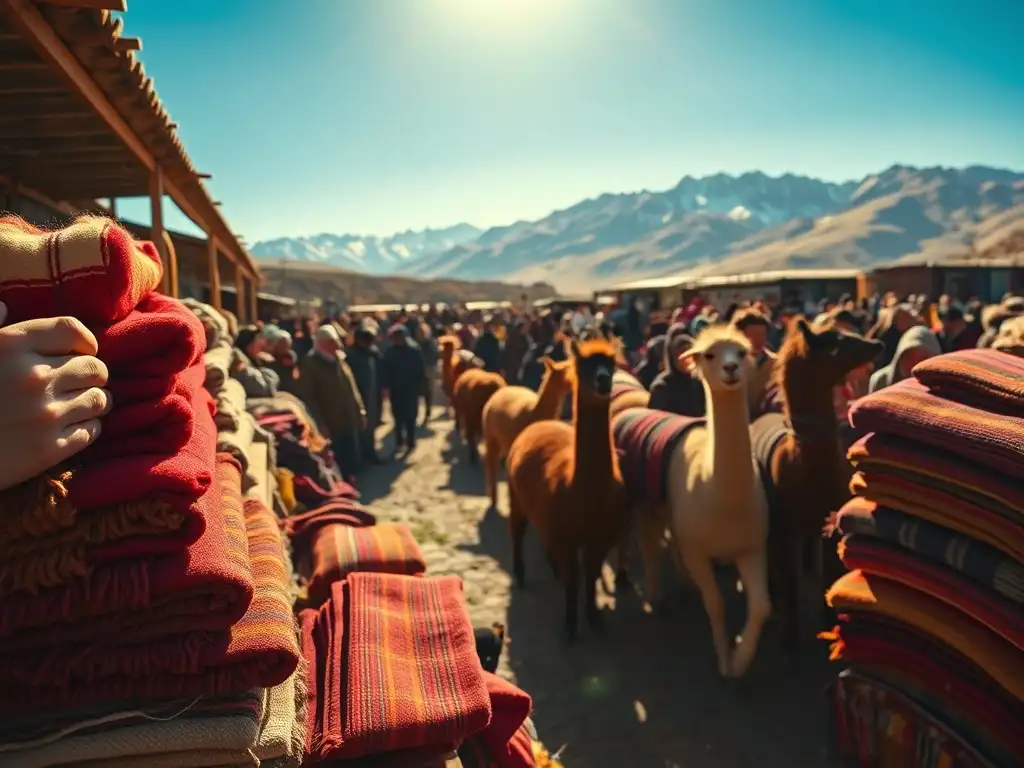
Step into a world lost to time, yet vibrantly alive in the echoes of ancient traditions. Imagine bustling Andean markets, where the legacy of the Incas, Moche, and other remarkable civilizations continues to unfold. Discover the secrets woven into the very fabric of Andean market history, a captivating narrative that intertwines vibrant cultures, ingenious technologies, and enduring artistry. Prepare to be amazed as we unravel the threads of this rich tapestry – a journey through time awaits!
Exploring the vibrant tapestry of Andean culture often involves more than just admiring breathtaking landscapes or ancient ruins. A truly immersive experience necessitates delving into the heart of Andean life – its bustling markets. These aren't simply places to buy souvenirs; they are living museums, echoing centuries of history and tradition, showcasing the ingenuity and resilience of Andean peoples.
This article embarks on a journey through time, exploring the rich history of Andean markets, from their pre-Incan origins to their modern-day expressions, demonstrating how these spaces continue to serve as vital centers for cultural exchange and economic activity. Understanding the "Andean market history" is key to appreciating the enduring legacy of these vibrant hubs of commerce and cultural preservation. We will uncover how these markets reflect not only the evolution of trade but also the enduring spirit of Andean craftsmanship and community.
Unveiling the Rich History of Andean Markets: A Traveler's Guide
The Andean region boasts a history of trade and exchange that stretches back millennia. Long before the Inca Empire rose to prominence, intricate networks connected diverse communities, facilitating the movement of goods, ideas, and people. These early market systems, often situated near agricultural zones or significant geographical features, played a pivotal role in shaping the social and economic landscape of the Andes.
Visiting a modern-day Andean market is, therefore, like stepping into a living testament to this enduring tradition. You'll encounter a vibrant array of handcrafted goods, from intricately woven textiles and ceramics to exquisite silver jewelry and medicinal plants – each item carrying a piece of the region's fascinating history. The atmosphere itself is captivating: the sights, sounds, and smells all contribute to a sensory experience that transports you back in time.
The bartering traditions, often still practiced, offer a glimpse into the ancient practices of exchange, highlighting the enduring importance of personal connection in Andean commerce. The sheer diversity of goods on offer reflects the rich biodiversity of the region and the ingenuity of its artisans. One can easily spend hours exploring the colorful stalls, each a mini-museum of Andean craftsmanship.
Understanding the Legacy of Andean Trade: From Ancient Times to Today
The legacy of Andean trade is deeply intertwined with the region's diverse geography and the ingenuity of its inhabitants. From the earliest known civilizations to the present day, market systems have served as the lifeblood of Andean societies, facilitating the exchange of goods, information, and cultural practices. This enduring tradition reflects the region's unique cultural identity and its capacity for adaptation and innovation.
The impact of the Incas on the existing market systems was profound, transforming them into a sophisticated network that supported the vast empire. However, the foundations of this system were built upon pre-existing traditions, reflecting the long and complex history of Andean commerce.
Pre-Incan Market Traditions: Traces of Ancient Exchange
Evidence suggests that organized trade existed in the Andes long before the Inca Empire. Archaeological findings reveal sophisticated systems of exchange among various pre-Incan cultures. For instance, the Moche civilization, known for its impressive metalworking skills, participated in extensive trade networks, exchanging their exquisite gold and silver artifacts for other valuable goods. Similarly, the Nazca culture, renowned for its intricate geoglyphs, likely engaged in trade involving textiles and ceramics.
These early markets were not merely places of economic exchange; they also served as vital social hubs, fostering interactions between different communities and facilitating the dissemination of ideas and technologies. The specific locations and organization of these pre-Incan markets are still being investigated, but their importance in shaping Andean societies is undeniable. Further research is needed to fully understand the complexity of these early trade networks and their impact on the development of Andean civilizations.
The Inca Empire and its Impact on Regional Market Systems
The Inca Empire significantly impacted the existing regional market systems, creating a highly organized and efficient network that facilitated the distribution of goods throughout the vast territory. The tambos, strategically located waystations along the Inca road system, served not only as resting places for travelers but also as vital nodes in the empire's trade network. These tambos provided essential services such as food, shelter, and the exchange of goods, ensuring the smooth flow of commerce.
The Inca's emphasis on standardized weights and measures, along with their sophisticated record-keeping systems, further streamlined the process of trade. This centralized system, while contributing to the empire's success, also reinforced existing regional trade routes and practices, integrating them into a broader imperial framework.
The impact of the Inca system on subsequent market structures in the Andean region is profound and continues to be felt today. The legacy of Inca organization is visible in the layout and function of many contemporary Andean markets.
Stepping into an Andean market is like stepping back in time, yet experiencing the vibrant pulse of modern life. The air hums with the chatter of vendors, the rhythmic clang of a blacksmith's hammer, and the enticing aroma of freshly brewed chicha. These aren't sterile, modern shopping malls; they are living, breathing repositories of Andean heritage, where centuries-old traditions meet the demands of the 21st century.
Understanding the cultural nuances is key to a truly enriching experience. Observe the unspoken rules of interaction – a polite nod, a respectful smile – to foster positive connections with the artisans and vendors. Take your time, explore each stall with curiosity, and appreciate the artistry and craftsmanship evident in every piece.
Don't rush the process; allow yourself to be immersed in the atmosphere, engaging with the local culture rather than simply treating it as a tourist spectacle. The true value of the Andean market experience lies not just in the acquisition of handicrafts, but in the cultural exchange and the human connections forged within this vibrant environment. Remember that many vendors speak Quechua or Aymara as their first language; a few basic phrases in these languages can go a long way in demonstrating respect and building rapport.
Finding Authentic Andean Handicrafts: A Step-by-Step Approach
Identifying authentic Andean handicrafts amidst potential imitations requires a discerning eye and some knowledge. Firstly, prioritize markets known for their genuine artisan products. These are often located in smaller towns or villages, away from the heavily touristic areas. Secondly, look for intricate details and unique characteristics.
Authentic textiles, for example, often feature hand-spun yarns, natural dyes, and traditional weaving techniques that are hard to replicate. Examine the craftsmanship closely; uneven stitching or machine-made elements are often indicators of mass-produced items. Thirdly, engage in conversation with the artisans. Inquire about the materials, the techniques employed, and the history behind the piece.
A passionate artisan will readily share their knowledge and expertise, enhancing your appreciation for the craftsmanship. Finally, don't hesitate to ask for documentation or certificates of authenticity if available, especially for high-value items. By following these steps, you can confidently acquire authentic Andean handicrafts that reflect the rich cultural heritage of the region and support the artisans who create them.
The Art of Bargaining in Andean Markets: Tips for Respectful Transactions
Bargaining is a customary part of the Andean market experience, but it's essential to approach it with respect and understanding. Begin by politely inquiring about the price. Then, propose a lower offer, keeping in mind a fair price that reflects both the value of the item and the artisan's livelihood.
Avoid making insulting offers, and always maintain a friendly and respectful demeanor. Remember, the goal is not to exploit the vendor but to reach a mutually agreeable price. Observe the vendor's reaction to your offer – a firm "no" may indicate that you've gone too low.
Be prepared to negotiate, but also be willing to walk away if you can't reach a mutually satisfactory agreement. Respectful bargaining is a cultural exchange, a dance of give and take that strengthens the connection between buyer and seller, enriching the overall market experience. A successful negotiation leads to a mutually satisfying transaction and fosters a positive relationship, contributing to a sustainable and respectful economic exchange within the community.
Beyond the Bargain: Supporting Local Artisans and Sustainable Practices
Purchasing Andean handicrafts is more than just acquiring beautiful items; it's an opportunity to support local artisans and contribute to sustainable practices. By choosing handcrafted items over mass-produced goods, you directly support the livelihoods of artisans and help preserve traditional skills and knowledge. Look for cooperatives or organizations that promote fair trade principles, ensuring that artisans receive fair wages and work in safe conditions. Inquire about the materials used – are they sustainably sourced?
Are traditional, eco-friendly techniques employed? Supporting sustainable practices not only benefits the artisans but also protects the environment and preserves the cultural heritage of the Andes for future generations. Your purchase becomes a powerful statement, signifying your commitment to ethical and responsible consumption. By actively seeking out artisans who embrace sustainable practices, you participate in a positive cycle that benefits both the artisan community and the environment.
Monetizing Your Market Experience: Bringing Home Andean Treasures
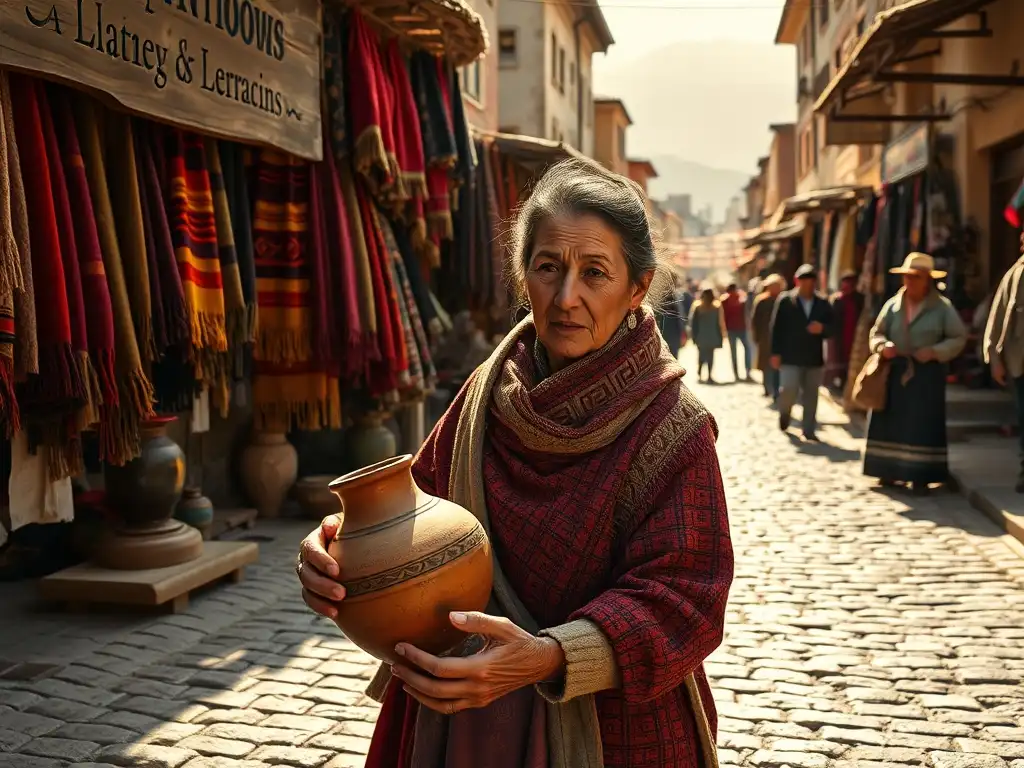
The Andean market offers not just unique handicrafts, but also opportunities for personal enrichment and even potential income streams.
Affiliate Opportunities: Promoting Responsible Tourism and Crafts
Your experience in the Andean markets can be leveraged to promote responsible tourism and support local artisans. By becoming an affiliate for ethical tourism operators or artisan cooperatives, you can earn a commission while promoting sustainable travel and handcrafted goods. Sharing your positive experiences and recommending specific artisans and organizations can create a valuable income stream while simultaneously contributing to the economic well-being of the Andean communities. This approach aligns personal passion with financial gain, fostering a sustainable and mutually beneficial relationship. The key is to promote authentic experiences and support businesses committed to ethical and sustainable practices.
High CPC Potential: Targeting Niche Markets
Andean handicrafts, particularly those with unique designs or historical significance, can command high prices and attract a niche market with a strong purchasing power. This translates into high cost-per-click (CPC) potential for online marketing efforts. Focusing on specific types of handicrafts, like antique textiles or rare ceramics, can attract collectors and enthusiasts willing to pay a premium.
By targeting these niche markets through online platforms and social media, you can effectively reach potential buyers and generate significant revenue. The key is to accurately represent the authenticity and value of the handicrafts, building trust and credibility with potential customers. Combining high-quality photography with detailed descriptions of the pieces' history and craftsmanship is crucial for maximizing the potential of this income stream.
Preserving Andean Market Heritage: Our Role as Consumers
The vibrant tapestry of Andean market history is woven not only from threads of ancient traditions but also from the choices we make as consumers. Understanding the impact of our purchases is paramount to ensuring the continuation of these rich cultural practices. For centuries, Andean markets have served as vital economic and social hubs, connecting communities and preserving ancestral knowledge passed down through generations. Today, however, these markets face numerous challenges, from globalization and mass-produced goods to the pressures of unsustainable practices.
Our role as responsible consumers is therefore critical in safeguarding this invaluable heritage. By actively seeking out authentic, ethically sourced products, we can help sustain the livelihoods of Andean artisans and protect the unique traditions that have shaped their communities for millennia. This conscious consumerism is not merely a trend; it is a vital step in preserving a living legacy.
Understanding the Importance of Fair Trade Practices
Fair trade practices are not simply a buzzword; they represent a fundamental shift in how we interact with global economies and support artisan communities. Fair trade ensures that producers, particularly those in developing countries like the Andean region, receive a fair price for their goods, allowing them to reinvest in their communities, improve their working conditions, and maintain their cultural heritage.
This contrasts sharply with exploitative practices where artisans receive minimal compensation, forcing them to compromise on quality or engage in unsustainable methods to meet demand. Understanding the nuances of fair trade certifications and labels, such as those from organizations dedicated to ethical sourcing, empowers consumers to make informed decisions that directly benefit Andean communities.
Choosing fair trade products directly translates to supporting sustainable livelihoods and the preservation of unique Andean crafts. By prioritizing fair trade, we invest not only in the products themselves but in the future of the Andean market heritage.
Choosing Ethical and Sustainable Products
Selecting ethical and sustainable products goes beyond simply looking for a fair trade label. It involves a deeper understanding of the production process, the materials used, and the environmental impact. For instance, consider the origin of the materials used in Andean textiles. Are they sourced sustainably, minimizing harm to the environment? Are traditional dyeing techniques employed, which often use natural, less harmful dyes?
Or are harsh chemicals used, potentially polluting water sources and harming the health of artisans? These questions highlight the importance of researching the brands and artisans we support. Seeking out products made with locally sourced materials, crafted using traditional techniques, and produced with respect for both people and the environment is crucial. This conscientious approach helps to preserve not only the cultural heritage reflected in the crafts but also the natural resources of the Andean region, contributing to a more sustainable future for generations to come.
Sharing the Stories Behind Andean Crafts: A Call to Action
The beauty of Andean crafts lies not only in their intricate designs and masterful craftsmanship but also in the stories they tell. Each piece carries within it the echoes of generations of artisans, their knowledge, their traditions, and their resilience. Sharing these stories – the narratives of the artisans, the history of the techniques, and the cultural significance of the designs – is crucial in preserving the Andean market heritage. By actively engaging with artisans, learning about their processes, and sharing their stories with others, we help to elevate their work, increase its value, and ensure the continuation of these unique traditions. This storytelling aspect is a powerful tool, connecting consumers directly to the heart of Andean culture and fostering a deeper appreciation for the heritage embedded in each handcrafted item. It is a call to action, urging us to become active participants in the preservation of this rich legacy.
Conclusion: Embarking on Your Own Andean Market Adventure
Exploring Andean markets is more than just shopping; it's an immersive journey through time, a vibrant encounter with a living cultural heritage. By understanding the significance of our role as consumers and making conscious choices that prioritize fair trade, ethical sourcing, and the preservation of traditional techniques, we become active participants in sustaining this invaluable legacy. Remember, each purchase is a vote for the future of Andean culture and its unique traditions.
Embark on your own Andean market adventure, armed with knowledge and a commitment to responsible consumerism, and help to ensure that the rich tapestry of Andean market history continues to thrive for generations to come. The vibrant colors, intricate designs, and deeply rooted traditions await – let's ensure they continue to flourish.
- Unveiling the Rich History of Andean Markets: A Traveler's Guide
- Understanding the Legacy of Andean Trade: From Ancient Times to Today
- Navigating Contemporary Andean Markets: A Cultural Immersion
- Monetizing Your Market Experience: Bringing Home Andean Treasures
- Preserving Andean Market Heritage: Our Role as Consumers
- Conclusion: Embarking on Your Own Andean Market Adventure
- How did Andean markets contribute to the economic power of ancient civilizations?
- What types of goods were commonly traded in Andean markets?
- How did the Inca Empire organize and manage its market system?
- What role did bartering play in Andean market transactions?
- How has the history of Andean markets influenced modern markets in the region?
Frequently Asked Questions
How did Andean markets contribute to the economic power of ancient civilizations?
Andean markets served as vital economic hubs, facilitating trade and exchange of goods, resources, and information across vast distances. This interconnectedness fueled the growth and prosperity of empires like the Inca.
What types of goods were commonly traded in Andean markets?
Markets offered a diverse range of goods, including agricultural products like potatoes and maize, textiles, ceramics, metals, and luxury items. The availability of these goods varied depending on the region and the time period.
How did the Inca Empire organize and manage its market system?
The Inca implemented a sophisticated system of roads and warehouses to support their market network. State-controlled storage facilities ensured food security and regulated the distribution of goods, contributing to social stability.
What role did bartering play in Andean market transactions?
While some currency systems existed, bartering remained a significant aspect of Andean market exchange. Goods and services were directly exchanged, reflecting the diverse economic strategies of different Andean cultures.
How has the history of Andean markets influenced modern markets in the region?
The legacy of Andean markets is evident in the continued importance of local markets across the Andes. Traditional practices and the emphasis on community interaction remain defining characteristics of contemporary markets, demonstrating the enduring impact of ancient traditions.
Final Reflection: Weaving the Threads of Andean Heritage
The vibrant tapestry of Andean culture, as revealed through its local markets, continues to resonate powerfully in the modern world. These aren't simply places to buy goods; they are living museums, preserving ancient traditions and offering a tangible connection to a rich and complex history. The enduring legacy of these markets speaks volumes about the resilience and adaptability of Andean communities.
The enduring power of these markets lies not only in their economic function but also in their role as keepers of cultural memory. They are spaces where stories are shared, skills are passed down through generations, and a sense of community is fostered. The vibrant colors, the aromatic spices, the intricate textiles – all contribute to a sensory experience that transcends the simple act of buying and selling. The market is the heart of the city, the pulse of its life.
This sentiment, though not specifically Andean, perfectly captures the vital role these spaces play in the daily lives and cultural identity of the people.
Now, consider your own relationship with heritage and tradition. How do you connect with the history of your own community? What stories are passed down in your family? Take a moment to reflect on the importance of preserving cultural heritage, not just in distant lands, but within your own sphere of influence. Let the journey through the Andean markets inspire you to explore and appreciate the unique cultural treasures in your own backyard, and to actively participate in their preservation for future generations.
Unveil the Treasures of Andean Heritage!
Thank you for joining us on this insightful journey through the vibrant world of Andean markets! We hope you've discovered the rich tapestry of culture and traditions that awaits. Now, let's put that knowledge into action!
Here are a few ways to further explore Andean heritage and incorporate its beauty into your life:
- **Visit a local market featuring Andean crafts:** Immerse yourself in the sights, sounds, and tastes, supporting artisans and discovering unique products.
- **Share this article with friends and family** who might appreciate learning about Andean culture—it's a great way to spark conversations that celebrate diversity.
- **Connect with online communities** dedicated to Andean traditions. This allows you to engage with like-minded enthusiasts, share experiences, and exchange stories.
What unique experiences have you had, or hope to have, exploring Andean heritage? Share your thoughts below!