
Unearthing Andean Artistry: The Most Captivating Markets for Traditional Crafts

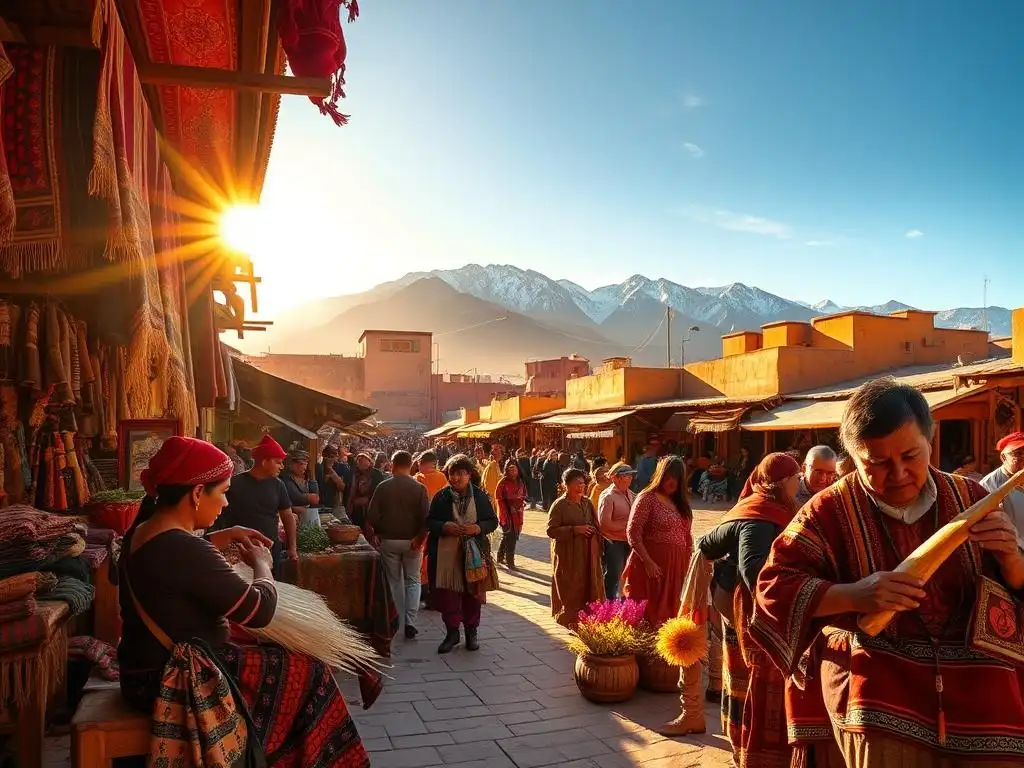
Step into a world lost in time, yet vibrantly alive. Imagine bustling marketplaces overflowing with the echoes of ancient Andean civilizations – the intricate artistry of the Incas, the mesmerizing textiles of the Nazca, the potent symbolism of the Moche. This is more than just history; it's a tangible experience waiting to be discovered. Prepare to be captivated by the vibrant colors and rich heritage of Andean traditional crafts markets, a journey that will unveil the secrets held within these extraordinary creations. Let's explore!
The Andes Mountains, a majestic spine running down the western coast of South America, are not only a breathtaking geological marvel but also the cradle of incredibly rich and diverse cultures. For millennia, Andean civilizations—from the Incas to the Moche, Nazca, and Tiahuanaco—have crafted exquisite textiles, pottery, jewelry, and more, imbuing each piece with deep cultural significance and unparalleled artistry. This article delves into the vibrant world of Andean traditional crafts markets, revealing the best places to discover authentic pieces and experience the legacy of these remarkable civilizations firsthand.
We'll explore not just where to find these treasures, but also the stories woven into each thread, each painted design, each meticulously carved piece. Prepare to embark on a journey that transcends mere shopping; it’s a cultural immersion into the heart of Andean heritage.
We will rank the most captivating markets for Andean traditional crafts, offering insights into what makes each location unique and what treasures you might find there. This guide is for both seasoned collectors and curious travelers seeking a truly authentic Andean experience.
Discovering Authentic Andean Handicrafts: A Journey Through Culture
Finding authentic Andean handicrafts isn't just about acquiring a souvenir; it's about connecting with a vibrant cultural heritage. Each piece tells a story, reflecting centuries of tradition, innovation, and artistic expression. From the intricate textiles of the Andes, often incorporating vibrant colours and symbolic patterns, to the finely crafted pottery depicting ancient deities and scenes of daily life, the craftsmanship is simply breathtaking.
Many pieces are still made using traditional techniques passed down through generations, ensuring the preservation of ancient artistry. Understanding the cultural context of these items adds another layer of appreciation. For example, the use of specific dyes, weaving patterns, or motifs can indicate the region of origin, the social status of the artisan, or even religious beliefs.
This is why engaging directly with artisans in local markets provides an invaluable learning experience, offering a deeper understanding of Andean culture and the dedication involved in creating these remarkable works of art. The experience goes beyond the purchase itself; it becomes an opportunity to support local communities and learn directly from those who keep these ancient traditions alive. This immersion into the cultural landscape of the Andes makes the acquisition of these handicrafts even more meaningful and rewarding.
The Allure of Andean Traditional Crafts: Beyond Souvenirs
The appeal of Andean traditional crafts extends far beyond their aesthetic beauty. These aren't merely souvenirs; they are tangible links to a rich past, representing the ingenuity and artistic prowess of generations of Andean artisans. The intricate details, often overlooked in mass-produced items, showcase the dedication and skill involved in their creation. Consider, for example, the meticulous weaving techniques employed in creating Andean textiles, where each thread contributes to a larger, often symbolic, narrative.
Or think of the precise hand-painting techniques used in crafting exquisite pottery, each stroke adding to the overall artistic expression. These are not simply decorative objects; they are cultural artifacts imbued with history and meaning. Moreover, purchasing these handicrafts directly from artisans helps to support local communities and preserve traditional crafts for future generations.
By choosing authentic Andean crafts, you are not just acquiring a beautiful item; you are actively participating in the preservation of a living cultural heritage. The vibrancy of colour, the unique designs, and the palpable sense of history make these handcrafted items truly exceptional, setting them apart from anything mass-produced. The experience of purchasing and owning these pieces becomes a personal connection to a remarkable cultural legacy.
- Discovering Authentic Andean Handicrafts: A Journey Through Culture
- The Allure of Andean Traditional Crafts: Beyond Souvenirs
- Where can I find the best Andean traditional crafts markets?
- What kind of traditional crafts can I expect to find in these markets?
- Are the prices negotiable in Andean crafts markets?
- What's the best way to ensure I'm buying authentic Andean crafts?
- How can I support local artisans when shopping for Andean crafts?
Top Markets for Andean Traditional Crafts: A Detailed Guide
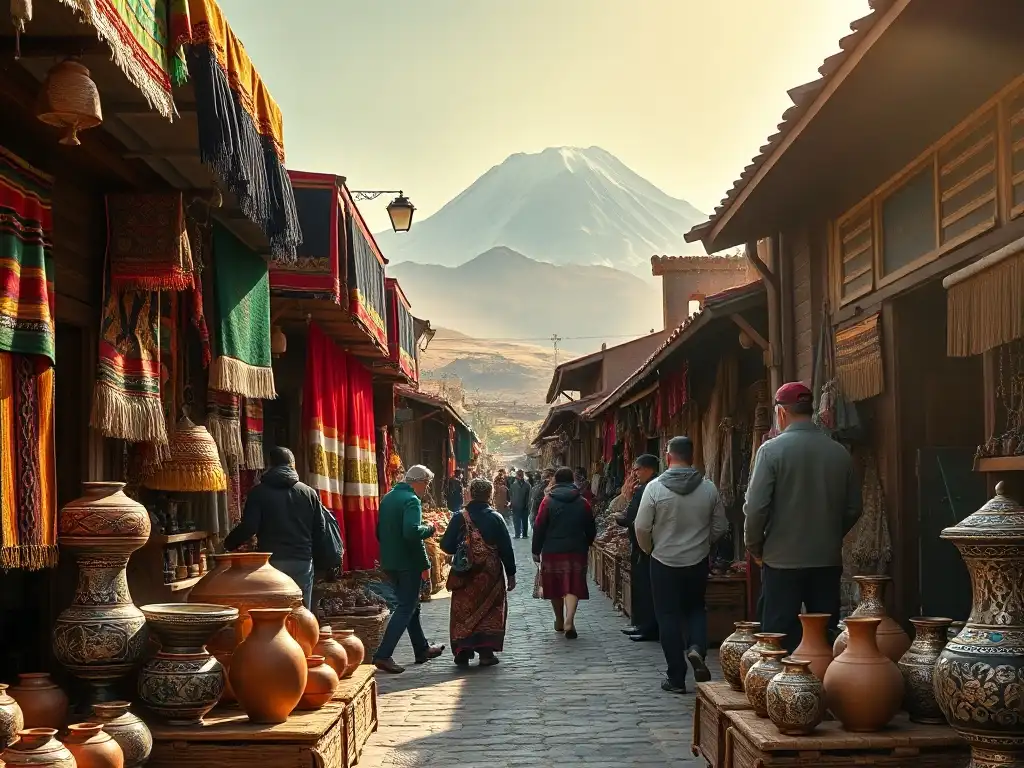
This section delves into the vibrant tapestry of Andean traditional crafts markets, offering a detailed exploration of some of the best locations to discover authentic and unique pieces. We'll examine specific markets, highlighting their unique offerings and providing insights into the shopping experience. Understanding the nuances of each market will help you navigate the world of Andean artistry and acquire truly exceptional handicrafts. This guide focuses on the key features that make these markets stand out for enthusiasts of Andean traditional crafts.
Cusco's San Blas Market: A Hub for Unique Andean Textiles and Art
Cusco's San Blas market, nestled within the heart of the ancient Inca capital, pulsates with the energy of Andean creativity. This isn't just a marketplace; it's a living museum showcasing the enduring legacy of Andean artistry. The artisans themselves often occupy their stalls, providing a direct connection to the creators and their heritage. The sheer variety of goods on offer is staggering, from intricate textiles to finely crafted pottery. The market truly embodies the spirit of "Andean traditional crafts markets."
Finding Handwoven Alpaca Textiles at San Blas Market
San Blas is renowned for its exquisite alpaca textiles. These aren't mass-produced items; each piece tells a story, woven with meticulous care and steeped in tradition. You'll find everything from vibrant ponchos and shawls to delicately embroidered tapestries and intricately patterned blankets. Look for pieces featuring traditional Andean designs, such as geometric patterns, stylized animals, and representations of Andean deities. The quality of the alpaca wool varies, influencing the price; finer, softer wool commands a higher price. Don't hesitate to ask questions about the weaving techniques and the origin of the wool – it's all part of the experience!
Exploring Traditional Andean Ceramics and Pottery in Cusco
Beyond textiles, San Blas offers a captivating selection of traditional Andean ceramics and pottery. These aren't just functional objects; they are works of art, often adorned with intricate designs and vibrant colors. Many pieces showcase traditional motifs, reflecting the rich symbolism embedded within Andean culture. You'll encounter everything from simple, rustic bowls and plates to elaborately decorated vases and ceremonial vessels.
The skillful artisans utilize ancient techniques, passed down through generations, ensuring the preservation of this vital aspect of Andean heritage. Observe the details – the subtle variations in color, the precision of the designs, the unique textures of the clay. These elements contribute to the overall aesthetic appeal and value of the piece.
Pisac Market in the Sacred Valley: A Treasure Trove of Andean Goods
Located in the breathtaking Sacred Valley, Pisac market is a larger, more bustling affair than San Blas. It offers a wider range of goods, encompassing not only textiles and ceramics but also silver jewelry, leather goods, and an array of other handicrafts. The sheer scale of Pisac provides an unparalleled opportunity to immerse oneself in the vibrant world of Andean traditional crafts markets. The market's strategic location, nestled amidst stunning scenery, adds to its allure.
Negotiating for Authentic Andean Silver Jewelry at Pisac
Pisac is particularly famous for its silver jewelry. However, discerning authentic pieces from imitations requires careful observation. Look for hallmarks indicating the silver's purity. Genuine Andean silver jewelry often incorporates traditional designs, reflecting the unique artistic sensibilities of the region. Negotiating is expected, and a friendly approach often yields favorable results. Remember, the price is often influenced by the complexity of the design, the quality of the silver, and the amount of handwork involved. Don't be afraid to politely haggle – it's a customary part of the shopping experience in Pisac.
Discovering Vibrant Andean Clothing and Accessories in Pisac
Pisac's vibrant clothing and accessories section is a feast for the senses. From brightly colored ponchos and hats to intricately woven belts and bags, the variety is almost overwhelming. The clothing often incorporates traditional Andean patterns and designs, adding a touch of authenticity. Observe the quality of the materials and the craftsmanship – these factors are crucial in determining the value of the piece.
Take your time browsing and don't hesitate to try things on; the experience of wearing a traditional Andean garment is part of the charm. Remember to be respectful of the local culture and the artisans who create these beautiful pieces. This helps to support the continuation of these treasured "Andean traditional crafts markets."
Otavalo Market in Ecuador: A Beacon for Indigenous Andean Art
Otavalo Market, nestled in the highlands of Ecuador, is arguably the most famous market for Andean traditional crafts. Its vibrant atmosphere, overflowing with textiles, jewelry, and handicrafts, attracts both locals and tourists alike. The sheer scale of the market is impressive; sprawling across several city blocks, it offers a breathtaking array of goods representing a rich tapestry of Andean artistry.
You'll find everything from intricately woven textiles showcasing traditional Andean patterns – geometric designs, vibrant colors, and symbolic representations – to stunning silver jewelry inlaid with precious stones. The market is a living testament to the enduring legacy of Andean artistic traditions, passed down through generations of skilled artisans. Many vendors proudly display their family crests and unique styles, offering a glimpse into their cultural heritage.
Navigating the market requires patience and a keen eye for detail, as the sheer volume of goods can be overwhelming, but the reward is a truly immersive experience in Andean culture. The energy is palpable, a blend of bustling commerce and deeply rooted traditions. Beyond the tangible goods, the market itself is a piece of living art, a vibrant expression of Andean identity.
The Best Days to Visit Otavalo Market for Andean Woven Goods
The Otavalo Market operates daily, but for the most extensive and vibrant selection of Andean woven goods, visiting on a Saturday is highly recommended. Saturdays witness the peak of activity, with artisans from surrounding communities converging to showcase their finest creations. This means a significantly larger selection of textiles, including unique and rare pieces, often unavailable on other days. While weekdays offer a quieter, perhaps more intimate experience, the sheer volume and variety on a Saturday are unparalleled.
This is the day to find those truly special, one-of-a-kind items, showcasing the most intricate weaving techniques and the most striking color combinations. However, be prepared for larger crowds and a more competitive atmosphere. If you prefer a less crowded experience, a weekday visit might be preferable, although the selection will be more limited. Plan your trip strategically, considering your priorities – quantity and variety versus a more relaxed shopping experience.
Exploring the Variety of Andean Instruments available at Otavalo
Otavalo Market isn't just about textiles and jewelry; it also offers a fascinating array of traditional Andean musical instruments. You can find beautifully crafted panpipes ( zampoñas), flutes ( quenas), drums ( tambores), and other instruments, each telling a story of Andean musical heritage. These instruments are not merely functional; they are often adorned with intricate carvings and designs, reflecting the artistic sensibility deeply ingrained in Andean culture.
Many of these instruments are handmade, showcasing traditional techniques passed down through generations of artisans. The sounds produced by these instruments are unique, reflecting the distinctive musical traditions of the Andes.
Exploring this section of the market provides a deeper understanding of the vibrant musical landscape of the region, offering a sensory experience beyond the visual spectacle of the textiles and jewelry. The opportunity to hear these instruments played, often by the artisans themselves, adds another layer of richness to the overall market experience.
Chinchero Market: A Glimpse into Andean Weaving Techniques
Located near the ancient Inca city of Ollantaytambo in Peru, Chinchero Market provides a unique insight into traditional Andean weaving techniques. Unlike the larger, more commercial Otavalo Market, Chinchero offers a more intimate and authentic experience, focusing heavily on textiles. The market is smaller in scale but richer in cultural significance, with artisans often showcasing their work directly. The textiles here are frequently made with naturally dyed Andean wool, using techniques passed down through generations.
The dyes, derived from plants and minerals found in the region, create stunning and unique colors, reflecting the deep connection between Andean communities and their environment. The intricate designs often incorporate traditional symbols and patterns, carrying cultural and historical significance. Purchasing from Chinchero allows you to support local artisans and directly contribute to the preservation of their cultural heritage.
Witnessing Live Demonstrations of Andean Textile Production
One of the most captivating aspects of Chinchero Market is the opportunity to witness live demonstrations of Andean textile production. Artisans often work openly, allowing visitors to observe the intricate processes involved in creating these beautiful textiles. From the preparation of the wool to the spinning, dyeing, and weaving, each step is a testament to the skill and dedication of these artisans.
This provides a unique learning opportunity, allowing visitors to gain a deeper appreciation for the time, effort, and expertise involved in creating each piece. These demonstrations offer a chance to interact with the artisans, ask questions, and gain a deeper understanding of the cultural significance of their work. It's a powerful way to connect with the living heritage of Andean textile traditions.
Purchasing Hand-dyed Andean Wool Products in Chinchero
The hand-dyed Andean wool products available in Chinchero are truly exceptional. The vibrant and unique colors, achieved through natural dyeing techniques, are a testament to the ingenuity and creativity of Andean artisans. The quality of the wool itself is often superior, resulting from the unique climate and grazing conditions of the Andean highlands. The textiles produced are not only visually stunning but also incredibly durable and long-lasting.
Purchasing these products in Chinchero ensures you're supporting local artisans and acquiring a piece of authentic Andean heritage. Each piece carries a story, reflecting the rich cultural traditions and the deep connection between the artisans and their environment. The experience of selecting a hand-dyed wool item directly from the artisan is a deeply rewarding one, creating a meaningful connection between the buyer and the creator.
Maximizing Your Andean Craft Market Experience: Tips and Tricks
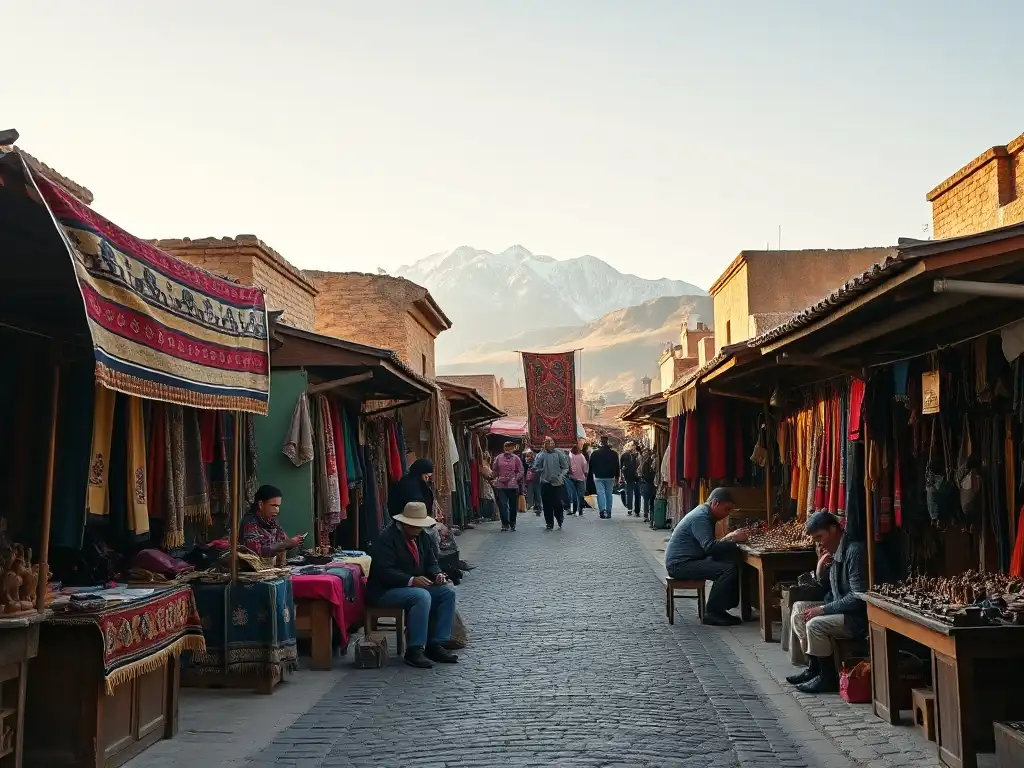
This section offers practical advice to help you navigate Andean craft markets effectively and make the most of your shopping experience. Remember, these markets are vibrant hubs of cultural exchange, so approach them with respect and an open mind. Understanding local customs will greatly enhance your interactions and your chances of finding unique, authentic treasures. The thrill of discovering a one-of-a-kind Andean textile or intricately carved piece is a significant part of the adventure!
Haggling Etiquette at Andean Handicraft Markets: A Guide
Haggling, or bargaining, is a common and often expected practice in many Andean craft markets. However, it's crucial to do so respectfully and with sensitivity. Think of it as a friendly negotiation, not a battle. Here's a helpful guide:
- Start politely: Begin by expressing genuine interest in the item. Ask about its creation, materials, and the artisan's story. This establishes rapport and shows respect for their work. A simple "Buenos días" or "Hola" goes a long way!
- Research beforehand: Knowing the approximate value of similar items can give you a better starting point for your negotiation. This prevents you from offering an insultingly low price.
- Offer a reasonable price: Don't start with an excessively low offer; it can be perceived as disrespectful. Instead, begin with a price slightly below what you're willing to pay, leaving room for negotiation.
- Be polite and firm: Maintain a friendly demeanor throughout the process. If your initial offer is rejected, counter with a slightly higher offer, but don't be afraid to walk away if you feel the price is unreasonable. Sometimes, this is the best way to get a better deal on your desired Andean traditional crafts.
- Accept graciously: Once you've reached an agreeable price, accept it with a smile and a thank you. This shows appreciation for the artisan's time and effort. A small extra tip, if you feel it's appropriate, is always welcomed.
Remember, the goal is to find a price that is fair for both you and the artisan. A successful haggle is a win-win situation, fostering a positive exchange within the vibrant Andean craft market ecosystem.
Identifying Genuine Andean Crafts: Avoiding Counterfeits
The popularity of Andean crafts has unfortunately led to an increase in counterfeit items. Knowing how to spot genuine pieces is crucial to ensure you're supporting authentic artisans and acquiring valuable, high-quality products. Here are some key indicators:
- Materials: Pay close attention to the materials used. Genuine Andean textiles often use natural dyes and fibers like alpaca or llama wool. Look for inconsistencies in the weave, which can be a sign of handcrafted quality. Mass-produced imitations often lack this unique character.
- Craftsmanship: Carefully examine the details of the craftsmanship. Authentic pieces typically exhibit intricate designs and meticulous detailing, reflecting the artisan's skill and dedication. Look for imperfections – these often add to the charm and authenticity of a handmade piece.
- Provenance: If possible, inquire about the origin of the piece and the artisan who created it. Reputable vendors will often be able to provide this information. Seek Andean traditional crafts with clear origins and stories.
- Price: While not always an indicator, unusually low prices can be a red flag. High-quality, handcrafted items usually command a higher price, reflecting the time and skill involved in their creation.
Supporting Local Andean Artisans: Ethical Shopping Practices
Supporting local artisans is paramount when shopping for Andean crafts. Your purchases directly impact their livelihoods and help preserve traditional skills and cultural heritage. Here's how you can ensure ethical shopping practices:
- Buy directly from artisans: Whenever possible, purchase directly from the artisans themselves or from cooperatives that fairly compensate them. This ensures a larger percentage of your purchase goes to the creator.
- Ask about fair trade practices: Inquire about the working conditions and compensation of the artisans. Look for certifications or labels that guarantee fair trade practices.
- Appreciate the craftsmanship: Take the time to appreciate the time, skill, and cultural significance embedded in each piece. This respect shows your value for their work and their heritage.
- Spread awareness: Share your experiences and encourage others to support ethical and sustainable practices when purchasing Andean traditional crafts. Your actions contribute to the preservation of this rich cultural heritage for generations to come.
By following these guidelines, you can contribute to a more sustainable and equitable craft market, ensuring the continuation of these invaluable traditions. Enjoy the process of discovering unique treasures while supporting the talented artisans of the Andes!
Beyond the Markets: Exploring the Roots of Andean Art
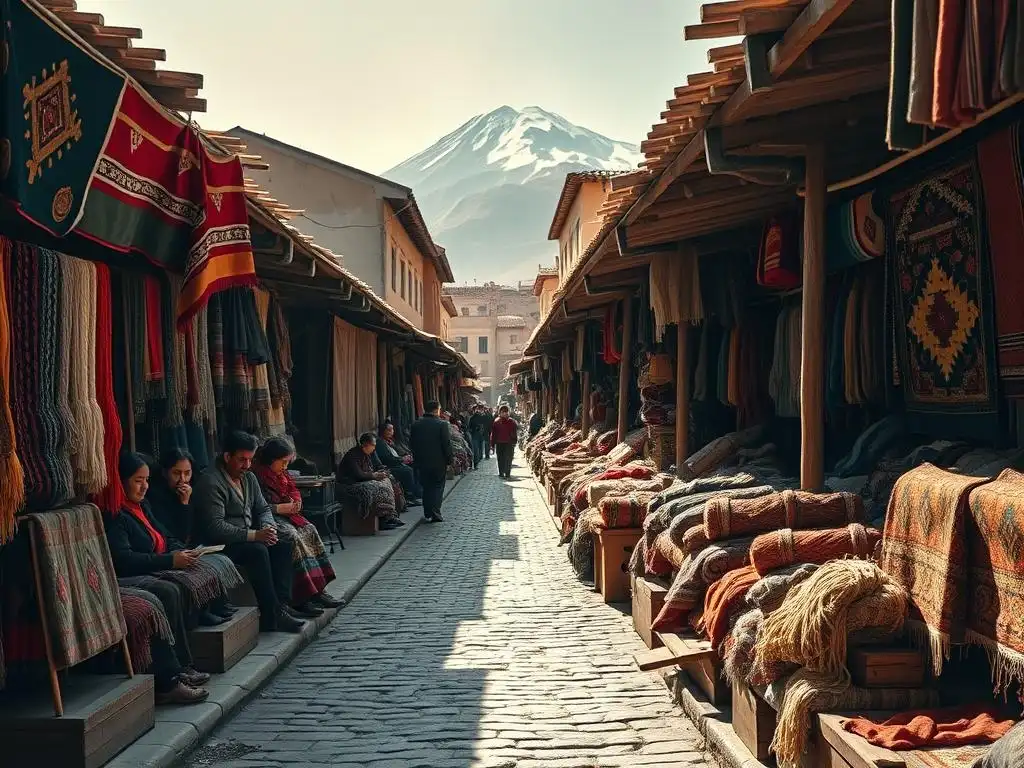
This section delves beyond the vibrant displays of Andean traditional crafts markets, exploring the rich cultural tapestry from which these exquisite pieces emerge. Understanding the historical context and the enduring significance of these art forms is crucial to appreciating their true value. We'll examine the deep-rooted traditions, innovative techniques, and symbolic meanings embedded within each handcrafted item, enriching your understanding of Andean artistry.
This knowledge allows you to not only purchase a beautiful object but also to connect with a legacy spanning millennia. The enduring appeal of Andean traditional crafts markets rests heavily on the cultural weight carried by each piece.
Understanding the Cultural Significance of Andean Art Forms
Andean art is not merely decorative; it's a powerful expression of beliefs, rituals, and social structures. For centuries, artisans have woven narratives into textiles, sculpted deities from stone, and crafted intricate ceramics, each piece carrying profound symbolic meaning. Consider the vibrant colours in Andean textiles: red represents fertility and life, while yellow symbolizes the sun and power. Intricate patterns often depict mythical creatures, celestial events, or historical narratives, passed down through generations. These are not simply designs; they are coded messages, historical records, and spiritual expressions.
The materials themselves hold significance. Alpaca wool, for instance, prized for its softness and warmth, represents wealth and status. The use of specific minerals in pottery, such as those found in the Nazca desert, reflects the geographical and environmental context of the artisan's community. Even the techniques employed – from the intricate knotting of textiles to the precise carving of stone – are passed down through family lineages, representing centuries of accumulated knowledge and skill.
| Symbol | Meaning | Example in Andean Art |
|---|---|---|
| Red | Fertility, life, blood | Often seen in textiles depicting animals or fertility rites |
| Yellow | Sun, power, royalty | Frequently used in representations of the Inca sun god, Inti |
| Black | Earth, mystery, the underworld | Found in textiles and ceramics representing ancestral spirits |
| Geometric Patterns | Clan identity, cosmological order | Used extensively in Nazca textiles and pottery |
Analyzing these elements provides a deeper appreciation for the artistry. The detailed work involved speaks volumes about the dedication and skill of the artisans, representing a deep connection to their heritage and a profound respect for their ancestors. Understanding this cultural context transforms the simple act of purchasing a handcrafted item into an act of cultural preservation and appreciation.
Connecting with Andean Artisans and Their Stories
The Andean traditional crafts markets are not just places to shop; they are living museums where you can connect directly with the creators of these remarkable pieces. Engaging with the artisans provides a unique opportunity to hear their stories, learn about their techniques, and gain a deeper understanding of the cultural significance of their work. Many artisans are eager to share their knowledge and passion, providing insights into the history and symbolism embedded in their creations.
By interacting with the artisans, you're not just acquiring a beautiful object; you're participating in the preservation of a living tradition. You're supporting the livelihoods of these skilled individuals and contributing to the continuation of their ancestral practices. These interactions enrich the experience of exploring Andean traditional crafts markets, transforming a simple shopping trip into a meaningful cultural exchange.
Taking the time to learn about the artisan's background, the inspiration behind their work, and the techniques they employ adds another layer of depth and appreciation to your purchase, making it a truly treasured possession. Remember, each piece tells a story – a story of skill, tradition, and cultural heritage.
Bringing Andean Artistry Home: Care and Preservation
This section focuses on the proper care and preservation of your treasured Andean traditional crafts, ensuring their longevity and beauty for generations to come. Understanding the materials and techniques used in creating these exquisite pieces is crucial for their proper upkeep. We'll explore best practices for textiles, ceramics, and other common Andean crafts.
Caring for Your Andean Textiles and Woven Goods
Andean textiles, renowned for their vibrant colors and intricate designs, often utilize natural dyes and fibers like alpaca wool, llama wool, and cotton. These materials require specific care to maintain their integrity and prevent damage. The delicate nature of many Andean textiles necessitates a gentle approach to cleaning and storage.
- Cleaning: Avoid harsh chemicals and machine washing. Most Andean textiles benefit from spot cleaning with a mild detergent and cool water. For more extensive cleaning, consider professional dry cleaning specializing in delicate fabrics. Always test any cleaning solution on an inconspicuous area first. Remember, prevention is key! Regular dusting with a soft brush can prevent the accumulation of dirt and dust.
- Storage: Proper storage is critical to prevent damage from light, moisture, and pests. Store your textiles in a cool, dry place, away from direct sunlight. Use acid-free tissue paper or muslin to wrap individual pieces, preventing abrasion and preserving their vibrancy. Consider using breathable cotton storage bags or cedar chests to deter insects.
- Handling: When handling your Andean textiles, always wash your hands to avoid transferring oils and dirt. Avoid pulling or stretching the fabric, as this can cause damage to the delicate weave. Be mindful of sharp objects that could snag or tear the fibers.
Displaying Your Andean Crafts with Pride and Respect
Displaying your Andean crafts is a wonderful way to celebrate their artistry and share their beauty with others. However, improper display can lead to fading, damage, and deterioration. Here are some tips for showcasing your treasures responsibly:
- Lighting: Avoid displaying your crafts in direct sunlight, which can cause fading and damage to the dyes and fibers. Opt for indirect lighting or UV-filtering glass to protect your pieces.
- Environment: Maintain a stable environment with consistent temperature and humidity levels. Extreme changes in temperature and humidity can cause warping, cracking, and other damage, especially to ceramics and wood carvings.
- Rotation: To prevent excessive wear and tear, consider rotating your displayed items periodically. This ensures that no single piece is subjected to constant exposure to light and environmental factors.
- Presentation: Use appropriate display methods, such as shadow boxes, display cases, or carefully chosen shelves. Avoid overcrowding your displays, allowing each piece to be appreciated individually. Consider adding informative labels to enhance the appreciation of the craftsmanship and cultural significance.
Remember, the proper care and display of your Andean traditional crafts not only preserves their beauty but also honors the skill and artistry of the artisans who created them. By following these guidelines, you can ensure that these captivating pieces remain cherished heirlooms for years to come. Enjoy the rich cultural heritage they represent! 🦙🧵🏺
Frequently Asked Questions
Where can I find the best Andean traditional crafts markets?
You'll find vibrant markets throughout the Andes, particularly in major cities like Cusco, Arequipa, and Otavalo. Smaller towns and villages also offer unique, authentic crafts directly from the artisans. Explore different regions to discover diverse styles.
What kind of traditional crafts can I expect to find in these markets?
Expect a vast array of textiles, including alpaca and llama wool garments, intricate weavings, and colourful ceramics. You'll also find silver jewelry, wood carvings, and hand-painted pottery, each reflecting the unique artistic traditions of different Andean cultures.
Are the prices negotiable in Andean crafts markets?
Yes, bargaining is common and expected in many Andean markets. Politely negotiate prices, showing respect for the artisan's skill and time. Remember that a fair price benefits both you and the seller.
What's the best way to ensure I'm buying authentic Andean crafts?
Look for handcrafted items with unique details and imperfections, which show the artisan's individual skill. Consider buying directly from the artisans themselves whenever possible, and inquire about the materials and techniques used in the creation of the piece.
How can I support local artisans when shopping for Andean crafts?
By purchasing directly from artisans or smaller, family-run businesses, you are directly supporting their livelihoods and preserving their cultural heritage. Avoid mass-produced items and seek out pieces that tell a story of Andean craftsmanship and tradition.
Final Reflection: Weaving a Legacy: The Enduring Power of Andean Crafts
The vibrant tapestry of Andean artistry, showcased through its bustling markets, is not merely a collection of beautiful objects; it's a living testament to resilience, cultural preservation, and the enduring human spirit. These markets, pulsating with color and tradition, represent a vital link to a rich history and a powerful force for economic empowerment in the region. Their continued existence is crucial for safeguarding a unique cultural heritage facing the pressures of globalization.
The impact of these markets extends far beyond the immediate economic benefits for artisans. They are spaces where ancient techniques are passed down through generations, where stories are woven into textiles, and where the very soul of a culture finds expression. The hands that create are the hands that preserve.
This simple truth underscores the profound significance of supporting these markets, not just as consumers, but as active participants in the preservation of a precious legacy. The artistry we admire is a reflection of the communities that create it, and their continued success is vital for the future of Andean culture.
Consider the stories embedded within each intricately woven textile, each hand-carved wooden figure, each meticulously crafted piece of pottery. These are not simply commodities; they are vessels of history, repositories of knowledge, and expressions of profound creativity. You, the reader, hold the power to contribute to the preservation of this heritage. By consciously choosing to support these markets, whether through direct purchase or by advocating for fair trade practices, you become a vital thread in the vibrant tapestry of Andean artistry, ensuring its continued flourishing for generations to come.
**Explore and Celebrate the Richness of Andean Artistry! **
Thank you for joining us on this journey through the vibrant world of Andean crafts! We hope you've gained valuable insights into the unique markets and traditions of this beautiful region. Now, it's your turn to immerse yourself in the artistry and help keep these rich cultures alive.
Here are some impactful ways you can help:
- **Visit a local Andean craft market** to support artisans and experience their incredible creations firsthand. You'll find unique textiles, pottery, and jewelry, each piece telling a story.
- **Share your newfound appreciation** with friends and family, or on social media. Spread the word about the beauty and cultural significance of Andean crafts, inspiring others to explore!
- **Consider taking a workshop** to learn traditional weaving techniques or pottery-making. This hands-on experience will deepen your appreciation and connection to the culture, allowing you to create your own piece of Andean art.
How will you bring the spirit of Andean craftsmanship into your life? We'd love to hear your thoughts and experiences in the comments!