
The Power of Patterns: Understanding the Geometry in Andean Textile Design

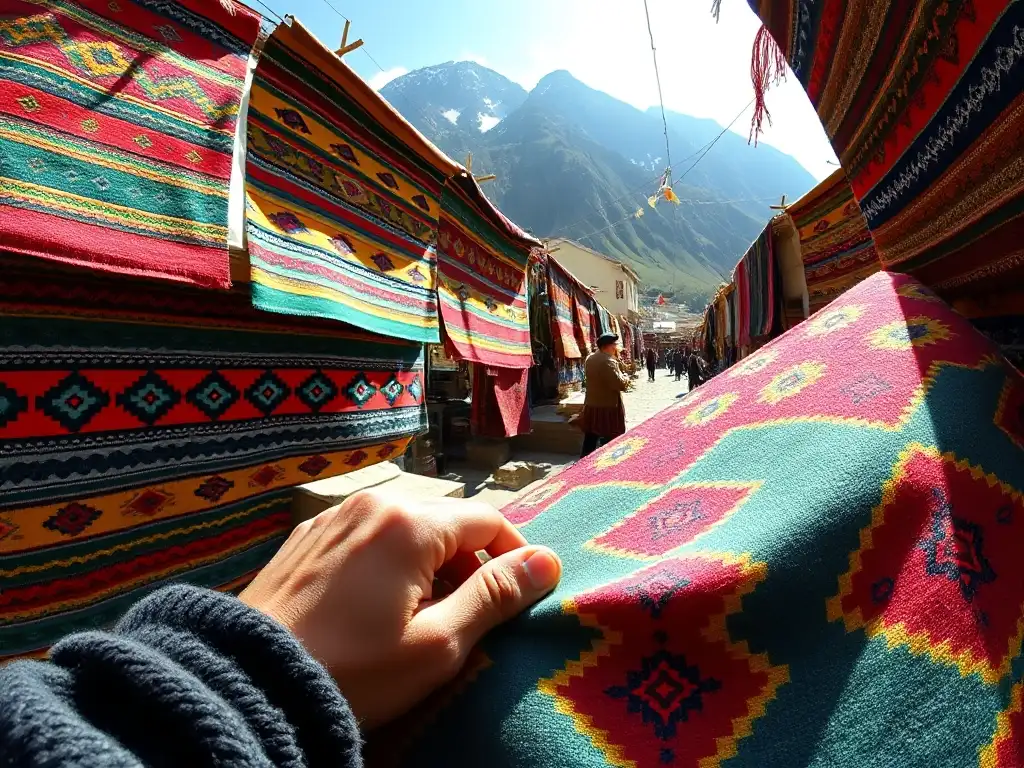
Step into a world woven with mystery and majesty. For centuries, the Andes Mountains have echoed with the stories of remarkable civilizations. Here at Andean Civilizations, we unravel the threads of their rich tapestry, exploring their advancements in art, technology, and culture. But what secrets do the intricate Andean textile geometric patterns hold? Prepare to be amazed as we delve into the captivating power of these designs – a journey that will redefine your understanding of Andean ingenuity.
The vibrant tapestry of Andean culture is intricately woven, not just literally, but also metaphorically, through its rich textile traditions. For centuries, Andean peoples—from the Incas to the pre-Inca cultures like the Moche, Nazca, and Tiahuanaco—have expressed their worldview, social structures, and spiritual beliefs through the intricate geometric patterns adorning their textiles.
These aren't mere decorations; they are powerful symbols, a visual language conveying complex narratives and profound meaning. This article delves into the fascinating world of Andean textile geometric patterns, exploring their significance, decoding their motifs, and understanding the sophisticated mathematical and artistic principles behind their creation.
We will uncover how these seemingly simple shapes hold the key to unlocking a deeper understanding of Andean civilization and its enduring legacy. The study of "Andean textile geometric patterns" reveals not just aesthetic beauty but a profound connection to the past, offering a window into the minds and lives of ancient Andean artisans.
Introduction to Andean Textile Geometric Patterns and their Significance
Andean textile geometric patterns are far from random; they are meticulously planned and executed, reflecting a deep understanding of geometry, symmetry, and symbolic representation. The use of specific shapes, colors, and combinations held significant cultural meaning, often related to cosmology, agriculture, social status, and ritual practices. For example, the recurring motif of stepped pyramids, often seen in textiles from various Andean cultures, likely represents the layered structure of the Andes mountains themselves, reflecting a close relationship with the environment and an understanding of the cosmos.
Other common patterns, such as zigzags, spirals, and chevrons, might symbolize water, fertility, or the paths of celestial bodies. The precision and complexity of these patterns showcase the advanced mathematical and artistic skills of Andean weavers, who often worked with limited tools and materials. The creation of these textiles wasn't simply a craft; it was a sacred act, connecting the weaver to the spiritual realm and ensuring the continuity of cultural traditions.
Analyzing these patterns allows us to understand not just the technical skill involved but also the rich symbolic language embedded within the fabric itself. The legacy of these patterns continues to inspire contemporary artists and designers, demonstrating their enduring relevance and beauty.
Decoding the Language of Andean Weaving: Geometric Motifs
The geometric motifs found in Andean textiles are incredibly diverse, yet often follow consistent themes and symbolic associations across different cultures and time periods. Let's explore some key examples:
- Triangles: Often representing mountains, agricultural terraces, or even the Andean worldview of a three-tiered cosmos (upper, middle, and lower worlds). The orientation and color of the triangles could further modify their meaning.
- Squares and Rectangles: These often symbolize order, stability, and the earth. The arrangement of squares and rectangles within a textile could represent fields, buildings, or even calendars.
- Circles and Spirals: Commonly associated with the sun, moon, and the cyclical nature of life, death, and rebirth. Spirals, in particular, might represent the unfolding of time or the ever-expanding universe.
- Zigzags and Chevrons: These dynamic patterns often symbolize water, lightning, or the movement of energy. Their directionality and intensity could convey additional layers of meaning.
- Step Patterns: As mentioned earlier, these stepped patterns often represent mountains, agricultural terraces, or the hierarchical structure of Andean society.
The combination and arrangement of these motifs create complex narratives, often telling stories about the weaver's community, their beliefs, and their relationship with the natural world. Understanding the context in which these textiles were created—rituals, ceremonies, everyday life—is crucial for a complete interpretation of their symbolic language. Further research into specific Andean cultures and their unique iconography is necessary for a deeper understanding of the nuanced meanings embedded within these remarkable designs. The study of Andean textile geometric patterns is an ongoing process of discovery, revealing ever more complex layers of meaning with each new investigation.
Exploring Common Andean Geometric Patterns: A Visual Guide
Andean textile geometric patterns are incredibly diverse, reflecting the ingenuity and artistic sensibilities of the various cultures that thrived in the Andes. While seemingly simple at first glance, these patterns hold deep symbolic meaning and reveal a sophisticated understanding of geometry and mathematics. This section provides a visual guide to some of the most common motifs, exploring their variations and cultural significance. The intricate designs, often woven with meticulous precision, are a testament to the skill and dedication of Andean artisans.
Many patterns were not simply decorative; they encoded social status, religious beliefs, and cosmological understandings. The careful study of these geometric patterns offers a window into the complex worldview of Andean societies. Further research into specific regional variations is encouraged to fully appreciate the nuances of these designs.
The Stepped Fret or Greca in Andean Textiles
The stepped fret, also known as greca, is a ubiquitous pattern in Andean textiles, appearing in various forms across different cultures and time periods. This zig-zagging motif, resembling a series of interconnected steps or a stylized wave, is often found as a border element or incorporated into larger, more complex designs. Its prevalence suggests a fundamental importance in Andean aesthetics and symbolism. Some scholars interpret the stepped fret as representing mountains, water, or even the path of the sun.
Variations in the size, angle, and color of the steps create a wide range of visual effects, demonstrating the adaptability of this fundamental pattern. Examining examples from different regions reveals subtle variations that reflect local stylistic preferences and artistic traditions. The prevalence of the stepped fret in both everyday textiles and elite garments underscores its enduring significance in Andean visual culture.
The Diamond and its Variations in Andean Textile Design
The diamond, a powerful symbol across many cultures, takes on unique forms and meanings in Andean textile design. Often appearing as simple rhombuses, these diamonds can be elongated, interconnected, or nested within other geometric shapes. The diamond's symmetrical nature and its association with fertility and abundance likely contributed to its widespread use.
In some contexts, diamond patterns might represent agricultural fields, celestial bodies, or even the female principle. The variations in the diamond's representation—from simple to complex, from single elements to intricate arrangements—reflect the rich diversity of Andean artistic expression. Further research into specific regional styles would illuminate the subtle differences in meaning and execution across different cultural groups.
The Checkerboard and Grid Patterns in Andean Textiles
Checkerboard and grid patterns, characterized by their regular arrangement of squares or rectangles, represent another important category of Andean geometric designs. These patterns often serve as a foundational structure upon which more elaborate motifs are built. Their simple, yet visually striking nature, makes them suitable for a variety of textile applications, from clothing to wall hangings.
The precision required to create these patterns, especially on intricately woven textiles, highlights the advanced technical skills of Andean weavers. The use of contrasting colors further enhances the visual impact of checkerboard and grid patterns, adding depth and complexity to the overall design. The symbolic meaning of these patterns likely varied across different regions and time periods, requiring further investigation to fully understand their significance.
The Spiral and its Symbolic Representation in Andean Weaving
The spiral, a ubiquitous symbol in many cultures, holds a special place in Andean textile design. Representing growth, cyclical processes, and the cosmos, the spiral often appears as a single motif or as part of a larger, more complex design. The direction of the spiral—clockwise or counterclockwise—might also hold symbolic significance, potentially representing different aspects of the Andean worldview.
The meticulous craftsmanship involved in creating these spiral patterns, often using multiple colors and techniques, is remarkable. The spiral motif is found across various Andean cultures, suggesting its widespread cultural importance. Detailed studies of specific examples from different regions could shed light on the regional variations in the spiral's symbolic meaning and artistic representation.
Understanding the Mathematical Foundations of Andean Textile Patterns
The beauty of Andean textile designs is not only aesthetic but also mathematical. A deep understanding of geometry and numerical relationships underpins the creation of these intricate patterns. The artisans' mastery of symmetry, repetition, and proportional relationships is evident in the precision and complexity of their work. This section explores the mathematical principles that govern the creation of these stunning textiles.
The use of precise measurements, consistent spacing, and carefully planned color arrangements demonstrates a remarkable understanding of mathematical concepts. This knowledge was not merely theoretical but deeply embedded in the practical application of weaving techniques. Further investigation into the mathematical relationships in different Andean textile styles could reveal fascinating insights into the cognitive processes of Andean artisans.
The Use of Symmetry in Andean Geometric Designs
Symmetry is a fundamental element in many Andean geometric designs. From bilateral symmetry, where a pattern can be divided into two mirror images, to rotational symmetry, where a pattern can be rotated and still look the same, Andean weavers demonstrated a profound understanding of these principles. The use of symmetry creates a sense of balance and harmony, enhancing the visual appeal of the textiles.
The precise execution of symmetrical patterns, particularly in complex designs, testifies to the skill and precision of the Andean weavers. Symmetry is not merely an aesthetic choice but likely holds deeper symbolic meaning, reflecting the Andean worldview's emphasis on balance and order.
Repetition and Rhythm in Andean Textile Motifs
Repetition and rhythm are essential components in the creation of Andean textile patterns. The repetition of motifs, such as the stepped fret or diamond, creates a sense of continuity and visual flow. The rhythm, established by the alternating or sequential arrangement of colors and shapes, adds dynamism and visual interest.
The skillful use of repetition and rhythm allows Andean weavers to create complex and visually engaging designs without sacrificing clarity or coherence. The careful control of these elements demonstrates a sophisticated understanding of visual design principles. The interplay of repetition and rhythm in Andean textiles highlights the artisans' ability to create both visually stunning and structurally sound designs.
How to Recreate Andean Textile Geometric Patterns
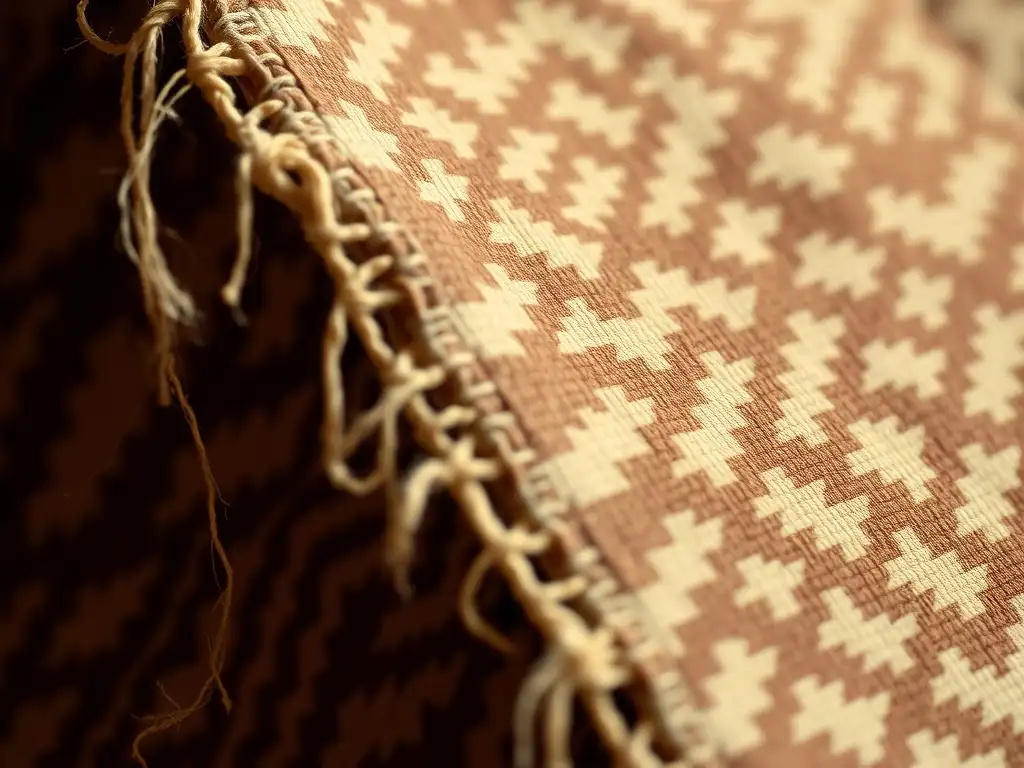
Recreating Andean textile geometric patterns requires patience, attention to detail, and a basic understanding of weaving techniques. While achieving the intricate complexity of some ancient pieces may be challenging for beginners, simpler patterns are entirely accessible. The key lies in understanding the fundamental building blocks: stripes, zigzags, stepped patterns, and the use of contrasting colors. These elements, combined in various ways, create the stunning visual effects characteristic of Andean textiles.
Many resources are available to aid in this process. Books dedicated to Andean weaving techniques often include diagrams and detailed instructions for replicating specific patterns. Online tutorials, while varying in quality, can provide visual demonstrations and helpful tips. Workshops and classes, offered both in person and online, offer the benefit of hands-on instruction and personalized feedback from experienced weavers.
Participating in such classes allows direct learning from artisans and potentially access to authentic materials. Remember that the process is iterative; don't be discouraged by initial attempts. The beauty of Andean textile design lies in its variability and adaptability. Experimentation and practice are key to mastering the techniques and developing your own unique interpretations.
Step-by-Step Guide to Weaving a Simple Andean Geometric Pattern
Let's explore a basic stepped pattern, a common motif in Andean textiles. This guide assumes some familiarity with basic weaving techniques, such as warping and weft insertion.
- Warp Preparation: Prepare your warp threads, ensuring even tension. The number of threads will determine the width of your textile. For a simple pattern, around 10-15 threads are sufficient.
- Weft Selection: Choose two contrasting colors of yarn. Traditional Andean textiles often use natural dyes derived from plants and minerals, resulting in rich, earthy tones. For this exercise, any two contrasting colors will suffice.
- Pattern Creation: The stepped pattern is created by alternating the weft color across the warp threads. For example, for a three-step pattern, you'd weave three weft threads of one color, then three weft threads of the other, and repeat. This creates a distinct visual step.
- Weaving Process: Carefully insert the weft threads, ensuring even tension and avoiding gaps. Use a shed stick or similar tool to manage the warp threads efficiently.
- Finishing: Once the desired length is reached, secure the weft threads and finish the edges of the textile. This can be done through various techniques, including fringe making or simple binding.
This simple example showcases the basic principles. More complex patterns involve variations in the number of weft threads per color, the introduction of additional colors, and the incorporation of supplementary weft techniques. Remember to practice and experiment!
Using Modern Techniques to Translate Andean Designs
While traditional Andean weaving techniques are invaluable for understanding the cultural context, modern techniques can offer new avenues for recreating and interpreting Andean geometric patterns. Digital design software allows for precise pattern creation and manipulation, enabling the exploration of variations and adaptations. Once a design is finalized digitally, it can be used as a template for various crafting methods.
For instance, techniques like knitting, crochet, and even embroidery can be adapted to reproduce Andean patterns. These modern techniques offer accessibility to a broader range of individuals interested in recreating these designs, democratizing access to this rich artistic heritage. Further, the use of modern materials allows for experimentation with different textures and finishes, opening up exciting opportunities for contemporary interpretations of ancient Andean aesthetics.
Modern printing methods could even be employed, although this might lessen the tactile and cultural experience of recreating the work through traditional methods. The crucial element remains respecting the source material and acknowledging the rich history and cultural significance of Andean textile designs.
The Cultural and Spiritual Meanings Behind Andean Textile Geometric Patterns
Andean textile geometric patterns are not merely decorative; they are imbued with profound cultural and spiritual significance. These patterns served as visual languages, communicating complex narratives, social status, and cosmological beliefs. The designs weren't randomly chosen; they were meticulously planned and executed, reflecting a deep understanding of the Andean worldview.
The choice of colors, for example, held symbolic meaning. Specific colors were associated with deities, natural elements, and social hierarchies. The geometric shapes themselves, such as triangles, squares, and stepped patterns, often represented celestial bodies, mountains, or agricultural cycles. The intricate weaving techniques, with their interwoven threads and complex structures, mirrored the interconnectedness of the Andean cosmos. Understanding these symbolic meanings requires studying the historical context of each textile and the specific cultural group that created it.
The Connection between Andean Cosmology and Textile Design
Andean cosmology, a complex system of beliefs centered around the relationship between humans and the natural world, is deeply reflected in textile design. The Andean worldview saw the cosmos as an interconnected whole, with the earthly realm mirroring the celestial. Mountains, rivers, and stars were not just physical entities but also powerful spiritual forces.
Textile designs often incorporated representations of these elements. Mountain ranges were symbolized by stepped patterns, representing the layered structure of the Andes. Rivers were depicted through flowing lines or zigzags, mirroring their meandering paths. Celestial bodies, such as the sun and moon, were represented by circular or radiating patterns. This connection between the terrestrial and the celestial was not merely aesthetic; it was a powerful affirmation of the Andean worldview, weaving together the physical and spiritual realms in a single, intricate tapestry. The creation of these textiles was thus a sacred act, connecting the weaver to the cosmos.
How Geometric Patterns Transmit Cultural Values in Andean Communities
Andean textile geometric patterns served as powerful tools for transmitting cultural values and knowledge across generations. The designs were not simply aesthetically pleasing; they encoded social structures, moral codes, and historical narratives. These patterns acted as a form of visual storytelling, conveying information that was passed down through families and communities.
For instance, specific patterns might indicate a person's social status, clan affiliation, or marital status. Others could depict historical events, myths, or religious beliefs. The intricate designs were not only visually impressive but also served as a repository of cultural memory, ensuring the continuity of Andean traditions. Learning to read and interpret these patterns was a crucial aspect of Andean socialization, reinforcing social cohesion and cultural identity. The continued creation and use of these patterns today ensures that this rich cultural heritage is preserved and celebrated.
Preserving and Promoting Andean Textile Art: A Call to Action
The vibrant tapestry of Andean textile art faces numerous challenges in the modern world. Globalization, the lure of mass-produced goods, and the loss of traditional knowledge threaten the continuation of these intricate weaving techniques. The geometric patterns, imbued with centuries of cultural significance, risk fading into obscurity unless proactive measures are taken to preserve and promote this invaluable heritage. This requires a multifaceted approach, engaging both local communities and international supporters.
We must actively combat the appropriation of Andean designs, ensuring that the creators receive proper recognition and compensation for their artistry. Furthermore, promoting ethical sourcing and fair trade practices is crucial to ensuring the sustainability of Andean textile production. By supporting artisans directly, we contribute to the economic well-being of communities and encourage the continuation of their ancestral traditions.
The preservation of these intricate designs is not merely an aesthetic concern; it's a vital step in safeguarding cultural identity and promoting sustainable development within Andean communities. The intricate geometric patterns found in Andean textiles are more than just aesthetically pleasing; they are living records of history, knowledge, and cultural identity. Their preservation is a collective responsibility.
Supporting Andean Artisans and Sustainable Practices
Supporting Andean artisans involves more than simply purchasing their textiles. It requires a conscious effort to understand the socio-economic context in which these crafts are produced. This means advocating for fair trade practices that ensure artisans receive a fair wage and have access to resources like quality materials and sustainable production methods.
Furthermore, supporting initiatives that promote sustainable dyeing techniques, reducing environmental impact, is crucial. Many traditional dyes are derived from natural sources, but the sourcing and processing of these materials can be environmentally taxing. Sustainable practices minimize the ecological footprint of textile production, ensuring the longevity of these traditions.
Direct engagement with artisan communities, through fair trade organizations or cooperatives, allows for a more equitable exchange, fostering stronger relationships and ensuring the long-term sustainability of Andean textile production. This approach not only benefits the artisans but also preserves the unique character and quality of their work, ensuring the legacy of Andean textile art continues to thrive. Examples of sustainable practices include using organic cotton, minimizing water usage in dyeing processes, and implementing waste reduction strategies.
Learning and Sharing the Knowledge of Andean Weaving
The intricate knowledge of Andean weaving techniques, passed down through generations, is a precious cultural asset that should be actively preserved and shared. This involves supporting educational programs that teach these skills to younger generations, ensuring the continuity of this tradition. Documenting these techniques through detailed records, videos, and workshops helps preserve the knowledge for future generations and provides valuable resources for researchers and enthusiasts alike.
Moreover, sharing this knowledge through workshops, exhibitions, and collaborations with international institutions promotes cultural exchange and fosters appreciation for Andean weaving techniques. By actively engaging in these efforts, we ensure that the traditional knowledge of Andean textile design is not only preserved but also shared and celebrated globally.
This active preservation of knowledge goes hand-in-hand with the preservation of the intricate geometric patterns themselves, ensuring that the cultural context and meaning behind these designs remain intact. The collaborative learning approach ensures the longevity of this unique craft.
Conclusion: The Enduring Legacy of Andean Textile Geometric Patterns
The geometric patterns woven into Andean textiles represent far more than mere ornamentation; they are powerful symbols of cultural identity, history, and ingenuity. These intricate designs, passed down through generations, tell stories of Andean cosmology, social structures, and the deep connection between the people and their environment. Understanding the geometry of these patterns provides a window into the rich tapestry of Andean civilization.
By actively preserving and promoting this art form, we not only safeguard a valuable cultural legacy but also contribute to the economic empowerment of Andean communities and the preservation of their unique cultural heritage. The enduring legacy of Andean textile geometric patterns depends on our collective commitment to supporting Andean artisans, promoting sustainable practices, and sharing the knowledge of these intricate weaving techniques. The future of these stunning designs rests in our hands.
Let us work together to ensure their vibrant patterns continue to inspire and amaze for generations to come. The legacy of Andean textile geometric patterns is a testament to human creativity and cultural resilience; it deserves our continued respect and support.
- Introduction to Andean Textile Geometric Patterns and their Significance
- Decoding the Language of Andean Weaving: Geometric Motifs
- Exploring Common Andean Geometric Patterns: A Visual Guide
- Understanding the Mathematical Foundations of Andean Textile Patterns
- How to Recreate Andean Textile Geometric Patterns
- The Cultural and Spiritual Meanings Behind Andean Textile Geometric Patterns
- Preserving and Promoting Andean Textile Art: A Call to Action
- Conclusion: The Enduring Legacy of Andean Textile Geometric Patterns
- What makes Andean textile geometric patterns so unique?
- How did the ancient Andean cultures create such intricate geometric patterns?
- What are some common geometric shapes found in Andean textiles?
- What was the significance of geometric patterns in Andean society?
- Where can I see examples of Andean textile geometric patterns today?
Frequently Asked Questions
What makes Andean textile geometric patterns so unique?
Andean textile geometric patterns are unique due to their complex designs, often incorporating symbolic meanings related to cosmology, social status, and mythology. The variety of techniques used, like tapestry and brocade, further adds to their distinctiveness.
How did the ancient Andean cultures create such intricate geometric patterns?
Ancient Andean artisans employed advanced techniques like backstrap loom weaving and various dyeing methods to create intricate geometric patterns. Their mastery of spinning and manipulating fibers allowed for incredible detail and precision.
What are some common geometric shapes found in Andean textiles?
Common geometric shapes include triangles, squares, zigzags, steps, and spirals. These shapes were often combined to create larger, more complex designs, reflecting complex cultural beliefs.
What was the significance of geometric patterns in Andean society?
Geometric patterns in Andean textiles held significant social and religious meaning. They served as status markers, ritual objects, and expressions of identity, reflecting the wearer's social standing, clan affiliation, or spiritual beliefs.
Where can I see examples of Andean textile geometric patterns today?
Examples of Andean textile geometric patterns can be found in museums worldwide, including the Larco Museum in Lima, and the American Museum of Natural History in New York. Many private collections also hold significant examples of this art form.
Final Reflection: Weaving the Threads of Andean Legacy
The intricate geometric patterns of Andean textiles are not merely decorative; they are living archives, echoing centuries of cultural knowledge and resilience. These designs, far from being static relics of the past, continue to resonate deeply within contemporary Andean societies and offer valuable insights into the enduring power of tradition in a rapidly changing world. Their vibrant presence challenges us to reconsider our own relationship with heritage and the stories embedded within seemingly simple forms.
The enduring influence of these patterns extends far beyond the realm of textiles; they permeate Andean art, architecture, and even spiritual practices. Their geometric precision and symbolic depth speak to a profound understanding of the natural world and the interconnectedness of all things. The designs are not just beautiful; they are a language, a way of communicating with the ancestors and with the cosmos.
– This sentiment, often heard from Andean artisans, underscores the profound spiritual significance woven into every thread. Understanding this deeper meaning allows us to appreciate the artistry not just as aesthetic achievement, but as a powerful expression of cultural identity.
Consider the legacy of these patterns, their enduring power to connect past and present. You, the reader, are now part of this ongoing conversation. Take a moment to reflect on the patterns you encounter in your own life – the recurring themes, the symbolic imagery that shapes your understanding of the world.
By recognizing the power of patterns, both in Andean textiles and in our own lives, we can unlock a deeper appreciation for the beauty, resilience, and enduring wisdom of human creativity. Let the vibrant threads of Andean heritage inspire you to find your own unique patterns of meaning and connection.
Unveil the Beauty of Andean Textiles!
Thank you for exploring the intricate world of Andean textile design and the ways geometry and patterns reflect the rich culture of these ancient civilizations. Now, let's put your newfound knowledge into practice!
- **Experience** the beauty of Andean textiles firsthand by visiting local artisans and exploring their creations. Attend a craft fair or visit a gallery specializing in Andean art.
- **Share** your knowledge with friends and family. Host a gathering to discuss the fascinating symbolism woven into these textiles—your passion might inspire others to learn more!
- If you're feeling inspired, **design your own** geometric patterns inspired by Andean traditions. Gather some paper and colored pencils and let your creativity flow!
Which Andean textile patterns and symbols resonate most with you, and how do you think they reflect the history and values of the culture? Let's discuss!