
The Collector's Journey: Navigating the World of Andean Antiquities

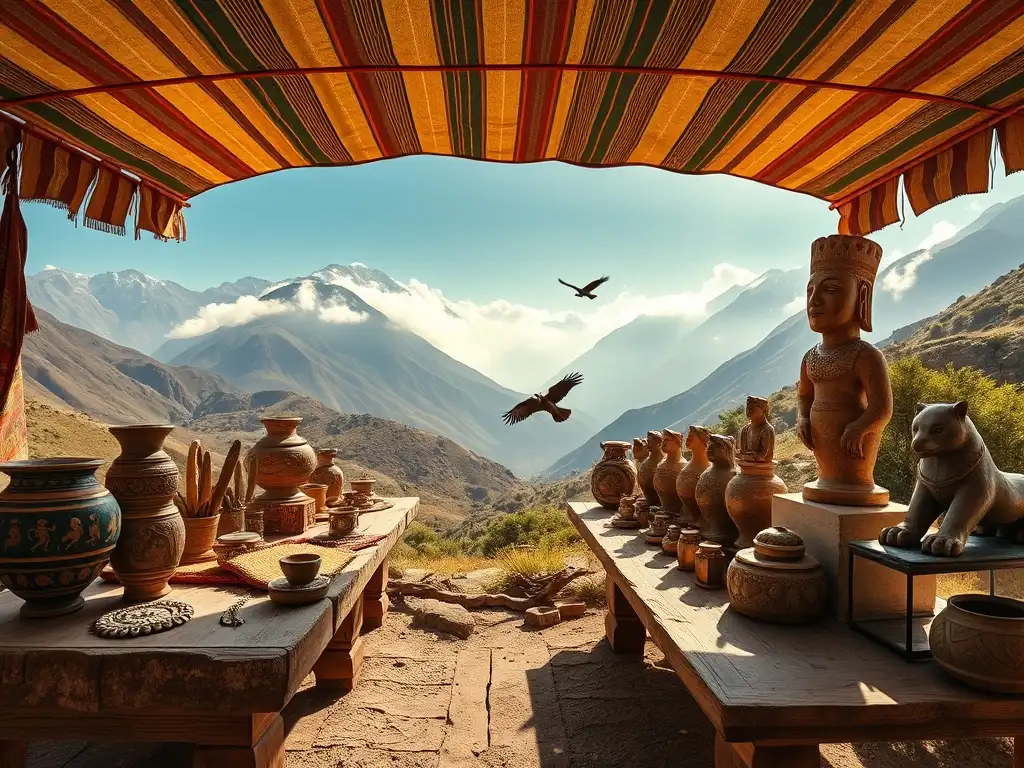
Step into a world lost to time, yet echoing with the whispers of empires past. Imagine uncovering the secrets held within ancient Andean artifacts, relics of a civilization that mastered engineering, art, and spirituality on a scale few can comprehend. This journey into the heart of Andean culture unveils a breathtaking collection of knowledge, focusing on Andean artifacts for collectors – a realm of exquisite craftsmanship and historical significance waiting to be explored. Dare to delve deeper and discover the stories these treasures hold.
The allure of Andean artifacts for collectors is undeniable. These objects, remnants of sophisticated and vibrant pre-Columbian civilizations, offer a tangible connection to a rich and complex past. From the intricate textiles of the Nazca to the imposing stonework of the Inca, Andean antiquities represent a remarkable tapestry of human ingenuity and artistic expression. This journey into the world of collecting Andean artifacts will equip you with the knowledge and understanding necessary to navigate this fascinating, yet often complex, field responsibly and ethically. We will explore the historical context of these pieces, discuss the importance of authentication and provenance, and provide insights into the various types of Andean artifacts available to collectors, ultimately guiding you towards building a collection that is both aesthetically pleasing and historically significant. This guide is specifically designed for those interested in Andean artifacts for collectors, offering a comprehensive overview of the market and its nuances.
Introduction to Collecting Andean Artifacts: A Journey Through Time
Collecting Andean artifacts is more than simply acquiring beautiful objects; it's about embarking on a journey through time, connecting with the legacies of remarkable civilizations that thrived in the Andes Mountains for millennia. Understanding the historical context of each piece is crucial. For instance, the intricate pottery of the Moche culture (circa 100-800 CE) reflects their sophisticated understanding of both art and agriculture, often depicting scenes of daily life, religious ceremonies, and warfare.
In contrast, the textiles of the Paracas culture (circa 700-100 BCE) are renowned for their vibrant colors and intricate designs, showcasing a mastery of weaving techniques that remains unparalleled. The Inca Empire (circa 1438-1533 CE), with its vast reach and sophisticated administrative systems, left behind impressive stonework, gold and silver artifacts, and finely crafted ceramics. Each artifact tells a story, a fragment of a larger narrative waiting to be pieced together.
The journey of collecting these artifacts, therefore, involves not only acquiring objects but also actively engaging with the rich history they represent. It's a journey of discovery, learning, and appreciation for the ingenuity and artistry of these ancient Andean cultures. Understanding this historical depth is paramount for responsible collecting.
Understanding the Allure of Pre-Columbian Art
The appeal of Pre-Columbian art, and specifically Andean artifacts, lies in several key factors. Firstly, the sheer artistry and craftsmanship are breathtaking. The intricate detail found in textiles, pottery, and metalwork often surpasses modern techniques. Secondly, the objects possess a powerful aura of history and mystery.
These are not mass-produced items; they are unique pieces with individual stories and histories, often imbued with spiritual or ritual significance. Thirdly, collecting Andean artifacts allows for a direct engagement with a culture significantly different from our own, offering a window into a unique worldview and artistic tradition. Finally, the rarity and exclusivity of certain pieces contribute to their allure, making them highly sought-after by collectors worldwide. However, this allure must be tempered with a strong sense of ethical responsibility.
Understanding the provenance of an artifact, ensuring its legal acquisition, and respecting its cultural significance are crucial aspects of responsible collecting. The market for Andean antiquities is complex, and navigating it successfully requires careful research, due diligence, and a commitment to ethical practices. The beauty and historical significance of these objects should never come at the expense of cultural heritage.
- Introduction to Collecting Andean Artifacts: A Journey Through Time
- Understanding the Allure of Pre-Columbian Art
- What makes Andean artifacts so desirable for collectors?
- Where can I find reputable sources for acquiring Andean artifacts?
- How can I ensure the authenticity of an Andean artifact?
- What are some of the most popular types of Andean artifacts for collectors?
- What legal considerations should I be aware of when collecting Andean artifacts?
Essential Knowledge for Aspiring Andean Artifact Collectors
This section provides crucial information for anyone interested in collecting Andean artifacts. Navigating this market requires a keen eye, a strong ethical compass, and a deep understanding of the cultural significance of these objects. Remember, collecting Andean artifacts is not just about acquiring beautiful objects; it's about responsibly preserving a vital part of human history. We will explore key aspects to help you build a collection you can be proud of.
Identifying Authentic Andean Artifacts: Avoiding Fakes and Replicas
The market for Andean artifacts, unfortunately, includes a significant number of fakes and replicas. Distinguishing genuine pieces from imitations requires careful examination and, ideally, consultation with experts. Several key characteristics can help you identify authentic Andean artifacts. These include:
- Material Authenticity: Pay close attention to the materials used. Authentic pre-Columbian pottery, for example, often exhibits specific clay compositions and firing techniques that are difficult to replicate perfectly. Look for signs of natural weathering and age, which are often absent in modern forgeries. The patina, or surface discoloration, is a crucial indicator. Modern fakes often lack the subtle variations in color and texture that come with centuries of exposure to the elements.
- Stylistic Analysis: Each Andean culture possessed unique artistic styles. Familiarize yourself with the characteristic features of different cultures—Inca, Moche, Nazca, Tiahuanaco, etc.—to identify stylistic inconsistencies in potential acquisitions. For example, the intricate goldwork of the Moche is vastly different from the geometric precision of Tiahuanaco textiles. Inconsistencies in style are a major red flag.
- Provenance Documentation: Always request detailed provenance documentation, which traces the artifact's ownership history. A reputable seller will be able to provide a clear chain of custody, showing how the artifact came into their possession. Lack of provenance is a strong indicator of a dubious origin. Moreover, be wary of overly vague or contradictory provenance claims.
- Scientific Testing: For high-value pieces, consider commissioning scientific testing, such as thermoluminescence dating for pottery or X-ray fluorescence for metalwork. These tests can provide conclusive evidence of an artifact's age and authenticity. This step is particularly important when dealing with pieces claiming to be exceptionally old or rare.
- Expert Consultation: Before making a significant purchase, consult with a recognized expert in Andean archaeology or art history. Their expertise can save you from costly mistakes and help you build a truly authentic collection of Andean artifacts for collectors. Remember, a small investment in expert advice can prevent significant losses later.
Legal and Ethical Considerations When Collecting Andean Art
The acquisition and ownership of Andean artifacts are subject to various legal and ethical considerations. Understanding these aspects is not only crucial for compliance but also for ensuring responsible collecting practices. Here are some key points:
- International Laws and Treaties: Many countries have strict regulations governing the export and import of cultural artifacts. The UNESCO 1970 Convention on the Means of Prohibiting and Preventing the Illicit Import, Export and Transfer of Ownership of Cultural Property is a key international instrument that aims to prevent the illicit trafficking of antiquities. Collectors must be aware of these laws and ensure that any acquisitions are legally obtained.
- National Laws and Regulations: Each country from which Andean artifacts originate has its own specific laws regarding the ownership and trade of cultural heritage. Thorough research into the relevant national legislation is vital before purchasing any artifact. Ignorance of the law is no defense.
- Ethical Sourcing: Beyond legal compliance, ethical considerations should guide your collecting practices. Support reputable dealers who prioritize responsible sourcing and provide clear provenance documentation. Avoid purchasing artifacts from sources that are suspected of engaging in looting or illicit trafficking. This is crucial for preserving cultural heritage and supporting sustainable practices.
- Respect for Cultural Heritage: Remember that Andean artifacts are not mere commodities; they are tangible representations of rich cultural traditions. Collecting them carries a responsibility to respect their historical and cultural significance. Avoid acquisitions that might contribute to the destruction of archaeological sites or the exploitation of local communities. The focus should always be on responsible collecting and preservation.
| Aspect | Description | Importance |
|---|---|---|
| Legal Compliance | Adhering to all national and international laws governing the import, export, and ownership of Andean artifacts. | Prevents legal repercussions and supports international efforts to protect cultural heritage. |
| Ethical Sourcing | Ensuring that artifacts are obtained through legitimate channels, avoiding those associated with looting or illicit activities. | Promotes responsible collecting and respects the cultural heritage of Andean communities. |
| Provenance Documentation | Maintaining detailed records of an artifact's ownership history, demonstrating its legal acquisition. | Provides transparency and helps to verify the authenticity and legality of the object. |
| Respect for Cultural Heritage | Recognizing the historical and cultural significance of Andean artifacts and collecting them responsibly. | Demonstrates a commitment to the preservation of cultural heritage and avoids contributing to its exploitation. |
This comprehensive approach to collecting Andean artifacts for collectors ensures both legal compliance and ethical responsibility, allowing you to build a valuable and meaningful collection.
Building Your Andean Artifact Collection: A Step-by-Step Guide
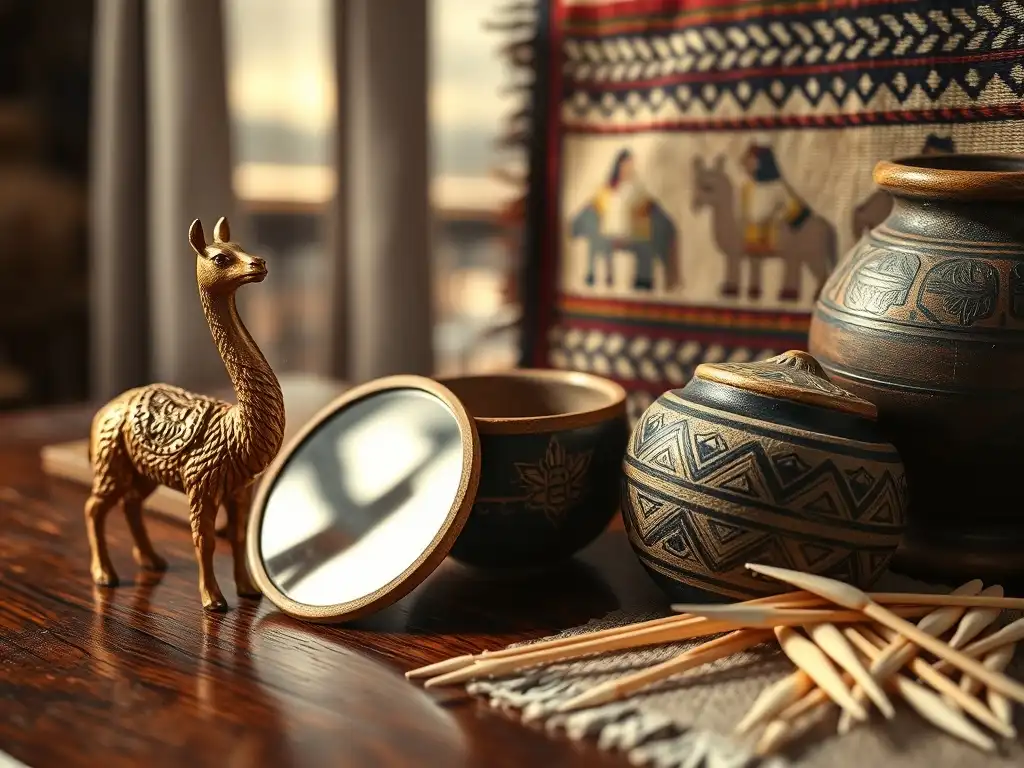
This section provides a practical guide for building a collection of authentic Andean artifacts. It's crucial to remember that responsible collecting involves ethical sourcing and preservation. The allure of acquiring Andean artifacts for collectors lies in their rich history and intricate craftsmanship, but understanding the provenance and legality is paramount.
Starting Your Collection: Where to Find Andean Artifacts for Sale
Finding reputable sources for Andean artifacts is the cornerstone of responsible collecting. Avoid dubious online marketplaces or individuals offering suspiciously cheap pieces—these are often illegally obtained or forged. Instead, focus your search on established channels that prioritize ethical sourcing and authentication.
Several avenues offer a higher likelihood of acquiring genuine Andean artifacts for collectors:
- Reputable Auction Houses: Major auction houses specializing in antiquities often feature Andean artifacts. These auctions typically involve rigorous vetting processes, increasing the chances of acquiring authentic pieces with documented provenance. However, the prices at these auctions can be significantly higher than other options.
- Specialized Art Galleries: Galleries focusing on pre-Columbian art are another excellent source. These galleries often have established relationships with reputable dealers and collectors, offering a level of trust and expertise not always found elsewhere. They frequently provide detailed information about the artifact's origin, age, and history.
- Museums and Academic Institutions: While museums rarely sell artifacts from their collections, some may offer reproductions or have associated shops selling ethically sourced items. Furthermore, attending lectures and exhibitions at these institutions can greatly enhance your knowledge and understanding of Andean artifacts, aiding in your collecting journey.
- Cultural Centers and Craft Fairs: Some cultural centers in Andean regions may host fairs where local artisans sell their work, including potentially antique or vintage pieces. However, it’s crucial to exercise extreme caution and verify authenticity before purchasing. Understanding the cultural context is vital here, as some pieces may hold significant cultural or religious meaning beyond their aesthetic value.
The process of acquiring Andean artifacts for collectors necessitates careful consideration. Always request detailed provenance information, including any documentation related to the artifact's origin and previous owners. This information helps establish authenticity and legality. Remember, the ethical acquisition of Andean artifacts is a vital aspect of responsible collecting. A lack of provenance can indicate potential illegal origins.
Key Pieces for a Starter Andean Art Collection
Beginning your Andean artifact collection requires a strategic approach. Focusing on a few key pieces that represent diverse aspects of Andean culture provides a strong foundation. This allows you to build a collection that’s both aesthetically pleasing and historically informative.
Consider these categories for your initial acquisitions:
- Textiles: Andean textiles are renowned for their vibrant colors, intricate designs, and high quality. Pieces showcasing different weaving techniques and stylistic periods can form a compelling core to your collection. Look for examples of k'epi (hats) or lliclla (shawls), noting variations in material and design across different Andean cultures.
- Ceramics: From the Moche's elegant portrait vessels to the Nazca's intricate polychrome pottery, Andean ceramics offer a vast spectrum of styles and artistic expressions. Aim to acquire pieces representing diverse styles and techniques, providing a comparative view of artistic development across different periods and regions. Consider the unique characteristics of each culture’s ceramic style.
- Metalwork: Andean metalwork, particularly in gold and silver, showcases the remarkable metallurgical skills of these ancient civilizations. While acquiring significant gold or silver pieces may be challenging due to their value and rarity, smaller items like bronze tools or decorative elements can still offer valuable insights into Andean technology and artistry.
Remember that building a collection is a marathon, not a sprint. Patience and diligent research are essential for acquiring authentic and ethically sourced Andean artifacts. By focusing on quality over quantity and prioritizing responsible collecting practices, you will cultivate a collection that is both personally rewarding and historically significant. The journey of building a collection of Andean artifacts for collectors is one of continuous learning and appreciation.
Advanced Collecting Strategies: Leveling Up Your Andean Artifact Acquisition
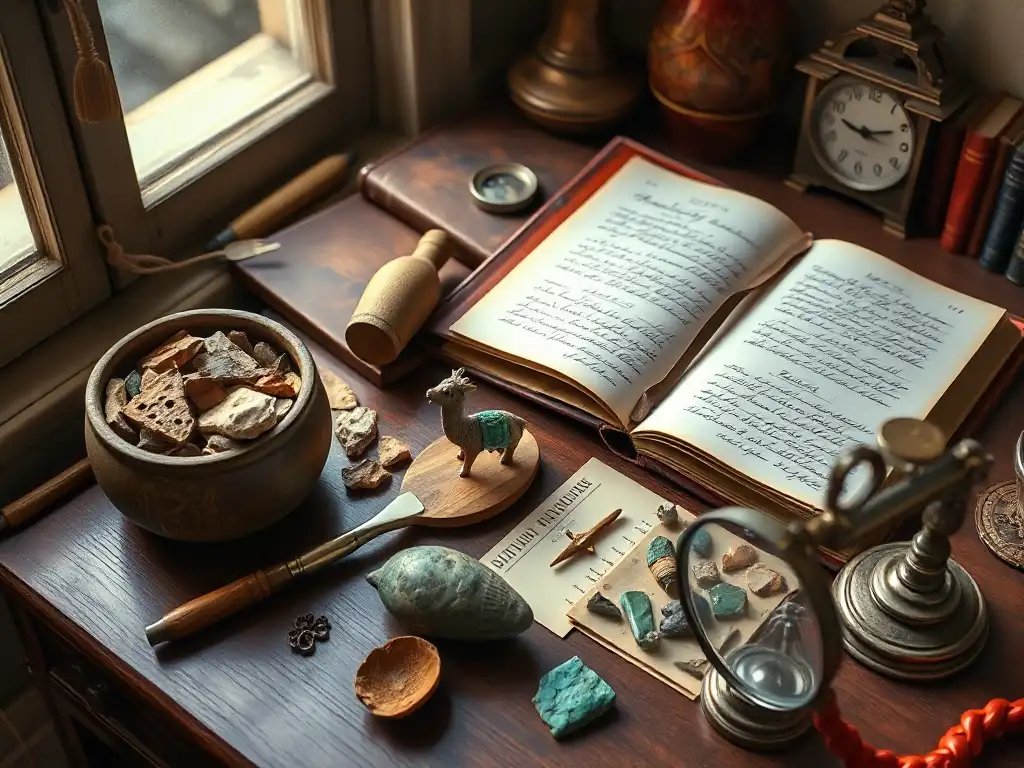
This section delves into sophisticated strategies for collectors seeking to enhance their Andean artifact collections. We move beyond the basics, addressing the acquisition of rare and high-value pieces, and the crucial aspects of preservation and display. Understanding these advanced techniques is essential for building a truly exceptional and historically significant collection of Andean antiquities. Remember, responsible collecting prioritizes authenticity and preservation.
Investing in Rare and High-Value Andean Artifacts
Investing in rare and high-value Andean artifacts requires a keen eye, extensive research, and a significant financial commitment. The market for these pieces is competitive, with prices influenced by factors such as rarity, provenance, condition, and artistic merit. Collectors should familiarize themselves with reputable auction houses and galleries specializing in pre-Columbian art. Due diligence is paramount; verifying authenticity through expert appraisals and provenance documentation is crucial to avoid acquiring forgeries.
Several factors determine the value of a high-value Andean artifact:
- Rarity: Extremely rare pieces, such as unique examples of Moche pottery depicting specific mythological scenes or exceptionally well-preserved textiles from the Nazca culture, command the highest prices. The scarcity of a specific type of artifact directly impacts its value.
- Provenance: A clear and documented history of ownership significantly enhances the value of an artifact. A well-documented provenance chain, tracing the artifact's ownership back to its original discovery, adds credibility and desirability.
- Condition: The state of preservation is critical. Artifacts in excellent condition, showing minimal signs of wear or damage, are more valuable than those that are fragmented or heavily restored. The level of restoration, if any, should be transparently documented.
- Artistic Merit: Exceptional craftsmanship and artistic skill are highly valued. Artifacts demonstrating intricate detail, innovative techniques, or unique stylistic features often fetch higher prices. The aesthetic appeal of a piece plays a significant role in its market value.
Consider these examples: a finely crafted gold headdress from the Inca Empire would command a significantly higher price than a more common ceramic vessel, even if both are authentic. Similarly, a Nazca textile featuring exceptional preservation and intricate weaving techniques would be far more valuable than a fragment of a similar textile. The differences in value are directly related to the factors outlined above.
Investing in rare Andean artifacts is a long-term commitment. Prices can fluctuate, and market trends evolve, requiring continuous research and a strategic approach to building a collection.
Preserving and Displaying Your Andean Artifacts
Proper preservation and display are crucial for maintaining the integrity and value of your Andean artifacts. These delicate objects are vulnerable to damage from environmental factors such as light, temperature fluctuations, and humidity. Inappropriate handling can also lead to deterioration.
Here's a breakdown of best practices:
- Environmental Control: Maintain a stable environment with controlled temperature and humidity levels. Avoid direct sunlight and fluctuating temperatures, which can cause cracking, fading, and other forms of damage.
- Storage: Store artifacts in acid-free archival-quality boxes or cases to protect them from dust, light, and pests. Use soft, acid-free materials for cushioning.
- Handling: Always handle artifacts with clean, gloved hands to prevent the transfer of oils and dirt. Avoid touching delicate surfaces directly.
- Display: When displaying artifacts, use appropriate lighting to minimize light exposure and prevent fading. Use stable, secure display cases to protect them from accidental damage. Consider climate-controlled display cases for particularly sensitive items.
- Regular Inspection: Regularly inspect your collection for signs of deterioration or pest infestation. Address any issues promptly to prevent further damage.
Failure to properly preserve your Andean artifacts can lead to irreversible damage, significantly reducing their value and historical significance. Therefore, prioritizing preservation is not merely about protecting your investment; it's about safeguarding a piece of history. This responsible approach ensures your collection remains a valuable resource for future generations, continuing the legacy of Andean craftsmanship and culture. The careful preservation and display of these artifacts are crucial for maintaining their historical and cultural value – an essential aspect of responsible collecting.
Monetizing Your Passion for Andean Art: Exploring Investment and Resale
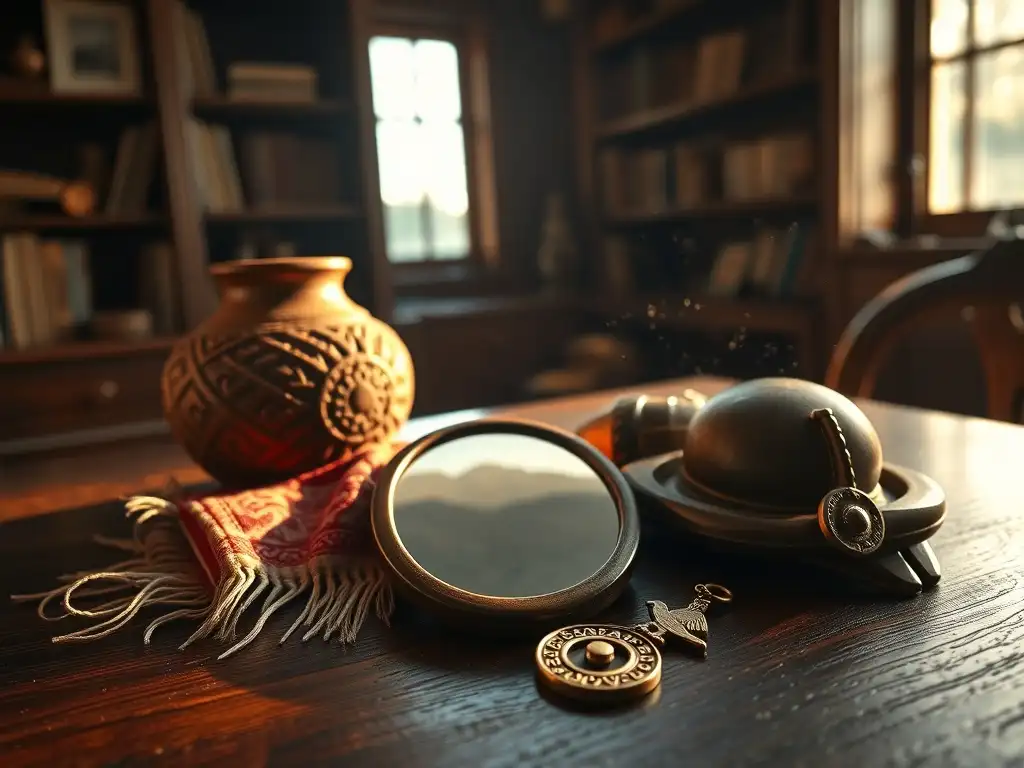
Collecting Andean artifacts can be a deeply rewarding experience, connecting you with the rich history and artistry of ancient civilizations. However, for some collectors, the pursuit extends beyond personal enjoyment; it becomes an avenue for investment and potential resale. This section explores the financial aspects of collecting Andean art, offering insights into the market's dynamics and opportunities.
The Resale Market for Andean Artifacts: Opportunities and Challenges
The resale market for authentic Andean artifacts is a complex landscape. Opportunities exist for astute collectors who understand the nuances of provenance, authenticity, and market demand. However, challenges abound, including the prevalence of forgeries and the legal complexities surrounding the import and export of antiquities.
The value of an Andean artifact is determined by several key factors:
- Rarity: Highly unique or exceptionally well-preserved pieces command higher prices. For example, a complete Nazca ceramic depicting a rare mythological scene would be far more valuable than a common type of pottery.
- Authenticity: Provenance is paramount. A clear and verifiable chain of custody significantly increases an artifact's value. Collectors should prioritize pieces with documented histories. This often involves professional authentication by experts.
- Condition: The condition of an artifact directly impacts its value. Well-preserved pieces with minimal damage fetch higher prices than those that are heavily damaged or restored. Minor repairs might be acceptable, but extensive restoration can significantly devalue a piece.
- Material: The materials used in the artifact's creation also influence its value. Gold, silver, and precious stones naturally command higher prices than simpler materials. The quality of the craftsmanship also plays a significant role.
- Cultural Significance: Artifacts with exceptional cultural or historical significance tend to be more valuable. This includes pieces that offer unique insights into Andean religious beliefs, social structures, or technological advancements.
Successfully navigating the resale market requires careful research and due diligence. Collectors should thoroughly investigate the authenticity of any piece before purchasing it, and be prepared to invest in professional authentication services if necessary. Understanding current market trends and pricing is also crucial, which may require consulting with appraisers or specialists in Andean art. Furthermore, navigating the legal framework surrounding the import and export of antiquities is essential to avoid legal complications.
Exploring the Investment Potential of Andean Art
While the Andean art market can be volatile, it presents potential for long-term investment. Certain types of artifacts, particularly those of exceptional quality and provenance, have historically appreciated in value. However, it's crucial to approach Andean art investment with a long-term perspective and a thorough understanding of the market's risks.
Several factors influence the investment potential of Andean artifacts:
| Factor | Impact on Investment Potential | Example |
|---|---|---|
| Rarity | High rarity increases potential for appreciation. | A unique Moche gold mask |
| Authenticity | Proven authenticity is crucial; forgeries can be worthless. | Artifact with documented provenance from a reputable museum or collection |
| Condition | Excellent condition enhances value; damage diminishes it. | Well-preserved Inca textile versus a heavily fragmented one |
| Market Demand | High demand drives prices up; low demand limits appreciation. | Popular styles of pottery versus less common ones |
| Economic Climate | Global economic conditions can impact the luxury goods market. | Periods of economic growth often see increased investment in art |
Investing in Andean art is not without risk. Market fluctuations, changes in tastes, and the potential for forgery all contribute to uncertainty. Diversification within a collection and thorough due diligence are crucial for mitigating these risks. Seeking advice from experienced art advisors or investment professionals specializing in the field can also be beneficial. Remember, investing in Andean artifacts should be considered a long-term strategy, not a get-rich-quick scheme. The rewards come from both the financial appreciation and the personal connection to a rich cultural heritage. 🥂
Conclusion: The Continuing Journey of Collecting Andean Artifacts
The acquisition of Andean artifacts is more than just a pursuit of aesthetically pleasing objects; it's a journey into the heart of a rich and complex history. Understanding the context, provenance, and ethical implications surrounding each piece is paramount. Responsible collecting, guided by a respect for the cultural heritage these artifacts represent, ensures their preservation for future generations and contributes to a deeper appreciation of Andean civilizations.
The thrill of discovery, the meticulous research, and the eventual placement of these treasures within a collection are all part of a rewarding and continuously evolving process. This journey demands patience, diligence, and a genuine passion for understanding the cultures that produced these remarkable works.
The world of Andean antiquities offers endless opportunities for learning and appreciation, making it a truly captivating field for dedicated collectors. Remember, the true value extends far beyond monetary worth; it lies in the stories these artifacts tell and the connection they forge between past and present.
The Value of Cultural Preservation Through Collecting
Responsible collecting of Andean artifacts plays a crucial role in cultural preservation. While some might argue that removing objects from their original context is inherently damaging, a well-curated private collection can actually contribute significantly to our understanding and appreciation of these cultures. Many private collectors generously make their collections available for scholarly research, providing invaluable access to objects that might otherwise remain inaccessible. This access facilitates academic study, leading to new discoveries and a more comprehensive understanding of Andean societies.
Furthermore, private collections often serve as a safeguard against looting and the destruction of archaeological sites. By providing a legitimate market for authentic artifacts, responsible collecting discourages illicit trafficking and encourages ethical acquisition practices. This symbiotic relationship between collectors and researchers is vital for preserving the legacy of Andean civilizations for generations to come.
Consider the impact of a well-documented collection – each piece meticulously cataloged with its provenance, providing researchers with crucial information for their studies. This meticulous approach is a testament to the collector's commitment to preserving the cultural heritage. The ethical acquisition and preservation of Andean artifacts is a crucial element in ensuring the legacy of these fascinating civilizations.
Further Resources for Andean Artifact Enthusiasts
For those seeking to deepen their knowledge and refine their collecting practices, several resources are available. Dedicated museums and academic institutions offer extensive archives and publications on Andean archaeology and art. Specialized books and journals provide in-depth analyses of specific artifact types, artistic styles, and cultural contexts. Furthermore, reputable auction houses and art dealers specializing in pre-Columbian art can guide collectors through the complexities of the market, ensuring ethical and legal acquisitions.
Participating in conferences and workshops focused on Andean archaeology and art history can also provide invaluable networking opportunities and access to the latest research. Remember, continuous learning is key to becoming a responsible and informed collector. The world of Andean artifacts is vast and complex, and ongoing research is vital for a nuanced understanding and ethical appreciation.
The pursuit of knowledge should always be a companion to the collector’s journey. Investing time in credible research will not only enrich your understanding but also ensure responsible and ethical engagement with the history and culture these artifacts embody. This ongoing pursuit of knowledge ensures the continued preservation and understanding of Andean artifacts.
Frequently Asked Questions
What makes Andean artifacts so desirable for collectors?
Andean artifacts are highly sought after due to their unique artistry, historical significance, and rare materials. Many pieces represent sophisticated techniques and beliefs of lost civilizations, making them invaluable.
Where can I find reputable sources for acquiring Andean artifacts?
Reputable sources include reputable auction houses, established museums with artifact sales, and licensed dealers specializing in pre-Columbian art. Always verify authenticity and provenance.
How can I ensure the authenticity of an Andean artifact?
Authenticity verification requires expert appraisal by a specialist in Andean archaeology or art history. Look for provenance documentation tracing the artifact's history. Be wary of overly cheap or suspiciously perfect pieces.
What are some of the most popular types of Andean artifacts for collectors?
Popular items include textiles, ceramics, gold and silver objects, and stone carvings. The demand varies depending on the civilization, material, and artistic merit.
What legal considerations should I be aware of when collecting Andean artifacts?
Be aware of national and international laws regarding the import and export of antiquities. Provenance is crucial to demonstrate legal ownership and avoid purchasing looted artifacts. Always verify compliance with all regulations.
Final Reflection: The Enduring Legacy of Andean Treasures
The allure of Andean artifacts continues to captivate collectors worldwide, yet their acquisition demands a profound understanding of their historical and cultural significance. These objects are not mere commodities; they are tangible links to a rich and complex past, whispering stories of ancient civilizations and their enduring legacy. The ethical considerations surrounding their collection, therefore, cannot be overstated.
The journey of collecting Andean artifacts is a deeply personal one, a path that intertwines passion with responsibility. It requires a commitment to learning, to understanding the delicate balance between personal enjoyment and the preservation of cultural heritage. As the renowned archaeologist, Hiram Bingham, once stated, The past is a foreign country; they do things differently there.
This sentiment underscores the importance of approaching these artifacts with respect, acknowledging their inherent value beyond monetary worth. We must strive to understand the context in which these objects were created and used, recognizing the cultural narratives they embody.
Consider the impact of your choices. Are you contributing to the preservation of these invaluable pieces of history, or are you inadvertently fueling a destructive cycle of illicit trade? The future of Andean artifacts depends on informed collectors who prioritize ethical acquisition and responsible stewardship. Embrace the challenge of becoming a knowledgeable and conscientious collector, ensuring that these treasures continue to inspire and educate for generations to come. Your journey is not just about acquiring objects; it's about becoming a guardian of history.
Embark on Your Own Collector's Adventure!
Thank you for exploring the fascinating world of Andean antiquities with us! We hope you've discovered the rich history and artistry these unique pieces represent. Now, it's time to build on that knowledge and begin your own collecting journey.
Here's how you can continue your exploration:
- **Begin your collection:** Visit local museums or antique shops to find your first piece of Andean art. Keep a record of your discoveries and research the history of each item.
- **Connect with other enthusiasts:** Join our online community, Andean Civilizations, to share your finds, ask questions, and exchange insights with fellow collectors.
- **Explore online resources:** Many online galleries showcase Andean artifacts, offering a convenient way to learn more from the comfort of your home.
Which Andean artifact is at the top of your wish list, and what draws you to it? Share your thoughts in the comments below!