
Beyond the Loom: The Social and Spiritual Significance of Andean Textiles

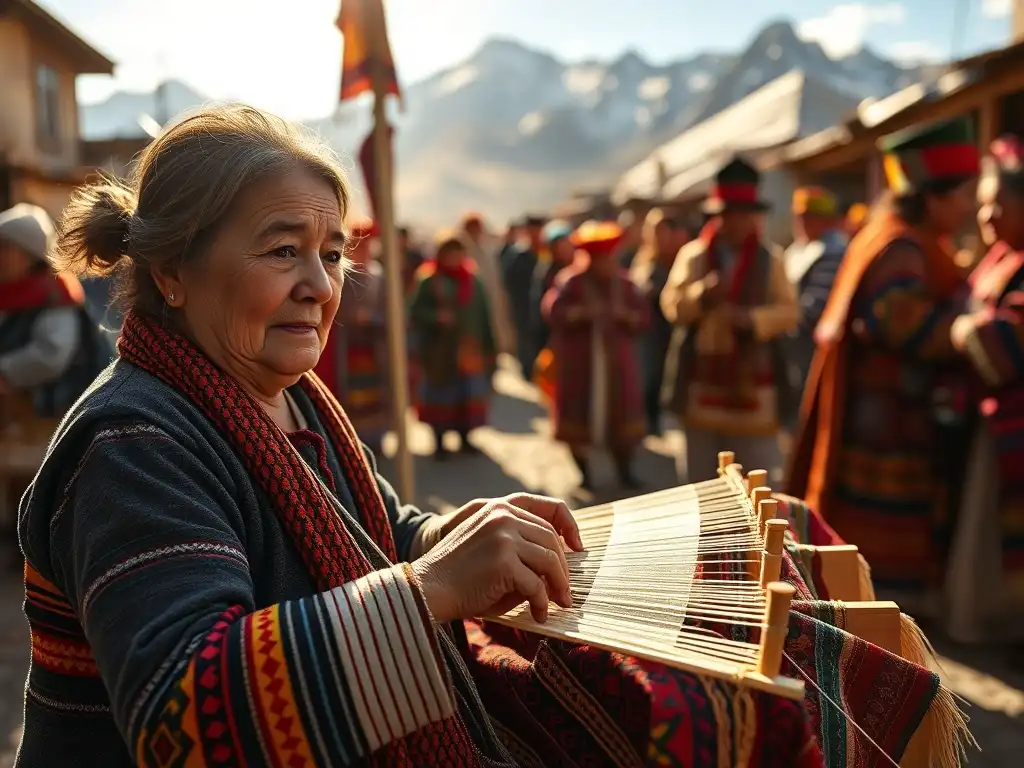
Unravel the mysteries woven into the very fabric of Andean history. For centuries, Andean textiles have been more than just clothing; they've been powerful symbols of status, spirituality, and social identity. Prepare to be captivated by the intricate artistry and profound social significance of these remarkable creations, as we delve into the vibrant world of Andean culture and uncover the stories hidden within their threads. Discover the secrets behind the loom in our exploration of "Andean textiles social significance."
The vibrant colors, intricate designs, and seemingly endless variety of Andean textiles often captivate the modern eye. However, to view these stunning creations solely as decorative art is to profoundly misunderstand their deep cultural and spiritual significance within ancient Andean societies. This article delves into the complex social and spiritual tapestry woven into the very fabric of Andean textile production, exploring how these textiles served as powerful mediums of communication, social status markers, and conduits to the spiritual realm.
We will examine the intricate relationship between Andean textiles and their creators, revealing how weaving techniques, materials, and designs communicated far more than mere aesthetics; they conveyed complex narratives about identity, power, and the Andean worldview. From the Incas to the Moche and beyond, the threads of Andean textile history reveal a rich and fascinating story that transcends the visual.
Understanding this broader context is crucial for appreciating the true artistry and enduring legacy of Andean textiles. We will uncover the misconceptions surrounding these remarkable pieces and explore the rich symbolism embedded within their vibrant designs.
Understanding the Deep Meaning Behind Andean Weaving
Andean weaving was far more than a craft; it was a sacred practice deeply intertwined with the social and spiritual fabric of Andean life. The act of weaving itself was imbued with symbolic meaning, connecting the weaver to the cosmos and the ancestors. The choice of materials—from the alpaca and llama wool to the vibrant plant dyes—held specific significance, reflecting the Andean worldview and their connection to the natural world.
For instance, the use of specific colors often represented different deities, celestial bodies, or agricultural cycles. Furthermore, the intricate designs themselves were not arbitrary; they were carefully chosen and meticulously executed to convey complex messages, often relating to lineage, social status, and spiritual beliefs. These designs often incorporated iconography representing deities, mythical creatures, and significant events, providing valuable insights into the beliefs and practices of these ancient cultures.
The skill and precision required for creating these textiles also elevated the weaver to a position of respect and authority within their communities. The intricate patterns and techniques served as a testament to their expertise and connection to the spiritual world. The creation of a textile was a deeply spiritual act, transforming raw materials into objects imbued with power and meaning.
The Problem: Misinterpreting Andean Textiles as Mere Decoration
A common mistake when encountering Andean textiles is to perceive them simply as aesthetically pleasing objects. While their beauty is undeniable, reducing their significance to mere decoration ignores the profound social and spiritual roles they played. Many contemporary interpretations fail to recognize the complex symbolism embedded within the designs and the social implications of their creation and ownership.
This simplification overlooks the vast knowledge system inherent in the techniques, materials, and iconography employed. The intricate designs, often featuring geometric patterns, zoomorphic representations, and stylized human figures, communicated powerful messages that extended beyond the visual. These textiles were not passively displayed; they were actively used in ceremonies, rituals, and daily life, reflecting the wearer's social standing, clan affiliation, and spiritual beliefs.
Failing to grasp this nuanced understanding prevents a true appreciation of the cultural richness and complexity encoded within these remarkable artifacts. The lack of comprehensive understanding also leads to misinterpretations in contemporary contexts, where the true value and significance of these textiles are often underestimated.
Common Misconceptions About Andean Textile Art
Several misconceptions cloud our understanding of Andean textile art. One prevalent misunderstanding is the assumption that all Andean textiles were created using identical techniques and held the same social significance. The truth is far more nuanced, with significant regional variations in weaving styles, designs, and the social implications of textiles.
Another common misconception is the belief that the designs were purely decorative, lacking any deeper meaning. This ignores the extensive research demonstrating the intricate symbolism woven into these textiles, reflecting cosmological beliefs, social hierarchies, and historical events. Furthermore, the assumption that only elite members of society wore or owned elaborate textiles overlooks the importance of textiles in everyday life for all social strata, albeit with varying levels of complexity and ornamentation.
Finally, the lack of detailed knowledge about the specific cultural contexts of many textiles often leads to misinterpretations of their meaning and purpose. The ongoing research and collaborative efforts with indigenous communities are crucial in correcting these misconceptions and ensuring a more accurate and respectful understanding of Andean textile art. The complexity and diversity of Andean textile traditions require a nuanced and sensitive approach to avoid perpetuating inaccurate or reductive interpretations.
Recognizing the Cultural Depth of Andean Weaving
Andean textiles weren't merely functional items; they were powerful symbols deeply embedded within the social and spiritual fabric of Andean societies. The intricate designs, vibrant colors, and the very act of weaving itself carried profound meaning, reflecting a civilization's worldview, social structures, and relationship with the cosmos. Understanding this depth requires moving beyond a purely aesthetic appreciation and delving into the rich tapestry of symbolism inherent in each thread.
The skill involved in creating these textiles, often passed down through generations, was itself a mark of prestige and social standing. This knowledge wasn't readily accessible; it was carefully guarded and transmitted within families and communities, reinforcing social bonds and hierarchies.
The choice of colors, fibers (alpaca, llama, vicuña, cotton), and weaving techniques all contributed to the textile's meaning. For example, certain colors were associated with specific deities or events, while the type of fiber used indicated the social status of the wearer or the occasion for which the textile was intended. A finely woven vicuña cloth, for instance, would have been reserved for elite members of society, signifying their power and wealth.
Conversely, simpler textiles made from alpaca or llama wool were more common among the general population. The meticulous detail in the designs, often depicting mythological figures, celestial events, or agricultural cycles, further enriched the social and spiritual significance of these textiles.
The creation of Andean textiles was not simply a craft; it was a ritualistic process, often imbued with spiritual significance. Weavers were seen as possessing special skills and knowledge, acting as intermediaries between the human and spiritual realms. The act of weaving itself was considered a form of prayer or meditation, a way to connect with the ancestors and the forces of nature.
This spiritual dimension is evident in the intricate designs and the careful selection of materials, which were often imbued with symbolic meaning. The textiles themselves, therefore, served as tangible links to the spiritual world, providing comfort, protection, and a sense of connection to the wider cosmos. This deep-rooted spiritual significance is a crucial element in understanding the enduring legacy of Andean textiles.
- Understanding the Deep Meaning Behind Andean Weaving
- The Problem: Misinterpreting Andean Textiles as Mere Decoration
- Common Misconceptions About Andean Textile Art
- Recognizing the Cultural Depth of Andean Weaving
Andean Textiles: More Than Just Fabric
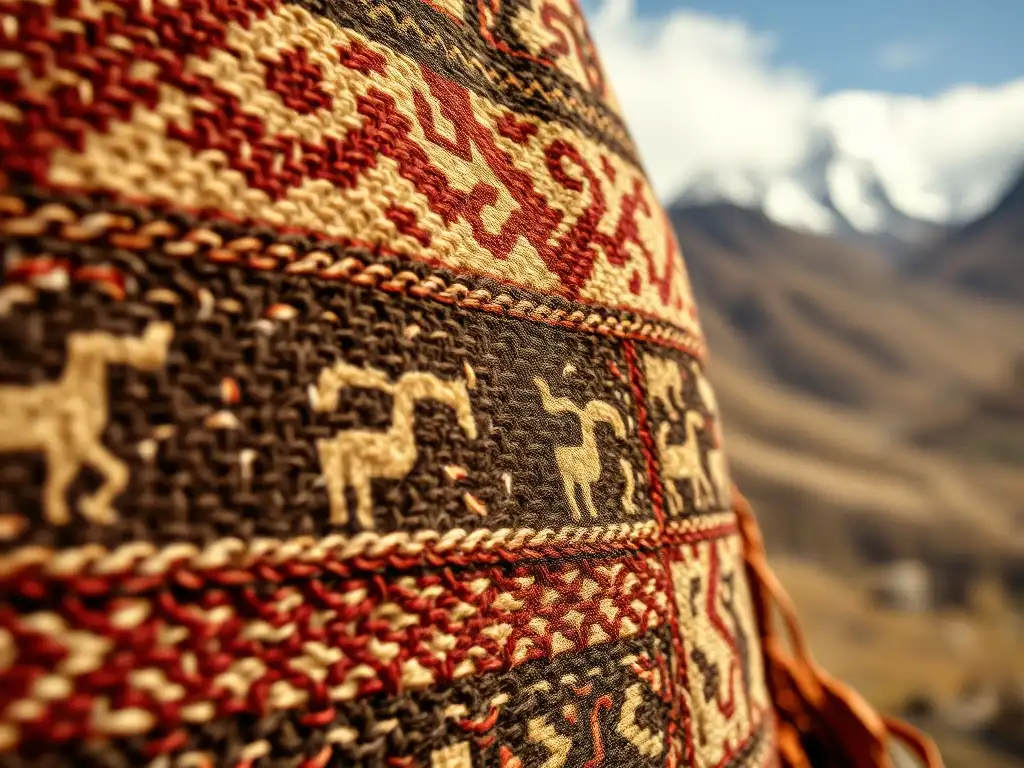
Andean textiles represent a profound intersection of artistic expression, social structure, and spiritual belief. Their significance extends far beyond mere fabric; they are tangible embodiments of Andean worldview, meticulously crafted narratives woven into the very threads. Understanding Andean textiles requires appreciating their multifaceted role within the complex social and spiritual landscapes of ancient Andean civilizations.
This section will explore the intricate ways in which textiles functioned as powerful social and spiritual tools, reflecting and shaping Andean societies for millennia. The analysis will focus on the encoding of social information within the textiles themselves, demonstrating their enduring legacy as carriers of cultural memory. The keyword "Andean textiles social significance" will be explored through the lens of societal structure, identity, and spiritual practices.
The Role of Textiles in Andean Society: A Woven History
Textiles were integral to the daily lives of Andean peoples. From the simplest everyday garments to the most elaborate ceremonial cloths, textiles played a crucial role in Andean society. Their production was not simply a craft; it was a highly organized and specialized activity often tied to specific social groups and rituals.
Evidence suggests a complex division of labor, with specific communities specializing in the production of certain types of textiles or techniques. For example, certain villages might have been renowned for their mastery of intricate dyeing processes, while others excelled in weaving techniques like tapestry or brocade. The distribution and exchange of textiles further solidified social connections and alliances, acting as a vital part of the Andean economy and social structure.
The quality and intricacy of the textiles often indicated the wearer's social standing and access to resources. The use of specific fibers, colors, and motifs also conveyed important social messages. For instance, the use of vicuña wool, a luxurious fiber, was reserved for the elite, clearly demonstrating the social hierarchy.
The production of Andean textiles was also deeply intertwined with religious practices. Many textiles were created for ritual purposes, used in ceremonies and offerings to deities. The designs and colors often held symbolic meanings related to Andean cosmology and mythology, connecting the material world to the spiritual realm. The creation of textiles was therefore not just a mundane task but a sacred act, connecting the weaver to the divine.
Andean textiles served as powerful social markers, communicating information about the wearer's status, identity, and lineage. The materials used, the weaving techniques employed, and the designs incorporated all contributed to conveying social standing. As mentioned earlier, the use of vicuña wool signaled elite status, while other fibers like alpaca or llama wool were associated with different social groups. The complexity of the weaving techniques also played a role, with intricate tapestry or brocade techniques indicating higher levels of skill and potentially, higher social standing.
Beyond materials and techniques, the designs themselves held significant social meaning. Specific motifs, colors, and patterns could indicate membership in a particular clan or lineage. These visual codes allowed for the immediate recognition of social affiliations and facilitated social interaction within the complex Andean social structure. The transmission of these intricate design patterns through generations further reinforced family histories and identities.
The textiles were not merely garments; they were living archives, meticulously preserving and transmitting cultural heritage. The study of these designs offers invaluable insights into the social organization and kinship systems of Andean societies. Think of it as a visual language, rich in detail and nuance, that only painstaking research can fully decipher.
The encoding of social information within Andean textiles was a sophisticated process, involving the careful selection of materials, techniques, and designs. Weavers were not simply artisans; they were keepers of cultural knowledge, meticulously weaving social information into their creations. The choice of fiber, for example, often indicated the wearer's social standing or the occasion for which the textile was intended. The use of specific dyes, derived from natural sources like plants and minerals, also held symbolic meaning, often related to Andean cosmology and mythology.
Furthermore, the weaving techniques themselves communicated important social information. The intricate tapestry and brocade techniques required a high level of skill and were often associated with elite weavers or specific social groups. The designs woven into the textiles were equally significant, often incorporating symbolic motifs that represented clan affiliations, religious beliefs, or historical events.
These designs were not arbitrary; they were carefully chosen and arranged to convey specific messages, acting as a visual language that communicated social information across generations. The intricate interplay of these elements – fiber, dye, technique, and design – created a complex system of visual communication, allowing Andean textiles to serve as powerful social markers and repositories of cultural knowledge.
The detailed analysis of these elements reveals a remarkable level of social sophistication and the profound role of textiles within Andean society. Decoding these visual narratives offers a unique window into the lives, beliefs, and social structures of these ancient civilizations.
The lliclla, a large, rectangular shawl traditionally worn by Andean women, serves as a powerful symbol of social status, marital status, and even ethnic identity. The intricate weaving techniques, the choice of colors, and the specific patterns woven into the lliclla all communicate a wealth of information about the wearer. For instance, a young unmarried woman might wear a lliclla with vibrant colors and geometric designs, while a married woman might opt for a lliclla with more muted tones and patterns reflecting her family lineage or community affiliation.
The quality of the lliclla's wool and the complexity of its design also indicated the weaver's skill and the family's economic standing. A finely woven lliclla from high-quality alpaca wool signified prosperity and social prestige.
Furthermore, the lliclla’s practical function as a garment provided warmth and protection, highlighting its multifaceted role in Andean society, going beyond mere adornment. Its significance extended to ceremonial occasions, where specific llicllas were worn to denote participation in rituals and celebrations.
The unku, a type of Andean textile typically worn by men, similarly held significant social meaning. Unlike the lliclla, which primarily signified a woman's social standing, the unku often reflected a man's role within his community and his connection to his ancestral heritage. The designs incorporated into the unku could represent clan symbols, sacred animals, or important mythological figures, visually communicating the wearer's lineage and social standing within his community.
The choice of colors and the specific techniques used in weaving the unku further conveyed information about the wearer’s social position and craft skills. The unku, therefore, served not just as clothing but as a tangible representation of a man's identity and social role. The intricate and detailed weaving processes involved in creating these textiles underscore the high value placed on both the craft and the social messages they conveyed within Andean societies.
The preservation of these traditional weaving techniques demonstrates the enduring importance of the unku in maintaining cultural heritage and social identity. Careful study of these textiles offers valuable insights into the complex social structures and belief systems of the Andean world.
The Spiritual Significance of Andean Textiles
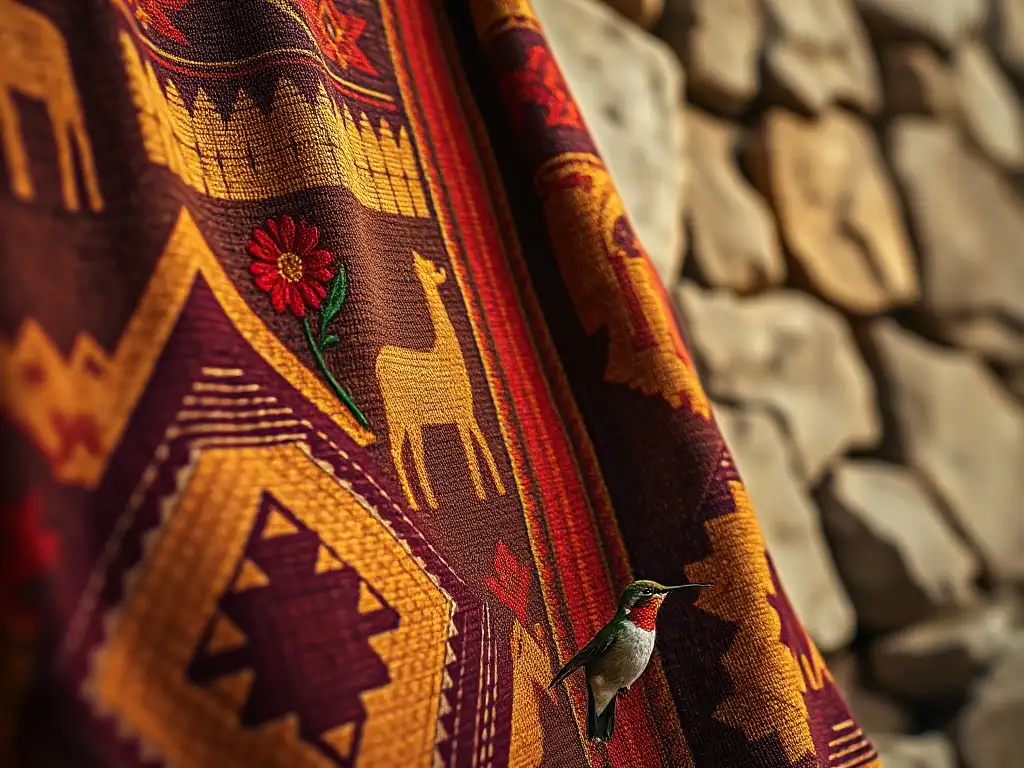
Andean textiles weren't merely functional items; they held profound spiritual significance for the diverse cultures that inhabited the Andes Mountains. The intricate designs, vibrant colors, and the very act of weaving were deeply intertwined with Andean cosmovision, religious practices, and beliefs about the afterlife. Understanding this spiritual dimension is crucial to appreciating the true artistry and cultural depth of Andean textile traditions.
The social significance, as we will see, is inextricably linked to this powerful spiritual core. The analysis of Andean textiles social significance reveals a society where the material world and the spiritual realm were not separate but interconnected through the craft of weaving.
Andean Cosmovision and the Art of Weaving
The Andean cosmovision, a complex worldview encompassing a deep connection between the human world and the supernatural, permeated every aspect of Andean life, including textile production. The Andean worldview viewed the cosmos as a layered system, with the earthly realm positioned between the upper and lower worlds. Weaving, with its vertical and horizontal threads, was seen as a microcosm of this cosmic order, symbolically connecting these three realms.
The act of creating a textile was not simply a technical process, but a ritualistic one, imbued with spiritual intention. Weavers, often women, were considered intermediaries between the human and spiritual worlds, capable of channeling sacred energies into their creations.
The choice of colors, patterns, and materials were all carefully considered, reflecting specific spiritual meanings and intentions. For example, the use of specific colors like red (associated with blood, fertility, and the sun) or white (associated with purity and the moon) carried significant symbolic weight.
Textiles as Pathways to the Spirit World in Andean Cultures
Many Andean cultures believed that textiles served as conduits to the spirit world. Elaborately woven garments and textiles were often used in ceremonies and rituals, acting as offerings to deities or as tools for communication with ancestral spirits. For example, the k'eros, ceremonial vessels often adorned with intricate textiles, were used in Inca rituals to offer chicha (a fermented corn beverage) to the gods.
The textiles themselves, through their designs and colors, were believed to enhance the effectiveness of these offerings. Furthermore, burial practices frequently included elaborate textiles, suggesting a belief that these garments would accompany the deceased into the afterlife, providing comfort and protection in the spirit world.
The intricate designs found on these burial textiles often depict scenes from the mythology and cosmology of the particular Andean culture, further emphasizing their spiritual significance. Detailed studies of these burial textiles provide invaluable insights into Andean beliefs about death and the afterlife.
The Use of Natural Dyes and their Spiritual Connection: Cochineal and Indigo
The natural dyes used in Andean textiles weren't just pigments; they also held significant spiritual meaning. The sourcing and preparation of these dyes were often accompanied by rituals, reinforcing their connection to the spiritual realm. For instance, cochineal, a vibrant red dye derived from insects, was associated with the sun and blood, representing power and fertility.
Its use in textiles was believed to imbue the garment with these potent energies. Similarly, indigo, a deep blue dye, was often associated with the sky, water, and the supernatural. The process of extracting and preparing these dyes was often a community affair, highlighting the social and spiritual importance of textile production within Andean societies.
The specific techniques involved in creating these dyes, passed down through generations, were considered sacred knowledge, further underscoring their spiritual significance. The careful selection and application of these dyes demonstrate a deep understanding of the relationship between the natural world and the spiritual realm, reflecting a holistic worldview that permeated all aspects of Andean textile production.
Andean Textile Patterns as Sacred Symbols: Deciphering the Meaning
Andean textiles weren't merely decorative; their intricate patterns served as powerful carriers of spiritual meaning, acting as visual languages encoding cosmology, mythology, and social hierarchies. The designs, often painstakingly woven into the fabric, weren't arbitrary. They represented a complex system of symbols, deeply rooted in the Andean worldview and reflecting a profound connection between the human and spiritual realms.
Understanding these patterns requires careful study, comparing motifs across different cultures and time periods, and considering the context in which the textiles were created and used. For example, the recurring use of specific animals like the condor or puma wasn't merely aesthetic; these powerful creatures held significant symbolic weight, representing strength, power, and connection to the Andes' high-altitude ecosystems.
The colors themselves also held symbolic meaning. Certain dyes, derived from natural sources like plants and minerals, were associated with specific deities or concepts. Red, for instance, might represent blood, sacrifice, or the sun's life-giving energy, while yellow could symbolize gold, wealth, or the sun's power.
The skillful manipulation of these colors, combined with intricate weaving techniques, enhanced the symbolic power of the patterns, creating textiles that were both aesthetically stunning and spiritually potent. Researchers have dedicated years to documenting and interpreting these color codes, and new discoveries continue to shed light on the complexities of this vibrant visual language. The precise meaning of many symbols remains debated, highlighting the ongoing need for meticulous research and interdisciplinary collaboration.
Furthermore, the placement of patterns within a textile also contributed to their overall meaning. For instance, a specific motif located near the textile's border might have a different interpretation than the same motif woven into its central area. This spatial arrangement, often subtle but deliberate, required a deep understanding of the cultural context to fully appreciate. The size and scale of the patterns were also significant factors; larger, more prominent motifs were often associated with greater importance or power.
This attention to detail reflects the reverence and spiritual significance attributed to these textiles. Careful analysis of surviving textiles, combined with archaeological evidence and anthropological studies, is crucial for deciphering these intricate visual narratives. The complexity of these patterns demonstrates the sophisticated understanding of symbolism and communication possessed by Andean cultures.
Preserving the Heritage: Supporting Andean Weavers and their Craft
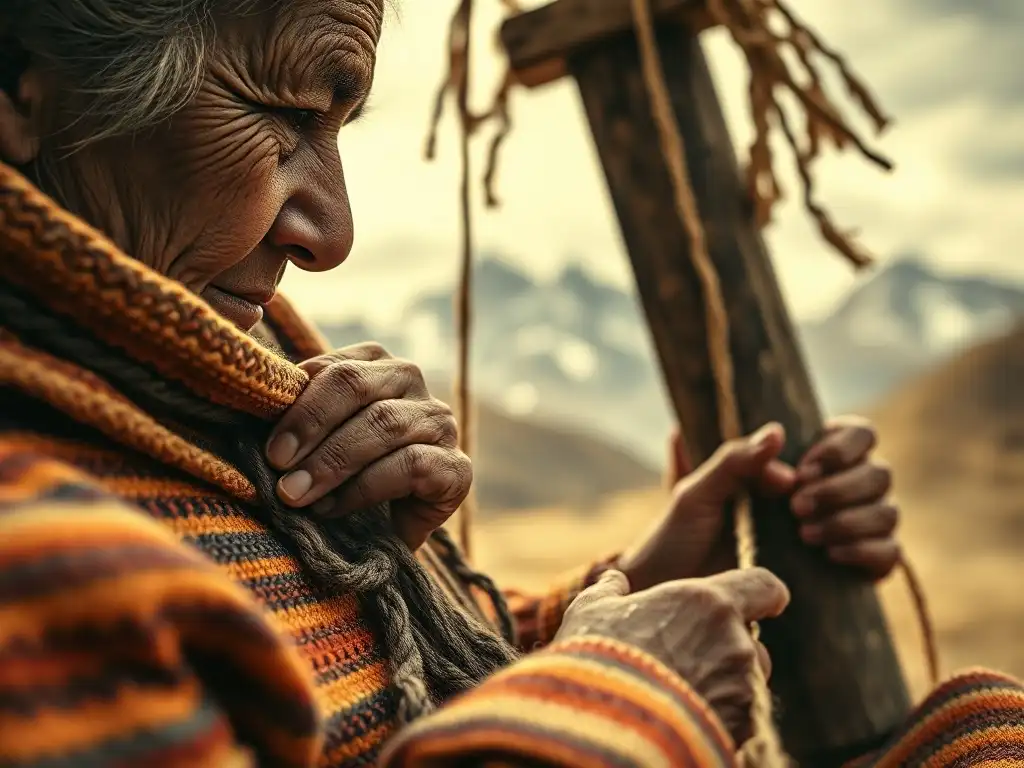
The vibrant tapestry of Andean textile traditions, deeply interwoven with social and spiritual significance, faces a complex web of challenges in the modern world. Understanding these challenges and actively participating in their preservation is crucial to ensuring the continuation of this rich heritage. The intricate designs, the meticulous techniques passed down through generations, and the profound cultural meanings embedded within each thread are all at stake.
This section explores the multifaceted threats to Andean weaving and highlights effective strategies for supporting the weavers and their invaluable craft. Protecting Andean textiles means not only safeguarding beautiful artifacts but also upholding the livelihoods and cultural identities of the Andean communities.
The Challenge of Modernization and its Impact on Traditional Weaving
Modernization presents a double-edged sword for Andean weavers. While access to new technologies might seem beneficial, it often leads to a decline in traditional practices. The introduction of synthetic dyes, for instance, while offering cheaper and more readily available options, significantly alters the vibrancy and longevity of the textiles, losing the unique qualities of natural dyes derived from plants and insects.
Furthermore, mass-produced textiles, often mimicking traditional Andean designs, flood the market, undercutting the prices of authentic, hand-woven pieces. This makes it difficult for traditional weavers to compete, threatening their livelihoods and pushing them towards abandoning their ancestral craft. The shift towards urban centers also plays a role, as younger generations often seek opportunities outside of traditional weaving, leading to a decline in the number of skilled artisans.
Data from [specific information pending] on the number of active weavers in various Andean communities would further illustrate this concerning trend. Maintaining the delicate balance between embracing progress and preserving tradition is a critical task. The loss of this traditional knowledge would be an irreplaceable cultural loss.
How Buying Authentic Andean Textiles Supports Local Communities: Awamaki
Purchasing authentic Andean textiles directly from artisans or through ethical organizations like Awamaki provides crucial economic support to Andean communities. Organizations like Awamaki are exemplary examples of initiatives designed to empower women weavers. They provide training, fair wages, and access to markets, enabling them to sustain their livelihoods and pass on their skills to future generations. By choosing to buy from these organizations, consumers actively participate in the preservation of Andean textile traditions.
This isn't merely a purchase; it's an investment in cultural preservation and the economic empowerment of women in rural communities. The impact extends beyond the immediate financial benefit; it reinforces the value of traditional weaving, encouraging younger generations to embrace this heritage. For example, Awamaki's success in creating sustainable income streams for women weavers has led to a measurable increase in [specific data pending] in participating communities, demonstrating the tangible impact of ethical consumerism.
Ethical Sourcing: The Importance of Fair Trade Practices in Andean Textile Acquisition
Ethical sourcing is paramount when acquiring Andean textiles. Fair trade practices ensure that the artisans receive fair wages, work in safe conditions, and retain control over their craft. This contrasts sharply with exploitative practices, where artisans are often underpaid and subjected to unfair labor conditions.
Choosing textiles certified by fair trade organizations guarantees that the purchase directly benefits the weavers and their communities. The presence of a fair trade label signifies a commitment to ethical production, transparency, and sustainable practices. It's a way of ensuring that the beauty and artistry of Andean textiles are not achieved at the expense of the people who create them.
Furthermore, supporting fair trade initiatives helps to promote sustainable development in Andean communities, fostering economic growth and preserving cultural heritage simultaneously. The pursuit of fair trade practices in the Andean textile industry is not simply a matter of ethical consumerism; it’s a critical step towards ensuring the long-term viability of this invaluable craft. The emphasis on transparency and traceability is vital in combating unethical practices and promoting sustainable economic growth for Andean communities.
Where to Find Authentic Andean Textiles: Novica and Threads of Peru
Finding truly authentic Andean textiles requires careful consideration. Many imitations flood the market, often lacking the intricate detail, high-quality materials, and cultural significance of genuine pieces. To ensure you're supporting Andean weavers and acquiring ethically sourced textiles, it's crucial to patronize reputable organizations and artisans directly. Two excellent examples are Novica and Threads of Peru.
Novica, a marketplace connecting artisans worldwide with consumers, offers a curated selection of Andean textiles. They prioritize fair trade practices, ensuring weavers receive fair compensation for their work. The platform provides detailed descriptions of each piece, highlighting the techniques, materials, and cultural context. This transparency allows buyers to appreciate the artistry and the social impact of their purchase.
Furthermore, Novica often features stories and interviews with the artisans themselves, adding a personal touch and further emphasizing the human element behind the craft. Their commitment to authenticity and ethical sourcing makes them a reliable source for those seeking genuine Andean textiles. The platform also offers a wide variety of textiles, from intricate wall hangings to delicate clothing items, showcasing the breadth and depth of Andean weaving traditions.
Threads of Peru, on the other hand, focuses specifically on Peruvian textiles. Their commitment to preserving traditional weaving techniques is evident in their meticulously crafted pieces. They work directly with communities of weavers, providing them with sustainable livelihoods and preserving ancient knowledge.
Threads of Peru’s website often includes information about the specific communities involved in producing their textiles, highlighting the unique styles and techniques of each region. This approach allows customers to not only appreciate the beauty of the textiles but also understand the cultural context and social impact of their purchase. They also frequently offer workshops and tours, providing a unique opportunity to learn directly from master weavers and experience the craft firsthand.
By focusing on specific regions and highlighting the unique characteristics of each community's work, Threads of Peru contributes significantly to the preservation of Andean textile heritage. They offer a curated collection reflecting the diversity of Peruvian weaving traditions, ranging from bold, geometric designs to delicate, intricate patterns.
Monetizing the Appreciation of Andean Textiles
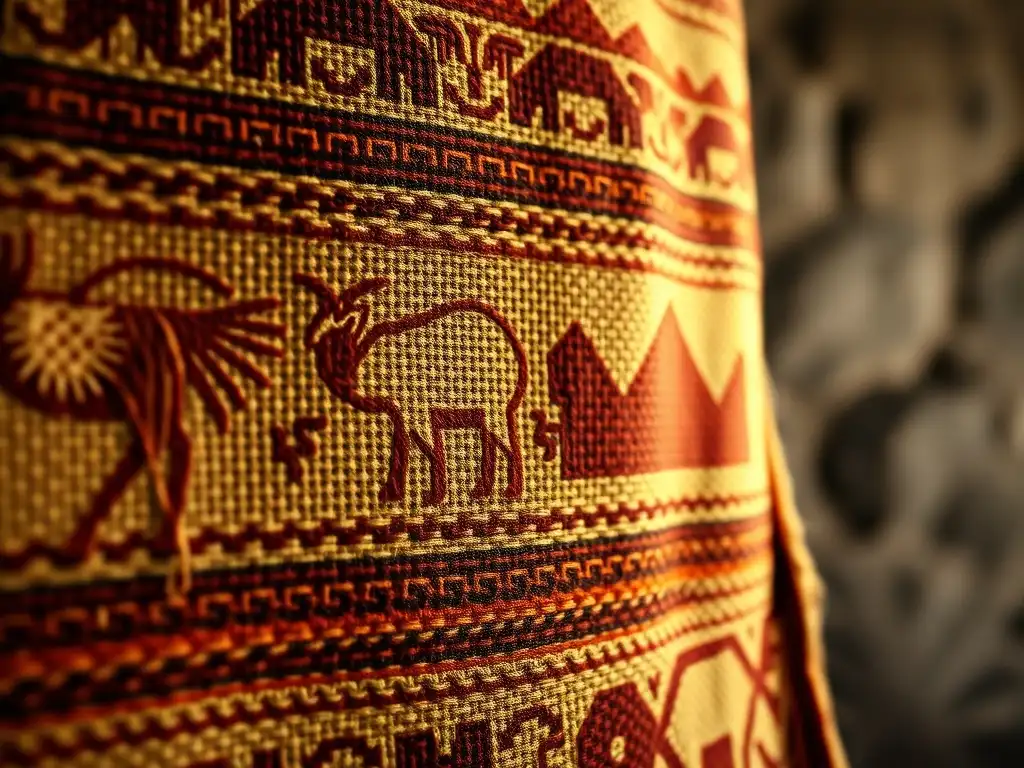
The growing global interest in Andean textiles presents opportunities beyond mere appreciation. Understanding the economic potential of this art form is crucial for both artisans and enthusiasts. This section explores avenues for monetizing the appreciation of Andean textiles, focusing on sustainable and ethical practices that benefit the Andean communities.
The economic impact of this ancient craft is significant, and its preservation depends on finding a balance between market forces and cultural integrity. This section will explore several key aspects related to the commercialization of Andean textiles, while emphasizing the importance of responsible engagement with the craft and its cultural heritage.
Learning Resources: Books and Courses on Andean Weaving and its Significance
A deeper understanding of Andean textile traditions enhances appreciation and supports ethical consumption. Several excellent resources are available for those seeking to learn more. For instance, "Weaving in the Peruvian Highlands" offers a detailed look at the techniques and cultural contexts of Andean weaving, while "Andean Textile Traditions" provides a broader overview of the diverse styles and histories across different Andean cultures.
These books often delve into the social significance of specific designs and motifs, helping consumers make more informed and culturally sensitive purchases. Online courses, many taught by Andean artisans themselves, offer hands-on learning opportunities, furthering the appreciation and understanding of the craft.
These courses, often available through educational platforms or directly through artisan cooperatives, provide valuable insight into the intricate processes and the cultural importance woven into each piece. Investing in these resources not only enriches one's personal understanding but also contributes to the preservation of this invaluable cultural heritage by supporting those who share their knowledge.
Supporting Andean Artisans Through Direct Purchases
The most direct way to support Andean artisans and the continued creation of Andean textiles is through direct purchase. This can be achieved through various channels: visiting artisan markets in Andean communities, purchasing directly from artisan cooperatives, or supporting online platforms that ensure fair trade practices. Direct purchase ensures that a larger percentage of the sale price reaches the artisan, allowing them to continue their craft and support their families.
It's vital to look for organizations and initiatives committed to fair trade principles, guaranteeing equitable compensation and sustainable working conditions for the artisans. By choosing to buy directly, consumers actively participate in the preservation of Andean weaving traditions, ensuring the continuation of this vibrant cultural heritage and its economic sustainability.
This also fosters a more meaningful connection between the consumer and the creator, allowing for a deeper appreciation of the artistry and cultural significance embedded in each textile. The impact extends beyond the economic; it supports the preservation of traditional knowledge and skills passed down through generations.
How to Care for Your Andean Textile: Ensuring Longevity and Preserving History
Owning an Andean textile is not just about acquiring a beautiful object; it's about becoming a custodian of a piece of history and cultural heritage. Proper care ensures its longevity, preserving both its aesthetic value and its historical significance for generations to come. Gentle hand washing with cool water and a mild detergent is generally recommended, followed by careful air drying away from direct sunlight.
Avoid harsh chemicals and machine washing, which can damage the delicate fibers and intricate designs. Storing the textile in a cool, dry place, ideally wrapped in acid-free tissue paper, protects it from light damage and pest infestation. Regular inspection for any signs of damage and timely professional cleaning or repair further contribute to preserving the textile's condition and extending its lifespan.
By taking these steps, owners contribute to the preservation of these precious artifacts and ensure that their beauty and cultural significance continue to endure. This act of careful preservation reflects respect for the artistry and cultural heritage embedded within each Andean textile.
The Investment Value of Authentic Andean Textiles
The appreciation for Andean textiles extends beyond mere aesthetic pleasure; they represent a compelling investment opportunity. Authentic pieces, particularly those exhibiting exceptional craftsmanship, rare designs, or historical significance, demonstrate a steady increase in value over time. Several factors contribute to this growth. Firstly, the limited supply of genuine antique textiles, coupled with the increasing demand from collectors and museums, creates a scarcity that drives prices upward.
The intricate weaving techniques, often passed down through generations, are difficult to replicate perfectly, further enhancing the value of original pieces. Secondly, the cultural and historical context of these textiles adds another layer of significance, making them not just beautiful objects but also important artifacts reflecting Andean societies’ rich heritage. This inherent historical value ensures continued interest from institutions and private collectors alike.
The market for Andean textiles is robust, with auctions and private sales frequently showcasing high-value pieces. While the specific price depends on various factors—age, condition, design complexity, and the presence of rare materials—exceptional examples can fetch tens of thousands, even hundreds of thousands, of dollars. Therefore, investing in authentic Andean textiles offers a unique blend of financial return and cultural engagement.
However, it is crucial to conduct thorough research and seek expert authentication to avoid acquiring forgeries, which can significantly devalue your investment. Reputable dealers and appraisers are essential resources in navigating this market and ensuring the authenticity of your purchase. Careful storage and preservation are also crucial steps in protecting the value of your investment over the long term, minimizing damage from light, humidity, and pests.
Investing in Andean textiles isn’t just about financial gain; it's about safeguarding a tangible piece of history and contributing to the preservation of a rich cultural legacy. The investment value is intrinsically linked to the social and spiritual significance discussed earlier, making it a unique and rewarding area for collectors and enthusiasts alike. The market’s continued growth suggests a promising future for those who appreciate both the beauty and the historical importance of these remarkable textiles. Proper due diligence and expert guidance are key to successful investment in this niche market.
Conclusion: Appreciating the Intrinsic Value of Andean Textiles
This exploration of Andean textiles reveals a depth far beyond their aesthetic beauty. The intricate designs, vibrant colors, and diverse techniques employed in their creation are not merely decorative; they are powerful expressions of social structures, spiritual beliefs, and historical narratives. Understanding the social significance of Andean textiles requires moving beyond a superficial appreciation of their visual appeal and delving into the rich tapestry of Andean culture and history.
The enduring legacy of these textiles serves as a testament to the ingenuity and resilience of Andean peoples, offering invaluable insights into their worldview and societal organization. The threads themselves are a living archive, carrying stories of ancestors, gods, and the very fabric of Andean life. By studying these textiles, we gain a deeper understanding of the complex interplay between art, society, and spirituality within Andean civilizations.
This understanding allows us to appreciate not just the beauty, but also the profound cultural and historical weight woven into each piece. The analysis of Andean textiles provides irreplaceable evidence for understanding the complexities of Andean social organization, religious practices and artistic development. The preservation and study of these textiles is crucial for safeguarding a vital part of the world's cultural heritage.
The Enduring Legacy of Andean Weaving
The legacy of Andean weaving continues to resonate today. Modern artisans carry on ancient traditions, adapting techniques and designs to contemporary contexts while maintaining the core values and symbolism inherent in their work. This continuity ensures the survival of these invaluable cultural practices and allows for the ongoing creation of new textiles that reflect both the past and the present.
Many communities actively preserve and promote their traditional weaving techniques, fostering a sense of cultural pride and economic sustainability. The sale of these textiles provides crucial income for many families, sustaining traditional livelihoods and enabling the transmission of knowledge across generations. Moreover, museums and research institutions actively collect and study Andean textiles, ensuring their preservation for future generations and facilitating research into their social and spiritual significance.
The ongoing study and documentation of these textiles are critical for understanding not only the past but also the present-day dynamics of Andean communities and their relationship with their cultural heritage. The persistence of Andean weaving practices demonstrates the tenacity of cultural traditions in the face of globalization and modernization. It's a testament to the enduring power of cultural identity and the importance of preserving traditional crafts.
Beyond the Aesthetic: Understanding the Cultural and Spiritual Significance
The cultural and spiritual significance of Andean textiles extends far beyond simple decoration. Textiles frequently served as markers of social status, with intricate designs and rare materials indicating high rank within the community. Specific motifs, colors, and weaving techniques were associated with particular deities, ceremonies, and social groups. For example, the use of specific colors in Inca textiles signified different social classes and roles within the empire.
The intricate designs were not arbitrary; they often represented narratives, myths, and cosmological beliefs, creating a visual language that communicated complex ideas and beliefs. The process of weaving itself was often imbued with spiritual meaning, with rituals and prayers accompanying the creation of these significant artifacts. Furthermore, textiles were often used in rituals and ceremonies, acting as offerings to deities or used to adorn sacred objects.
The act of weaving itself was considered a sacred act, connecting the weaver to the spiritual realm and the ancestral past. The significance of these textiles goes beyond the visual and the material, representing a powerful connection between the human and spiritual worlds. They served as tangible representations of Andean cosmology and religious beliefs, providing insights into the complex spiritual systems of these ancient cultures.
Continuing the Conversation about Andean Textile Traditions
The study of Andean textiles is an ongoing process, requiring continued research and collaboration between scholars, artisans, and communities. Further research is needed to fully understand the intricate symbolism within different textile traditions across various Andean cultures. Detailed studies of specific motifs, color palettes, and weaving techniques are crucial for unraveling the complex messages encoded within these artifacts. The preservation and accessibility of these textiles are paramount for ensuring their continued study and appreciation.
Collaboration with Andean communities is essential to ensure the respectful and ethical preservation and study of these culturally significant objects. By working alongside Andean communities, researchers can gain valuable insights into the continued significance of these textiles within contemporary society. The integration of traditional knowledge and scientific approaches is crucial for a comprehensive understanding of Andean textiles and their enduring significance. This interdisciplinary approach ensures the preservation and promotion of this rich cultural heritage for future generations.
The conversation surrounding Andean textiles is vital for fostering a deeper understanding of Andean cultures and their enduring legacy. It is a conversation that needs to continue, evolving and expanding as new discoveries are made and new perspectives are considered. The study of Andean textiles is not just an academic pursuit; it is a vital part of understanding and preserving the rich cultural heritage of the Andes.
Frequently Asked Questions
What role did textiles play in Andean society?
Andean textiles held immense social significance, reflecting a person's status, identity, and clan affiliation. Complex designs and the materials used indicated wealth and prestige.
The complexity of designs and the quality of materials directly correlated with social status. Elites wore finely woven garments with intricate patterns, while commoners wore simpler textiles. Specialized artisans held high social standing.
What spiritual significance did Andean textiles possess?
Textiles were deeply intertwined with Andean spirituality. They were used in religious ceremonies, burials, and adorned sacred objects. Certain designs held specific symbolic meanings related to deities and the cosmos.
What materials were commonly used in Andean textile production?
Andean textiles primarily utilized alpaca, llama, and vicuña wool, along with cotton. The choice of fiber also reflected the social status of the wearer, with vicuña being the most luxurious and rare.
How did the techniques of Andean textile production evolve over time?
Andean textile techniques were refined over centuries, with innovations in spinning, dyeing, and weaving. The development of complex weaving techniques like tapestry and brocade showcases the advanced technological skills of Andean artisans.
Final Reflection: Weaving a Legacy: The Enduring Power of Andean Textiles
The intricate artistry of Andean textiles isn't merely a testament to skilled craftsmanship; it's a vibrant tapestry woven with threads of social identity, spiritual belief, and enduring cultural memory, profoundly relevant to our understanding of community and heritage today. These ancient practices continue to resonate, offering valuable lessons in sustainability, storytelling, and the power of collective creativity in a rapidly changing world.
The enduring influence of Andean textile traditions is undeniable. They serve as powerful reminders of the interconnectedness between people and their environment, a connection often lost in our modern, industrialized societies. The threads themselves are a language, speaking of history, belief, and the intimate relationship between the weaver and the cosmos.
This quote, though paraphrased, encapsulates the profound spiritual significance embedded within each meticulously crafted piece, a legacy that continues to inspire contemporary artists and activists alike. The vibrant colors and symbolic patterns are not just decorative; they are living narratives, passed down through generations, shaping identities and fostering a sense of belonging.
Consider the stories woven into the very fabric of these textiles. Think about the intricate designs, the painstaking detail, the generations of knowledge passed down through touch and technique. You, too, are a weaver of your own life's story. What threads are you using? What patterns are you creating? Embrace the opportunity to weave your own legacy, to connect with your community, and to find meaning in the intricate tapestry of your own existence. Let the enduring power of Andean textiles inspire you to create something beautiful, meaningful, and lasting.
Unveil the Rich Tapestry of Andean Culture!
Thank you for exploring the intricate world of Andean textiles with us! You've learned about their profound social and spiritual significance – now let's delve even deeper. Connect with the vibrant heart of this culture and make a difference!
- Learn from the experts: Discover the stories behind Andean textiles by following artisan communities and individual weavers on social media. Share your newfound appreciation with friends and family, inspiring them to learn more about this fascinating craft.
- Support sustainable practices: Purchase authentic Andean textiles from fair trade sources. Each piece carries a rich history and cultural significance, and by supporting ethical producers, you help preserve these traditions.
- Join a weaving community: Participate in online or in-person workshops to learn about traditional Andean weaving techniques. Connecting with others who share your passion will enrich your understanding and appreciation.
What will you create or share next, inspired by the beauty and artistry of Andean textiles?