
From Weavers to Potters: Exploring the Diverse World of Andean Handicrafts Markets

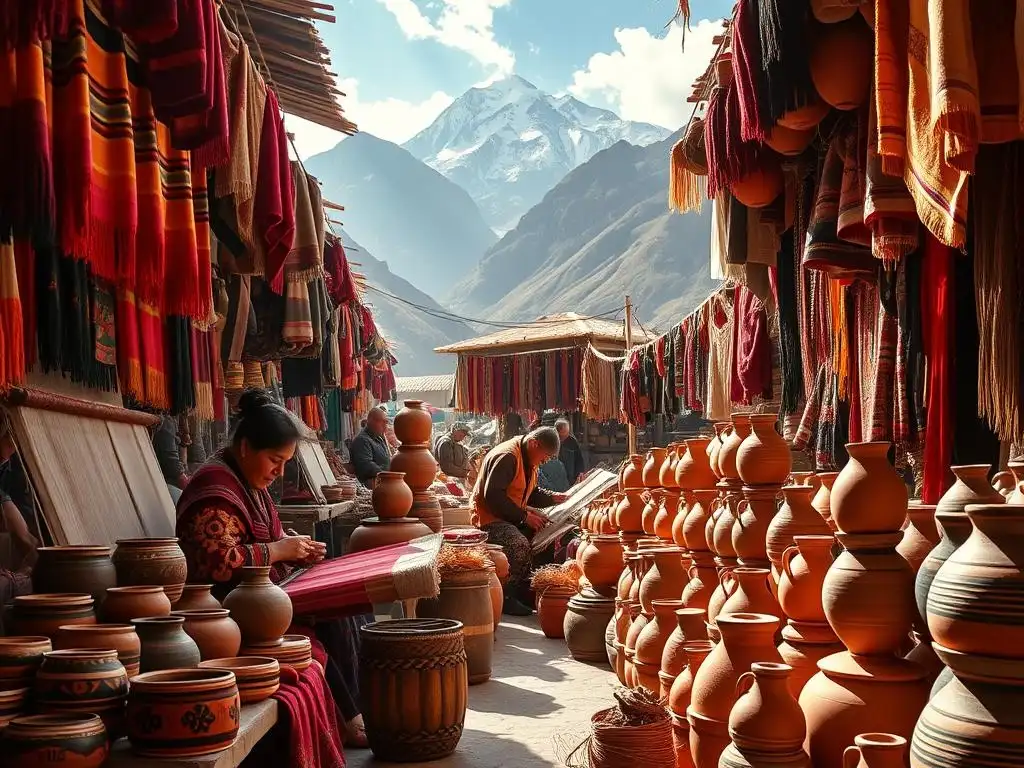
Step into a world lost to time, yet vibrantly alive. Imagine bustling marketplaces overflowing with the exquisite artistry of the Andes, from intricately woven textiles to breathtaking pottery. This is more than just a collection of artifacts; it's a journey through millennia of ingenuity. Discover the secrets behind the captivating world of Andean handicrafts markets, where ancient traditions continue to thrive. Unravel the stories woven into every piece, and prepare to be amazed.
- Andean Handicrafts Markets: A Journey Through Culture and Craft
-
The Best Andean Handicrafts Markets: A Detailed Guide
- 1. Otavalo Market, Ecuador: A Textile Paradise
- 2. Pisac Market, Peru: A Blend of Tradition and Modernity
- 3. Chinchero Market, Peru: A Focus on Traditional Andean Textiles
- 4. Sacsayhuamán Artisan Market (Near Cusco): A Showcase of Ancient Techniques
- 5. La Paz Witches' Market, Bolivia: An Unusual Selection of Handicrafts
- Tips for Navigating and Buying at Andean Handicraft Markets
- Monetizing Your Andean Handicraft Finds
- Frequently Asked Questions
- Final Reflection: The Enduring Legacy of Andean Crafts
- Dive Deeper into the Vibrant World of Andean Crafts!
Andean Handicrafts Markets: A Journey Through Culture and Craft
The vibrant tapestry of Andean culture is richly interwoven with its remarkable handicrafts. For centuries, skilled artisans have passed down traditional techniques, creating exquisite textiles, pottery, jewelry, and more. These aren't merely decorative items; they are tangible expressions of history, spirituality, and ingenuity, reflecting the unique identities of diverse Andean communities.
This article delves into the fascinating world of Andean handicrafts markets, providing a glimpse into the artistry, cultural significance, and economic importance of these vibrant marketplaces. We'll explore some of the best places to find authentic Andean crafts, discover the stories behind the creations, and understand why experiencing these markets offers an unparalleled journey into the heart of Andean heritage. From the intricately woven textiles of the highlands to the delicately painted pottery of the coast, prepare to be captivated by the diversity and beauty of Andean craftsmanship.
Understanding these markets provides invaluable insight into the enduring legacy of Andean civilizations and the resilience of their cultural traditions. This exploration will help you navigate the diverse offerings and appreciate the profound cultural significance of each piece.
Discovering the Rich Tapestry of Andean Crafts
Andean handicrafts represent a remarkable fusion of artistry and practicality. The diverse landscapes and unique cultures across the Andes Mountains have fostered a wide array of specialized crafts. Consider the following:
- Textiles: Renowned for their intricate designs and vibrant colors, Andean textiles often incorporate symbolic motifs with deep cultural meanings. Techniques like backstrap weaving, passed down through generations, remain a vital part of many communities’ identities. The use of natural dyes derived from plants and minerals further enhances the unique character of these textiles. Different regions boast their own distinctive styles, from the geometric patterns of the north to the more figurative representations found in the south.
- Pottery: From the elegant ceramics of the Nazca civilization to the sophisticated vessels of the Inca, Andean pottery showcases remarkable artistry and technological skill. The use of diverse clays and firing techniques resulted in a wide range of textures, colors, and forms. Many pieces feature intricate designs, depicting scenes from daily life, mythology, or religious rituals. The functionality of these pieces, whether for ceremonial purposes or everyday use, further underscores their importance in Andean society.
- Jewelry: Andean jewelry, often made from precious metals, stones, and shells, is characterized by its intricate designs and symbolic value. Gold, silver, and copper were expertly worked to create ornate pieces, reflecting the status and beliefs of their owners. The use of semi-precious stones, such as turquoise and lapis lazuli, adds to the visual appeal and spiritual significance of these adornments. These pieces serve not only as ornaments but also as powerful symbols of identity and social standing.
- Wood Carving: The skillful hands of Andean artisans have transformed wood into a variety of functional and artistic objects. From intricately carved masks to finely detailed figurines, these pieces often represent religious figures, mythical creatures, or scenes from everyday life. The choice of wood, its texture, and the carving techniques employed highlight the expertise and cultural understanding of the artisans. These carvings often serve a ceremonial function or are used as decorative items, reflecting the importance of wood in Andean culture.
Why Explore Andean Artisan Markets?
Exploring Andean artisan markets offers more than just the opportunity to purchase unique and beautiful handicrafts. It's a chance to:
- Support local artisans: By purchasing directly from artisans, you contribute directly to their livelihoods and help preserve traditional crafts. This sustainable approach ensures the continuation of these invaluable cultural practices. You're not just buying a product; you're investing in the cultural heritage of a community.
- Learn about Andean culture: Interacting with artisans provides invaluable insights into their techniques, inspirations, and cultural beliefs. These interactions offer a truly authentic understanding of Andean life and traditions, far surpassing what one might find in museums or books. The stories behind the crafts add another layer of richness and appreciation.
- Discover unique and authentic pieces: Artisan markets offer a wide selection of handcrafted items, many of which are one-of-a-kind. These pieces are far more meaningful than mass-produced souvenirs, providing a lasting reminder of your Andean adventure. The uniqueness and authenticity of these items make them prized possessions.
- Experience the vibrant atmosphere: The bustling atmosphere of Andean markets, filled with sights, sounds, and smells, creates an immersive and unforgettable experience. The energy and vibrancy of these marketplaces are an integral part of the overall cultural experience, adding another dimension to your journey. The interaction with fellow shoppers and artisans further enhances this dynamic experience.
The exploration of Andean handicrafts markets is, therefore, far more than a shopping trip; it's a journey into the heart of Andean culture, a chance to connect with the past while supporting the future of these vibrant traditions.
The Best Andean Handicrafts Markets: A Detailed Guide
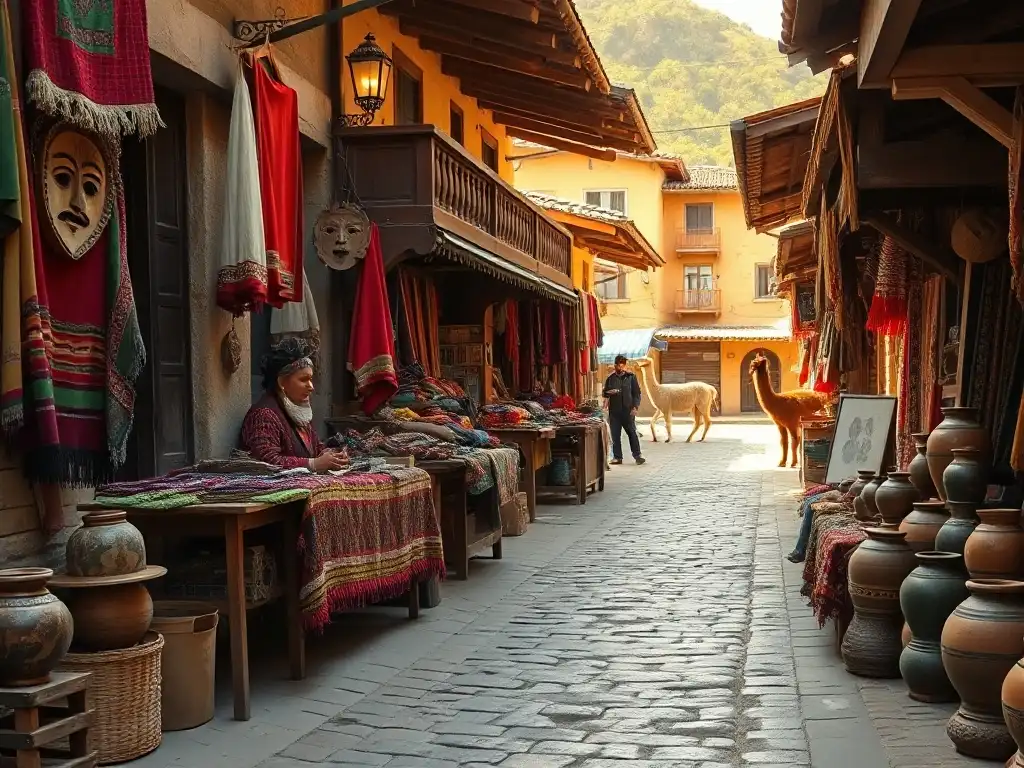
This section delves into the vibrant tapestry of Andean handicrafts markets, offering a detailed exploration of some of the best locations to discover authentic and unique artisan creations. We will examine specific markets, highlighting their unique offerings and providing insights for discerning shoppers seeking high-quality Andean crafts. Our focus will be on the diverse range of goods, ensuring you can find the perfect souvenir or addition to your collection.
1. Otavalo Market, Ecuador: A Textile Paradise
Otavalo Market, nestled in the highlands of Ecuador, is renowned globally for its exceptional textiles. The market's atmosphere is electric, a vibrant blend of colors, sounds, and the energy of skilled artisans showcasing their creations. The sheer scale of the market is impressive, with hundreds of vendors offering an unparalleled selection of Andean handicrafts.
Otavalo's Renowned Weaving Tradition
Otavalo's weaving tradition boasts centuries of history, passed down through generations. The indigenous Otavalo people are celebrated for their mastery of intricate weaving techniques, using natural dyes and high-quality materials like alpaca and sheep wool. Their tapestries, blankets, and ponchos are instantly recognizable for their rich colors and complex designs, often incorporating symbolic motifs representing Andean cosmology and spirituality. The skill involved is truly breathtaking, with each piece reflecting the weaver's deep connection to their heritage. You'll find everything from small wall hangings to large, richly detailed textiles suitable for rugs or throws.
Finding High-Quality Alpaca Wool Products at Otavalo
Alpaca wool is highly prized for its softness, warmth, and hypoallergenic properties. Otavalo offers an abundance of alpaca wool products, ranging from sweaters and scarves to gloves and hats. When shopping for alpaca wool, look for items with a soft, luxurious feel and a tightly woven structure. Beware of imitations; genuine alpaca wool will have a distinct shine and feel significantly different from cheaper alternatives. It's recommended to negotiate prices politely, a common practice in many Andean markets. Remember to inspect the item carefully before purchasing, checking for any imperfections or loose threads.
Beyond Textiles: Other Crafts at Otavalo
While textiles are the undisputed stars of Otavalo Market, a diverse range of other handicrafts are also available. Leather goods, intricately carved wooden items, and beautiful silver jewelry are just some examples. You might find traditional musical instruments like panpipes or charangos, adding an authentic Andean touch to your collection. The market truly offers something for everyone, from seasoned collectors to casual souvenir hunters. Take your time to explore the many stalls and discover hidden gems. Don't hesitate to ask questions; many artisans are happy to share information about their craft and the history behind their pieces.
Artesanias Inti Ñan at Otavalo: A Must-Visit
Within the larger Otavalo Market, Artesanias Inti Ñan stands out as a cooperative showcasing high-quality, ethically sourced handicrafts. This cooperative directly supports local artisans, ensuring fair wages and sustainable practices. Shopping here contributes directly to the local community and allows you to purchase items knowing that your money is making a positive impact. Their selection is curated, featuring exceptional craftsmanship and unique designs. It’s a great place to find truly special pieces that tell a story.
2. Pisac Market, Peru: A Blend of Tradition and Modernity
Located near the Sacred Valley of the Incas, Pisac Market offers a unique blend of traditional Andean crafts and modern influences. The market is situated in a stunning location, offering breathtaking views of the surrounding mountains. The vibrant atmosphere and the diverse range of goods make it a must-visit destination for any traveler interested in Andean handicrafts. The market is typically bustling with activity, particularly on market days.
The Unique Ceramics of Pisac
Pisac is particularly famous for its distinctive ceramics. Potters utilize traditional techniques, creating stunning pieces with intricate designs and vibrant colors. You'll find everything from simple bowls and plates to elaborate sculptures and decorative vases. Many pieces incorporate traditional Andean motifs, reflecting the region's rich cultural heritage. The quality of the ceramics varies, so take your time to inspect the pieces carefully, paying attention to the details and the overall craftsmanship. Look for pieces with well-defined designs and a sturdy construction.
Exploring the Intricate Beadwork and Jewelry of Pisac
The intricate beadwork and jewelry found in Pisac are equally impressive. Artisans skillfully create beautiful necklaces, earrings, and bracelets using a variety of materials, including semi-precious stones, glass beads, and even alpaca wool. These pieces often feature traditional Andean designs and symbols, reflecting the region's rich history and cultural identity. The craftsmanship is often exquisite, showcasing the skill and dedication of the artisans. Remember to check the quality of the materials and the sturdiness of the construction before purchasing.
Buying Authentic Andean Musical Instruments in Pisac
Pisac Market also offers a selection of authentic Andean musical instruments. You might find traditional instruments like the panpipes (siku), the charango (a small lute-like instrument), or the quena (a type of flute). These instruments are often handcrafted by skilled artisans, and they can make a unique and memorable souvenir. If you’re interested in purchasing a musical instrument, it is a good idea to ask questions about the materials used, the instrument's construction, and its playability. If possible, test the instrument before purchasing to ensure it is in good working order.
Toritos de Pucará Available in Pisac
While not exclusively from Pisac, the iconic Toritos de Pucará (small bull figurines) are frequently found in this market. These charming ceramic bulls, originating from the Pucará region of Peru, are highly sought-after souvenirs representing strength and fertility in Andean culture. They are typically hand-painted with vibrant colors and intricate designs. Their small size makes them easy to transport, but remember that even small, seemingly fragile items need careful handling during your travels.
3. Chinchero Market, Peru: A Focus on Traditional Andean Textiles
Chinchero market, nestled high in the Andes near Cusco, Peru, is a vibrant hub for traditional Andean textiles. Unlike many markets that offer mass-produced souvenirs, Chinchero prioritizes authenticity. Here, you'll find textiles created using age-old techniques passed down through generations, showcasing the enduring artistry of the Andean people. The market's location, in a town steeped in Inca history, further enhances the experience, offering a glimpse into the cultural heart of the Andes.
The air is often filled with the sounds of Quechua, the indigenous language, adding to the immersive atmosphere. The sheer variety of textiles on display, from brightly colored ponchos to intricately woven tapestries, is astounding. Many artisans set up shop directly in the town square, creating a bustling, interactive marketplace.
Chinchero's Natural Dyeing Techniques
One of the most captivating aspects of Chinchero's textiles is the use of natural dyes. Instead of relying on synthetic pigments, artisans utilize plants, insects, and minerals found in the surrounding Andean landscape. Cochineal insects, for example, produce a rich crimson, while various plants yield yellows, oranges, and browns. This commitment to natural dyeing not only results in stunning colors but also reflects a deep respect for the environment and traditional practices.
The process is often lengthy and labor-intensive, adding to the value and uniqueness of each piece. Observing the artisans at work, meticulously preparing and applying the dyes, provides a fascinating insight into this ancient craft. The vibrant hues achieved through this method are truly remarkable and give the textiles a depth and luminosity that synthetic dyes cannot replicate.
Purchasing Handwoven Textiles Directly from the Artisans
The unique feature of Chinchero market is the opportunity to purchase handwoven textiles directly from the artisans who created them. This direct interaction allows for a deeper appreciation of the craft and supports the local community. You can engage in conversation with the weavers, learning about their techniques, inspirations, and the stories behind their creations.
This personal connection adds a significant layer of meaning to your purchase, transforming it from a mere souvenir into a piece of living history. Moreover, purchasing directly from the artisans ensures fair compensation for their skilled work, contributing to the preservation of traditional Andean weaving practices. The opportunity to negotiate prices respectfully adds to the engaging nature of the market experience.
The Significance of Andean Motifs in Chinchero's Weaving
The textiles in Chinchero are not simply decorative; they are imbued with deep cultural significance. The intricate designs often incorporate traditional Andean motifs, each carrying its own symbolic meaning. Geometric patterns, representations of animals, and stylized depictions of nature all weave together to tell stories of Andean cosmology, history, and beliefs.
For example, the recurring image of the llama, a vital animal in Andean culture, might symbolize prosperity or resilience. Understanding the symbolism embedded in these designs enhances the appreciation of the textiles, making them more than just beautiful objects; they become vessels of cultural heritage. Many artisans are happy to explain the meaning behind their designs, providing a valuable educational experience alongside the shopping.
The Pallay Technique Seen in Chinchero
The pallay technique is a notable aspect of Chinchero's weaving tradition. This intricate method involves creating raised, textured patterns on the fabric's surface by manipulating the warp threads. This results in a three-dimensional effect, adding depth and visual interest to the textiles.
The pallay technique requires significant skill and patience, highlighting the artisans' mastery of their craft. The resulting textiles are not only visually stunning but also exceptionally durable, testament to the longevity of Andean weaving traditions. The complexity of the pallay technique is evident in the detail and precision of the woven patterns, showcasing a remarkable level of craftsmanship.
4. Sacsayhuamán Artisan Market (Near Cusco): A Showcase of Ancient Techniques
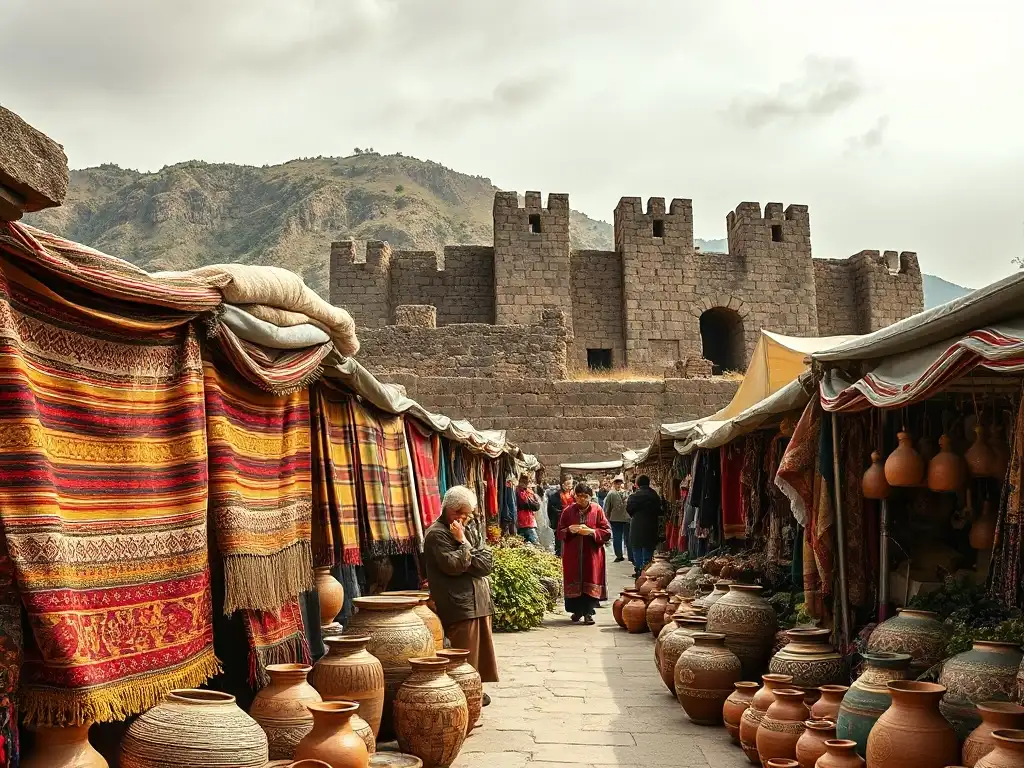
Located near the impressive Inca ruins of Sacsayhuamán, this artisan market offers a unique blend of ancient techniques and modern creativity. The proximity to the historical site adds a powerful context to the crafts on display, linking contemporary artistry to a rich cultural heritage. The market itself often has a more relaxed atmosphere compared to the bustling energy of Chinchero, offering a more contemplative shopping experience. Artisans here frequently demonstrate their skills, providing a chance to witness traditional methods firsthand.
Recreating Inca Techniques in Modern Handicrafts
Many artisans in the Sacsayhuamán market recreate Inca techniques in their modern handicrafts. This includes the use of traditional tools and materials, such as locally sourced stone and wood, to create pieces that echo the aesthetic and craftsmanship of the Inca Empire. This commitment to authenticity ensures that ancient traditions are not only preserved but also adapted to contemporary tastes. For example, the use of intricate knotting techniques, reminiscent of Inca textiles, can be seen in modern jewelry and weavings. This blend of tradition and innovation results in unique and captivating pieces.
Finding Carved Stone and Wood Products in Sacsayhuamán
The Sacsayhuamán market is renowned for its selection of carved stone and wood products. Artisans skillfully transform these materials into a wide range of items, from intricately carved figurines to functional objects such as bowls and utensils. The quality of the craftsmanship is often exceptional, reflecting a deep understanding of the materials and a dedication to traditional techniques. The use of local stone, often featuring unique colors and textures, adds to the individuality of each piece. The market provides a captivating display of the artisans' skills in manipulating these materials to create both decorative and practical items.
The Symbolism of Inca Designs in Artisan Crafts
Similar to Chinchero, the artisan crafts in Sacsayhuamán often incorporate Inca designs, each carrying symbolic meaning. These designs frequently reflect Inca cosmology, mythology, and beliefs. For example, representations of the sun, moon, and stars might symbolize divine power, while depictions of animals could represent specific qualities or deities. Understanding the symbolic language of these designs adds a layer of depth to the appreciation of the crafts, transforming them into tangible representations of Inca culture. Many artisans are knowledgeable about the symbolism in their work and are happy to share this information with visitors.
Carved Soapstone Condors Available in Sacsayhuamán
One of the most striking items frequently found in the Sacsayhuamán market is carved soapstone condors. The condor, a majestic bird of the Andes, holds significant cultural importance in Andean traditions, often symbolizing power, strength, and freedom. The artisans' skill in carving these intricate figures from soapstone is truly remarkable, capturing the bird's majestic presence in detail. The smooth, cool texture of the soapstone, combined with the detailed carving, makes these pieces both visually appealing and tactilely engaging. These soapstone condors make for unique and meaningful souvenirs, carrying a piece of Andean history and symbolism.
5. La Paz Witches' Market, Bolivia: An Unusual Selection of Handicrafts
The La Paz Witches' Market, or Mercado de las Brujas, isn't your typical artisan market. Nestled in the heart of La Paz, Bolivia, this vibrant and slightly unsettling market offers a unique glimpse into Andean spiritual traditions and beliefs. While you'll find some traditional handicrafts, the focus here is decidedly on the esoteric.
Instead of the usual textiles and ceramics, you'll encounter a fascinating array of items used in Andean folk medicine and spiritual practices. The air is thick with the scent of herbs, incense, and the earthy aroma of dried plants. The experience is as much sensory as it is visual, a complete immersion in a world far removed from the polished tourist shops.
Navigating the stalls requires a curious mind and a willingness to step outside your comfort zone, but the rewards are immense for those who dare to explore. The market embodies a unique blend of traditional Andean practices and modern-day commerce, making it a truly unforgettable experience for anyone interested in Andean handicrafts and culture. The sheer variety of items on offer is astonishing, showcasing the depth and complexity of Andean spiritual beliefs.
Exploring the Spiritual Side of Andean Crafts
Many items sold at the Witches' Market are not merely decorative; they possess deep spiritual significance within Andean cosmology. For example, llama fetuses, a controversial yet integral part of the market, are believed to possess protective properties and are often used in ceremonies to appease Pachamama, the Earth Mother. Dried herbs and plants, meticulously bundled and labeled, are used for healing and ritual purposes.
These aren't simply botanical specimens; they are potent ingredients in traditional Andean medicine, each with its own specific properties and applications. Understanding the spiritual context is crucial to appreciating the true value and meaning behind these items.
The market itself acts as a living museum of Andean spiritual practices, allowing visitors to witness a tradition that has persisted for centuries. This spiritual dimension makes the Witches' Market a far cry from the typical souvenir shops you might find elsewhere, offering a far more profound and culturally rich experience.
Finding Amulets, Talismans, and Unique Curiosities
Beyond the more overtly spiritual items, the Witches' Market offers a treasure trove of amulets, talismans, and unique curiosities. These small objects, often intricately crafted from silver, wood, or other materials, are believed to offer protection, good luck, or other beneficial properties. You'll find miniature figurines of Andean deities, intricately carved wooden animals representing spiritual guides, and colorful woven bands used in various ceremonies.
Many of these items are personalized, adapted to the specific needs or desires of the individual buyer. The uniqueness of each item adds to the market's charm, showcasing the artistry and skill of the artisans who create them. The sheer diversity of these amulets and talismans reflects the rich tapestry of Andean beliefs and traditions, offering a glimpse into the complex spiritual world that shapes the lives of many Andean peoples.
Understanding the Cultural Significance of the Items
It is vital to approach the Witches' Market with respect and understanding. The items sold are not mere souvenirs; they represent a living culture and deeply held spiritual beliefs. Many visitors purchase items as souvenirs, but it's crucial to remember the cultural context and avoid treating them as mere trinkets.
Educating yourself about the significance of these objects before visiting will enhance your experience and allow you to appreciate the market's unique cultural value. Respectful observation and mindful purchasing are essential elements of engaging with the Witches' Market responsibly. This understanding transforms a potentially exploitative experience into a culturally enriching interaction, promoting appreciation rather than appropriation.
Dried Llama Fetuses sold in La Paz
The sale of dried llama fetuses is perhaps the most controversial aspect of the La Paz Witches' Market. These fetuses are used in Andean rituals, often as offerings to Pachamama. While the practice might seem unsettling to outsiders, it's crucial to understand its significance within the Andean worldview.
It's a complex issue, and the market's role in this tradition is a subject of ongoing debate and discussion. Ethical considerations surrounding the procurement and sale of these fetuses are paramount. Responsible tourism requires sensitivity and awareness of the cultural context, while also acknowledging the potential ethical concerns associated with such practices.
It’s important to approach this aspect of the market with respect and a willingness to learn about the cultural context, even if it differs significantly from one's own worldview. Understanding the perspective and beliefs of the Andean people is key to appreciating, and potentially even respecting, the role of these items within their culture.
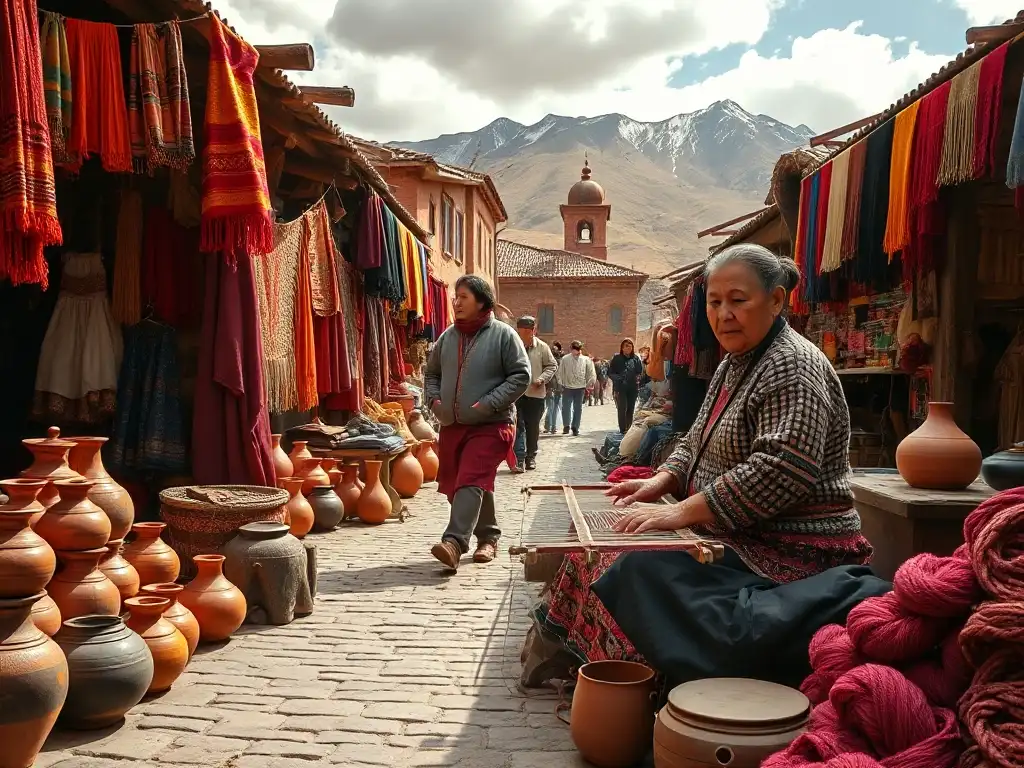
This section offers practical advice for maximizing your experience and ensuring ethical and enjoyable shopping at Andean handicrafts markets. Remember, these markets are vibrant hubs of cultural exchange, offering a unique opportunity to connect with the heart of Andean artistry. Navigating them effectively requires a blend of respect, awareness, and savvy purchasing strategies. Understanding the nuances of these markets will allow you to appreciate the craftsmanship and support the artisans directly.
Haggling Etiquette: Tips for Negotiating Fair Prices
Haggling is a common and often expected practice in many Andean handicrafts markets. However, it's crucial to approach it with respect and understanding. Think of it as a friendly negotiation, not a battle. Here's how to navigate it effectively:
- Start with a polite greeting: Begin by acknowledging the artisan and expressing your interest in their work. A simple "Buenos días" or "Hola" goes a long way.
- Research beforehand: Knowing the approximate value of similar items can help you make a reasonable offer. This prevents you from offering too little or too much.
- Be respectful and patient: Remember that these are often family-run businesses, and the artisans have poured their heart and skill into their creations.
- Offer a fair price: Don't insult the artisan with an unreasonably low offer. Start with a price slightly below what you're willing to pay, leaving room for negotiation.
- Be prepared to walk away: If you can't reach an agreement, it's perfectly acceptable to politely decline and move on. This sometimes encourages a better offer.
- Pay in local currency: Whenever possible, pay in the local currency. This shows respect and avoids potential exchange rate issues for the artisan.
- Smile and be friendly! A positive attitude can greatly influence the negotiation process.
Remember, the goal is to reach a price that is fair for both you and the artisan. A successful negotiation leaves both parties feeling satisfied with the transaction. This fosters a positive exchange and encourages a continued appreciation for Andean craftsmanship.
Recognizing Authentic Andean Crafts vs. Imitations
The vibrant colors and intricate designs of Andean handicrafts make them highly desirable, unfortunately, leading to an increase in imitations. Distinguishing authentic pieces from fakes requires a keen eye and some knowledge. Here are some key factors to consider:
- Materials: Authentic Andean crafts often utilize traditional materials like alpaca wool, llama wool, vicuña fiber, hand-spun cotton, or specific types of clay. Examine the materials carefully; imitations might use synthetic fibers or lower-quality materials.
- Craftsmanship: Look for meticulous detail and high-quality craftsmanship. Authentic pieces often exhibit intricate weaving techniques, precise pottery forms, or detailed embroidery. Imitations are typically less refined.
- Design elements: Traditional Andean designs often incorporate specific motifs and symbols with cultural significance. Research these designs to better identify authentic pieces.
- Pricing: While not always a foolproof indicator, exceptionally low prices can signal a potential imitation. However, remember that fair pricing is important, and you should still aim for a mutually beneficial agreement.
- Ask questions: Don't hesitate to inquire about the materials, techniques, and origin of the piece. A reputable artisan will be happy to share information about their craft.
By carefully examining the craftsmanship, materials, and design elements, you can significantly increase your chances of acquiring authentic Andean handicrafts. This ensures you are supporting the preservation of traditional techniques and cultural heritage.
Supporting Local Artisans: Making Ethical Purchases
Purchasing Andean handicrafts is a wonderful way to support local communities and preserve cultural traditions. However, ethical consumption requires more than just buying a souvenir. Consider these tips for making responsible purchases:
- Buy directly from artisans: Whenever possible, purchase directly from the artisans themselves. This ensures that they receive the full benefit of the sale and fosters a direct connection between the creator and the consumer.
- Fair prices: Negotiate a fair price that adequately compensates the artisan for their time, skill, and materials. Remember, your purchase supports their livelihood and their community.
- Respect their work: Appreciate the time and effort that goes into creating these handcrafted items. Handle them with care and respect their cultural significance.
- Ask about their process: Show genuine interest in their craft. Ask about their techniques, materials, and inspirations. This demonstrates respect and builds a meaningful connection.
- Support cooperatives: Many Andean artisans work together in cooperatives, which provide support and fair trading opportunities. Consider purchasing from these cooperatives to support collective efforts.
By choosing to purchase ethically, you're not only acquiring beautiful handicrafts but also contributing to the economic well-being of Andean communities and helping to preserve their rich cultural heritage for generations to come. Remember, your purchase is a powerful statement of support for these talented artisans and their unique traditions.
Caring for Your Andean Handicrafts
Acquiring exquisite Andean handicrafts is a rewarding experience, but preserving their beauty requires understanding and care. These intricate pieces, often crafted from delicate materials and employing time-honored techniques, deserve proper attention to ensure their longevity. The climate and environment in which you display your treasures will significantly impact their lifespan. For instance, direct sunlight can fade vibrant dyes in textiles, while high humidity can damage delicate pottery and wooden carvings. Therefore, selecting a suitable display location is crucial. A dimly lit area, away from direct sunlight and moisture, is ideal.
Proper cleaning techniques are equally important. Many Andean handicrafts are not suitable for machine washing or harsh chemicals. For textiles like alpaca wool sweaters or intricately woven tapestries, hand-washing with a mild detergent and cool water is recommended. Always allow the item to air dry flat, away from direct heat.
For pottery, a soft cloth and gentle dusting are usually sufficient. Avoid abrasive cleaners or scouring pads, which can scratch delicate surfaces. Wooden carvings can benefit from occasional polishing with a specialized wood polish, ensuring it is appropriate for the specific type of wood. Always test any cleaning method on a small, inconspicuous area first to ensure it doesn't damage the item.
Beyond cleaning, environmental factors play a crucial role in preservation. Extreme temperature fluctuations can cause materials to crack or warp. Therefore, maintaining a stable temperature and humidity level is advisable. For particularly valuable or delicate pieces, consider investing in protective cases or display covers.
These can help shield your treasures from dust, insects, and environmental damage. Remember, preventative measures are key to preserving the beauty and integrity of your Andean handicrafts for generations to come. By understanding the materials and employing appropriate care, you can ensure your cherished Andean acquisitions remain stunning reminders of your journey and the rich cultural heritage they represent. The careful attention you give these items reflects the respect for the artistry and craftsmanship involved in their creation.
Monetizing Your Andean Handicraft Finds
After exploring the vibrant Andean handicrafts markets and acquiring unique treasures, you might be wondering how to leverage your finds. Turning your passion for Andean crafts into a source of income is achievable through several avenues, each with its own set of advantages and considerations. This section explores some popular and effective methods for monetizing your Andean handicraft acquisitions. Understanding the nuances of each approach will help you choose the best strategy to suit your skills and resources. The key is to combine your love for Andean culture with a smart business approach.
Reselling Opportunities: Etsy for Selling Andean Crafts
Etsy provides a readily accessible platform for selling handcrafted goods, making it an ideal choice for those with a curated collection of Andean handicrafts. The site's established user base, focused on handmade and vintage items, creates a natural audience for your unique finds. However, success on Etsy requires more than just listing your items. High-quality product photography is crucial; showcasing the intricate details and the authenticity of each piece is essential to attract buyers.
Accurate and detailed descriptions, highlighting the origin, materials, and craftsmanship, are also paramount. Consider using keywords like "handwoven Andean textiles," "Peruvian ceramic pottery," or "authentic Bolivian jewelry" to improve your search ranking. Effective pricing, factoring in the cost of the item, shipping, and your profit margin, is another critical aspect.
Regularly updating your shop with new inventory and engaging with potential customers through comments and messages will help build a loyal following and increase sales. Finally, remember to comply with Etsy’s policies and regulations to avoid any issues with your shop. The key to success on Etsy is a blend of attractive presentation, clear communication, and consistent effort.
Beyond direct sales, you can monetize your passion for Andean handicrafts by creating engaging content around them. Starting a blog or utilizing social media platforms like Instagram or Pinterest allows you to share your knowledge and experiences, building a community around your appreciation for these beautiful crafts. High-quality photos and videos showcasing your collection, coupled with informative captions describing the history, techniques, and cultural significance of each piece, can attract a significant following.
Monetization strategies include affiliate marketing (discussed in the next section), sponsored posts, and eventually, selling your own handcrafted items or digital products (e.g., e-books, patterns) related to Andean crafts. The key is to consistently provide valuable content that appeals to your target audience, establishing yourself as a knowledgeable and trustworthy source of information on Andean handicrafts.
Think of creating blog posts like "A Beginner's Guide to Identifying Authentic Andean Textiles" or "The Symbolism Behind Nazca Line Inspired Jewelry." By building a strong online presence, you can generate income while sharing your passion.
Affiliate Programs with Novica
Novica is a well-known marketplace featuring handcrafted items from artisans around the world, including many from the Andean region. Their affiliate program offers a commission on sales generated through your unique referral link. This is a relatively low-effort approach to monetizing your knowledge, requiring you to simply share your affiliate link within your blog posts, social media updates, or even email newsletters.
This allows you to earn a percentage of sales generated through your recommendations without needing to handle inventory or shipping. To maximize your earning potential, focus on promoting specific items that resonate with your audience and highlight the unique stories and craftsmanship behind them. Transparency is key – clearly disclose your affiliate relationship with Novica to maintain trust with your followers.
This method complements other monetization strategies, allowing you to earn passive income while promoting a platform that aligns with your passion for Andean handicrafts. It's a great way to supplement income from other endeavors.
Frequently Asked Questions
Where can I find Andean handicrafts markets?
You can find Andean handicrafts markets throughout the Andes region, in countries like Peru, Bolivia, Ecuador, and Colombia. Many are located in major cities near tourist attractions, but smaller, more local markets offer unique finds. Look for markets in towns known for specific crafts.
What kind of handicrafts can I expect to find?
Expect a vast array of textiles, including alpaca and llama wool sweaters, ponchos, and tapestries. You'll also find pottery, often featuring traditional designs and techniques, as well as jewelry, wood carvings, and other unique items.
Are the prices in Andean handicrafts markets negotiable?
In many Andean handicrafts markets, bargaining is expected and often part of the experience. Politely negotiating a price is common practice, but always be respectful of the artisan's work and time.
How can I ensure I'm buying authentic Andean handicrafts?
Look for items made with traditional techniques and materials. Ask the seller about the origin and creation process of the handicraft. Supporting local artisans and cooperatives helps ensure authenticity.
What's the best time to visit Andean handicrafts markets?
The best time depends on the specific location and market, but generally, during the dry season (May-September) offers pleasant weather for exploring outdoor markets. However, markets are often open year-round, offering a vibrant experience anytime.
Final Reflection: The Enduring Legacy of Andean Crafts
The vibrant tapestry of Andean handicrafts markets continues to thrive, a testament to the ingenuity and resilience of Andean communities. These markets are not merely places of commerce; they are living museums, preserving ancient techniques and cultural narratives for generations to come. The intricate details, the rich history woven into each piece, and the enduring spirit of the artisans themselves represent a powerful connection to the past and a vital link to the future.
The impact of these markets extends far beyond the economic; they are crucial for cultural preservation and identity. They represent a powerful resistance against globalization's homogenizing forces, safeguarding unique artistic expressions and traditional knowledge. As the anthropologist, Eduardo Galeano, eloquently stated, The hands remember what the mind has forgotten.
This rings profoundly true for the Andean artisans, whose hands carry the weight of centuries of tradition, shaping clay, weaving fibers, and crafting stories into tangible forms. Their work is a living archive, a testament to the enduring human spirit and the power of cultural heritage.
Consider the stories embedded within each piece you encounter. Imagine the hands that shaped the clay, the dyes that colored the textiles, the generations of knowledge passed down through families. You, the reader, hold the power to support these artisans and their communities by consciously choosing to purchase authentic, ethically sourced handicrafts. By engaging with these markets, you not only acquire beautiful and unique items but also contribute to the preservation of a rich cultural heritage and empower the artisans who create them. Let us all strive to appreciate and protect this invaluable legacy.
Dive Deeper into the Vibrant World of Andean Crafts!
Thank you for exploring the rich tapestry of Andean handicrafts with us! We hope this journey has inspired you to appreciate the artistry and culture inherent in each piece. Let's deepen your engagement.
Here are some exciting ways to get involved:
- Visit a local artisan market to experience the creativity firsthand and support the talented craftspeople preserving their traditions. You can discover unique pieces and learn about the techniques and stories behind them.
- Share your favorite Andean crafts with friends and family on social media. Help spread awareness and appreciation for these unique art forms. Showcasing the beauty and cultural significance of these pieces can inspire others to learn more.
- Take a workshop—either in your community or online—to learn a craft yourself. Connect more deeply with Andean culture through hands-on creativity. Learning a traditional technique offers a profound appreciation for the artistry and cultural heritage.
Which Andean craft excites you the most? Share your thoughts below!