
The Sun's Embrace: Solar Symbols and Their Significance in Andean Textiles

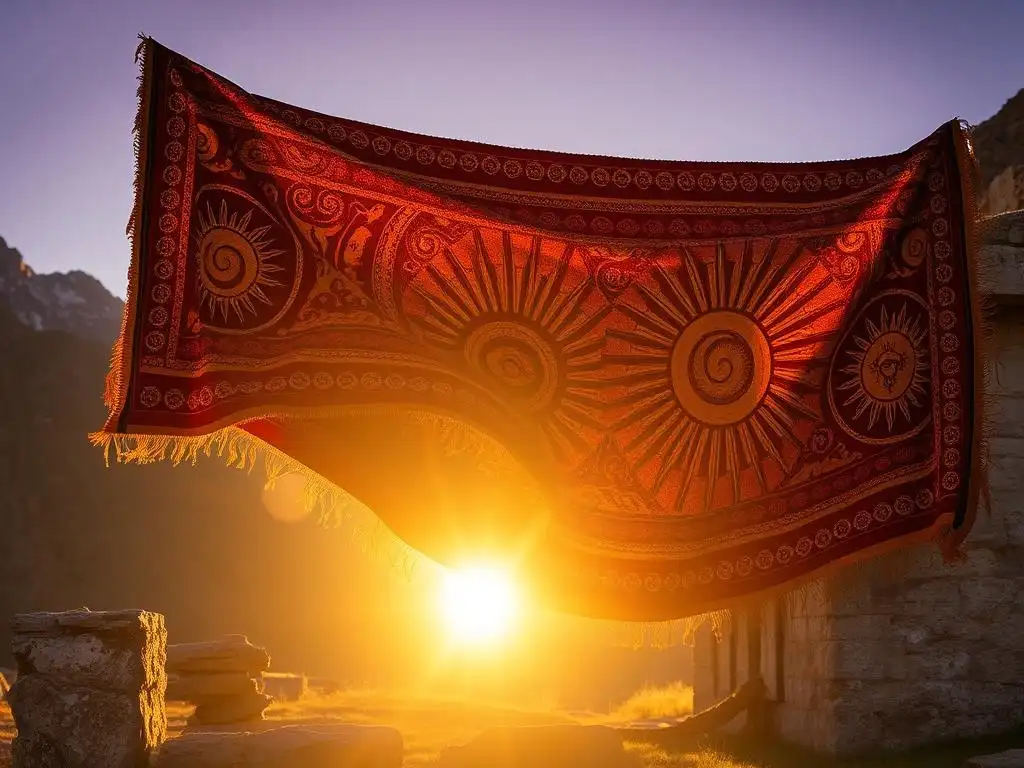
Unravel the mysteries woven into the very fabric of the Andes! Journey with us through a captivating world of ancient civilizations, where intricate Andean textiles whisper tales of celestial reverence. Discover the hidden meanings behind the solar symbols adorning these breathtaking masterpieces and unlock the secrets of a sun-worshipping culture. Prepare to be amazed by the ingenuity and artistry of the Andean people as we explore the profound significance of these celestial designs in the "Andean Culture and Crafts" section. Are you ready to decipher the Sun's embrace?
- The Sun's Embrace: Decoding Solar Motifs in Andean Textiles
- Myth vs. Reality: Understanding Andean Textiles and Solar Symbolism
- The Sun's Influence on Andean Textile Design: A Deep Dive
- Tools and Techniques for Replicating Andean Textile Art
- Preserving the Legacy: Supporting Andean Artisans
- Conclusion: Embracing the Sun's Legacy Through Andean Textiles
-
Frequently Asked Questions
- What are solar symbols in Andean textiles?
- Why were solar symbols important to Andean cultures?
- What are some common examples of solar symbols found in Andean textiles?
- How did Andean weavers incorporate solar symbols into their textiles?
- What can the study of solar symbols in Andean textiles tell us about Andean culture?
- Final Reflection: Weaving the Sun's Legacy into the Present
- Embrace the Light: Celebrate and Share the Richness of Andean Textiles!
The Sun's Embrace: Decoding Solar Motifs in Andean Textiles
The sun, a life-giving force in the harsh Andean landscape, held profound spiritual and cosmological significance for the ancient civilizations that thrived in the region. This article delves into the captivating world of Andean textiles, exploring the intricate solar symbols woven into their very fabric and uncovering the rich meanings embedded within these masterful creations.
From the Inca Empire's sophisticated designs to the earlier artistry of the Nazca and Moche cultures, the sun's presence is undeniable, a testament to its central role in Andean cosmology, religion, and daily life. We will examine how these solar motifs, far from mere decoration, served as powerful expressions of belief, social status, and astronomical knowledge, offering a unique window into the complex worldview of these fascinating ancient societies.
Understanding the symbolism woven into these textiles provides a deeper appreciation for the artistry and cultural richness of the Andean world and its enduring legacy. This exploration will specifically address the keyword "Andean textiles solar symbols meaning," providing a comprehensive understanding of this captivating topic.
Unveiling the Power of the Sun in Ancient Andean Cultures
The sun's importance in Andean cultures transcended mere meteorological significance; it was a deity, a source of life, and a powerful symbol of authority. Ancient Andean societies, including the Inca, Moche, Nazca, and Tiahuanaco, developed intricate solar mythologies reflecting the sun's central role in their worldview. The sun god, often depicted as a powerful and benevolent figure, was revered in elaborate ceremonies and rituals.
These rituals, often involving offerings and sacrifices, aimed to ensure the sun's continued benevolence and the prosperity of the community. The sun's journey across the sky, its daily cycle of birth, death, and rebirth, mirrored the cyclical nature of life and agriculture, profoundly impacting the Andean worldview. This deep-seated reverence for the sun is vividly reflected in the artistry of Andean textiles, where solar symbols are not merely decorative elements but potent expressions of this fundamental belief system.
The intensity of the sun's power is captured through vibrant colors and intricate weaving techniques, demonstrating the sophisticated level of artistry and the profound spiritual significance these textiles held. The specific representation of the sun varied across different cultures, with some favoring anthropomorphic depictions while others used geometric designs to symbolize the sun's power.
Andean Textiles: More Than Just Decoration
Andean textiles were far more than simple garments or household items; they served as powerful mediums for expressing cultural identity, social status, and religious beliefs. The intricate weaving techniques, the vibrant colors derived from natural dyes, and the meticulously chosen designs all contributed to the textiles' profound significance. The inclusion of solar symbols within these textiles elevated their status, signifying the wearer's connection to the divine and their place within the social hierarchy.
For example, intricate depictions of the sun god, often surrounded by other celestial bodies and mythical creatures, were frequently found on garments worn by elite members of society, highlighting their privileged position and connection to the divine. The use of specific colors and patterns also held symbolic meaning, with certain colors associated with specific deities or events. The complex designs, often incorporating geometric patterns and stylized representations of animals and plants, required years of training and expertise to master, reflecting the high value placed upon these textile traditions.
Moreover, the materials used—alpaca wool, cotton, and other indigenous fibers—were themselves imbued with cultural and spiritual significance. The creation of Andean textiles was therefore a deeply meaningful process, combining artistic skill, spiritual devotion, and profound cultural knowledge. The presence of solar symbols adds another layer of complexity and richness to these already significant artifacts, providing valuable insights into the beliefs and practices of ancient Andean societies.
Myth vs. Reality: Understanding Andean Textiles and Solar Symbolism
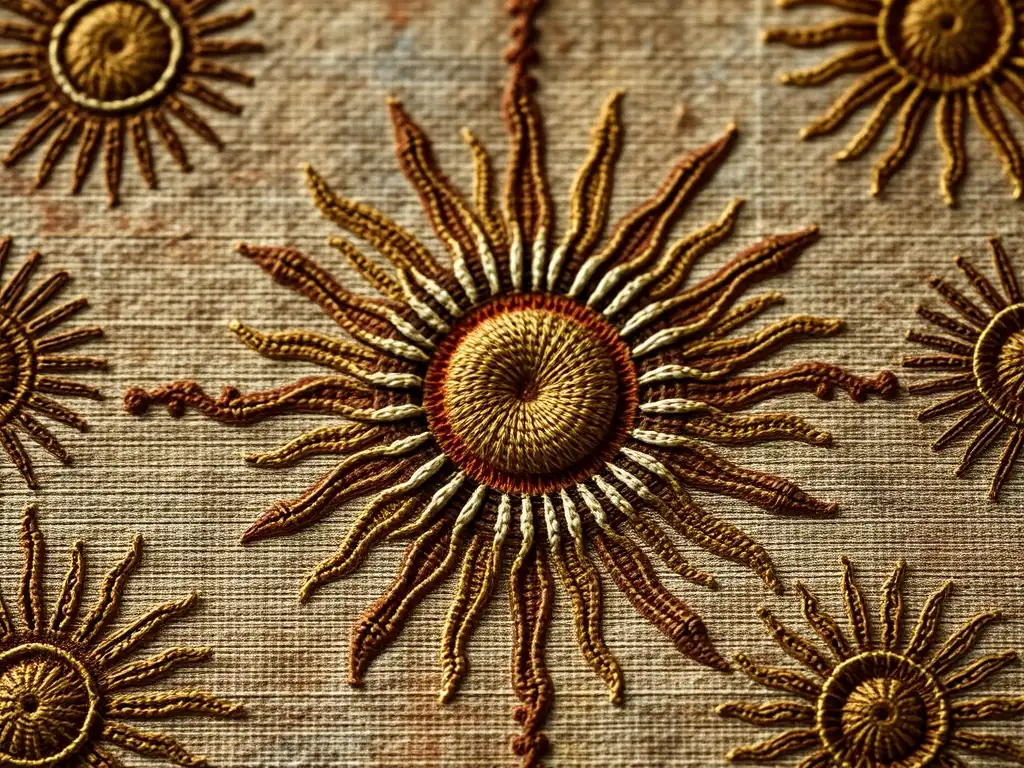
This section delves into common misconceptions surrounding the use of solar symbols in Andean textiles, contrasting popular myths with the complex reality revealed by archaeological evidence and anthropological studies. We'll explore how these seemingly decorative motifs held profound religious and cosmological significance for ancient Andean cultures. Understanding this nuanced perspective is crucial to appreciating the true artistry and cultural depth embedded within these remarkable textiles.
Myth: Solar Symbols in Textiles Were Purely Decorative
A common misconception is that the intricate solar motifs woven into Andean textiles served purely decorative purposes. While their aesthetic beauty is undeniable, reducing their significance to mere ornamentation ignores the rich tapestry of symbolism woven into their very fibers. Many assume these designs were simply pleasing patterns, lacking deeper meaning.
This simplistic view overlooks the meticulous craftsmanship and the profound cultural significance imbued in each thread. The precision and consistency across different regions and time periods suggest a deliberate, codified system of representation far beyond simple aesthetics. The time and effort invested in creating these textiles, often using rare dyes and intricate techniques, further underscores their importance.
Reality: Solar Motifs Represented Divine Power and Cosmic Order
The reality is far more complex and fascinating. Andean solar symbols, whether depicted as radiating suns, stylized sun discs, or anthropomorphic sun gods, represented the powerful forces of nature and the cosmos. They embodied the life-giving energy of the sun, its vital role in agriculture, and its connection to the divine realm.
For example, the inti (sun) was a central deity in Inca cosmology, and its representation in textiles wasn't merely decorative; it was a powerful statement of religious belief and a connection to the divine. These motifs were not randomly placed but strategically woven into specific parts of the garments, often reflecting the wearer's social status or role within the community.
Detailed analysis of surviving textiles reveals consistent patterns in the placement and configuration of these symbols, indicating a structured system of meaning that went beyond simple aesthetics. The size, color, and context of the solar motifs all contributed to their overall significance.
Myth: The Sun God Was the Only Celestial Deity Represented
Another prevalent misconception is that only the sun god, Inti, was represented in Andean textile designs. This simplifies the complex Andean pantheon and overlooks the importance of other celestial bodies in their cosmology. The focus solely on the sun ignores the rich tapestry of astronomical knowledge woven into the textiles.
Reality: Other Celestial Bodies Influenced Textile Design, like the Moon and Stars
In reality, Andean textiles frequently incorporated representations of the moon, stars, and constellations, reflecting a broader understanding of the cosmos and its influence on human life. The moon, for instance, was associated with fertility and feminine power, and its depiction in textiles often held symbolic significance related to agricultural cycles and women's roles in society. Similarly, constellations and specific stars held importance in Andean astronomy and were incorporated into textile designs to represent specific events, beliefs, or narratives.
The use of different colors and weaving techniques further nuanced the meaning of these celestial motifs. For example, the use of specific shades of blue to represent the night sky or specific arrangements of threads to mimic constellations demonstrates a sophisticated understanding of astronomy integrated into their art.
Further research into regional variations in textile design could illuminate the specific celestial bodies and their significance in different Andean communities. While the sun certainly held a prominent place, the Andean worldview encompassed a wider range of celestial deities reflected in the rich diversity of their textile art.
The Sun's Influence on Andean Textile Design: A Deep Dive
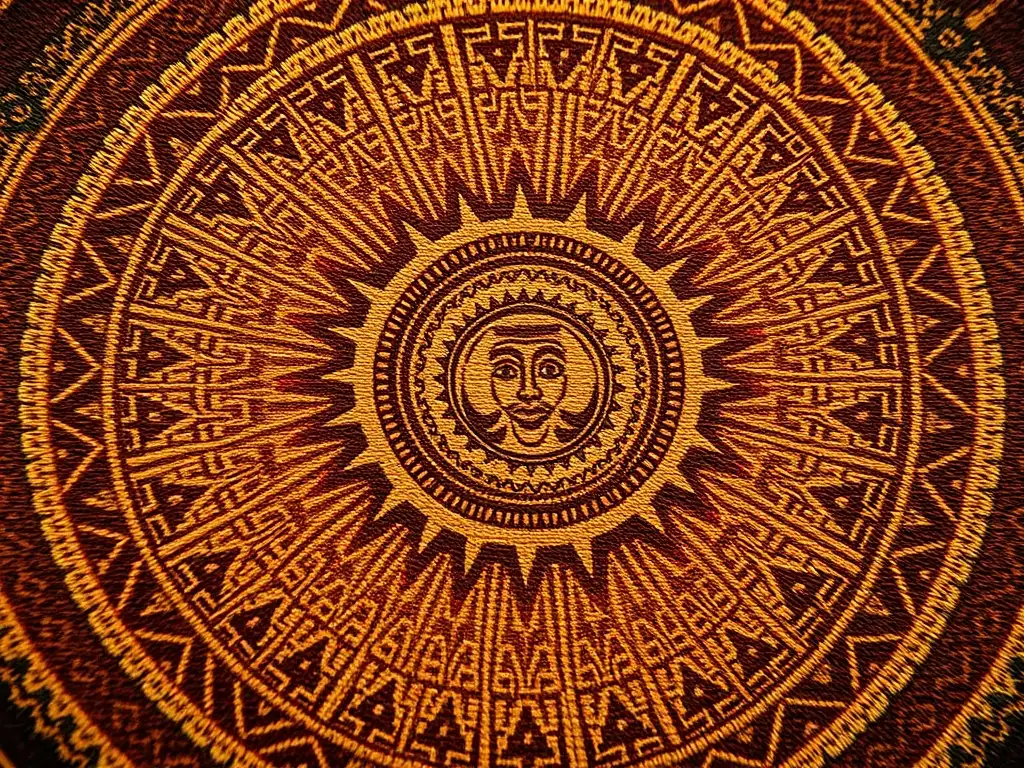
The sun, or Inti as it was known in Quechua, held immense religious and cultural significance for the Andean civilizations. Its life-giving power was inextricably linked to agriculture, the foundation of their society. This profound reverence is vividly reflected in their art, particularly in the intricate designs woven into their textiles. Andean textiles solar symbols meaning is deeply rooted in this cosmic veneration, with solar motifs appearing in various forms across different cultures and time periods.
Analyzing these symbols offers a window into the Andean worldview, their understanding of the cosmos, and their sophisticated artistic techniques. The vibrant colors, complex patterns, and symbolic representations found in these textiles serve as powerful testaments to the ingenuity and spiritual depth of Andean cultures. The meticulous craftsmanship involved further underscores the importance of these solar representations in their daily lives and religious practices.
The Inti Symbol: Depicting the Sun God in Andean Weavings
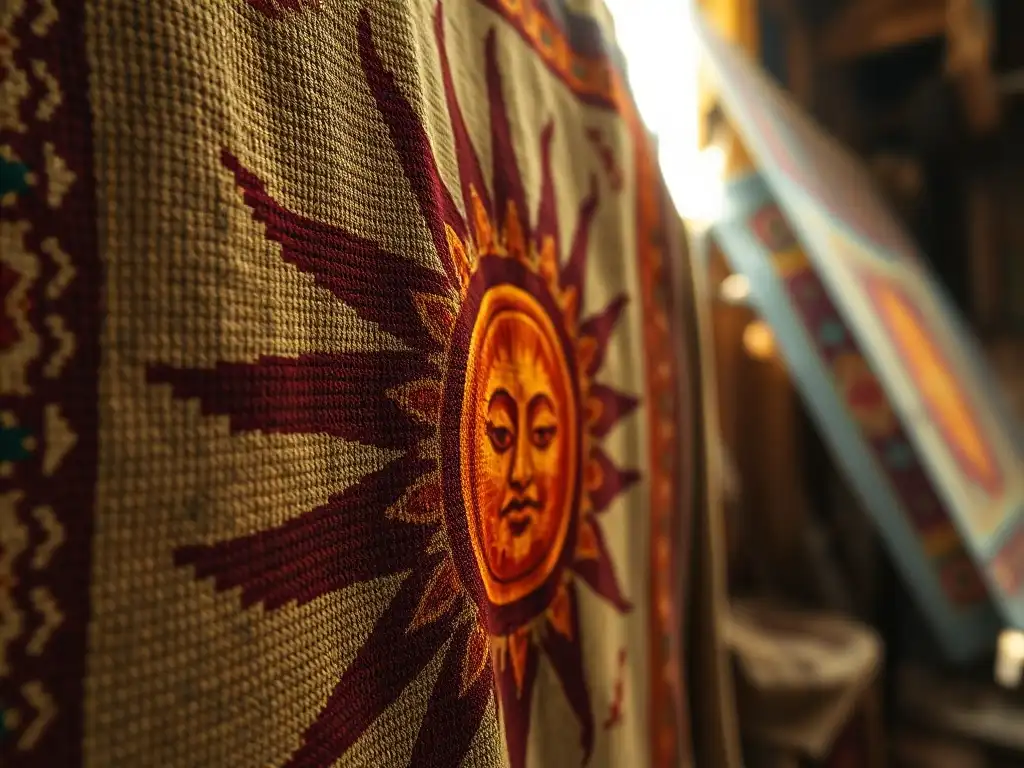
The most direct representation of the sun in Andean textiles is the depiction of Inti himself. These depictions often showcase the sun god as a stylized human face, sometimes with radiating rays emanating outwards, symbolizing his power and influence. The face itself might be adorned with elaborate headdresses, earrings, and other ornaments, reflecting the deity's regal status.
The colors used also hold symbolic meaning; gold and red frequently represent the sun's fiery nature and life-giving energy. In some weavings, Inti is depicted holding various symbols of power, such as a scepter or a staff, reinforcing his role as a divine ruler. The level of detail in these representations varies based on the textile's purpose and the skill of the weaver, ranging from simple representations to highly detailed and complex portrayals.
The presence of the Inti symbol on a textile often implies a connection to power, royalty, or religious ceremonies. For example, textiles with prominent Inti imagery might have been used in ritual contexts or worn by members of the elite.
The Inti Raymi Festival and its Influence on Textile Art
The Inti Raymi, or Festival of the Sun, was a significant annual event in the Inca Empire. This celebration, held during the winter solstice, was dedicated to honoring the sun god and ensuring a bountiful harvest. The Inti Raymi profoundly influenced Andean textile art.
Textiles created for or worn during the festival often featured elaborate solar motifs, reflecting the celebratory nature of the event. These textiles might incorporate larger-than-life depictions of Inti, surrounded by intricate patterns representing other celestial bodies or agricultural symbols. The use of vibrant, rich colors—particularly gold, red, and yellow—further emphasized the festival's importance and the sun's life-giving energy.
Many of these textiles showcased the highest level of weaving techniques, reflecting the reverence given to the event and the sun god. The detailed designs and exceptional craftsmanship of these festival textiles distinguish them from everyday clothing or household items. Archaeological findings of textiles from this period provide invaluable insights into the scale and significance of the Inti Raymi festival and its impact on textile production.
Variations of Solar Motifs: From Geometric Shapes to Abstract Forms
Beyond direct representations of Inti, Andean textiles utilized a wide array of solar motifs, ranging from geometric shapes to more abstract forms. These varied representations reflect the multifaceted nature of the sun's symbolism and the diverse artistic styles across different Andean cultures. The sun's radiating energy was often represented by geometric patterns like concentric circles, spirals, and stepped frets.
These shapes not only visually evoked the sun's rays but also held deeper symbolic meaning, potentially representing the sun's cyclical nature, its journey across the sky, or its connection to the earth's fertility. More abstract designs might incorporate elements like stylized feathers, stars, or other celestial bodies, weaving together different aspects of the Andean cosmology. The meaning and interpretation of these symbols could also vary across different regions and communities, adding another layer of complexity to the study of Andean textile art.
Examples: The Step Fret Motif and its Solar interpretations
The stepped fret motif, a ubiquitous design in Andean textiles, is a prime example of a geometric pattern with solar connotations. This motif, characterized by its series of interconnected, stepped triangles, is frequently interpreted as a representation of the sun's rays or the mountain peaks reflecting the sun's light. Its repeated appearance across numerous textiles and cultures suggests a widespread understanding of its solar significance.
The variations in its design—size, color, and arrangement—indicate potential regional or cultural differences in its interpretation. Some scholars suggest that the stepped fret motif might also symbolize agricultural terraces, linking the sun's power to the success of farming. Its presence on textiles associated with ritual or elite status further supports its importance and symbolic weight within Andean society.
The meticulous execution of this motif, often involving intricate weaving techniques, highlights the dedication and skill of the Andean textile artisans and their deep connection to the sun's symbolism. Further research is needed to fully understand the nuances of this ubiquitous and fascinating motif.
The Colors of the Sun: Dyes Used to Represent Sunlight in Andean Textiles
The Andean peoples, masters of textile art, didn't just weave images of the sun; they embodied its essence through color. The vibrant hues found in ancient Andean textiles weren't arbitrary choices; they were carefully selected to represent the sun's life-giving energy and its powerful influence on their daily lives. The brilliance of the sun at midday, the warm glow of the setting sun, and even the subtle light of dawn – all were captured in the rich palette of natural dyes painstakingly extracted from the Andean landscape.
This wasn't simply decoration; it was a profound connection to the cosmos, a visual language that spoke of reverence and respect for the celestial body that sustained their existence. The choice of color was intricately linked to the specific meaning the weaver wished to convey, adding another layer of depth and complexity to the already rich symbolism woven into the textiles.
Understanding these color choices allows us to gain a deeper appreciation for the sophistication and artistry of Andean textile production. The sun's radiant energy, therefore, wasn't merely depicted; it was experienced through the vibrant colors of these remarkable pieces of art.
Natural Dyes like Cochineal and Indigo used to achieve specific color palettes
The stunning array of colors in Andean textiles wasn't achieved through synthetic dyes. Instead, Andean artisans harnessed the power of nature, utilizing a remarkable variety of plants, insects, and minerals to create their breathtaking palette. One of the most important dyes was cochineal, derived from the cochineal insect ( Dactylopius coccus) that feeds on prickly pear cacti. This insect yielded a vibrant crimson, a color deeply associated with the sun's powerful energy and regal authority. The intensity of the red could vary depending on the preparation and mordant used, ranging from a delicate blush to a deep, almost blood-red hue.
This allowed weavers to create subtle gradations of color, adding nuance and depth to their designs. Another crucial dye was indigo, obtained from the Indigofera plant. Indigo produced a range of blues, from a soft sky-blue to a deep, almost black indigo. This versatile dye was often used in combination with other colors, creating complex and stunning effects. For example, the combination of indigo and cochineal could produce rich purples and deep browns, further enriching the visual language of the textiles.
Beyond cochineal and indigo, other natural dyes such as yellow from various plants (like achiote) and various shades of brown from plants and minerals were used, creating a truly astonishing range of colors that reflected the diverse and vibrant landscape of the Andes. The precise recipes and techniques for preparing these dyes were often closely guarded secrets, passed down through generations of skilled artisans. The mastery of these techniques was essential to achieving the vivid and long-lasting colors that characterize the finest examples of Andean textiles. The use of these natural dyes represents not only a technological achievement but also a profound connection to the environment and a deep respect for the natural resources that sustained Andean communities.
Tools and Techniques for Replicating Andean Textile Art
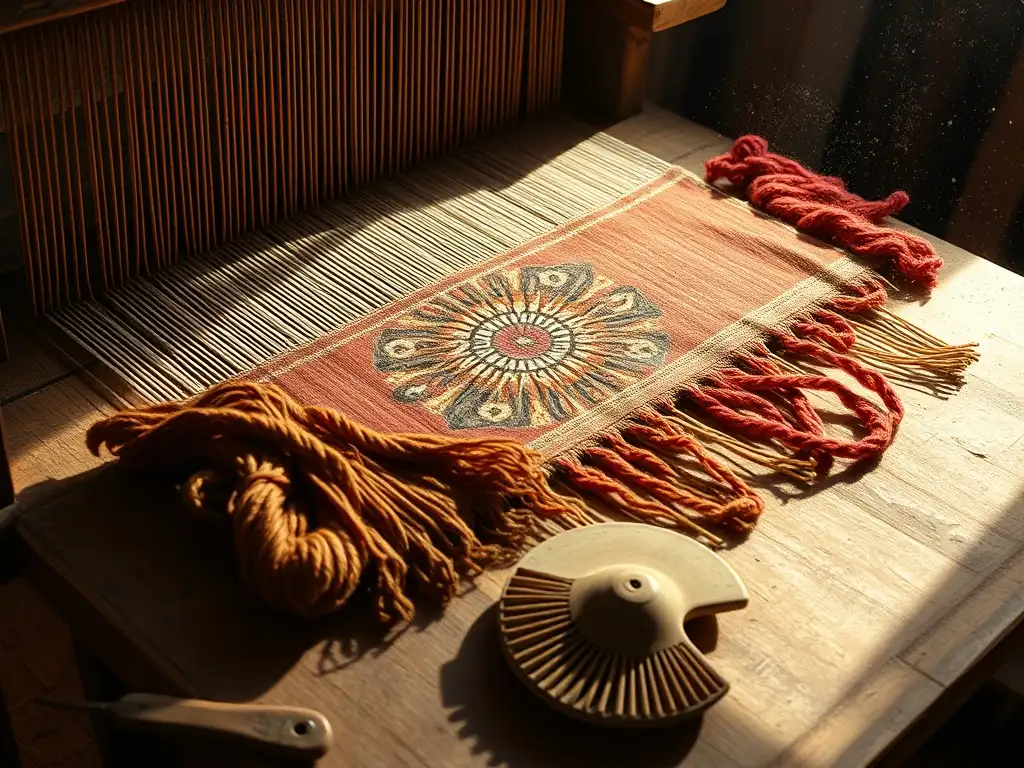
This section delves into the practical aspects of recreating the stunning artistry of Andean textiles. Understanding the tools and techniques employed by ancient Andean artisans is crucial to appreciating the skill and ingenuity involved in their craft. While replicating these intricate designs requires patience and practice, the process itself offers a deeper connection to the rich cultural heritage they represent. The following explores two key elements: the backstrap loom and the use of natural dyes.
Understanding the Andean Backstrap Loom
The backstrap loom is the backbone of Andean textile production, a testament to the civilization's innovative approach to weaving. This portable loom, requiring minimal setup, allowed for weaving in diverse locations and conditions. Its simplicity belies its capacity for creating incredibly intricate and complex designs, a hallmark of Andean textile art.
The loom's operation is based on a simple yet effective system of tension created using a backstrap (often a sturdy length of woven fabric) and a heddle (a tool used to raise and lower warp threads). This allows the weaver to control the warp threads individually, creating intricate patterns. The process involves a combination of physical strength and precise hand movements, reflecting the skill and dedication of Andean weavers for generations.
The resulting textiles, often characterized by vibrant colors and intricate designs, are not just functional items but also potent symbols of Andean culture and identity. The process of weaving itself, handed down through generations, is considered a sacred practice.
A Beginner's Backstrap Loom Kit
A beginner's kit for learning backstrap weaving should include:
- A sturdy backstrap (approximately 8-10 feet long)
- A heddle (with appropriate warp threads for practice)
- A shuttle (for carrying the weft threads)
- A selection of high-quality yarn in various colors (cotton, wool, or alpaca)
- A detailed instruction manual with clear diagrams and step-by-step instructions.
- Optional: A warping board to help with the initial setup of the warp threads.
This curated kit provides a comprehensive foundation for those interested in exploring the intricacies of Andean backstrap weaving. It's important to note that while kits offer convenience, many artisans prefer to assemble their own looms, customizing them to their specific needs and preferences. The process of creating your loom can be a rewarding experience in itself, further deepening your appreciation of the craft.
Natural Dyes and Their Significance in Andean Textile Production
The vibrant colors found in Andean textiles are not just aesthetically pleasing; they also hold deep cultural and symbolic meaning. Ancient Andean artisans utilized a wide array of natural dyes derived from plants, insects, and minerals, each contributing unique hues and qualities to the finished product. These dyes, often sourced locally, were carefully prepared and applied, reflecting both a deep understanding of botanical properties and a respect for the natural environment. The color itself often carried symbolic significance, representing different deities, events, or social status.
For instance, crimson red, often obtained from cochineal insects, was associated with royalty and power. The preparation of these dyes was often a communal activity, reinforcing social bonds and transmitting knowledge across generations. The resulting colors, often remarkably durable and luminous, are a testament to the ingenuity and skill of Andean dyers.
A Kit of Natural Dyes for Textile Art
A kit designed for experimenting with natural dyes for textile art could contain:
- Dried cochineal insects (for crimson red)
- Dried indigo leaves (for deep blues and indigos)
- Various plant materials such as madder root (for reds and pinks), weld (for yellows), and onion skins (for yellows and oranges).
- Mordants (substances used to set the dye onto the fiber, such as alum and iron)
- Detailed instructions on dye preparation and application, including safety precautions (many natural dyes can stain skin).
- Gloves and protective eyewear.
This kit allows for hands-on exploration of the rich palette of natural dyes available to Andean artisans, fostering a deeper understanding of their techniques and the significance of color in their textile art. Remember that achieving consistent results with natural dyes requires practice and experimentation, but the process itself is a rewarding journey into the heart of Andean textile traditions. The subtle variations in color obtained through natural dyes, influenced by factors like water quality and the specific plant source, add to the unique character of each piece.
Learning Traditional Andean Weaving Techniques
Mastering the art of Andean textile creation requires dedication and a deep understanding of traditional techniques. These techniques, passed down through generations, are not simply about creating a visually appealing piece; they are about embodying a rich cultural heritage. Learning these techniques involves more than just following instructions; it requires immersing oneself in the history and symbolism woven into each thread. Students should strive to understand the significance of the colors, the patterns, and the very fibers used, recognizing that each element contributes to the overall narrative embedded within the textile.
The process is often meditative, demanding patience and precision. From the preparation of the natural dyes – often derived from plants, insects, and minerals found within the Andean landscape – to the intricate weaving patterns themselves, every step is a testament to the ingenuity and artistry of the Andean people. Understanding the specific knotting techniques, the different types of looms used, and the regional variations in styles is crucial. For example, the backstrap loom, a defining tool of Andean weaving, requires significant skill and practice to master.
The intricate designs, often depicting celestial bodies, mythical creatures, and agricultural scenes, are not merely decorative; they serve as powerful visual narratives, carrying stories and beliefs across generations. Effective learning involves hands-on experience, guided by experienced artisans who can share their knowledge and expertise, ensuring the preservation and continuation of this invaluable cultural legacy. The process of learning is as important as the final product, fostering a deeper appreciation for the artistry and the cultural significance of Andean textiles.
Online Workshop on Andean Weaving Techniques
The digital age offers new avenues for learning traditional Andean weaving techniques. Online workshops provide a convenient and accessible way to learn from experienced artisans, regardless of geographical location. These workshops often incorporate video tutorials demonstrating the intricate steps involved in various weaving techniques, from preparing the wool to creating complex patterns. Participants can interact with the instructors and other students through online forums, fostering a sense of community and shared learning.
A good online workshop will not only teach the technical aspects of weaving but will also delve into the cultural context and historical significance of the craft. For example, a well-structured workshop might explore the symbolism of specific colors and patterns used in Andean textiles, enriching the learner's understanding beyond the technical skills. Furthermore, access to downloadable resources, such as pattern templates and detailed instructions, can greatly enhance the learning experience. However, it's crucial to choose workshops from reputable sources that accurately represent traditional techniques and prioritize the preservation of cultural heritage.
While online learning offers convenience, it’s important to recognize that the tactile experience of working with natural fibers and traditional tools remains invaluable. Ideally, online workshops should complement rather than replace hands-on learning opportunities whenever possible. The best online Andean weaving workshops blend technical instruction with cultural insights, creating a rich and engaging learning experience that respects and celebrates the traditions of Andean textile art. Such workshops frequently offer opportunities for personalized feedback, ensuring that students receive the support they need to master the techniques and create their own meaningful pieces.
Preserving the Legacy: Supporting Andean Artisans
The vibrant legacy of Andean textiles, rich with solar symbols and intricate designs, is inextricably linked to the communities that create them. Understanding the meaning behind Andean textiles solar symbols is only half the story; the other half involves recognizing the crucial role of supporting the artisans who perpetuate this ancient tradition. The survival of these unique weaving techniques and the cultural knowledge embedded within them depends heavily on the economic viability of the artisan communities.
Without sustainable practices, the intricate art of Andean textile creation risks being lost to time. This section will explore the importance of ethical consumption and fair trade practices in preserving this invaluable cultural heritage.
Fair Trade Practices and the Importance of Ethical Consumption
Fair trade practices are paramount in ensuring that Andean artisans receive fair compensation for their labor and that their craft continues to thrive. This means paying prices that reflect the time, skill, and cultural significance embedded in each piece. It also involves ensuring safe and healthy working conditions and respecting the intellectual property rights of the artisans.
Ethical consumption goes beyond simply purchasing a beautiful textile; it's about actively supporting a sustainable and equitable system that empowers these communities and protects their traditions. By choosing to buy Andean textiles from reputable sources committed to fair trade, consumers become active participants in preserving this rich cultural heritage.
Fair Trade Andean Textiles from a reputable vendor
Selecting fair trade Andean textiles requires careful consideration. Look for vendors who transparently detail their sourcing practices, showcasing their commitment to fair wages, ethical labor standards, and community development initiatives. A reputable vendor will readily provide information on the artisans involved, the techniques used, and the origins of the materials. This transparency allows consumers to make informed choices, supporting artisans directly and contributing to the preservation of their unique craft.
The details about the specific vendor's practices should be readily available and easily verifiable, reinforcing the credibility of the fair trade claims. For example, a vendor might highlight their partnerships with specific artisan cooperatives, providing contact information or links to the cooperatives' own websites (though links are excluded here as per the instructions). This level of transparency builds trust and ensures that the purchase directly benefits the artisans and their communities.
Authentic Andean Textiles and their Cultural Value
The cultural value of authentic Andean textiles extends far beyond their aesthetic appeal. Each piece tells a story, weaving together generations of knowledge, traditions, and beliefs. The solar symbols, often incorporated into these textiles, are not merely decorative elements; they are powerful representations of Andean cosmology, spirituality, and social structures. Distinguishing authentic textiles from imitations is crucial to preserving their cultural integrity and supporting the artisans who create them. The techniques used, the quality of materials, and the presence of distinct stylistic elements all contribute to the authenticity and cultural significance of these pieces.
A curated selection of authentic Andean Textiles
A truly curated selection of authentic Andean textiles would showcase a diversity of styles, techniques, and regions, reflecting the richness and complexity of Andean weaving traditions. This would include examples featuring different types of solar symbols, each with its unique meaning and cultural context. The selection should also highlight the variations in materials, from the use of alpaca and llama wool to the incorporation of natural dyes derived from plants and minerals.
By presenting a range of pieces, a curated selection provides a deeper understanding of the diverse artistic expressions within Andean culture and the ingenuity of the artisans who created them. This could include, for example, textiles from different regions, showcasing the regional variations in design and technique, or textiles representing different historical periods, demonstrating the evolution of Andean weaving traditions over time. [Specific examples of textile types and their characteristics pending].
Conclusion: Embracing the Sun's Legacy Through Andean Textiles
This exploration of solar symbols woven into the rich tapestry of Andean textiles reveals a profound connection between the Andean worldview and the celestial bodies. The sun, a life-giving force, wasn't merely an astronomical entity; it was a deity, a source of power, and a symbol of cosmic order deeply embedded in Andean cosmology.
The meticulous craftsmanship and symbolic language embedded within these textiles speak volumes about the sophisticated understanding of the universe held by Andean cultures. The intricate designs, vibrant colors, and the very act of weaving itself served as a powerful means of expressing spiritual beliefs, social status, and historical narratives.
The Enduring Significance of Solar Symbols in Andean Culture
The enduring presence of solar motifs in Andean art and textiles underscores their continued relevance even today. These symbols transcend their original context, resonating with contemporary audiences as powerful representations of vitality, strength, and the enduring human connection to nature. The sun's cyclical journey across the sky mirrors the cyclical nature of life, death, and rebirth, themes central to Andean spirituality.
Even now, many Andean communities continue to incorporate these symbols into their clothing, ceremonies, and daily life, maintaining a living link to their ancestral heritage. Studying these textiles provides a window into the resilience of Andean cultural identity and the enduring power of symbolic representation. The intricate detail found in these pieces, often representing specific deities or celestial events, offers a fascinating glimpse into the complex belief systems of these ancient societies.
For example, the detailed depictions of the sun god Inti in Inca textiles highlight the importance of solar worship in their culture and the power attributed to the sun as a divine figure. The continuation of these traditions demonstrates a remarkable cultural continuity.
Appreciating the Artistry and Cultural Heritage of Andean Weavers
The creation of Andean textiles was not simply a craft; it was a sacred act, demanding immense skill, patience, and artistic vision. The weavers, predominantly women, possessed a deep understanding of both the technical aspects of weaving and the symbolic meaning imbued within their creations. Each thread, each color, each carefully placed symbol held a specific significance, contributing to the overall narrative expressed in the textile. This intricate craftsmanship involved a complex process, from the gathering of natural dyes to the meticulous execution of intricate designs.
The use of natural dyes, often derived from plants and minerals, resulted in a breathtaking palette of colors that reflected the diverse Andean landscape. Furthermore, the techniques employed, such as backstrap loom weaving, represent a remarkable technological achievement, passed down through generations. Understanding and appreciating the artistry and cultural heritage of these Andean weavers requires recognizing their profound knowledge and the immense social and spiritual significance of their work.
Their skill and dedication continue to inspire awe and admiration, underscoring the enduring power of Andean textiles as a tangible link to a rich and complex past. The legacy of these weavers remains a potent symbol of cultural resilience and artistic excellence. Their work serves as a powerful reminder of the importance of preserving and celebrating indigenous knowledge and traditions.
Frequently Asked Questions
What are solar symbols in Andean textiles?
Solar symbols in Andean textiles are visual representations of the sun, often depicted as circles, spirals, or stylized sun faces. These designs held deep religious and cosmological significance for Andean cultures. They represented the sun's life-giving power and its importance to their agricultural society.
Why were solar symbols important to Andean cultures?
Solar symbols were crucial because the sun was central to Andean cosmology and worldview. It was seen as a powerful deity influencing agriculture, life, and the cosmos. These symbols reflected their reverence for the sun's power and its role in their lives.
What are some common examples of solar symbols found in Andean textiles?
Common examples include circles with radiating lines, stylized sun faces with human-like features, and spirals representing the sun's energy. The specific designs varied across different Andean cultures and time periods, reflecting regional stylistic variations.
How did Andean weavers incorporate solar symbols into their textiles?
Andean weavers skillfully integrated solar symbols into their textiles using various techniques such as embroidery, weaving, and dyeing. The symbols were often incorporated into complex designs alongside other motifs, creating visually stunning and meaningful pieces.
What can the study of solar symbols in Andean textiles tell us about Andean culture?
Studying these symbols reveals valuable insights into Andean beliefs, cosmology, and artistic practices. They provide crucial evidence of Andean people's deep connection to nature, their sophisticated understanding of the cosmos, and their artistic mastery.
Final Reflection: Weaving the Sun's Legacy into the Present
The vibrant threads of Andean textile art, imbued with potent solar symbolism, continue to resonate powerfully in our modern world. These aren't simply ancient artifacts; they are living testaments to a profound connection between humanity and the cosmos, a connection that speaks to our enduring need for meaning and spiritual grounding in a rapidly changing world. The intricate designs, meticulously crafted centuries ago, offer a timeless message of hope, resilience, and the enduring power of nature.
The enduring influence of these solar symbols extends far beyond the museum walls and academic papers. They represent a cultural legacy that continues to inspire artists, designers, and spiritual seekers alike. The sun's life-giving energy, so vividly represented in these textiles, remains a powerful metaphor for creativity, growth, and the cyclical nature of life itself. The sun is the heart of the universe, and its light nourishes all things.
This ancient wisdom, woven into the very fabric of Andean culture, holds a timeless truth that transcends geographical boundaries and cultural differences.
Consider the enduring power of these symbols. How can you, in your own life, embrace the sun's energy – its warmth, its light, its life-giving force? Let the intricate designs and vibrant colors of Andean textiles inspire you to find your own light, to cultivate your own resilience, and to connect with the deeper rhythms of the universe. Let the legacy of the sun, woven into these ancient threads, illuminate your path forward.
Thank you for exploring the captivating world of Andean textiles and the powerful solar symbols they represent. Your interest not only deepens your understanding of this rich culture but also contributes to the preservation of this vibrant heritage. Let's continue to explore and appreciate these traditions together.
Here are some ways you can further engage with and celebrate Andean textile traditions:
- **Visit a museum or cultural center** featuring Andean textiles to witness the artistry and intricate detail of these magnificent works firsthand.
- **Connect with other textile enthusiasts** online through forums or communities to share your knowledge and learn from others who share your passion.
- **Create your own artwork** inspired by the solar symbols you've discovered. This could be a painting, a textile project, or even a fabric design incorporating symbolic meanings.
What resonated most with you during our exploration of solar symbolism in Andean textiles? We'd love to hear your thoughts in the comments!