
Nazca Lines on Cloth: Decoding the Textile Art of the Nazca People

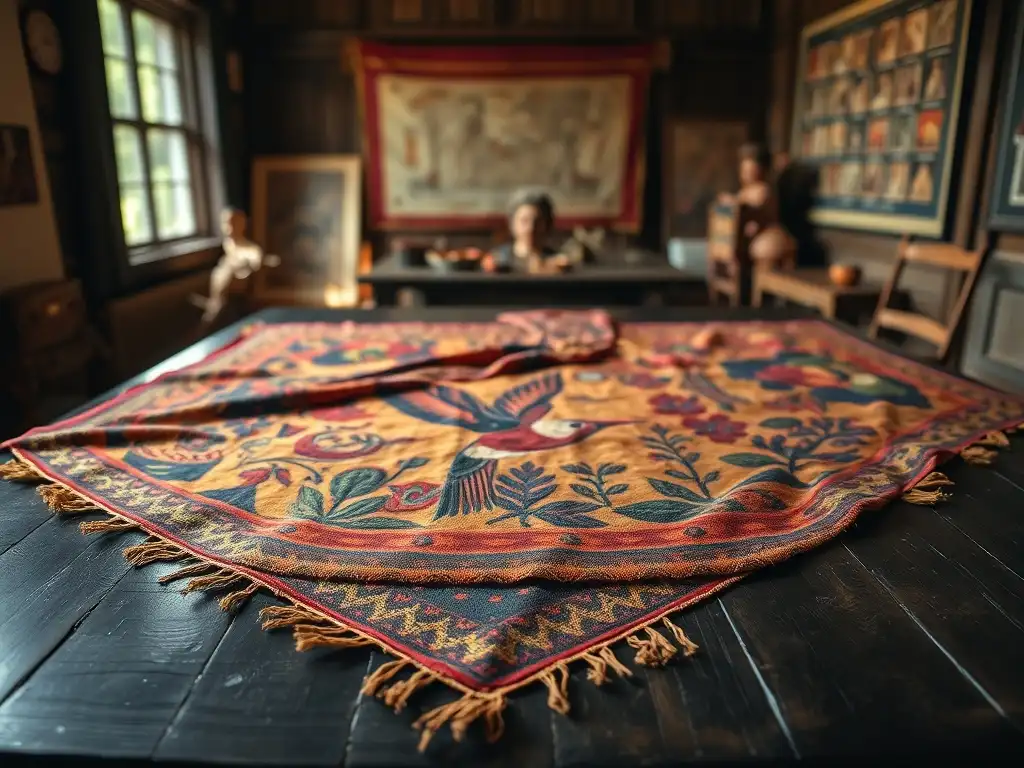
Unravel the mysteries woven into the very fabric of history. Step into the captivating world of Andean Civilizations, where vibrant cultures flourished and left behind breathtaking legacies. From the towering heights of the Inca empire to the intricate artistry of the Nazca, prepare to be amazed. But what secrets do the Nazca textiles meaning truly hold? Discover the astonishing stories embedded within these ancient cloths and unlock the enigmatic artistry of a civilization lost to time. Begin your journey now and explore the extraordinary tapestry of Andean culture!
- Nazca Textiles Meaning: Unraveling the Secrets of Ancient Andean Art
- Decoding Nazca Textile Art: More Than Just Patterns
- Nazca Textile Techniques and Material: A Closer Look
- The Lasting Impact of Nazca Textile Art
- Frequently Asked Questions
- Final Reflection: Unraveling the Threads of Nazca Identity
- Unveil the Mysteries of Nazca Textile Art!
Nazca Textiles Meaning: Unraveling the Secrets of Ancient Andean Art
The Nazca culture, renowned for its enigmatic geoglyphs etched into the Peruvian desert, left behind a rich legacy far beyond the famous lines. Their mastery of textile art offers a captivating window into their beliefs, social structures, and daily lives. This intricate tapestry of woven threads reveals a complex system of symbolism and storytelling, far exceeding the purely functional.
This article delves into the meaning behind Nazca textiles, exploring the narratives woven into their vibrant designs and examining the misconceptions surrounding their purpose. We will uncover how these textiles served as powerful tools for communication, ritual, and social expression, providing invaluable insights into the worldview of this fascinating ancient Andean civilization.
Understanding the symbolism embedded within these textiles allows us to appreciate the depth and complexity of Nazca culture, enriching our understanding of their sophisticated artistic and technological achievements and solidifying their place within the broader tapestry of Andean civilization. Prepare to journey beyond the desert lines and into the vibrant world of Nazca textile art, where threads unravel secrets lost to time.
The Enigma of Nazca Textiles: Beyond the Desert Lines
The arid climate of the Nazca desert, while seemingly harsh, paradoxically preserved a wealth of textile artifacts. These textiles, often unearthed from gravesites, display an astonishing range of techniques, colors, and motifs. From simple, utilitarian fabrics to elaborately decorated garments and ceremonial cloths, the Nazca people demonstrated remarkable skill in spinning, dyeing, and weaving.
Their mastery of natural dyes, derived from plants and minerals, resulted in a stunning palette of vibrant colors that remain remarkably vivid even after centuries. These colors, in combination with intricate patterns and symbolic imagery, are key to deciphering the meaning embedded within these ancient Andean textiles. The complexity of the designs, often incorporating geometric patterns, stylized figures, and representations of animals and plants, suggests a deep understanding of symbolism and a sophisticated system of visual communication.
The sheer diversity of these textiles points to a complex social structure, with different textiles likely reflecting varying social status, roles, and ritual practices. Further research and analysis are crucial to fully understand the nuances of Nazca textile art.
Myth 1: Nazca Textiles Were Merely Functional Items
A common misconception is that Nazca textiles served primarily functional purposes – clothing and everyday items. While this is partially true, reducing their significance to mere practicality ignores the profound symbolic and ritualistic aspects woven into their creation and use. The time, effort, and skill invested in producing these elaborate textiles strongly suggest a deeper meaning beyond simple utility.
The use of high-quality materials, complex weaving techniques, and intricate designs points to their importance in social and ritual contexts. The presence of textiles in elite burials further underscores their value as more than just everyday items. The intricate designs and the careful selection of materials suggest that these items held significant cultural and symbolic meaning.
Reality 1: Nazca Textiles as a Form of Communication and Ritual
Nazca textiles were, in fact, a sophisticated form of communication and played a crucial role in religious and social rituals. The motifs and patterns woven into the fabrics likely conveyed messages about cosmology, social status, and personal identity. For example, certain animal representations, like the hummingbird or the feline, might have held religious significance, reflecting beliefs about the supernatural world.
Geometric patterns could have represented clan affiliations or social hierarchies. The use of specific colors might have indicated particular events or ceremonies. The discovery of textiles in burial contexts provides strong evidence of their use in funerary rituals, indicating their importance in the afterlife beliefs of the Nazca people.
The intricate designs and careful craftsmanship suggest that these textiles were not merely functional objects but powerful symbols imbued with spiritual and social meaning. Further study of these textiles, combined with archaeological evidence from burial sites and other contexts, is essential to unlock the full meaning of this fascinating art form. The careful analysis of color palettes, weaving techniques, and recurring motifs could reveal a wealth of information about Nazca society, beliefs, and rituals.
Decoding Nazca Textile Art: More Than Just Patterns
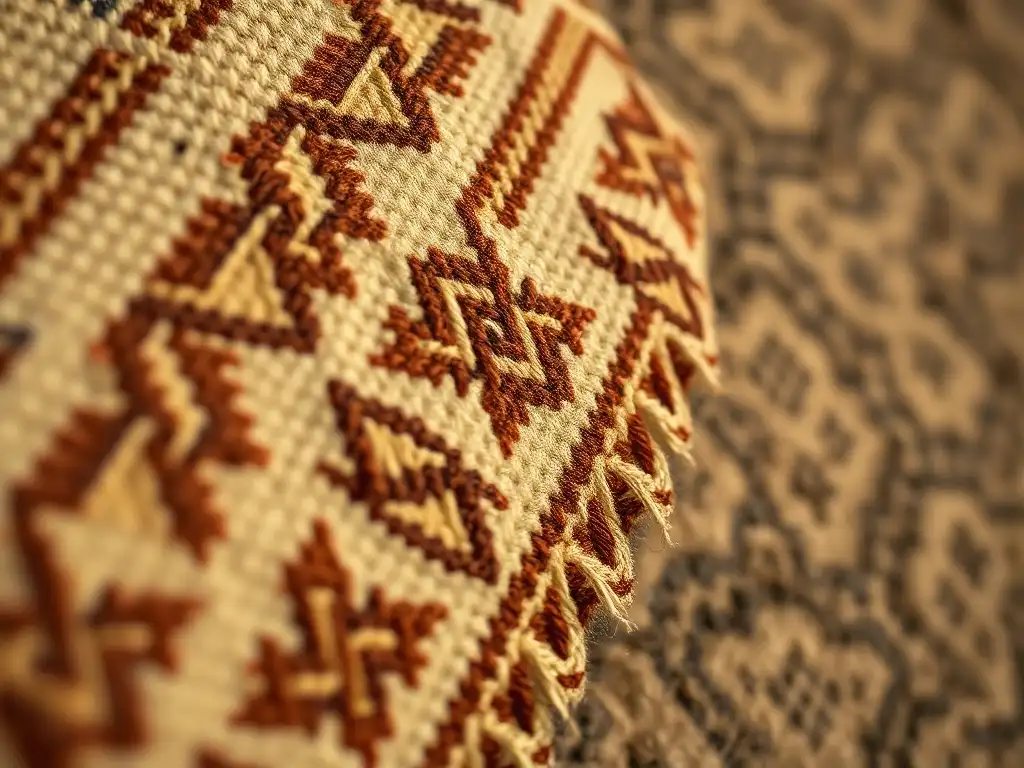
This section delves into the intricate world of Nazca textiles, exploring the deeper meanings embedded within their seemingly simple patterns. We'll move beyond superficial observations to uncover the sophisticated artistry and symbolic language woven into these remarkable artifacts. The phrase "Nazca textiles meaning" often evokes images of vibrant colors and geometric designs, but the reality is far richer and more complex. Understanding these textiles requires a nuanced appreciation of Nazca cosmology, social structures, and daily life. We will examine specific examples to illustrate the deliberate artistry and symbolic power woven into every thread.
Myth 2: Nazca Textile Designs Were Random and Unplanned
A common misconception surrounding Nazca textiles is that their designs were haphazard, lacking any underlying meaning or intentionality. This couldn't be further from the truth. While the seemingly abstract nature of some patterns might initially suggest randomness, careful analysis reveals intricate planning and a deep understanding of symbolic representation.
The precision in weaving, the consistent use of specific color palettes, and the recurring motifs all point towards a highly structured and deliberate creative process. For example, the frequent appearance of stylized birds, feline figures, and geometric shapes are not accidental; they represent key elements within Nazca mythology and worldview. The meticulous arrangement of these elements within a textile suggests a carefully considered composition, rather than a spontaneous creation.
Further research is needed to fully understand the specific meaning behind each design variation, but the evidence strongly suggests a level of sophisticated artistic intentionality previously underestimated. The assumption of randomness is a significant oversight in appreciating the true artistry and intellectual depth of Nazca textile production.
Reality 2: Nazca Textile Art as a Deliberate and Precise Form of Expression
Nazca textile art was a powerful medium for expressing complex social, religious, and cosmological ideas. The designs weren't merely decorative; they served as visual narratives, communicating important information about the Nazca worldview. Consider the use of color: specific hues were likely associated with particular deities, events, or social statuses. The vibrant reds, yellows, and blues weren't randomly chosen; they held symbolic weight within the Nazca culture.
Similarly, the recurring motifs, such as stylized animals and plants, were likely imbued with specific meanings. A detailed analysis of these motifs, coupled with archaeological context, could reveal deeper insights into Nazca beliefs and practices. For instance, the frequent depiction of hummingbirds might indicate a connection to shamanistic practices or a belief in the bird's spiritual significance. The meticulous weaving techniques themselves, often incorporating multiple colors and intricate patterns, further underscore the deliberate and precise nature of Nazca textile production.
This level of precision and attention to detail reveals a deep understanding of textile production and its symbolic power as a form of communication. The deliberate choice of colors, motifs, and weaving techniques reveals a cultural system deeply rooted in symbolism and a sophisticated understanding of visual communication. The careful preservation and study of these textiles is crucial to unlocking the secrets of the Nazca civilization and enriching our understanding of "Nazca textiles meaning". Further research, including detailed comparative studies of different textile pieces, is needed to unveil the full extent of the symbolic language embedded within these remarkable artifacts.
Nazca Textile Techniques and Material: A Closer Look
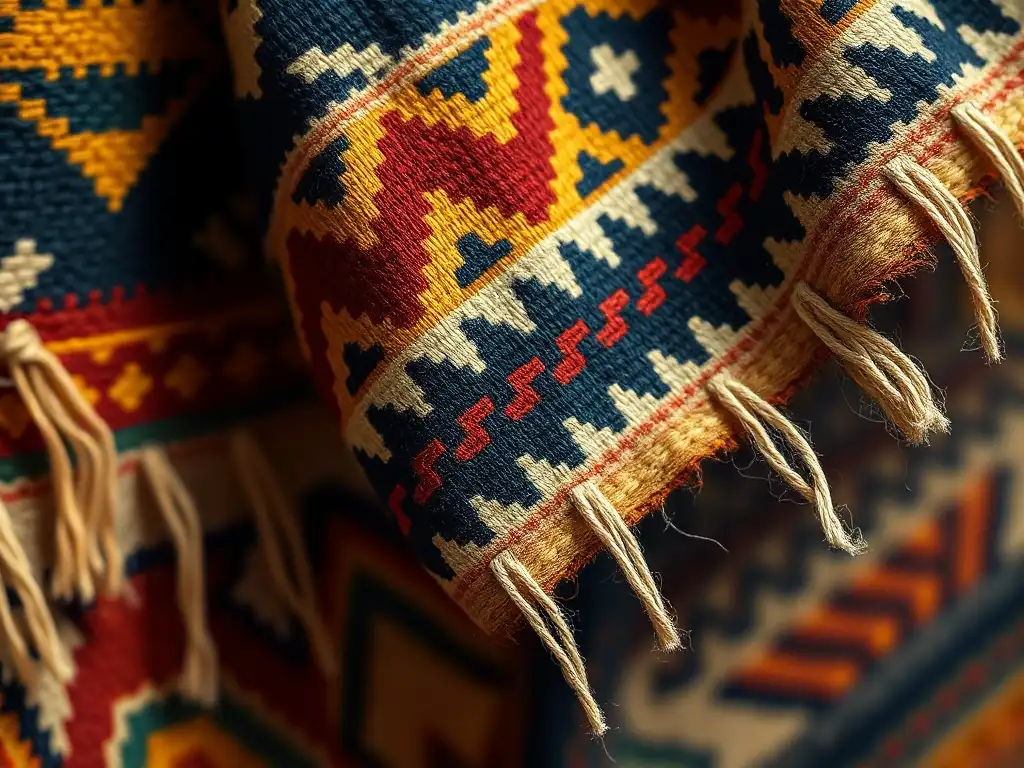
This section delves into the sophisticated techniques and materials employed by Nazca weavers, challenging common misconceptions about the simplicity of their craft. Understanding these aspects is crucial to interpreting the meaning embedded within their textiles – a key element in deciphering the Nazca textiles meaning. The artistry wasn't merely decorative; it was deeply symbolic, reflecting their worldview and societal structures.
Myth 3: Nazca Textiles Were Made with Simple, Basic Tools
A prevalent misconception surrounding Nazca textiles is that their creation relied on rudimentary tools and techniques. This couldn't be further from the truth. While we lack detailed visual records of their workshops, archaeological findings reveal a level of sophistication far exceeding simplistic notions. The intricate designs, fine weaves, and use of diverse materials necessitate advanced tools and a high level of skill.
Evidence suggests the use of specialized looms, likely backstrap looms allowing for complex weaving patterns. These looms, while potentially less complex than later Andean variations, still required significant technical expertise to manipulate the warp and weft threads with precision. Furthermore, the creation of vibrant dyes, a crucial component in Nazca textiles meaning, points towards a detailed understanding of botanical and mineral sources, along with specialized processing techniques.
The consistent quality and complexity across numerous discovered textiles demonstrate a mastery of the craft passed down through generations. The sheer precision required to create some of the intricate designs found on smaller textiles, for instance, small pouches or adornments, strongly suggests tools beyond simple hand spindles and needles. Further research into the potential existence of specialized tools, like bone or metal needles, would greatly enhance our understanding of their craftsmanship.
Reality 3: Nazca Weavers Employed Advanced Techniques and Materials
The reality is that Nazca textile production involved advanced techniques and high-quality materials. Their mastery of weaving techniques is evident in the diverse array of fabrics discovered: from fine gauzes to heavy tapestry weaves. The use of multiple colors, often intricately blended, showcases their expertise in dye preparation and application.
The materials themselves were carefully selected. Cotton, a staple fiber, was likely cultivated locally, while camelid fibers (alpaca and llama) provided strength and warmth. The skillful blending of these fibers allowed for a range of textures and drapability in the finished textiles.
The dyes, extracted from plants, insects (like the cochineal insect for reds), and minerals, were expertly processed to create a stunning palette of colors. These colors, remarkably well-preserved in many cases, are not merely decorative; they hold symbolic meaning, contributing significantly to the Nazca textiles meaning. The consistent use of specific color palettes in different types of textiles suggests a formalized system of color symbolism, possibly related to religious beliefs, social status, or calendrical events.
Further analysis of dye composition and distribution across different textile types could unravel these complex symbolic systems. The careful selection and preparation of materials, combined with the advanced weaving techniques, highlight the sophisticated nature of Nazca textile production and its fundamental role in their culture. The enduring vibrancy of many of these textiles, a testament to both the quality of the materials and the skill of the artisans, serves as a powerful reminder of the enduring legacy of Nazca craftsmanship.
The Lasting Impact of Nazca Textile Art
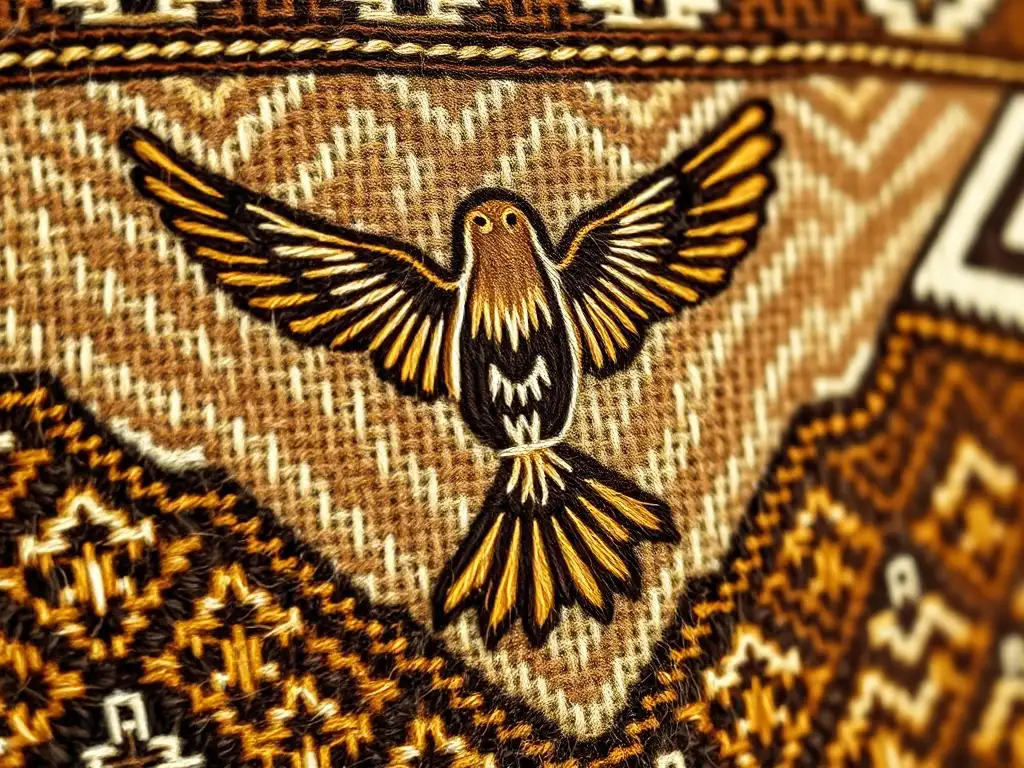
The Nazca people, famed for their enigmatic lines etched into the desert, also left behind a rich legacy in textile art. Their mastery of weaving techniques and vibrant use of color continues to inspire and fascinate textile scholars and artists alike. Understanding the Nazca textiles meaning requires delving into the intricate designs, the materials used, and the social context in which these textiles were created and used. The enduring appeal of Nazca textiles stems not only from their aesthetic beauty but also from the clues they provide to the beliefs, practices, and daily life of this remarkable civilization.
Their textiles weren't merely functional; they were integral parts of their social fabric, communicating status, beliefs, and narratives. The sophisticated techniques employed—from complex tapestry weaving to intricate embroidery—demonstrate a level of skill and artistry that is truly remarkable, even by today's standards. The vibrant colors, often derived from natural sources like plants and minerals, further enhance the visual impact and add another layer to the understanding of Nazca textiles meaning.
The preservation of these textiles, often discovered in arid tombs, provides invaluable insights into a culture that otherwise leaves much to decipher. Analysis of the dyes and fibers offers clues about trade routes and agricultural practices. The motifs themselves – often featuring stylized animals, plants, and geometric patterns – offer glimpses into the Nazca worldview and cosmology.
Nazca Textiles and Modern Inspiration: A Continuing Legacy
The influence of Nazca textile art extends far beyond the confines of museums and academic studies. Modern artists and designers continue to draw inspiration from the bold colors, intricate patterns, and innovative techniques employed by the Nazca weavers. Many contemporary textile artists incorporate elements of Nazca design into their own work, creating a fascinating dialogue between ancient traditions and modern sensibilities.
This revival and reinterpretation of Nazca aesthetics demonstrate the enduring power and relevance of their artistic heritage. The unique style, characterized by its vibrant hues and complex geometric designs, frequently appears in fashion, home decor, and even graphic design. Furthermore, the study of Nazca textile techniques has informed contemporary textile practices, with artisans experimenting with similar methods to produce high-quality, visually striking fabrics.
The legacy of the Nazca weavers is not just a historical record; it's a living tradition that continues to inspire creativity and innovation across various design disciplines. The continued interest in Nazca textiles meaning fuels ongoing research and artistic explorations, ensuring that the legacy of these remarkable artisans lives on. This ongoing engagement guarantees that future generations will also appreciate the skill and artistry of the Nazca people.
Where to Learn More about Nazca Textiles and Culture
Further research into Nazca textiles and their cultural significance can be pursued through various avenues. Specialized academic journals and books dedicated to Andean archaeology and textile studies offer in-depth analysis of specific pieces and their context. Museums with significant collections of pre-Columbian textiles often host exhibitions and educational programs dedicated to Nazca culture. These institutions provide opportunities to see original artifacts and learn from experts in the field.
Additionally, many online resources, including digital archives and museum websites, offer access to high-resolution images and detailed descriptions of Nazca textiles. Documentaries and films focusing on Andean civilizations also provide valuable contextual information, allowing viewers to appreciate the broader cultural significance of these remarkable artifacts. The quest to understand Nazca textiles meaning is an ongoing process, requiring the collaboration of archaeologists, textile experts, and historians.
By exploring these diverse resources, individuals can gain a deeper appreciation for the artistry, technology, and cultural significance of Nazca textiles, contributing to a more comprehensive understanding of this fascinating Andean civilization. The deeper you delve, the more you uncover about the rich tapestry of Nazca life and the remarkable skill of its artisans. 🦙
Frequently Asked Questions
What is the significance of Nazca textiles?
Nazca textiles are incredibly important for understanding Nazca culture and beliefs. They offer insights into their daily life, religious practices, and social structures, providing rich visual narratives often absent from other sources. The intricate weaving techniques are also a testament to their advanced technological skills.
How do Nazca textiles relate to the Nazca Lines?
While not directly depicting the Lines themselves, Nazca textiles often feature similar stylized motifs and creatures found in the geoglyphs. This suggests a connection between the artistic expressions seen in both mediums, reflecting a shared worldview and cosmology. Studying both provides a more complete picture of their culture.
What are the common themes and symbols found in Nazca textiles?
Common themes include mythological beings, such as jaguars, birds, and snakes, alongside geometric patterns and stylized plants. These symbols likely held religious or ritual significance, reflecting their beliefs and interactions with the natural world. The specific meaning of each varies based on context and specific designs.
What techniques did the Nazca people use to create their textiles?
Nazca textiles showcase exceptional weaving techniques, including intricate tapestry weaving, using a variety of natural dyes derived from plants and minerals. The fine detail and vibrant colors are a testament to their mastery of textile production, highlighting their advanced skills and knowledge of materials.
Where can I learn more about the meaning of specific Nazca textile designs?
Researching academic publications and museum collections dedicated to Andean textiles is a great starting point. Many scholars have dedicated their careers to deciphering these complex designs, and their work offers valuable insights into the symbolic language of the Nazca people. Specific motifs and patterns are often interpreted within wider cultural and religious contexts.
Final Reflection: Unraveling the Threads of Nazca Identity
The intricate artistry of Nazca textiles isn't merely a historical artifact; it's a vibrant testament to a civilization's enduring spirit, speaking volumes about their beliefs, social structures, and artistic prowess that continues to resonate today. These woven narratives, meticulously preserved across millennia, offer a powerful lens through which we can understand not only the Nazca people but also the enduring power of artistic expression to transcend time.
The impact of Nazca textile art extends far beyond the arid plains of Peru. Its influence can be seen in contemporary textile design, inspiring artists and designers to explore complex patterns and symbolic representations. The vibrant colors and intricate motifs continue to captivate, reminding us of the ingenuity and creativity of a culture often overlooked. The past is never dead. It's not even past.
- William Faulkner. This quote perfectly encapsulates the enduring relevance of Nazca textiles, their stories echoing through the ages and inspiring new interpretations with each passing generation.
Consider the profound stories woven into each thread, the dedication and skill required to create such masterpieces. Now, imagine the hands that crafted them, the stories they shared as they worked, the beliefs they wove into the very fabric of their existence. You, too, possess the power to create your own narratives, to weave your own unique story into the tapestry of life. Let the legacy of the Nazca inspire you to embrace your creativity, to find beauty in the intricate details, and to leave your own indelible mark on the world.
Unveil the Mysteries of Nazca Textile Art!
Thank you for exploring the fascinating world of Nazca textiles with us! You've discovered the unique artistry and cultural significance of these incredible creations. Now, let's continue your journey of discovery and connection!
- Dive deeper: Learn more about the sophisticated weaving techniques employed by the Nazca people by visiting our extensive resources on Andean textile traditions.
- Share the beauty: Showcase your favorite Nazca designs on social media and tag us! Let's celebrate the wonder of this ancient art together.
- Join the conversation: Engage with fellow enthusiasts in our online community forum. Share your interpretations and insights into these remarkable textiles!
What unique perspectives or stories have the Nazca textiles inspired in you? Share your thoughts below!