
Beyond the Tourist Traps: Finding Unique Andean Handicrafts in Local Markets

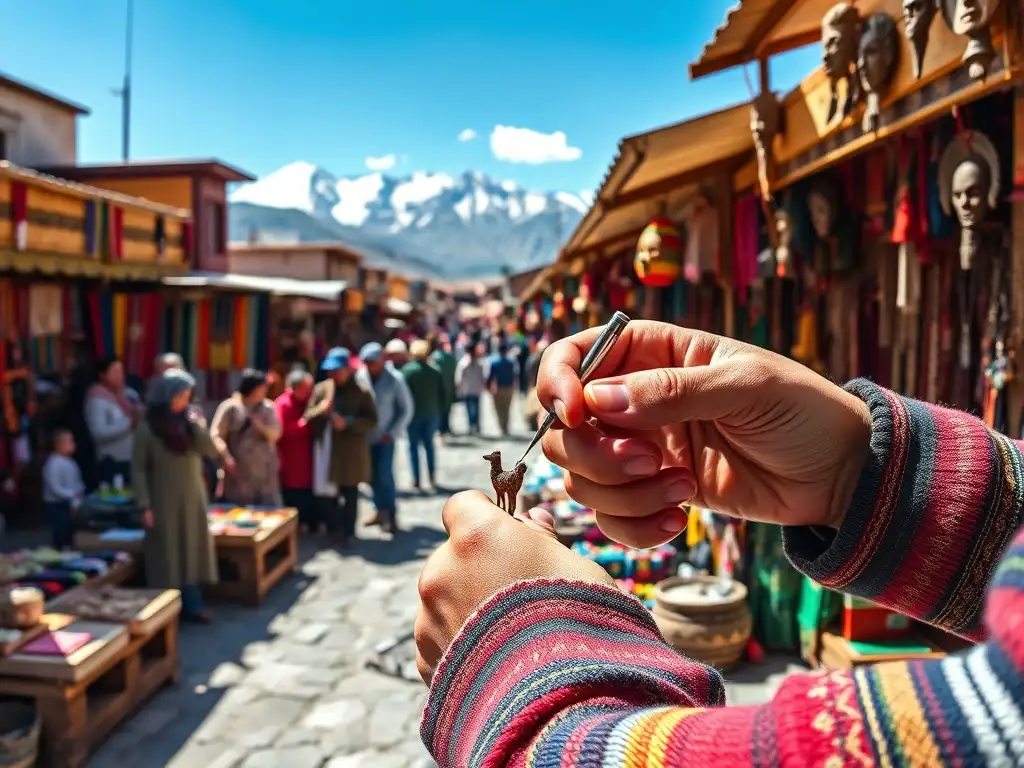
Step beyond the typical tourist trail and discover a world brimming with vibrant artistry. Imagine uncovering exquisite Andean handicrafts tucked away in bustling local markets – textiles woven with ancient techniques, pottery imbued with centuries-old stories, and intricate silverwork reflecting the sun's brilliance. This is more than just a glimpse into the past; it’s a journey into the heart of Andean culture. Ready to unearth the secrets hidden within these treasures? Explore our guide to finding truly unique Andean handicrafts in local markets and unlock the rich legacy of these fascinating civilizations.
The allure of Andean handicrafts is undeniable. From the intricate textiles of the Andes Mountains to the finely crafted ceramics echoing ancient traditions, these treasures offer a tangible connection to a rich and vibrant history. However, navigating the bustling tourist markets can be overwhelming, often leading to the purchase of mass-produced souvenirs rather than authentic, locally-made pieces.
This article serves as your guide to uncovering the hidden gems – the truly unique Andean handicrafts – nestled within the heart of local markets. We’ll delve into the best places to find authentic crafts, providing tips to ensure you're supporting local artisans and acquiring pieces that reflect the genuine artistry of the Andes.
We’ll explore the nuances of identifying authentic work, distinguishing it from mass-produced imitations, and ultimately, enriching your travel experience with meaningful souvenirs that tell a story. Get ready to embark on a journey beyond the tourist traps, where the spirit of Andean craftsmanship truly shines.
Unveiling Authentic Andean Crafts: A Guide to Local Markets
Finding authentic Andean handicrafts requires a discerning eye and a willingness to explore beyond the most heavily trafficked tourist areas. Many local markets, often tucked away in smaller towns or villages, offer a far more authentic experience. These markets are not only brimming with unique pieces but also provide opportunities to interact directly with the artisans, learning about their techniques and the stories behind their creations. The experience transcends mere shopping; it becomes a cultural immersion.
This journey begins with understanding the hallmarks of authentic Andean craftsmanship. Look for intricate details, hand-stitching (especially in textiles), unique designs reflecting regional styles, and the use of traditional materials. The imperfections, often perceived as flaws in mass-produced items, are actually indicators of authenticity—a testament to the handmade nature of the piece. For example, a slightly uneven weave in a textile or a subtle variation in the coloring of a ceramic piece often signifies a handcrafted origin.
Consider the materials used. Authentic Andean handicrafts frequently incorporate natural fibers like alpaca or llama wool, cotton, and sustainably sourced wood. Pay close attention to the dyes used; vibrant, natural dyes often indicate a commitment to traditional techniques, while uniform, overly bright colors might suggest the use of synthetic dyes.
Identifying Authentic Textiles
Textiles are a cornerstone of Andean craftsmanship. Look for intricate patterns, unique weaving techniques (e.g., backstrap weaving), and the use of natural fibers like alpaca or llama wool. The presence of irregularities in the weave – slight variations in tightness or color – is a sign of authenticity.
Beware of perfectly uniform, mass-produced textiles. Authentic pieces often exhibit subtle variations and imperfections, reflecting the handmade nature of the craft.
To further enhance your experience and ensure you're supporting local artisans, consider engaging with the sellers and asking about the origins of the pieces. Many artisans are proud of their heritage and are happy to share their knowledge and skills. This interaction adds a personal touch to your souvenir, transforming it from a mere object into a piece imbued with history and cultural significance.
Remember, the best Andean handicrafts are more than just beautiful objects; they are living expressions of a rich cultural heritage. The journey of discovery is as rewarding as the treasures themselves. So, venture beyond the typical tourist routes, embrace the unexpected, and uncover the authentic heart of Andean craftsmanship.
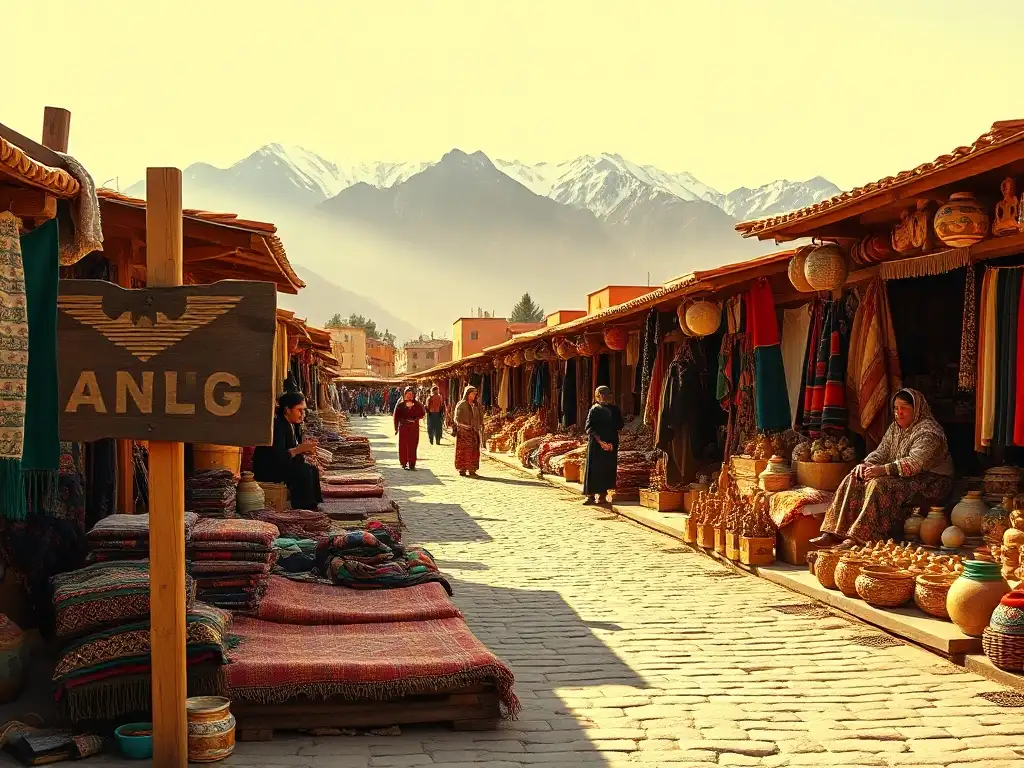
This section provides practical advice for navigating the vibrant yet sometimes overwhelming world of Andean local markets. Successfully finding unique and authentic Andean handicrafts requires more than just a keen eye; it demands a strategic approach and respect for local customs. Let's explore some key strategies to maximize your shopping experience and ensure a positive interaction with artisans and vendors.
Understanding the Landscape of Andean Craft Markets
Andean craft markets vary significantly in size, atmosphere, and the types of handicrafts offered. Some are small, family-run affairs tucked away in quieter villages, offering intimate interactions with the artisans themselves. Others are large, bustling marketplaces, brimming with a diverse array of goods, often attracting both locals and tourists. Understanding this diversity is key to finding the unique pieces you seek.
For example, smaller markets in rural communities often specialize in traditional techniques and locally sourced materials, offering a more authentic experience and potentially unique items not found in larger tourist hubs. Larger markets, while potentially offering a wider selection, may include more mass-produced items alongside authentic handicrafts. Therefore, careful observation and discernment are crucial.
The timing of your visit also plays a role. Smaller markets may only operate on specific days of the week or during particular festivals, so research beforehand is advisable. Larger markets typically operate daily, but the crowds and intensity can vary throughout the day. Consider visiting early in the morning for a less crowded and potentially more relaxed shopping experience.
Recognizing Authentic Andean Art: Distinguishing Quality from Mass-Produced Items
Identifying authentic Andean handicrafts requires a discerning eye and some understanding of traditional techniques. Mass-produced items often lack the intricate detail, unique craftsmanship, and use of high-quality, locally sourced materials characteristic of genuine Andean art.
Here's a checklist to help you differentiate:
| Feature | Authentic Andean Handicraft | Mass-Produced Item |
|---|---|---|
| Materials | Natural fibers (alpaca, llama wool, cotton), locally sourced wood, clay, stones | Synthetic materials, cheaper imported woods, generic clays |
| Craftsmanship | Intricate details, hand-stitching, hand-painted designs | Machine-made, repetitive designs, less detailed |
| Uniqueness | One-of-a-kind pieces, variations in design and execution | Identical or nearly identical items produced in large quantities |
| Finish | High-quality finish, attention to detail | Imperfect finish, signs of hasty production |
Look for imperfections – these often indicate handmade artistry rather than mass production. A slightly uneven weave in a textile or a minor imperfection in a ceramic piece can be a sign of authenticity. Don't hesitate to ask the vendor about the materials and the creation process; genuine artisans are usually proud to share their knowledge and skills.
Bargaining Ethically in Andean Markets: A Guide to Negotiation
Bargaining is a customary part of the shopping experience in many Andean markets. However, it's crucial to do so ethically and respectfully. Avoid aggressive haggling, which can be offensive to the artisans. Instead, approach negotiation as a friendly interaction, aiming for a fair price that respects both your budget and the artisan's effort.
Here are some tips for ethical bargaining:
- Start with a polite offer: Begin with a price that's lower than your maximum, but still reflects the value of the item.
- Be respectful: Maintain a friendly and respectful demeanor throughout the negotiation.
- Be prepared to walk away: If you can't reach an agreeable price, be prepared to politely decline the purchase. This sometimes motivates the vendor to reconsider their offer.
- Consider the context: Be mindful of the artisan's livelihood. A fair price should account for their time, skill, and the cost of materials.
- Pay in local currency: Whenever possible, pay in the local currency to show respect and support the local economy.
Remember, the goal is to find a price that's mutually agreeable and reflects the value of the unique Andean handicrafts you're purchasing. By combining respectful negotiation with a keen eye for authentic artistry, you can enrich your shopping experience and bring home treasures that truly reflect the rich cultural heritage of the Andes.
The Best Local Markets for Unique Andean Handicrafts: Specific Recommendations
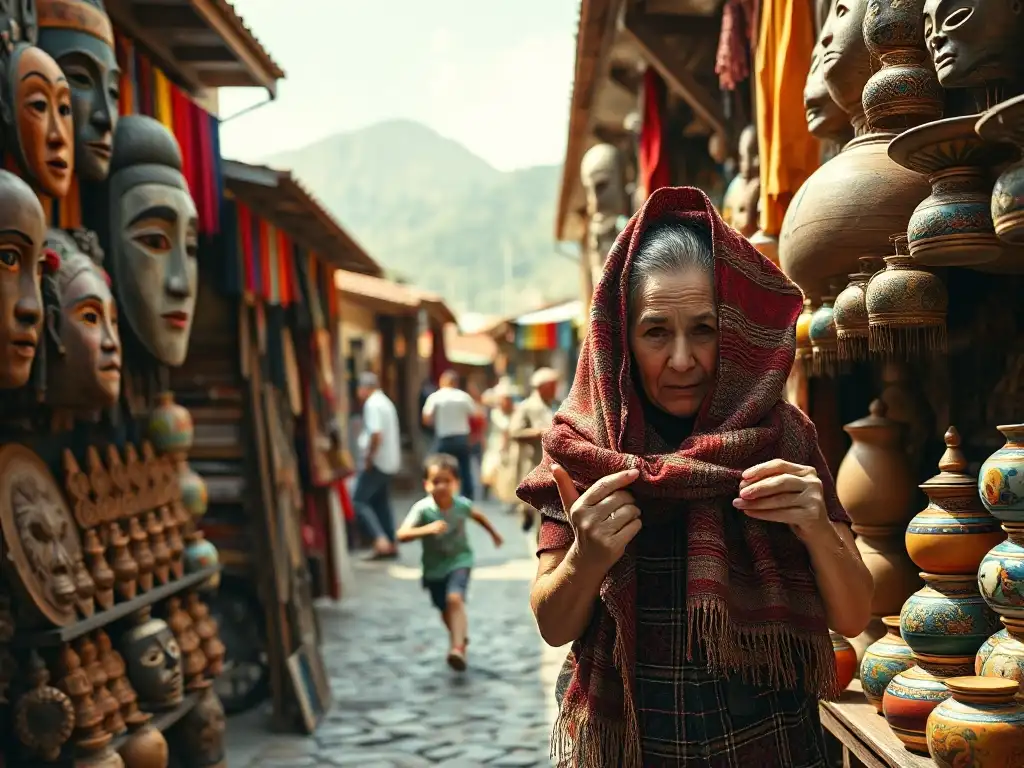
This section delves into the specific offerings of some of the best local markets for acquiring authentic Andean handicrafts. We'll explore the unique characteristics of each market, highlighting the types of crafts available and providing insights to help you navigate these vibrant hubs of Andean artistry. Remember, the best time to visit these markets is often during local festivals, when the atmosphere is most lively and the selection is at its peak. Finding truly unique Andean handicrafts requires a little exploration and patience, but the rewards are well worth the effort.
Chinchero Market, Peru: Textiles and Weaving Masterpieces
Chinchero, a small town nestled high in the Sacred Valley of the Incas, boasts a market renowned for its exceptional textiles. The vibrant colors, intricate designs, and high-quality alpaca wool make these handicrafts truly special. You'll find everything from intricately woven shawls and blankets to smaller items like colorful bags and intricate wall hangings.
The women of Chinchero are the heart and soul of this market, proudly showcasing generations of weaving techniques passed down through their families. Many still use traditional backstrap looms, a testament to their dedication to preserving ancestral practices. These aren't mass-produced souvenirs; they are works of art, imbued with the rich cultural heritage of the Andes.
Look beyond the most obvious stalls; often, the most unique pieces are found tucked away in quieter corners. Don't hesitate to engage in conversation with the artisans—their stories add another layer of richness to your purchase. Bargaining is customary, but always do so respectfully, acknowledging the time and skill involved in creating these beautiful pieces. You'll likely find a wider variety of alpaca wool items here than in other markets, reflecting the region's strong tradition of alpaca farming.
Otavalo Market, Ecuador: A Tapestry of Colors and Crafts
Otavalo Market, located in the Imbabura province of Ecuador, is one of the largest and most famous indigenous markets in South America. Its sheer scale is impressive, offering a vast array of Andean handicrafts alongside local produce and other goods. While the sheer volume of goods can be overwhelming, it also presents an unparalleled opportunity to discover unique and diverse pieces.
Beyond the ubiquitous ponchos and sweaters, Otavalo offers a fascinating range of handcrafted items. Look for intricately carved wooden masks, vibrant ceramic pottery, and finely woven textiles featuring traditional designs. The market is also known for its silver jewelry, often incorporating traditional Andean motifs.
Navigating Otavalo requires a keen eye and a willingness to explore. The market spills out onto the streets, and hidden gems can be discovered in less-trafficked areas. Remember to be mindful of your belongings in such a crowded space. The variety of goods here is truly astounding, offering a fascinating glimpse into the diverse crafting traditions of the Ecuadorian Andes. The sheer scale ensures that even repeat visitors are likely to find something new and exciting.
Sucre, Bolivia's constitutional capital, is home to a less-touristy but equally rewarding market experience. While not as large-scale as Otavalo, Sucre's market offers a more intimate setting to discover unique Andean handicrafts. This market is particularly known for its traditional Bolivian art forms, often less readily found in more heavily touristed areas.
Here, you can uncover exquisite examples of Bolivian pottery, often featuring intricate designs and vibrant colors. Look for hand-painted ceramics, showcasing unique regional styles. Textiles also feature prominently, with a focus on traditional weaving techniques and natural dyes. Unlike some larger markets, Sucre’s market often presents opportunities to connect more directly with the artisans, learning about their techniques and inspiration.
The quieter atmosphere allows for a more relaxed and personalized shopping experience. This makes Sucre's market an ideal location for those seeking a more authentic and less crowded market experience, allowing for deeper interactions with the artisans and a more focused exploration of traditional Bolivian artistry. The focus on traditional techniques and designs makes this market a valuable destination for collectors of authentic Andean art.
Pisac Market, Peru: A Treasure Trove of Ceramics and Jewelry
The Pisac market, nestled in the Sacred Valley of the Incas near Cusco, Peru, is a vibrant tapestry of Andean handicrafts. Its reputation as a prime destination for authentic, high-quality goods precedes it, attracting both locals and tourists seeking unique pieces. Unlike many tourist-oriented markets, Pisac offers a genuine immersion into Peruvian artisan culture, with many vendors representing families who have been crafting these items for generations. The sheer scale of the market is impressive; winding pathways lead you through stalls overflowing with textiles, ceramics, jewelry, and wood carvings, all crafted with meticulous attention to detail.
One of the most striking aspects of Pisac market is the sheer variety of ceramics on display. From intricately painted clay pots and bowls showcasing traditional Andean motifs, to delicate figurines depicting ancient deities and animals, the craftsmanship is breathtaking. Many pieces incorporate ancient techniques, passed down through generations, resulting in unique textures and vibrant colors.
You can find everything from everyday utilitarian pottery to exquisite collector's items, all reflecting the rich artistic heritage of the region. The prices are generally reasonable, especially if you're willing to haggle respectfully – a common practice in Andean markets. Remember to be polite and appreciative of the artisans' skill and time.
The jewelry at Pisac is equally captivating. Silver is a prominent material, often intricately worked into necklaces, earrings, bracelets, and rings. Many pieces incorporate semi-precious stones sourced locally, such as turquoise, lapis lazuli, and amazonite, adding to their beauty and cultural significance.
You'll find everything from simple, elegant designs to bold, statement pieces, each reflecting the unique style of its creator. Pay close attention to the detail; some pieces incorporate ancient Inca designs, adding a layer of historical significance to your purchase. Authenticity is key here, so take your time to examine the craftsmanship and ask questions about the materials and origins.
Supporting local artisans directly contributes to the preservation of these traditional skills. The experience of navigating the bustling market, engaging with the friendly vendors, and uncovering unique treasures makes Pisac a truly unforgettable experience for any lover of Andean handicrafts. The market's location within the breathtaking Sacred Valley further enhances the overall experience, allowing you to combine cultural immersion with stunning natural beauty.
Supporting Andean Artisans: Making Ethical Purchases
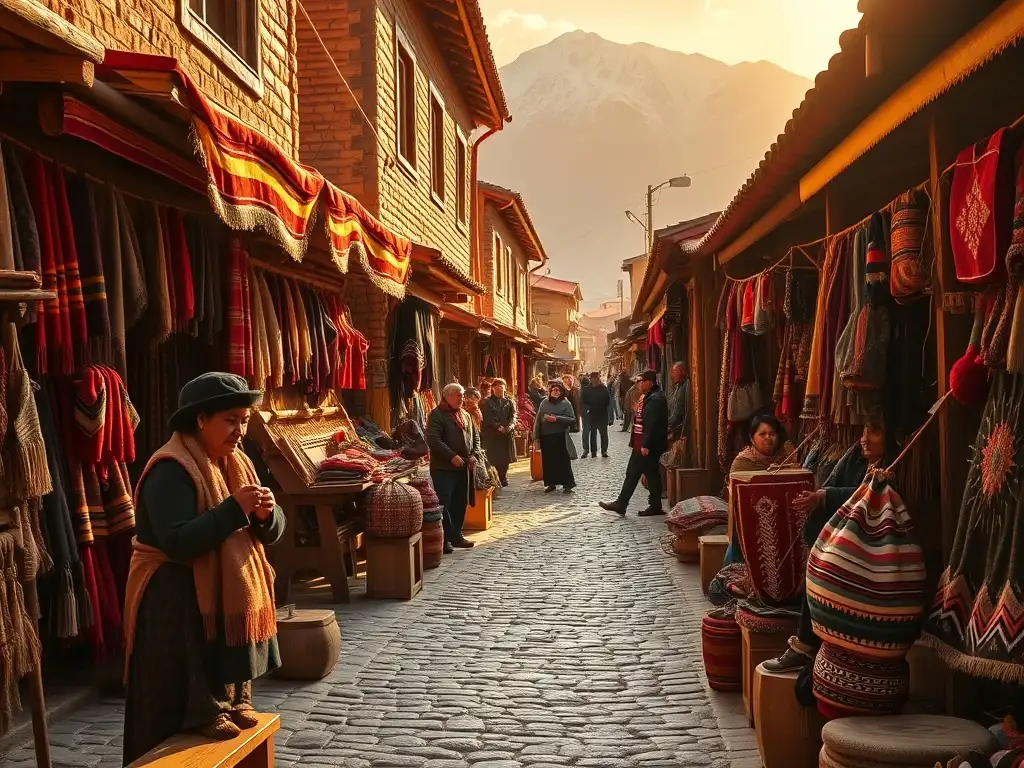
Ethical consumption is paramount when exploring the vibrant world of Andean handicrafts. Purchasing directly from local artisans not only ensures you acquire unique and authentic pieces but also directly contributes to the economic well-being of Andean communities. By choosing to buy from local markets, you bypass the often exploitative practices of mass-produced souvenirs and support the preservation of traditional skills passed down through generations.
This conscious consumerism helps sustain cultural heritage and empowers artisans to continue their craft, fostering economic independence and community development. It's a win-win situation: you get beautiful, handcrafted items, and Andean artisans receive fair compensation for their hard work and artistry.
The Impact of Your Purchase: Empowering Local Communities
The ripple effect of purchasing Andean handicrafts directly from artisans is significant. Your purchase isn't just a transaction; it's an investment in a community's future. The money you spend goes directly to the artisan, helping them support their families, invest in their craft, and contribute to the overall economic prosperity of their village or town. This contrasts sharply with the often minimal compensation received when selling through intermediaries or large corporations. For example, a single purchase of a hand-woven alpaca shawl might provide a family with enough funds for a month's groceries or school supplies for their children. This direct economic empowerment is crucial for maintaining the cultural traditions and preventing the loss of ancient techniques. Consider the sustainability aspect: you are actively participating in preserving a cultural legacy that might otherwise fade due to economic pressures. This positive impact extends beyond the immediate artisan; it strengthens the entire community.
Think of it this way: every textile, ceramic piece, or piece of jewelry you buy tells a story – not just a story of skilled craftsmanship, but a story of cultural preservation and economic empowerment.
Tips for Verifying the Authenticity and Origin of Andean Products
Navigating the world of Andean handicrafts requires discernment. While many markets offer genuine items, it's crucial to be aware of potential imitations or mass-produced goods falsely presented as authentic. Here are some tips to help you make informed, ethical purchases:
- Ask Questions: Don't hesitate to engage with the artisans. Inquire about the materials used, the techniques employed, and the origin of the product. Genuine artisans are usually proud of their work and happy to share their knowledge.
- Examine the Craftsmanship: Look for details indicative of hand-crafting. Imperfectly symmetrical patterns, slight variations in color or texture, and unique characteristics are often signs of authenticity. Mass-produced items tend to be uniform and flawless.
- Check for Natural Materials: Many Andean handicrafts utilize natural materials like alpaca wool, cotton, or clay. Feel the texture, examine the fibers, and observe the natural variations in color. Synthetic materials are a clear sign of imitation.
- Seek Out Local Markets and Cooperatives: Support initiatives that directly benefit artisans by purchasing from local markets or cooperatives. These often verify the authenticity and origin of the products.
- Be Wary of Extremely Low Prices: Unbelievably low prices are often a red flag, suggesting mass production or inferior materials. A fair price reflects the skill, time, and effort involved in creating the piece. Remember that you're paying for the artistry and cultural heritage embedded within the product.
By following these guidelines, you can confidently acquire authentic Andean handicrafts, contributing to the preservation of this rich cultural heritage while supporting the artisans who create them. Remember, every purchase is a vote for cultural sustainability and ethical practices. 🛍️
Frequently Asked Questions
Where can I find authentic Andean handicrafts?
You'll find the most authentic Andean handicrafts in local markets, away from the main tourist areas. Look for smaller, less-visited markets in towns and villages for unique pieces. Bargaining is often expected and encouraged.
What kinds of handicrafts can I expect to find?
Expect a wide variety of handicrafts, including textiles (like alpaca wool sweaters and woven tapestries), pottery, jewelry (often incorporating silver and semi-precious stones), and wood carvings. The specific offerings will vary by region and community.
How can I ensure I'm buying ethically sourced handicrafts?
Look for artisans selling their own work directly. Ask questions about the materials and the process. Supporting local artisans ensures fair wages and preserves traditional techniques. Avoid items mass-produced in factories.
Are prices negotiable in Andean markets?
Yes, bargaining is common practice in many Andean markets. Start by offering a lower price than the asking price, but be respectful and polite throughout the negotiation. A friendly approach often leads to a better deal.
What are some tips for shopping in Andean local markets?
Be prepared to walk and explore; many markets are spread out. Bring small bills for easier transactions. Be mindful of your belongings and practice safe shopping habits. Enjoy the vibrant atmosphere and immerse yourself in the local culture!
Final Reflection: Weaving a Legacy: The Enduring Spirit of Andean Crafts
The vibrant tapestry of Andean handicrafts, far from being a relic of the past, is a living testament to cultural resilience and ingenuity, a powerful force shaping both local economies and global perceptions of artistry. These aren't just souvenirs; they are stories woven into thread, carved into wood, and painted onto pottery, each piece carrying the weight of generations of tradition and innovation. The demand for authentic, ethically sourced crafts is growing, and understanding this market is crucial for both artisans and consumers.
The journey through the bustling markets, the quiet workshops, and the personal encounters with the artisans themselves profoundly impacted my understanding of the intricate relationship between craft, community, and identity. The dedication and passion I witnessed were truly inspiring. The hands that create are the hands that preserve,
a wise artisan once told me, and these words resonate deeply with the enduring power of Andean craftsmanship. It's not just about buying a beautiful object; it's about participating in the preservation of a rich cultural heritage.
Now, consider your own relationship with handcrafted goods. Do you appreciate the artistry and the stories behind the objects you own? I urge you to look beyond the mass-produced and seek out the unique, the authentic, the handcrafted. Support the artisans who dedicate their lives to preserving these traditions, and in doing so, you will not only enrich your own life but contribute to the vibrant continuation of a legacy that deserves to be celebrated and protected for generations to come.
**Uncover Authentic Andean Treasures Today! **
Thank you for exploring the vibrant world of Andean handicrafts! You've learned how to venture beyond typical tourist areas to discover the genuine artistry of local artisans. This is just the beginning of your journey—now it's time to take action!
Here are some ways to connect with these unique cultures and support artisanal craftsmanship:
- **Visit a local market:** Plan a trip to an Andean region and explore at least one local craft market. Immerse yourself in the atmosphere and interact directly with the artisans. Learn about their techniques and the stories behind their creations.
- **Share your discoveries:** Share photos and stories of your favorite finds on social media or start a conversation within your community, encouraging others to support handcrafted goods and the artisans who create them.
- **Bring the Andean spirit home:** Host a gathering—either in person or virtually—showcasing your treasures. Share the stories of the artisans you met and highlight the importance of supporting local economies and preserving cultural heritage.
What captivating stories and skilled artisans will you encounter on your journey through the Andean markets?