
Protecting Andean Heritage: The Responsibility of the Ethical Collector

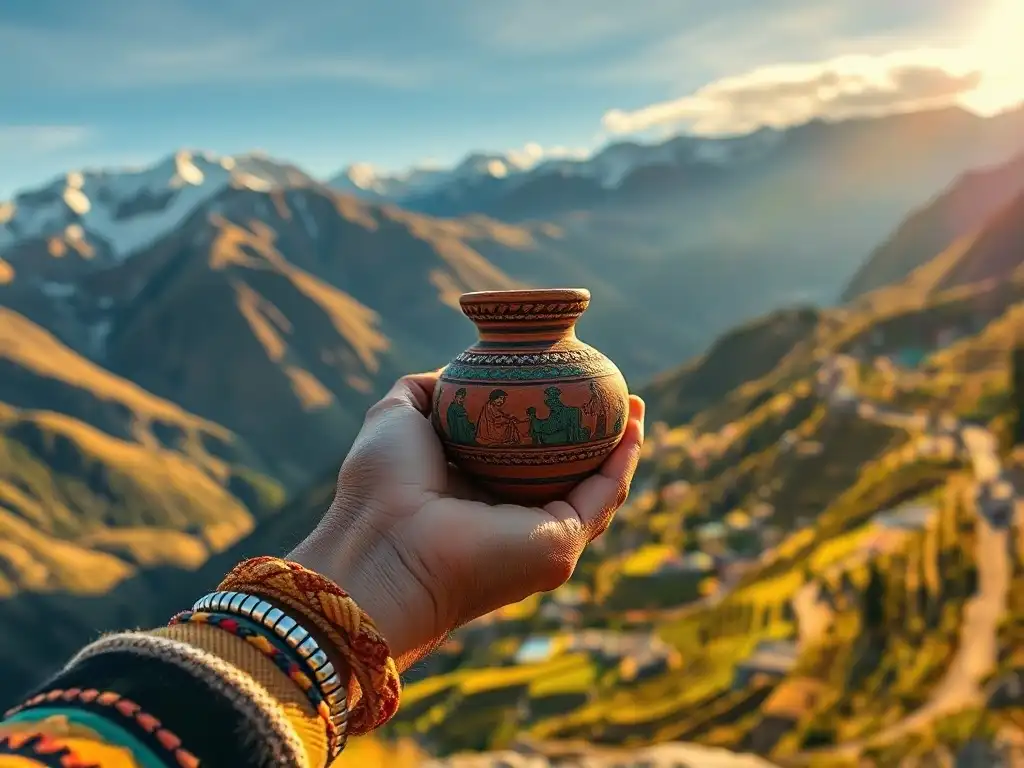
Uncover the mysteries of the Andes! Journey through millennia of breathtaking artistry, ingenious engineering, and captivating cultures—from the Incas to the Nazca. But what happens when the allure of ancient artifacts meets the urgent need for preservation? Dive into the crucial discussion of ethical Andean artifact collecting and discover the delicate balance between appreciation and responsibility. Explore the fascinating world of Andean heritage and learn how you can play a part in protecting it for future generations.
The breathtaking artistry and intricate craftsmanship of Andean artifacts—from the meticulously woven textiles of the Nazca to the imposing stone structures of the Inca—represent a tangible link to a rich and complex past. These objects are not merely aesthetically pleasing; they are irreplaceable witnesses to millennia of cultural innovation, societal structures, and spiritual beliefs.
However, the enduring allure of these treasures has also fueled a destructive trade, threatening the preservation of Andean heritage for future generations. This article explores the crucial role of ethical collecting in protecting these invaluable pieces, examining the devastating consequences of unethical acquisition and highlighting the responsibilities of collectors in ensuring the responsible stewardship of Andean art and artifacts.
We will delve into the specific challenges posed by illegal trade and explore how responsible collecting can contribute to the preservation of this irreplaceable cultural legacy, ultimately promoting a more sustainable and ethically sound approach to appreciating Andean heritage. Understanding the ethical implications of acquiring Andean artifacts is not merely a matter of personal conscience; it is a crucial step in safeguarding a vital part of human history.
The Problem: The Plight of Andean Artifacts
The looting and illegal trafficking of Andean artifacts pose a significant threat to the preservation of cultural heritage. The scale of the problem is alarming; countless sites have been ravaged, leaving behind scarred landscapes and a diminished understanding of past Andean societies. This illicit trade thrives on a global demand for these objects, often fueling conflict and instability in the regions where they originate.
The removal of artifacts from their original context—often without proper documentation or archaeological investigation—severely compromises their historical and scientific value. This loss is not just about individual objects; it represents a profound erasure of knowledge and a disruption of the narrative of Andean civilizations. The lack of contextual information renders these artifacts essentially mute, stripping them of the stories they could tell and the insights they could offer into the lives and cultures of their creators.
Furthermore, the destruction of archaeological sites often leads to the irreversible loss of invaluable information that cannot be recovered. The damage is not merely aesthetic; it represents a profound loss to humanity's collective understanding of the past.
The Damage of Unethical Acquisition of Andean Art
Unethical acquisition of Andean art, even when not directly involving looting, contributes significantly to the problem. Purchasing artifacts without verifying their provenance—the history of their ownership and acquisition—supports the illegal trade. Even well-intentioned collectors can inadvertently contribute to the destruction of cultural heritage by unknowingly purchasing looted goods. The lack of transparency and accountability in the art market allows unscrupulous dealers to profit from illicit activities, perpetuating a cycle of destruction.
Moreover, the high prices paid for these objects further incentivize looting and illegal excavations. The demand drives the supply, creating a vicious cycle that threatens the very existence of many significant archaeological sites. Collectors have a moral obligation to ensure that their acquisitions are ethically sourced and contribute to the preservation, rather than the destruction, of Andean heritage. This involves rigorous due diligence, transparency, and a commitment to supporting legal and sustainable acquisition practices.
The Destructive Nature of Illegal Trade in Ancient Andean Objects
The illegal trade in ancient Andean objects is a complex and multifaceted problem fueled by greed and a lack of regulation. It involves sophisticated networks of smugglers, dealers, and collectors, often operating across international borders. The ease with which these objects can be transported and sold online exacerbates the issue.
This illicit trade not only deprives communities of their cultural heritage but also undermines efforts to protect and preserve archaeological sites. The lack of proper record-keeping and documentation associated with illicit trade also hinders research and scholarly understanding of these invaluable artifacts. Furthermore, the profits generated from this illegal activity often fund other criminal enterprises, further destabilizing the regions where these objects originate.
Combating this illegal trade requires a multi-pronged approach involving stronger law enforcement, international cooperation, and increased public awareness of the ethical implications of purchasing undocumented artifacts. The responsibility lies not only with law enforcement agencies but also with collectors, museums, and the art market as a whole to ensure a more ethical and sustainable future for Andean heritage.
The Loss of Context: Eroding Historical Knowledge through Looting
The illicit excavation and removal of Andean artifacts represent a severe threat to our understanding of these remarkable civilizations. Looting, often driven by profit, disrupts the careful archaeological record, erasing crucial contextual information vital for accurate historical interpretation. Each artifact holds a unique story, embedded within its specific location and association with other finds.
When an object is removed from its original context—be it a burial site, a temple complex, or a domestic dwelling—this intricate narrative is irrevocably fragmented. For example, a seemingly simple ceramic pot might reveal insights into daily life, trade networks, or religious practices only when considered alongside the other artifacts found within the same stratum of a carefully excavated site. Removing it in isolation renders it a mere decorative object, devoid of the profound historical significance it once possessed.
The loss of context is not merely an inconvenience; it’s a catastrophic loss of knowledge. Detailed excavation records, meticulously documenting the precise location, orientation, and association of each artifact, are essential for reconstructing the past. Looting destroys this painstakingly assembled data, leaving behind only fragmented pieces of a much larger puzzle.
This severely limits our ability to understand the complexities of Andean societies, their social structures, their belief systems, and their interactions with their environment. The subtle nuances of their artistic expression, technological innovations, and daily routines are irrevocably lost when artifacts are ripped from their original settings. The cumulative effect of countless acts of looting represents a gradual erosion of our collective historical understanding, hindering our ability to fully appreciate the richness and complexity of Andean heritage.
The ethical collector understands this profound loss and actively avoids contributing to it. Their commitment is not only to acquiring beautiful objects but also to preserving the integrity of the historical record.
- The Problem: The Plight of Andean Artifacts
- The Damage of Unethical Acquisition of Andean Art
- The Destructive Nature of Illegal Trade in Ancient Andean Objects
- The Loss of Context: Eroding Historical Knowledge through Looting
- Verifying Authenticity: Essential Steps for Collectors
- Consulting Experts in Andean Archaeology and Art History
- Utilizing Reputable Authentication Services
- Documentation and Cataloging: A Collector's Duty
- Supporting Andean Communities Through Responsible Sourcing
- Exploring Fair Trade Options for Contemporary Andean Art
Understanding Ethical Andean Artifact Collecting
This section delves into the complexities of ethical Andean artifact collecting, a practice requiring careful consideration of cultural sensitivity, legal compliance, and the preservation of invaluable historical heritage. The acquisition of Andean artifacts, whether pottery shards from the Nazca culture, intricate textiles from the Inca empire, or gold ornaments from the Moche civilization, carries a significant responsibility. This responsibility extends beyond mere ownership; it encompasses the preservation of cultural narratives and the respect for the descendants of these ancient Andean societies.
Ethical collecting goes hand-in-hand with a deep understanding of the historical context and the potential impact of removing these objects from their original context. Ignoring these considerations can lead to the irreversible loss of cultural knowledge and the erosion of indigenous identities.
What Defines Ethical Andean Artifact Collecting Practices?
Ethical Andean artifact collecting isn't simply about acquiring beautiful or rare objects; it's about engaging in a practice that prioritizes respect for the source and the cultural significance of the artifacts. Key elements of ethical practice include:
- Verifying Provenance: Establishing a clear and documented chain of custody from the artifact's origin to its current possessor is paramount. This involves meticulously tracing its history, ideally back to its initial excavation or discovery. A lack of clear provenance raises serious red flags, suggesting potential illicit origins.
- Supporting Ethical Acquisition: Only acquiring artifacts from reputable sources that can provide unquestionable proof of legal acquisition is crucial. This means avoiding the black market and supporting dealers and auction houses committed to ethical practices and transparency. Collectors should be wary of unusually low prices, which often signal problematic acquisition methods.
- Respecting Cultural Sensitivity: Understanding the cultural significance of the artifacts is vital. This involves researching the specific Andean civilization to which the object belongs, understanding its purpose within that culture, and respecting its spiritual or ceremonial value. Simply viewing these objects as mere commodities ignores their profound historical and cultural importance.
- Contributing to Preservation: Ethical collectors often actively contribute to the preservation of Andean heritage. This might involve supporting archaeological research, donating to museums, or working with organizations dedicated to protecting cultural sites. This commitment demonstrates a genuine interest in preserving these artifacts for future generations rather than simply accumulating them for personal gain.
The ethical collector acts as a steward, recognizing the enduring legacy of these artifacts and their significance beyond personal ownership.
The Importance of Provenance in Andean Artifact Acquisition
Provenance, the documented history of an artifact's ownership, is the cornerstone of ethical Andean artifact collecting. Without verifiable provenance, an artifact's legitimacy is questionable, raising concerns about potential theft, looting, or illicit trafficking. A complete provenance record should ideally include:
- Original Discovery: Details surrounding the artifact's discovery, including the location, date, and circumstances.
- Chain of Custody: A detailed account of every individual or institution that has owned the artifact since its discovery. This often involves receipts, sales records, and other documentation.
- Expert Authentication: Verification of authenticity by qualified experts in Andean archaeology and art history. This helps ensure that the artifact is genuine and not a forgery.
The absence of even one of these elements raises serious doubts about an artifact's ethical acquisition. Collectors should always demand complete and transparent provenance documentation before acquiring any Andean artifact. Ignoring this crucial aspect can inadvertently contribute to the illegal trade in cultural artifacts and the destruction of archaeological sites. The ethical collector actively seeks this information, understanding that it's not just about owning a piece of history but safeguarding its integrity. A strong provenance is a powerful statement of ethical collecting, demonstrating a commitment to responsible acquisition and preservation.
Legal Frameworks Protecting Andean Cultural Heritage
Numerous international and national laws protect Andean cultural heritage from looting and illicit trafficking. These legal frameworks aim to prevent the illegal removal of artifacts from their countries of origin and ensure their preservation for future generations. Understanding these laws is crucial for ethical collectors. Key legal instruments include:
- UNESCO Conventions: UNESCO's 1970 Convention on the Means of Prohibiting and Preventing the Illicit Import, Export and Transfer of Ownership of Cultural Property sets the international standard for protecting cultural heritage. Many Andean nations are signatories to this convention.
- National Laws: Each Andean nation has its own specific laws regulating the ownership, export, and import of cultural artifacts. These laws vary in their specifics, but they generally aim to prevent the illegal removal of artifacts from the country. Collectors must be thoroughly familiar with these national laws before acquiring any Andean artifacts.
- International Treaties: Bilateral and multilateral treaties between countries further strengthen the legal protection of Andean cultural heritage. These treaties often facilitate the repatriation of illegally exported artifacts.
Ignoring these legal frameworks can result in severe penalties, including fines, confiscation of artifacts, and even criminal prosecution. Ethical Andean artifact collecting requires strict adherence to all relevant laws and regulations. Collectors should proactively seek legal counsel to ensure compliance and avoid any unintentional violations. The ethical collector actively participates in the preservation of cultural heritage by respecting and upholding these vital legal protections.
The Role of Reputable Dealers and Auction Houses
Reputable dealers and auction houses play a crucial role in ensuring the ethical acquisition of Andean artifacts. Their expertise in provenance research—tracing an object's history of ownership—is paramount. A legitimate dealer or auction house will meticulously document the chain of custody, providing irrefutable evidence that the artifact was acquired legally and ethically.
This documentation often includes detailed descriptions, photographs, and potentially even historical records or previous ownership documentation. The lack of such thorough provenance research should raise significant red flags, suggesting a potentially illicit origin. Serious collectors rely on this transparency to ensure they are not unwittingly contributing to the illegal antiquities trade.
The ethical standards of reputable institutions often extend beyond mere documentation. They frequently collaborate with archaeologists and cultural heritage organizations to verify the authenticity and legality of artifacts. This collaborative approach helps to prevent the entry of looted or illegally excavated materials into the market.
Furthermore, these institutions often adhere to strict codes of conduct, including refusing to handle items with questionable provenance or those known to have been acquired through illicit means. This commitment to transparency and ethical sourcing sets them apart from less scrupulous actors in the market for Andean artifacts. A collector who prioritizes ethical Andean artifact collecting should actively seek out dealers and auction houses known for their commitment to these rigorous standards.
The additional cost associated with purchasing from such reputable sources is a small price to pay compared to the ethical implications of acquiring artifacts of uncertain origin. The reputation of the dealer or auction house is directly linked to the ethical standing of the transaction. Investing in a piece from a known, reputable source is an investment in the ethical preservation of Andean heritage.
Solutions: Responsible Acquisition and Preservation
This section explores practical solutions for ethical Andean artifact collecting, focusing on responsible acquisition and preservation strategies. The ethical collector understands that acquiring ancient artifacts carries a significant responsibility towards preserving cultural heritage for future generations. This involves more than just purchasing a beautiful object; it necessitates a commitment to its provenance and long-term safeguarding. Ignoring these responsibilities contributes to the looting and destruction of invaluable archaeological sites, undermining the very cultural heritage we seek to appreciate.
Verifying Authenticity: Essential Steps for Collectors
Verifying the authenticity of an Andean artifact is paramount for ethical collecting. Purchasing a fake not only wastes your investment but also fuels the market for illicitly obtained artifacts. The process requires diligence and a willingness to engage with experts. Several steps can significantly increase the chances of acquiring genuine pieces.
These include: meticulously examining the object itself for inconsistencies; researching the artifact's purported origin and historical context; and, crucially, seeking expert opinions. A genuine Andean artifact will often exhibit characteristics consistent with its purported period and culture, such as specific stylistic features, materials, and manufacturing techniques. For example, a purported Inca kero (drinking vessel) should exhibit the characteristic shape and decorative motifs associated with Inca metalwork, and its metallurgy should be consistent with Inca techniques.
Fake keros often display anachronistic features or poor craftsmanship. Careful examination, including using magnification to observe details like tool marks or wear patterns, is essential. Furthermore, discrepancies in the patina (surface discoloration) can be a significant indicator of forgery.
The provenance of an artifact — its documented history of ownership — is also critical. A clear and verifiable chain of custody significantly enhances the credibility of an object. However, it's important to note that even with a documented provenance, independent verification by experts remains crucial. Collectors should be wary of overly vague or incomplete provenance information.
The absence of a clear provenance should raise significant red flags. The more detailed and verifiable the history of ownership, the more confident one can be in the authenticity of the artifact. Collectors should always prioritize transparency and request comprehensive documentation from sellers.
Consulting Experts in Andean Archaeology and Art History
Engaging experts in Andean archaeology and art history is a cornerstone of ethical collecting. These professionals possess the specialized knowledge and experience to assess the authenticity, age, and cultural significance of Andean artifacts. They can identify subtle details that may escape the untrained eye, such as variations in pottery styles, weaving techniques, or metallurgical processes. These experts can provide detailed reports, which can serve as valuable documentation for the artifact's provenance and authenticity. This documentation is essential not only for insurance purposes but also for maintaining a record of responsible ownership.
The cost of consulting experts should be viewed as an investment in the ethical acquisition of Andean artifacts. It is a crucial step in ensuring that the acquisition is both legitimate and contributes positively to the preservation of cultural heritage.
While the specific costs will vary depending on the complexity of the assessment and the expertise required, the investment is far outweighed by the risks associated with purchasing an inauthentic or illegally sourced artifact. Moreover, the expertise of these professionals extends beyond simply verifying authenticity; they can also provide valuable insights into the historical and cultural context of the artifact, enriching its appreciation and meaning.
Utilizing Reputable Authentication Services
Reputable authentication services offer another avenue for verifying the authenticity of Andean artifacts. These services employ a team of experts who can conduct thorough examinations, using advanced techniques and technologies. They can provide detailed reports, often including photographic documentation and scientific analysis, which significantly strengthens the case for authenticity. Choosing a reputable service is essential, as the quality of their assessment directly impacts the confidence one can place in the results.
Look for services with established reputations, experienced experts, and transparent methodologies. The services often specialize in specific types of artifacts or cultural periods, ensuring a high level of specialized expertise. The use of such services demonstrates a clear commitment to ethical collecting practices.
It not only protects the collector from acquiring fraudulent items but also supports the preservation of Andean heritage by discouraging the market for fakes. While these services may be more expensive than consulting individual experts, the increased level of certainty and detailed documentation they provide are often worth the added cost. The importance of investing in proper authentication cannot be overstated; it's a crucial element of responsible and ethical Andean artifact collecting.
Documentation and Cataloging: A Collector's Duty
Ethical collecting of Andean artifacts goes far beyond simply acquiring pieces. A crucial element of responsible ownership involves meticulous documentation and cataloging. This isn't just about creating a personal inventory; it's about contributing to the broader understanding and preservation of Andean heritage. Detailed records should include, at minimum, high-resolution photographs from multiple angles, precise measurements, a description of the material (including any analysis conducted), and any known provenance information.
The more information you can gather, the more valuable your contribution becomes. For instance, if you acquire a pre-Columbian textile, noting the weaving techniques, the type of fibers used, and any visible repairs or alterations adds significantly to the historical record. This detailed documentation allows researchers and future generations to study these artifacts, even if they never have direct access to them. Furthermore, maintaining meticulous records enhances the artifact's value, both culturally and potentially financially, should you ever decide to sell or donate the piece.
Consider using a dedicated database or software designed for artifact management to maintain organization and accessibility. The effort invested in thorough documentation is a direct reflection of your commitment to ethical collecting practices in the realm of Andean artifacts. This commitment to accurate and detailed records is essential for building a credible collection that contributes positively to the field of Andean studies.
Supporting Andean Communities Through Responsible Sourcing
The ethical acquisition of Andean artifacts necessitates a deep consideration of the source. Procuring artifacts directly from reputable dealers who can provide clear provenance and ensure that acquisition aligns with ethical guidelines is paramount. This means actively seeking out dealers and sources committed to fair trade practices and the preservation of cultural heritage, avoiding the black market entirely. Importantly, supporting local communities is a core aspect of ethical collecting.
This could involve seeking out artisans who create contemporary works inspired by traditional Andean techniques, thereby fostering the continuation of these art forms. Directly purchasing from these artisans not only supports their livelihoods but also helps preserve traditional skills and knowledge. By purchasing contemporary pieces, you're also contributing to the economic well-being of Andean communities and supporting the creation of new, authentic art.
Furthermore, some collectors actively support archaeological projects in the Andes, allowing their financial contributions to directly contribute to the preservation and study of ancient sites and artifacts. Remember, the goal is not just to own a piece of history but to be a part of its ongoing preservation and the empowerment of the communities from which it originates. Supporting Andean communities is a key component of ethical Andean artifact collecting.
Exploring Fair Trade Options for Contemporary Andean Art
While the focus of ethical collecting often centers on ancient artifacts, contemporary Andean art deserves equal attention. Fair trade practices are crucial in this context, ensuring that artists receive fair compensation for their work and that their creative traditions are respected and valued. Seeking out galleries and artisans committed to fair trade principles is a significant step towards responsible collecting.
Look for organizations that provide transparent information about their sourcing practices, artist compensation, and commitment to sustainable production. This commitment to fair trade not only supports the artists but also contributes to the economic development of Andean communities, enabling them to continue their artistic traditions. By actively choosing to purchase contemporary Andean art through fair trade channels, collectors contribute to the preservation of cultural heritage and the empowerment of indigenous artists.
Fair trade is an important aspect of ethical collecting, ensuring that the benefits extend beyond the collector to the artists and communities involved in the creation of these beautiful and meaningful works of art. The purchase of fair trade Andean art is a tangible way to support the continuation of rich artistic traditions and the well-being of Andean communities.
Tools for the Ethical Collector: Maximizing Preservation
This section focuses on the practical resources available to those committed to ethical Andean artifact collecting. Building a responsible collection requires diligent research, verification, and a deep understanding of the provenance of each piece. The tools outlined below are crucial for navigating the complexities of this field and ensuring your acquisition contributes to the preservation, rather than the depletion, of Andean heritage. Ethical Andean artifact collecting demands a proactive approach; these resources empower you to make informed decisions.
Recommended Books and Resources on Andean Art and Archaeology
A robust understanding of Andean art and archaeology is paramount for ethical collecting. This involves more than just appreciating the aesthetics; it necessitates a comprehension of the cultural context, historical significance, and potential looting associated with many artifacts. Several publications offer invaluable insights. For example, Andean Art by [Author's Name Pending] provides a comprehensive overview of stylistic developments across different Andean cultures.
The book includes detailed illustrations and analyses of various artifacts, helping collectors identify authentic pieces and understand their historical context. Furthermore, scholarly journals such as Latin American Antiquity and Journal of Field Archaeology publish cutting-edge research on Andean archaeology, offering up-to-date information on excavation techniques, dating methods, and the latest discoveries. These resources are essential for evaluating the authenticity and significance of potential acquisitions.
Supplementing these academic works are several well-regarded field guides that focus specifically on identifying Andean pottery, textiles, and metalwork. These guides often incorporate images, diagrams, and detailed descriptions, enabling collectors to assess the authenticity and age of artifacts with greater confidence. Remember, thorough research is the cornerstone of ethical Andean artifact collecting.
Online Databases and Archives for Researching Andean Artifacts
The digital age has revolutionized access to information, providing ethical collectors with unprecedented opportunities for research. Several online databases and archives offer invaluable resources for verifying the provenance and authenticity of Andean artifacts. The [Name of Database Pending] is a particularly useful resource, containing a vast collection of cataloged Andean artifacts from museums and private collections worldwide. This database allows researchers to compare their potential acquisitions with known examples, helping to identify potential forgeries or pieces with questionable provenance.
Furthermore, online archives of archaeological reports and excavation data offer crucial insights into the context of discovery for specific artifacts. This information is critical for evaluating the ethical implications of acquiring a particular piece, as it can reveal whether the artifact was obtained legally and responsibly. However, navigating these online resources requires a degree of expertise. Collectors should be mindful of the potential for misinformation and should always cross-reference information from multiple sources.
The use of these databases is not simply about verifying authenticity; it's also about understanding the broader narrative surrounding each artifact and its place within Andean history. The responsible collector uses these resources to ensure they are contributing to the preservation of Andean heritage, not its exploitation. Remember, ethical Andean artifact collecting is an ongoing process of learning and verification.
Trusted Auction Platforms Specializing in Cultural Property
While many auction houses handle cultural property, a select few specialize in the area and maintain stringent ethical standards. These platforms often employ experts who verify the provenance of each item, ensuring its legal acquisition and ethical sale. Choosing a reputable auction house is crucial to ethical Andean artifact collecting, mitigating the risk of acquiring looted or illegally obtained artifacts. These platforms often provide detailed provenance documentation for each item, including information on its previous owners, its history, and its method of acquisition.
This transparency is essential for building a responsible collection and supporting ethical practices within the art market. However, even when using a trusted platform, due diligence is still essential. Collectors should carefully examine the provided documentation, comparing it with information from other sources to ensure its accuracy and completeness.
Remember, the ethical responsibility lies with the collector to ensure they are not contributing to the illegal trafficking of cultural artifacts. 🕵️♂️ Thorough research and careful selection of auction platforms are crucial steps in ethical Andean artifact collecting. The commitment to ethical practices extends beyond the acquisition itself; it involves responsible stewardship and the preservation of these irreplaceable pieces of history for future generations.
Conservation Supplies for Responsible Home Care
Caring for Andean artifacts ethically extends beyond acquisition; it demands proactive preservation. Responsible home care necessitates a dedicated approach, utilizing appropriate materials and techniques to mitigate environmental damage and prevent deterioration. Improper handling and storage can lead to irreversible harm, diminishing the historical and cultural value of these irreplaceable pieces. Therefore, investing in the right conservation supplies is paramount for the ethical collector.
The cornerstone of responsible home care lies in climate control. Fluctuations in temperature and humidity are significant threats to many Andean artifacts, causing warping, cracking, and flaking of materials like wood, textiles, and ceramics. A stable environment, ideally achieved through a climate-controlled display case or room, is crucial. Collectors should invest in reliable hygrometers and thermometers to monitor these conditions consistently, maintaining optimal levels recommended by conservation professionals – typically around 50-60% relative humidity and a stable temperature between 65-72°F (18-22°C). 1 Failing to maintain these conditions can lead to accelerated aging and irreparable damage.
Beyond climate control, appropriate handling and storage are essential. Gloves made from acid-free cotton or nitrile are crucial for preventing the transfer of oils and acids from the collector's hands to the artifact's surface. For storage, acid-free tissue paper, archival-quality boxes, and dedicated display cases provide protection from dust, light, and physical damage. Each artifact should be individually wrapped and cushioned to minimize movement and prevent abrasion. The use of inappropriate materials, such as plastic bags or untreated wood, can introduce harmful chemicals and accelerate deterioration.
Finally, understanding the specific materials of each artifact is key to its preservation. Ceramics, textiles, metals, and stone each require different approaches. For example, cleaning ceramics might involve only gentle dusting with a soft brush, while textiles might necessitate professional cleaning using specialized techniques and materials. Collectors should research the specific materials of their artifacts and seek professional advice when unsure about the best cleaning and preservation methods. Remember, attempting improper cleaning or repair can irrevocably damage these delicate objects. Prevention is always the best approach; careful handling and stable storage are the most effective conservation strategies.
1 These are general guidelines; ideal conditions may vary depending on the specific material and age of the artifact. Consult with a professional conservator for specific advice.
Mitigating Risks in Andean Artifact Collecting
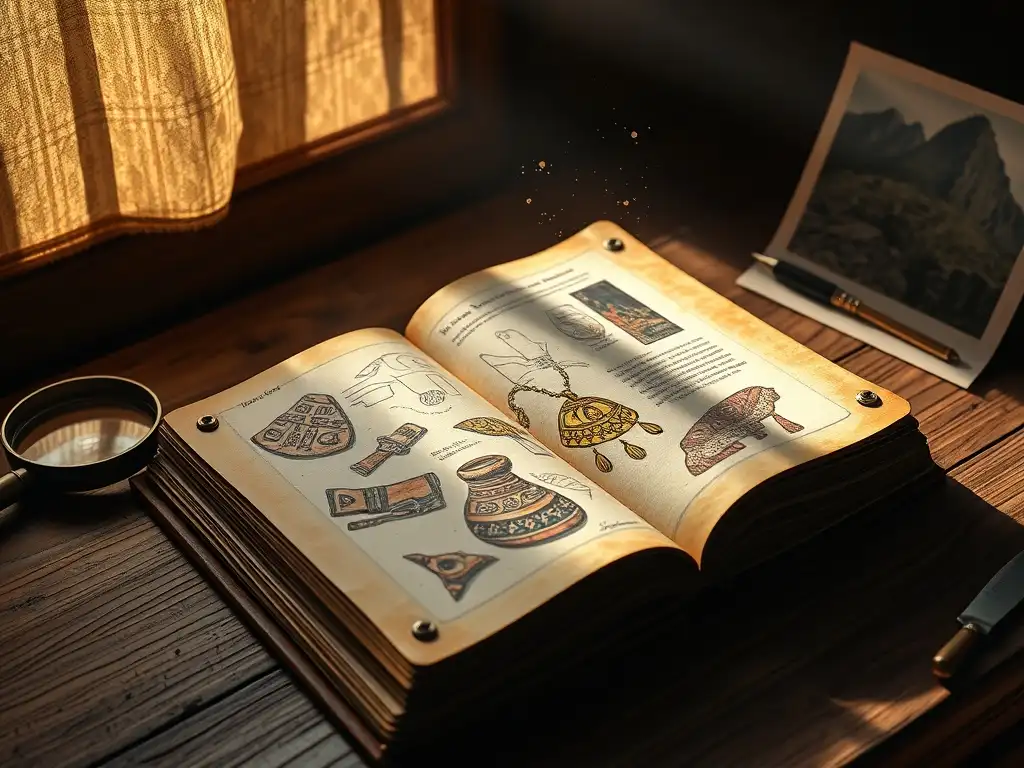
Ethical Andean artifact collecting requires a proactive approach to risk mitigation. Ignoring potential pitfalls can lead to legal trouble, ethical dilemmas, and the acquisition of items with dubious provenance, ultimately undermining the preservation of Andean heritage. This section focuses on practical steps to minimize these risks and ensure responsible collecting practices. The pursuit of "ethical Andean artifact collecting" demands vigilance and a deep understanding of the legal and ethical landscapes surrounding these precious artifacts.
Recognizing Red Flags: Identifying Potentially Illegally Sourced Items
Identifying potentially illegally sourced Andean artifacts requires careful observation and a healthy dose of skepticism. Several red flags should immediately raise concerns. For example, extraordinarily low prices compared to market value are a major warning sign. Legitimate dealers invest time and resources in authentication and provenance research, reflecting in their pricing. A drastically underpriced item likely lacks proper documentation or has a questionable history.
Another crucial aspect is the lack of provenance documentation. A reputable seller will provide detailed information tracing the artifact's ownership history, ideally including photographic evidence and expert appraisals. The absence of such documentation should be treated as a serious red flag. Furthermore, artifacts exhibiting signs of hasty or unprofessional restoration should also raise suspicion. Crude repairs or attempts to disguise damage can indicate an attempt to conceal the artifact's true condition or origin.
Finally, be wary of sellers who are vague or evasive when questioned about the item's provenance. A legitimate dealer will be transparent and willing to answer questions thoroughly. Hesitancy or refusal to provide complete information should immediately trigger skepticism. Remember, the burden of proof rests on the collector to ensure the ethical and legal acquisition of any Andean artifact. The pursuit of ethical Andean artifact collecting necessitates due diligence.
Avoiding the Temptation of "Bargains" with Unclear Origins
The allure of a "bargain" is a common pitfall for collectors, often overshadowing the potential risks. While finding a reasonably priced artifact is certainly possible, exceptionally low prices should always be viewed with caution. Such bargains often conceal problems, including illegal sourcing, unclear provenance, and potential damage. The temptation to secure a seemingly rare piece at a low price can lead to unintended consequences, including legal repercussions and ethical compromises.
Consider the long-term implications. The monetary savings from a dubious bargain can be quickly outweighed by legal fees, reputational damage, or the emotional distress of possessing an item of questionable origin. Prioritizing ethical sourcing and transparency ensures the long-term value and enjoyment of your collection. The principles of ethical Andean artifact collecting should not be compromised by the lure of a fleeting discount. Responsible collecting prioritizes the preservation of Andean heritage over short-term financial gains.
Understanding the Implications of Purchasing Unprovenanced Items
Purchasing Andean artifacts lacking provenance is a significant risk. Without a clear chain of custody, it is impossible to verify the legality of the item's acquisition. This lack of documentation exposes the collector to legal liabilities, and it actively undermines efforts to protect endangered cultural heritage. Moreover, acquiring unprovenanced artifacts contributes to the illicit antiquities trade, fueling the demand that drives looting and destruction of archaeological sites.
The absence of provenance also casts doubt on the authenticity and historical significance of the artifact. Without verifiable documentation, it becomes impossible to establish its age, origin, and cultural context accurately. This lack of information diminishes the item's scholarly value and compromises its integrity within a collection. Therefore, responsible ethical Andean artifact collecting necessitates a commitment to transparency and complete documentation. Supporting the preservation of Andean heritage requires prioritizing items with clear and verifiable provenance. Investing in well-documented pieces contributes to a more sustainable and ethical collecting practice.
The Ethical Dilemma of Private Ownership of Cultural Patrimony
The ethical implications of privately owning Andean artifacts are complex and multifaceted, sparking heated debate among archaeologists, anthropologists, and collectors alike. The core of the issue lies in the inherent tension between individual rights to possess property and the collective rights of a nation or culture to preserve its heritage. Many argue that these artifacts represent more than mere objects; they are tangible links to a civilization's past, embodying its history, beliefs, and artistic expression.
Removing them from their original context, even with the best of intentions, disrupts this historical narrative and diminishes the opportunity for future generations to learn from and connect with their ancestors. The very act of private ownership can be seen as a form of cultural appropriation, potentially trivializing the significance of these objects and their cultural value.
Furthermore, the lack of transparency surrounding private collections often hinders research and understanding of these artifacts, limiting their scholarly contribution. The debate extends beyond the ownership itself; it encompasses the responsibility of collectors to ensure the proper preservation and documentation of these items, a task that often exceeds the capabilities of individual owners.
Consider the example of a beautifully preserved Moche ceramic vessel, depicting a scene of ritual sacrifice. In the hands of a responsible museum curator, this artifact could be meticulously studied, its imagery interpreted, and its context within Moche society elucidated, enriching our understanding of their culture. In a private collection, however, its potential for scholarly contribution may be significantly reduced, perhaps even lost entirely, especially if the collection is not properly catalogued or made accessible to researchers.
The ethical dilemma is further complicated by the often murky provenance of many artifacts, raising concerns about looting and illegal trafficking. Even if acquired legally, the question remains: does private ownership ultimately serve the best interests of cultural heritage preservation? Many believe that the responsibility for safeguarding these irreplaceable pieces of history rests with institutions capable of ensuring their long-term preservation and accessibility.
The ethical collector must grapple with these profound questions before acquiring any Andean artifact. The weight of cultural responsibility cannot be ignored.
The Future of Andean Heritage: A Call to Action
The ethical acquisition and stewardship of Andean artifacts are paramount to preserving a legacy of immense cultural significance. The future of this irreplaceable heritage rests not only on the shoulders of archaeologists and governmental bodies but also on the actions of every individual who engages with Andean art and artifacts. Understanding the ethical implications of collecting is crucial, and this understanding must translate into concrete actions that ensure the long-term survival and accessibility of these treasures.
The ethical Andean artifact collecting movement is about much more than just acquiring beautiful pieces; it's about actively participating in the preservation of a vibrant and complex history. Ignoring this responsibility risks the irreversible loss of invaluable knowledge and cultural identity.
The Responsibility of Collectors in Safeguarding Andean History
Ethical Andean artifact collecting demands a profound commitment to responsible acquisition and documentation. Collectors bear the responsibility of ensuring the provenance—the history of ownership—of each piece is meticulously documented and transparent. This includes obtaining clear evidence of legal acquisition, ideally through reputable dealers or auctions that adhere to strict ethical guidelines and demonstrate compliance with all relevant national and international laws.
A complete chain of custody should be established, ideally recording each transfer of ownership. Furthermore, collectors should actively support research efforts by allowing scholars access to their collections for study and analysis. This collaborative approach is essential for building a more comprehensive understanding of Andean cultures and for informing future conservation strategies.
Failing to maintain accurate records or to cooperate with researchers undermines the integrity of the collection and hinders scholarly progress. A truly ethical collector views their collection not as a private hoard but as a resource for the benefit of broader society. This requires a level of transparency and commitment that goes beyond simple ownership.
Contributing to the Preservation and Study of Andean Artifacts
Beyond responsible acquisition and documentation, ethical collectors actively contribute to the preservation and study of Andean artifacts. This might involve financially supporting archaeological excavations or conservation projects, perhaps through donations to reputable museums or research institutions. Consider, for instance, the vital role played by funding in preserving delicate textiles from the Nazca culture, susceptible to environmental degradation.
Financial contributions, however small, can make a significant difference in safeguarding these fragile artifacts for future generations. Furthermore, ethical collectors can assist in the fight against looting and the illegal antiquities trade by refusing to purchase artifacts of questionable origin. This requires vigilance and a willingness to turn away from potentially desirable pieces if their provenance is unclear or raises ethical concerns.
Such actions directly combat the destructive forces that threaten Andean heritage. Supporting reputable institutions and researchers is a tangible way to actively participate in the protection and study of these irreplaceable artifacts.
Supporting Educational Initiatives and Community Programs
Ethical Andean artifact collecting transcends mere acquisition; it involves actively supporting initiatives that educate the public about Andean civilizations and empower local communities. This includes supporting museums that focus on Andean art and history, enabling them to provide educational programs and outreach initiatives. Furthermore, supporting community-based projects that involve local artisans and communities in the preservation and promotion of their cultural heritage is crucial.
Imagine, for example, a program that teaches traditional weaving techniques to young people in a Peruvian village, thereby keeping alive a vital aspect of Andean cultural identity. This type of support strengthens the connection between the past and the present, ensuring the continuity of Andean traditions.
Ethical collectors can also advocate for policies that protect cultural heritage sites and promote sustainable tourism practices, minimizing the negative impact on local communities and the environment. Ultimately, ethical Andean artifact collecting is not just about owning beautiful objects; it’s about actively contributing to the preservation and celebration of a rich and complex cultural heritage.
Promoting a Culture of Respect for Andean Civilizations
Promoting a culture of respect for Andean civilizations requires a multifaceted approach, engaging individuals, institutions, and governments alike. Education plays a crucial role. Museums and educational institutions must actively curate exhibits that present Andean artifacts within their historical and cultural context, emphasizing their significance beyond mere aesthetic value. These exhibits should highlight the artistry and ingenuity of Andean peoples, fostering appreciation for their unique contributions to human civilization.
Furthermore, educational programs, both formal and informal, should be developed to teach younger generations about the importance of preserving this heritage. This includes incorporating Andean history and culture into school curricula, offering workshops on ethical collecting practices, and creating engaging online resources accessible to a wider audience. The goal is to cultivate a sense of stewardship, instilling a deep understanding of the irreplaceable nature of these artifacts and the ethical implications of their acquisition and ownership. We need to move beyond passive observation and actively engage in discussions about the responsible management of cultural heritage.
This includes public awareness campaigns that stress the devastating effects of looting and illicit trafficking on Andean communities and their cultural identity. By fostering a global understanding of the value of Andean heritage, we can create a powerful deterrent against unethical practices and encourage responsible engagement with these priceless artifacts. The long-term preservation of Andean heritage depends heavily on the commitment of individuals and institutions to prioritize ethical considerations above personal gain.
The Impact of Conscious Collecting on Andean Communities
Conscious collecting, in stark contrast to the exploitative practices of the past, can have a profoundly positive impact on Andean communities. When collectors prioritize ethical sourcing and engage in transparent transactions, they contribute to the economic empowerment of local communities. This can be achieved through direct purchases from artisans and community-based organizations, ensuring that a significant portion of the profits return to the source. Moreover, supporting ethical collectors indirectly helps fund preservation efforts.
By purchasing artifacts legally and responsibly, collectors help sustain the livelihoods of those involved in the creation and preservation of Andean cultural heritage. This is particularly crucial in areas where traditional crafts are facing decline due to globalization and economic pressures. Conscious collecting, therefore, acts as a powerful engine for cultural revitalization, sustaining traditional skills and knowledge passed down through generations. Furthermore, ethical collecting can lead to collaborative projects between collectors and Andean communities, fostering mutual respect and understanding.
These collaborations can involve the documentation and preservation of traditional techniques, the creation of educational materials, and the development of sustainable tourism initiatives that benefit local communities. The focus shifts from the individual acquisition of an object to a shared understanding and appreciation of Andean cultural heritage. This collaborative approach ensures that the benefits of collecting are distributed equitably and contribute to the long-term well-being of the communities whose cultural heritage is being celebrated. The ethical collector becomes a partner in preservation, not a predator.
Frequently Asked Questions
What is ethical Andean artifact collecting?
Ethical Andean artifact collecting prioritizes the preservation of cultural heritage. It involves respecting the ancestral significance of artifacts and ensuring their legitimate acquisition and provenance. This often means avoiding the black market and supporting museums.
How can I ensure I'm collecting ethically?
Only purchase artifacts from reputable sources with clear provenance documentation demonstrating legal acquisition. Verify that the seller has the necessary permits and that the artifact's sale doesn't violate any laws or harm local communities. Thorough research is crucial.
What are the legal implications of unethical collecting?
Unethical collecting of Andean artifacts can result in severe legal penalties, including fines and imprisonment. Many countries have strict laws protecting their cultural heritage, and international treaties further complicate the illegal trade.
Why is it important to consider the cultural impact of collecting?
Andean artifacts are not merely objects; they are sacred items that hold deep cultural and spiritual significance for indigenous communities. Unethical collecting disrespects these communities and their ancestral heritage, contributing to cultural loss.
How can I support the preservation of Andean artifacts?
Support museums and organizations dedicated to preserving Andean heritage. Advocate for stronger laws against the illegal trade in artifacts. Educate yourself and others about the importance of ethical collecting and the devastating impact of looting.
Final Reflection: The Enduring Legacy of Andean Heritage
The ethical acquisition and preservation of Andean artifacts are not merely historical exercises; they are vital acts of cultural preservation in a world grappling with the consequences of unchecked exploitation. The ongoing looting and illegal trafficking of these irreplaceable treasures threaten not only the physical integrity of these objects but also the rich tapestry of Andean cultures they represent. This necessitates a profound shift in how we approach the collecting and appreciation of Andean heritage.
The impact of unethical collecting reverberates through generations, eroding cultural identity and hindering the ability of indigenous communities to connect with their past. The past is never dead. It's not even past.
– William Faulkner. This quote powerfully encapsulates the enduring significance of Andean artifacts and the responsibility we bear in ensuring their protection. The stories embedded within these objects—from intricate textiles to finely crafted ceramics—are essential threads in the vibrant fabric of Andean civilization, and their loss represents an irreplaceable void in our collective understanding of human history and cultural diversity.
Consider the implications of your own actions. Are you actively supporting ethical practices in the art market? Are you educating yourself and others about the importance of provenance and the devastating effects of looting? You have the power to make a difference. By demanding transparency, supporting museums and institutions committed to ethical acquisition, and advocating for stronger legal protections, you can contribute to a future where Andean heritage is cherished, protected, and celebrated for generations to come. Let us work together to ensure that the legacy of the Andes thrives, not just survives.
**Embrace Your Role in Preserving Andean Legacy! **
Thank you for exploring the crucial topic of ethical collecting and its impact on Andean heritage. Your interest marks a significant first step towards positive action. Let's now translate that understanding into tangible change.
Here are some powerful ways you can make a difference:
- **Join a community**, either online or local, dedicated to ethical collecting. Connect with like-minded individuals passionate about preserving cultural heritage.
- **Support organizations** committed to protecting Andean artifacts and traditions. Your contribution directly aids awareness and conservation efforts.
- **Share your knowledge**! Discuss ethical collecting with friends, family, or online. Let's foster conversations about responsible engagement with Andean cultures.
Consider this: What concrete step can you take today to ensure the ethical preservation of Andean heritage for future generations?