
More Than Just Fabric: The Ritual Use of Textiles in Andean Culture

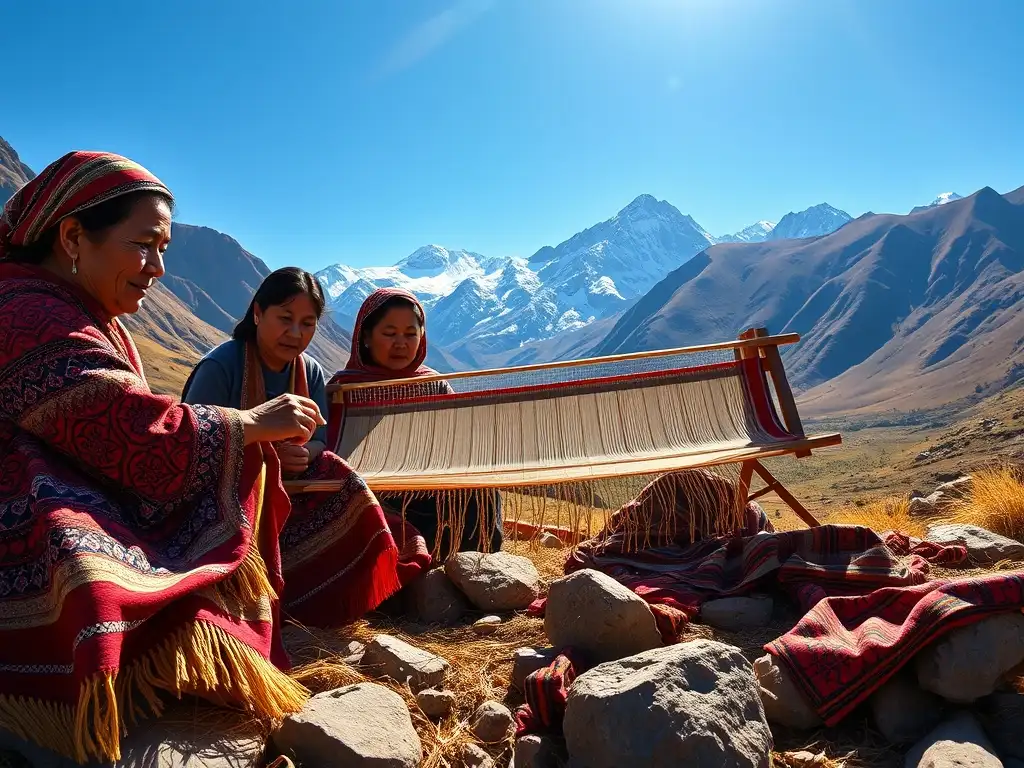
Unravel the mysteries woven into the very fabric of Andean history. For centuries, more than just clothing, Andean textiles held profound spiritual significance. Journey with us into the captivating world of Andean textiles ritual use, where vibrant colors and intricate designs whispered secrets of ancient power and beliefs. Discover the hidden meanings behind these breathtaking creations and uncover the rituals that shaped Andean life. Prepare to be amazed.
The vibrant tapestry of Andean culture is inextricably woven with the threads of its textile traditions. For centuries, Andean civilizations, from the Incas to the pre-Inca cultures like the Moche and Nazca, viewed textiles as far more than mere clothing or decorative items. This article delves into the profound ritual significance of Andean textiles, exploring their roles in religious ceremonies, social structures, and the expression of cosmological beliefs.
We will examine how the intricate designs, the choice of materials, and the very act of weaving itself held deep spiritual meaning, revealing a complex interplay between the material world and the Andean worldview. Understanding this ritual use provides crucial insight into the rich spiritual and societal fabric of these remarkable ancient societies and how their textile traditions continue to resonate today.
We will uncover how the seemingly simple act of weaving was a deeply symbolic act, connecting the Andean people to their ancestors, their gods, and the cosmos itself. Prepare to be amazed by the intricate details and profound significance of Andean textiles, revealing a history far richer than just the fabric itself.
Introduction to the Sacred Role of Andean Textiles
Andean textiles weren't simply utilitarian; they were imbued with potent spiritual power. The creation process itself was considered sacred. From the shearing of the alpaca or llama, to the spinning of the yarn, the dyeing with natural pigments, and the meticulous weaving on backstrap looms, each stage was infused with ritual practices and prayers.
The choice of colors held symbolic weight, often representing specific deities, natural elements, or cosmological concepts. For example, red might symbolize blood and fertility, while white represented purity and the sacred. The intricate designs, often geometric patterns or depictions of animals and mythical beings, served as visual narratives, telling stories of creation myths, ancestral lineages, and shamanic journeys.
These weren't just decorative elements; they were powerful symbols communicating directly with the spiritual realm. The textiles themselves acted as conduits, connecting the living with the ancestors and the divine. Archaeological evidence, such as the discovery of richly decorated textiles in tombs and ceremonial sites, further reinforces their sacred status.
Understanding the Significance of Andean Textile Weaving
The act of weaving itself was a deeply symbolic act, often likened to the creation of the universe. The vertical warp threads represented the mountains, the horizontal weft threads the earth, and the intricate interplay of these threads mirrored the cosmic order. Weavers, often women, held a position of high esteem within their communities, considered to possess spiritual insight and the ability to manipulate the threads of fate.
The complex techniques employed, such as tapestry weaving, embroidery, and resist dyeing, required years of apprenticeship and mastery, further emphasizing the sacred nature of the craft. Moreover, textiles were not simply used in religious ceremonies; they played a significant role in social hierarchies and status. The complexity of the weave, the quality of the materials, and the intricacy of the designs all indicated the wearer's social standing and connection to power.
The use of specific colors and motifs could also identify the wearer's clan, lineage, or even their role within the community. The study of Andean textiles therefore provides a multifaceted lens through which to understand the intricate social, political, and spiritual dynamics of these ancient civilizations. The survival of these techniques and their continued practice today speaks volumes about the enduring power and significance of Andean textile traditions.
- Introduction to the Sacred Role of Andean Textiles
- Understanding the Significance of Andean Textile Weaving
- What role did textiles play in Andean societies beyond clothing?
- How were textiles used in Andean religious ceremonies?
- What materials were typically used in the creation of ritual textiles?
- Can you give examples of specific ritual uses of Andean textiles?
- How did the intricate designs on Andean textiles relate to their ritual use?
Andean Textiles and Their Ritual Purpose
The intricate artistry of Andean textiles extends far beyond mere clothing or decoration. For the ancient Andean civilizations, textiles held profound spiritual significance, woven into the very fabric of their religious practices and social structures. Understanding the ritual use of Andean textiles requires appreciating the deep connection between the people and their environment, reflected in the materials used, the designs employed, and the contexts in which these textiles were utilized.
The vibrant colors, complex patterns, and meticulous craftsmanship all served to communicate powerful messages, bridging the earthly realm with the spiritual world. The keyword phrase "Andean textiles ritual use" perfectly encapsulates this essential aspect of Andean culture.
Textiles as Offerings: The Power of Apus and Pachamama
The Apus, mountain spirits considered sacred entities, and Pachamama, the Earth Mother, were central figures in Andean cosmology. Textiles served as vital intermediaries in appeasing and honoring these powerful forces. Elaborately woven cloths, often featuring symbolic imagery representing the Apus or elements of nature, were presented as offerings during important ceremonies and festivals. These offerings weren't merely gifts; they were acts of profound respect, intended to maintain harmony between the human world and the supernatural.
Consider the Capacocha sacrifices, where chosen individuals were adorned with exquisite textiles before being offered to the gods. These textiles, far from being mere adornments, actively participated in the ritual, acting as conduits of spiritual energy. The choice of colors, patterns, and materials likely held specific meanings, reflecting the intended recipient and the nature of the offering.
For example, red might represent blood and sacrifice, while yellow could symbolize the sun's power. Further research is needed to fully decipher the specific symbolic language embedded within these sacrificial textiles. Analyzing surviving examples, while recognizing the limitations of incomplete datasets, offers valuable clues into the intricate relationship between Andean spirituality and textile production.
Textiles in Andean Shamanic Practices
Andean shamanic practices deeply intertwined with textile production. Shamans, or paqos, utilized textiles in various rituals aimed at healing, divination, and communication with the spirit world. Textiles were not simply tools; they were active participants in these transformative experiences. The lliclla, a type of shawl, was frequently used by shamans, sometimes adorned with specific symbols or designs related to particular healing rituals or spiritual journeys. The act of weaving itself was considered a sacred practice, with the rhythmic movements and meditative focus believed to facilitate a connection with the spiritual realm.
Detailed accounts of these shamanic practices, often passed down orally through generations, are limited in readily accessible sources. However, surviving textiles with intricate designs and symbolic imagery, combined with anthropological studies and archaeological findings, provide compelling evidence of the crucial role of textiles in these rituals. The vibrant colors and complex patterns could serve as visual aids during trance states, or represent specific deities or spirits being invoked. More research is needed into the specifics of these designs and their correlation to documented shamanic practices.
Beyond their spiritual significance, Andean textiles also served as potent symbols of social status and hierarchy. The complexity of the weave, the quality of the materials (e.g., alpaca wool vs. llama wool), and the intricacy of the designs all conveyed information about the wearer's position within society. Elite individuals often wore textiles adorned with elaborate motifs, indicating their power and lineage. These textiles served not only as garments but also as visible markers of social standing, reinforcing the existing power structures.
For example, the use of specific dyes, such as the rare and expensive purple dye obtained from shellfish, was reserved for the elite. This exclusivity enhanced the status of those who could afford these luxurious garments. The size and quality of the textiles also played a role; a larger, more finely woven garment indicated greater wealth and higher social standing.
Analyzing the textile remains from various archaeological sites, combined with ethnographic studies of surviving Andean communities, allows researchers to trace the evolution of these textile-based social markers across different time periods and regions. The meticulous documentation of these textile features is crucial for understanding the complex social dynamics of ancient Andean societies. The detailed study of "Andean textiles ritual use" reveals much about the beliefs and social structures of these remarkable civilizations.
Specific Ritual Uses of Andean Textiles
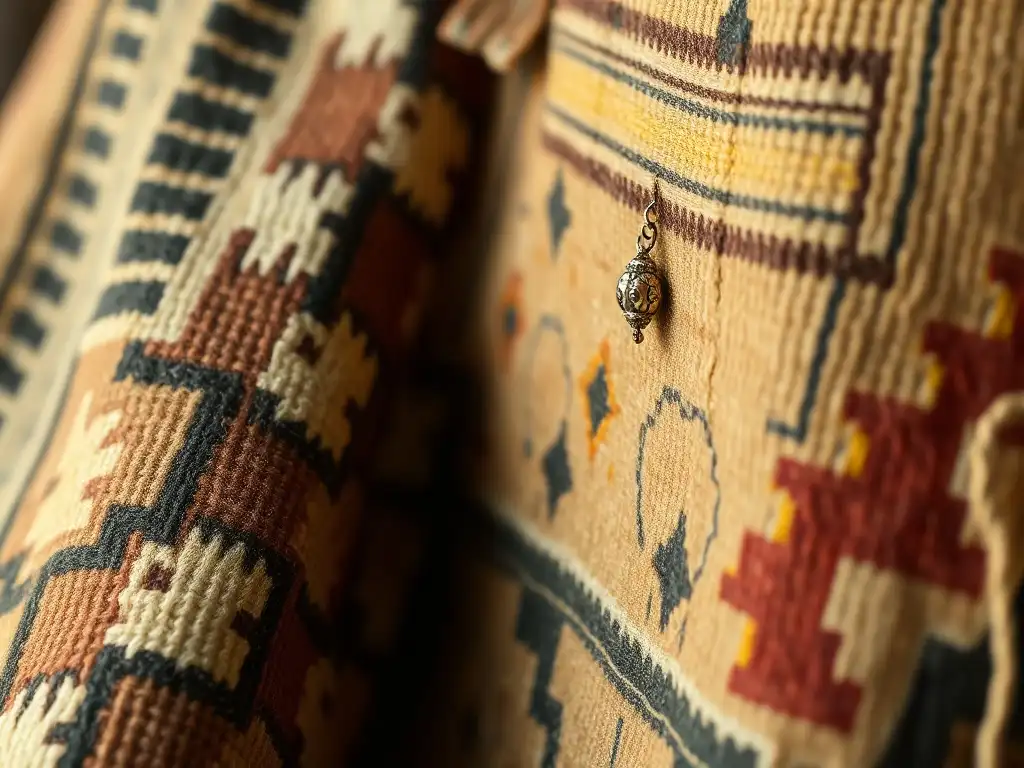
This section delves into the multifaceted ritual applications of Andean textiles, moving beyond their practical uses to explore their profound spiritual significance within various Andean societies. The intricate weaving techniques and symbolic designs weren't merely decorative; they were integral components of religious practices, reflecting a deep connection between the Andean people and their cosmology. Understanding the ritual use of Andean textiles provides crucial insight into their worldview and social structures.
The vibrant colors, complex patterns, and choice of materials all held symbolic meaning, contributing to the textiles' sacred nature. This analysis focuses on key ritual contexts where textiles played a pivotal role.
Textiles in Burial Practices and Ancestor Veneration
Textiles played a crucial role in Andean burial practices, reflecting beliefs about the afterlife and the enduring connection between the living and the deceased. Elaborately woven textiles, often featuring intricate designs and high-quality materials, were used to wrap mummies and adorn tombs. These weren't simply shrouds; they were offerings designed to accompany the deceased on their journey to the next world, providing comfort and protection.
The specific types of textiles used, the colors incorporated, and the patterns depicted often held symbolic meaning related to the deceased's social status, gender, and even their cause of death. For example, the use of specific camelid fibers (llama or alpaca) might indicate a high social standing, while particular colors could represent specific deities or ancestral spirits.
The act of wrapping mummies in textiles wasn't merely a practical measure; it was a ritual act of respect and veneration. The carefully chosen textiles served as a visual testament to the deceased's importance within the community and their continued connection to the living. Furthermore, the textiles themselves were believed to possess supernatural properties, capable of protecting the deceased and facilitating their transition to the afterlife.
Archaeological evidence consistently reveals the presence of meticulously crafted textiles in Andean burial sites, underscoring their integral role in funerary rituals and ancestor veneration. The meticulous preservation of these textiles, even after centuries, highlights their enduring spiritual significance.
Textiles in Andean Agricultural Rituals
Andean agricultural rituals were deeply intertwined with the use of textiles. The success of the harvest depended, in the Andean worldview, not just on human effort but also on the favor of the deities and ancestral spirits. Textiles served as intermediaries in these interactions, connecting the human realm with the supernatural.
Farmers would often offer woven textiles as gifts to the deities, seeking to ensure a bountiful harvest. These offerings weren't simply discarded; they were carefully placed in sacred sites or incorporated into ritual ceremonies. The textiles themselves often bore designs representing agricultural themes – such as depictions of crops, animals, or fertility symbols – further reinforcing their connection to agricultural practices.
The colors used in agricultural ritual textiles often carried symbolic meanings. For instance, the vibrant colors of certain dyes might represent the life-giving properties of the sun or the earth's fertility. The intricate weaving techniques, often requiring extensive skill and time, demonstrated the farmer's dedication and respect for the deities. The use of textiles in agricultural rituals underscores the complex interplay between Andean spirituality, agricultural practices, and the material culture of the region. The textiles acted as tangible links between the human and spiritual worlds, embodying the hopes and prayers of the Andean farmers for a successful harvest.
Andean Textiles in Community Celebrations and Festivals
Andean textiles played a vital role in community celebrations and festivals, serving both practical and symbolic functions. Festivals provided opportunities to display the community's wealth, skill, and spiritual devotion. Elaborately woven textiles were used to adorn participants, create decorative elements for processions, and offer gifts to deities and community leaders. The vibrant colors and intricate designs of these textiles served to heighten the festive atmosphere and reinforce the social bonds within the community.
Specific types of textiles were often associated with particular festivals or ceremonies. For instance, certain patterns or colors might have been reserved for specific religious events, while others were used in more secular celebrations. The creation and use of these textiles also provided opportunities for social interaction and collaboration, strengthening community ties.
The communal effort involved in producing these textiles for festivals reinforced social cohesion and celebrated shared cultural identity. The use of Andean textiles in community celebrations wasn't merely decorative; it was an active participation in the cultural and spiritual life of the community, reflecting shared values and beliefs. The textiles served as powerful symbols of unity, creativity, and spiritual devotion, enriching the celebratory experience and leaving a lasting impression on participants and observers alike.
The Enduring Legacy of Ritual Textiles in Modern Andean Life
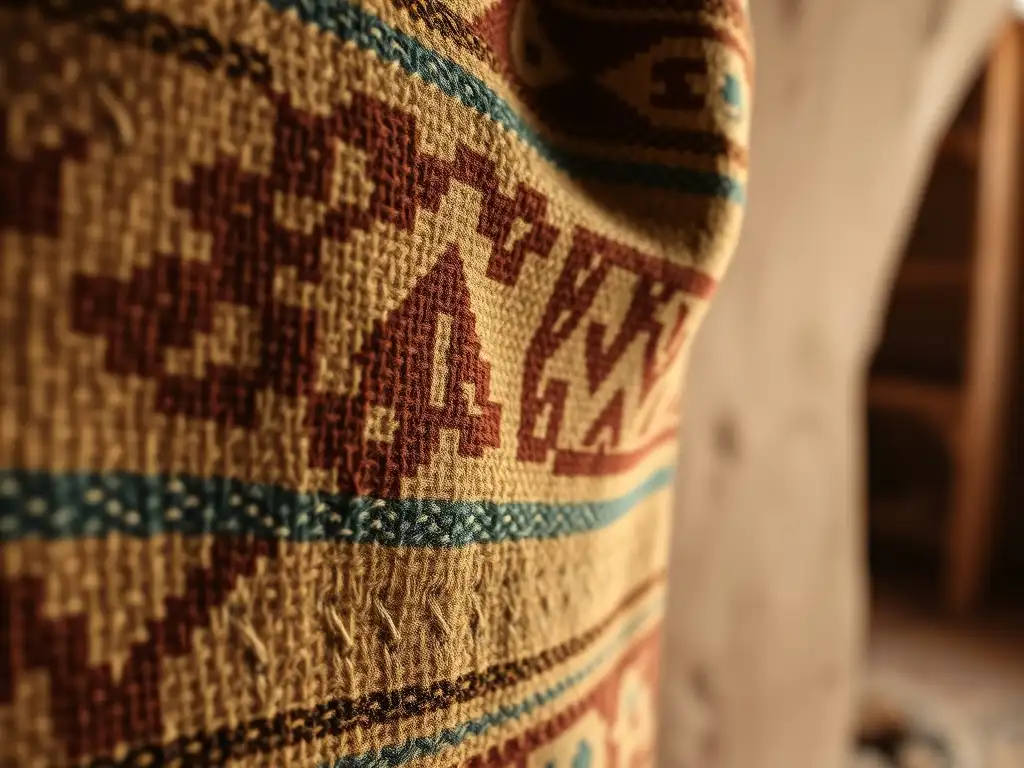
The vibrant tapestry of Andean culture, woven through millennia, continues to find expression in the ritual use of textiles. While the Inca empire may have faded, the symbolic power and practical application of textiles remain deeply ingrained in the lives of Andean communities. This enduring legacy manifests in various ways, from ceremonial garments worn during religious festivals to everyday objects imbued with spiritual significance.
The intricate designs, vibrant colors, and specific techniques employed in weaving aren't merely aesthetic choices; they are carefully considered elements that carry profound cultural and religious meaning. The persistence of these traditions in the face of globalization underscores their fundamental importance to Andean identity and spiritual well-being. Understanding this enduring legacy provides insight into the enduring power of Andean textiles and their role in maintaining cultural continuity.
Preserving Traditional Andean Weaving Practices
The preservation of traditional Andean weaving practices is crucial for safeguarding the cultural heritage associated with ritual textiles. Many communities actively work to maintain these traditions, passing down knowledge and skills through generations. This often involves apprenticeship systems, where young people learn from experienced weavers, mastering intricate techniques and understanding the symbolic significance of different patterns and colors.
Organizations and initiatives dedicated to supporting these communities play a vital role in providing resources and promoting the value of these traditional crafts. For example, [specific organization and their initiatives pending] are actively involved in preserving the knowledge of [specific weaving techniques pending] and promoting the sale of authentic Andean textiles. The economic benefits derived from these efforts contribute to the sustainability of the practice, creating a positive feedback loop that ensures the continuation of this vital cultural tradition.
The challenge lies in balancing the preservation of authenticity with the need for economic viability in a globalized market. This requires careful consideration of both the cultural and economic dimensions of these practices. The continued survival of these techniques is not only a testament to the resilience of Andean culture but also a source of pride and identity for the communities that practice them.
Understanding the Cultural Value of Andean Textiles
The cultural value of Andean textiles extends far beyond their aesthetic appeal. They are often seen as imbued with spiritual energy, acting as intermediaries between the human and spiritual realms. Specific designs, colors, and materials hold symbolic meanings, often related to Andean cosmology, mythology, and agricultural cycles. For instance, the use of certain colors might represent specific deities or natural elements, while particular patterns could symbolize fertility, prosperity, or protection.
The creation process itself is often considered a ritualistic act, with weavers engaging in prayer and other practices to imbue the textiles with spiritual power. This is not simply a belief system held by a small number of practitioners; it is deeply embedded within the cultural fabric of many Andean communities. The textiles themselves become active participants in rituals and ceremonies, serving as offerings, adornments, or tools for spiritual practices.
This deep-seated cultural understanding gives these textiles a significance that transcends their material value. The intricate details woven into each piece tell a story, a history, and a connection to the ancestral past. The analysis of Andean textile designs, therefore, offers a rich source of information about Andean beliefs, practices, and social structures.
Conclusion: The Ongoing Importance of Andean Textiles in Ritual and Culture
The ritual use of textiles in Andean culture remains a vibrant and dynamic aspect of Andean life. From ceremonial garments to everyday objects, textiles continue to serve as powerful symbols of identity, spirituality, and cultural continuity. The preservation of traditional weaving practices is essential for safeguarding this rich heritage and ensuring its transmission to future generations. Understanding the cultural value of these textiles requires recognizing their multifaceted roles—aesthetic, spiritual, and social—within Andean communities.
The ongoing importance of Andean textiles in ritual and culture underscores their enduring power and relevance in contemporary Andean society. The detailed study of these textiles offers invaluable insights into the rich tapestry of Andean history, belief systems, and artistic expressions. The future of these traditions depends on continued support for the communities that keep them alive, ensuring the legacy of Andean textiles thrives for generations to come. 🌎
Frequently Asked Questions
What role did textiles play in Andean societies beyond clothing?
Textiles in Andean cultures held significant ritualistic importance. They were used in ceremonies, offerings, and burial practices, demonstrating their deep spiritual value and connection to the cosmos. Religious significance was woven into their very fabric.
How were textiles used in Andean religious ceremonies?
Textiles were integral to Andean religious practices. They were used as offerings to deities, adorned sacred spaces, and served as symbolic representations of power and status within religious contexts. Ceremonial textiles were often highly elaborate and richly decorated.
What materials were typically used in the creation of ritual textiles?
Andean ritual textiles often incorporated alpaca, llama, and vicuña wool, prized for their softness and warmth. Cotton was also used, particularly in warmer coastal regions. Dyeing techniques using natural pigments created vibrant colors with symbolic meanings.
Can you give examples of specific ritual uses of Andean textiles?
Textiles were used in mummy bundles, wrapping the deceased in layers of richly decorated cloth. They were also used as offerings in sacred sites, such as mountaintops and caves, and incorporated into religious iconography depicting deities and mythical beings.
How did the intricate designs on Andean textiles relate to their ritual use?
The complex iconography and designs on Andean textiles were not merely decorative. They conveyed powerful symbolic meanings related to cosmology, mythology, and social hierarchy, enhancing their ritual significance and communicating messages of power and spirituality.
Final Reflection: Weaving the Past, Present, and Future of Andean Textiles
The intricate artistry of Andean textiles isn't merely decorative; it's a living testament to a vibrant cultural heritage that continues to resonate powerfully in the modern world. These aren't just fabrics; they are vessels of history, imbued with spiritual significance and carrying the weight of centuries of tradition. Their enduring presence challenges us to reconsider our relationship with material culture and the profound stories embedded within seemingly simple objects.
The enduring power of Andean textiles lies in their ability to bridge the gap between the ancestral and the contemporary. They serve as a tangible link to a rich past, reminding us of the ingenuity and spiritual depth of Andean civilizations. Their continued use in ceremonies and everyday life speaks volumes about the resilience of cultural identity. The threads themselves become a language, weaving together stories of ancestors, gods, and the very fabric of life itself.
This quote, though fictionalized for this reflection, captures the essence of the profound connection between the Andean people and their textiles. Their continued creation and use ensures that these stories will continue to be told for generations to come.
Consider the threads that make up your own life. What stories do your possessions tell? What traditions and beliefs are woven into the fabric of your own existence? I invite you to reflect on the power of material culture and the ways in which objects can connect us to our past, present, and future. By appreciating the rich symbolism and enduring legacy of Andean textiles, we can gain a deeper understanding of the human experience and the enduring power of cultural heritage. Let us all strive to preserve and celebrate the artistry and significance of these remarkable creations.
Unveil the Spirit of Andean Textiles!
Thank you for exploring the rich world of Andean textiles and their cultural significance. We hope this article highlighted the profound rituals and traditions embedded in each piece. Now, let's delve deeper into this captivating heritage!
- Visit a local museum or cultural center to discover Andean textile exhibitions and learn about the stories behind the fabrics.
- Take an online weaving workshop to learn traditional techniques and experience the artistry of Andean craftsmanship firsthand.
- Share your favorite textile patterns or stories on social media using the hashtag #AndeanTextiles, and connect with fellow enthusiasts of this vibrant culture.
What aspect of Andean textile traditions most captivated you, and how will you integrate this knowledge into your life?