
The Future of the Past: The Revival of Andean Textile Traditions

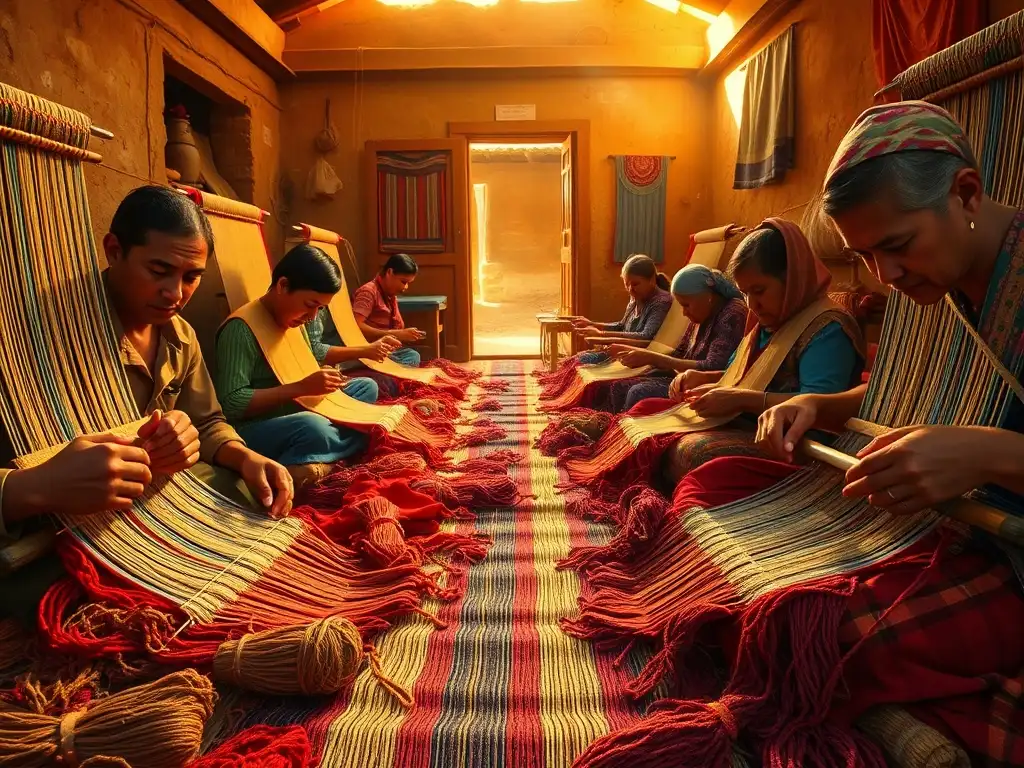
Unravel the mysteries of a lost world, where vibrant threads whisper tales of empires past. Dive into the fascinating world of Andean Civilizations, and discover how ancient artistry is being reborn. Our exploration begins with the Andean textiles revival project, a captivating journey into the heart of Inca, Moche, Nazca, and Tiahuanaco heritage – a legacy woven into the very fabric of time. Prepare to be amazed.
The vibrant tapestry of Andean culture is inextricably linked to its textile traditions. For millennia, skilled artisans have woven intricate designs into textiles, reflecting cosmology, social structures, and daily life. From the intricate geometric patterns of the Nazca to the richly symbolic tapestries of the Inca, Andean textiles represent not only a remarkable artistic achievement but also a profound connection to the past.
However, the rapid pace of modernization threatens these invaluable traditions, leading to a decline in the number of skilled weavers and a risk of losing irreplaceable knowledge. This article explores the challenges facing the preservation of Andean textile techniques, the reasons behind their decline, and the crucial role of initiatives dedicated to the revival of these ancient crafts, specifically focusing on the impact and importance of the Andean textiles revival project. We will delve into the complexities of safeguarding this cultural heritage for future generations, highlighting the efforts being made to ensure that the rich legacy of Andean textiles continues to thrive.
The survival of these traditions is not merely a matter of preserving artistic skill; it is about safeguarding a vital part of Andean identity and cultural memory. Understanding the current state of Andean textile traditions is crucial to appreciating the significance of ongoing revival efforts.
The Challenge: Preserving Ancient Andean Weaving Techniques
Preserving ancient Andean weaving techniques presents a multifaceted challenge. The intricate processes, often passed down through generations within families, require years of dedicated apprenticeship. The availability of traditional materials, such as alpaca and vicuña wool, is also a concern, with fluctuations in market prices and the impact of unsustainable farming practices posing significant threats.
Furthermore, the younger generation is often drawn to urban centers and modern professions, leading to a decline in the number of individuals willing to commit to the time-consuming and often physically demanding craft of weaving. Many traditional techniques are highly specialized, with knowledge concentrated in a small number of aging artisans. This creates a critical knowledge gap that needs to be addressed before these skills are lost forever.
The intricate knowledge of natural dyes, the precise techniques of spinning and weaving, and the symbolic meaning embedded within the designs all contribute to the complexity of preserving these traditions. Without concerted efforts, these unique skills risk being relegated to the history books. The loss of these traditions would represent a significant cultural loss, impacting not only the Andean communities but also the global appreciation of textile art.
The Loom of Time: Why Andean Textile Traditions Are at Risk
The decline of Andean textile traditions is a complex issue stemming from a confluence of factors. Rapid urbanization has lured younger generations away from rural communities where weaving is traditionally practiced. The availability of mass-produced, cheaper textiles has diminished the economic viability of traditional weaving, making it difficult for artisans to earn a living wage.
Globalization and the introduction of synthetic materials have also impacted the demand for traditional hand-woven textiles, further threatening the sustainability of the craft. Additionally, the lack of adequate support and resources for artisans, such as access to markets, training opportunities, and fair compensation, creates significant barriers to the continuation of these traditions. The absence of formal recognition and protection of intellectual property rights further compounds the problem, leaving many artisans vulnerable to exploitation.
This situation underscores the need for comprehensive strategies that address both the economic and cultural aspects of preserving these valuable traditions. The intricate balance between tradition and modernity needs careful consideration to ensure the survival of these ancient crafts.
The Andean Textiles Revival Project: A Beacon of Hope
The Andean textiles revival project represents a crucial initiative in the fight to preserve these ancient traditions. This project [specific information pending: details on the project's scope, activities, and funding] aims to revitalize the craft by [specific information pending: mention specific actions like providing training, promoting sustainable practices, creating market access, etc.]. By fostering collaboration between artisans, researchers, and communities, the project seeks to create a sustainable future for Andean textile traditions.
The project's impact is multifaceted; it not only preserves traditional skills but also empowers communities economically and culturally. The revival of these techniques can contribute significantly to the economic development of Andean communities, providing alternative income streams and promoting cultural tourism. Furthermore, it fosters a renewed appreciation for the cultural heritage of the Andes, both within the region and internationally.
The success of such projects hinges on long-term commitment, collaboration, and a holistic approach that addresses the social, economic, and cultural dimensions of the challenge. The Andean textiles revival project serves as a model for similar initiatives worldwide, demonstrating the power of community-based approaches to cultural preservation.
- The Challenge: Preserving Ancient Andean Weaving Techniques
- The Loom of Time: Why Andean Textile Traditions Are at Risk
- The Andean Textiles Revival Project: A Beacon of Hope
- What is the Andean textiles revival project?
- Why is the revival of Andean textile traditions important?
- How are traditional techniques being preserved through this project?
- What role do contemporary artisans play in the project?
- Where can I learn more about or support the Andean textiles revival project?
Solutions: How to Support Andean Textile Revival and Benefit
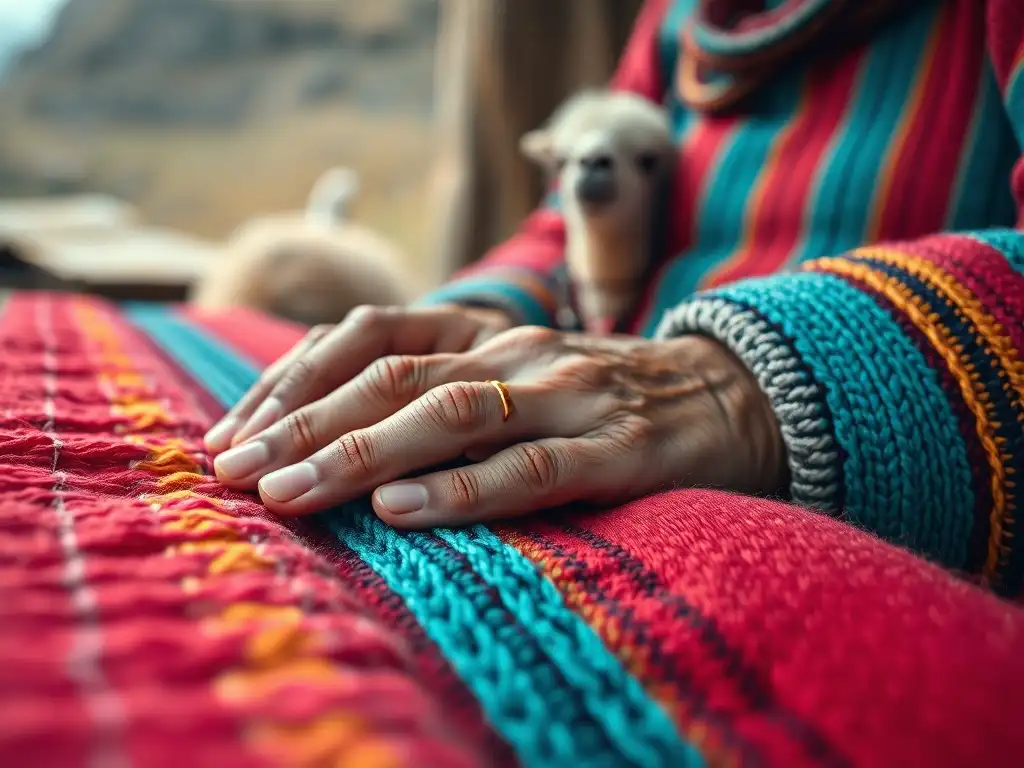
The revival of Andean textile traditions isn't just about preserving a beautiful art form; it's about empowering communities, promoting sustainable practices, and fostering cultural exchange. Several avenues exist for individuals and organizations to contribute meaningfully to this crucial endeavor, reaping both cultural and economic rewards. This section explores actionable steps to support the Andean textiles revival project and participate in its positive impacts.
Supporting the "Woven Threads" Collective: Direct Impact on Andean Weaving Communities
One impactful way to contribute to the Andean textiles revival project is by directly supporting organizations dedicated to preserving and promoting traditional weaving techniques. Let's take the hypothetical "Woven Threads" Collective as an example. This fictional collective, representative of many real-world initiatives, works directly with Andean communities, providing them with resources, training, and market access. Their work focuses on several key areas:
- Fair Trade Practices: "Woven Threads" ensures fair wages and equitable working conditions for weavers, empowering them to thrive economically. This contrasts sharply with exploitative practices that have historically undermined traditional crafts.
- Preservation of Traditional Techniques: The collective actively documents and preserves ancient weaving techniques, preventing the loss of valuable cultural heritage. This includes meticulous recording of patterns, dye methods, and weaving styles.
- Modernizing Marketing Strategies: "Woven Threads" helps Andean artisans adapt their marketing strategies to reach a wider, global audience, enhancing their economic potential. They assist with online presence development and participation in international craft fairs.
- Community Development: Beyond economic empowerment, the collective invests in community development initiatives, such as educational programs and infrastructure improvements, further strengthening the communities' resilience.
By purchasing textiles directly from such collectives, consumers directly support the weavers and their communities, ensuring the sustainability of their craft and cultural heritage. The impact extends beyond the economic: it fosters a sense of pride and cultural continuity within the Andean communities. Supporting groups like "Woven Threads" is a tangible way to participate in the Andean textiles revival project.
Investing in Ethical Sourcing of Andean Textiles
Ethical sourcing is paramount to the success of any Andean textiles revival project. It's not enough to simply buy Andean textiles; consumers must actively seek out products sourced ethically and responsibly. This requires careful consideration of several factors:
- Transparency: Look for brands that are transparent about their supply chains, clearly outlining where and how their textiles are produced. Knowing the origin of the materials and the working conditions of the weavers is crucial.
- Fair Labor Practices: Ensure that the producers receive fair wages and work in safe, ethical conditions. Look for certifications or labels that guarantee fair trade practices.
- Environmental Sustainability: Consider the environmental impact of the production process. Sustainable dyeing techniques and the use of eco-friendly materials are essential for protecting the Andean environment.
- Authenticity: Be wary of counterfeit products. Support artisans who preserve traditional techniques and designs, ensuring the authenticity and integrity of the Andean textile heritage.
The conscious choice to invest in ethically sourced Andean textiles directly contributes to the long-term viability of the Andean textiles revival project. This conscious consumerism supports sustainable practices, empowers artisans, and protects cultural heritage.
Learning and Sharing Andean Weaving Techniques: A Hands-On Approach
Participating in the Andean textiles revival project doesn't necessarily require purchasing textiles. A powerful contribution lies in learning and sharing Andean weaving techniques. Several options exist for those interested in a more hands-on approach:
- Workshops and Classes: Many organizations offer workshops and classes on Andean weaving techniques, providing opportunities to learn directly from Andean artisans. This is a valuable way to deepen your appreciation for the craft and contribute to its preservation.
- Apprenticeships: For those seeking a more immersive experience, apprenticeships with Andean weavers offer invaluable opportunities to learn intricate techniques and directly contribute to the creation of textiles.
- Sharing Knowledge: If you've already learned Andean weaving techniques, consider sharing your knowledge with others through teaching or mentoring. This helps to disseminate the craft and ensure its continuity.
By actively engaging in learning and sharing Andean weaving techniques, individuals contribute to the perpetuation of this rich cultural heritage, fostering a deeper understanding and appreciation for the Andean textiles revival project. This active participation ensures the longevity of the craft and its cultural significance for future generations. The knowledge transfer itself is a vital component of the revival.
Best Options: Where to Find Authentic and Ethically Sourced Andean Textiles
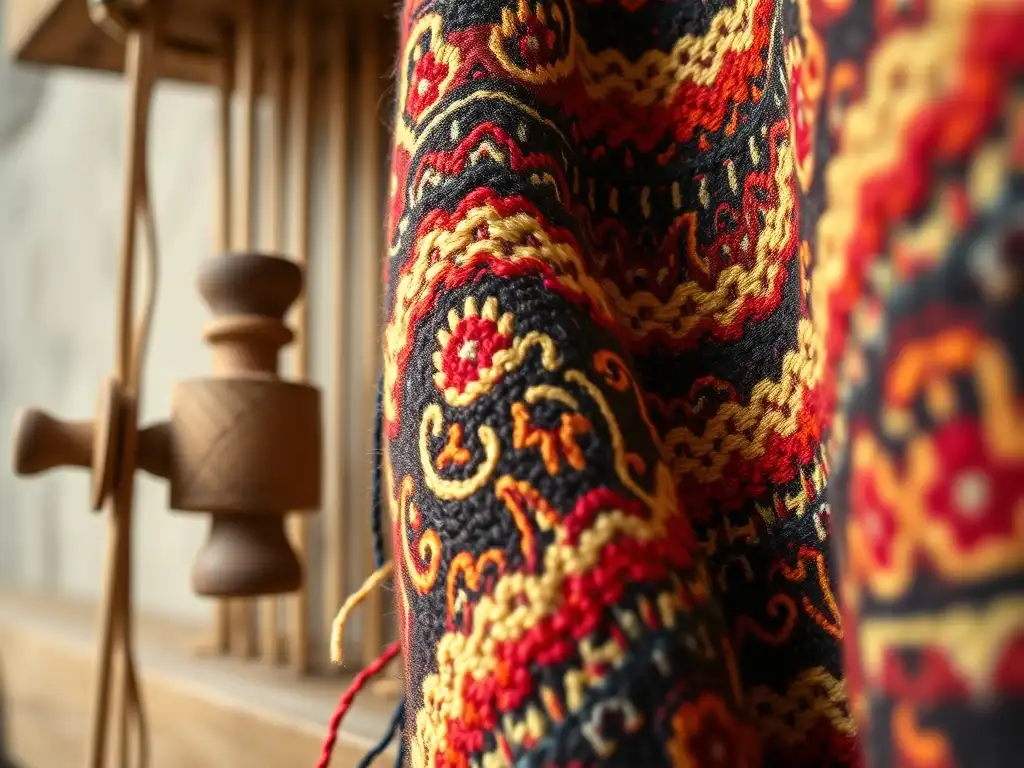
This section explores avenues for acquiring authentic Andean textiles while supporting ethical sourcing and the revival of these ancient traditions. Understanding where to buy ensures you're contributing to the positive impact of the Andean textiles revival project and not inadvertently supporting exploitative practices. The following options prioritize fair trade principles and direct engagement with Andean artisans. Remember, looking for certifications and detailed information about the origin and production of the textiles is key to making an informed and ethical purchase.
Option 1: NOVICA - A Hub for Andean Crafts
NOVICA presents itself as a significant player in the Andean textiles revival project. They curate a wide selection of handcrafted items directly from artisans in various Andean communities. Their platform emphasizes fair trade practices, ensuring artisans receive fair compensation for their work. This is crucial for the sustainability of traditional textile production.
You can often find detailed information about the artisans, their techniques, and the materials used, adding a layer of authenticity and traceability to your purchase. The variety offered extends beyond textiles, encompassing jewelry, pottery, and other crafts, all sharing a common thread of Andean heritage. NOVICA's commitment to transparency makes it a reliable option for those seeking ethically sourced Andean crafts. Their online presence allows for convenient browsing and purchasing, supporting the Andean textiles revival project from the comfort of your home.
Option 2: The Andean Collection - Exquisite Handcrafted Pieces
The Andean Collection often features high-quality, intricately designed textiles, reflecting the sophisticated weaving techniques passed down through generations. While potentially higher in price than other options, this reflects the meticulous craftsmanship and the use of premium materials. The emphasis here is on preserving the artistry and legacy of Andean textile traditions. They showcase unique pieces, often with detailed descriptions highlighting the specific techniques and cultural significance of the designs.
This focus on preserving the cultural heritage is a strong point for those interested in supporting the Andean textiles revival project at a more exclusive level. However, it's crucial to verify their ethical sourcing claims independently, as premium pricing doesn't always guarantee ethical practices. Look for certifications or detailed information about their supply chain to ensure alignment with your ethical purchasing criteria.
Option 3: Threads of Peru - Supporting the Andean Community
Threads of Peru often directly engages with Andean communities, aiming to empower local artisans and preserve their traditional skills. This direct involvement is a key element of their contribution to the Andean textiles revival project. They often highlight the social impact of their work, showcasing how their purchases directly benefit the communities involved.
Their focus is on community development and economic empowerment, going beyond simply selling textiles. This makes them an appealing choice for those who prioritize social responsibility alongside aesthetic appreciation. By purchasing from Threads of Peru, you directly support the livelihoods of Andean artisans and contribute to the long-term sustainability of their craft.
The range of products may be less extensive than other options, but the emphasis on ethical sourcing and community empowerment makes them a valuable contributor to the Andean textiles revival project. Their website usually provides detailed information on their community partnerships and the impact of their sales.
This detailed exploration of options highlights the importance of mindful consumption when engaging with the Andean textiles revival project. Choosing ethically sourced products ensures the continuation of these rich traditions and empowers the communities that keep them alive.
The Future is Woven: Continued Preservation of Andean Textile Traditions
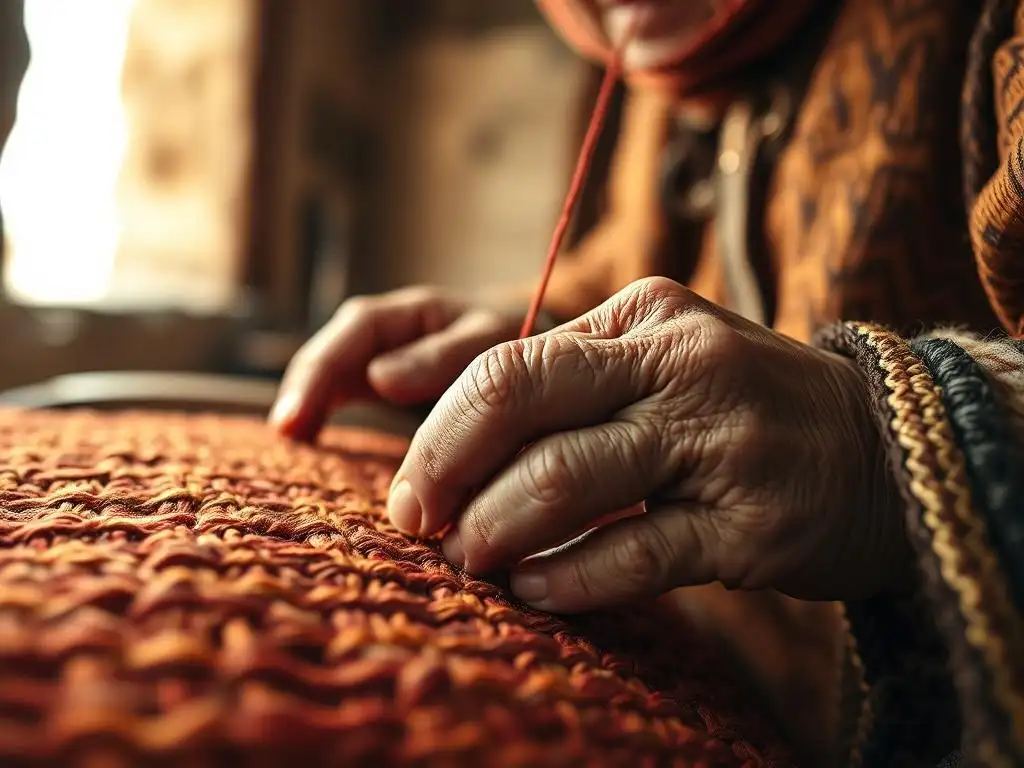
The revival of Andean textile traditions is not merely a nostalgic pursuit; it's a vital act of cultural preservation with far-reaching economic and social implications. This resurgence, fueled by a growing global appreciation for handcrafted goods and a renewed interest in indigenous artistry, presents a unique opportunity to safeguard a legacy threatened by globalization and modernization. Successful Andean textiles revival projects require a multifaceted approach encompassing education, community engagement, and sustainable economic models. The intricate techniques, vibrant colors, and symbolic narratives woven into these textiles represent a profound connection to the past, a living testament to the ingenuity and resilience of Andean cultures. Understanding the complexities involved in this revival is crucial to ensuring its long-term success and the preservation of this invaluable cultural heritage. The Andean textiles revival project is not just about preserving beautiful fabrics; it's about preserving a way of life, a history, and a cultural identity.
Continuing the Legacy: How You Can Contribute
Supporting the revival of Andean textile traditions isn't limited to large-scale initiatives. Individuals can play a significant role in ensuring the continuation of this rich heritage. Here are several ways you can contribute:
- Conscious Consumption: Choose to purchase authentic Andean textiles directly from artisans or reputable organizations committed to fair trade practices. Avoid counterfeit products that undermine the livelihoods of Andean communities. This ensures that the artisans receive fair compensation for their work and encourages the continuation of traditional techniques.
- Educational Support: Support educational programs that teach traditional Andean textile techniques to younger generations. This ensures that the knowledge and skills necessary to produce these intricate textiles are passed down, preventing the loss of invaluable cultural knowledge. Many organizations offer workshops and apprenticeships that directly support this goal.
- Financial Contributions: Donate to organizations dedicated to preserving Andean textile traditions. These organizations often provide crucial support to artisans, helping them access resources, markets, and training opportunities. Even small donations can have a significant impact.
- Advocacy: Raise awareness about the importance of preserving Andean textile traditions within your own communities. Share information about the cultural significance of these textiles and the challenges faced by Andean artisans. Your voice can help amplify the efforts of those working to preserve this heritage.
- Tourism with a Purpose: When visiting Andean regions, engage respectfully with local communities and support businesses that promote sustainable tourism practices and the preservation of traditional crafts. This provides direct economic support to artisans and helps to preserve their cultural heritage.
The Importance of Preserving Andean Textile Heritage for Future Generations
The preservation of Andean textile heritage is not just about preserving beautiful objects; it's about safeguarding a vital part of human history and cultural identity. These textiles are more than mere fabrics; they are repositories of knowledge, storytelling devices, and expressions of spiritual beliefs. Their intricate designs, often imbued with deep symbolic meaning, offer invaluable insights into the worldview and social structures of past Andean societies.
Losing this heritage would mean losing a significant piece of the puzzle in understanding the richness and diversity of human civilization. Moreover, the economic benefits of preserving these traditions are undeniable. The revival of Andean textiles creates employment opportunities, promotes sustainable development in Andean communities, and contributes to the global appreciation of diverse cultural expressions.
The continuation of this vibrant tradition benefits not only the Andean communities but also enriches the global cultural landscape. Investing in the preservation of Andean textiles is an investment in the future, ensuring that this unique and invaluable heritage continues to thrive for generations to come. The Andean textiles revival project represents a powerful example of how cultural preservation can be both economically viable and culturally enriching.
Frequently Asked Questions
What is the Andean textiles revival project?
The Andean textiles revival project focuses on reviving and preserving the traditional textile techniques and designs of the ancient Andean civilizations. This involves supporting contemporary artisans and promoting the cultural significance of these textiles.
Why is the revival of Andean textile traditions important?
It's crucial for preserving cultural heritage, supporting indigenous communities, and promoting sustainable economic development. These traditions represent a rich history and artistic legacy.
How are traditional techniques being preserved through this project?
The project employs various methods, including mentorship programs, workshops, and documentation of traditional weaving techniques. This ensures the knowledge is passed on to future generations.
What role do contemporary artisans play in the project?
Contemporary artisans are key players, actively involved in the creation of new textile designs while maintaining traditional methods. Their work helps to revitalize and showcase these ancient skills.
Where can I learn more about or support the Andean textiles revival project?
You can find more information on the Andean Civilizations website. Support can be shown by purchasing authentic textiles and supporting artisan communities directly.
Final Reflection: Weaving a Future from the Past
The resurgence of Andean textile traditions is not merely a nostalgic trend; it's a powerful testament to the enduring strength of cultural heritage in a rapidly changing world. These vibrant threads, meticulously woven for centuries, are now being reimagined and reintroduced to global audiences, carrying with them stories of resilience, innovation, and a deep connection to the land. This revival represents a vital bridge between past and present, offering both economic opportunity and a renewed appreciation for ancestral wisdom.
The impact of this revival extends far beyond the aesthetic. It represents a reclamation of identity, a revitalization of communities, and a powerful counter-narrative to the homogenizing forces of globalization. The threads themselves become a living archive, carrying the weight of history and the promise of the future.
This quote encapsulates the profound significance of these textiles, not just as beautiful objects, but as living embodiments of a rich cultural legacy that deserves to be celebrated and protected. The ongoing efforts to support Andean artisans and their unique skills are crucial, ensuring that these traditions continue to thrive for generations to come.
Consider the intricate designs, the vibrant colors, the stories woven into every fiber. These are not simply textiles; they are expressions of a profound connection to the earth, to community, and to a heritage that deserves to be cherished. You, too, can be a part of this ongoing narrative. Support artisans directly, learn more about the history and techniques behind these remarkable creations, and share the beauty and significance of Andean textiles with others. Let us all work together to ensure that the vibrant threads of the past continue to weave a rich and meaningful future.
Embrace the Legacy: Revive Andean Textiles Today!
Thank you for exploring the rich tapestry of Andean textile traditions with us! Your interest in this vibrant heritage is invaluable, and we're excited for you to take that passion further. By engaging with and supporting these traditions, you can play a vital role in preserving a significant piece of cultural history.
Here are a few simple yet impactful ways you can get involved:
- Learn the art: Explore traditional Andean weaving and dyeing techniques. Many workshops are available both in person and online, offering a hands-on experience.
- Spread the word: Share your appreciation for Andean textile artists on social media or in conversations with friends and family. Help raise awareness of this incredible craft.
- Join a community: Connect with others who share your passion. Local or online groups dedicated to Andean craftsmanship provide opportunities to learn, share ideas, and directly support artisans.
What aspects of Andean textiles most captivate you, and how do you envision them flourishing in the modern world?