
Unveiling the Hidden Gems: Top Markets for Authentic Andean Handicrafts

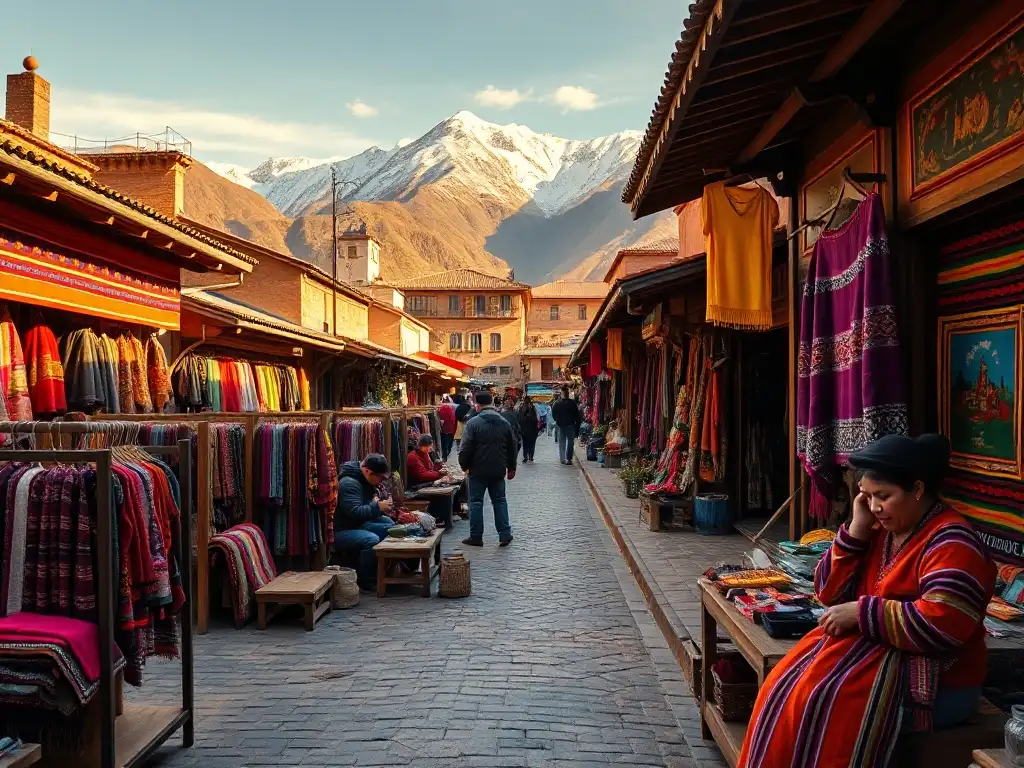
Prepare to be amazed. Journey with us into the heart of the Andes, where vibrant cultures thrived for millennia. From the intricate artistry of the Incas to the enigmatic legacies of the Nazca, we unravel the captivating tapestry of Andean civilization. But the story doesn't end in history books; it lives on! Discover the secrets behind the authenticity and artistry of Andean handicrafts markets, where ancient traditions continue to flourish. Are you ready to uncover these hidden gems?
The Andes Mountains, a breathtaking spine running down the west coast of South America, are home to a rich tapestry of ancient cultures. For centuries, skilled artisans have crafted exquisite textiles, pottery, jewelry, and more, imbuing these creations with deep cultural significance and unparalleled artistry.
This article serves as your guide to uncovering the best markets for authentic Andean handicrafts, offering a unique opportunity to connect with the vibrant heritage of the region and acquire truly exceptional pieces. We'll explore some of the top destinations where you can find these treasures, delving into the cultural context and ensuring you can make informed choices while supporting local artisans and preserving these invaluable traditions.
From the intricate weavings of the highlands to the vibrant ceramics of the coast, discover the magic of Andean craftsmanship and find the perfect souvenir to cherish for a lifetime. This journey will illuminate not only where to find the best Andean handicrafts markets, but also the deeper cultural meaning behind each piece you encounter.
Discovering the Best Andean Handicrafts Markets: A Journey Through Culture
Finding authentic Andean handicrafts requires more than just a keen eye; it's about embarking on a journey through the heart of Andean culture. While many tourist shops offer mass-produced items, the true treasures lie within local markets, brimming with unique pieces reflecting generations of tradition. The experience itself is often as rewarding as the purchase. Imagine haggling good-naturedly with a skilled artisan, learning about their techniques, and hearing stories passed down through their family. This immersion into the local culture adds an unparalleled dimension to your souvenir.
We will explore several key locations known for their exceptional offerings. These markets aren't just places to buy; they are living museums showcasing the enduring spirit of Andean artistry. The variety is astonishing, ranging from intricately woven textiles in vibrant colours, to intricately carved wooden sculptures, to shimmering silver jewelry adorned with semi-precious stones. Each piece tells a story, a testament to the enduring legacy of Andean craftsmanship. We will highlight key characteristics to look for when identifying authentic pieces, helping you navigate the market and distinguish genuine craftsmanship from imitations.
Why Seek Authentic Andean Handicrafts?
Beyond the aesthetic appeal, purchasing authentic Andean handicrafts offers a multitude of benefits:
- Supporting Local Artisans: Your purchase directly supports the livelihoods of skilled artisans and their families, helping to preserve traditional techniques and cultural heritage.
- Unique and Meaningful Souvenirs: Authentic handicrafts are far more than just souvenirs; they are unique pieces of art imbued with history and cultural significance, creating memories that will last a lifetime.
- Investing in Quality Craftsmanship: These items are often made with high-quality materials and meticulous attention to detail, ensuring durability and lasting value.
- Connecting with Andean Culture: The process of acquiring these handicrafts often involves engaging directly with artisans, learning about their craft, and gaining a deeper understanding of Andean culture.
- Preserving Traditional Skills: By supporting authentic handicrafts, you help ensure that these valuable skills and traditions continue to thrive for generations to come.
Understanding the Cultural Significance of Andean Artisan Goods
Andean handicrafts are not merely decorative objects; they are powerful expressions of cultural identity, deeply rooted in ancient traditions and beliefs. The intricate designs, vibrant colours, and symbolic motifs often convey stories, beliefs, and historical events. For example, the use of specific colours in textiles can represent different regions, social status, or even spiritual significance. Similarly, motifs woven into fabrics or carved into wood may depict mythical creatures, deities, or significant events from Andean history.
Understanding this cultural context enhances the appreciation of these handcrafted items. It transforms a simple purchase into a meaningful acquisition, a connection to a rich and complex history. Learning about the symbolism and techniques used by the artisans provides a deeper understanding of their artistry and the cultural values they represent. This knowledge enriches the experience and elevates the purchased items from mere souvenirs to cherished cultural artifacts. The more we understand, the more we value, and the more effectively we can support the continuation of these remarkable traditions.
The Allure of Handwoven Textiles: A Deep Dive into Andean Weaving Traditions
Andean weaving traditions represent a rich tapestry of history, cultural identity, and artistic expression. For centuries, skilled artisans have meticulously crafted textiles using techniques passed down through generations. The intricate designs, vibrant colors, and high-quality materials reflect the deep connection between the Andean people and their environment.
Alpaca, llama, and vicuña fibers, prized for their softness, warmth, and durability, are the primary materials. The process itself is labor-intensive, involving spinning, dyeing, and weaving on backstrap looms, often using intricate patterns and symbols that tell stories and convey meaning. These aren't simply pieces of cloth; they are living narratives, imbued with the spirit and history of the Andes.
The textiles' significance extends beyond their aesthetic appeal; they serve practical purposes, such as clothing, blankets, and ceremonial objects. The enduring legacy of Andean weaving is evident in the continued production and appreciation of these exquisite handcrafted textiles, ensuring that these ancient traditions thrive in the modern world. Many modern artists continue to innovate on these ancient techniques, creating unique and contemporary pieces while respecting the heritage of their predecessors.
Exploring the Vibrant Colors and Patterns of Aguayo Textiles
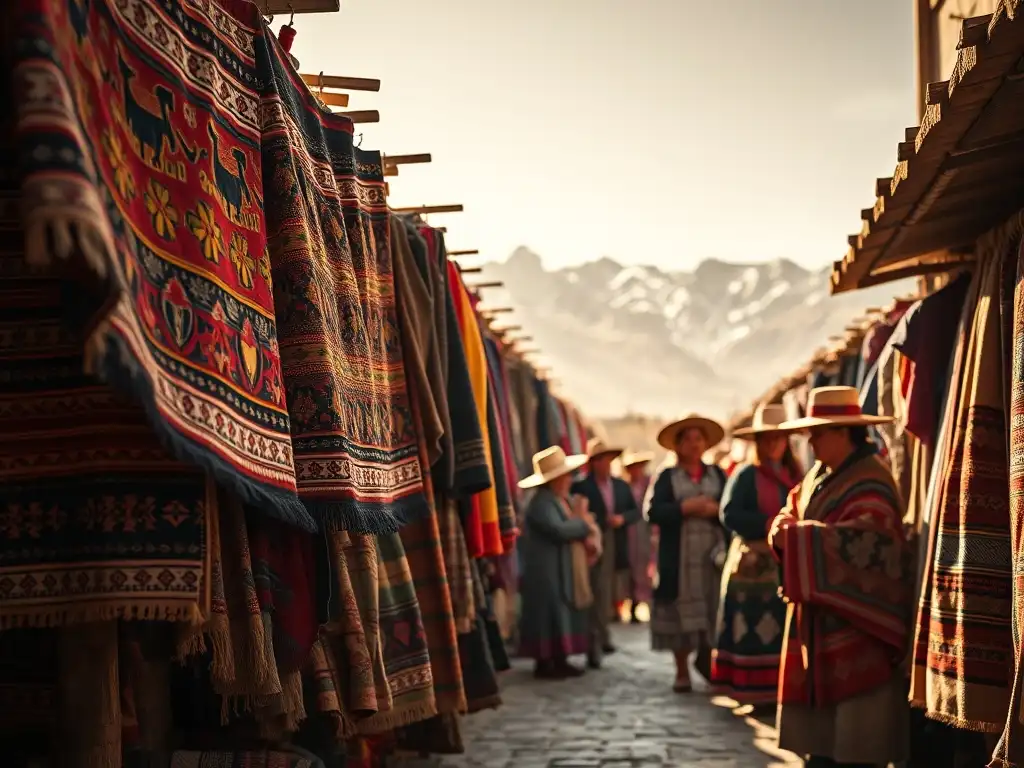
Aguayos, traditional Andean shawls, are iconic examples of the region's textile artistry. These rectangular woven cloths are known for their vibrant colors and intricate geometric patterns. The colors themselves are often derived from natural dyes, such as cochineal (producing reds), indigo (blues), and various plant extracts, reflecting the deep connection between the Andean people and the natural world. The dyes are meticulously prepared, and the process can take days, even weeks.
The patterns found on aguayos are not merely decorative; they often carry symbolic meaning, representing Andean cosmology, mythology, and social structures. Different communities have their unique styles and patterns, making each aguayo a unique expression of its origins. Some aguayos feature intricate depictions of animals, plants, or celestial bodies, while others employ simpler geometric motifs.
Today, aguayos are still widely used as shawls, blankets, and even as decorative wall hangings, showcasing the enduring appeal of these vibrant and symbolic textiles. The use of aguayos also extends beyond personal use; they frequently appear in ceremonial contexts and celebrations. The continued production of aguayos ensures the preservation of a vital part of Andean cultural heritage.
The Artistry of Andean Ceramics: From Ancient Techniques to Modern Masterpieces
Andean ceramics represent a remarkable continuity of artistic skill and innovation spanning millennia. From the sophisticated pottery of the Nazca and Moche cultures to the more recent traditions, Andean ceramicists have consistently demonstrated exceptional talent and creativity. Ancient techniques, such as modeling, coiling, and slip painting, continue to be used today, alongside more modern innovations. The use of natural pigments derived from minerals and plants allows for a breathtaking array of colors, often found in intricate designs and detailed depictions of animals, humans, and mythical creatures.
The mastery of firing techniques ensures the durability and longevity of these pieces. Modern Andean ceramic artists often draw inspiration from ancient styles while incorporating contemporary influences, creating a unique blend of tradition and innovation. The diversity of styles and techniques across different Andean communities reflects the richness and complexity of the region's artistic heritage.
Many contemporary artists are experimenting with new shapes, glazes, and firing techniques, while still maintaining the core aesthetic and values of traditional Andean ceramics. This ongoing evolution ensures that Andean pottery will continue to captivate and inspire generations to come. The production of these ceramics also provides vital economic opportunities for Andean communities, maintaining cultural traditions while fostering economic development.
Discovering the Unique Shapes and Designs in Chulucanas Pottery
Chulucanas, located in the Piura region of northern Peru, is renowned for its vibrant and distinctive pottery. Unlike the polished, often monochrome ceramics of other Andean cultures, Chulucanas pottery boasts a playful, almost whimsical aesthetic. The artisans here masterfully employ a technique known as bruñido, a polishing process that gives the pottery a smooth, almost velvety texture. This contrasts beautifully with the bold, often humorous, designs that adorn the pieces.
The shapes themselves are a departure from the more standardized forms found elsewhere. Instead of strictly functional vessels, Chulucanas potters create a wide array of imaginative forms: animals, humans, and fantastical creatures are all rendered in clay, often with exaggerated features that amplify their character. One might find a playful monkey perched atop a water jug, or a stylized bird with elongated neck and beak serving as a decorative vase. These pieces are not merely functional; they are miniature sculptures, each telling a silent story.
The designs are equally captivating. While some pieces maintain a traditional Andean palette of earthy browns, reds, and blacks, many incorporate brighter, more modern colors. Geometric patterns, often intricate and layered, are common, but so are depictions of daily life, mythical beings, and even satirical portrayals of social interactions.
The use of color is often bold and contrasting, further enhancing the overall vibrancy of the pottery. These designs are not merely decorative; they often reflect the beliefs, values, and humor of the Chulucanas people, providing a fascinating glimpse into their cultural heritage. The artistry is evident in the meticulous detail, the skillful use of color and texture, and the inherent joy expressed in each piece.
Finding authentic Chulucanas pottery is a true treasure for any collector of Andean handicrafts. The unique shapes and designs ensure that each piece stands out, a testament to the enduring creativity of the region's artisans. This distinctive style is a key element in identifying genuine Chulucanas pottery, setting it apart from mass-produced imitations.
- Discovering the Best Andean Handicrafts Markets: A Journey Through Culture
- Why Seek Authentic Andean Handicrafts?
- Understanding the Cultural Significance of Andean Artisan Goods
- The Allure of Handwoven Textiles: A Deep Dive into Andean Weaving Traditions
- Exploring the Vibrant Colors and Patterns of Aguayo Textiles
- The Artistry of Andean Ceramics: From Ancient Techniques to Modern Masterpieces
- Discovering the Unique Shapes and Designs in Chulucanas Pottery
- The Otavalo Market, Ecuador: A World-Renowned Hub for Andean Artisan Products
- Exploring the Variety of Textiles, Jewelry, and Wood Carvings at Otavalo
- Tips for Navigating the Otavalo Market and Finding Genuine Handicrafts
- The Pisac Market, Peru: A Blend of Ancient Traditions and Modern Crafts
- Finding Authentic Andean Textiles and Ceramics in Pisac
- Understanding the Significance of the Market Location in the Sacred Valley
- The San Blas Artisan Neighborhood, Cusco, Peru: A Treasure Trove of Unique Andean Crafts
- Discovering Handcrafted Jewelry, Leather Goods, and Paintings in San Blas
- Exploring the History and Heritage of Artisan Workshops in Cusco
- The Mercado de Artesanías, La Paz, Bolivia: A Gateway to Authentic Bolivian Handicrafts
- Exploring the Variety of Woven Goods, Alpaca Products, and Wood Carvings in La Paz
- Understanding the Cultural Significance of Bolivian Crafts
- Looking for Natural Fibers and Materials in Andean Textiles
- Recognizing Traditional Patterns and Motifs in Andean Artisan Products
- Understanding the Importance of Handcrafted Techniques
- Avoiding Mass-Produced Imitations: A Guide to Spotting Fakes
- Supporting Local Artisans: The Ethical Way to Purchase Andean Handicrafts
Top Markets for Authentic Andean Handicrafts: A Curated Guide
This section delves into specific markets renowned for their authentic Andean handicrafts, offering insights into their unique offerings and tips for discerning shoppers. We'll explore the diverse range of products available, from intricate textiles to stunning jewelry and finely carved wood pieces, providing a curated guide to help you discover the true treasures of Andean craftsmanship. Understanding the nuances of each market will enhance your shopping experience and ensure you acquire genuine, high-quality Andean handicrafts.
The Otavalo Market, Ecuador: A World-Renowned Hub for Andean Artisan Products
The Otavalo Market in Ecuador is arguably the most famous market for Andean handicrafts globally. Held every Saturday, this bustling marketplace attracts both locals and tourists eager to experience the vibrant tapestry of Ecuadorian indigenous culture. Its reputation isn't merely hype; Otavalo offers an unparalleled selection of handcrafted goods, reflecting the rich traditions of the Otavalo people and surrounding communities. The sheer scale and diversity of products are remarkable, offering everything from intricately woven textiles and vibrant ponchos to finely crafted silver jewelry and beautifully carved wooden masks. The market’s longevity and consistent popularity are testaments to the quality and authenticity of the goods on offer, making it a must-visit destination for any enthusiast of Andean handicrafts. The energy is infectious, a true immersion into the heart of Andean artisan culture. Many vendors have been selling their family's creations for generations, maintaining a strong connection to ancestral techniques and designs.
Exploring the Variety of Textiles, Jewelry, and Wood Carvings at Otavalo
Otavalo's textile offerings are legendary. The market overflows with a dazzling array of hand-woven textiles, showcasing a remarkable spectrum of colors, patterns, and techniques. From the iconic lliclla (a traditional Andean shawl) to intricate tapestries and vibrant rugs, the quality and artistry are evident in every piece. Many textiles incorporate traditional Andean symbols and designs, each holding cultural significance and telling a story.
Beyond textiles, Otavalo is renowned for its silver jewelry. Artisans skillfully craft intricate pieces, often incorporating traditional designs and techniques passed down through generations. These pieces are not mere ornaments; they are works of art, reflecting the unique aesthetic sensibilities of the Andean region. You can find everything from delicate earrings and necklaces to elaborate bracelets and brooches, each piece reflecting the skill and creativity of the artisan.
Finally, the market boasts a remarkable collection of wood carvings. Artisans utilize various types of wood, often sourced locally, to create intricate sculptures, masks, and decorative objects. The level of detail and craftsmanship is astonishing, showcasing the deep-rooted talent and artistic traditions of the region. These carvings often depict traditional Andean figures, animals, and symbols, providing a tangible connection to the region's rich cultural heritage.
Navigating the Otavalo Market requires a keen eye and a bit of savvy. To ensure you acquire genuine Andean handicrafts, consider these tips:
- Haggling is expected: Negotiating prices is a common practice in Otavalo. Don't be afraid to politely negotiate for a better price, but always be respectful.
- Look for handcrafted details: Examine the items carefully for signs of genuine craftsmanship. Look for intricate details, consistent stitching, and high-quality materials. Mass-produced items often lack the same level of detail and artistry.
- Ask questions: Don't hesitate to ask vendors about the origin of their products and the techniques used in their creation. Authentic vendors are usually happy to share their knowledge and expertise.
- Be aware of imitations: Unfortunately, some vendors sell imitations of Andean handicrafts. Be cautious and compare prices and quality across different stalls.
- Support local artisans: By purchasing directly from artisans, you support their livelihoods and help preserve traditional Andean crafts. Look for vendors who clearly identify themselves as the creators of their work.
This careful approach will ensure your Otavalo Market experience is both rewarding and authentic, allowing you to take home treasured pieces that truly represent the rich heritage of Andean craftsmanship. Remember, buying Andean handicrafts is more than just a purchase; it’s an investment in cultural preservation and a connection to a vibrant artistic tradition. Enjoy the journey of discovery!
The Pisac Market, Peru: A Blend of Ancient Traditions and Modern Crafts
The Pisac Market, nestled high in the Sacred Valley of the Incas, is a vibrant tapestry woven from threads of ancient tradition and contemporary craftsmanship. This bustling market, held every day, offers a captivating journey into the heart of Peruvian Andean culture. More than just a place to buy souvenirs, Pisac provides a window into the lives and artistry of local artisans. You'll find everything from intricately woven textiles showcasing centuries-old techniques to brightly colored ceramics echoing pre-Columbian designs.
The air hums with the energy of bartering, the rhythmic clang of a blacksmith's hammer, and the lively chatter of vendors and visitors alike. The sheer scale of the market, sprawling across multiple streets and overflowing with goods, is both overwhelming and exhilarating. It's a sensory feast, a kaleidoscope of colors, smells, and sounds that truly immerses you in the Andean experience. Many vendors are indigenous Quechua people, preserving and sharing their ancestral knowledge and skills through their handicrafts.
This direct connection to the source adds a layer of authenticity and cultural significance rarely found elsewhere. The market is also a significant economic engine for the local community, providing livelihoods for countless families and preserving vital traditional crafts for future generations. Exploring the Pisac Market is not simply shopping; it's an interactive cultural experience.
Finding Authentic Andean Textiles and Ceramics in Pisac
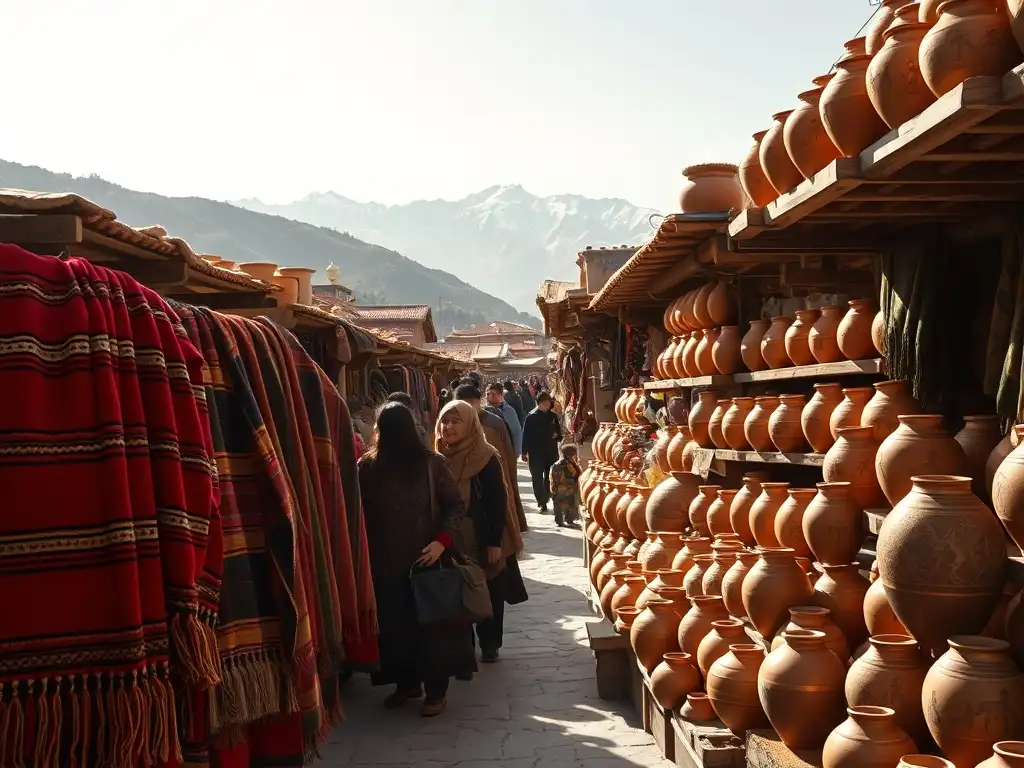
Navigating the vast expanse of the Pisac Market requires a discerning eye to uncover truly authentic Andean textiles and ceramics. Look beyond the mass-produced items often found near the main entrances and venture deeper into the labyrinthine alleys. Here, you'll encounter artisans showcasing their unique creations, often using traditional techniques passed down through generations. Authentic Andean textiles are characterized by their intricate designs, vibrant natural dyes, and the use of high-quality alpaca or llama wool.
Pay attention to the details – the meticulous weaving, the symbolic patterns, and the overall quality of the materials. Similarly, genuine Andean ceramics often exhibit pre-Columbian influences, with distinctive shapes, colors, and decorative motifs. Look for hand-painted designs, imperfections that speak to the handmade nature of the piece, and a sense of artistry that transcends mere mass production. Don't be afraid to ask questions; engaging with the artisans directly allows you to learn about their craft, the materials they use, and the stories behind their creations.
This interaction adds a personal touch and ensures you are supporting the preservation of Andean traditions. Remember that authentic Andean handicrafts often come with a higher price tag, reflecting the skill, time, and cultural significance invested in their creation. The investment is not just in a beautiful object but in the preservation of a rich cultural heritage.
Understanding the Significance of the Market Location in the Sacred Valley
The Pisac Market's location within the Sacred Valley of the Incas is far from coincidental; it's deeply intertwined with the region's history, culture, and spiritual significance. The Sacred Valley, a fertile oasis nestled in the Andes Mountains, was a crucial center of Inca civilization. Its rich agricultural lands provided sustenance, and its strategic location facilitated trade and cultural exchange. The Pisac Market, therefore, benefits from this historical context, drawing both artisans and tourists to a place steeped in ancient energy and tradition.
The breathtaking backdrop of towering mountains and lush valleys enhances the market experience, creating a truly immersive and memorable setting. The market's proximity to Inca ruins and other significant historical sites further underscores its cultural importance. Visitors can easily combine their market visit with explorations of nearby archaeological wonders, gaining a deeper understanding of the Andean civilization and the origins of the crafts on display.
The location, therefore, is not merely a geographical detail but a fundamental aspect of the Pisac Market's unique character and appeal. It's a place where history, culture, and commerce converge, creating a dynamic and enriching experience for all who visit. This convergence of historical significance and vibrant commerce makes the Pisac Market a truly exceptional destination for those seeking authentic Andean handicrafts and a deeper understanding of Andean culture.
The San Blas Artisan Neighborhood, Cusco, Peru: A Treasure Trove of Unique Andean Crafts
Cusco, the former capital of the Inca Empire, pulsates with history and tradition. Nestled within its ancient stone streets lies San Blas, a neighborhood renowned for its artisan workshops and vibrant market atmosphere. This isn't just any market; it's a living testament to the enduring legacy of Andean craftsmanship. Wandering through San Blas feels like stepping back in time, as you encounter generations of artisans meticulously crafting exquisite pieces.
The air is thick with the scent of wood, leather, and vibrant dyes, a sensory experience that encapsulates the heart of Andean culture. The narrow, cobblestone streets are lined with workshops, each a unique showcase of skill and artistry. You can observe artisans at work, their nimble fingers shaping clay, weaving intricate textiles, or carving intricate designs into wood. This direct interaction with the creators provides a unique opportunity to appreciate the dedication and passion behind each handcrafted item.
The sheer variety of goods available is astounding, from traditional textiles and ceramics to modern interpretations of ancient designs. San Blas offers a truly immersive experience, allowing visitors to not only purchase authentic Andean handicrafts but also to connect with the living heritage of the region. The energy is palpable, a blend of ancient traditions and modern creativity that makes San Blas an unforgettable destination for any lover of Andean culture.
Discovering Handcrafted Jewelry, Leather Goods, and Paintings in San Blas
San Blas offers a diverse range of high-quality Andean handicrafts. Handcrafted jewelry stands out, with pieces showcasing intricate silverwork often incorporating traditional Andean motifs like llamas, condors, and intricate geometric patterns. Many artisans utilize techniques passed down through generations, resulting in unique and timeless pieces. Beyond jewelry, the neighborhood is a haven for exquisite leather goods.
From intricately tooled belts and bags to finely crafted wallets and pouches, the leatherwork reflects both traditional techniques and modern design sensibilities. The quality of the leather is exceptional, often sourced from local artisans who carefully select and prepare their materials. The durability and artistry of these leather goods ensure they become cherished possessions. Finally, San Blas boasts an impressive collection of paintings.
While some artists depict traditional Andean scenes, others offer contemporary interpretations, blending ancient styles with modern perspectives. These paintings often feature vibrant colors and intricate details, capturing the essence of the Andean landscape and culture. The diversity of artistic expression, from the meticulous detail of the silver jewelry to the bold strokes of the paintings, makes San Blas a captivating destination for those seeking unique and authentic souvenirs.
Exploring the History and Heritage of Artisan Workshops in Cusco
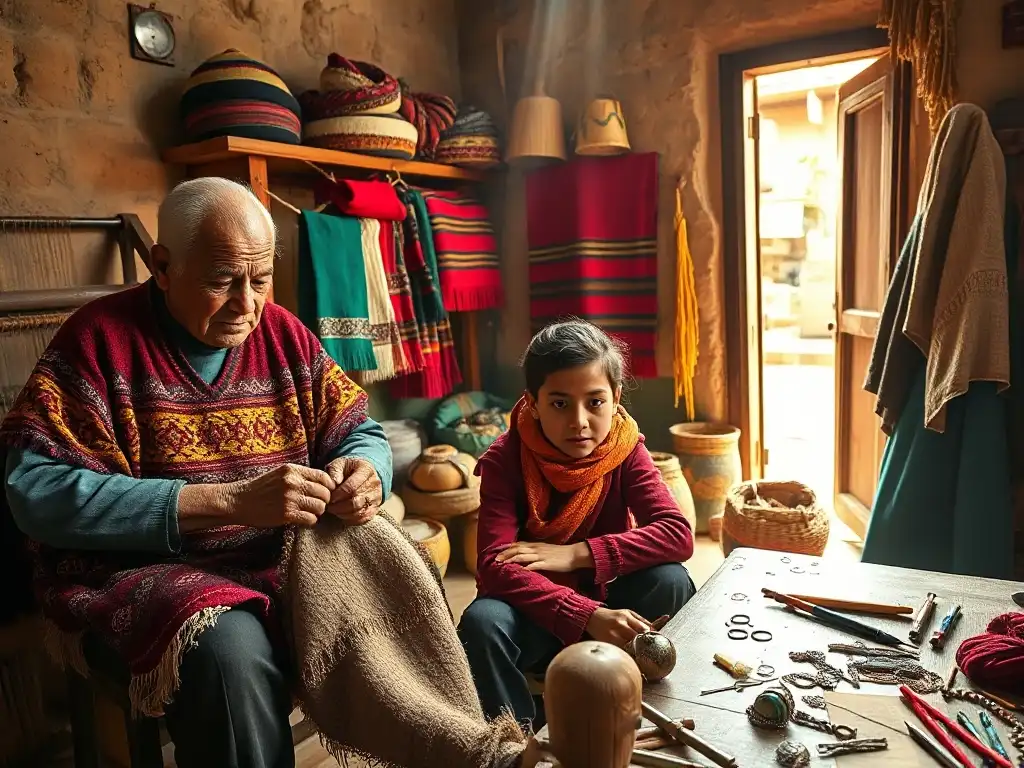
The artisan workshops in San Blas are not merely commercial ventures; they are living repositories of Andean heritage. Many of these workshops have been in operation for generations, with skills and traditions passed down through families. This continuity ensures the preservation of ancient techniques and designs, preventing them from being lost to time. The workshops themselves often reflect this history, with many housed in buildings that date back centuries.
These structures, with their thick stone walls and traditional architecture, contribute to the unique atmosphere of San Blas. Visiting these workshops provides a deeper understanding of the cultural significance of Andean handicrafts. It's an opportunity to witness the dedication and skill involved in creating these pieces, and to appreciate the artistry that has been passed down through generations. Moreover, supporting these workshops directly contributes to the economic well-being of the local community, ensuring the survival of these vital traditions.
The preservation of these workshops is essential not only for maintaining the cultural heritage of the Andes but also for ensuring the economic sustainability of the region. Their existence represents a powerful connection between the past and the present, a tangible link to the rich history and enduring legacy of Andean craftsmanship. The stories embedded within these workshops are as captivating as the handicrafts themselves, offering a profound insight into the heart of Andean culture.
The Mercado de Artesanías, La Paz, Bolivia: A Gateway to Authentic Bolivian Handicrafts
The Mercado de Artesanías in La Paz, Bolivia, is a vibrant hub teeming with authentic Andean handicrafts. Located in the heart of the city, this bustling market offers a sensory overload of sights, sounds, and smells, immersing visitors in the rich cultural tapestry of Bolivia. Unlike many tourist-oriented shops, the Mercado de Artesanías provides a genuine glimpse into the lives and artistry of Bolivian artisans. You'll find everything from intricately woven textiles to finely carved wooden figurines, all crafted with traditional techniques passed down through generations.
The sheer scale of the market is impressive; navigating its labyrinthine alleys and stalls is an adventure in itself, rewarding those who take the time to explore with unique and authentic treasures. The energy is palpable, a testament to the enduring spirit of Andean craftsmanship. Many vendors are the artisans themselves, offering first-hand accounts of their creative processes and the stories behind their pieces.
This direct interaction enhances the shopping experience, transforming it from a simple transaction into a cultural exchange. Bargaining is customary and expected, adding another layer of engagement to the process. Remember to approach the vendors with respect and appreciation for their artistry and dedication.
Exploring the Variety of Woven Goods, Alpaca Products, and Wood Carvings in La Paz
The Mercado de Artesanías showcases an incredible diversity of Andean handicrafts. Woven goods are a prominent feature, with textiles in a dazzling array of colors and patterns. These aren't mass-produced items; they are often hand-woven using traditional techniques, incorporating intricate designs that reflect Andean cosmology and symbolism. Alpaca products are another mainstay, ranging from soft, luxurious sweaters and scarves to intricately patterned rugs and wall hangings.
The quality of the alpaca wool is exceptional, known for its softness, warmth, and durability. Visitors can find everything from simple, everyday items to elaborate pieces suitable for collectors. Wood carvings are another area of expertise, with artisans showcasing their skills in creating beautiful and often whimsical figurines, masks, and decorative objects.
The wood used is often sourced locally, and the carvings often depict mythical creatures, historical figures, or scenes from daily life, providing a fascinating glimpse into Bolivian folklore and tradition. The variety extends to jewelry, ceramics, and leather goods, all reflecting the rich artistic heritage of the region and offering a wide selection to suit every taste and budget. Don't hesitate to ask vendors about the materials and techniques used; they are often eager to share their knowledge and passion.
Understanding the Cultural Significance of Bolivian Crafts
The handicrafts found in the Mercado de Artesanías are not merely decorative objects; they are imbued with deep cultural significance. Many designs incorporate ancient symbols and motifs, reflecting Andean cosmology, mythology, and spiritual beliefs. For example, certain colors and patterns may represent specific deities, natural elements, or social structures. The intricate weaving techniques themselves often hold symbolic meaning, representing the connection between the artisan and the spiritual world.
Understanding this cultural context enhances the appreciation of these pieces. Moreover, the creation and sale of these handicrafts play a vital role in preserving traditional skills and knowledge within Andean communities. Many artisans are part of cooperatives or family businesses that have been producing these goods for generations. By purchasing these items, visitors are directly supporting these communities and helping to sustain their cultural heritage.
The craftsmanship is not just a skill; it's a living tradition passed down through generations, a testament to the enduring resilience and creativity of Andean cultures. Choosing to buy authentic Andean handicrafts contributes to the preservation of this rich heritage and strengthens the bonds between communities and the wider world. It's a tangible way to connect with the history and culture of the Andes and support its vibrant artistic traditions.
Identifying Genuine Andean Handicrafts: Tips for the Discerning Buyer
Finding authentic Andean handicrafts can be a rewarding experience, but navigating the market requires a discerning eye. The proliferation of mass-produced imitations necessitates a deeper understanding of what constitutes a genuine article. This section provides key insights to help you identify authentic Andean handicrafts and support the artisans who create them. Understanding the nuances of materials, patterns, and techniques will empower you to make informed purchases and contribute to the preservation of this rich cultural heritage.
Looking for Natural Fibers and Materials in Andean Textiles
Andean textiles are renowned for their vibrant colors and intricate designs, but equally important is the quality of the materials used. Authentic Andean textiles often utilize natural fibers like alpaca, llama, vicuña, and cotton, each possessing unique characteristics. Alpaca wool, for instance, is known for its softness and warmth, while vicuña is exceptionally fine and luxurious. Look for the natural variations in color and texture—these are hallmarks of handcrafted items. Mass-produced imitations often employ synthetic fibers that lack the same richness and feel.
- Alpaca: Soft, warm, and durable. Often comes in a range of natural shades from creamy white to deep browns and blacks.
- Llama: Stronger and coarser than alpaca, but still warm and durable. Often used in rugs and heavier garments.
- Vicuña: Exceptionally soft and fine, considered the most luxurious of the Andean fibers. Pricier than alpaca and llama.
- Cotton: Grown extensively in the Andes, Andean cotton textiles often feature intricate weaving and dyeing techniques.
It's crucial to touch and feel the textiles. Genuine Andean fabrics possess a unique tactile quality, often exhibiting a subtle softness or a slight roughness depending on the fiber used. A close examination may reveal subtle imperfections, a testament to the handcrafted nature of the product. These minor irregularities are not flaws; they are indicators of authenticity.
Recognizing Traditional Patterns and Motifs in Andean Artisan Products
Beyond the materials, the patterns and motifs woven into Andean textiles and carved into other handicrafts are vital indicators of authenticity. These designs often tell stories, reflecting the rich mythology, cosmology, and daily life of the Andean people. Specific patterns and symbols can be associated with particular regions or ethnic groups.
For example, the khipu (a system of knotted cords used for record-keeping) inspired motifs frequently appear in textiles. Similarly, geometric patterns representing Andean landscapes or celestial bodies are common. Researching common Andean motifs before your shopping trip will significantly aid your discernment.
| Motif Category | Description | Example Locations/Groups |
|---|---|---|
| Geometric Patterns | Triangles, squares, zigzags, and other geometric shapes, often representing landscape or cosmology. | Widely used across various Andean regions. |
| Animal Representations | Llamas, alpacas, condors, and other animals significant to Andean culture. | Frequently seen in textiles and carvings. |
| Mythological Figures | Depictions of deities or mythical creatures from Andean mythology. | Often found in more elaborate pieces. |
| Floral and Botanical | Stylized representations of Andean flora. | Common in textiles and ceramics. |
Careful observation of these details allows you to distinguish between genuine handcrafted items and mass-produced copies that often lack the depth and complexity of traditional designs.
Understanding the Importance of Handcrafted Techniques
Many Andean handicrafts showcase sophisticated techniques passed down through generations. These techniques, often painstakingly slow, are integral to the value and authenticity of the piece. Look for evidence of hand-weaving, hand-spinning, hand-dyeing, or hand-carving. Examine the stitching, the precision of the design, and the overall finish. Imperfections, while present in handcrafted items, should be subtle and not detract from the overall quality. Mass-produced items often show signs of machine production, lacking the individual character of handcrafted pieces.
- Hand-weaving: Look for variations in thread tension and slight irregularities in the weave.
- Hand-spinning: The yarn may exhibit subtle variations in thickness.
- Hand-dyeing: Natural dyes often result in more subtle and varied color gradients than synthetic dyes.
- Hand-carving: Look for subtle imperfections and variations in the carving depth, indicative of manual work.
The presence of these handcrafted techniques is not just a matter of aesthetics; it reflects the dedication, skill, and cultural significance embedded in each piece. By appreciating these elements, you actively support the continuation of these invaluable traditions and contribute to the vibrant tapestry of Andean culture. Remember, purchasing authentic Andean handicrafts is not simply acquiring a souvenir; it's investing in a piece of history and supporting a living cultural heritage.
Avoiding Mass-Produced Imitations: A Guide to Spotting Fakes
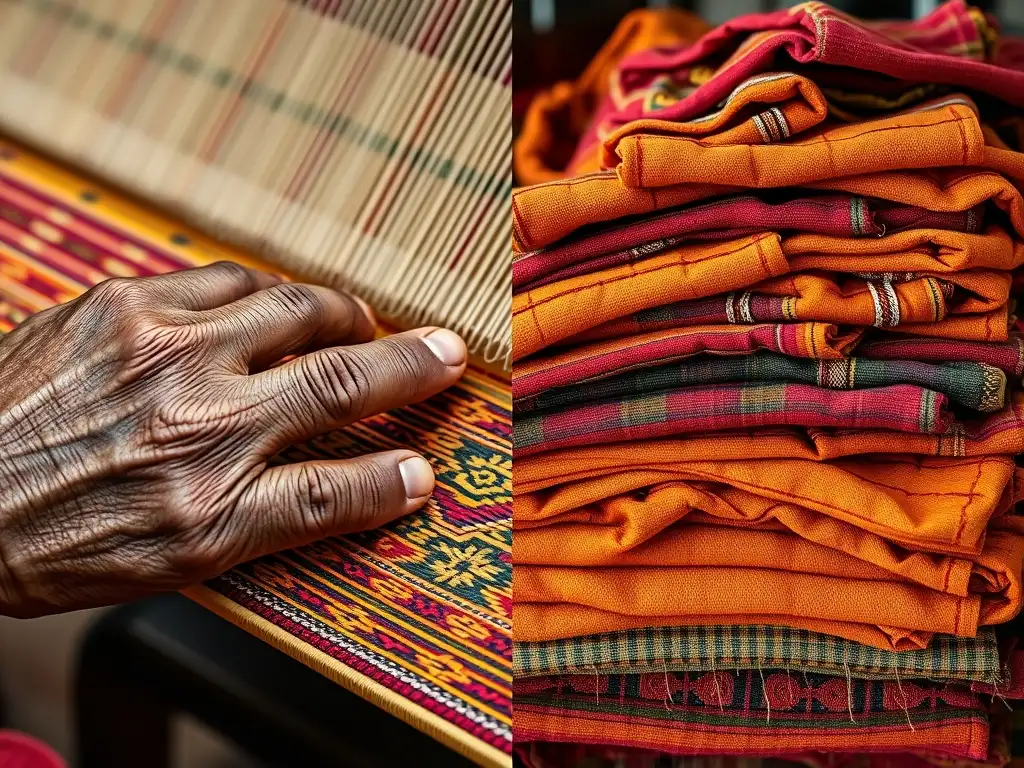
Identifying authentic Andean handicrafts requires a keen eye and a bit of knowledge. Mass-produced imitations, often churned out in factories, flood the market, diluting the cultural significance and economic benefit intended for the artisans. Distinguishing genuine pieces from fakes requires careful observation and understanding of traditional techniques.
One crucial aspect is examining the craftsmanship. Authentic Andean textiles, for instance, often exhibit irregularities—subtle variations in stitch size, slight imperfections in weaving—that are hallmarks of hand-made artistry. Mass-produced items, on the other hand, tend to be flawlessly uniform, a tell-tale sign of machine production. Look for inconsistencies: a slightly uneven hemline on a woven tapestry, a minor variation in the color of a hand-painted ceramic piece. These are not flaws; they are testament to the human hand behind the creation.
Another key element is the materials used. Traditional Andean crafts often utilize natural dyes derived from plants and minerals, resulting in a unique, sometimes slightly muted or uneven, palette. Bright, overly saturated colors should raise suspicion, as they often indicate the use of synthetic dyes. Similarly, the feel of the material can be revealing; genuine alpaca wool, for instance, possesses a unique softness and texture that is difficult to replicate artificially. Pay attention to the weight and drape of textiles, the smoothness or roughness of ceramics, and the solidity of wood carvings.
Finally, investigate the details. Authentic Andean designs frequently incorporate intricate patterns and symbols that reflect specific cultural beliefs and traditions. While mass-produced items might mimic these designs superficially, closer inspection often reveals a lack of depth and understanding in their execution. Look for subtle nuances in the patterns, the precision of the carving, and the overall aesthetic coherence. A genuine piece will often exhibit a level of detail and artistry that surpasses its mass-produced counterparts. Remember, patience and careful examination are crucial when navigating the world of Andean handicrafts.
Supporting Local Artisans: The Ethical Way to Purchase Andean Handicrafts
Buying Andean handicrafts is not merely a transaction; it’s an opportunity to support vibrant communities and preserve a rich cultural heritage. Choosing to purchase directly from local artisans ensures that the economic benefits directly reach the creators, empowering them to continue their traditions and sustain their livelihoods. This ethical approach fosters a sustainable relationship between consumers and producers, contributing to the preservation of cultural practices and the well-being of Andean communities.
Several strategies can help you identify and support local artisans. Visiting local markets, especially those outside of major tourist hubs, provides a more authentic experience and increases the likelihood of encountering artisans selling their own work. Look for smaller, independent shops and stalls, rather than large commercial outlets, where mass-produced goods are more likely to be sold. Engage in conversation with the sellers; ask about their techniques, materials, and the stories behind their creations. Genuine artisans are often proud of their work and happy to share their knowledge and traditions.
Moreover, consider purchasing from cooperatives or fair-trade organizations. These groups often work directly with artisans, ensuring fair wages and safe working conditions. They also play a vital role in preserving traditional techniques and promoting sustainable practices. By supporting these organizations, you contribute not only to the economic well-being of individual artisans but also to the collective preservation of Andean craftsmanship.
Remember that by making informed and ethical choices, you become a participant in the preservation of a remarkable cultural legacy. Your purchase is more than just an acquisition; it's a contribution to the continuity of Andean art and culture. Choosing to support local artisans is a rewarding experience, enriching both your personal collection and the lives of the talented individuals who create these exquisite pieces.
Beyond the Markets: Online Options for Authentic Andean Crafts
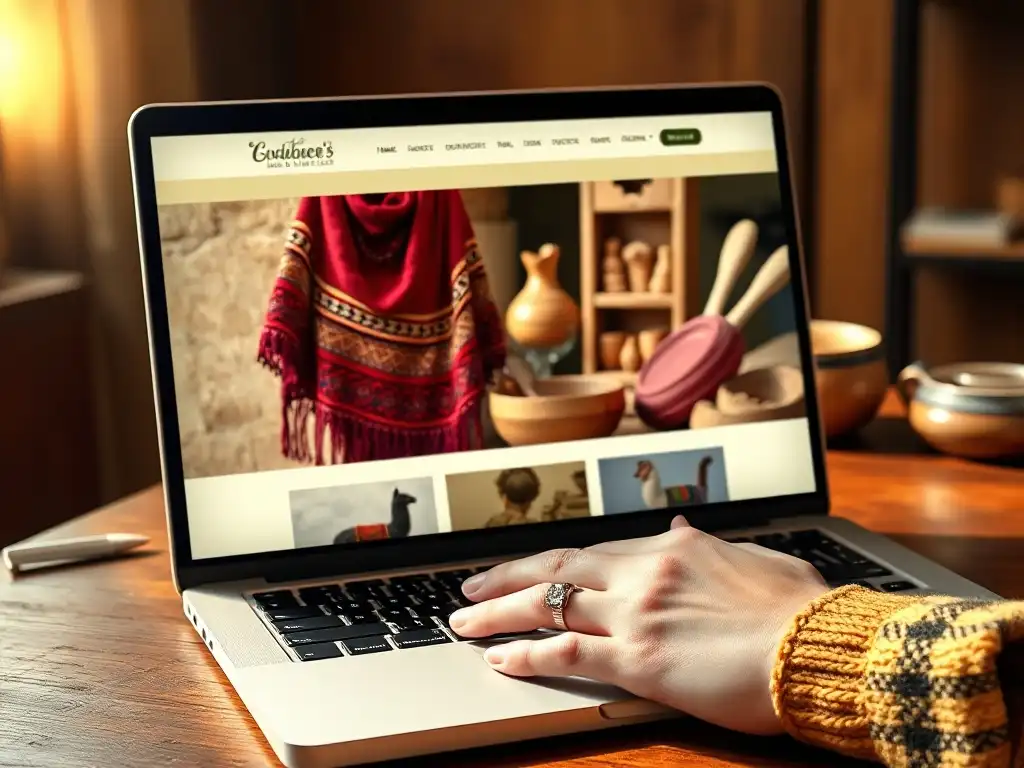
The vibrant tapestry of Andean handicrafts isn't confined to bustling markets. The digital age has opened up exciting new avenues for discovering and purchasing these unique treasures. While the experience of haggling in a traditional market holds its own charm, online platforms offer a convenient and often equally rewarding alternative for acquiring authentic Andean crafts.
This section explores the expanding world of online Andean handicraft shopping, highlighting both the opportunities and the precautions necessary to ensure a genuine and ethical purchase. The growth of e-commerce has significantly impacted the accessibility of Andean handicrafts, allowing artisans to reach a global audience and consumers to explore a wider variety of products.
Exploring Reputable Online Stores Selling Authentic Andean Goods, such as NOVICA
Several reputable online stores specialize in sourcing and selling authentic Andean handicrafts, directly supporting artisans and ensuring fair trade practices. These platforms often offer detailed product descriptions, highlighting the materials, techniques, and cultural significance of each piece. One example is NOVICA, a platform known for its commitment to ethical sourcing and its direct collaboration with artisans from around the world, including many from the Andes.
These online marketplaces often provide a level of transparency and verification that can be challenging to achieve in physical markets. They frequently feature artist profiles, allowing buyers to connect directly with the creators and learn about their craft and heritage. This offers a unique opportunity to appreciate the human element behind the creation of these beautiful objects, adding another layer to the purchasing experience.
Beyond NOVICA, numerous smaller, specialized online stores focus on Andean crafts. Researching these platforms carefully will reveal a diverse range of options, from textiles and ceramics to jewelry and wood carvings.
Tips for Purchasing Andean Handicrafts Online
Purchasing Andean handicrafts online requires careful consideration. Here are some key tips to ensure a positive and authentic experience:
- Read reviews carefully: Pay close attention to customer reviews, focusing on comments about the quality of the product, the accuracy of the description, and the seller's responsiveness. Look for consistent positive feedback regarding authenticity and customer service.
- Check the seller's credentials: Research the seller's background and reputation. Look for information about their commitment to fair trade practices and their relationship with Andean artisans. Reputable sellers will often highlight their ethical sourcing policies and provide details about the artisans they work with.
- Examine product details closely: Pay close attention to product descriptions, including materials, dimensions, and any specific techniques used in the creation of the item. High-quality photos from multiple angles are essential for assessing the craftsmanship and condition of the piece.
- Understand shipping costs and customs duties: Be aware of shipping costs and any potential customs duties or taxes that may apply. These can significantly impact the final cost, so it's crucial to factor them into your budget before making a purchase.
- Communicate with the seller: Don't hesitate to contact the seller with questions before making a purchase. A responsive and informative seller is a good sign of a trustworthy business.
Verifying the Authenticity of Online Andean Artisan Products
Verifying the authenticity of Andean handicrafts purchased online can be challenging, but several strategies can help. These include:
- Look for hallmarks and certifications: Some Andean handicrafts may bear hallmarks or certifications indicating their origin and authenticity. These markings, while not foolproof, can provide an additional layer of verification.
- Compare prices and details: Compare the price and details of the product to similar items offered by other reputable sellers. Significant discrepancies may indicate a counterfeit or an inaccurate description.
- Ask for additional information: If you have any doubts about the authenticity of a product, don't hesitate to ask the seller for additional information, such as photos of the craftsmanship details or proof of provenance. A reputable seller should be happy to provide this information.
- Seek expert advice: If you're purchasing a particularly valuable or significant piece, consider seeking the advice of an expert in Andean handicrafts before making a purchase. This can help ensure you're making an informed decision and acquiring a genuine item.
The online purchase of Andean handicrafts presents a unique blend of convenience and risk. By following these guidelines and exercising due diligence, you can significantly increase your chances of acquiring authentic and ethically sourced pieces, supporting Andean artisans while enriching your own collection. Remember, the commitment to fair trade and the preservation of cultural heritage are paramount when selecting online sources for these exquisite crafts.
Investing in Andean Handicrafts: More Than Just a Purchase
This section explores the multifaceted benefits of purchasing Andean handicrafts, moving beyond the simple act of acquiring a souvenir to understanding the significant cultural and economic impact of your purchase. Buying authentic Andean handicrafts is an investment in the preservation of a rich cultural heritage and the empowerment of artisan communities across the Andes. It's about supporting sustainable practices and ensuring the continuation of ancient traditions for generations to come.
Preserving Cultural Heritage Through the Support of Artisan Communities
The creation of Andean handicrafts is deeply intertwined with the cultural identity of the region. Each piece tells a story, passed down through generations of skilled artisans. From the intricate weaving techniques of the Andes to the meticulous detail in pottery and metalwork, these crafts represent a living legacy.
By purchasing these items, you directly support the artisans and their communities, helping them sustain their livelihoods and continue practicing their ancestral skills. This financial support is crucial for preserving these traditions, ensuring that the unique cultural heritage of the Andes isn't lost to time. Consider the impact: a single purchase can help an artisan family afford food, education, or essential supplies, directly contributing to their well-being and the preservation of their craft.
The economic ripple effect of supporting these communities extends far beyond the individual artisan, bolstering local economies and fostering cultural pride. Think of it as a form of cultural tourism that goes beyond simply visiting a site; it's actively participating in the preservation of a living culture.
The Enduring Value of Authentic Andean Crafts as Home Decor and Gifts
Beyond their cultural significance, Andean handicrafts offer exceptional value as home décor and thoughtful gifts. The quality of materials and craftsmanship ensures durability and longevity, making them treasured possessions that can be passed down through generations. The unique designs and vibrant colors add a touch of authenticity and character to any space, reflecting a connection to a rich and fascinating history.
Imagine the captivating stories these pieces could tell, adding a unique dimension to your home or serving as a memorable and meaningful gift. These aren't just decorative items; they are tangible pieces of history, each with a unique story to tell. The intricate detail and artistry present in Andean textiles, pottery, and jewelry are unmatched, creating pieces that are both beautiful and functional, far surpassing the fleeting appeal of mass-produced goods.
Their enduring value extends beyond monetary worth; they become cherished heirlooms, connecting present generations with the rich past of the Andean civilizations. This enduring value makes them a sound investment, both aesthetically and culturally.
The Story Behind Each Piece: Understanding the Cultural Context of Your Andean Souvenirs
Understanding the cultural context behind each Andean handicraft significantly enhances its value and meaning. Many pieces incorporate symbolic designs and motifs that reflect ancient beliefs, rituals, and traditions. For example, the use of specific colors or patterns may represent fertility, protection, or spiritual power. Taking the time to learn about the symbolism and history embedded within your purchase transforms it from a simple souvenir into a deeply meaningful artifact.
Researching the specific techniques and materials used in the creation of the piece further enriches your appreciation. This deeper understanding allows you to connect with the artisans' creativity and cultural heritage on a more profound level. Consider the potential: a simple alpaca wool scarf isn't just a piece of clothing; it's a testament to the ancient herding practices and the intricate weaving techniques passed down through generations.
Similarly, a ceramic pot may not only be functional, but it also might carry symbolic markings representing Andean cosmology or mythology. By appreciating the cultural context, you're not just buying a product; you're investing in a story, a tradition, and a culture. This added layer of understanding elevates the experience of owning and gifting Andean handicrafts.
Concluding Thoughts: Embracing the Richness of Andean Crafts
Purchasing Andean handicrafts is far more than a simple transaction; it's an investment in the preservation of a vibrant cultural heritage. Each piece tells a story, a testament to generations of skilled artisans who have painstakingly honed their craft, passing down techniques and traditions through time. By choosing to buy these exquisite items, you're not just acquiring a beautiful object; you're actively supporting these communities and ensuring the continuation of their artistry. The intricate weaving, the detailed pottery, the meticulously carved wood—these are not mere products; they are expressions of identity, spirituality, and deep-rooted connection to the land.
Consider the journey each piece has taken, from the hands of the artisan to your own, and appreciate the rich tapestry of history and culture it embodies. The beauty of Andean handicrafts lies not only in their aesthetic appeal but also in their profound cultural significance. By embracing these treasures, you become a part of a living legacy, helping to sustain the art and the communities that create it, ensuring that future generations can continue to appreciate and benefit from this incredible heritage.
The vibrant colors, intricate designs, and unique materials used all contribute to the exceptional quality and cultural significance of these handcrafted treasures. Remember, each purchase contributes directly to the economic well-being of the artisans and their families, helping to sustain their livelihoods and traditions for years to come. Supporting Andean artisans is a rewarding experience that enriches both your life and the lives of those who create these beautiful objects.
Frequently Asked Questions
Where can I find the best Andean handicrafts markets?
The article highlights several top markets across the Andes, focusing on locations offering authentic and high-quality Andean handicrafts. Specific market names and locations are detailed within the article itself for your exploration.
What kinds of handicrafts can I expect to find in these markets?
Expect a diverse range of goods, including textiles, ceramics, jewelry, and wood carvings. Many pieces reflect unique Andean artistry and traditional techniques.
Are the prices in these markets negotiable?
In many Andean markets, negotiation is expected and even encouraged. Don't be afraid to politely haggle for a better price, but always be respectful.
How can I ensure I'm buying authentic Andean handicrafts?
Look for handmade details, unique designs reflecting Andean cultural motifs, and consider purchasing from local artisans directly. Be wary of mass-produced imitations.
What's the best time of year to visit these markets for the best selection?
The best time varies by location and specific market. However, generally, peak tourist season often offers the widest selection, but expect larger crowds. The article provides details on ideal visiting times for specific markets.
Final Reflection: Weaving a Legacy: The Enduring Power of Andean Crafts
The vibrant tapestry of Andean handicrafts continues to thrive, a testament to the enduring spirit and ingenuity of its creators. These aren't simply souvenirs; they are living expressions of culture, history, and unparalleled artistry, deeply connected to the land and its people. The markets we've explored represent more than just places to shop; they are vital hubs preserving traditions and empowering communities.
The impact of these markets extends far beyond the sale of a beautiful textile or intricately carved piece. They represent a powerful link to the past, a vibrant present, and a hopeful future for Andean artisans. The hands that create are the hands that preserve.
This simple truth underscores the importance of supporting these markets, not just for the acquisition of beautiful objects, but for the preservation of a rich cultural heritage that deserves to flourish. The stories woven into each piece are as captivating as the craftsmanship itself, reminding us of the interconnectedness of our global community.
Now, consider your own relationship with handcrafted goods. What stories do your possessions tell? I urge you to seek out authentic Andean handicrafts, not just as a purchase, but as an act of cultural appreciation and support. By choosing to buy from these markets, you become a participant in the preservation of a legacy, ensuring that the vibrant threads of Andean culture continue to be woven into the fabric of our world for generations to come.
Discover Your Next Favorite Andean Treasure!
Thank you for exploring the rich world of authentic Andean handicrafts with us! We hope you've discovered the unique artistry of the Andes. Now, let's delve deeper into this vibrant culture.
**Here's how you can connect with the artistry of the Andes:**
- **Visit a local market featuring Andean crafts:** Experience the vibrant culture firsthand and support the talented artisans.
- Share your favorite discoveries on social media or with friends and family to inspire others to appreciate Andean handicrafts.
- Join an **online community** of Andean craft enthusiasts to learn, share experiences, and discover hidden gems together!
What beautiful Andean treasure are you most excited to find next? Share your thoughts in the comments below!