
The Condor's Flight: Understanding Bird Symbolism in Andean Weaving

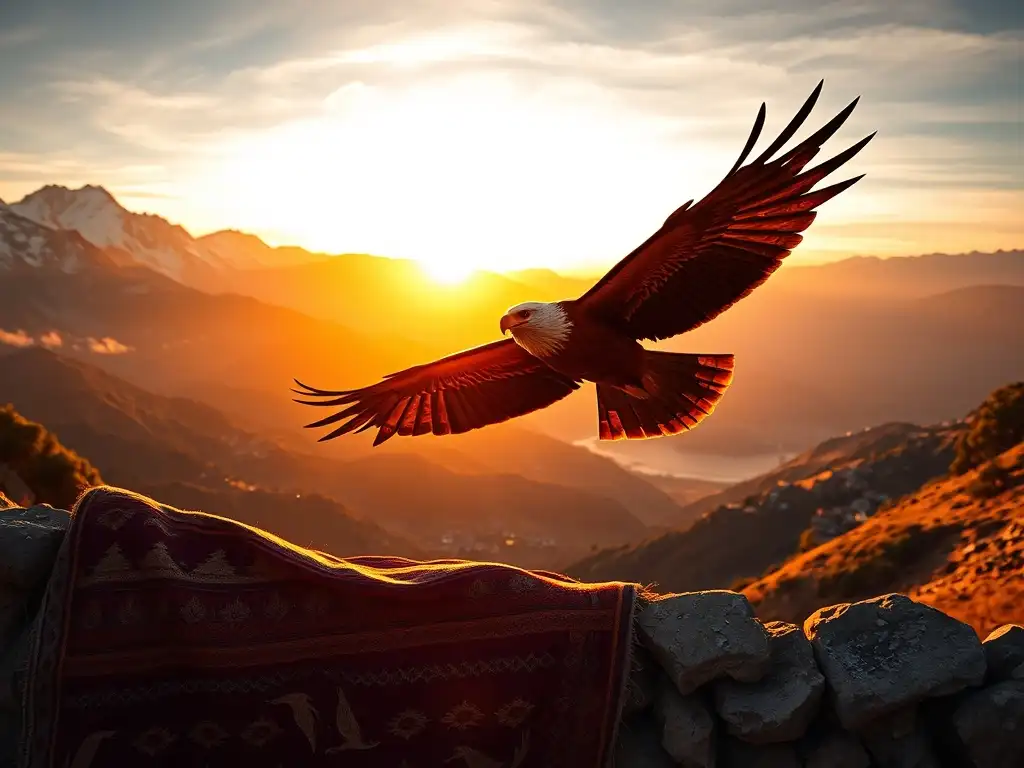
Step into a world woven with myth and majesty. For centuries, the Andes Mountains have echoed with the stories of powerful civilizations, their legacies intricately preserved in vibrant textiles. But what secrets do these ancient threads hold? Discover the profound meaning behind Andean bird symbolism in textiles, beginning with the majestic condor – a symbol of power and the sacred realm. Unravel the mysteries of Andean craftsmanship and unearth the captivating narratives embedded within their extraordinary weavings. Prepare to be amazed.
-
The Condor's Flight: Unraveling Andean Bird Symbolism in Textiles
- Introduction: Why Bird Motifs Dominate Andean Textiles
- The Significance of Birds in Andean Cosmology
- Decoding Andean Bird Symbolism in Weaving
- The Influence of Andean Bird Symbolism on Modern Textiles
- The Challenges of Authenticating Bird Symbolism in Andean Textiles
- Preserving Andean Textile Traditions and Their Bird Symbolism
- Conclusion: The Enduring Legacy of Andean Bird Symbolism
- Frequently Asked Questions
- Final Reflection: The Enduring Legacy of Andean Wings
- **Soar Into the World of Andean Symbolism! **
The Condor's Flight: Unraveling Andean Bird Symbolism in Textiles
The vibrant textiles of the Andes are renowned worldwide for their intricate designs and rich symbolism. Beyond their aesthetic beauty, these woven masterpieces offer a captivating glimpse into the spiritual beliefs, social structures, and daily lives of the ancient Andean civilizations.
This article delves into the prominent role of bird motifs in Andean weaving, exploring their significance within the broader context of Andean cosmology and their nuanced interpretations across different cultures and time periods. We will unpack the meaning behind specific avian representations, analyzing how these powerful symbols were woven into the very fabric of Andean society, reflecting their deep connection with the natural world and the spiritual realm.
Understanding Andean bird symbolism in textiles provides a crucial key to deciphering the complex narratives embedded within these extraordinary artifacts, offering a richer understanding of the sophisticated cultural tapestry of the Andean region. We will explore the symbolism of various birds, from the majestic condor to the humble hummingbird, and uncover the stories they tell.
Introduction: Why Bird Motifs Dominate Andean Textiles
Bird motifs are ubiquitous in Andean textiles, appearing across a vast array of garments, tapestries, and ceremonial objects. Their prevalence isn't merely decorative; it reflects the profound importance of birds within Andean cosmology and worldview. Birds, with their ability to traverse both earthly and celestial realms, were seen as intermediaries between the human world and the supernatural.
Their flight symbolized freedom, power, and connection to the divine. The specific bird depicted, however, held unique significance, conveying different messages depending on the context and the cultural group involved. For example, the condor, a powerful scavenger, often represented strength and authority, while smaller birds, like hummingbirds, could symbolize agility, grace, and even spiritual messengers.
The meticulous detail and vibrant colors used to depict these birds further emphasized their symbolic weight, showcasing the weaver's skill and the importance of the message conveyed. The meticulous craftsmanship involved further underscores the profound respect and reverence afforded to these avian symbols.
The Significance of Birds in Andean Cosmology
Andean cosmology viewed the world as a complex interplay of forces, with the natural world deeply intertwined with the spiritual realm. Mountains, rivers, and celestial bodies were all imbued with sacred significance, and birds, as inhabitants of both the sky and the earth, played a crucial role in this intricate system. Many Andean cultures believed that certain birds possessed supernatural powers or acted as messengers of the gods.
The condor, for instance, was often associated with the sun god, Inti, representing his power and authority. Hummingbirds, with their dazzling speed and agility, were sometimes viewed as spirits or intermediaries between the living and the dead. Different bird species held unique meanings depending on the specific Andean culture and time period, reflecting the diverse interpretations of the natural world across various regions.
Detailed depictions of birds often incorporated elements from mythology and folklore, enriching their symbolic power. The inclusion of other symbolic elements, such as plants or geometric patterns, further enhances the narrative conveyed within the textile.
Decoding Andean Bird Symbolism in Weaving
Analyzing Andean bird symbolism in textiles requires a multi-faceted approach. The type of bird, its position within the overall design, the accompanying colors and patterns, and the context of the textile itself all contribute to its interpretation. For example, a condor depicted in a prominent position on a ceremonial mantle might signify the wearer's high social status or connection to power.
In contrast, a hummingbird woven into a smaller section of a garment could signify a more personal or spiritual message. The use of specific colors further enhances the symbolism. Red, for example, is often associated with blood, sacrifice, and vitality, while white might represent purity or the sacred.
Researchers continue to unravel the intricacies of Andean textile symbolism, relying on a combination of archaeological evidence, ethnographic studies, and a deep understanding of Andean mythology and folklore. Understanding the cultural context is crucial for accurate interpretation and appreciation of these woven narratives. The study of Andean textiles is an ongoing process of discovery, with new insights constantly emerging as researchers delve deeper into these remarkable artifacts.
The Influence of Andean Bird Symbolism on Modern Textiles
Andean bird symbolism, particularly the powerful imagery of the condor, hummingbird, and other significant avian species, continues to exert a profound influence on contemporary textile production. Many modern artisans draw inspiration from ancient designs, reinterpreting traditional motifs in innovative ways. This isn't simply imitation; it's a vibrant continuation of a cultural legacy. We see this in the use of traditional dyes derived from natural sources, mirroring the practices of past generations.
The colors themselves – deep reds, vibrant yellows, and earthy browns – evoke the landscapes where these birds soar. Furthermore, modern weavers often incorporate contemporary techniques alongside traditional ones, creating a fusion of old and new. For example, some artisans might use a backstrap loom for the main body of a textile, but incorporate elements of machine-made thread for added strength or visual interest. This blending reflects both a respect for tradition and an openness to adaptation.
The result is a contemporary textile that not only displays stunning craftsmanship but also tells a compelling story of cultural continuity. The enduring appeal of these designs demonstrates the deep-seated cultural significance of Andean bird symbolism and its power to resonate across generations. The continued use of these motifs also ensures that these symbolic birds remain relevant and potent cultural touchstones in modern Peru and beyond.
The Challenges of Authenticating Bird Symbolism in Andean Textiles
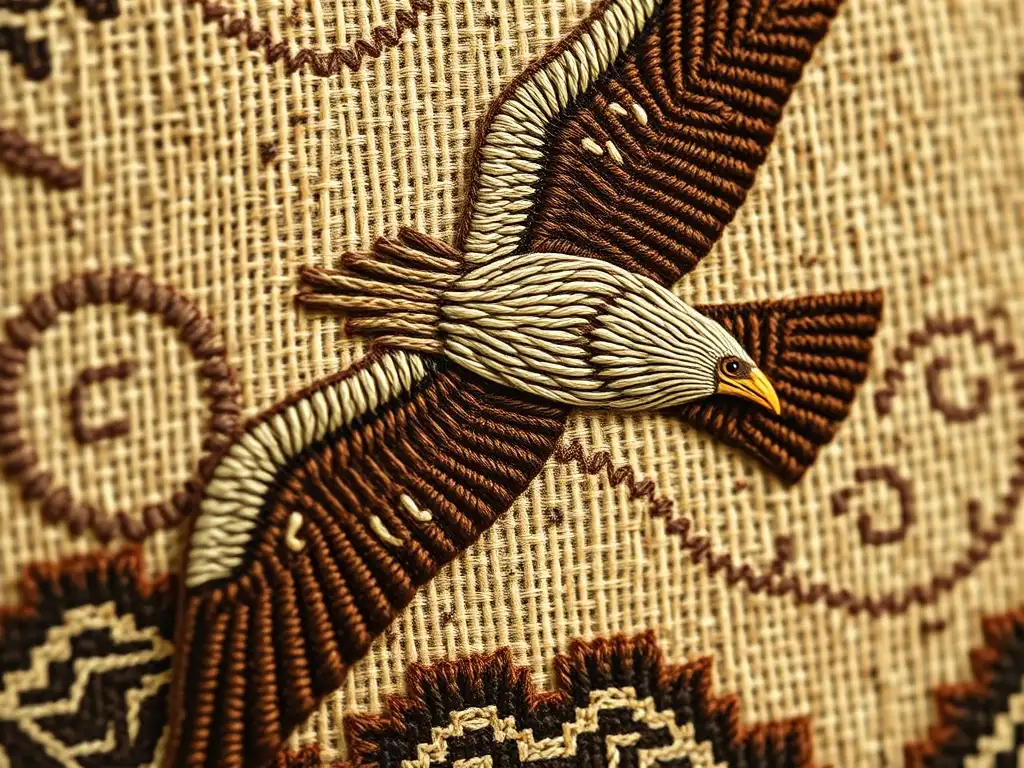
Authenticating the age and origin of Andean textiles featuring bird symbolism presents significant challenges. The lack of detailed historical records, combined with the prevalence of both genuine antique pieces and skillfully crafted reproductions, makes accurate assessment difficult. Many factors contribute to this difficulty. For example, the materials themselves can be deceptive.
While the use of natural dyes is a strong indicator of authenticity, determining the exact age of the dyes can be extremely challenging. Scientific methods, such as radiocarbon dating, are often prohibitively expensive and may not be suitable for all textile components. Furthermore, the stylistic evolution of Andean weaving means that certain motifs might appear in textiles spanning several centuries, making it difficult to pinpoint a precise date. The presence of certain bird species could indicate a particular region or time period, but these indicators are not always definitive.
Expert knowledge of weaving techniques, color palettes, and stylistic variations across different Andean cultures is essential for accurate authentication. This knowledge is often passed down through generations of textile specialists and requires careful study and observation. The market for authentic Andean textiles is substantial, leading to the creation of many high-quality forgeries, further complicating the authentication process. Therefore, a multi-faceted approach involving visual inspection, material analysis, and expert consultation is often necessary for credible authentication.
Preserving Andean Textile Traditions and Their Bird Symbolism
Preserving the rich tradition of Andean textile art, including its intricate bird symbolism, requires a multifaceted approach. One crucial aspect is the support and empowerment of indigenous communities and artisans. This includes providing access to resources, such as sustainable dyes and high-quality materials, ensuring fair compensation for their work, and facilitating market access. Education plays a vital role – teaching younger generations the traditional weaving techniques and the cultural significance of the bird motifs is essential for the continuation of this artistic heritage.
Museums and cultural institutions can contribute significantly through the careful preservation and exhibition of authentic Andean textiles, educating the public about their historical and cultural importance. Ethnographic research provides valuable insights into the meanings and interpretations associated with different bird species and their representation in textiles. By documenting these meanings, we can better understand the rich symbolic language embedded within these works of art.
Furthermore, digital archiving and documentation initiatives can help preserve and disseminate knowledge about Andean textile traditions, making it accessible to a wider audience. These efforts are vital to protect not only the tangible artifacts but also the intangible cultural heritage associated with Andean bird symbolism in textiles, ensuring its continued relevance and appreciation for generations to come. The preservation of these traditions is not merely about preserving artifacts; it's about preserving a living cultural legacy.
Conclusion: The Enduring Legacy of Andean Bird Symbolism
The intricate tapestry of Andean bird symbolism woven into textiles offers a captivating glimpse into the spiritual and cosmological beliefs of these ancient cultures. From the majestic condor soaring through the Andes, representing power and divinity, to the humble hummingbird, symbolizing agility and the connection between earthly and celestial realms, each avian representation carries profound meaning.
The careful selection of colors, the precise placement of the bird within the overall design, and the techniques used in their representation all contribute to a rich and layered interpretation. Studying these textiles is not merely appreciating artistry; it's deciphering a coded language that speaks volumes about the worldview and societal structures of past Andean communities.
The enduring legacy of Andean bird symbolism extends far beyond the archaeological record. These motifs continue to inspire contemporary Andean artists and textile makers, who incorporate traditional designs into their modern creations. This unbroken thread connecting past and present showcases the resilience and cultural richness of Andean traditions.
The continued use of these symbols highlights their ongoing relevance and their power to connect individuals to their heritage. Understanding this symbolism allows us to appreciate the depth and complexity of Andean culture, fostering a deeper connection to the rich history and artistic traditions of the region. The flight of the condor, and indeed all the birds depicted in these textiles, continues to carry the weight of Andean cosmology and spiritual beliefs into the modern era, reminding us of the enduring power of cultural heritage.
The legacy of these powerful symbols ensures that the voices and beliefs of these ancient civilizations continue to resonate strongly today. Their continued presence in contemporary art serves as a testament to the enduring power of these ancient beliefs and their continued influence on Andean identity.
Frequently Asked Questions
What is the significance of birds in Andean culture?
Birds held significant symbolic meaning in Andean cultures. They were often associated with spiritual power, deities, and the cosmos, reflecting the Andean worldview. Different birds carried different meanings depending on the specific culture and context.
Why are birds frequently depicted in Andean textiles?
Andean textiles served as powerful mediums for communication and storytelling. Depictions of birds, therefore, conveyed complex social, religious, and political messages, reflecting the importance of avian symbolism in their society.
What is the most common bird depicted in Andean weaving?
The condor is arguably the most frequently depicted bird in Andean weaving. Its powerful imagery represented strength, power, and connection to the Andes mountains and the spiritual world.
How did Andean weavers create such intricate bird designs?
Andean weavers employed highly sophisticated techniques, including complex dyeing processes and intricate weaving patterns, to create incredibly detailed and lifelike representations of birds in their textiles. Their skill was exceptionally refined.
Where can I see examples of Andean bird symbolism in textiles?
Examples of Andean bird symbolism in textiles can be found in museums worldwide and in private collections. Many archaeological sites also yield significant examples, offering insights into their cultural practices.
Final Reflection: The Enduring Legacy of Andean Wings
The vibrant threads of Andean weaving tell more than just a story; they whisper the enduring power of bird symbolism, a legacy that continues to resonate in contemporary art, culture, and even our understanding of environmental stewardship. The intricate designs, meticulously crafted over centuries, aren't merely decorative; they are potent expressions of spiritual beliefs, social structures, and a deep connection to the Andean landscape. This connection, once primarily understood within the context of ancient cultures, now holds vital lessons for our own relationship with the natural world.
The condor, the hummingbird, the eagle – these avian figures, woven into the very fabric of Andean life, continue to inspire awe and reflection. Their symbolic weight transcends the textile itself, shaping narratives of power, freedom, and the delicate balance between the earthly and spiritual realms. The bird is a symbol of the soul, its flight a metaphor for the journey of life.
This sentiment, though not directly from Andean tradition, perfectly encapsulates the enduring power of these avian motifs. Their continued presence in modern Andean art demonstrates the ongoing relevance and vitality of these ancient symbols, a testament to their enduring cultural significance.
Consider the intricate detail, the painstaking effort involved in creating these weavings. Reflect on the stories they tell, the beliefs they represent. You, too, can weave your own understanding of these powerful symbols into the tapestry of your life. Let the flight of the condor inspire your own aspirations for freedom and resilience. Let the hummingbird's agility remind you of the importance of adaptability and grace. Let the eagle's vision guide you towards a clearer understanding of your own path. The legacy of Andean weaving is a gift; embrace its wisdom and let it enrich your own journey.
**Soar Into the World of Andean Symbolism! **
Thank you for exploring the fascinating world of Andean weaving and the powerful symbolism of the condor. Understanding the significance of these magnificent birds provides a profound connection to the rich cultural heritage of the Andes. Let's deepen your understanding even further!
- **Immerse yourself:** Visit a local museum or cultural center to examine Andean textiles firsthand and appreciate the intricate details and their meanings.
- **Share your knowledge:** Discuss your discoveries with friends, family, or online communities to help spread appreciation for the beauty of Andean culture.
- **Get creative:** Create your own woven piece inspired by Andean patterns, or keep a journal to record your interpretations of the symbolism within the textiles.
As you continue your exploration, consider this: What other natural symbols resonate with you, and how might they inspire your own creative endeavors?