
The Future of Tradition: How Andean Markets are Adapting to the Modern World

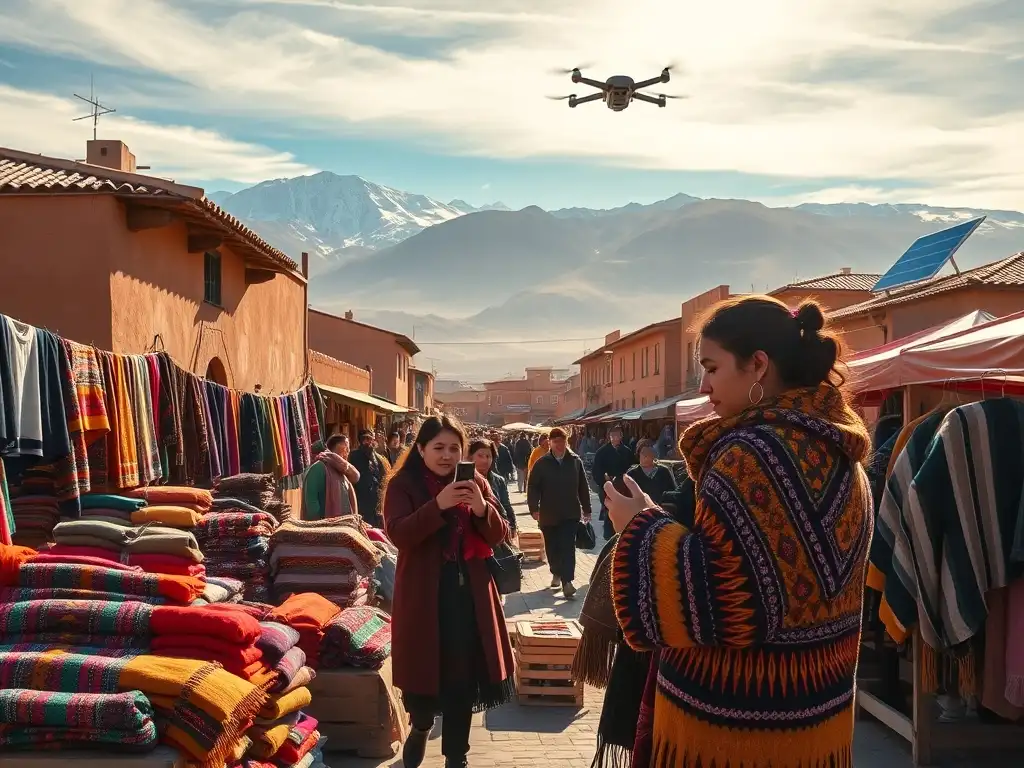
Step into a world lost in time, yet vibrantly alive. Imagine bustling Andean markets, echoes of ancient traditions resonating in the heart of modern life. Discover how the ingenuity of the Incas, Moche, and other remarkable Andean civilizations continues to shape the present. Our exploration of "Andean markets modern adaptation" reveals a captivating story of resilience and innovation – a tale you won't want to miss. Uncover the secrets of this enduring legacy and witness the future of tradition unfolding before your eyes.
The vibrant tapestry of Andean culture is intricately woven with the threads of its traditional markets. For centuries, these bustling marketplaces have served as the heart of Andean communities, showcasing exquisite handicrafts, fresh produce, and the unique spirit of the region. However, the modern world presents unprecedented challenges to these age-old traditions.
This article delves into the fascinating evolution of Andean markets, exploring how they are navigating the complexities of globalization, technological advancements, and the ever-changing demands of a globalized consumer base. We will examine the strategies employed to preserve cultural heritage while embracing innovative approaches to ensure the continued prosperity of these vital economic and cultural hubs.
Understanding this adaptation is crucial to appreciating the resilience and ingenuity of Andean communities in the face of modernity, and to supporting the continued creation and appreciation of their remarkable crafts. The keyword phrase "Andean markets modern adaptation" will be explored in detail, providing insights into the successful strategies employed and the challenges that still remain.
Understanding the Challenges Facing Traditional Andean Markets
Traditional Andean markets face a multitude of challenges in the modern era. Competition from mass-produced goods, often cheaper and more readily available, poses a significant threat to the livelihoods of artisans who rely on these markets. Furthermore, the changing demographics of Andean communities, with younger generations often migrating to urban centers in search of work, creates a potential skills gap in the production of traditional handicrafts.
The lack of access to reliable infrastructure, such as reliable internet connectivity and efficient transportation networks, further hinders the ability of artisans to reach wider markets and compete effectively. This also impacts their ability to engage in e-commerce and other digital marketing strategies.
Many smaller, more remote markets struggle with inconsistent tourist traffic, making their income unpredictable and unstable. Seasonal variations in agricultural produce also affect the stability of food markets. Finally, the preservation of traditional techniques and knowledge faces the challenge of competing with the allure of faster, more efficient, but potentially less culturally rich, methods of production. The need for sustainable practices and fair trade is also becoming increasingly important.
The Impact of Globalization on Andean Handicrafts
Globalization presents both opportunities and challenges for Andean handicrafts. While it opens doors to international markets and a wider customer base, it also intensifies competition from cheaper, mass-produced goods. This necessitates a shift towards higher quality, unique, and ethically sourced products to stand out in a crowded marketplace. The rise of e-commerce platforms offers a significant opportunity for artisans to bypass traditional intermediaries and connect directly with consumers worldwide.
However, this requires acquiring digital literacy skills and navigating the complexities of online marketplaces. This increased competition also pushes Andean artisans to innovate and create new designs while preserving the essence of their cultural heritage. The successful integration of modern business practices, such as branding and marketing, is crucial for long-term sustainability. Many markets are now actively working with international organizations and fair trade initiatives to ensure ethical practices and fair compensation for their artisans.
Preserving Cultural Heritage in a Digital Age
Preserving the cultural heritage embedded within Andean markets requires a multifaceted approach. This involves not only supporting the continued production of traditional handicrafts but also documenting and sharing the knowledge and skills associated with their creation. Digital technologies play a crucial role here, allowing for the creation of online archives of traditional techniques, patterns, and stories.
Furthermore, online platforms can be used to connect artisans with educators and researchers, fostering collaboration and the preservation of traditional knowledge. The use of digital tools for marketing and sales also allows artisans to reach a broader audience and share their cultural heritage with the world. However, this must be done thoughtfully, avoiding the risk of cultural appropriation and ensuring that the artisans themselves retain control over their intellectual property and cultural heritage.
The integration of traditional practices with modern technologies allows for the continued preservation and evolution of Andean cultural heritage in a dynamic global context. This represents a fascinating and crucial balance between tradition and innovation.
The Need for Modernization in Andean Marketplaces
The vibrant tapestry of Andean markets, brimming with handcrafted textiles, intricate ceramics, and vibrant artwork, faces a critical juncture. While these marketplaces represent a powerful connection to a rich cultural heritage, their survival in the face of globalization and evolving consumer preferences necessitates a significant modernization effort. Many traditional markets struggle with limited infrastructure, hindering accessibility for both vendors and customers. Lack of proper sanitation facilities, inadequate storage solutions for perishable goods, and unreliable electricity supply are common challenges. These issues not only impact the quality of the shopping experience but also pose significant health and safety risks.
Furthermore, the absence of organized marketing strategies and limited access to digital platforms restricts the reach of these artisans and their products to a largely local audience. In a world increasingly driven by online commerce, this limitation significantly impacts their economic viability and potential for growth. The lack of formal business training and financial literacy among many vendors further exacerbates these issues, hindering their ability to effectively manage their businesses and compete in a dynamic market. This modernization isn't about replacing tradition, but rather about empowering it to thrive in the 21st century.
It's about preserving the unique cultural heritage of Andean markets while equipping them with the tools necessary to succeed in the modern world. Failing to address these challenges risks the gradual erosion of these vital cultural hubs and the loss of invaluable traditional skills and artistry. The preservation of Andean markets is not merely an economic issue; it's a crucial aspect of safeguarding cultural identity and heritage for future generations. The need for a strategic and holistic approach to modernization is therefore paramount.
- Understanding the Challenges Facing Traditional Andean Markets
- The Impact of Globalization on Andean Handicrafts
- Preserving Cultural Heritage in a Digital Age
- The Need for Modernization in Andean Marketplaces
- Affiliate Marketing: Connecting Customers with Authentic Andean Products
- Partnering with Ethical Craft Retailers
- Affiliate links to websites like Novica and Ten Thousand Villages
- High CPC Keywords: Targeting Interested Buyers
- Keywords like "Peruvian textiles online," "handwoven alpaca scarves," "authentic Andean pottery"
- Creating targeted content to attract high-paying customers.
- Diversifying Revenue Streams: Beyond Direct Sales
- Offering online workshops on Andean weaving or pottery.
- Selling digital patterns or guides for traditional crafts.
- Case Study: The Pisac Market's Digital Transformation
- How the Pisac Market used Shopify to reach new customers.
- The impact on local artisans and the community.
- The Rise of Andean Artisan Cooperatives
- Collaborative efforts to increase production and reach.
- How technology has helped in managing inventory and distribution.
- Essential Tools for Digital Marketing
- Affordable cameras and lighting equipment for product photography
- User-friendly website builders and e-commerce platforms like Shopify
- Payment Gateways that Facilitate Online Transactions
- Logistics and Shipping Solutions
- Affordable and Reliable Shipping Options for International Orders
- Packaging materials that protect delicate handicrafts.
- Recommendation for DHL's international shipping services.
- How are traditional Andean markets adapting to modern technologies?
- What challenges do Andean markets face in the modern world?
- How are Andean markets preserving their cultural heritage?
- What role does tourism play in the adaptation of Andean markets?
- Are Andean markets successfully balancing tradition and modernity?
The Solution: Bridging the Gap Between Tradition and Modernity
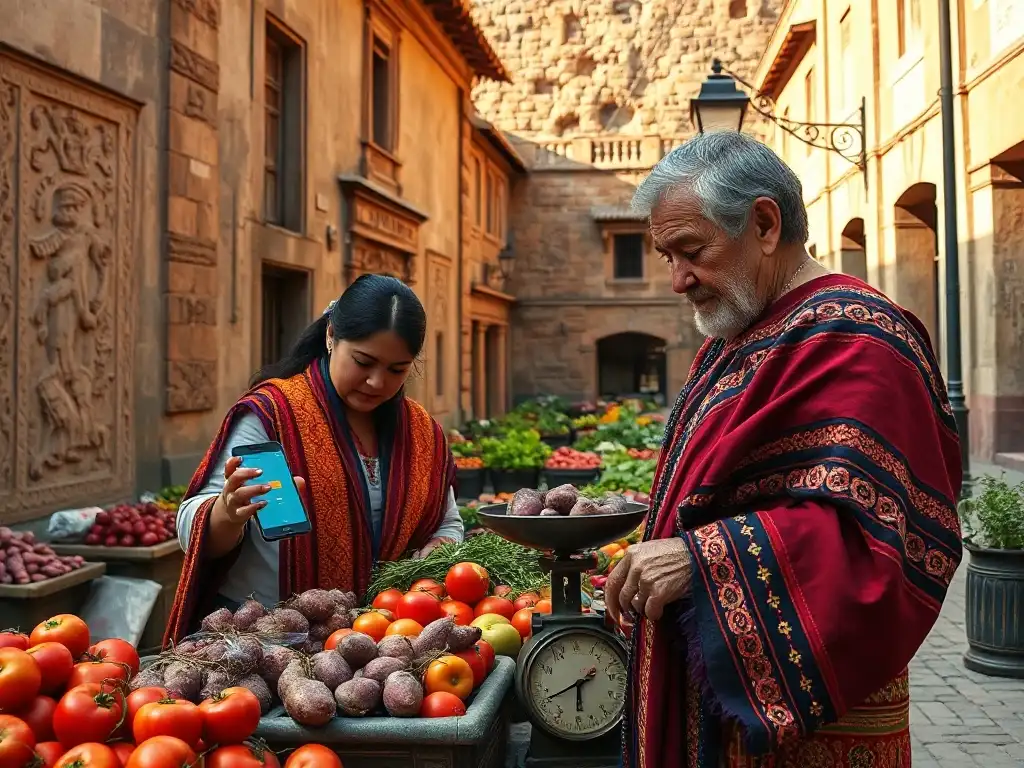
The challenge of preserving Andean craft traditions while adapting to the demands of a globalized market is significant. However, innovative solutions are emerging, effectively bridging the gap between ancient techniques and modern business practices. This isn't simply about selling more goods; it's about ensuring the sustainability of these invaluable cultural legacies for future generations.
The key lies in understanding and leveraging the power of technology and strategic partnerships to empower Andean artisans and connect them with a wider audience. This section will explore some of the most effective strategies currently in use, demonstrating how Andean markets are successfully navigating the complexities of modern adaptation. The successful integration of traditional practices with modern marketing and sales strategies is crucial for the continued flourishing of Andean handicrafts.
Digital Platforms: Empowering Andean Artisans
Digital platforms offer unprecedented opportunities for Andean artisans to reach global markets. Websites, social media, and e-commerce marketplaces provide avenues for direct-to-consumer sales, bypassing traditional intermediaries and increasing profit margins. This direct connection allows artisans to showcase the unique stories and craftsmanship behind their work, building personal brands and fostering deeper customer relationships. Furthermore, the accessibility of online platforms democratizes the market, allowing smaller, independent artisans to compete on a level playing field with larger businesses.
The ability to showcase high-quality photos and videos of their products is a powerful tool, allowing potential buyers to appreciate the intricate details and artistry involved in creating these handcrafted items. This visual element is particularly crucial for conveying the authenticity and cultural significance of Andean crafts. The use of targeted advertising on social media platforms also allows artisans to reach specific demographics interested in their products, maximizing marketing efficiency.
E-commerce Solutions for Andean Crafts
The adoption of e-commerce solutions is critical for the modern adaptation of Andean markets. Beyond simply listing products online, successful strategies involve careful consideration of several factors. This includes professional photography showcasing the craftsmanship, compelling product descriptions highlighting the cultural significance and unique selling points, secure payment gateways to ensure safe transactions, and reliable shipping solutions that handle the often-fragile nature of handcrafted goods.
Effective use of search engine optimization (SEO) is also crucial to improve online visibility and attract potential customers searching for "Andean markets modern adaptation" and related keywords. Furthermore, multilingual websites and customer service can significantly expand the reach of Andean artisans to international markets.
This requires investment in both technology and training, empowering artisans with the skills needed to manage their online presence and engage with customers effectively. The integration of e-commerce with traditional marketing methods, such as participation in local markets and festivals, can create a synergistic approach, maximizing both online and offline sales.
Case Study: Awamaki's Success on Etsy
Awamaki, a Peruvian organization supporting women artisans, provides a compelling case study of successful e-commerce integration. By leveraging platforms like Etsy, Awamaki has not only generated significant revenue for its artisans but also raised awareness of their skills and the cultural heritage they represent. Their success demonstrates the potential for scaling traditional crafts through well-executed digital strategies.
Their careful curation of products, high-quality photography, and compelling storytelling have resonated with a global audience. Awamaki’s focus on fair trade principles and transparency further enhances their brand appeal, attracting customers who value ethical and sustainable practices. Their success highlights the importance of a holistic approach, combining digital marketing with a strong commitment to artisan empowerment and cultural preservation.
The meticulous attention to detail in their product presentation, coupled with their clear communication of the social impact of their work, demonstrates a winning formula for the future of Andean markets. Analyzing Awamaki's strategies offers valuable insights for other Andean artisans seeking to adapt to the modern world and thrive in the global marketplace.
Showcasing Unique Products: From Alpaca Textiles to Carved Gourds
Andean markets are renowned for their incredible diversity of handcrafted goods. To thrive in the modern world, these markets must effectively showcase this unique range of products. This involves not just displaying the items themselves, but also effectively communicating their origins, techniques, and cultural significance. Consider the intricate alpaca textiles, for example.
These aren't just sweaters; they represent generations of knowledge passed down through families, utilizing traditional dyeing techniques and intricate weaving patterns unique to specific Andean communities. Similarly, the carved gourds, often adorned with vibrant colors and intricate designs, tell stories of ancient traditions and beliefs. Effective marketing needs to highlight this rich tapestry of cultural heritage. Successful markets are increasingly using high-quality photography and videography to capture the artistry and detail of these products, showcasing the unique texture of the alpaca wool, the vibrant hues of the natural dyes, and the delicate craftsmanship of the gourds.
This visual storytelling is crucial in attracting a broader, more discerning clientele. Furthermore, clear and concise descriptions that go beyond simple product names are essential. Information about the artisans, their communities, and the techniques employed adds immense value and authenticity, transforming a simple purchase into a meaningful experience. The key is to move beyond simply selling goods to sharing a cultural narrative.
The Power of Storytelling in Marketing Andean Goods
The success of Andean markets in the modern world hinges on their ability to connect with consumers on an emotional level. This is where storytelling becomes paramount. Each handcrafted item holds a story—a story of the artisan's skill, the community's traditions, and the rich cultural heritage of the Andes. Instead of focusing solely on the functional aspects of a product, marketplaces and individual vendors should weave narratives around the items.
For instance, a simple woven basket might be presented as a legacy passed down through generations, reflecting the enduring spirit of a particular Andean community. A ceramic piece could be described as a reflection of ancient myths and beliefs, connecting the consumer to a timeless tradition. These stories should be authentic, relatable, and engaging, conveying the passion and dedication of the artisans. The use of digital platforms like social media allows for impactful storytelling through videos, images, and interactive posts.
Imagine a short video showcasing the process of creating a traditional Andean textile, from shearing the alpaca to the final weaving stage, narrated by the artisan themselves. This personal connection humanizes the product and adds a layer of authenticity that resonates deeply with consumers. Furthermore, incorporating elements of local languages and traditions into the marketing materials adds a unique touch, further enhancing the cultural authenticity of the products. The aim is not just to sell goods but to share a cultural experience.
Highlighting the Craftsmanship and Heritage of Each Item
In a world saturated with mass-produced goods, the unique craftsmanship and heritage of Andean products are their greatest assets. To capitalize on this, markets need to actively highlight the intricate details and the cultural significance embedded in each item. This requires more than just a simple label; it requires a conscious effort to educate consumers about the techniques, materials, and cultural context behind the creation of these goods. For example, highlighting the traditional methods of natural dyeing used for alpaca textiles, explaining the symbolic meaning of specific patterns, or detailing the meticulous process of creating a hand-carved wooden figure significantly enhances the perceived value of these items.
Using QR codes linked to detailed information about the artisan and the creation process can provide a richer experience for the consumer. This allows for a deeper understanding of the cultural significance and the immense skill required to create such intricate pieces. Furthermore, markets can organize workshops and demonstrations where artisans can directly interact with consumers, showcasing their skills and sharing their knowledge.
This creates a personal connection, fostering appreciation for the craftsmanship and the cultural heritage it represents. Ultimately, this approach transforms the purchase of an Andean craft into an investment in cultural preservation and a celebration of human artistry. The emphasis should always be on the story behind the item, its unique history, and the skill of its creator – thus enhancing both the perceived and actual value of the product in the modern marketplace.
Monetizing the Adaptation: Opportunities for Growth
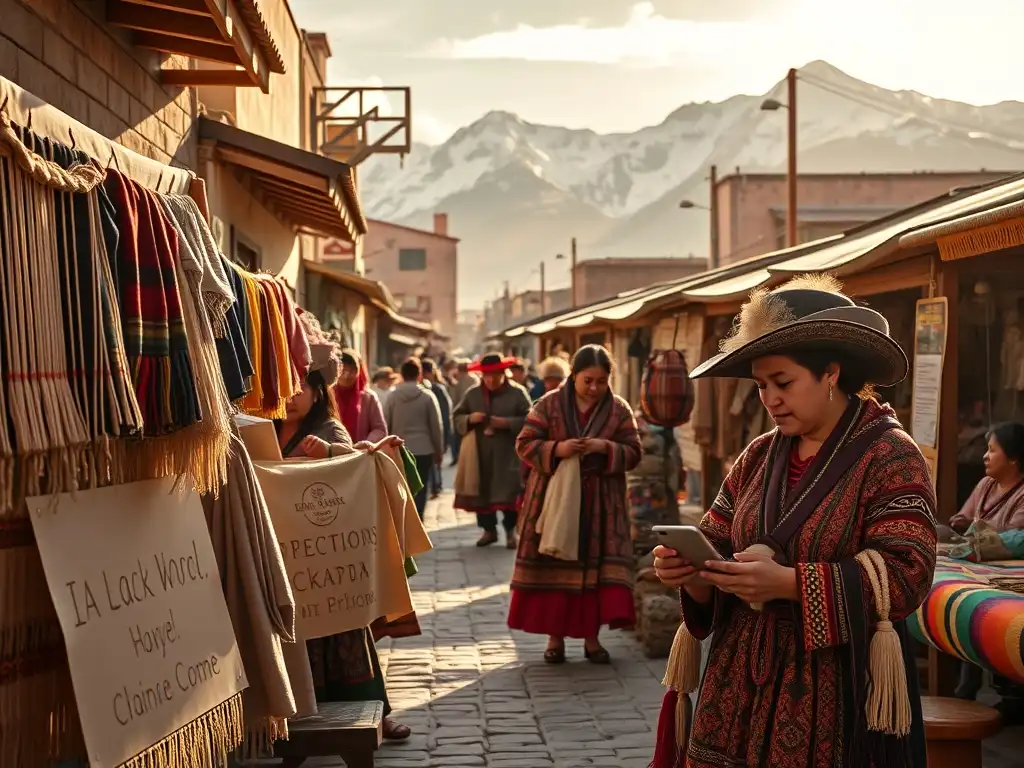
The successful adaptation of Andean markets to the modern world presents exciting opportunities for economic growth and empowerment within Andean communities. This isn't just about preserving tradition; it's about creating sustainable livelihoods that honor the past while embracing the future. By leveraging modern technologies and marketing strategies, artisans can reach wider audiences and command fairer prices for their unique handcrafted goods. This section explores several key avenues for monetizing this adaptation, focusing on strategies that support ethical and sustainable practices.
Affiliate Marketing: Connecting Customers with Authentic Andean Products
Affiliate marketing offers a powerful, low-risk way for Andean artisans and market vendors to expand their reach and increase sales. By partnering with relevant websites, blogs, or influencers focused on travel, handicrafts, or ethical consumerism, they can generate commissions on sales driven through unique affiliate links. This strategy requires minimal upfront investment, focusing instead on building relationships and creating compelling product descriptions that highlight the authenticity and cultural significance of Andean handicrafts.
For example, an artisan specializing in intricate silver jewelry could partner with a travel blog featuring articles on exploring Peru. The blog would include affiliate links to the artisan's online store or Etsy shop, allowing readers to purchase directly while the artisan receives a percentage of each sale. The success of this model hinges on selecting appropriate affiliate partners who align with the artisan's values and target audience.
Careful tracking of affiliate link performance is crucial to optimize campaigns and identify the most effective partnerships. This data-driven approach allows for continuous improvement and maximizes return on investment. The key here is authenticity: highlighting the story behind the craft, the artisan's skills, and the cultural context of the product.
Partnering with Ethical Craft Retailers
Collaborating with established ethical craft retailers provides another avenue for increased market access and financial stability. These retailers often have existing customer bases and established online presences, reducing the burden on individual artisans to build their own marketing infrastructure. However, it's crucial to carefully vet potential partners, ensuring they prioritize fair trade practices, transparent pricing, and ethical sourcing.
Negotiating favorable terms is essential, ensuring artisans receive a fair share of the profits and maintain control over their creative output. Some retailers specialize in specific craft types or regions, offering opportunities for artisans to connect with highly targeted audiences. For instance, a weaver specializing in intricate Andean textiles could partner with a retailer focused on sustainable and ethically sourced home goods.
The benefits extend beyond financial gain; partnerships can also offer access to workshops, training, and mentorship opportunities, helping artisans further develop their skills and business acumen. This collaborative approach fosters a sense of community and shared responsibility, contributing to the long-term sustainability of Andean craft traditions.
Affiliate links to websites like Novica and Ten Thousand Villages
Leveraging existing platforms like Novica and Ten Thousand Villages, known for their commitment to fair trade and ethical sourcing, provides a readily available route to market. These established online marketplaces already have a substantial customer base interested in purchasing authentic handcrafted goods. By creating affiliate links to their product listings, artisans can tap into this pre-existing network of buyers.
This requires less marketing effort compared to building an independent online store, allowing artisans to focus on production and creative development. However, it is important to understand the commission structures and terms of service offered by these platforms. While they offer a convenient route to market, artisans should carefully consider the potential impact on their profit margins and brand control.
It's vital to compare the benefits and drawbacks of using these established platforms versus building an independent online presence, weighing factors such as commission rates, marketing support, and control over branding and pricing. Understanding the nuances of each platform is critical to making an informed decision that aligns with the artisan's long-term goals. The key is to strategically utilize these resources to complement other marketing efforts, maximizing reach and revenue while maintaining authenticity and control.
High CPC Keywords: Targeting Interested Buyers
The adaptation of Andean markets to the modern world presents a significant opportunity to leverage high CPC (Cost Per Click) keywords. These are keywords that indicate a strong purchase intent, meaning advertisers are willing to pay a premium for clicks because they translate into higher conversion rates. For Andean handicrafts, this means focusing on keywords that reflect a specific need or desire, rather than broad, general terms.
Instead of simply "Andean crafts," consider keywords like "handcrafted alpaca wool sweaters," "authentic Inca-inspired jewelry," or "unique Peruvian textiles for home decor." The specificity increases the likelihood of attracting buyers ready to make a purchase, directly impacting the profitability of online marketplaces and individual artisans. Careful keyword research using tools that analyze search volume and competition is crucial to identify the most lucrative high CPC keywords within the Andean handicrafts niche.
By focusing on these high-intent keywords, sellers can optimize their online presence and maximize their return on investment in digital marketing. This strategic approach ensures that advertising spend is targeted towards the most qualified leads, ultimately boosting sales and revenue. Furthermore, understanding seasonal trends and incorporating relevant keywords related to specific holidays or events (e.g., "Christmas gifts Peruvian textiles") can further enhance the effectiveness of this strategy.
Keywords like "Peruvian textiles online," "handwoven alpaca scarves," "authentic Andean pottery"
Keywords such as "Peruvian textiles online," "handwoven alpaca scarves," and "authentic Andean pottery" represent a powerful blend of specificity and popularity. These phrases directly address the desires of a niche audience actively searching for specific Andean products. The inclusion of terms like "online" expands the reach to encompass the digital marketplace, vital for modern adaptation.
The emphasis on "handwoven" and "authentic" speaks directly to the quality and heritage of the goods, appealing to buyers seeking genuine, handcrafted items. These keywords are not only effective for search engine optimization (SEO) but also for paid advertising campaigns. By strategically incorporating these terms into product descriptions, website content, and social media posts, sellers can significantly improve their visibility and attract a more targeted customer base.
The use of long-tail keywords, which are longer and more specific phrases (e.g., "where to buy authentic Peruvian alpaca wool ponchos online"), further refines targeting and attracts highly qualified leads. Analyzing search data allows sellers to understand which specific products and styles are most in demand, enabling them to optimize their inventory and marketing efforts accordingly. This data-driven approach allows for a more effective and profitable monetization of the Andean craft tradition.
Creating targeted content to attract high-paying customers.
Attracting high-paying customers requires creating targeted content that speaks directly to their needs and desires. This involves going beyond simple product listings and crafting compelling narratives around the handcrafted items. High-paying customers are often interested in the story behind the product: the artisan's history, the traditional techniques employed, and the cultural significance of the piece. Content marketing strategies should focus on showcasing the unique craftsmanship, highlighting the ethical sourcing of materials (e.g., sustainably sourced alpaca wool), and emphasizing the cultural heritage embedded in each product.
High-quality photography and videography are essential for showcasing the artistry and detail of the handcrafted items. Blog posts, articles, and social media content should emphasize the value proposition, explaining why these products are worth a premium price. This might involve highlighting the longevity and durability of the items, the uniqueness of the designs, or the support provided to Andean artisans through the purchase.
Building a brand story that resonates with environmentally and socially conscious consumers is vital for attracting customers willing to pay more for ethically sourced and culturally significant products. This approach transforms the sale of Andean handicrafts from a simple transaction into an experience that celebrates both the artistry and the cultural heritage. By focusing on creating valuable content, sellers can build trust and loyalty, attracting high-paying customers who appreciate the craftsmanship and the story behind each piece.
Diversifying Revenue Streams: Beyond Direct Sales
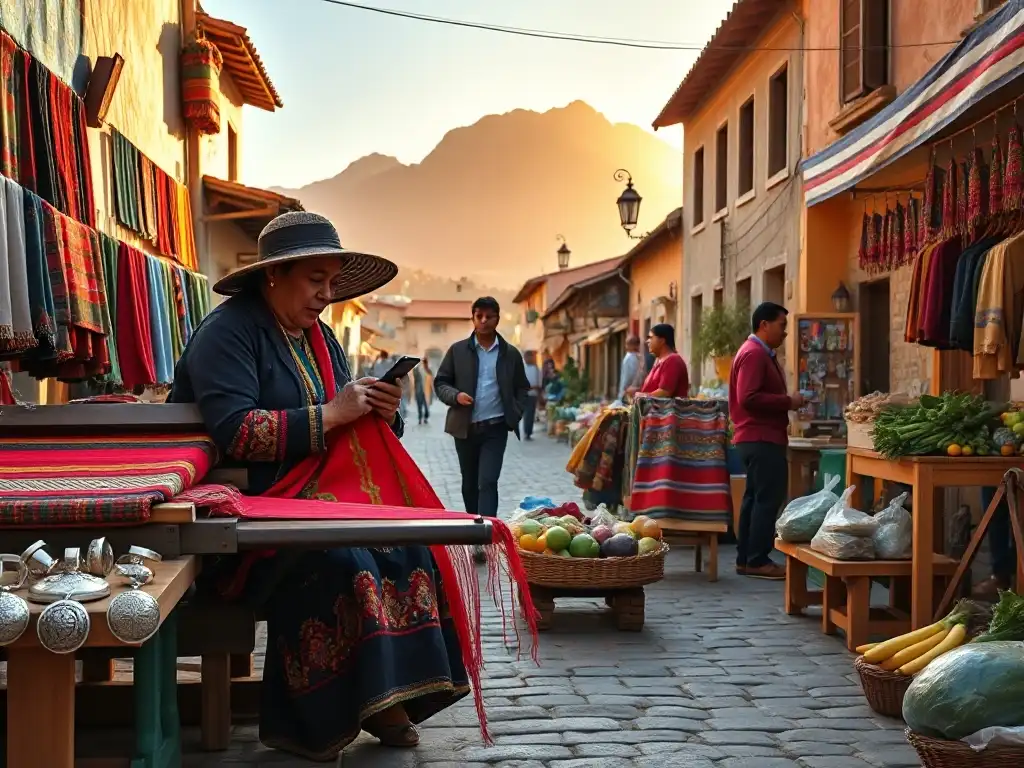
Andean markets, traditionally reliant on direct sales to tourists and local communities, are increasingly recognizing the need for diversified revenue streams to ensure sustainability in the face of modern challenges. This diversification isn't merely about increasing profits; it's about building resilience and creating new opportunities for artisans and market vendors. One crucial aspect is exploring alternative sales channels.
This could involve partnerships with online marketplaces specializing in handcrafted goods, allowing artisans to reach a wider, global audience. Another strategy is collaborating with local businesses, such as hotels and restaurants, to sell products through their outlets. This provides exposure to a captive audience of tourists and locals.
Furthermore, the incorporation of artisan products into tourism packages offered by travel agencies represents a powerful avenue for increased sales and exposure. The key is to strategically identify complementary businesses and explore mutually beneficial partnerships that expand market reach and visibility for Andean crafts. Finally, embracing a multi-channel approach, combining online and offline sales strategies, is crucial for maximizing revenue and ensuring market stability.
Offering online workshops on Andean weaving or pottery.
The digital revolution offers unprecedented opportunities for Andean artisans to share their skills and knowledge globally. Offering online workshops on traditional crafts, such as weaving or pottery, taps into a growing international interest in learning new skills and engaging with different cultures. Platforms like Zoom, Skype, and dedicated online learning sites provide the infrastructure for these workshops. Artisans can demonstrate techniques, share cultural insights, and even sell kits containing necessary materials.
The revenue generated from these workshops can supplement income from direct sales and create a new source of revenue entirely independent of physical market presence. Success depends on high-quality instruction, engaging presentation, and effective marketing to reach potential students worldwide. Furthermore, offering different levels of workshops, from beginner to advanced, can cater to a wider range of participants, maximizing profitability. This approach not only generates income but also helps preserve and transmit valuable traditional knowledge to future generations.
Selling digital patterns or guides for traditional crafts.
The digital age allows for the creation and sale of digital products, providing another avenue for monetizing traditional Andean crafts. Selling digital patterns or guides for traditional weaving, pottery, or other crafts offers a scalable and cost-effective way to reach a global audience. These digital products can be sold through online marketplaces, personal websites, or social media platforms.
The creation of high-quality, easily downloadable patterns and guides requires careful planning and design, but the potential for global reach and repeat sales offers a significant advantage over traditional sales methods. This approach requires less reliance on physical materials and shipping costs, allowing for higher profit margins. Furthermore, offering a range of patterns and guides at different price points can cater to diverse customer needs and budgets.
This strategy not only generates income but also empowers individuals worldwide to learn and practice Andean crafts, fostering a deeper appreciation for the region’s rich cultural heritage. The creation of visually appealing and easy-to-follow digital resources is key to success in this market.
Real-World Examples of Successful Adaptations
This section delves into specific examples of Andean markets successfully navigating the challenges and opportunities presented by the modern world. We'll examine how these vibrant hubs of traditional craft are leveraging technology and innovative business strategies to thrive in a globalized marketplace, while simultaneously preserving their cultural heritage. Understanding these case studies offers valuable insights into the future of Andean markets and their crucial role in sustaining both economic growth and cultural identity. The successful adaptation of Andean markets to modern commerce is a testament to the resilience and ingenuity of Andean communities.
Case Study: The Pisac Market's Digital Transformation
The Pisac Market, renowned for its colorful textiles and intricate silver jewelry, provides a compelling example of successful digital integration. Facing increasing competition from mass-produced goods and the limitations of a solely physical presence, the market's leadership embarked on a comprehensive digital transformation strategy. This involved a multi-pronged approach, focusing on both online presence and improved infrastructure within the physical market itself. The strategic shift not only boosted sales and visibility but also enhanced the market's ability to better support its artisans. The implementation was a collaborative effort between the market's administration, local artisans, and technology consultants.
How the Pisac Market used Shopify to reach new customers.
A key element of Pisac Market's digital transformation was the adoption of an e-commerce platform. They chose Shopify, a user-friendly platform, to create an online store showcasing the unique handicrafts offered by their artisans. This allowed them to reach a global audience, bypassing geographical limitations. The online store features high-quality photographs of the products, detailed descriptions in both Spanish and English, and secure payment options.
Furthermore, they leveraged Shopify's marketing tools to promote their online store through social media and targeted advertising campaigns. This strategic use of Shopify significantly increased their reach and provided valuable data on customer preferences, allowing for more informed inventory management and product development. The success of their Shopify store has been remarkable, leading to a significant increase in sales and brand awareness.
The impact on local artisans and the community.
The Pisac Market's digital transformation has had a profoundly positive impact on the local artisans and the wider community. Increased sales have provided artisans with a more stable income, improving their livelihoods and empowering them to invest in their craft. The online platform has also facilitated greater collaboration among artisans, fostering a sense of community and shared success.
Moreover, the increased visibility of Pisac Market's handicrafts has raised awareness of Andean culture and traditions on a global scale. This has not only boosted the local economy but also contributed to the preservation of traditional skills and knowledge. Finally, the success of the Pisac Market serves as an inspirational model for other Andean markets, demonstrating the potential of digital technologies to empower communities and preserve cultural heritage in the modern world.
The long-term impact is anticipated to be even more significant, fostering sustainable economic growth and preserving the unique cultural identity of the region. Further research is needed to quantify the precise economic impact on individual artisans, but anecdotal evidence strongly suggests a positive correlation between online sales and improved living standards.
The Rise of Andean Artisan Cooperatives
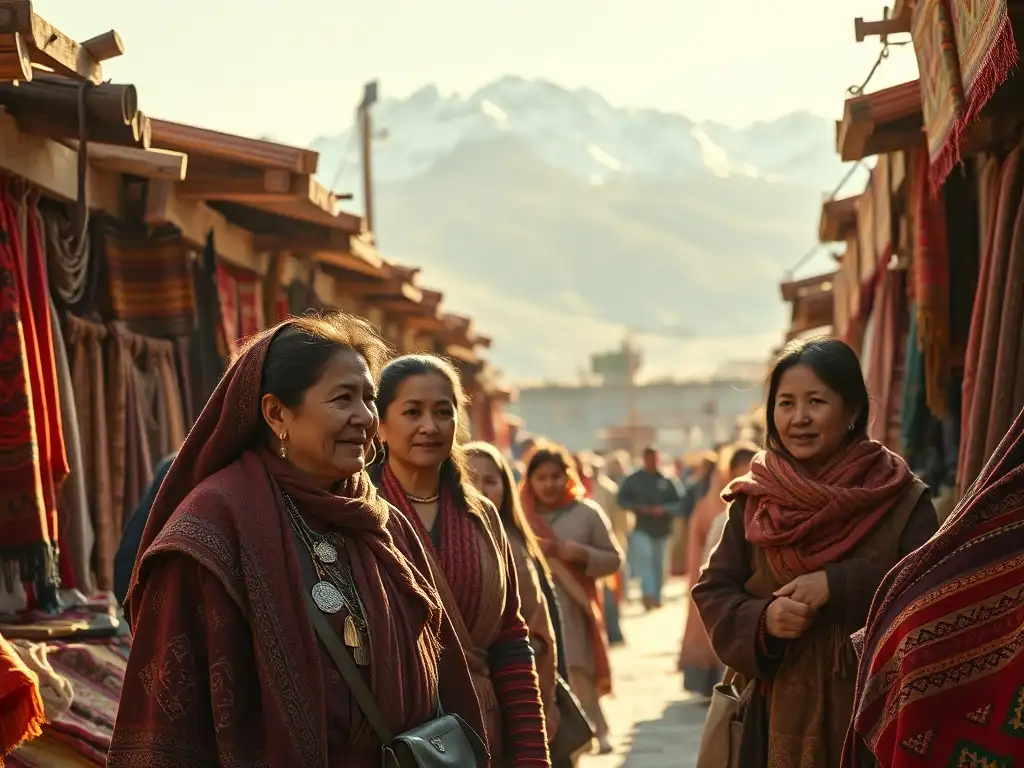
The traditional, often isolated, nature of Andean artisan production has presented significant challenges in accessing wider markets. However, the emergence of artisan cooperatives represents a powerful adaptation to the modern world, addressing these challenges head-on. These cooperatives pool resources, share knowledge, and collectively negotiate better prices with buyers, both domestically and internationally.
This collaborative approach significantly improves the artisans' bargaining power, allowing them to command fairer prices for their unique handicrafts and ensuring a more sustainable income. Furthermore, cooperatives often provide access to training and skill development programs, enhancing the quality and diversity of the products. This leads to a more competitive product line that appeals to a wider range of consumers, further solidifying their position in the modern market.
Examples include the thriving weaving cooperatives in the Cusco region of Peru, which have successfully integrated traditional techniques with modern business strategies, creating a highly sought-after product. The success of these cooperatives demonstrates the remarkable ability of Andean artisans to blend tradition with modern business practices. This model also supports the preservation of traditional skills and knowledge, ensuring that these invaluable crafts remain vibrant for future generations.
Collaborative efforts to increase production and reach.
Cooperative structures aren't merely about pooling resources; they fundamentally alter the dynamics of production and distribution. By collaborating, Andean artisans can significantly increase their overall output, meeting the demands of a larger market. This increased production capacity is not just about quantity; it's also about diversification.
Cooperatives enable artisans to specialize in different aspects of production, leading to a more efficient and higher-quality product. For instance, one artisan might specialize in weaving, another in dyeing, and a third in finishing, creating a streamlined production line that yields greater output and superior craftsmanship. Moreover, the collective strength of a cooperative allows for expanded market reach.
Cooperatives can leverage shared resources to participate in larger trade shows, both domestically and internationally, gaining exposure to a much wider customer base than individual artisans could achieve. This collaborative approach is key to successfully navigating the challenges of the global market and securing a sustainable future for Andean handicrafts. The combined marketing and sales efforts of a cooperative amplify the impact of individual artisans, offering a significant advantage in the competitive marketplace.
How technology has helped in managing inventory and distribution.
The integration of technology has revolutionized inventory management and distribution for Andean markets, providing a crucial link between traditional craftsmanship and modern commerce. The adoption of simple inventory tracking systems, often through smartphone apps or basic spreadsheets, allows artisans to monitor stock levels, anticipate demand, and plan production more efficiently. This minimizes waste and ensures that they have the right products available at the right time.
Furthermore, e-commerce platforms and online marketplaces have opened up unprecedented opportunities for reaching global markets. Artisans can now showcase and sell their products directly to consumers worldwide, bypassing traditional intermediaries and increasing their profit margins. Social media marketing also plays a crucial role, allowing artisans to connect directly with customers, build brand loyalty, and tell the stories behind their unique crafts.
The use of digital tools for marketing and sales enables artisans to reach a global audience, increasing their visibility and sales significantly. This digital adaptation not only improves efficiency but also preserves and promotes Andean cultural heritage on a global scale, demonstrating the powerful synergy between tradition and technology in the modern marketplace. The ability to manage inventory and distribution effectively directly impacts profitability and sustainability, ensuring the long-term success of Andean artisan businesses.
Recommended Products and Services for Andean Market Adaptation
This section explores essential tools and services that can significantly aid Andean artisans and market vendors in their adaptation to the modern world, boosting their reach and profitability while preserving the authenticity of their craft. The successful integration of technology and traditional practices is key to the continued flourishing of Andean markets. We'll focus on readily available and cost-effective options, emphasizing user-friendliness to avoid overwhelming those unfamiliar with digital tools. The goal is to empower Andean artisans to thrive in the increasingly interconnected global marketplace.
Essential Tools for Digital Marketing
Effective digital marketing is crucial for reaching a wider audience and increasing sales. This doesn't require expensive agencies; many affordable and accessible tools can significantly improve visibility. Key strategies include building an online presence, utilizing social media, and employing search engine optimization (SEO) techniques. Consider these steps:
- Creating a strong online presence: This involves establishing a professional presence across various platforms. A simple, well-designed website showcasing products is a fundamental starting point. Social media platforms like Instagram and Facebook are ideal for visually showcasing handcrafted goods and engaging directly with potential customers. Regular, high-quality posts are key to keeping audiences engaged. Remember to utilize relevant hashtags to increase discoverability (#AndeanMarkets #HandmadePeru #EcuadorianCrafts #BolivianTextiles etc. ).
- Leveraging social media: Go beyond simple product display. Share behind-the-scenes content showcasing the artistry and craftsmanship involved. Engage with followers, respond to comments, and run contests or giveaways to increase interaction and build a loyal customer base. Consider using targeted advertising on platforms like Facebook or Instagram to reach specific demographics interested in Andean handicrafts. Consistent posting is crucial; aim for a regular schedule to maintain audience engagement.
- Implementing basic SEO practices: While advanced SEO can be complex, basic principles are easy to implement. Use relevant keywords in product descriptions and website content (e.g., "handwoven alpaca wool," "traditional Andean pottery"). Optimize images with descriptive file names and alt text. Ensure your website is mobile-friendly, as many shoppers browse on smartphones.
Affordable cameras and lighting equipment for product photography
High-quality product photography is paramount for showcasing Andean handicrafts online. Professional-grade equipment is not always necessary; affordable options can yield stunning results. Investing in good photography significantly enhances the perceived value of the products and encourages sales.
Consider these options:
- Smartphone photography: Many modern smartphones boast excellent cameras. Use natural light whenever possible, avoiding harsh shadows. Explore free photo editing apps to enhance brightness, contrast, and color saturation. A simple tripod can significantly improve image stability.
- Affordable DSLR or mirrorless cameras: Used cameras can be a cost-effective alternative to new ones. Look for models with good low-light performance, as many Andean markets might have limited lighting. Invest in a basic external flash or softbox for even lighting.
- DIY lighting solutions: Simple and inexpensive lighting solutions can be created at home. A white sheet or backdrop, combined with a few strategically placed lamps, can provide surprisingly good results.
User-friendly website builders and e-commerce platforms like Shopify
Setting up an online store doesn't require extensive technical knowledge. User-friendly website builders and e-commerce platforms offer easy-to-use interfaces, enabling even those with limited technical expertise to create a professional online presence.
- Website Builders: Platforms like Wix or Squarespace offer drag-and-drop interfaces, making website creation straightforward. Many offer templates specifically designed for showcasing products.
- E-commerce Platforms: Shopify provides a comprehensive platform for selling online, offering secure payment processing, inventory management, and shipping integrations. While there are monthly fees, the potential return on investment is substantial. Explore free trials to determine if the platform fits your needs.
Remember, the key to successful adaptation is a strategic blend of tradition and technology. By embracing these tools and strategies, Andean artisans can preserve their cultural heritage while expanding their reach and securing a thriving future for their craft.
Payment Gateways that Facilitate Online Transactions
The successful adaptation of Andean markets to the modern world hinges significantly on the ability to process online transactions seamlessly. This necessitates the integration of reliable and secure payment gateways. These gateways act as intermediaries, securely transferring funds between buyers and sellers, minimizing the risk of fraud and ensuring smooth transactions. Several factors must be considered when choosing a payment gateway, including transaction fees, security protocols, and integration with existing e-commerce platforms.
For instance, some gateways offer lower transaction fees for high-volume sellers, while others prioritize robust security features like two-factor authentication and fraud detection systems. The ideal gateway will depend on the specific needs and scale of the Andean market vendor's business. Furthermore, the chosen gateway should support multiple payment methods, catering to the diverse preferences of international customers.
This might include credit and debit cards, digital wallets like PayPal or Apple Pay, and even local payment options prevalent in the target markets to maximize reach and customer convenience. The importance of customer trust cannot be overstated; a secure and user-friendly payment process significantly enhances the overall shopping experience and encourages repeat business. A reliable payment gateway is, therefore, a cornerstone of successful online market adaptation for Andean artisans and businesses.
Logistics and Shipping Solutions

Efficient logistics and shipping are paramount for the growth of Andean markets in the globalized economy. The challenges are multifaceted, ranging from the geographical limitations of the Andes Mountains to the complexities of international shipping regulations. To overcome these obstacles, Andean market vendors need access to robust and reliable logistics solutions that ensure timely and cost-effective delivery of goods.
This requires strategic partnerships with logistics providers specializing in international shipping, particularly those with experience handling delicate handcrafted items. Effective logistics management involves not only the physical transportation of goods but also the careful packaging and handling to minimize damage during transit. This is particularly crucial for fragile Andean handicrafts, which often require specialized packaging materials and handling procedures.
Furthermore, real-time tracking capabilities are essential for both vendors and customers, providing transparency and peace of mind throughout the shipping process. Investing in efficient logistics solutions is not merely a cost; it is a strategic investment that directly impacts customer satisfaction and the overall success of Andean market expansion. It's an area where technological innovation, such as improved tracking systems and optimized delivery routes, can significantly enhance efficiency and reduce costs.
Affordable and Reliable Shipping Options for International Orders
The accessibility of affordable and reliable international shipping is crucial for Andean market vendors aiming to reach a global customer base. High shipping costs can significantly impact profitability and price competitiveness, making it challenging to compete with businesses in other regions. Therefore, exploring and securing cost-effective shipping options is vital. This might involve negotiating bulk shipping rates with established carriers or exploring alternative shipping methods, such as consolidated shipping, which combines multiple smaller shipments into a single larger one to reduce per-unit costs.
Furthermore, understanding and complying with international shipping regulations and customs procedures is essential to avoid delays and potential penalties. This may involve partnering with a customs broker or utilizing shipping platforms that handle customs documentation and clearance processes. The choice of shipping method will depend on factors such as the size, weight, and fragility of the goods, as well as the delivery timeframe and desired level of tracking.
Prioritizing transparency with customers regarding shipping costs and estimated delivery times is essential to build trust and manage expectations. Finding the right balance between affordability, speed, and reliability is a key challenge, but successfully navigating this aspect is crucial for the long-term viability and success of Andean markets in the international arena. The development of efficient and affordable shipping networks specifically tailored to the needs of Andean artisans will be a key factor in their future success in global markets.
Packaging materials that protect delicate handicrafts.
Protecting delicate Andean handicrafts during transport is crucial for maintaining their quality and value. The fragility of many items, from intricately woven textiles to finely carved wooden sculptures, necessitates careful consideration of packaging materials. Using inadequate packaging can lead to damage, breakage, and significant financial losses for artisans and businesses alike. Therefore, selecting the right materials is paramount for successful market adaptation.
Several key factors influence the choice of packaging. The item's size, shape, and weight are fundamental considerations. A small, lightweight ceramic piece will require different protection than a large, heavy textile. Furthermore, the material of the handicraft itself influences packaging decisions. For example, delicate pottery needs more cushioning than robust alpaca wool sweaters.
Effective packaging typically involves multiple layers of protection. The first layer might consist of acid-free tissue paper to prevent scratching and abrasion. This is then followed by bubble wrap or other cushioning materials to absorb shocks and vibrations during transit. Finally, a sturdy outer box, possibly reinforced with cardboard inserts, provides structural support and protects the item from external impacts.
For particularly fragile items, custom-fit foam inserts can provide unparalleled protection. The use of biodegradable and environmentally friendly materials is also increasingly important, reflecting growing consumer awareness and ethical considerations within the Andean markets. Choosing sustainable packaging options not only safeguards the products but also enhances the brand image, appealing to environmentally conscious buyers. The increased cost of such materials is often offset by reduced damage and improved customer satisfaction.
Recommendation for DHL's international shipping services.
DHL's international shipping services offer a reliable and efficient solution for Andean artisans and businesses looking to expand their reach into global markets. Their extensive network and experience in handling international shipments, particularly those involving fragile goods, make them a strong contender for businesses seeking to adapt to the modern world. However, careful consideration of several factors is necessary to maximize the benefits of using DHL for Andean market adaptation.
Firstly, understanding DHL's various shipping options is crucial. They offer a range of services, from express delivery for urgent shipments to more economical options for less time-sensitive goods. Choosing the appropriate service depends on factors like delivery deadlines, budget constraints, and the fragility of the handicrafts being shipped. For delicate items, opting for a service with enhanced tracking and insurance is highly recommended to mitigate risks associated with damage or loss during transit.
Secondly, proper documentation is essential. Accurate and detailed descriptions of the contents, along with appropriate customs declarations, are crucial for smooth and efficient customs clearance. Incorrect or incomplete documentation can lead to delays, additional fees, or even the seizure of shipments.
DHL provides resources and support to help businesses navigate the complexities of international shipping regulations, minimizing the risk of such complications. Furthermore, understanding DHL’s packaging guidelines is vital. While DHL offers packaging materials, adhering to their recommended practices ensures optimal protection of the goods during transit, thereby reducing the likelihood of damage claims.
Finally, proactive communication with DHL throughout the shipping process allows for prompt resolution of any potential issues that may arise. Regular tracking and updates provide peace of mind and enable businesses to respond effectively to any unforeseen circumstances. By carefully considering these factors, Andean artisans can leverage DHL's services to successfully navigate the complexities of international shipping and effectively adapt to the demands of the modern global market.
Conclusion: A Sustainable Future for Andean Markets
The vibrant tapestry of Andean markets, woven with threads of ancient traditions and modern innovations, presents a compelling case study in cultural adaptation. Their survival and continued flourishing depend on a delicate balance, a careful negotiation between honoring the past and embracing the future. The successful integration of technology, improved infrastructure, and sustainable practices will be key to ensuring the longevity of these crucial economic and cultural hubs. Analyzing the trajectory of Andean markets' modern adaptation reveals a compelling narrative of resilience and ingenuity.
Balancing Tradition and Innovation
Maintaining the authenticity of Andean handicrafts is paramount. The unique artistry, intricate designs, and the stories embedded within each piece are invaluable aspects of cultural heritage. However, simply preserving the past isn't enough. Modern consumers expect a certain level of accessibility and convenience. This requires a strategic blend of traditional techniques with modern marketing and sales strategies.
For example, some artisans are leveraging e-commerce platforms to reach a global audience while still adhering to time-honored crafting methods. This delicate balance ensures both the preservation of cultural heritage and the economic sustainability of the artisans. The challenge lies in finding innovative ways to market these unique products without compromising their cultural significance. Data on online sales of Andean handicrafts, while still somewhat limited, shows a promising upward trend, suggesting that this approach holds significant potential for future growth.
The importance of community and cultural preservation.
The Andean market system is deeply intertwined with the social fabric of Andean communities. These markets aren't just places of commerce; they are vital social spaces where people connect, share stories, and maintain a sense of community. Preserving this social dimension is crucial for the long-term success of Andean markets. Supporting local initiatives that foster community engagement, such as artisan cooperatives and training programs, is essential.
This not only empowers individual artisans but also strengthens the collective identity and cultural resilience of the communities they represent. Furthermore, initiatives focused on fair trade practices and ethical sourcing are becoming increasingly important, ensuring that artisans receive fair compensation for their work and contribute to a sustainable economic future. The success of these initiatives hinges on effective collaboration between government agencies, NGOs, and the artisans themselves. [Specific data on the success of community-based initiatives pending].
The ongoing evolution of Andean markets in the modern world.
The evolution of Andean markets is a dynamic process. The integration of technology, for instance, is transforming how goods are produced, marketed, and sold. The use of smartphones for online sales, social media marketing, and digital payment systems is steadily increasing.
However, this technological integration must be carefully managed to avoid marginalizing artisans who lack access to technology or the skills to utilize it effectively. Bridging the digital divide is crucial to ensure that all artisans have equal opportunities to participate in the modern market economy. Furthermore, sustainable tourism practices play a vital role in supporting Andean markets.
Educating tourists about the cultural significance of the handicrafts and encouraging responsible consumption can significantly contribute to the economic viability of these markets. The future of Andean markets will depend on a continuous process of adaptation, innovation, and community engagement, ensuring that these vibrant spaces remain integral to the cultural and economic landscape of the Andes for generations to come. The successful navigation of this ongoing evolution will determine the future of Andean markets' modern adaptation.
Looking ahead: Future opportunities for growth and success.
The future of Andean markets hinges on a delicate balance: preserving the authenticity and cultural significance of traditional crafts while embracing innovative strategies for growth and sustainability. Several key opportunities exist for market vendors and artisans to thrive in the modern world. One crucial aspect is leveraging digital platforms. E-commerce offers unparalleled access to a global audience, allowing artisans to bypass intermediaries and connect directly with consumers worldwide.
This direct-to-consumer model not only increases profitability but also allows for greater control over branding and storytelling, fostering a deeper appreciation for the cultural heritage embedded in each product. Successful implementation requires investment in high-quality product photography and compelling online descriptions that accurately convey the craftsmanship and cultural significance of the goods. Furthermore, participation in online marketplaces specifically designed to support artisans and small businesses can provide valuable exposure and a built-in customer base.
Another avenue for growth involves collaborative partnerships. Collaborations between artisans, designers, and businesses can lead to the creation of innovative and contemporary products that resonate with a broader market while retaining their Andean roots. This approach can involve incorporating traditional techniques into modern designs, or collaborating with designers to create new product lines that integrate Andean aesthetics with contemporary styles.
Such partnerships can also facilitate access to resources like marketing expertise, production facilities, and international distribution networks, expanding the reach and impact of Andean crafts significantly. Successful examples could include collaborations with sustainable fashion brands incorporating Andean textiles into clothing lines or partnerships with interior design firms showcasing Andean pottery in modern settings.
Finally, the emphasis on sustainable and ethical practices is paramount. Consumers are increasingly conscious of the environmental and social impact of their purchases, and Andean markets can capitalize on this growing demand by showcasing their commitment to sustainable production methods. This could involve highlighting the use of eco-friendly materials, fair labor practices, and community-based production models. Promoting transparency in the supply chain and emphasizing the positive social and economic impact of supporting Andean artisans can attract environmentally and socially conscious consumers, further boosting market growth.
Certifications and labels that verify sustainable practices can be powerful tools in this regard, adding credibility and increasing consumer trust. This approach not only ensures the long-term viability of Andean markets but also contributes to the preservation of cultural heritage and the well-being of Andean communities. The future of Andean markets is bright, provided a strategic blend of tradition and innovation is embraced.
Frequently Asked Questions
How are traditional Andean markets adapting to modern technologies?
Many Andean markets are integrating e-commerce and digital payment systems, allowing for online ordering and cashless transactions. This expands their reach beyond physical limitations and caters to a wider customer base. Social media marketing is also increasingly used for promotion.
What challenges do Andean markets face in the modern world?
Challenges include competition from large supermarkets, the need to maintain traditional practices while embracing innovation, and ensuring fair prices and sustainable practices. Infrastructure limitations in some areas also present hurdles.
How are Andean markets preserving their cultural heritage?
Markets often feature traditional crafts, textiles, and food, maintaining cultural identity. They also serve as vital social hubs, fostering community interaction and the transmission of cultural knowledge across generations.
What role does tourism play in the adaptation of Andean markets?
Tourism significantly impacts Andean markets, boosting economic activity and creating opportunities for artisans and producers. However, it's crucial to manage this impact sustainably to avoid cultural commodification and exploitation.
Are Andean markets successfully balancing tradition and modernity?
The success varies depending on location and specific market. Many markets demonstrate a successful blend, integrating modern technologies while upholding traditional values and practices. This balance is crucial for long-term sustainability and cultural preservation.
Final Reflection: Weaving the Past into the Future of Andean Markets
The vibrant tapestry of Andean markets, once solely defined by tradition, is now undergoing a dynamic transformation, a testament to the enduring power of adaptation in the face of modernity. This shift, far from eroding the cultural heart of these spaces, is enriching them, creating a fascinating blend of ancient practices and contemporary innovations. The survival and evolution of these markets are not merely economic stories; they are powerful narratives of cultural resilience and ingenuity.
The impact of globalization on Andean markets is profound, a constant negotiation between preserving cherished heritage and embracing the opportunities of the digital age. This tension, however, is not a conflict but a creative process, forging a new identity for these spaces. The integration of e-commerce, for example, doesn't replace the bustling energy of face-to-face interaction but supplements it, expanding reach and access. As the writer Eduardo Galeano eloquently stated, Memory is the only paradise from which we cannot be expelled.
The Andean markets, in their adaptation, are actively preserving their memory, ensuring its continued relevance for future generations.
Consider the stories you've read, the images you've seen. Now, imagine the role you can play in supporting this vibrant evolution. Will you seek out these markets on your travels, experiencing firsthand the unique blend of tradition and modernity?
Will you consciously support businesses that prioritize ethical sourcing and sustainable practices? The future of these markets, and the rich cultural heritage they represent, rests not only on the shoulders of the communities themselves but also on the conscious choices we make as consumers and global citizens. Let us actively participate in weaving the past into the future, ensuring the enduring vibrancy of Andean markets for generations to come.
Embrace the Future of Tradition Today!
Thank you for exploring the dynamic evolution of Andean markets, which successfully blend tradition with modern practices. Understanding these adaptations allows you to appreciate the vibrant culture and actively participate in its ongoing success. Now, let's take action!
- Support local artisans by purchasing their handcrafted goods online or during your next trip to the Andes.
- Share this article with your friends and family to highlight the vital role of cultural preservation in a globalized world.
- Join a community group or online forum dedicated to Andean traditions and their innovative adaptations to modern life.
How will you contribute to the preservation and evolution of traditional practices within your own community?