
The Secrets of the Backstrap Loom: A Deep Dive into Andean Weaving Technology

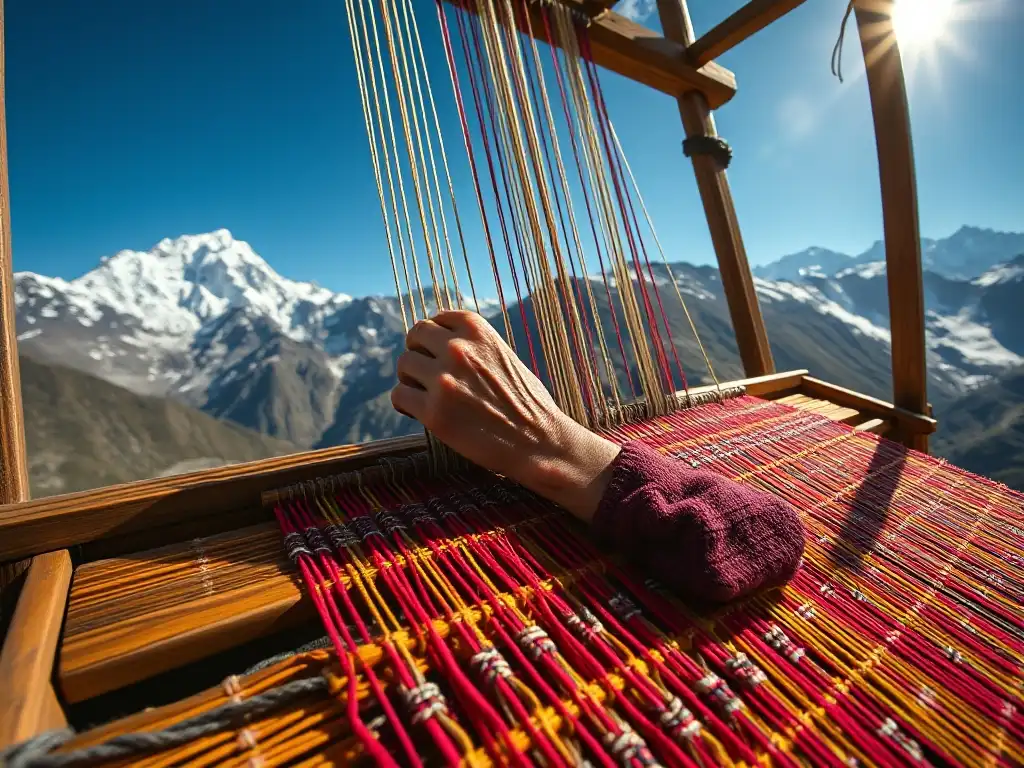
Unravel the mysteries of a lost world… Journey with us into the heart of the Andes, where vibrant cultures flourished for millennia. For centuries, their intricate artistry has captivated the world, and nowhere is this more evident than in their masterful weaving traditions. Prepare to be amazed by the ingenuity of Andean backstrap loom techniques, a testament to the skill and innovation of ancient Andean civilizations. Discover how these ingenious methods shaped not only their textiles but their very societies. Dive in and explore the secrets waiting to be unveiled.
The vibrant textiles of the Andes Mountains are renowned worldwide for their intricate designs, rich colors, and enduring quality. For centuries, Andean cultures, including the Inca, Moche, Nazca, and Tiahuanaco, have employed sophisticated weaving techniques, many of which are still practiced today. Central to this tradition is the backstrap loom, a simple yet ingenious device that allowed Andean weavers to create stunning masterpieces using readily available materials.
This article delves into the fascinating world of Andean backstrap loom techniques, exploring the history, construction, and artistry behind this ancient technology. We will uncover the secrets behind its functionality and provide insights into how to source the necessary components for your own weaving journey. Understanding these techniques offers a window into the ingenuity and cultural significance of Andean textile traditions, contributing to a deeper appreciation of their rich legacy.
Introduction to Andean Weaving and the Backstrap Loom
Andean weaving is not merely a craft; it's a deeply ingrained cultural practice passed down through generations. The backstrap loom, a portable and versatile tool, is the heart of this tradition. Unlike more complex looms, the backstrap loom uses the weaver's body as part of the mechanism, providing tension and control over the warp threads.
This simple yet effective design allowed Andean weavers to create a vast array of textiles, from intricate clothing and ceremonial garments to practical items like bags and blankets. The techniques involved are surprisingly diverse, allowing for complex patterns and textures. The designs themselves often held symbolic meanings, reflecting the beliefs and cosmology of the specific Andean culture.
Archaeological evidence reveals that backstrap loom weaving was prevalent across various Andean cultures for millennia, demonstrating its adaptability and importance. Many of the techniques used today are direct descendants of those employed centuries ago, showcasing the remarkable continuity of this tradition. The precision and artistry involved are truly awe-inspiring, highlighting the skill and dedication of Andean weavers.
Understanding the Components of a Backstrap Loom
The beauty of the backstrap loom lies in its simplicity. Its core components are surprisingly few, yet each plays a crucial role in the weaving process. These include:
- Warp Threads: These are the lengthwise threads that form the foundation of the fabric. Traditionally, Andean weavers utilized natural fibers such as alpaca, llama, vicuña, and cotton.
- Weft Threads: These are the crosswise threads that are interwoven with the warp threads to create the fabric's pattern and texture. The choice of weft threads can significantly influence the final appearance of the woven piece.
- Healds: These are simple tools, often made from wood or other readily available materials, used to separate the warp threads, allowing the weft thread to pass through.
- Backstrap: A strong strap, typically made of woven material or leather, which is secured around the weaver's waist and used to maintain tension on the warp threads.
- Beams: These are usually simple sticks or rods used to hold the warp threads in place at either end of the loom. One beam is attached to the backstrap, while the other is anchored to a fixed point.
- Shuttle: A tool used to carry the weft threads across the warp threads during the weaving process. The shuttle's design can vary depending on the specific technique and materials being used.
Sourcing Your Backstrap Loom Components
Creating your own backstrap loom can be a rewarding experience, offering a deeper understanding of this ancient technology. Sourcing the necessary components requires careful consideration of both quality and authenticity. While modern materials can be used, opting for traditional materials, when possible, can enhance the experience and connect you more deeply with Andean weaving traditions.
For the warp and weft threads, consider sourcing high-quality alpaca, llama, or cotton yarns from reputable suppliers specializing in natural fibers. The choice of fiber will significantly impact the texture and drape of your finished textile. For the backstrap, a sturdy and durable strap is essential. Leather or a tightly woven fabric are excellent choices.
The heald and shuttle can be crafted from readily available materials like wood, depending on your skill level and available resources. Finding suitable beams is often straightforward; simple, sturdy sticks of appropriate length will suffice. Remember, a well-constructed backstrap loom is an investment that will last for many years. Prioritize quality materials to ensure the longevity and functionality of your loom.
- Introduction to Andean Weaving and the Backstrap Loom
- Understanding the Components of a Backstrap Loom
- Sourcing Your Backstrap Loom Components
Mastering Basic Andean Backstrap Loom Techniques
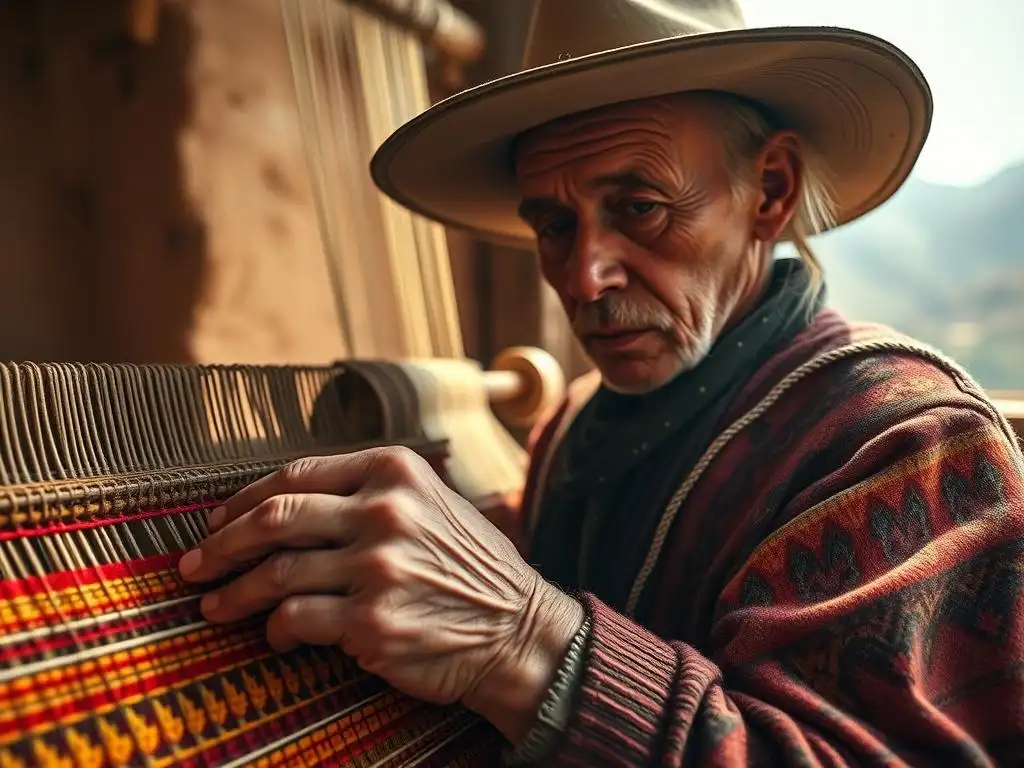
This section delves into the fundamental techniques employed in Andean backstrap loom weaving, providing a detailed understanding of the process from warp preparation to finishing the woven piece. Mastering these techniques unlocks the secrets to creating intricate and beautiful textiles, reflecting the rich heritage of Andean craftsmanship. We will explore the core skills needed to weave using this ancient and ingenious technology, focusing on the practical application of Andean backstrap loom techniques.
Preparing the Warp: The Foundation of Andean Weaving
The warp, the set of lengthwise threads that form the foundation of the woven piece, is crucial in Andean backstrap loom weaving. Its preparation significantly impacts the final product's quality and even the feasibility of complex patterns. The process begins with selecting the appropriate yarn, typically made from alpaca, llama, or vicuña fibers, known for their softness, warmth, and durability. The choice of fiber directly influences the textile's final texture and drape.
The next step involves spinning the yarn, a process that can vary depending on the desired thickness and texture. Traditionally, Andean artisans spun yarn using a drop spindle, a simple hand-held tool that allows for precise control over the yarn's consistency. This method, passed down through generations, ensures the creation of high-quality yarn suitable for intricate weaving.
Once the yarn is spun, the warp threads need to be prepared. This involves measuring and meticulously winding the yarn onto a warping board or a similar device. The number of threads required depends on the desired width of the finished textile and the complexity of the pattern.
Accuracy is paramount at this stage; uneven warp threads can lead to inconsistencies in the weaving process and an uneven final product. The warp threads are then carefully sized using a natural starch or sizing agent to strengthen them and prepare them for weaving, ensuring durability and reducing breakage during the weaving process. This meticulous preparation is a testament to the Andean weavers' dedication to quality and precision, reflecting their deep understanding of Andean backstrap loom techniques.
Weaving Techniques: Creating Patterns and Textures
With the warp prepared, the actual weaving process begins. The Andean backstrap loom is a simple yet ingenious device, typically consisting of a warp beam, a heddle (a device used to lift and lower warp threads), and a backstrap. The weaver secures one end of the warp to a fixed object and the other to the backstrap, which is worn around the weaver's waist. This allows for the control and tensioning of the warp threads during weaving.
The basic weaving technique involves passing the weft (the crosswise threads) over and under the warp threads, creating a simple plain weave. However, Andean weavers have mastered a vast array of techniques to create intricate patterns and textures. These include supplementary weft techniques, where additional weft threads are added to create decorative elements; tapestry weaving, where the weft threads are manipulated to create pictorial representations; and brocading, which involves interlacing additional weft threads to create complex patterns.
These techniques, combined with the use of different colored yarns, allow for the creation of stunning textiles that are both functional and aesthetically pleasing. The mastery of these diverse Andean backstrap loom techniques is a testament to the creativity and ingenuity of Andean artisans. Each technique requires a deep understanding of the loom's mechanics and the properties of the yarn, showcasing the depth of knowledge embedded in this ancient craft.
Finishing Your Weaving: Securing Your Work
Once the weaving is complete, the final stage involves securing the work and finishing the edges. This crucial step ensures the longevity and aesthetic appeal of the finished textile. The first step involves carefully removing the woven piece from the loom. This requires patience and precision to avoid damaging the delicate threads. The edges of the woven piece are then finished, often by creating a fringe or selvedge. This helps to prevent unraveling and adds a decorative element to the textile.
Depending on the intended use of the textile, further finishing steps may be necessary. These could involve washing, pressing, or adding embellishments such as embroidery or decorative stitching. The final touch often involves a thorough inspection, ensuring that the piece is free from defects and meets the high standards expected of traditional Andean textiles.
This meticulous attention to detail reflects the deep respect Andean artisans have for their craft and their commitment to producing high-quality, durable, and beautiful textiles. The finishing process is the culmination of the entire weaving process, transforming a simple set of threads into a piece of art that embodies the rich cultural heritage of the Andes.
Advanced Andean Backstrap Loom Techniques
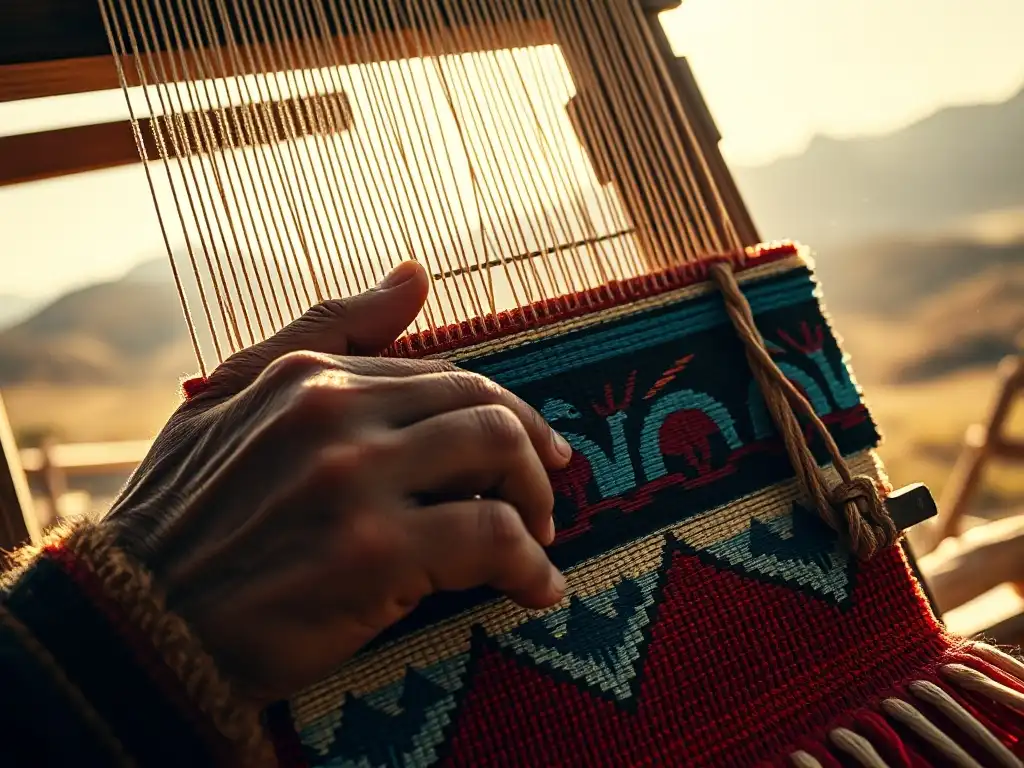
This section delves into the sophisticated techniques employed by Andean weavers using the backstrap loom, showcasing the mastery and artistry behind their textile creations. These techniques, passed down through generations, demonstrate a deep understanding of material properties and a remarkable ability to create intricate designs. We'll explore how these techniques contributed to the unique and enduring aesthetic of Andean textiles, solidifying their place in the rich tapestry of Andean culture.
Understanding these advanced techniques provides a deeper appreciation for the skill and precision involved in Andean backstrap loom weaving. The complexity and variety of these techniques highlight the ingenuity of Andean artisans and their profound connection to their environment.
Creating Intricate Andean Patterns
Andean backstrap loom weaving is renowned for its intricate and vibrant patterns. Achieving these complex designs requires a high level of skill and a thorough understanding of several advanced techniques. One crucial method involves manipulating the warp threads to create different types of floats and supplementary weft techniques. This allows for the creation of geometric designs, zoomorphic motifs, and even representations of narratives.
The skillful manipulation of the warp threads during the weaving process is key. Weavers can selectively raise or lower individual warp threads, creating spaces for the weft yarn to pass through. This precise control allows for the creation of complex patterns, including:
- Step-by-step patterning: This technique involves systematically shifting the warp threads to create a stepped effect, building up intricate geometric designs row by row.
- Supplementary weft: This involves using a secondary weft yarn of a contrasting color to create additional patterns on top of the main weave. This technique allows for the incorporation of fine details and complex motifs.
- Warp manipulation: This technique involves twisting, knotting, or wrapping warp threads to create textured effects and patterns. This adds another layer of complexity and visual interest to the woven fabric.
Consider the intricate designs found in chumpi (belts) and lliclla (shawls). These often feature repeating motifs, such as stylized animals, geometric shapes, and symbolic representations of Andean cosmology. The precision and complexity of these patterns are a testament to the weaver's skill and the rich cultural heritage embedded in the textiles. The creation of these patterns wasn't simply decorative; they often held symbolic meaning, conveying social status, clan affiliation, or spiritual beliefs.
Using Different Types of Yarns and Fibers
The choice of yarn and fiber is paramount in Andean backstrap loom weaving, directly impacting the final product's texture, durability, and aesthetic qualities. Andean weavers traditionally utilized a variety of locally sourced materials, demonstrating a deep understanding of their properties and how to best utilize them. The selection of fibers often reflected both practicality and symbolic meaning.
Different fibers possess unique characteristics:
| Fiber Type | Characteristics | Use in Weaving |
|---|---|---|
| Alpaca | Soft, warm, durable | Fine textiles, shawls, clothing |
| Llama | Stronger, coarser than alpaca | Durable textiles, rugs, bags |
| Cotton | Absorbent, comfortable, varied textures | Clothing, decorative items, blends with other fibers |
| Vicuña | Extremely soft, luxurious, rare | High-status textiles, ceremonial garments |
| Sheep's wool | Warm, readily available, variable textures | Clothing, rugs, blankets |
The preparation of the yarn itself is also a crucial step. Andean weavers often spun their own yarns, carefully controlling the twist and thickness to achieve the desired texture and strength. This meticulous preparation ensured that the final product was of high quality and reflected the weaver's expertise.
The combination of different fibers, ply, and spin techniques enabled the creation of a vast array of textures, from incredibly soft and delicate to strong and durable. The choice of yarn and fiber, therefore, wasn't simply a matter of availability; it was an integral part of the creative process, allowing weavers to express their artistic vision and cultural heritage through the very fabric of their creations. The resulting textiles are not just functional; they are works of art reflecting the deep connection between the Andean people and their environment.
The Cultural Significance of Andean Backstrap Weaving
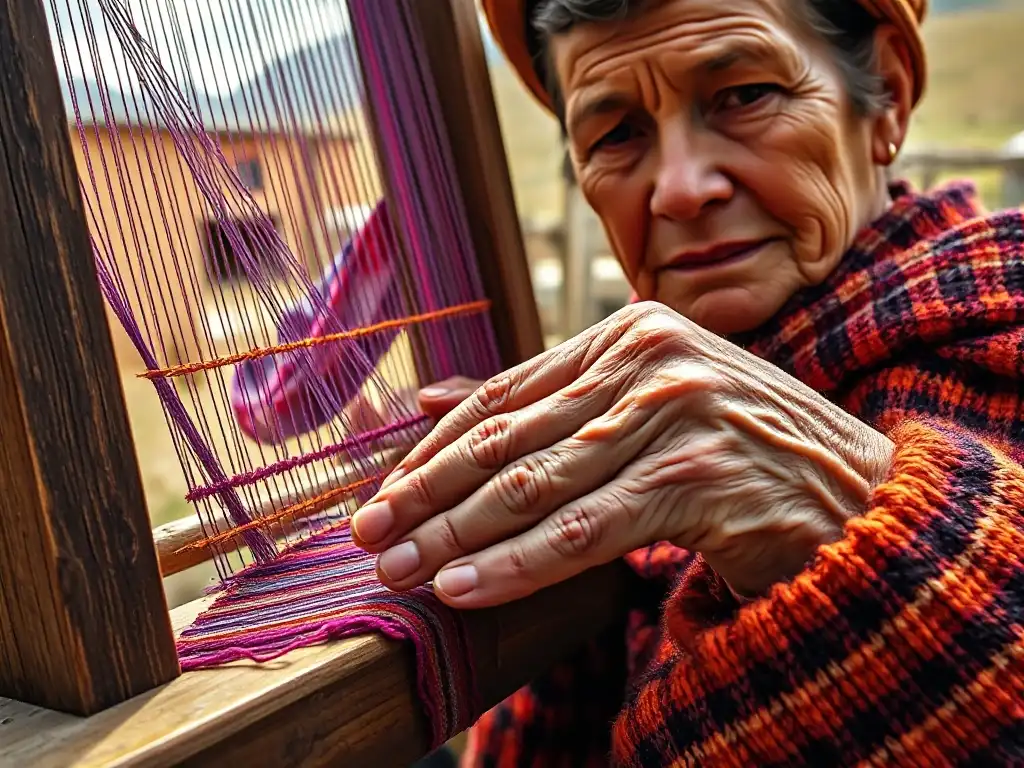
The Andean backstrap loom, a seemingly simple device, holds immense cultural significance for the indigenous communities of the Andes. Far beyond a mere tool for creating textiles, it represents a deep connection to ancestral traditions, social structures, and spiritual beliefs. The intricate designs woven into the fabrics tell stories, transmit knowledge across generations, and act as powerful symbols of identity and belonging.
Understanding the cultural context is crucial to appreciating the artistry and technical skill involved in Andean backstrap weaving. The techniques themselves have evolved over millennia, adapting to the diverse environments and cultural nuances of different Andean groups. This adaptation reflects not only technological ingenuity but also a profound relationship between the people and their environment.
The colors, patterns, and materials used all hold symbolic meaning, often reflecting cosmological beliefs, agricultural cycles, or social hierarchies. For example, the use of specific dyes derived from natural sources—like cochineal insects for vibrant reds or indigo for deep blues—is often tied to specific rituals or beliefs. The mastery of these techniques is not simply a skill; it's a form of cultural expression that embodies the richness and complexity of Andean heritage.
The Role of Weaving in Andean Society
Weaving in Andean society was, and in many cases still is, deeply integrated into the social fabric. It wasn't merely a craft practiced by women; it held significant social and economic importance. The production of textiles played a vital role in the economic systems of many Andean cultures. Fine textiles were used as currency, exchanged for goods and services, and served as valuable trade items.
The quality of a weaver's work reflected her social status and skill. Master weavers held positions of respect within their communities. Moreover, the production of textiles often involved communal efforts, fostering social bonds and cooperation. Women would gather to weave together, sharing stories, knowledge, and experiences.
This communal aspect further underscores the social significance of weaving, transforming it into a shared cultural practice. The intricate designs often reflected social structures, with specific patterns indicating clan affiliations or social hierarchies. The backstrap loom itself, passed down through generations, became a symbol of continuity and cultural transmission. Analyzing the textiles produced provides invaluable insights into the social dynamics, economic systems, and belief systems of ancient Andean societies.
Preserving Andean Weaving Traditions
The preservation of Andean weaving traditions faces numerous challenges in the modern era. The encroachment of mass-produced textiles, changes in lifestyle, and the loss of traditional knowledge threaten the continuity of this ancient craft. However, concerted efforts are underway to safeguard these invaluable traditions. Many communities are actively working to revive and promote their unique weaving styles, often establishing workshops and training programs to teach younger generations the intricate techniques of backstrap weaving.
These initiatives not only ensure the survival of the craft but also contribute to the economic empowerment of Andean communities. Furthermore, museums and cultural institutions play a crucial role in preserving and showcasing Andean textiles, raising awareness of their cultural significance. Efforts are also being made to document and archive traditional weaving techniques, ensuring that this knowledge is not lost. This includes detailed ethnographic studies, video recordings of master weavers, and the creation of comprehensive databases of weaving patterns.
The documentation and preservation of Andean backstrap loom techniques are essential for understanding the rich cultural heritage of the Andes and safeguarding it for future generations. The ongoing efforts to preserve these traditions underscore the enduring importance of this ancient craft and its continued relevance in contemporary Andean society. The future of Andean weaving hinges on a balance between preserving tradition and adapting to the changing world, ensuring the continuity of a craft that is deeply interwoven with the Andean identity.
Frequently Asked Questions
What is a backstrap loom?
A backstrap loom is a simple yet versatile weaving tool used for centuries in the Andes. It's a portable loom consisting of a warp held taut using a strap around the weaver's back and a heddle to lift and lower the warp threads. This allows for the creation of intricate textiles.
How does the Andean backstrap loom differ from other types of looms?
Andean backstrap looms are unique in their portability and simplicity. Unlike floor looms, they require minimal setup and can be used virtually anywhere. The method of warp tensioning using the backstrap is also distinctive.
What types of textiles were created using Andean backstrap loom techniques?
Andean backstrap looms produced a wide variety of textiles, including clothing, tapestries, and ceremonial items. The complex designs and vibrant colors reflect the skill and artistry of the weavers. Materials ranged from cotton and wool to alpaca and vicuña fibers.
Are Andean backstrap loom techniques still practiced today?
Yes, Andean backstrap loom techniques are still practiced today, although sometimes adapted to modern contexts. Many communities continue to use these traditional weaving methods, preserving this vital part of their cultural heritage.
Where can I learn more about Andean backstrap loom techniques?
You can find more information through online resources, museums, and cultural centers. Many workshops and classes are also available, offering hands-on learning experiences. Consider searching for "Andean weaving" or "backstrap loom techniques" to begin your research.
Final Reflection: Weaving the Threads of Tradition and Innovation
The Andean backstrap loom, a seemingly simple tool, holds within its intricate workings a legacy of ingenuity and resilience that continues to resonate today. Its enduring presence speaks volumes about the power of adapting ancient techniques to modern contexts, a testament to the enduring spirit of Andean communities and their profound connection to their heritage. This technology isn't merely a relic of the past; it's a vibrant, living tradition constantly evolving and adapting.
The impact of the backstrap loom extends far beyond its practical application; it represents a powerful symbol of cultural identity and artistic expression. It's a tangible link to generations past, a thread woven through the fabric of Andean society. The intricate designs and vibrant colors tell stories, preserving history and knowledge passed down through oral traditions. As the renowned weaver, Nilda Callañaupa Alvarez, once said, Weaving is not just a craft; it is a way of life, a way of thinking, a way of being.
Her words encapsulate the profound spiritual and cultural significance embedded within this ancient practice.
Consider the legacy of the backstrap loom. Think about the stories it holds, the skills it embodies, and the communities it sustains. You, too, can become a part of this rich tapestry. By appreciating the artistry and ingenuity behind this technology, we can foster a deeper understanding and appreciation for the cultural heritage of the Andes and the enduring power of traditional craftsmanship in a rapidly changing world. Let the threads of this ancient art inspire you to connect with your own heritage and find creative ways to preserve and celebrate the traditions that shape our world.
Unveil the Art of Andean Weaving!
Thank you for exploring the fascinating world of Andean weaving and the backstrap loom. Your interest in this intricate craft highlights the importance of preserving cultural traditions. Now it's time to delve deeper!
- **Participate in a hands-on weaving workshop** to experience the magic of the backstrap loom firsthand.
- Share your newfound knowledge and appreciation for Andean culture with friends and family.
- Expand your understanding by exploring documentaries and books on Andean textiles.
What aspect of Andean weaving most captivates you, and how will you share your passion with others?