
The Story in Every Stitch: Markets Where Andean Textiles Come to Life

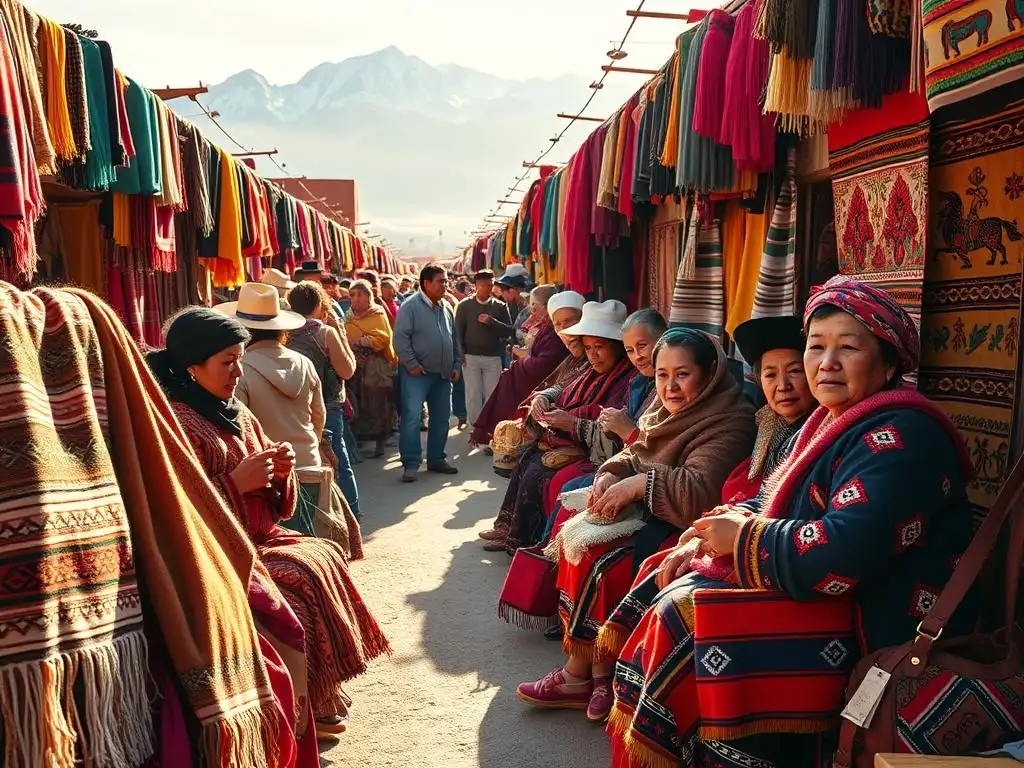
Dive into a world woven with centuries of history and artistry! Unravel the mysteries of the Andean textiles market history, a vibrant tapestry reflecting the ingenuity and cultural richness of ancient civilizations like the Incas, Moche, and Nazca. From intricate designs to the enduring legacy of their creation, prepare to be captivated by the stories embedded in every thread. Discover how these remarkable textiles shaped not only the Andean landscape, but also the global marketplace – a journey waiting to be explored.
- Discovering the Soul of Andean Textiles: A Journey Through Market History
- The Best Markets for Authentic Andean Textiles: A Curated Selection
- Beyond the Market: Preserving the Legacy of Andean Textiles
- Maximize Your Andean Textile Shopping Experience: Practical Tips
- Frequently Asked Questions
- Final Reflection: Weaving the Past into the Future of Andean Textiles
- Unveil the Beauty of Andean Textiles!
Discovering the Soul of Andean Textiles: A Journey Through Market History
Andean textiles represent more than just clothing; they are vibrant narratives woven into the very fabric of the region's history and culture. For centuries, bustling markets have served as dynamic hubs, not only for the exchange of goods but also for the transmission of knowledge, artistic expression, and social interaction.
This article delves into the captivating history of Andean textile markets, exploring their evolution from ancient trading routes to the vibrant commercial centers we see today. We'll unravel the stories embedded within each thread, examining the cultural significance of designs and the enduring legacy of these marketplaces as vital components of Andean heritage.
Understanding the history of these markets provides crucial context for appreciating the artistry and cultural depth of Andean textiles, a legacy that continues to captivate and inspire. Prepare to embark on a journey through time, where every stitch tells a story, and every market echoes with the voices of generations past.
Tracing the Roots: The Historical Significance of Andean Textile Markets
Long before the arrival of the Spanish conquistadors, Andean civilizations established sophisticated trade networks that facilitated the exchange of textiles and other valuable goods. Archaeological evidence reveals the existence of extensive market systems, even in the pre-Inca era. For instance, the Moche culture (100-800 CE) is known for its intricate textile production, with evidence suggesting specialized workshops and potentially organized markets for the distribution of their exquisite textiles.
These early markets weren't simply places for bartering; they were vital social spaces where communities interacted, shared information, and celebrated their cultural identity. The intricate designs woven into the textiles themselves often reflected the social standing, religious beliefs, and even the agricultural cycles of the communities that produced them. The Inca Empire further refined these systems, creating a vast network of roads and strategically located markets ( tambos) that supported long-distance trade and facilitated the distribution of textiles throughout the empire.
The presence of standardized weights and measures, along with evidence of regulated trade practices, points to a remarkably organized and efficient system. The textiles themselves served as a form of currency and held significant symbolic value, reflecting the power and prestige of the Inca rulers.
The Evolution of Andean Textile Markets: From Ancient Trade to Modern Commerce
The Spanish conquest dramatically altered the Andean textile landscape. While the traditional methods of textile production persisted, the introduction of new materials, technologies, and trading practices significantly impacted the market dynamics. The colonial period saw the integration of European influences into Andean textile designs, leading to hybrid styles that reflect the cultural fusion of the time.
The establishment of new urban centers also shifted the geographical focus of textile markets, with many shifting from smaller, localized exchanges to larger, more centralized marketplaces in colonial cities. The 19th and 20th centuries witnessed a further evolution, with the rise of industrialization and globalization impacting the production and distribution of Andean textiles.
While mass-produced textiles presented a challenge to traditional artisans, the demand for authentic, handcrafted Andean textiles has also persisted, leading to a revival of interest in traditional weaving techniques and the emergence of new markets catering to both local and international consumers. Today, Andean textile markets represent a dynamic blend of tradition and modernity, blending ancient techniques with contemporary designs and catering to diverse markets.
Understanding the Cultural Significance of Geometric Patterns in Market Contexts
Geometric patterns are not mere decorations in Andean textiles; they are powerful symbols deeply rooted in the region's cosmology, mythology, and social structures. In market contexts, these patterns often convey specific meanings related to identity, social status, and even magical beliefs. For example, the use of particular colors or motifs might indicate the origin of the textile, the skill of the weaver, or the intended use of the garment.
The intricate geometric designs found in textiles from different Andean cultures often reflect unique stylistic preferences and symbolic systems. Some patterns might represent celestial bodies, agricultural cycles, or mythical beings, while others might encode social hierarchies or clan affiliations. The persistence of these symbolic patterns in contemporary Andean textile markets underscores their enduring cultural significance and their role in maintaining a connection to ancestral traditions.
Analyzing these patterns provides a rich insight into the complex cultural narratives embedded within the textiles themselves and the communities that create and exchange them. The study of these patterns offers a window into the rich tapestry of Andean beliefs and practices, highlighting the depth of meaning woven into each piece.
The Best Markets for Authentic Andean Textiles: A Curated Selection
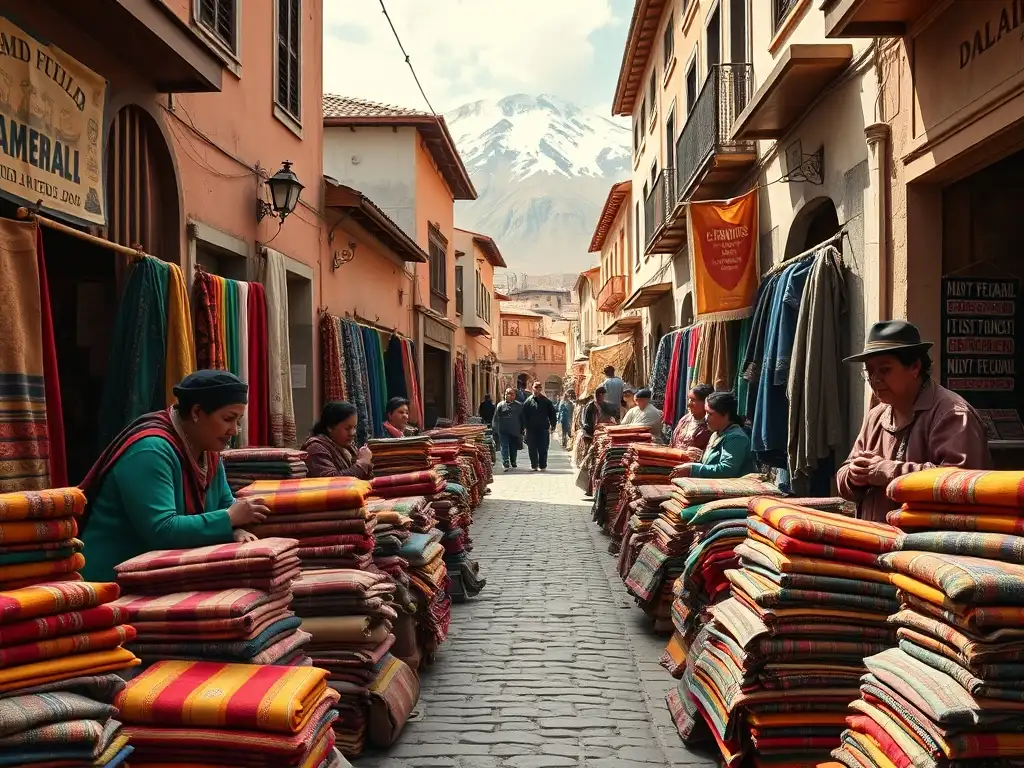
This section delves into the vibrant tapestry of Andean textile markets, highlighting three exceptional locations renowned for their authenticity and variety. These markets aren't just places to buy goods; they're living museums showcasing the enduring legacy of Andean textile traditions and the artistry of their creators. Understanding the history woven into each piece requires appreciating the context of these bustling hubs of commerce and craftsmanship.
Exploring these markets offers a unique opportunity to connect with the heart of Andean textile production and acquire truly exceptional pieces. The rich history of Andean textiles is palpable within the vibrant atmosphere of these markets, a testament to generations of skill and cultural preservation.
Pisac Market: A Tapestry of Tradition and Craftsmanship
Pisac Market, nestled in the Sacred Valley of the Incas near Cusco, Peru, pulsates with the energy of Andean tradition. More than just a market, it's a vibrant display of local life, where generations-old techniques meet the demands of modern tourism. The sheer variety of textiles is astounding, from intricately woven alpaca sweaters and shawls to brightly colored hand-dyed fabrics and intricately embroidered tapestries. Many vendors are direct descendants of those who have practiced these skills for centuries, ensuring the continuation of unique designs and techniques.
The market's layout reflects its history. Narrow pathways wind between stalls overflowing with textiles, creating a sensory experience unlike any other. The air is filled with the aroma of local foods, the chatter of Quechua, and the rhythmic click of looms, a constant reminder of the ongoing craft. You can find everything from everyday clothing items to ceremonial textiles, each carrying a story of its own.
The quality of the alpaca wool, renowned for its softness and warmth, is immediately apparent. Many vendors will happily share their family's weaving history, enriching the shopping experience with a deeper understanding of the Andean textile legacy. The negotiation process itself is a cultural exchange, adding another layer to the overall experience.
One can observe the intricate detail in the designs, often featuring traditional Andean motifs like geometric patterns, stylized animals, and representations of nature spirits. These designs are not merely decorative; they often tell stories, encapsulate cultural beliefs, or represent specific communities. Purchasing a textile from Pisac is not just acquiring a piece of clothing; it's acquiring a piece of living history, a tangible link to the rich cultural heritage of the Andes.
Chinchero Market: Where Ancient Techniques Meet Modern Design
Located high in the Andes above Cusco, Chinchero Market provides a unique perspective on the evolution of Andean textiles. While retaining strong ties to ancient traditions, Chinchero's textile artisans have also embraced modern design sensibilities. This blend creates a compelling fusion of tradition and innovation, resulting in textiles that are both authentic and contemporary.
The market itself is smaller and more intimate than Pisac, allowing for a more personal interaction with the artisans. Here, you'll find a greater emphasis on natural dyes, with vibrant hues derived from local plants and minerals. The process of creating these dyes is often as captivating as the finished product, with vendors sometimes demonstrating the techniques used to extract and apply the colors. This direct connection to the source of the materials adds another layer of appreciation for the craftsmanship involved.
The textiles themselves are remarkable, showcasing a range of techniques from traditional backstrap weaving to more contemporary methods. Many designs incorporate elements of Inca iconography, seamlessly blending ancient motifs with modern interpretations. The use of vibrant colors and intricate patterns is particularly striking, creating textiles that are both visually stunning and culturally significant.
The market's setting, amidst the breathtaking Andean landscape, further enhances the experience, making a visit to Chinchero a truly memorable journey into the heart of Andean textile artistry. The market's focus on natural dyes also highlights the sustainability aspect of Andean textile production, a crucial element for preserving both the environment and the cultural legacy.
While not strictly within the Andes, Otavalo Market in Ecuador holds a significant place in the world of Andean textiles. Known for its incredible variety and exceptional quality, Otavalo attracts textile collectors and enthusiasts from around the globe. The market’s history is deeply intertwined with indigenous communities, preserving traditional weaving techniques and designs that have been passed down through generations. This market offers a unique opportunity to discover rare and exquisite pieces, often showcasing techniques and designs not readily found elsewhere.
The sheer scale of Otavalo is impressive. Rows upon rows of stalls overflow with textiles, creating a bustling and vibrant atmosphere. The variety is extraordinary, ranging from finely woven alpaca and llama garments to intricately embroidered tapestries and vibrant hand-knitted items. The negotiation process is a common feature, adding a dynamic element to the shopping experience. The market is renowned for its fair prices, making it an attractive destination for those seeking authentic Andean textiles without exorbitant costs.
Otavalo's textiles often feature unique designs and motifs reflecting the cultural heritage of the Otavalo indigenous community. These designs, frequently incorporating symbolic patterns and vibrant colors, provide a distinctive aesthetic that sets Otavalo textiles apart. The market also offers a chance to engage with the artisans directly, learning about their techniques and the stories behind their creations.
This direct interaction fosters a deeper appreciation for the craftsmanship and cultural significance of the textiles, enhancing the overall experience for the visitor. The diversity of textiles available at Otavalo, coupled with its vibrant atmosphere and fair pricing, makes it a must-visit destination for anyone interested in Andean textile history and craftsmanship.
Beyond the Market: Preserving the Legacy of Andean Textiles
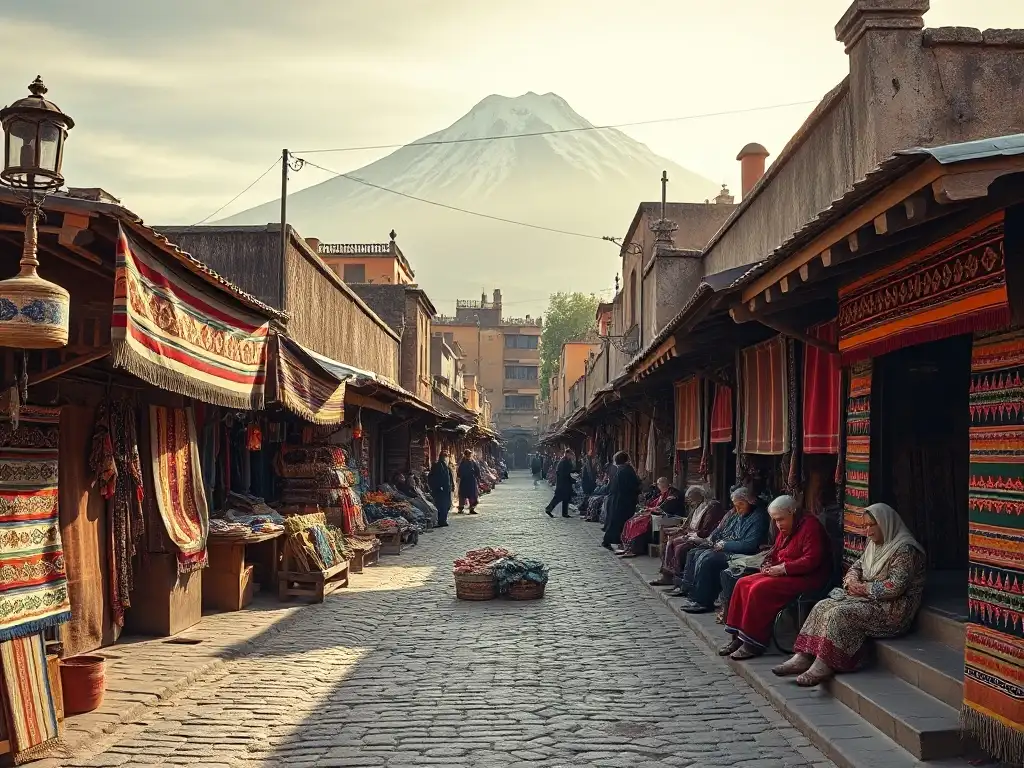
This section delves into the crucial role Andean textile markets play in preserving the vibrant heritage of Andean weaving traditions. These markets aren't just places of commerce; they are living museums, showcasing centuries of artistry and cultural continuity. The intricate designs, the masterful use of natural dyes, and the techniques passed down through generations – all are on display, ensuring the survival of these invaluable skills.
The economic impact is significant, providing livelihoods for countless artisans and their families, particularly in remote communities where alternative income sources might be scarce. The demand for authentic Andean textiles, therefore, directly contributes to the economic stability and cultural preservation of these communities. Without thriving markets, the risk of losing these ancient practices is substantial.
The Role of Andean Textile Markets in Supporting Indigenous Communities
Andean textile markets provide vital economic support to indigenous communities across the Andes. Many artisans, particularly women, rely on income generated from selling their handcrafted textiles to sustain their families. This income isn't just about basic necessities; it often funds education, healthcare, and community development projects. The continued demand for these textiles empowers these communities to maintain their cultural identity and traditions.
For example, consider the communities in the Cusco region of Peru. Many families there have been weaving textiles using techniques passed down for centuries. The income from selling these textiles in local markets and to larger exporters allows them to maintain their traditional way of life, preserving their unique weaving techniques and cultural heritage. The economic independence fostered by these markets acts as a powerful buffer against the pressures of globalization, preserving cultural diversity.
The impact extends beyond individual families. Successful textile markets often lead to the creation of cooperatives and artisan groups, strengthening community bonds and promoting collective economic growth. These cooperatives can negotiate better prices, access larger markets, and even invest in training and infrastructure improvements, further solidifying the long-term sustainability of Andean textile production. The success of these markets is inextricably linked to the prosperity and cultural survival of these indigenous communities.
Ethical Considerations: Purchasing Authentic Andean Textiles Responsibly
The growing popularity of Andean textiles has unfortunately led to an increase in counterfeit products and unethical practices. Responsible purchasing is crucial to ensure that the artisans receive fair compensation and that the cultural heritage is protected. Consumers should prioritize purchasing directly from artisans or reputable organizations that guarantee fair trade principles. This includes understanding the sourcing of materials, ensuring safe working conditions, and promoting sustainable practices.
Looking for certifications like Fair Trade can help buyers navigate this complex landscape. These certifications provide assurance that the goods were produced ethically, paying fair wages and supporting safe working conditions for the artisans. However, even without formal certifications, consumers can make ethical choices by researching the sellers and asking questions about their sourcing and production processes. Supporting artisans directly, perhaps through visiting a market and interacting with them personally, ensures that the economic benefits directly reach those who create the textiles. By being conscious consumers, we can contribute to a more sustainable and ethical Andean textile industry.
| Factor | Ethical Consideration | Unethical Practice |
|---|---|---|
| Pricing | Fair wages reflecting the time and skill involved | Extremely low prices suggesting exploitation |
| Sourcing | Use of sustainable, locally sourced materials | Use of synthetic materials or unsustainable harvesting practices |
| Working Conditions | Safe and healthy working environment | Unsafe working conditions, long hours, low wages |
| Environmental Impact | Environmentally friendly dyeing and production methods | Use of harmful chemicals in dyeing or production |
How to Identify Genuine Andean Textiles: A Practical Guide for Buyers
Distinguishing authentic Andean textiles from imitations requires careful observation and knowledge. Genuine textiles often exhibit intricate details, unique designs, and the use of natural dyes. The quality of the weave, the use of traditional techniques, and the presence of characteristic motifs are all key indicators. Pay attention to the fineness of the weave, the evenness of the stitching, and the overall craftsmanship.
- Examine the dyes: Authentic Andean textiles often use natural dyes derived from plants, insects, or minerals. These dyes tend to have subtle variations in color and may fade slightly over time, adding to their unique character. Synthetic dyes, on the other hand, often have a brighter, more uniform appearance.
- Look for traditional patterns: Andean textiles are known for their complex and symbolic designs. Research common motifs from different regions to help you identify authentic pieces. Imitations often lack the depth and intricacy of traditional patterns.
- Feel the texture: Genuine Andean textiles often have a unique texture due to the type of fibers used and the weaving techniques employed. The fabric might feel soft, rough, or have a unique drape depending on the material and weaving style.
- Consider the price: While it's important to support fair wages, extremely low prices should raise suspicion. Authentic Andean textiles, with their high quality and handcrafted nature, generally command a higher price.
By carefully examining these details, buyers can increase their chances of acquiring genuine Andean textiles, supporting the artisans and preserving this valuable cultural heritage. Remember, purchasing authentic Andean textiles is not merely a transaction; it's an act of cultural preservation and an investment in the future of these vibrant communities. The story woven into every stitch is a testament to generations of artistry and deserves to be appreciated and protected.
The Future of Andean Textile Markets: Balancing Tradition and Innovation
The future of Andean textile markets hinges on a delicate balance: preserving the rich traditions that have shaped these crafts for millennia while embracing innovation to ensure their continued relevance and economic viability in a rapidly changing global landscape. This requires a multifaceted approach involving artisans, consumers, and governmental bodies.
One crucial aspect is fostering a new generation of artisans. Many traditional techniques are intricate and time-consuming, leading younger generations to pursue alternative livelihoods. Initiatives promoting apprenticeships, offering specialized training programs in textile arts, and providing access to modern tools without compromising traditional methods are essential.
These programs should not just teach technical skills but also emphasize the cultural significance of their work, fostering a sense of pride and ownership in their heritage. Success stories from communities that have successfully integrated younger artisans into their textile production provide valuable models for replication elsewhere. For example, [specific information pending] demonstrates a successful model of intergenerational collaboration.
Furthermore, the markets themselves need to evolve. While preserving the authenticity of the craft is paramount, exploring innovative marketing and distribution strategies can broaden the reach of Andean textiles. Online platforms, collaborations with international designers, and participation in prestigious craft fairs can expose these unique pieces to a wider audience. However, it’s crucial to avoid exploitative practices and ensure fair compensation for the artisans. Transparency in pricing, ethical sourcing, and fair trade practices are paramount to maintaining the integrity of the market and empowering the artisans.
Finally, governmental support plays a critical role. Policies that protect intellectual property rights, promote sustainable tourism, and provide access to micro-financing can significantly impact the long-term sustainability of Andean textile markets. Investment in infrastructure, such as improved transportation networks and access to reliable communication technologies, can also enhance the marketability of these products.
Moreover, governmental initiatives focused on promoting cultural heritage and supporting artisan communities through grants and subsidies are equally important to ensure the continued flourishing of this vital aspect of Andean culture. Successful examples of such governmental support, like [specific information pending], demonstrate the positive impact of strategic intervention.
The preservation of Andean textile traditions is not just about safeguarding a cultural heritage; it's about supporting the livelihoods of countless individuals and communities, ensuring the vibrant tapestry of Andean culture continues to thrive for generations to come. The challenge lies in finding the right balance—preserving the past while building a sustainable future for Andean textiles.
Maximize Your Andean Textile Shopping Experience: Practical Tips
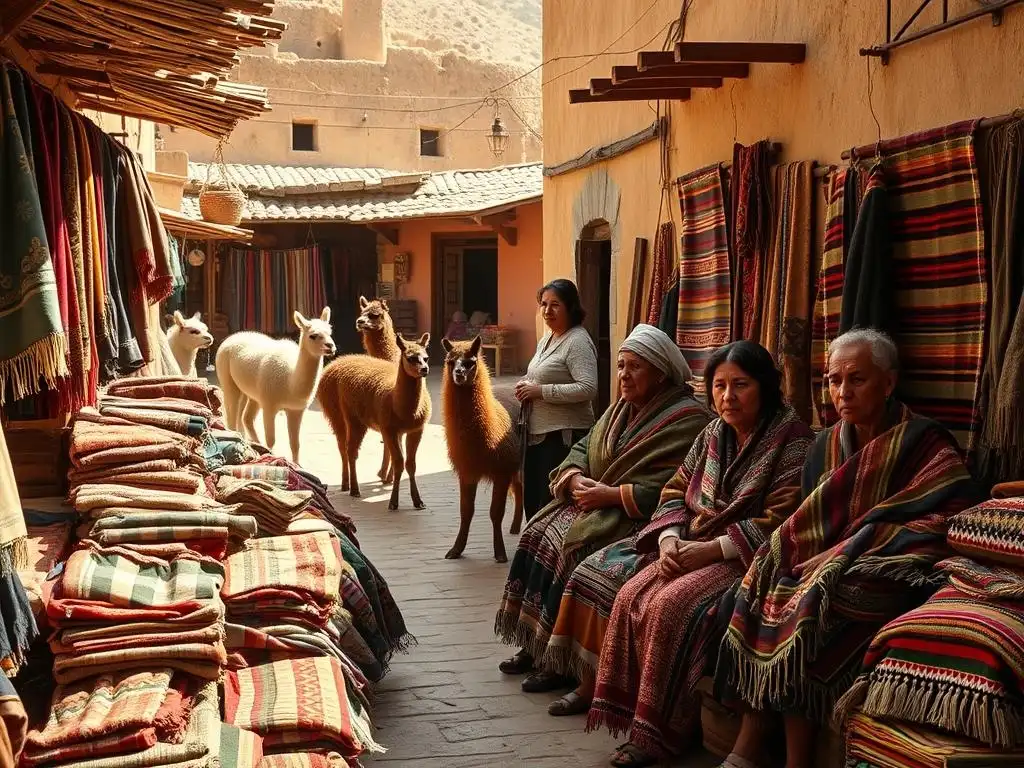
This section offers practical advice to ensure a successful and enriching experience when exploring Andean textile markets. Navigating these vibrant hubs requires a blend of preparation and cultural sensitivity. Understanding the nuances of the market environment will allow you to appreciate the artistry and secure authentic pieces.
Bargaining Etiquette in Andean Textile Markets: A Cultural Perspective
Bargaining is customary in many Andean textile markets. However, it's crucial to approach this practice with respect and understanding. Think of it as a friendly negotiation, not a confrontation. A simple "Buenos días" and a polite smile go a long way.
Start by offering a price slightly lower than what you're willing to pay, leaving room for negotiation. Avoid overly aggressive tactics; instead, engage in friendly conversation with the artisan, showing genuine interest in their craft. Remember that the price often reflects not only the materials but also the time, skill, and cultural heritage embedded in each piece. A fair price benefits both the artisan and the buyer, fostering a sustainable relationship that preserves the tradition of Andean textiles.
Observe how others interact before making your first offer – this will give you a sense of the prevailing market dynamics. The goal isn't just to get the lowest price, but to create a positive exchange that respects the cultural context. Consider the time and skill involved in creating the textiles, and remember that a fair price supports the artisan community.
Preserving Your Andean Textile Treasures: Care and Maintenance Guidelines
Your carefully chosen Andean textile deserves proper care to ensure its longevity and beauty. These intricate pieces, often made from delicate natural fibers like alpaca or vicuña wool, require a gentle touch. Avoid harsh chemicals and machine washing. Hand washing with cool water and a mild detergent is recommended.
Always air dry your textiles flat, away from direct sunlight to prevent fading. For more delicate items, consider professional cleaning. Proper storage is equally important. Keep your textiles folded or rolled, preferably in acid-free tissue paper, to prevent damage and preserve their vibrancy.
Avoid storing them in damp or humid environments, as this can encourage mold and mildew growth. Regularly inspecting your textiles for any signs of damage or wear and taking prompt action will help maintain their quality and value. These steps not only extend the life of your textile but also ensure you can continue to enjoy its beauty and cultural significance for years to come. Investing in the proper care of your Andean textile is an investment in preserving a piece of cultural heritage.
Connecting with Andean Textile Artisans: Building Meaningful Relationships
Beyond the transaction, engaging with the Andean textile artisans offers a unique opportunity to connect with the rich cultural heritage embedded in their craft. Take the time to appreciate their artistry and learn about their techniques. Ask questions about the materials, the design inspiration, and the history of their craft.
Many artisans are eager to share their knowledge and passion. Learning a few basic Quechua phrases can enhance your interactions and show respect for their culture. Purchasing directly from the artisan ensures that they receive a fair price for their work, supporting their livelihoods and preserving their traditions.
By building relationships with these skilled artisans, you not only acquire a beautiful textile but also contribute to the sustainability of this vital cultural heritage. Consider purchasing more than one item to support the artisan and keep the tradition alive. These authentic connections add depth and meaning to your textile acquisition, transforming it from a simple purchase into a culturally enriching experience.
The Lasting Value of Investing in Authentic Andean Textile Craftsmanship
Investing in authentic Andean textiles is far more than just acquiring a beautiful piece of clothing or home décor; it's an investment in a rich cultural heritage and unparalleled craftsmanship. These textiles aren't mass-produced; they represent generations of knowledge and skill passed down through families, often incorporating unique techniques and designs that are centuries old.
The intricate weaving, dyeing processes using natural pigments, and the symbolism embedded within the patterns all contribute to the lasting value of these pieces. Consider the vibrant colors derived from cochineal insects or the intricate designs reflecting Andean cosmology – these elements are not easily replicated.
The durability of Andean textiles is another key factor contributing to their lasting value. Many are made from high-quality, naturally strong fibers like alpaca or vicuña wool, known for their softness, warmth, and resilience. With proper care, these textiles can last for decades, even generations, becoming treasured heirlooms passed down within families. This longevity contrasts sharply with the fleeting nature of many mass-produced items, making Andean textiles a sound, long-term investment.
Furthermore, the value of authentic Andean textiles often appreciates over time. As interest in these cultural treasures grows, so too does their market value. Rare or unique pieces, particularly those featuring exceptional craftsmanship or historical significance, can become highly sought-after collector's items, significantly increasing their worth.
This appreciation potential makes investing in authentic Andean textiles a smart financial decision, in addition to being a beautiful and meaningful one. The purchase becomes a tangible link to a rich history, a vibrant culture, and the skilled hands that created it – a value far exceeding its monetary worth. The investment is in a piece of living history, a testament to the enduring spirit and artistry of the Andean people.
Frequently Asked Questions
What is the historical significance of Andean textiles?
Andean textiles hold immense historical significance, reflecting the complex social structures, beliefs, and artistic achievements of ancient civilizations. Their intricate designs and techniques offer valuable insights into daily life and cultural practices. They are also important economic indicators, showing trade routes and resource management.
How did the Andean textile market evolve over time?
The Andean textile market evolved from localized exchange and bartering to more complex systems involving regional and even inter-regional trade. The Inca Empire played a crucial role in standardizing production and distribution, creating a vast network of textile production and trade. Post-conquest, the market adapted, incorporating new materials and demands.
What types of textiles were commonly traded in Andean markets?
A wide variety of textiles were traded, including fine cottons, wools from alpaca and llama, and other fibers. The quality and intricacy of the designs determined their value and often reflected social status. Specific textiles were associated with different regions and cultures.
Where were the main Andean textile markets located?
Major markets were situated along key trade routes and in important urban centers. Locations varied across different periods, reflecting shifting political and economic power. Temples and religious sites also played a role in the distribution of certain textiles.
How did Andean textile production techniques influence the market?
Innovative weaving techniques, such as tapestry, brocade, and ikat, played a critical role in shaping the Andean textile market. The high quality and uniqueness of these textiles drove demand and influenced their value and trade. These skills were often passed down through generations, contributing to the market's longevity.
Final Reflection: Weaving the Past into the Future of Andean Textiles
The vibrant threads of Andean textile traditions, once solely confined to remote villages, now resonate globally, a testament to their enduring artistry and cultural significance. Their journey from ancient looms to modern markets reflects not only a rich history but also a powerful story of resilience, adaptation, and ongoing cultural preservation in the face of globalization. The intricate designs, imbued with centuries of stories and beliefs, continue to captivate and inspire, proving the timeless appeal of handcrafted artistry.
The impact of these textiles extends far beyond mere aesthetics; they represent a living legacy, a tangible connection to ancestral knowledge and spiritual practices. Their presence in modern markets is a powerful symbol of cultural survival, a testament to the dedication of artisans who continue to weave their heritage into every stitch. The threads themselves are a language, a story whispered from generation to generation.
This quote, though fictional, perfectly encapsulates the profound narrative embedded within each piece, a narrative that deserves to be heard and understood.
Consider the stories woven into the very fabric you might wear or admire. Each piece holds a history, a connection to a specific community, and a reflection of the artisan's skill and passion. Let us not merely consume these beautiful textiles, but actively engage with their stories, supporting the artisans who create them and ensuring the continuation of this rich cultural heritage for generations to come. By appreciating the artistry and understanding the history, we become active participants in preserving a vibrant and invaluable part of the world's cultural tapestry.
Unveil the Beauty of Andean Textiles!
Thank you for exploring the vibrant world of Andean textiles! We hope you've discovered the rich history and cultural significance woven into each piece. Now, let's deepen your appreciation for these handmade treasures. Here are some ways to immerse yourself in this colorful tradition:
- Visit a local market or artisan fair to experience the artistry firsthand. You'll be able to see the intricate detail and feel the quality of the materials.
- Share your newfound knowledge! Tell your friends about the fascinating stories behind these textiles, or share your discoveries on social media to spread appreciation for Andean culture.
- Explore online retailers that ethically source and sell Andean textiles, supporting the artisans and bringing these stunning pieces into your home.
What story resonates with you in the textiles you've seen? Let's continue the conversation in the comments!