
The Colors of the Earth: Mineral Pigments in Andean Textile Dyeing

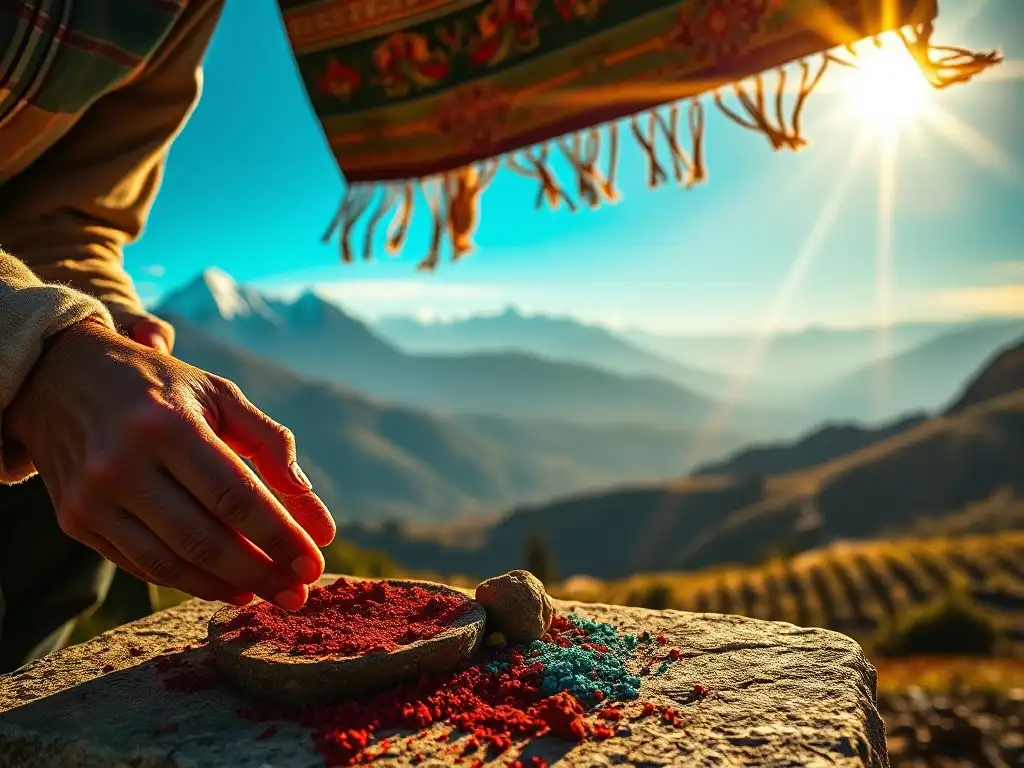
Unravel the mysteries of a lost world, where vibrant hues whispered stories across millennia. Dive into the captivating world of Andean Civilizations, and discover how the ancient cultures of the Andes, from the Incas to the Nazca, harnessed the very earth itself to create breathtaking works of art. Prepare to be amazed by the secrets held within Andean textile mineral pigments, a vibrant testament to their ingenuity and artistry. Their mastery of color—a legacy painted across centuries—awaits your exploration. Journey with us to uncover the rich tapestry of their achievements.
The vibrant hues adorning ancient Andean textiles are a testament to the ingenuity and artistry of these remarkable civilizations. Far from merely decorative, the colors themselves tell a story – a story woven into the very fabric of Andean society, reflecting their deep connection to the land and their mastery of natural resources.
This article delves into the fascinating world of Andean textile dyeing, focusing specifically on the mineral pigments that provided the palette for these stunning creations. We will explore the techniques employed, the sources of the pigments, and the significance of color in the context of Andean culture and beliefs.
Understanding the use of Andean textile mineral pigments provides a crucial window into the sophisticated technological and symbolic systems that underpinned these ancient societies, revealing the intricate relationship between humans and their environment. From the ochre reds of the Incas to the vibrant blues of the Moche, the colors speak volumes about the ingenuity and artistry of these ancient Andean peoples.
Unveiling the Ancient Art of Andean Textile Dyeing
Andean textile production was a complex and highly skilled process, involving intricate weaving techniques and the skillful application of dyes. The creation of these vibrant colors wasn't a haphazard affair; it required a deep understanding of the natural world and its resources. Mineral pigments, extracted from the earth itself, formed the basis of the Andean color palette.
These pigments were not simply ground and applied; the process involved meticulous preparation and often included the use of mordants – substances that help the dye bind to the fibers, ensuring colorfastness and longevity. Archaeological evidence, including excavated textiles and remnants of dye-making workshops, reveals the sophistication of these techniques. For example, studies of textiles from the Nazca culture show evidence of the use of multiple pigment layers, creating depth and richness of color.
The careful selection and preparation of these pigments demonstrates a level of expertise and understanding that continues to amaze researchers today. The process was often a communal one, with knowledge and techniques passed down through generations, solidifying the cultural significance of textile production within Andean communities.
Why Mineral Pigments? Understanding Andean Choices
The choice of mineral pigments over other available dyes (like plant-based dyes) wasn't arbitrary. Mineral pigments offered several advantages: superior lightfastness, meaning the colors would resist fading over time; and a wider range of colors, including intense blues, greens, and yellows that were difficult to achieve with plant-based dyes. Furthermore, the availability of specific minerals in particular Andean regions likely influenced the dominant color palettes of different cultures. For instance, the abundance of certain clays in the highlands may have contributed to the prevalence of red and brown hues in textiles from that area.
The use of mineral pigments also held symbolic meaning. Different colors were associated with specific deities, social status, and ritual practices. The careful selection and application of these pigments therefore transcended mere aesthetics; it was a deeply symbolic act reflecting the Andean worldview and social structure.
Further research is needed to fully understand the nuanced interplay between pigment choice, geographical location, and cultural significance. The study of ancient Andean textile dyeing thus offers a compelling case study in the intersection of technology, art, and belief systems. The rich tapestry of Andean textile history is intricately woven with the story of its mineral pigments.
- Unveiling the Ancient Art of Andean Textile Dyeing
- Why Mineral Pigments? Understanding Andean Choices
- What were the main sources of mineral pigments used in Andean textile dyeing?
- How did the Incas use mineral pigments in their textiles?
- What techniques were used to apply mineral pigments to textiles?
- How durable were textiles dyed with Andean mineral pigments?
- Where can I see examples of Andean textiles dyed with mineral pigments?
Identifying Andean Mineral Pigments: A Practical Guide

This section delves into the fascinating world of Andean mineral pigments, crucial components in the vibrant textiles that characterize the region's rich cultural heritage. Understanding these pigments provides insight into the ingenuity and resourcefulness of Andean artisans, who harnessed the earth's bounty to create stunning colors. We'll explore both the sources of these pigments and the meticulous processes involved in preparing them for dyeing.
The diversity of colors achievable with these naturally sourced pigments is remarkable, demonstrating a sophisticated understanding of both geology and textile production. This knowledge, passed down through generations, continues to inspire contemporary textile artists and researchers alike. The study of Andean textile mineral pigments offers a compelling window into the past, revealing the connection between Andean societies and their environment.
Common Andean Mineral Pigment Sources
Andean artisans skillfully utilized a wide array of mineral sources to achieve the diverse palette of colors found in their textiles. The geographical diversity of the Andes Mountains provided a rich tapestry of mineral deposits, each offering unique hues. Let's explore some common sources:
- Red: Hematite (Fe₂O₃) was a prevalent source of red pigments. High-quality hematite, often found in specific geological formations, yielded intense, vibrant reds. Variations in the mineral's purity and particle size influenced the resulting shade, ranging from deep crimson to a lighter, brick red. The quality of the red pigment was highly valued, influencing the status and importance of the textiles dyed with it.
- Yellow: Goethite (FeO(OH)) and limonite (a mixture of iron oxides and hydroxides) provided various shades of yellow, from pale lemon to deep ochre. The specific geological context of the deposit influenced the exact hue and intensity. The availability of these minerals varied across different regions of the Andes, potentially influencing regional variations in textile color palettes.
- Brown: Manganese oxides (MnO₂) and various mixtures of iron oxides contributed to the range of brown pigments used. These pigments produced a range of tones, from light tan to dark chocolate brown, enriching the complexity of the Andean textile designs. The precise combination of minerals determined the final shade.
- Black: Charcoal, derived from burnt organic matter, was a readily available source of black pigment. However, some black pigments were also derived from specific mineral sources, offering variations in tone and intensity. Further research is needed to fully identify all mineral sources of black pigments used in Andean textiles. [Specific information pending on mineral sources of black pigments]
- Other Colors: While red, yellow, and brown were dominant, other colors were achieved through a combination of minerals or the addition of organic dyes. For example, subtle greens and blues sometimes resulted from the use of specific clays or the incorporation of plant-based dyes in conjunction with mineral pigments. This highlights the sophisticated blending techniques employed by Andean dyers.
Preparing Mineral Pigments for Textile Dyeing
The preparation of mineral pigments for textile dyeing was a meticulous process, demanding expertise and knowledge passed down through generations. The process involved several key steps:
- Extraction and Collection: Artisans carefully selected mineral deposits based on their color and quality. The extraction process varied depending on the accessibility of the deposit. Some minerals were readily available on the surface, while others required mining.
- Processing: Once extracted, the minerals underwent various processing steps to refine the pigment. This might involve grinding, crushing, and washing to remove impurities and achieve the desired particle size and consistency. The specific techniques varied depending on the type of mineral. For example, hematite might require more extensive grinding to achieve a fine, even powder suitable for dyeing.
- Preparation of the Dye Bath: The prepared pigments were then incorporated into a dye bath, often involving water and a mordant. Mordants, such as tannins from plants or minerals, acted as a binding agent, improving the pigment's adherence to the textile fibers. The concentration of pigment and mordant determined the intensity and longevity of the color.
- Dyeing Process: The textiles were immersed in the dye bath, often for extended periods, allowing the fibers to absorb the pigment. The duration of immersion and the temperature of the dye bath were carefully controlled to achieve the desired color and evenness of dyeing. This process required considerable skill and experience.
The preparation of mineral pigments for textile dyeing was an integral part of Andean textile production, demonstrating a deep understanding of both material science and artistic expression. The resulting textiles are not only visually stunning but also serve as a testament to the ingenuity and resourcefulness of ancient Andean cultures. The legacy of this knowledge continues to inspire contemporary artists and researchers, underscoring the enduring relevance of Andean textile traditions. 🎨
The Andean Dyeing Process: Step-by-Step
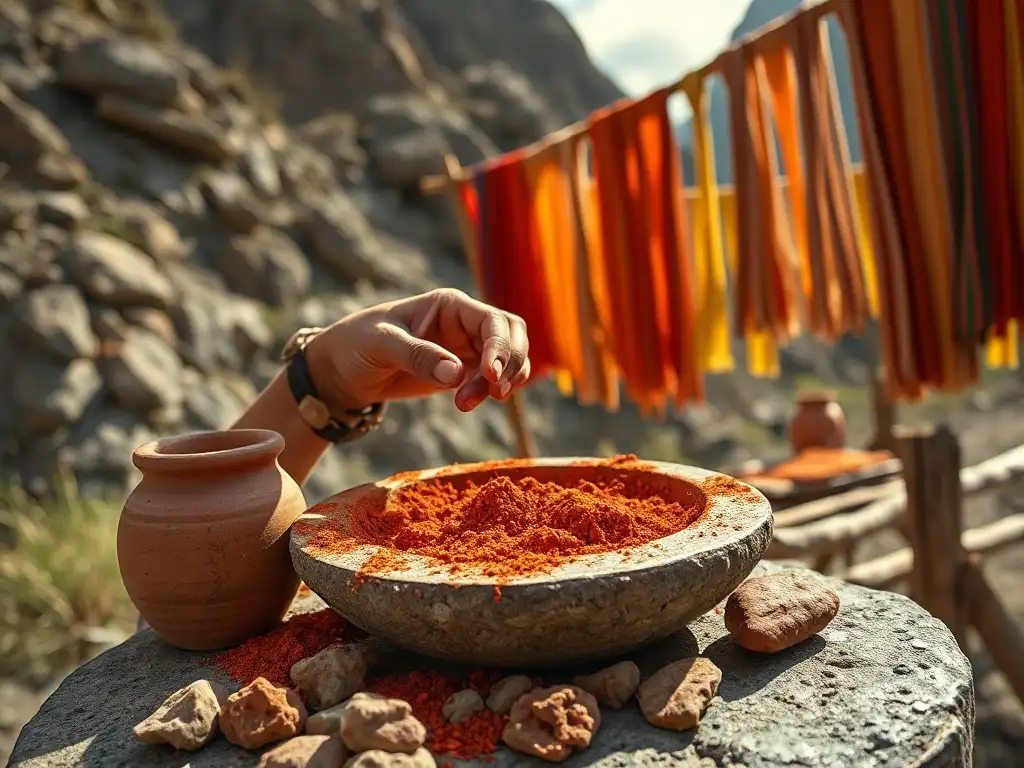
The vibrant colors adorning Andean textiles weren't achieved through magic, but through a meticulous and sophisticated dyeing process honed over millennia. This process, reliant heavily on locally sourced mineral pigments, involved several crucial steps, each demanding skill and precision. The Andean people, masters of their environment, understood the properties of both plants and minerals, and used this knowledge to create incredibly durable and stunningly beautiful fabrics. The process began long before the actual dyeing, with the careful selection and preparation of the fibers themselves, usually cotton or camelid wool.
Mordants: The Key to Color Fastness
A critical, often overlooked, step in Andean textile dyeing was the use of mordants. These substances acted as a bridge, binding the dye molecules to the fibers, ensuring colorfastness and preventing the colors from fading or washing away. The Andeans employed a variety of natural mordants, their choices often dictated by the available resources in their specific region. Common mordants included:
- Plant-based mordants: These included the bark of certain trees, leaves, and roots, providing a gentler approach compared to mineral alternatives. The exact species varied regionally, reflecting the biodiversity of the Andes. Further research is needed to fully identify all the plant-based mordants used across different Andean cultures. [Specific information pending]
- Mineral mordants: These were often used for greater colorfastness and vibrancy. Common examples include alum (potassium aluminum sulfate), which was used extensively across many Andean societies. Other mineral-based mordants, possibly including iron oxides, were likely also employed, though detailed records are scarce. The precise techniques for preparing and applying these mineral mordants are still being investigated. [Specific information pending]
The application of mordants was a crucial stage. Insufficient mordant would result in dull, fugitive colors easily washed out, while an excess could negatively impact the fiber's texture or even damage it. The precise proportions and methods would have varied based on the specific dye and fiber used, demonstrating the Andean dyers' deep understanding of chemical interactions.
Dyeing Techniques with Mineral Pigments
Once the fibers were mordanted, the actual dyeing process commenced. The Andean people utilized a diverse range of mineral pigments, sourced from the abundant mineral deposits throughout the Andes. This palette included:
- Ochres: Providing various shades of yellow, orange, and red-brown, these iron oxides were readily available and widely used across different Andean cultures.
- Hematite: A primary source of red pigments, hematite's rich color contributed significantly to the vibrancy of many Andean textiles.
- Goethite: This iron oxide mineral yielded earthy browns and yellows, adding depth and complexity to the color schemes.
- Malachite: A copper carbonate mineral, malachite provided a striking green, although its rarity likely limited its use to prestigious or ceremonial textiles.
The techniques employed for dyeing with mineral pigments varied. Some methods involved boiling the fibers in a dye bath containing finely ground pigments, while others might have involved painting the pigments directly onto the fabric. The exact methods are still being researched, and archaeological evidence suggests regional variations in technique.
The use of natural binders, like gums or plant extracts, to help adhere the pigments to the fibers is likely, though the precise composition of these binders remains largely unknown. [Specific information pending] The meticulous craftsmanship involved is evident in the surviving textiles, demonstrating the dedication and skill of the Andean dyers.
Case Study: The Paracas Mantle and its Mineral Pigments
The Paracas culture (circa 800-100 BCE), known for its elaborate textiles, offers a fascinating case study in Andean mineral pigment use. The iconic Paracas mantles, often featuring intricate designs and vibrant colors, showcase the mastery of Andean dyeing techniques. Analysis of these mantles has revealed the presence of various mineral pigments, including:
| Pigment | Color(s) | Source | Function/Notes |
|---|---|---|---|
| Hematite | Red, reddish-brown | Iron oxide mineral | Widely used for vibrant red hues. |
| Ochre | Yellow, orange, brown | Iron oxide mineral | Provided a range of earthy tones. |
| Azurite/Malachite | Blue/Green | Copper carbonate | Possibly used sparingly, given their rarity. |
The precise methods used by Paracas dyers remain partially mysterious, but the results are undeniable. The enduring vibrancy of these colors, even after centuries, testifies to the effectiveness of their techniques and the quality of the mineral pigments they employed.
Further research, including advanced spectroscopic analysis of surviving textiles, is needed to fully understand the complexities of Paracas dyeing practices and the specific sources of their mineral pigments. The Paracas mantles serve as a powerful testament to the sophisticated understanding of color and material science possessed by the Andean civilizations, underscoring the enduring legacy of Andean textile traditions and their innovative use of Andean textile mineral pigments.
Preserving and Appreciating Andean Textile Colors
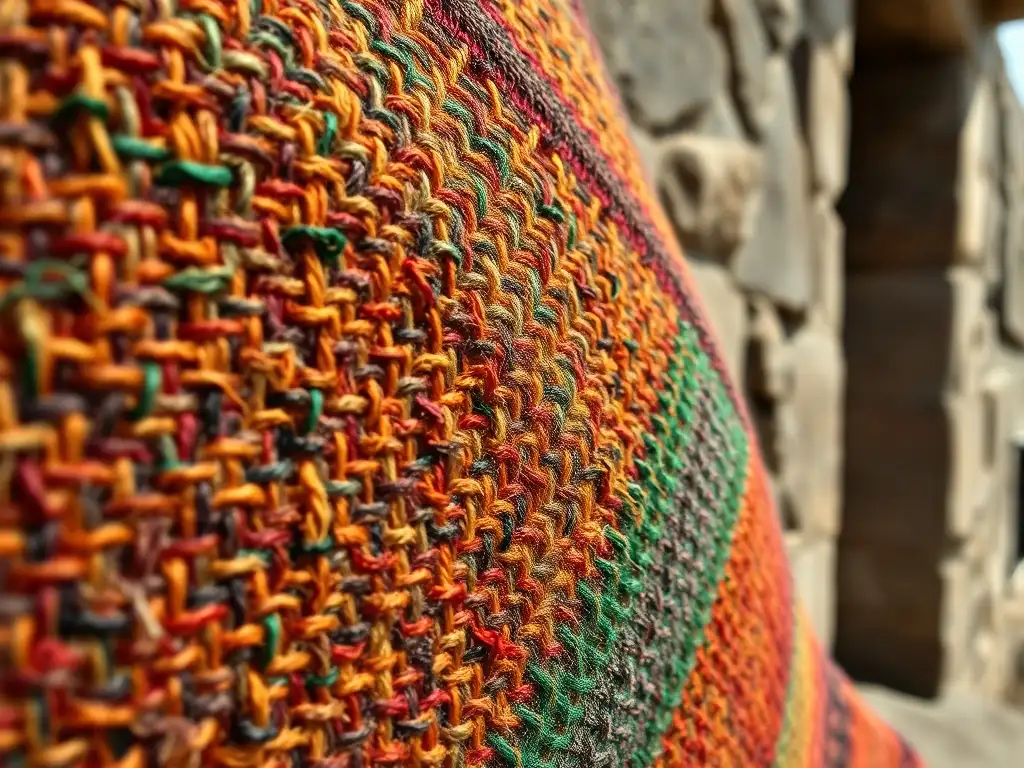
The vibrant hues of Andean textiles, achieved through the masterful use of mineral pigments, are a testament to the ingenuity and artistry of ancient Andean cultures. These colors, however, are fragile and require careful preservation to ensure their longevity. Understanding the nature of these pigments – their chemical composition and inherent vulnerabilities – is crucial for effective conservation.
Many Andean textile mineral pigments are susceptible to light damage, fading significantly over time when exposed to prolonged sunlight or artificial illumination. Similarly, humidity and temperature fluctuations can lead to color degradation and fiber deterioration. The use of improper cleaning methods can also irreparably harm these delicate artifacts.
Caring for Mineral-Dyed Textiles
Proper storage is paramount in preserving Andean textile mineral pigments. Textiles should be stored in a cool, dark, and dry environment, ideally in acid-free archival boxes or containers. Fluctuations in temperature and humidity can cause the fibers to expand and contract, leading to stress on the dyed areas and potential cracking or flaking of the pigments. Maintaining a stable climate is therefore critical.
Furthermore, textiles should be handled with extreme care, avoiding direct contact with skin oils and other contaminants that might accelerate deterioration. Gloves should always be worn when handling these precious artifacts. Cleaning should only be undertaken by trained professionals, using specialized methods and materials compatible with the specific pigments used. Harsh chemicals or abrasive cleaning techniques can permanently damage the textiles and the vibrant colors they exhibit.
Regular inspection for signs of deterioration, such as fading, discoloration, or fiber damage, is crucial for early intervention and preventative conservation. Careful monitoring and prompt professional attention can significantly extend the lifespan of these historically significant textiles. The careful preservation of these textiles is not just about maintaining their aesthetic appeal; it’s about preserving a vital part of Andean cultural heritage.
The Legacy of Andean Textile Mineral Pigments
The use of Andean textile mineral pigments represents a profound connection between the Andean peoples and their environment. The pigments themselves – sourced from the earth – are inextricably linked to the landscape, reflecting the rich diversity of the Andean geological formations. From the deep reds of hematite to the vibrant yellows of goethite, and the earthy browns of manganese oxides, each color tells a story, a reflection of the natural world and the ingenuity of the artisans who harnessed these materials.
The techniques employed in extracting, processing, and applying these pigments are equally fascinating, demonstrating a sophisticated understanding of chemistry and material science. The legacy of these pigments extends beyond the aesthetic beauty of the textiles; they serve as tangible links to the past, offering invaluable insights into the cultural practices, beliefs, and technological advancements of ancient Andean societies. Studying these pigments allows us to reconstruct ancient trade routes, understand the social status of the artisans, and appreciate the complex symbolism associated with specific colors.
The continued study and preservation of Andean textile mineral pigments is therefore essential not only for safeguarding cultural heritage but also for enriching our understanding of these remarkable civilizations. The vibrant colors, painstakingly created using these natural pigments, continue to resonate, reminding us of the enduring legacy of Andean craftsmanship and artistry. Further research into the specific mineral compositions and dyeing techniques would provide even greater insight into this unique aspect of Andean culture.
Frequently Asked Questions
What were the main sources of mineral pigments used in Andean textile dyeing?
Andean textile artists utilized a variety of mineral pigments sourced from the region's diverse landscape. These included minerals like azurite (blue), hematite (red), and limonite (yellow/brown), among others. The availability of these materials varied regionally.
How did the Incas use mineral pigments in their textiles?
Inca textile production was sophisticated, employing mineral pigments extensively to create vibrant and symbolic colors in their clothing, tapestries, and other artifacts. The colors often held religious and social significance.
What techniques were used to apply mineral pigments to textiles?
Techniques varied across cultures and time periods, but generally involved grinding the pigments into a fine powder and mixing them with a binder such as water, gum arabic, or even llama dung, before application to the fabric.
How durable were textiles dyed with Andean mineral pigments?
The durability of Andean textiles varied depending on the specific pigments and techniques used. Some mineral pigments proved remarkably long-lasting, with examples surviving for centuries, while others were less resistant to fading or weathering.
Where can I see examples of Andean textiles dyed with mineral pigments?
Many museums around the world, including institutions specializing in pre-Columbian art, house collections showcasing Andean textiles. You can also find examples in private collections and occasionally, on archaeological sites.
Final Reflection: A Legacy Woven in Earth's Hues
The vibrant tapestry of Andean textile art, once a testament to ancient ingenuity, continues to resonate today, a powerful symbol of cultural resilience and environmental harmony. The intricate designs, imbued with the rich colors of mineral pigments, speak not only of artistic mastery but also of a deep connection to the land and its resources, a connection that remains profoundly relevant in our increasingly globalized world. The sustainable practices employed by Andean artisans offer a potent counterpoint to the environmentally damaging processes prevalent in modern industrial dyeing.
The enduring influence of these mineral pigments extends far beyond the textiles themselves; they represent a profound understanding of the natural world and a sustainable approach to art and craft. These pigments are not merely dyes; they are a tangible link to ancestral knowledge, a living legacy passed down through generations. The earth provides, and we, in turn, must respect and protect her gifts.
This unspoken principle, embedded within the very fabric of Andean textile traditions, offers a valuable lesson for contemporary society grappling with environmental challenges and the ethical implications of our consumption habits.
Consider the stories whispered by each thread, the history painted in each shade. You, too, can become a part of this rich narrative. By appreciating the artistry and sustainability of Andean textile traditions, you not only support the continuation of this vital cultural heritage but also inspire a deeper connection to the natural world and a more mindful approach to your own consumption. Let the colors of the earth inspire you to weave your own threads of sustainability and respect into the fabric of your life.
Unveil the Vivid World of Andean Colors!
Thank you for exploring the vibrant world of mineral pigments and traditional dyeing techniques in Andean textile art! Your interest not only celebrates this rich cultural heritage but also actively supports its preservation. Let's explore ways to bring these dazzling colors into your life.
Here are some inspiring actions you can take:
- **Experiment with natural dyes:** Discover local sources of natural dyes and try dyeing your own fabrics at home—it's a wonderful way to connect with this ancient art form!
- **Share your passion:** Invite friends and family to participate in a dyeing workshop, fostering a sense of community and shared learning.
- **Connect with fellow enthusiasts:** Join an online forum or group dedicated to textile art to exchange ideas, stories, and creations.
What colors and techniques resonate most with your own cultural heritage? Let's discuss this further!