
The Language of Andean Textiles: Motifs, Patterns, and Their Hidden Messages

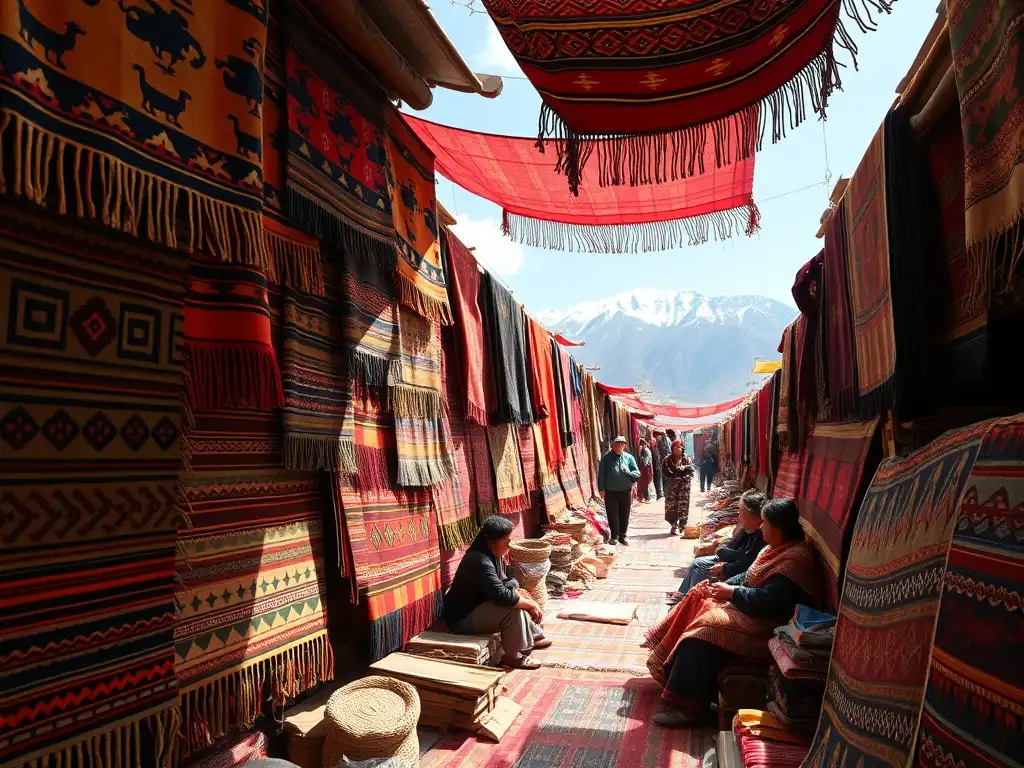
Unravel the mysteries woven into the very fabric of history. For centuries, the Andean civilizations have captivated the world with their breathtaking artistry and ingenuity. But beyond their stunning beauty, the vibrant colors and intricate designs of Andean textile motifs hold a wealth of untold stories. Prepare to decipher the hidden messages embedded within these ancient threads and discover the profound meanings behind their captivating patterns – a journey into the heart of Andean culture awaits. Dive into the world of " Andean textile motifs meanings" and unlock the secrets they hold.
- Decoding the Language of Andean Textiles: Unveiling Motifs and Their Meanings
- Decoding Complex Patterns: Weaving Techniques and Their Significance
- Preserving the Art of Andean Textiles: The Future of a Rich Heritage
-
Frequently Asked Questions
- What are Andean textiles known for?
- What do the different colors in Andean textiles represent?
- How are Andean textile motifs related to Andean beliefs?
- Where can I learn more about the meanings of specific Andean textile motifs?
- Are there any resources that show examples of Andean textile motifs and their meanings?
- Final Reflection: Unraveling the Whispers of Andean Textiles
- Unveil the Hidden Stories in Andean Textiles!
Decoding the Language of Andean Textiles: Unveiling Motifs and Their Meanings
Andean textiles represent far more than just clothing or decorative items; they are intricate tapestries woven with threads of history, belief, and social status. For centuries, the Andean peoples—including the Inca, Moche, Nazca, and Tiahuanaco civilizations—employed textiles as a powerful form of communication, narrating stories, conveying social hierarchies, and expressing spiritual beliefs through carefully chosen colors, patterns, and motifs. This article delves into the fascinating world of Andean textile motifs, exploring their meanings and the rich cultural heritage they embody.
We will uncover the hidden messages embedded within these vibrant fabrics, revealing the sophisticated artistry and symbolism that make them so unique. Understanding these motifs provides a crucial window into the complexities of Andean societies and their enduring legacy. Prepare to be amazed by the depth and intricacy of this ancient language woven into cloth.
Introduction to Andean Textile Art: More Than Just Fabric
Andean textile art is renowned for its exceptional quality and vibrant designs. The creation of these textiles was a highly skilled craft, often passed down through generations within families. Artisans meticulously selected high-quality fibers, such as alpaca and llama wool, known for their softness, warmth, and durability. The process of transforming raw fibers into intricate textiles involved multiple stages, from shearing and spinning to dyeing and weaving.
Natural dyes, derived from plants, insects, and minerals, produced a breathtaking range of colors, each carrying its own symbolic significance. For example, red often symbolized blood and fertility, while yellow represented the sun and gold. The complex techniques employed, including backstrap loom weaving and intricate embroidery, showcase the remarkable technical skill of Andean artisans. These textiles weren't merely functional; they were imbued with spiritual and social meaning, serving as powerful tools of communication and self-expression.
The meticulous detail and symbolic richness embedded in each piece make Andean textiles truly exceptional works of art. The sheer variety of motifs across different Andean cultures is staggering, reflecting the diverse landscapes and belief systems of the region. Even seemingly simple patterns often held deep symbolic significance, reflecting the interconnectedness of the Andean worldview.
Understanding Andean Textile Motifs Meanings: A Visual Dictionary
Many Andean textile motifs represent animals, plants, and celestial bodies, each holding specific cultural and spiritual meanings. Let's explore some common motifs and their interpretations:
- Camelids (Llamas, Alpacas): Represent wealth, status, and the Andean landscape itself. Their presence often signifies prosperity and connection to the land.
- Birds: Frequently symbolize freedom, communication with the spiritual world, and shamanic journeys. Specific bird species held different meanings based on their characteristics and behavior.
- Geometric Patterns: These often represent agricultural cycles, celestial events, or clan affiliations. The precise arrangement and combination of shapes hold significant meaning.
- Spirals and Swastikas: These motifs are associated with the sun, fertility, and cyclical nature of life and death. Interpretations can vary between different Andean cultures.
- Human Figures: Depictions of humans, often stylized, can represent ancestors, deities, or important figures in Andean mythology. Their attire and posture provide additional clues to their identity and significance.
The following table provides a simplified visual representation of some common motifs and their associated meanings. Note that interpretations can be complex and nuanced, varying based on context and the specific Andean culture.
| Motif | Description | Possible Meanings | Cultural Context |
|---|---|---|---|
| Llama | Stylized depiction of a llama | Wealth, status, connection to the land | Inca, Moche, Nazca, and other Andean cultures |
| Condor | Depiction of a condor | Power, strength, connection to the spiritual world | Inca, Moche, and other Andean cultures |
| Staircase | Series of steps | Ascent to the spiritual world, social hierarchy | Various Andean cultures |
| Sun Cross | Cross-shaped motif | Sun, fertility, cyclical nature of life and death | Various Andean cultures |
| Geometric Shapes | Triangles, squares, diamonds, etc. | Agricultural cycles, celestial events, clan affiliation | Vary greatly depending on the specific shapes used |
Further research and detailed analysis of individual textile pieces are crucial for a more complete understanding of these intricate symbolic systems.
The Importance of Andean Textile Motifs: Communication Through Cloth
Andean textile motifs served as a vital form of communication, transmitting information across generations and conveying complex social messages. The use of specific colors and patterns indicated social status, clan membership, and even marital status. Textiles were used in rituals and ceremonies, acting as powerful symbols of religious beliefs and spiritual practices. The intricate weaving techniques and symbolic motifs served as a record of history, preserving knowledge and cultural heritage.
The creation and use of these textiles reinforced social bonds and contributed to the collective identity of Andean communities. The enduring appeal of Andean textiles lies in their ability to connect us to a rich and complex past, demonstrating the enduring power of art and craftsmanship to transmit cultural knowledge and spiritual beliefs. The study of Andean textile motifs continues to reveal new insights into the lives, beliefs, and artistic achievements of these remarkable civilizations.
The legacy of Andean textile art continues to inspire artists and scholars alike, reminding us of the profound connection between humans and the natural world. The meticulous craftsmanship, the rich symbolism, and the enduring cultural significance of Andean textiles make them a captivating and invaluable source of historical and cultural information. 😜
Key Andean Textile Motifs and Their Interpretations: An In-Depth Look
Andean textiles are renowned not just for their vibrant colors and intricate weaving techniques, but also for the rich symbolic language woven into their motifs. These motifs, far from being mere decorations, served as powerful carriers of cultural, religious, and social information, acting as a visual language understood by those within the Andean communities. Understanding these motifs offers a fascinating glimpse into the worldview and beliefs of these ancient cultures.
The interpretation of these symbols, however, is complex and often debated among scholars, with meanings sometimes varying based on context, region, and the specific time period. Nevertheless, some common motifs and their generally accepted interpretations provide a valuable starting point for deciphering the secrets held within these remarkable textiles.
One frequently encountered motif is the khipu, or knotted string. While not directly a textile motif in the traditional sense, the khipu's intricate system of knots and colors was used as a sophisticated form of record-keeping, often depicted on textiles to symbolize knowledge, history, and the transmission of information across generations. The precise meaning of each knot and color combination remains a subject of ongoing research, but its presence on textiles undeniably highlights the importance of recording and preserving cultural memory.
Another prominent motif is the depiction of camelids, including llamas, alpacas, and vicuñas. These animals were central to Andean life, providing wool for textiles, meat for sustenance, and transportation across the challenging terrain. Their presence on textiles often signifies prosperity, abundance, and connection to the land. Specific depictions, such as a llama carrying a burden, might symbolize the responsibilities of community members or the importance of trade and exchange. The style of depiction—realistic or stylized—can also subtly alter the meaning, with more stylized representations potentially holding deeper spiritual connotations.
Furthermore, the use of geometric patterns is ubiquitous in Andean textiles. These patterns are not simply aesthetic choices; they often represent cosmic order, agricultural cycles, and the relationship between the human world and the supernatural. Zigzags, for instance, can symbolize mountains, lightning, or the paths of celestial bodies, while stepped patterns might represent agricultural terraces or the layers of the earth. The specific combination and arrangement of these geometric shapes can dramatically influence the overall meaning of the textile. Researchers continue to uncover new insights into the complex symbolic systems embedded within these seemingly simple patterns.
Finally, the inclusion of anthropomorphic and zoomorphic figures—human and animal representations—can reveal narratives or allude to specific deities or mythical beings. These figures, often depicted in highly stylized forms, require careful analysis to understand their precise meanings. The context in which they appear within the larger textile design is crucial for accurate interpretation, as their placement and relationship to other motifs can significantly affect their overall significance. For example, a figure positioned near agricultural motifs might represent a deity associated with fertility or harvest.
The study of Andean textile motifs is an ongoing process of discovery and interpretation. New research constantly sheds light on the complexity and sophistication of this ancient visual language, revealing deeper layers of meaning within these captivating artifacts. Further investigation and careful analysis of the textiles themselves, combined with contextual information from archaeological findings and ethnographic studies, are essential for a more complete understanding of the messages embedded within these extraordinary textiles. Each textile represents a unique piece of the Andean cultural puzzle, offering a glimpse into a rich and complex past.
Decoding Complex Patterns: Weaving Techniques and Their Significance
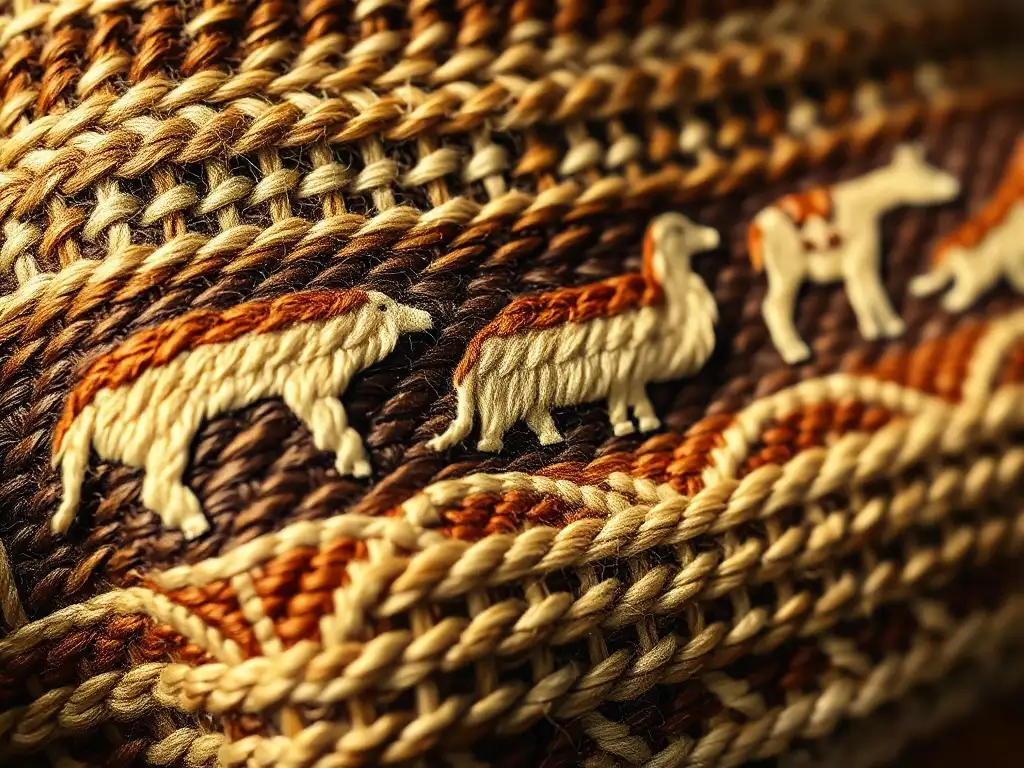
The vibrant colors and intricate designs of Andean textiles are captivating, but understanding their deeper meaning requires delving into the weaving techniques themselves. The way a textile is woven, beyond the motifs themselves, speaks volumes about its creator, its purpose, and its cultural context. This is crucial for understanding the true breadth of "Andean textile motifs meanings." The seemingly simple act of weaving becomes a complex language, conveying social status, spiritual beliefs, and historical events.
Beyond Simple Motifs: The Language of Woven Structures
More than just pretty pictures, the structure of the weave itself carries significant meaning. Consider the difference between a simple tapestry weave and a complex k'epi technique (a type of double cloth weaving). A tapestry weave, while capable of intricate designs, often implies a certain level of accessibility and perhaps less ceremonial significance.
In contrast, the demanding k'epi technique, with its multiple layers and intricate interweaving, suggests a higher level of skill and often indicates a textile with a deeply symbolic or ritualistic purpose. This distinction highlights how the method of creation contributes significantly to the overall "Andean textile motifs meanings."
The choice of fiber also plays a crucial role. The use of fine vicuña wool, for example, immediately signals high social status, while the use of readily available alpaca or llama wool might denote a more everyday object. Even the color of the yarn, obtained through natural dyes derived from plants and minerals, holds symbolic weight. Red, for example, frequently represents blood, fertility, and power across various Andean cultures, while yellow could signify divinity or the sun. Therefore, a deep understanding of Andean textile motifs meanings necessitates a holistic approach encompassing both design and technique.
Analysis of Specific Textile Examples: Case Studies
Let's examine some concrete examples to illustrate the depth of meaning embedded within Andean textiles.
| Textile Type | Weaving Technique | Dominant Motifs | Potential Meanings | Cultural Context |
|---|---|---|---|---|
| Paracas Mantle | Compound Warp-faced | stylized birds, felines | Shamanic rituals, ancestor veneration, power | Paracas Culture (ca. 200-100 BCE) |
| Nazca Textile Fragment | Simple tapestry weave | Geometric designs, stylized plants | Agricultural cycles, fertility, deities | Nazca Culture (ca. 100 BCE – 600 CE) |
| Inca Tunic | Warp-faced plain weave | Geometric patterns, knots | Social status, identity, kinship networks | Inca Empire (ca. 1438–1533 CE) |
Analyzing these examples reveals the multifaceted nature of Andean textile motifs meanings. The same motif, such as a stylized bird, can carry different meanings depending on its context: the specific type of bird depicted, its position within the overall design, and the weaving technique employed. Furthermore, the cultural context—the specific Andean civilization and its historical period—is crucial for accurate interpretation.
Even seemingly simple geometric patterns may hold complex symbolic significance relating to cosmology, mythology, or social organization. Further research into specific textile examples from various Andean cultures is needed to deepen our understanding of the "Andean textile motifs meanings." Detailed records of specific dye plants and their symbolic associations are also required for a complete picture.
Further Research Needs
More detailed studies are needed to fully understand the nuances of Andean textile motifs meanings. This includes:
- Ethnographic research documenting contemporary Andean textile traditions.
- Detailed analysis of textile fragments from archaeological sites, including advanced chemical analysis of dyes.
- Comparative studies across different Andean cultures to identify shared symbols and unique interpretations.
Preserving the Art of Andean Textiles: The Future of a Rich Heritage
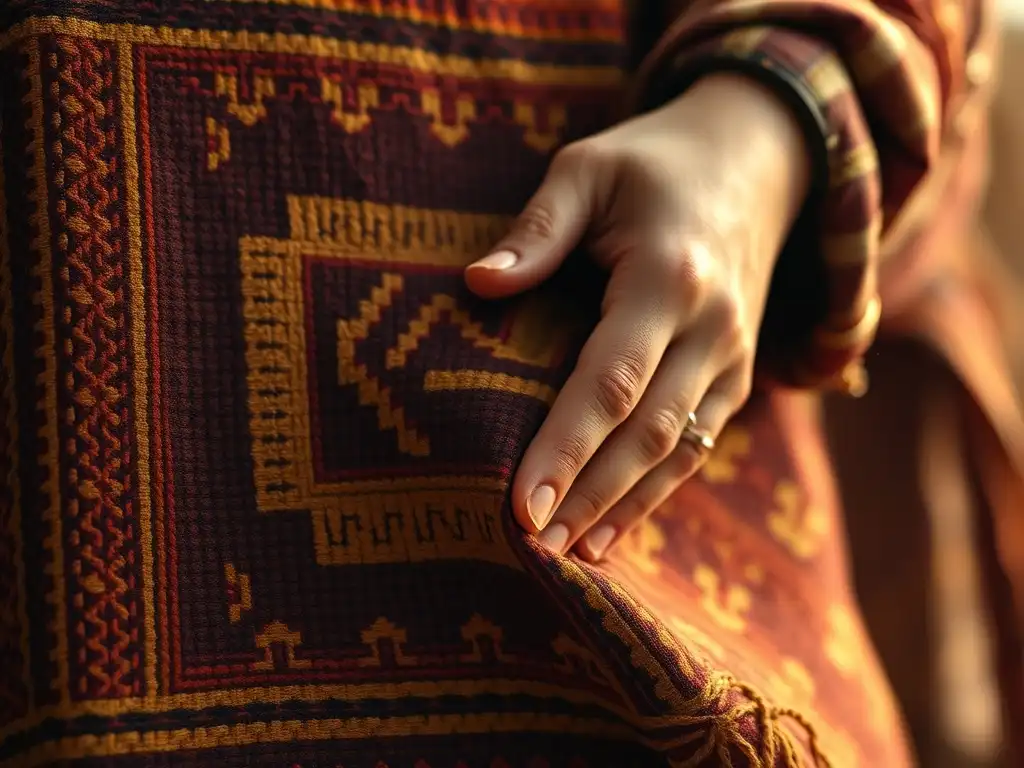
The vibrant tapestry of Andean textile traditions faces numerous challenges in the modern world. Globalization, mass production, and the allure of cheaper, industrially-produced fabrics threaten the livelihoods of artisans and the unique cultural heritage embedded within these textiles. However, dedicated efforts are underway to ensure the survival and flourishing of this art form. These initiatives focus on several key areas: the preservation of traditional techniques, the empowerment of Andean communities, and the promotion of sustainable practices.
Modern Applications of Andean Textile Motifs: Keeping the Tradition Alive
Andean textile motifs, far from being relegated to museums, are experiencing a remarkable resurgence in contemporary design. These ancient patterns, imbued with deep cultural significance, are finding new life in everything from high-fashion garments and home décor to graphic design and digital art. This revitalization not only offers economic opportunities for Andean communities but also helps to raise global awareness of their rich cultural legacy.
For example, designers are incorporating traditional khipu knotting techniques into jewelry and accessories, while the geometric patterns of Nazca textiles inspire contemporary clothing lines. The intricate iconography of Inca textiles is being reinterpreted in modern murals and digital prints. This innovative approach ensures that these motifs remain relevant and engaging for a wider audience, fostering appreciation and understanding of their historical context.
The use of these motifs in modern contexts also helps to combat the appropriation of Andean designs, ensuring that the cultural significance is acknowledged and respected. This modern application not only sustains the economic viability of traditional textile production but also actively contributes to the preservation of Andean cultural identity.
Where to Learn More and Purchase Authentic Andean Textiles: Resources and Recommendations
Discovering and supporting authentic Andean textiles requires careful consideration and research. Many resources are available to help consumers make informed choices that directly benefit Andean artisans and preserve their cultural heritage. Several organizations specialize in promoting ethical and sustainable trade, providing access to authentic textiles while ensuring fair compensation for the artisans.
These organizations often offer workshops and educational programs that delve deeper into the history, techniques, and symbolism of Andean textiles. They also provide detailed information on identifying authentic pieces, helping consumers distinguish genuine articles from mass-produced imitations. Additionally, many museums and cultural centers host exhibitions and educational programs focused on Andean textiles, offering invaluable opportunities to learn more about this rich artistic heritage.
By supporting these initiatives and making conscious purchasing decisions, consumers can actively contribute to the preservation of this invaluable cultural tradition and empower Andean communities. This conscious consumerism is crucial for the long-term survival of Andean textile art, ensuring its continued vitality for future generations. 🦙
Frequently Asked Questions
What are Andean textiles known for?
Andean textiles are renowned for their exceptional craftsmanship, vibrant colors, and complex iconography. They often tell stories and convey important cultural information.
What do the different colors in Andean textiles represent?
Colors held symbolic meanings varying across cultures and time periods. For example, red might represent blood or power, while yellow could symbolize the sun or gold. Specific interpretations require deeper research.
Many motifs represent deities, animals, or agricultural cycles, reflecting the Andean worldview and their relationship with the natural world. These motifs often conveyed messages about fertility, power, or social status.
Where can I learn more about the meanings of specific Andean textile motifs?
Researching specific motifs and their associated cultures will provide more detailed information. Academic journals, museum websites, and books on Andean art and archaeology are excellent resources.
Are there any resources that show examples of Andean textile motifs and their meanings?
Yes! Many museums and online databases feature images and descriptions of Andean textiles. Look for publications and websites specializing in Andean art and archaeology for detailed analyses.
Final Reflection: Unraveling the Whispers of Andean Textiles
The vibrant threads of Andean textiles aren't merely decorative; they are living archives, echoing centuries of history, belief, and cultural resilience. These intricate patterns, far from being mere aesthetics, hold profound meaning, offering a window into the rich tapestry of Andean life and worldview. Understanding these motifs allows us to connect with a legacy that continues to inspire and inform contemporary art and cultural expression.
The enduring power of Andean textile motifs lies in their ability to transcend time and space, continuing to resonate with both Andean communities and the global audience. Their symbolic language speaks to universal themes of nature, spirituality, and community, reminding us of the interconnectedness of all things. The threads themselves are a form of memory, carrying the stories of generations past.
This quote, though not directly from an Andean source, perfectly encapsulates the enduring power of these intricate designs to transmit knowledge and cultural identity across time. The ongoing study and appreciation of these textiles are crucial to preserving this invaluable heritage.
Consider the intricate detail, the vibrant colors, the stories woven into every stitch. Now, imagine the hands that created these masterpieces, the knowledge passed down through generations, the deep connection to the land and its spirits. You, too, can become a part of this ongoing conversation. Take a moment to reflect on the power of visual storytelling, on the importance of preserving cultural heritage, and on the beauty found in understanding the hidden messages embedded within seemingly simple patterns. Let the language of Andean textiles inspire you to seek deeper meaning in the world around you.
Thank you for exploring the rich tapestry of Andean textiles and their profound cultural significance with us! You've uncovered the intricate motifs and deep symbolism woven into these stunning pieces, and now it's time to continue your journey of discovery.
Here are some ways you can delve deeper into the enchanting world of Andean textiles:
- Support local artisans by purchasing a handcrafted textile directly from them or through a fair-trade organization. This helps preserve traditional techniques and empowers Andean communities.
- Share your passion for Andean textiles with friends and family, or inspire others online using #AndeanTextiles. Spread the word about the beauty and cultural importance of these remarkable works of art.
- Connect with other textile enthusiasts online. Join a forum or community dedicated to the study and appreciation of Andean textiles to exchange ideas and learn from experts and fellow admirers.
Now that you're inspired, which Andean motif resonates most with you, and what story do you imagine it tells? Let's start a conversation!