
Unearthing the Past: A Collector's Guide to Authentic Andean Artifacts

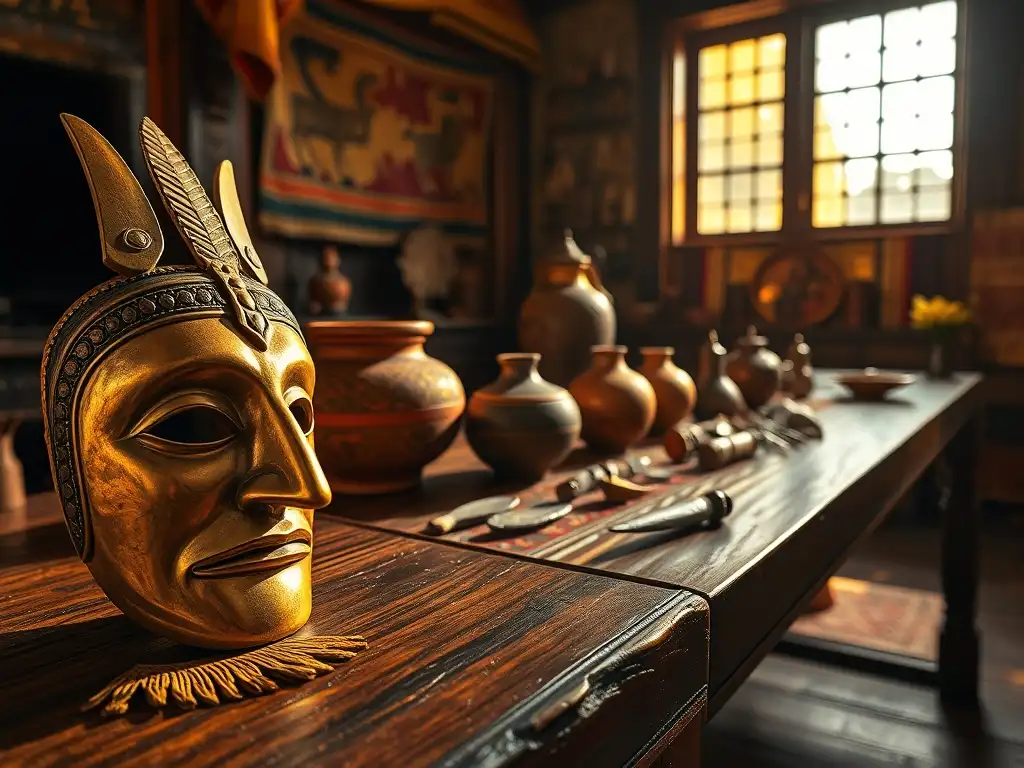
Step into a world lost to time, yet echoing with the whispers of empires. Imagine holding a piece of history, a tangible link to the ingenious artistry and advanced technology of the ancient Andean civilizations. This journey through the captivating world of authentic Andean artifacts for collectors unveils secrets buried for centuries. Are you ready to uncover the extraordinary? Explore the intricate craftsmanship and rich cultural heritage that awaits.
The allure of ancient Andean artifacts is undeniable. From the intricate textiles of the Nazca to the majestic goldwork of the Incas, these objects whisper tales of sophisticated civilizations that thrived in the challenging Andean landscape.
This guide serves as a comprehensive resource for collectors interested in acquiring authentic Andean artifacts, navigating the complexities of the market, and ensuring ethical and responsible collecting practices. We will explore the key characteristics that distinguish genuine artifacts from forgeries, delve into the nuances of the market, and provide practical advice to help you build a collection that reflects both your passion and a commitment to preserving this invaluable cultural heritage.
This guide is designed for both seasoned collectors and those just beginning their journey into the fascinating world of Andean antiquities; ultimately, it aims to equip you with the knowledge and tools necessary to make informed and ethical acquisitions of authentic Andean artifacts for collectors.
Introduction to Collecting Authentic Andean Artifacts
Collecting authentic Andean artifacts is a rewarding but demanding pursuit. It requires a blend of passion, knowledge, and a keen eye for detail. The sheer diversity of Andean cultures – spanning millennia and encompassing vastly different artistic styles – presents both a fascinating challenge and a potentially overwhelming task for the aspiring collector.
Understanding the historical context of each piece is crucial, as is recognizing the stylistic nuances that distinguish one civilization's artistry from another. This initial step involves familiarizing yourself with the major Andean cultures: the Incas, Moche, Nazca, Tiahuanaco, and many others, each possessing unique artistic expressions and technological achievements. Careful research into specific artistic styles, materials, and manufacturing techniques is paramount.
Furthermore, ethical considerations are paramount: ensuring the artifacts' provenance is clear and that their acquisition doesn't contribute to illegal looting or the destruction of archaeological sites is a crucial responsibility for every collector. This involves supporting reputable dealers and auctions, and understanding the legal frameworks surrounding the trade of antiquities.
Understanding the Market for Ancient Andean Art
The market for ancient Andean art is dynamic and complex. Prices vary dramatically depending on several factors, including the artifact's age, cultural origin, material, condition, and rarity. For example, finely crafted gold objects from the Incas command significantly higher prices than simpler pottery shards from lesser-known cultures. The market is also subject to fluctuations influenced by global economic conditions and changing trends in collecting preferences.
It’s crucial to understand these market forces before making any significant purchases. Moreover, the market is not without its challenges. The prevalence of fakes and forgeries necessitates a high degree of vigilance and expertise.
Knowing how to identify authentic artifacts from imitations is critical to avoiding costly mistakes and contributing to the preservation of cultural heritage. Responsible collecting also means being aware of the ethical concerns surrounding the trade of antiquities and ensuring that your acquisitions are obtained legally and ethically. The market's volatility emphasizes the importance of thorough research and due diligence before any investment.
Identifying Genuine Andean Antiquities: A Crucial First Step
Identifying genuine Andean antiquities requires a discerning eye and a solid understanding of Andean art history and material culture. Several key indicators can help differentiate authentic pieces from fakes. These include examining the artifact's patina (the surface coloration developed over time), the type of materials used (e.g., the specific clay composition of pottery, the alloys in metalwork), and the stylistic elements consistent with known artistic conventions of a particular culture and time period.
Careful observation of details such as craftsmanship, tool marks, and wear patterns can also reveal valuable clues. For instance, inconsistencies in style, the use of modern materials, or overly perfect condition might suggest a forgery. Consulting with reputable experts – archaeologists, art historians, or experienced collectors – is highly advisable, particularly for high-value or less commonly encountered artifacts.
They can provide invaluable insights and help verify authenticity. It's also beneficial to familiarize yourself with established authentication methods and techniques. The process is often multifaceted, requiring both visual inspection and potentially scientific analysis.
Navigating the World of Andean Artifact Dealers and Auctions
The acquisition of authentic Andean artifacts often involves navigating a complex network of dealers and auctions. Choosing reputable sources is paramount to ensure the ethical and legal sourcing of your acquisitions. Reputable dealers will be transparent about the provenance of their artifacts, providing documented evidence of their origin and history. They will also be knowledgeable about Andean art and culture, able to answer your questions and provide valuable insights.
Similarly, when participating in auctions, it’s essential to research the auction house's reputation and the authenticity guarantees they offer. It is advisable to carefully examine any provided documentation and, when possible, to have a qualified expert inspect any potential purchase before bidding. Establishing relationships with trusted experts and dealers can provide access to rare and high-quality artifacts, while also minimizing the risk of acquiring fakes or ethically questionable pieces. Remember that due diligence is key to responsible and rewarding collecting.
- Introduction to Collecting Authentic Andean Artifacts
- Understanding the Market for Ancient Andean Art
- How can I be sure an Andean artifact is authentic?
- What types of authentic Andean artifacts are available for collectors?
- Where can I find authentic Andean artifacts for sale?
- What are the legal considerations when buying Andean artifacts?
- How can I determine the value of an authentic Andean artifact?
Key Factors to Consider When Buying Authentic Andean Art
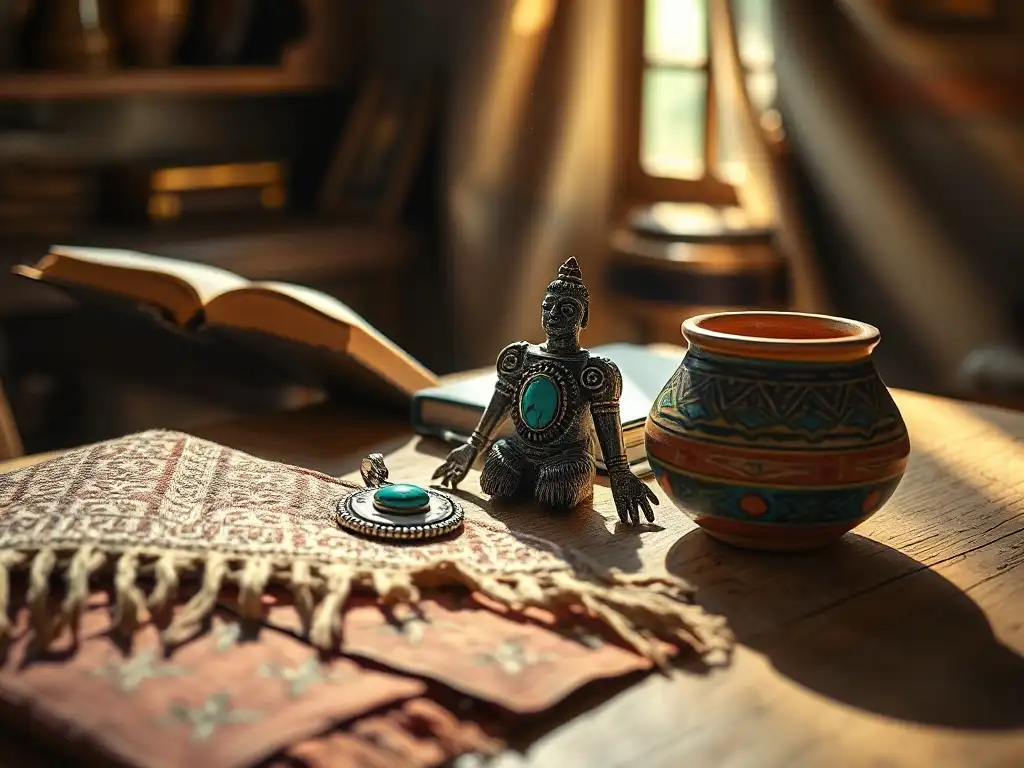
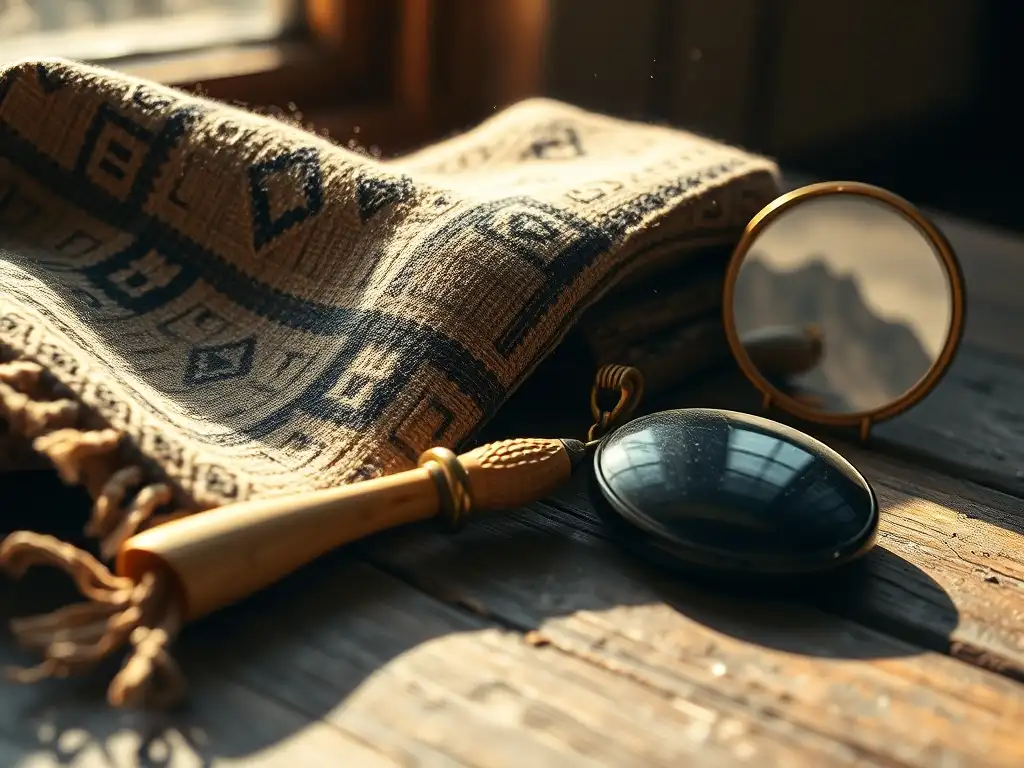
This section delves into the crucial aspects to consider when acquiring authentic Andean artifacts for your collection. Understanding these factors is paramount to ensuring you're investing in genuine pieces and avoiding reproductions or forgeries. The market for Andean art is vibrant, but it's crucial to be discerning to protect yourself from fraudulent practices and to build a truly meaningful collection reflecting the rich history of these fascinating civilizations. The pursuit of authentic Andean artifacts for collectors requires diligent research and careful consideration.
Material and Craftsmanship: Essential Elements of Authenticity
Authenticity in Andean artifacts often hinges on the materials used and the level of craftsmanship displayed. Identifying genuine materials is crucial. For example, Inca textiles frequently utilized camelid fibers like alpaca and llama wool, often showcasing intricate techniques like tapestry weaving and double-cloth construction. The colors themselves can be telling; certain pigments, like those derived from insects or minerals, were commonly employed and are characteristic of Andean artistry. Analyzing the dyes and their resilience to fading can be a key indicator of age and authenticity.
Conversely, modern reproductions frequently use synthetic fibers or readily available dyes, lacking the subtle nuances and imperfections found in ancient pieces. The fineness of the weave, the evenness of the color application, and the presence of natural variations in the fibers are all aspects to scrutinize. Consider the overall aesthetic; authentic Andean textiles often display a unique sense of balance and harmony, reflecting the cultural values and artistic traditions of the time. Look for inconsistencies and imperfections, which are actually signs of handmade artistry rather than mass production.
Furthermore, ceramic artifacts from cultures like the Moche and Nazca are characterized by specific clay types, firing techniques, and decorative styles. The presence of specific pigments, often derived from local minerals, and the distinctive surface treatments can help distinguish authentic pieces from modern imitations. Analyzing the texture of the pottery, the consistency of the glaze (if present), and the style of decoration are all critical aspects for assessing authenticity. The presence of repair work, while sometimes indicative of age, should be carefully examined; clumsy repairs or the use of modern materials are red flags.
Age and Condition: Impact on Value and Authenticity
The age and condition of an Andean artifact significantly impact its value and authenticity. While a perfectly preserved piece is highly desirable, signs of age and wear are often indicators of authenticity. Minor imperfections, such as cracks, chips, or repairs using traditional methods, are perfectly acceptable and often increase the historical significance of a piece. However, extensive damage or modern repairs using inappropriate materials should raise concerns.
Determining the age of an artifact can be challenging and often requires the expertise of a qualified appraiser or archaeologist. Scientific methods like radiocarbon dating or thermoluminescence dating can provide precise age estimations, but these methods are often expensive and may not be necessary for all pieces. Careful examination of the artifact's style, materials, and manufacturing techniques, in conjunction with stylistic comparisons to known artifacts with established provenance, can often provide a reasonable estimate of age. The patina, or surface discoloration, can also offer clues, though careful consideration must be given to environmental factors that could potentially alter it.
Documentation, such as museum records or reputable auction catalogs from past sales, can provide valuable information regarding an artifact's age and history. The presence of such documentation significantly enhances the artifact's credibility and value. A collector should always seek provenance information, as it can be a crucial element in determining authenticity and value.
Provenance and Documentation: Confirming the History of Your Artifacts
Provenance, or the documented history of ownership and location of an artifact, is arguably the most crucial factor in verifying authenticity. A clear and unbroken chain of custody from its discovery or origin to the present owner dramatically strengthens the case for authenticity. Documentation should include details such as the location of discovery, the circumstances of acquisition, and the names of previous owners. Reputable dealers and auction houses often provide detailed provenance documentation, enhancing the credibility of the artifacts they sell.
The absence of clear provenance is a major red flag. Artifacts lacking sufficient documentation should be approached with extreme caution. It is crucial to verify the claims made by the seller, requesting evidence of provenance and conducting independent research if necessary.
Consult with experts in Andean archaeology and art history to assess the authenticity and provenance of any artifact before purchasing it. This due diligence is essential to avoid acquiring forgeries or artifacts obtained through illicit means. Remember, investing in authentic Andean artifacts for collectors is a journey of careful research and informed decision-making; the rewards of owning a genuine piece are far greater than the risks of acquiring a counterfeit.
Recommended Resources for Collectors of Andean Artifacts
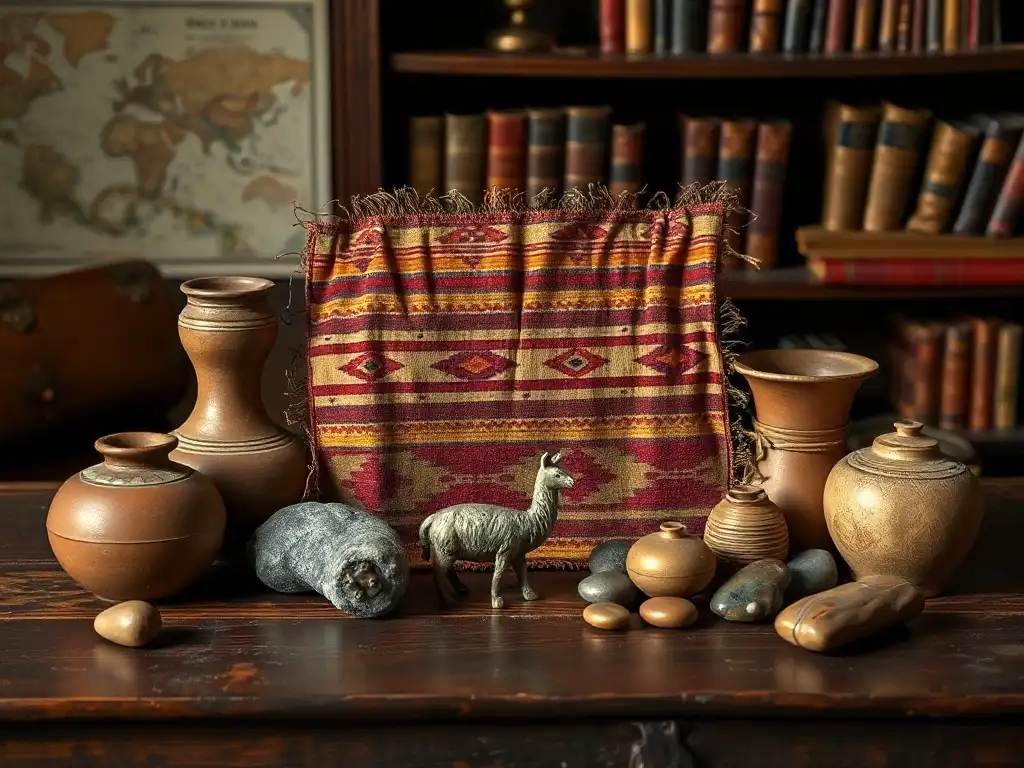
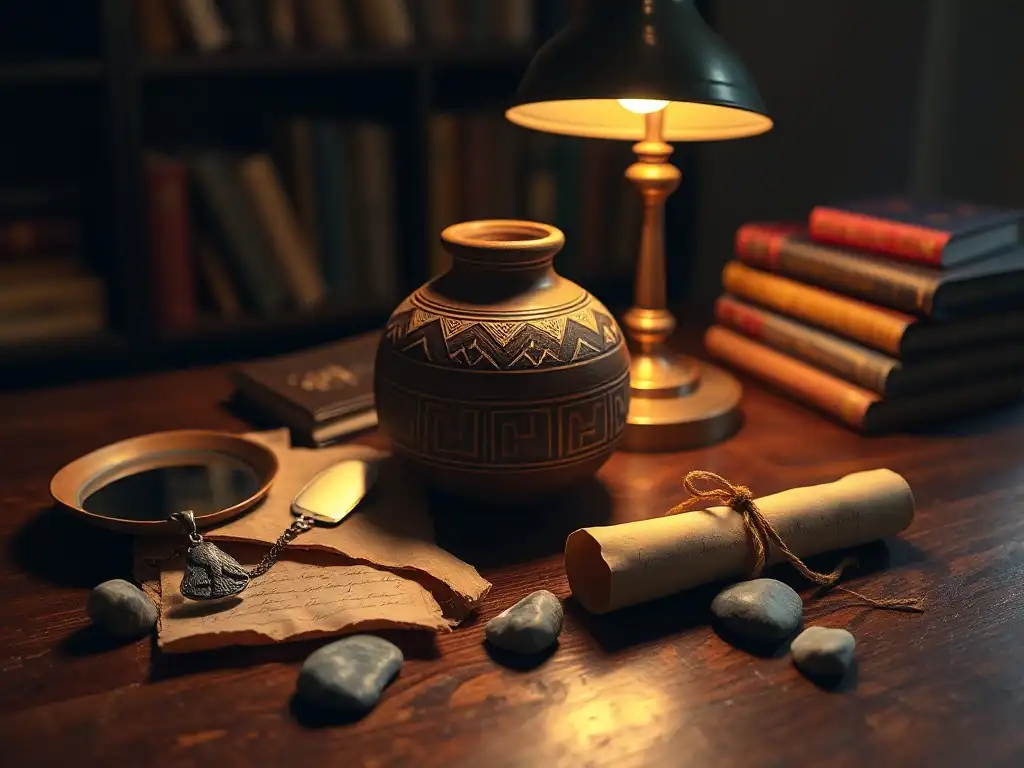
This section provides invaluable resources to help discerning collectors navigate the world of authentic Andean artifacts. Building a collection requires careful research, verification, and a commitment to ethical collecting practices. The resources outlined below will assist you in acquiring and appreciating genuine pieces while contributing to the responsible preservation of Andean cultural heritage. Remember, responsible acquisition is paramount when dealing with authentic Andean artifacts for collectors.
Books and Research Materials on Andean Civilizations and Art
Investing in reputable books and academic research is crucial for developing a nuanced understanding of Andean art and artifacts. This knowledge forms the bedrock of informed collecting, allowing you to distinguish genuine pieces from forgeries and reproductions. A robust library will significantly enhance your appreciation of the artistry and cultural significance behind each artifact.
Several key areas of research should be prioritized:
- Specific Cultural Groups: Focus on dedicated studies of the Incas, Moche, Nazca, Tiahuanaco, and other significant Andean cultures. Understanding their unique artistic styles, materials, and techniques is essential for authentication. Look for books that delve into the iconography, symbolism, and stylistic evolution within each culture.
- Material Analysis: Learn about the materials used in Andean artifact creation. This includes metals (gold, silver, copper), ceramics (types of clay, firing techniques), textiles (fibers, weaving styles), and stonework (types of stone, carving techniques). Understanding these materials will help you identify potential inconsistencies in purportedly authentic pieces.
- Dating Techniques: Familiarize yourself with the scientific methods used to date Andean artifacts, such as radiocarbon dating and thermoluminescence dating. While not always readily available to individual collectors, understanding these techniques will allow you to critically assess the claims made about the age of a piece.
- Archaeological Context: The provenance – the history of ownership and discovery – is critically important. Reputable sources will provide detailed information about the artifact's origin and excavation (if applicable). Artifacts unearthed through illicit means should be avoided.
Here's a sample table illustrating the diverse research areas:
| Research Area | Key Considerations | Example Resources (Specific titles pending) |
|---|---|---|
| Inca Art and Architecture | Imperial iconography, stonework techniques, metalworking, textile production | |
| Moche Pottery | Figurative styles, narrative scenes, funerary practices | |
| Nazca Textiles | Complex weaving techniques, geometric patterns, use of natural dyes | |
| Tiahuanaco Sculpture | Monumental architecture, stylistic characteristics, religious symbolism | |
| Andean Metallurgy | Alloying techniques, lost-wax casting, gold and silver working |
This careful research will equip you with the knowledge necessary to identify and appreciate the subtleties of authentic Andean artifacts for collectors.
Expert Consultations and Appraisal Services
While research is crucial, seeking expert opinions is equally vital, particularly when dealing with high-value or potentially controversial pieces. Independent appraisal and authentication by qualified professionals can provide crucial validation and safeguard your investment.
Several avenues exist for obtaining expert advice:
- University Archaeologists and Anthropologists: Many universities have faculty specializing in Andean studies. Contacting these experts can provide access to specialized knowledge and potentially lead to collaborations.
- Museum Curators and Conservators: Museum professionals possess extensive expertise in Andean artifacts. While they may not provide private appraisals, their insights can be invaluable.
- Reputable Auction Houses: Established auction houses specializing in antiquities often employ experts who can authenticate and appraise artifacts. However, always exercise due diligence and check their credentials.
- Independent Appraisers: Several independent appraisers specialize in authentic Andean artifacts for collectors. Thoroughly vet any appraiser before commissioning their services, ensuring they possess the necessary qualifications and experience.
Remember to always request detailed reports that clearly outline the assessment methodology and justify any conclusions regarding authenticity and value. This documentation is crucial for insurance purposes and for establishing the provenance of your collection. The pursuit of authentic Andean artifacts for collectors should always be guided by ethical principles and a commitment to preserving cultural heritage. 🤝
Spotlight on Popular Authentic Andean Artifacts
This section delves into the most sought-after authentic Andean artifacts among collectors, providing insights into their characteristics, historical significance, and what to look for when acquiring them. Understanding the nuances of each artifact type is crucial for building a genuine and valuable collection of authentic Andean art. The market for authentic Andean artifacts for collectors is competitive, making informed purchasing decisions paramount.
Moche Pottery: Iconic Stirrup Vessels and Figurines
Moche pottery, produced by the Moche civilization (circa 100-800 CE) on the northern coast of Peru, is renowned for its exquisite craftsmanship and striking realism. Collectors are particularly drawn to two main categories: stirrup-spout vessels and portrait figurines.
The iconic stirrup-spout vessels, so named for their distinctive spout resembling a stirrup, often depict complex scenes of daily life, mythology, or warfare. The level of detail is astonishing, with finely rendered figures, intricate patterns, and vivid colors that have remarkably survived centuries. Authentic examples will often exhibit signs of age, such as subtle craquelure (fine cracks in the glaze) and slight imperfections in the clay, reflecting the handcrafted nature of the pieces.
Beware of modern reproductions, which often lack the subtle nuances of age and the characteristic imperfections of ancient pottery. Look for evidence of natural wear and tear, consistent with the age of the artifact.
The Moche also created incredibly lifelike portrait figurines, portraying individuals with remarkable detail and emotional expression. These figurines, often found in tombs, offer valuable insights into the social hierarchy, customs, and beliefs of the Moche people. Authentic figurines are typically smaller and show signs of age and wear, unlike mass-produced replicas. The paint on authentic pieces often shows signs of age and fading, adding to their authenticity and appeal.
Pay close attention to the modeling of the faces, the details of the clothing, and the overall sense of realism. A truly authentic figurine will possess a certain "presence" that modern reproductions often lack. Collectors should also pay attention to provenance – a documented history of the artifact’s ownership – which greatly enhances its value and authenticity.
Inca Textiles: Intricate Weavings and Tapestries
Inca textiles, produced between the 15th and 16th centuries, are celebrated for their intricate designs, vibrant colors, and exceptional weaving techniques. These textiles were not merely functional items but also held deep symbolic and ritualistic significance. Authentic Inca textiles showcase mastery of various weaving techniques, such as tapestry, brocade, and embroidery, often incorporating camelid fibers like alpaca and vicuña.
The use of complex geometric patterns and zoomorphic motifs is a hallmark of Inca textiles. These patterns, frequently incorporating symbolic representations of animals, plants, and deities, tell stories and convey cultural beliefs. Authentic Inca textiles often show signs of age and wear, including fading colors and slight imperfections in the weaving. The fibers themselves may show signs of natural degradation, consistent with the age of the artifact.
The colors, while potentially faded, will often exhibit a depth and richness not found in modern reproductions. The quality of the fibers and the intricacy of the weaving are key indicators of authenticity. A high-quality magnifying glass can reveal the incredibly fine details in the weaving techniques.
Collectors should be wary of modern reproductions that mimic Inca styles. While some modern artisans create beautiful textiles inspired by Inca designs, distinguishing them from genuine artifacts requires a keen eye and knowledge of traditional Inca weaving techniques.
Nazca Ceramics: Colorful Geometric Designs
Nazca ceramics (circa 100 BCE – 500 CE), produced by the Nazca culture of southern Peru, are characterized by their vibrant colors and bold geometric designs. Unlike the realistic portrayal found in Moche pottery, Nazca ceramics are primarily known for their abstract, stylized designs and intricate patterns. These designs often incorporate lines, triangles, zigzags, and other geometric shapes, arranged in a way that creates a visually striking effect.
The polychrome style—the use of multiple colors—is a defining characteristic of Nazca pottery. These colors, often applied in layers, were derived from natural pigments, resulting in a unique and enduring vibrancy. Authentic Nazca ceramics will often exhibit a certain degree of wear and tear, reflecting their age and the passage of time. The paint may show some signs of flaking or fading, but the underlying colors should retain a degree of richness and depth. Similarly, the clay itself might show some minor imperfections or variations in texture. These are not necessarily flaws but rather indicators of authenticity.
The use of complex iconography, though abstract, is often symbolic and reflects the religious and cosmological beliefs of the Nazca people. Collectors should research the different types of Nazca designs and their potential meanings to better understand and appreciate these remarkable pieces. Reproductions often lack the depth of color, the precision of line, and the subtle variations in texture found in authentic Nazca ceramics. The use of modern pigments can often be detected by a trained eye. Authenticity can often be confirmed by studying the stylistic variations and regional differences in Nazca ceramic production.
Tiahuanaco Metalwork: Elaborate Ornaments and Sculptures
Tiahuanaco metalwork represents a pinnacle of artistry in ancient Andean craftsmanship. While less abundant than pottery or textiles from the same culture, surviving examples demonstrate a sophisticated understanding of metallurgy and a striking aesthetic sensibility. These artifacts offer collectors a unique glimpse into the religious and social practices of the Tiahuanaco civilization, flourishing between roughly 500 and 1000 CE in the Bolivian Altiplano. The scarcity of these pieces, coupled with their undeniable beauty, makes them highly sought-after by serious collectors of authentic Andean artifacts.
The most striking characteristic of Tiahuanaco metalwork is its intricate detail. Artisans skillfully crafted elaborate ornaments and sculptures using techniques like hammering, casting, and repoussé. They employed a variety of metals, including gold, silver, copper, and alloys like tumbaga (a gold-copper alloy). The use of tumbaga allowed for a wider range of colors and finishes, adding to the visual complexity of the pieces.
Many ornaments feature stylized representations of animals, such as condors and pumas, reflecting the importance of these creatures in Tiahuanaco mythology and cosmology. These aren't merely decorative; they often held symbolic significance, potentially representing power, status, or connection to the spiritual world. The level of detail, even in small pieces, is astonishing, showcasing the skill and patience of the metalworkers.
Sculptures, though less common, are equally impressive. These often depict figures, possibly deities or important individuals, in stylized poses. The use of different metals and techniques created a dynamic interplay of texture and form, enhancing the overall effect.
The pieces weren't simply functional; they were carefully crafted objects intended to inspire awe and reverence. The techniques used in creating these sculptures were advanced for their time, demonstrating a mastery of metalworking techniques rarely seen in other contemporary cultures. Understanding these techniques is crucial for authenticating Tiahuanaco metalwork, as forgeries often lack the nuances and sophistication of the originals.
Collectors should therefore seek expert opinions before acquiring such pieces. The study of these artifacts reveals a complex society with a rich understanding of metallurgy and symbolism, making them invaluable for understanding Tiahuanaco culture. Furthermore, the historical and cultural context surrounding these pieces significantly contributes to their value and importance within the field of Andean art collecting.
Frequently Asked Questions
How can I be sure an Andean artifact is authentic?
Authenticity is crucial. Look for provenance documentation, ideally tracing ownership back to reputable archaeological sources. Consult with reputable experts in Andean archaeology before purchasing.
What types of authentic Andean artifacts are available for collectors?
A wide variety of items are available, including pottery, textiles, metalwork, and stone carvings. The availability depends on legality and the specific civilization.
Where can I find authentic Andean artifacts for sale?
Reputable auction houses, museums, and specialized galleries often sell authenticated pieces. Be wary of online marketplaces with unverified sellers.
What are the legal considerations when buying Andean artifacts?
Many countries have strict laws regarding the export and import of antiquities. Ensure the artifact's sale and purchase are fully legal and compliant with all relevant regulations.
How can I determine the value of an authentic Andean artifact?
The value depends on factors like age, rarity, condition, and provenance. Consult with experienced appraisers specializing in Andean artifacts for a professional assessment.
Final Reflection: The Enduring Legacy of Andean Craftsmanship
The meticulous pursuit of authentic Andean artifacts is not merely a hobby; it's a journey through time, connecting us to a rich tapestry of cultures and unparalleled artistry. The demand for these pieces, while requiring careful ethical sourcing, underscores the enduring power and beauty of these ancient traditions, a legacy that continues to inspire awe and fascination today.
The impact of Andean artistry extends far beyond the collector's cabinet; it shapes our understanding of history, fuels creative expression, and offers a profound connection to the human spirit. These artifacts are more than just objects; they are tangible links to civilizations that thrived centuries ago, whispering stories of innovation, resilience, and a deep connection to the natural world. The past is never dead. It's not even past.
- William Faulkner. This quote resonates deeply, as each artifact unearthed and preserved helps keep the vibrant spirit of Andean cultures alive.
Consider the implications of your choices as a collector. Are you actively supporting ethical sourcing and preservation efforts? Are you learning about the history and cultural significance behind each piece? You have the power to be a steward of this incredible heritage, ensuring that future generations can appreciate the artistry and ingenuity of the Andean people. Embrace the responsibility, and let your collection become a testament to the enduring power of cultural preservation and the beauty of the past.
Embrace the Legacy: Start Your Andean Artifact Collection Today!
Thank you for exploring the rich history of Andean cultures! Your interest has clearly sparked a passion for connecting with this vibrant past. Now, it's time to transform that passion into action.
Here are a few steps to get you started:
- **Begin your collection:** Start by exploring local antique shops or reputable online marketplaces for **authentic Andean artifacts**. A smaller, affordable piece that resonates with you is a perfect way to begin.
- **Join a community:** Connect with fellow enthusiasts through online forums, social media groups, or local clubs. Sharing your discoveries and experiences will enhance your journey and provide valuable insights.
- **Educate yourself:** Immerse yourself in the world of Andean civilizations. Read books, attend lectures, or visit museums to deepen your understanding and appreciation. The more you learn, the more rewarding your collecting experience will become.
Ready to begin your search for your first treasure? What initially captivated you about Andean artifacts, and what are you hoping to learn and discover on this exciting journey? We'd love to hear your thoughts!