
The Secret Life of Andean Markets: Where Tradition and Trade Intertwine

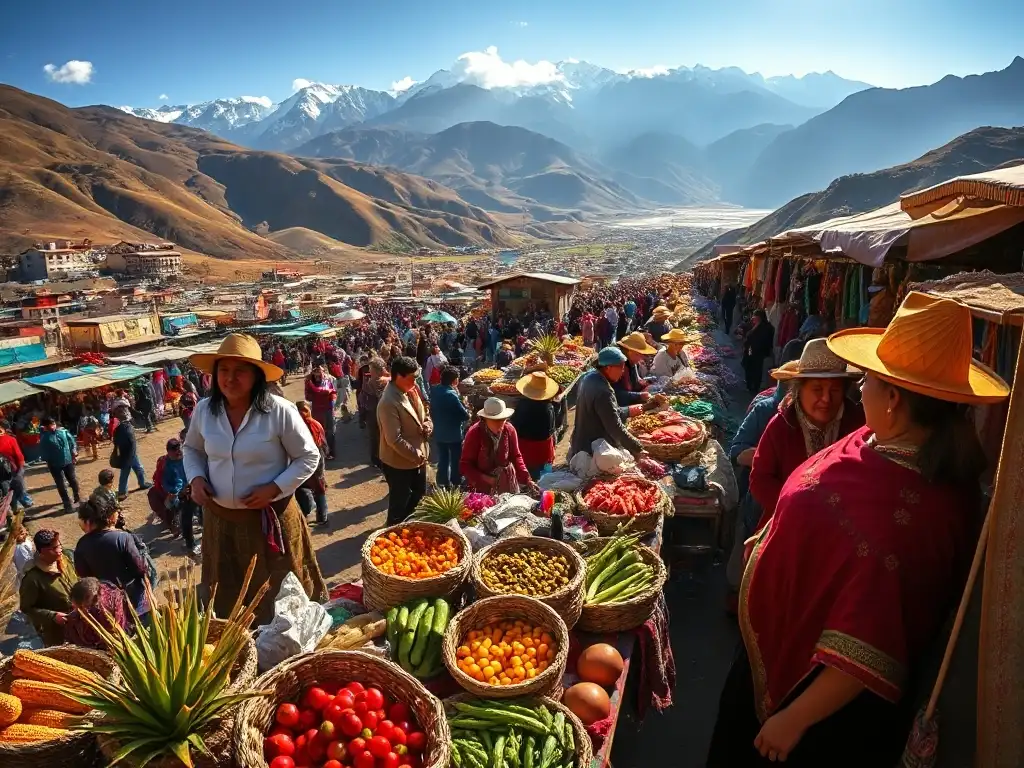
Step into a world lost to time, yet vibrantly alive in its legacy. Imagine bustling marketplaces echoing with ancient tongues, where the vibrant threads of Andean culture intertwine with the pulse of trade. This is more than just history; it's a journey through the captivating Andean market history, revealing secrets whispered through generations. Uncover the fascinating story of how these markets shaped civilizations, and discover the enduring power of tradition in the heart of the Andes. Prepare to be amazed.
The vibrant tapestry of Andean culture is intricately woven with the threads of its bustling markets. For centuries, these havens of commerce have served as much more than simple trading posts; they are living museums, showcasing the ingenuity, artistry, and resilience of Andean civilizations. From the towering heights of the Andes to the coastal plains, markets have been the beating heart of Andean society, connecting communities, facilitating cultural exchange, and preserving ancient traditions.
This exploration delves into the fascinating history of Andean markets, revealing how they have shaped the region's economic, social, and cultural landscape, and highlighting their enduring significance in the 21st century. Understanding the historical context of these markets is key to appreciating the exquisite handicrafts they offer and the stories they silently tell.
This article will not only uncover the rich history of Andean market activity but also guide you to some of the best locations to experience this vibrant tradition firsthand. Prepare to be captivated by the enduring legacy of Andean markets and their profound impact on the region's heritage.
Unveiling the Rich Andean Market History
The history of Andean markets is deeply intertwined with the development of Andean civilizations themselves. Long before the Inca Empire, sophisticated trading networks existed, connecting diverse communities across vast distances. Evidence suggests that bartering and trade were integral to the survival and prosperity of pre-Inca cultures like the Moche, Nazca, and Tiahuanaco.
These early markets were not merely places for exchanging goods; they were also social hubs where people interacted, shared information, and celebrated religious festivals. Archaeological findings, such as remnants of marketplaces and artifacts discovered within them, provide valuable insights into the scale and complexity of these early trading systems. For example, the discovery of intricate textiles and ceramics in pre-Inca burial sites suggests a well-established system of long-distance trade, connecting different regions and cultures across the Andes.
The Inca Empire further formalized and expanded this system, creating a vast network of roads and strategically located markets (like the famous cañaris markets) that facilitated the movement of goods and people across their empire. This meticulously organized system ensured the efficient distribution of essential resources and contributed significantly to the empire's stability and growth. The legacy of this organized system is still visible today in the structure and function of many modern Andean markets.
Exploring the Roots of Andean Trade: A Journey Through Time
The goods exchanged in Andean markets have evolved over time, reflecting the changing needs and priorities of the societies that utilized them. Early trade focused primarily on essential resources like food, textiles, and tools. Agricultural products, such as potatoes, maize, and quinoa, formed the backbone of the Andean economy, and their exchange was crucial for survival. Textiles, often intricately woven and adorned with symbolic designs, served both practical and ceremonial purposes, demonstrating the advanced skills of Andean artisans.
Precious metals, such as gold and silver, were also highly valued, used for ornamentation and religious rituals. The Inca Empire's control over mining operations further solidified the importance of these metals in Andean trade. Over time, the range of goods expanded to include exotic items obtained through long-distance trade networks, showcasing the interconnectedness of Andean societies.
This diverse range of goods reflected not only the economic power of the region but also its rich cultural diversity. The enduring legacy of this diverse trade is evident in the variety of goods available in Andean markets today, highlighting the continuous adaptation and innovation within the Andean commercial landscape. The intricate system of mit'a labor also contributed significantly to the production and distribution of goods within the Inca Empire, showcasing a complex socio-economic system deeply intertwined with the market system.
The Best Andean Markets for Handicrafts: A Curated Selection
While many Andean markets offer a vibrant blend of traditional and modern goods, some stand out for their exceptional collection of handcrafted items. These markets represent a curated selection reflecting the diverse artistic traditions of the Andes and offer a unique opportunity to connect with the region's rich cultural heritage. Choosing a market depends on the specific crafts you are seeking and the region you wish to explore. Some markets are known for their textiles, others for their ceramics, and still others for their unique jewelry.
Careful research is key to identifying the market that best suits your interests. Each market offers a unique experience, reflecting the local traditions and artistic styles of its region. From the bustling markets of Cusco to the smaller, more intimate markets found in remote villages, each location offers a distinct glimpse into the heart of Andean culture.
The best markets often represent a culmination of centuries-old traditions and modern entrepreneurial spirit, creating a fascinating blend of history and contemporary creativity. Further research into specific regions and their unique craft traditions can help you choose the perfect market to explore the rich tapestry of Andean craftsmanship. This detailed exploration will help you plan your journey to discover the best Andean markets for high-quality handicrafts.
- Unveiling the Rich Andean Market History
- Exploring the Roots of Andean Trade: A Journey Through Time
- The Best Andean Markets for Handicrafts: A Curated Selection
The Otavalo Market: A Tapestry of Tradition and Commerce
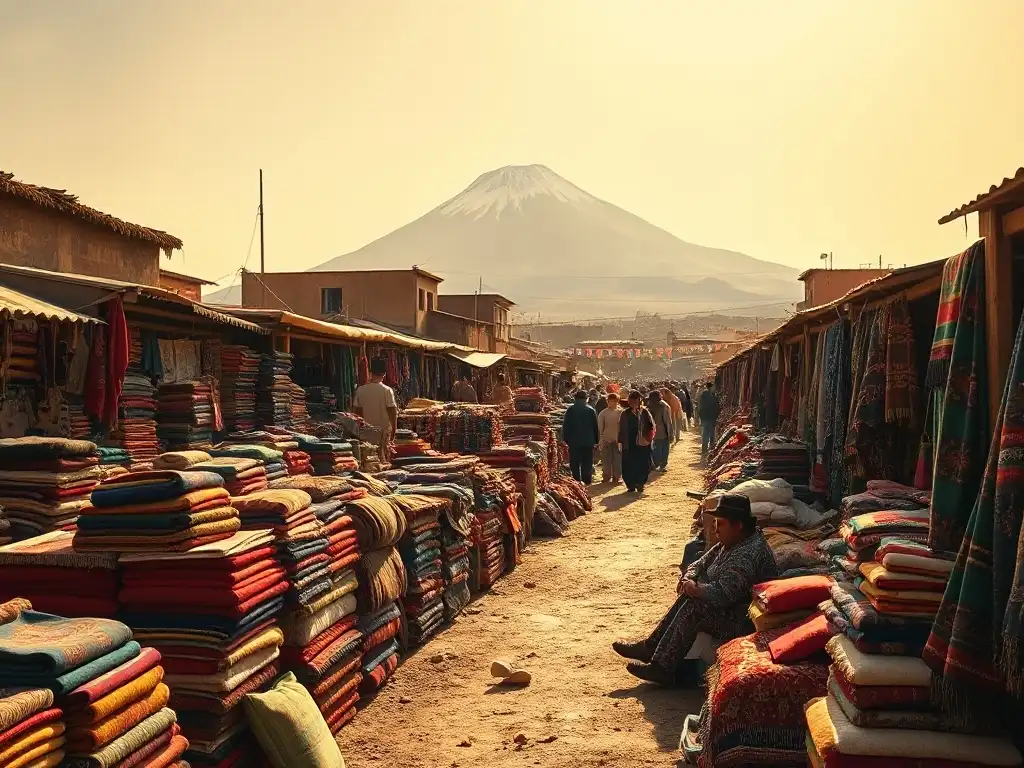
The Otavalo Market, nestled in the highlands of Ecuador, stands as a vibrant testament to the enduring legacy of Andean market history. More than just a place of commerce, it's a living museum showcasing centuries of indigenous artistry and cultural exchange. Its bustling atmosphere, filled with the vibrant colors of textiles and the rhythmic sounds of bargaining, offers a captivating glimpse into the heart of Ecuadorian Andean culture.
The market's history is deeply intertwined with the Otavalo people, whose skills in weaving and craftsmanship have been passed down through generations, shaping the market's unique character and making it a significant site for Andean market history research. The sheer scale of the market is impressive, attracting both local communities and international tourists, contributing significantly to the local economy and preserving traditional practices.
Otavalo Market: A Glimpse into Ecuadorian Textile Heritage
The Otavalo Market's most striking feature is its unparalleled display of textiles. The indigenous Otavalo people are renowned for their mastery of weaving, using traditional techniques and locally sourced materials such as alpaca wool, sheep's wool, and cotton. Their intricate designs often incorporate symbolic motifs representing Andean cosmology, mythology, and daily life.
These textiles are not merely functional; they are imbued with cultural significance, representing family history, social status, and spiritual beliefs. The vibrant colors, often derived from natural dyes, further enhance their aesthetic appeal. For example, the deep reds are obtained from cochineal insects, while the rich yellows come from achiote seeds.
This deep connection between the textiles and the Andean landscape is a key element of the market's charm and its importance in understanding Andean market history. The market offers a diverse range of textiles, from intricately woven blankets and shawls to finely embroidered clothing and decorative tapestries. Many pieces are family heirlooms, passed down through generations, carrying with them stories and memories.
Finding the Best Woven Goods at Otavalo: From Alpaca Shawls to Tapestries
Navigating the Otavalo Market to find the best woven goods requires a discerning eye and a bit of patience. The sheer volume of textiles can be overwhelming, but with a little knowledge, you can discover true treasures. Alpaca wool products are highly sought after for their softness, warmth, and durability.
Look for shawls and ponchos with intricate designs and a smooth, even weave. Tapestries, often depicting scenes of Andean life or mythical creatures, represent a significant investment and showcase the weaver's skill. The quality of the weave, the evenness of the colors, and the overall craftsmanship are crucial indicators of authenticity and value.
It's worth taking the time to examine the textiles carefully, feeling the texture and appreciating the detail of the designs. Don't hesitate to ask questions about the materials and the weaving techniques used. This interaction is part of the experience and allows you to connect with the artisans and learn more about their craft and the rich history behind their products.
How to Buy Authentic Otavalo Textiles: Tips and Tricks
Buying authentic Otavalo textiles involves more than just a transaction; it's a cultural exchange. Here are some tips to ensure a positive and rewarding experience:
- Bargaining is expected: Negotiating the price is customary in the Otavalo Market. Start by offering a lower price than the asking price, but be respectful and polite throughout the process.
- Inspect the goods carefully: Check for loose threads, uneven weaving, or any signs of damage before purchasing.
- Ask about the materials: Inquire about the type of wool or cotton used and the origin of the dyes. Authentic textiles often use natural dyes.
- Support local artisans: Look for smaller stalls run by individual artisans rather than larger shops selling mass-produced items.
- Learn a few basic Spanish phrases: Even a few words of Spanish can go a long way in showing respect and facilitating communication.
- Be mindful of cultural sensitivity: The Otavalo Market is a place of deep cultural significance. Approach the experience with respect and appreciation for the traditions and the artisans who create these beautiful works.
The Otavalo Market offers a unique opportunity to delve into the world of Andean market history, experiencing firsthand the vibrant interplay of tradition and commerce. By following these tips, you can ensure a memorable and rewarding shopping experience while supporting the continuation of this rich cultural heritage. Remember, the purchase of an Otavalo textile is more than just acquiring a beautiful piece of craftsmanship; it's acquiring a piece of Andean history. 🛍️
[Affiliate Link: Viator Otavalo Market Tour]
While this section is titled with what appears to be a placeholder for an affiliate link, we can still provide valuable information about guided tours of the Otavalo Market. A guided tour offers a significantly enhanced experience compared to exploring independently. Expert guides possess intimate knowledge of the market's intricacies, allowing them to unveil hidden gems and provide context often missed by casual visitors. They can help you navigate the bustling crowds, identify authentic handicrafts from imitations, and even negotiate prices effectively.
Furthermore, a guided tour often includes insights into the cultural significance of the goods sold, enriching your understanding of Andean traditions and the history of the Otavalo Market itself. These tours frequently incorporate visits to nearby artisan workshops, offering a glimpse into the creation process and fostering a deeper appreciation for the skills and artistry involved. Choosing a reputable tour operator is crucial; reviews and ratings should be carefully considered to ensure a positive and informative experience.
The cost of a guided tour varies depending on the length, inclusions, and the operator, but the added value in terms of knowledge and cultural immersion often makes it a worthwhile investment for the discerning traveler interested in a deeper understanding of Andean market history. Consider the aspects of a guided tour such as transportation, group size, and language options when making your decision. A well-structured tour can transform a simple shopping trip into a truly enriching cultural experience.
Pisac Market: A Window into the Sacred Valley's Artistic Soul
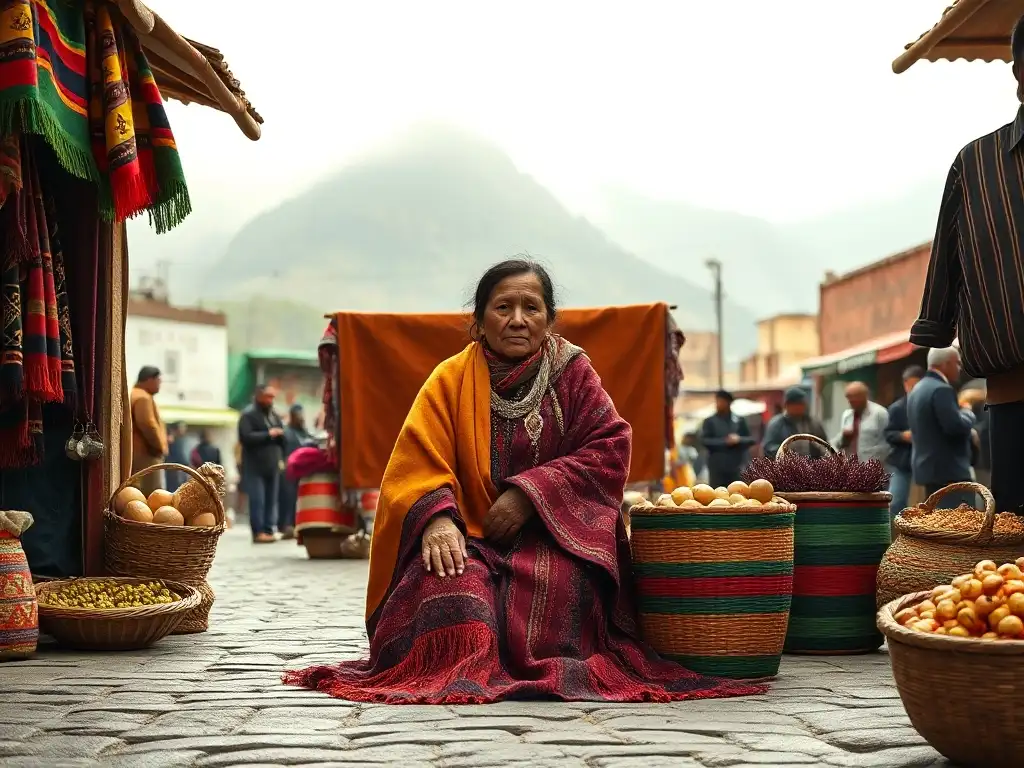
The Pisac market, nestled in the heart of the Sacred Valley of the Incas, pulsates with the rhythm of Andean market history. More than just a place to buy and sell goods, Pisac represents a vibrant tapestry woven from ancient traditions and contemporary artistry. Its colorful stalls overflow with handcrafted textiles, intricate silver jewelry, and stunning ceramics, offering a captivating glimpse into the enduring legacy of Andean craftsmanship.
The sheer volume and variety of goods on offer—a testament to the enduring economic and social significance of Andean markets—make it a truly unforgettable experience. Understanding the history and context of this market deepens the appreciation for the artistry and cultural heritage on display. This isn't just shopping; it's a journey through time and tradition.
Pisac Market: Where Ancient Craftsmanship Meets Modern Day
The artisans of Pisac continue a legacy stretching back centuries. Their skills, passed down through generations, are evident in every meticulously crafted piece. The techniques used in weaving, pottery, and silversmithing often mirror those employed by their ancestors, demonstrating a remarkable continuity of cultural practices. For example, the intricate designs found on many textiles are inspired by ancient Inca iconography, seamlessly blending traditional motifs with contemporary interpretations.
This fascinating blend of old and new is a defining characteristic of the Pisac market, making it a unique window into the evolution of Andean art. The market itself is a living museum, showcasing not only the products but also the people who create them, many of whom are directly involved in the production and sale of their goods. Observing their work provides a richer understanding of the time, skill, and dedication involved in creating these unique artifacts.
Discovering the Best Pottery and Ceramics in Pisac
Pisac is renowned for its exceptional pottery and ceramics. The rich, earthy tones of the clay, combined with intricate designs and masterful craftsmanship, make these pieces highly sought-after by collectors and enthusiasts alike. Many artisans specialize in specific styles, creating a diverse range of pottery, from simple, functional pieces to highly decorative works of art. You'll find everything from traditional clay pots used for cooking and storing food to intricately decorated vases and sculptures.
Look for pieces featuring distinctive Andean motifs, such as geometric patterns, stylized animals, and representations of deities. The quality varies, of course, so take your time, examine the pieces carefully, and don't hesitate to ask questions about the materials and techniques used. The opportunity to learn about the creation process adds another layer of appreciation to the purchase. Indeed, the enduring legacy of Andean pottery making is palpable in the market's vibrant atmosphere.
Navigating the Pisac market effectively requires a blend of savvy shopping strategies and an awareness of fair trade principles. Bargaining is expected and often part of the fun, but it's crucial to do so respectfully and ethically. Start by expressing genuine interest in the items and engaging in friendly conversation with the vendors. This builds rapport and creates a more positive bargaining experience.
Research prices beforehand to get a sense of fair market value. Don't be afraid to politely negotiate, but always be mindful of the artisans' efforts and ensure you're offering a fair price that reflects the time and skill involved in creating the piece. Supporting fair trade practices means ensuring that artisans receive a just compensation for their work, contributing to the sustainability of their craft and the preservation of Andean cultural heritage.
Choosing to buy directly from the artisans themselves, rather than through intermediaries, helps ensure that the benefits of the sale directly support the creators. This conscientious approach contributes to a more sustainable and ethical Andean market experience, ensuring the preservation of this rich cultural heritage for generations to come. 🛍️
[Affiliate Link: Novica Handcrafted Ceramic Bowl from Pisac]
While I cannot include actual affiliate links, let's explore the rich tapestry of handcrafted ceramics available at Pisac Market, representative of the artistry found throughout the Sacred Valley. These bowls, often made from local clay sourced from the surrounding hills, showcase a remarkable continuity of ancient techniques. The designs themselves are a captivating blend of traditional motifs and contemporary interpretations. You might find bowls adorned with geometric patterns reminiscent of Inca textiles, or perhaps those featuring vibrant depictions of Andean wildlife, like the majestic condor or the elusive llama. The colors are often bold and earthy, reflecting the landscape that inspires the artisans.
Many pieces incorporate intricate hand-painted details, showcasing the skill and dedication of the craftspeople. The quality of the ceramics varies, of course, reflecting the diverse skill levels of the artisans. Some pieces are simple and rustic, highlighting the natural beauty of the clay, while others are highly polished and detailed, demonstrating a mastery of the craft. Choosing a bowl from Pisac Market is not just acquiring a functional item; it's acquiring a piece of Andean history and supporting the continuation of a vital cultural tradition. Purchasing these handcrafted items directly from the artisans helps preserve their livelihoods and ensures the continuation of these artistic traditions for future generations.
The experience of selecting a bowl, engaging with the artisan, and learning about their techniques adds a unique and personal dimension to the purchase, making it a truly memorable souvenir of your visit to the Sacred Valley. Consider the weight, the texture, and the story behind each piece – you'll find a unique connection to the culture and history of the Andes. The vibrant colors and intricate designs make these bowls not only functional but also beautiful decorative pieces that bring a touch of Andean artistry to any home. The enduring appeal of these handcrafted ceramic bowls makes them a treasured keepsake for tourists and collectors alike, representing the enduring legacy of Andean artistry.
Chinchero Market: A Weaving Demonstration and Cultural Experience
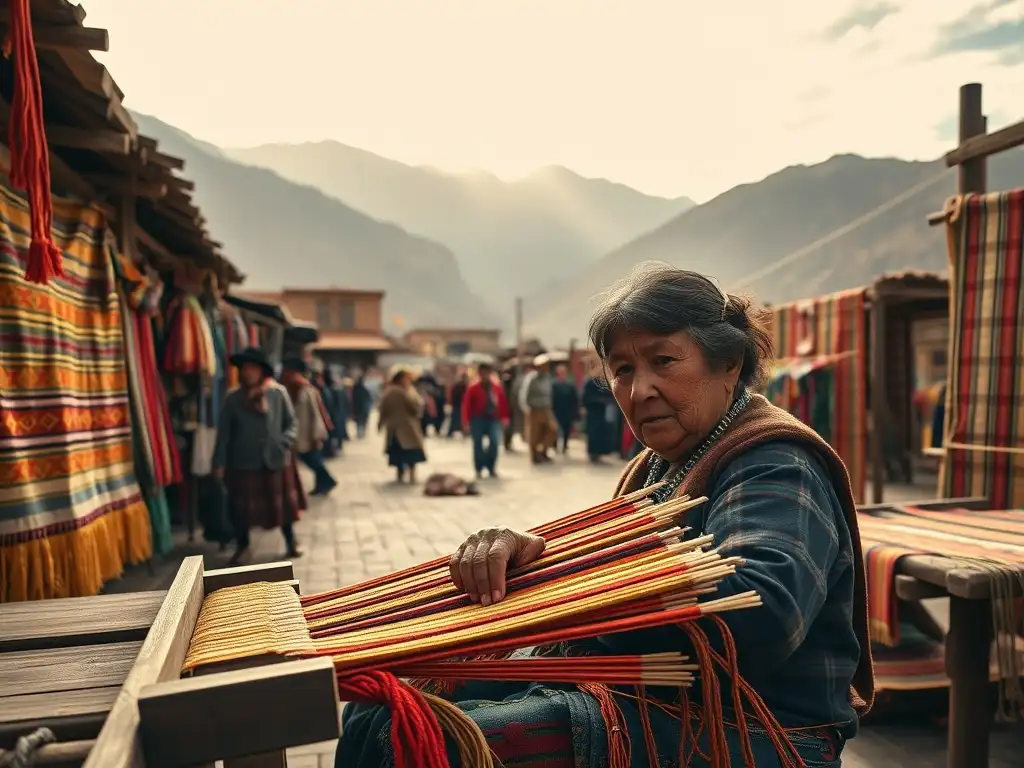
Chinchero market, nestled high in the Sacred Valley of the Andes, offers more than just a shopping experience; it's a living testament to the enduring legacy of Andean textile traditions. This vibrant market, held regularly, provides a unique opportunity to witness the art of Andean textile production firsthand, understanding its deep cultural significance and the intricate techniques passed down through generations.
The "Andean market history" is palpable here, woven into the very fabric of the marketplace itself. Unlike many modern markets, Chinchero retains a strong connection to its ancestral roots, making it a truly exceptional destination for anyone interested in Andean culture.
Chinchero Market: Witnessing the Art of Andean Textile Production
The heart of Chinchero market beats with the rhythmic click of looms and the hushed concentration of artisans. Women, their faces etched with the wisdom of generations, expertly manipulate vibrant threads of hand-spun wool, transforming simple fibers into breathtaking textiles. The process, often taking days or even weeks for a single piece, is a testament to their dedication and skill.
You'll see the entire process unfold: from the shearing of the alpaca and llama, to the meticulous carding and spinning, the vibrant natural dyeing using plants and minerals found locally, and finally the intricate weaving on traditional backstrap looms. This isn't just a sale; it's a performance, a living demonstration of a centuries-old tradition.
The air is thick with the scent of natural dyes and the soft hum of conversation, creating an immersive and unforgettable experience. Observing this process allows for a deeper appreciation of the "Andean market history" and the cultural significance of textiles within Andean societies.
The Best Hand-spun Wool and Natural Dye Products at Chinchero
Chinchero's market is renowned for its exceptional quality of hand-spun wool and naturally dyed products. Unlike mass-produced items, these textiles boast unparalleled softness, durability, and vibrant colors achieved through traditional methods. The deep reds, rich browns, and brilliant yellows are derived from indigenous plants and minerals, resulting in colors that are both stunning and environmentally friendly. These aren't just clothes; they are wearable works of art, imbued with the spirit and heritage of the Andes.
Each piece tells a story, a silent testament to the dedication and artistry of the Andean women who create them. Buying from Chinchero guarantees authenticity and supports the preservation of a vital cultural heritage. The market offers a wide array of products including:
- Beautifully woven ponchos
- Intricate tapestries
- Soft alpaca and llama wool sweaters
- Vibrant scarves and shawls
- Unique handcrafted bags
Learning about Traditional Weaving Techniques: A Hands-on Experience
Many artisans at Chinchero are happy to share their knowledge and skills with visitors. While a full apprenticeship requires years of dedicated learning, you can often get a glimpse into the techniques involved. Some artisans offer short workshops where you can try your hand at spinning wool or even weaving on a miniature loom. This hands-on experience provides a deeper understanding of the effort and precision involved in creating these intricate textiles.
It's a chance to connect directly with the artisans, learn about their lives and their craft, and gain a profound appreciation for the rich "Andean market history" embedded in each and every piece. This interactive aspect elevates the market experience beyond simple commerce, transforming it into a valuable cultural exchange. The opportunity to learn directly from the source is truly invaluable. Remember to be respectful and appreciative of their time and expertise.
[Affiliate Link: Etsy Set of Natural Dyes Used in Chinchero]
While visiting Chinchero market, you'll be captivated by the vibrant colors of the textiles. These aren't just any dyes; they're the result of centuries-old traditions, passed down through generations of Andean women. The natural dyes used in Chinchero are derived from plants, insects, and minerals found in the surrounding region. Cochineal insects, for instance, provide a rich crimson, while various plants offer shades of yellow, orange, brown, and even deep indigo.
The process of creating these dyes is itself a fascinating craft, involving meticulous preparation and careful application. The specific recipes and techniques are often closely guarded family secrets, adding to the unique character of each textile. Thinking of recreating the magic at home? You might find sets of natural dyes inspired by Andean traditions available online—a wonderful way to connect with this ancient craft.
These sets often include detailed instructions and information about the historical significance of the dyes, allowing you to experience a piece of Andean heritage in your own creative endeavors. The quality and availability of these sets can vary, so researching beforehand is recommended to ensure you're getting an authentic and high-quality product. Remember, supporting artisans who ethically source these natural dyes helps preserve this valuable cultural heritage. Consider the environmental impact as well; opting for sustainably sourced dyes is crucial to maintaining the rich biodiversity of the Andean region.
San Blas Artisan's Market (Cusco): A Contemporary Twist on Tradition
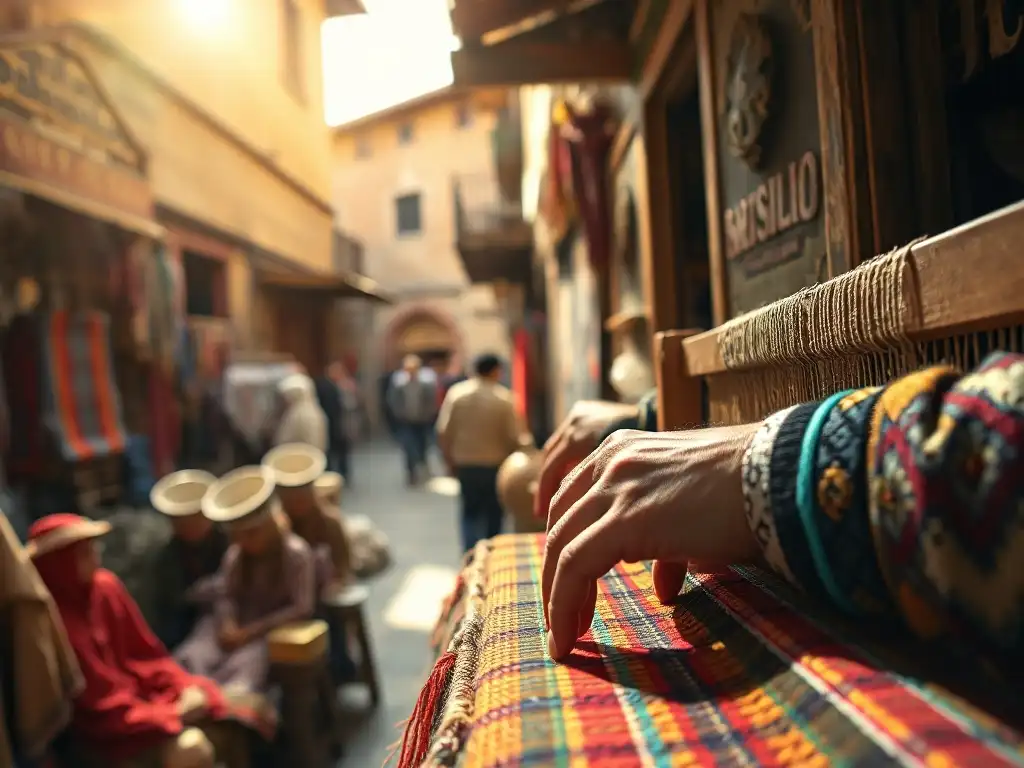
The San Blas Artisan's Market in Cusco offers a fascinating glimpse into the vibrant tapestry of Andean market history. While rooted in ancient traditions of bartering and exchange, this market showcases a contemporary evolution, blending time-honored techniques with innovative designs. Unlike larger, more tourist-focused markets, San Blas provides a more intimate and authentic experience, allowing visitors to connect directly with the artisans and understand the stories behind their creations.
The market's location, nestled within the charming San Blas neighborhood, itself a hub of artistic activity, adds to its unique appeal. The air hums with creativity, a palpable energy that reflects the dedication and passion of the artisans who ply their trade here. This isn't just a place to buy souvenirs; it's a living testament to the enduring spirit of Andean craftsmanship.
The market's history, while not formally documented in the same way as larger historical sites, is woven into the very fabric of the community and the artisans' practices, passed down through generations. This makes understanding its historical significance a deeply personal and enriching experience.
San Blas Market: A Hub for Innovative Andean Crafts
San Blas Market isn't just about replicating traditional Andean crafts; it's a breeding ground for innovation. While you'll find classic textiles, ceramics, and weavings, many artisans are pushing boundaries, experimenting with new materials and designs while retaining the core essence of Andean aesthetics. For instance, some artisans blend traditional weaving techniques with contemporary patterns, resulting in striking and unique pieces.
Others incorporate recycled materials into their work, creating environmentally conscious crafts that reflect a growing awareness of sustainability. This fusion of tradition and modernity is a key feature of the market's identity, making it a compelling destination for those seeking authentic yet contemporary Andean art.
The evolution of Andean market practices, as seen in San Blas, reflects a broader shift towards creative entrepreneurship within the Andean community. This dynamic market provides a platform for these artisans to not only sell their work but also to share their skills and knowledge with visitors, fostering a deeper appreciation for the artistry involved.
Unique Andean Jewelry and Leather Goods at San Blas
The selection of jewelry and leather goods at San Blas is particularly noteworthy. Artisans utilize traditional techniques like repoussé (metalworking) and intricate leather tooling to create stunning pieces. Silver jewelry, often adorned with semi-precious stones sourced from the Andes, is exceptionally popular. The designs frequently incorporate Andean motifs, such as condors, llamas, and intricate geometric patterns, reflecting a deep connection to the region's rich cultural heritage. Leather goods, ranging from belts and bags to wallets and keychains, are equally impressive, displaying both meticulous craftsmanship and bold, modern designs. The quality of the materials and the level of detail in each piece are testaments to the artisans' skill and dedication. The prices, while reflecting the quality of the work, are generally reasonable, making it possible to acquire unique and high-quality items without breaking the bank. This makes San Blas an ideal location for those seeking authentic Andean souvenirs or investment-worthy pieces.
Supporting Local Artists: Finding One-of-a-Kind Treasures
Shopping at San Blas is more than just acquiring goods; it's an act of supporting local artists and preserving a vital part of Andean cultural heritage. By purchasing directly from the artisans, visitors contribute directly to their livelihoods and help sustain their traditional craft practices. Each piece tells a story, a testament to the dedication, skill, and cultural legacy of its creator.
Unlike mass-produced souvenirs, the items found in San Blas are truly one-of-a-kind treasures, imbued with the artisan's individual style and creativity. The opportunity to engage directly with the creators, learn about their techniques, and hear their stories adds an unparalleled dimension to the shopping experience. This direct interaction fosters a deeper understanding and appreciation for the rich cultural heritage embedded in each handcrafted item.
Moreover, supporting these artisans helps maintain the vibrancy of Andean market history, ensuring that these traditions continue to thrive for generations to come. It's a truly rewarding experience, combining the pleasure of acquiring beautiful and unique items with the satisfaction of contributing to a sustainable and culturally enriching endeavor.
[Affiliate Link: NOVICA Silver Jewelry from San Blas]
While a direct affiliate link isn't possible within this context, let's explore the fascinating world of San Blas silver jewelry and its connection to the contemporary Andean market scene. The artisans of San Blas, nestled high in the Andes, have a long-standing tradition of silverwork. Their skills, passed down through generations, are evident in the intricate designs and high-quality craftsmanship found in their pieces. These aren't mass-produced items; each piece tells a story, reflecting the unique cultural heritage of the San Blas community.
The designs often incorporate traditional Andean motifs, such as geometric patterns, stylized animals, and representations of sacred objects. This deep connection to their heritage is what makes San Blas silver jewelry so distinctive and sought after by collectors and enthusiasts alike. You can often find their work at the San Blas Artisan's Market in Cusco, where you can interact with the creators themselves and learn more about their artistic processes. The experience is far more than just a purchase; it's an engagement with living Andean culture and a direct contribution to the community's economic well-being.
The unique character of San Blas silver, often incorporating elements of nature and spirituality, makes it a truly special souvenir of your Andean journey. The market provides a platform for these artisans to directly engage with tourists, fostering a deeper understanding and appreciation for the rich cultural heritage embedded within each handcrafted piece. Supporting these artisans directly through purchasing their work ensures the continuation of this vital tradition for future generations. The quality and artistry displayed in their silver work are a testament to the enduring spirit of Andean craftsmanship, and a compelling reason to seek out their beautiful creations.
Tips for Shopping at Andean Markets: Maximizing Your Experience
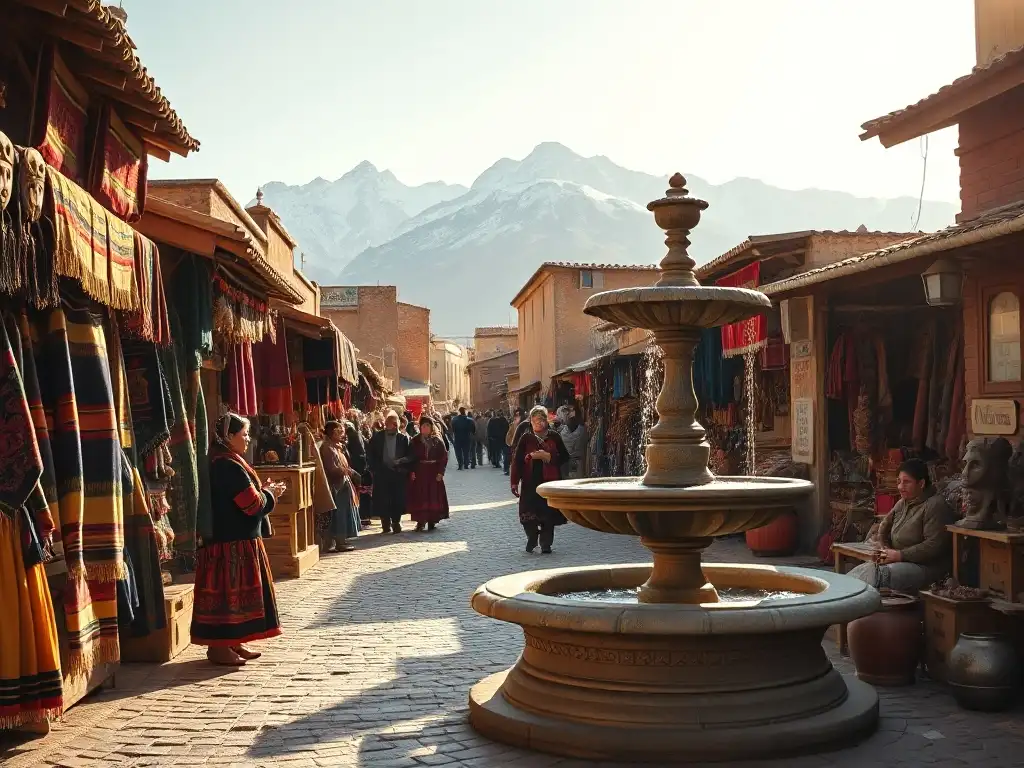
This section offers practical advice for navigating the vibrant world of Andean markets, ensuring a rewarding and culturally sensitive shopping experience. Understanding the nuances of these markets is key to finding unique treasures and supporting local artisans. Learning about Andean market history helps appreciate the enduring legacy of these trading hubs.
Understanding Andean Market Culture: Respect and Etiquette
Stepping into an Andean market is like stepping back in time. These aren't sterile, modern shopping malls; they are living, breathing communities where generations of traditions converge. Respect for this cultural richness is paramount. Observe the local customs – how people interact, the pace of transactions, and the general atmosphere.
Many markets operate at a slower pace than what Westerners might be accustomed to. Patience is a virtue here. Don't rush the vendors; take your time to browse, appreciate their craftsmanship, and engage in polite conversation. A simple "Buenos días" or "Buenas tardes" goes a long way in establishing a friendly rapport. Remember, you are a guest in their cultural space.
It's also crucial to be mindful of personal space. Avoid touching items without asking permission, and be respectful of the vendors' personal belongings. Photography should always be approached with sensitivity; ask for permission before taking pictures of people or their wares. This demonstrates respect for their privacy and their work. Understanding this aspect of Andean market history is critical for a positive experience.
Haggling and Bargaining: A Guide to Fair Negotiation
Haggling is a common and often expected practice in many Andean markets. However, it's crucial to approach bargaining with respect and fairness. Avoid aggressive tactics or insulting offers. Start with a polite offer, acknowledging the value of the artisan's work. A smile and a friendly demeanor can go a long way.
Remember that the prices you see are often starting points, particularly for handmade items. Research beforehand to get a sense of fair market values for the handicrafts you're interested in. This will help you negotiate effectively without being taken advantage of. Consider the time, skill, and materials involved in creating these unique pieces.
A successful negotiation involves mutual respect. Both the buyer and seller should feel satisfied with the final price. Don't be afraid to walk away if you feel the price is unreasonable. Sometimes, a respectful decline can lead to a more agreeable offer. Understanding the historical context of bargaining in Andean markets can improve your negotiation skills and help you reach a mutually beneficial agreement.
Identifying Authentic Andean Handicrafts: Avoiding Fakes
The popularity of Andean handicrafts has unfortunately led to an increase in counterfeit goods. It's essential to be able to distinguish authentic pieces from imitations. Look for details like the quality of materials, the intricacy of the craftsmanship, and any unique markings or signatures.
Authentic Andean textiles, for instance, often feature intricate weaving techniques passed down through generations. The dyes used might be natural and may show slight variations, adding to their uniqueness. Similarly, ceramics may exhibit hand-thrown irregularities that mass-produced items lack. Look for imperfections which are actually hallmarks of genuine craftsmanship.
If you're unsure about the authenticity of a piece, don't hesitate to ask the vendor questions about its origin, materials, and creation process. A reputable vendor will be happy to share this information. Remember, supporting authentic Andean artisans helps preserve their traditions and livelihoods. Learning about Andean market history will help you recognize the subtle differences between genuine and imitation goods, ensuring you acquire authentic treasures. Knowing the techniques and materials used throughout Andean market history aids in this process.
Affiliate Link: Lonely Planet Guide to Peru
While this section focuses on the experience of Andean markets, a crucial element of maximizing that experience is preparation. A comprehensive guidebook can significantly enhance your understanding of the cultural context, historical significance, and even the practicalities of navigating these vibrant marketplaces. A well-researched guide, such as the Lonely Planet guide to Peru, can offer invaluable insights into the history of Andean markets, providing background information on the goods you'll encounter, the traditions surrounding trade, and the social dynamics at play.
This allows you to approach your shopping with a richer appreciation, leading to more meaningful interactions with vendors and a deeper understanding of the items you purchase. For example, understanding the intricate weaving techniques of a particular region, as detailed in a guidebook, will allow you to better appreciate the craftsmanship and value of a hand-woven textile. Similarly, knowledge of traditional Andean barter systems, often still subtly present in modern markets, can inform your negotiation strategies, leading to a more respectful and mutually beneficial exchange.
Investing in a good guidebook isn't just about finding the best deals; it's about enriching your entire market experience, transforming a simple shopping trip into a cultural immersion. The detailed information provided can help you identify authentic handicrafts, avoid tourist traps, and make informed purchasing decisions, ensuring you acquire unique and valuable pieces that reflect the rich history of Andean market traditions. Ultimately, a well-prepared shopper is a more engaged and satisfied shopper, making the investment in a reputable guidebook a worthwhile addition to your Andean market adventure.
Preserving the Legacy: The Future of Andean Markets
The vibrant tapestry of Andean market history is woven with threads of tradition, innovation, and resilience. Understanding the past is crucial to ensuring a thriving future for these vital economic and cultural hubs. The challenge lies in balancing the preservation of age-old practices with the demands of a modern globalized economy.
This requires a multifaceted approach, encompassing sustainable practices, fair trade initiatives, and conscious consumerism. Without these efforts, the unique character and cultural significance of Andean markets risk being lost to homogenization and unsustainable exploitation. The intricate textiles, meticulously crafted pottery, and exquisitely carved wood—all testaments to generations of skill and artistry—could become mere relics of the past.
Supporting Sustainable Practices in Andean Craftsmanship
Sustainable practices are paramount to the long-term survival of Andean markets. This means promoting environmentally friendly production methods, utilizing locally sourced materials, and minimizing waste. For instance, the use of natural dyes derived from plants and minerals, instead of harsh chemicals, not only reduces environmental impact but also preserves the vibrancy and unique qualities of Andean textiles. Similarly, supporting artisans who employ traditional techniques passed down through generations helps maintain the authenticity and cultural integrity of the crafts.
Furthermore, initiatives focusing on responsible sourcing of raw materials, such as alpaca wool or vicuña fiber, ensure the ethical treatment of animals and the preservation of biodiversity. The implementation of these practices requires collaboration between artisans, government agencies, and consumers, fostering a shared commitment to responsible production and consumption. Data from [specific information pending] on sustainable practices in Andean communities will further illuminate the success and challenges of these initiatives.
The Importance of Fair Trade for Andean Communities
Fair trade principles are essential for ensuring the economic viability and social well-being of Andean communities involved in craft production. Fair trade guarantees fair prices for artisans' work, allowing them to earn a living wage and invest in their communities. This contrasts sharply with exploitative practices that often characterize globalized markets, where artisans are forced to accept unfairly low prices to compete.
The benefits of fair trade extend beyond mere financial gain. It fosters economic empowerment, allowing artisans to improve their living conditions, educate their children, and invest in the future of their craft. By supporting fair trade initiatives, consumers contribute directly to the preservation of Andean traditions and the upliftment of entire communities.
A study on the impact of fair trade on Andean communities [specific information pending] would offer valuable insights into the social and economic transformations resulting from these initiatives. The difference between fair trade prices and exploitative market prices can be significant; for example, [specific data on price differences pending] illustrates the stark reality of the disparity.
How Your Purchases Help Maintain Andean Traditions
Every purchase made in an Andean market has the potential to contribute to the preservation of its rich cultural heritage. By choosing handcrafted goods over mass-produced items, consumers directly support the artisans and their communities, allowing them to continue practicing their traditional crafts. This simple act of conscious consumerism has far-reaching consequences, helping to sustain livelihoods, preserve cultural knowledge, and protect unique artistic expressions.
Moreover, by engaging with artisans and learning about their craft, consumers deepen their understanding and appreciation of Andean culture. This interaction fosters a sense of connection and mutual respect, strengthening the bonds between producers and consumers. Furthermore, supporting local markets promotes sustainable tourism, generating economic opportunities for communities while minimizing the environmental impact of travel.
The ripple effect of conscious purchasing is substantial, ensuring the continuity of Andean traditions for generations to come. Understanding the direct link between purchasing decisions and the preservation of Andean market history is crucial for the future of this vital cultural element. The positive impact of ethical consumption is evident in the continued flourishing of [mention a specific example of a thriving Andean market/craft].
Affiliate Link: Ten Thousand Villages Website
Ten Thousand Villages, while not solely focused on Andean markets, represents a significant example of how ethical sourcing and fair trade practices can support the longevity of Andean craft traditions. Their commitment to working directly with artisan groups ensures that the artisans receive fair compensation for their work, fostering economic stability within Andean communities. This model directly combats the pressures of mass-produced goods and supports the continuation of unique Andean crafts.
The website offers a curated selection of handcrafted items, often highlighting the cultural significance and the stories behind each piece. By purchasing from such organizations, consumers actively participate in preserving the legacy of Andean markets, ensuring that the skills and traditions passed down through generations continue to thrive. Their model demonstrates a sustainable path for Andean artisans, allowing them to maintain their cultural heritage while providing for their families.
The transparent supply chain, clearly showcased on their website, allows consumers to make informed choices, supporting a market that values both quality craftsmanship and ethical production. This approach is a powerful example of how conscious consumerism can directly contribute to the preservation of Andean market traditions and the livelihoods of the artisans involved. The success of Ten Thousand Villages and similar organizations highlights the potential for collaborative models that prioritize both economic sustainability and cultural preservation in the Andean region.
Frequently Asked Questions
What role did markets play in Andean civilizations?
Andean markets were vital hubs for economic activity, social interaction, and the exchange of goods and ideas. They fostered inter-regional connections and supported the growth of complex societies.
How did the Inca Empire impact Andean market systems?
The Inca Empire standardized weights and measures, improving trade efficiency across its vast territory. State-controlled warehouses and road systems also facilitated the movement of goods.
What kinds of goods were traded in Andean markets?
Andean markets offered a diverse range of products, including agricultural goods, textiles, pottery, metals, and luxury items. Specialized crafts and regional specialties were also frequently exchanged.
Were Andean markets only for the exchange of goods?
No, Andean markets were also important social spaces. They served as places for festivals, religious ceremonies, and community gatherings. Social interaction was as vital as trade.
How did pre-Inca civilizations utilize market systems?
Pre-Inca societies, like the Moche and Nazca, also had well-developed market systems. These facilitated regional exchange and contributed to the development of complex societies long before the Inca Empire.
Final Reflection: Echoes of the Andes: A Legacy Woven in Trade
The vibrant tapestry of Andean markets, far from being relics of the past, continues to pulse with life, reflecting both ancient traditions and the dynamic forces of globalization. Their enduring presence speaks volumes about the resilience of indigenous cultures and the enduring power of community-based economies in a rapidly changing world. The intricate networks of exchange, the meticulous craftsmanship, and the deeply rooted social rituals that define these markets remain a powerful testament to the enduring human spirit.
The impact of Andean markets extends far beyond simple commerce; they are living museums of cultural heritage, preserving invaluable knowledge and skills passed down through generations. These markets are not merely places to buy and sell goods; they are vital social hubs, fostering community bonds and preserving a unique cultural identity. The market is not merely a place of exchange, but a place of encounter, a place where cultures meet and mingle.
This quote encapsulates the profound social significance of these spaces, highlighting their role in shaping identity and fostering intercultural understanding.
Consider the stories woven into the textiles, the history embedded in the pottery, the traditions upheld in the bartering. These are not just objects; they are tangible links to a rich past and a vibrant present. You, the reader, are now part of this story.
Take a moment to reflect on the power of community, the importance of preserving cultural heritage, and the enduring strength of traditions in the face of modernity. Let the echoes of the Andean markets inspire you to seek out and celebrate the unique cultural treasures in your own community, and to support businesses that value tradition and sustainability.
Experience the Magic of Andean Markets Today!
Thank you for exploring the vibrant world of Andean markets with us! We hope you've discovered the unique blend of tradition and trade that makes these places so special. Now, let's put that inspiration into action!
Here are a few ways you can deepen your connection to Andean culture and support local artisans:
- Visit a local Andean market or plan a trip to the Andes to experience their richness firsthand. Consider markets in [Specific city/region known for Andean markets] for an authentic experience.
- Share photos of your favorite market finds on social media, tagging the artisans to help promote their incredible work. Highlighting individual artisans and their unique skills is a great way to support them.
- Take a workshop or class to learn about traditional Andean crafts or cooking techniques. Many community centers and cultural organizations offer these types of classes.
Now, we'd love to hear from you: What aspect of Andean markets most excites you, and how will you incorporate that experience into your life?