
Secrets of the Andes: Unveiling the Mysteries Through Authentic Art

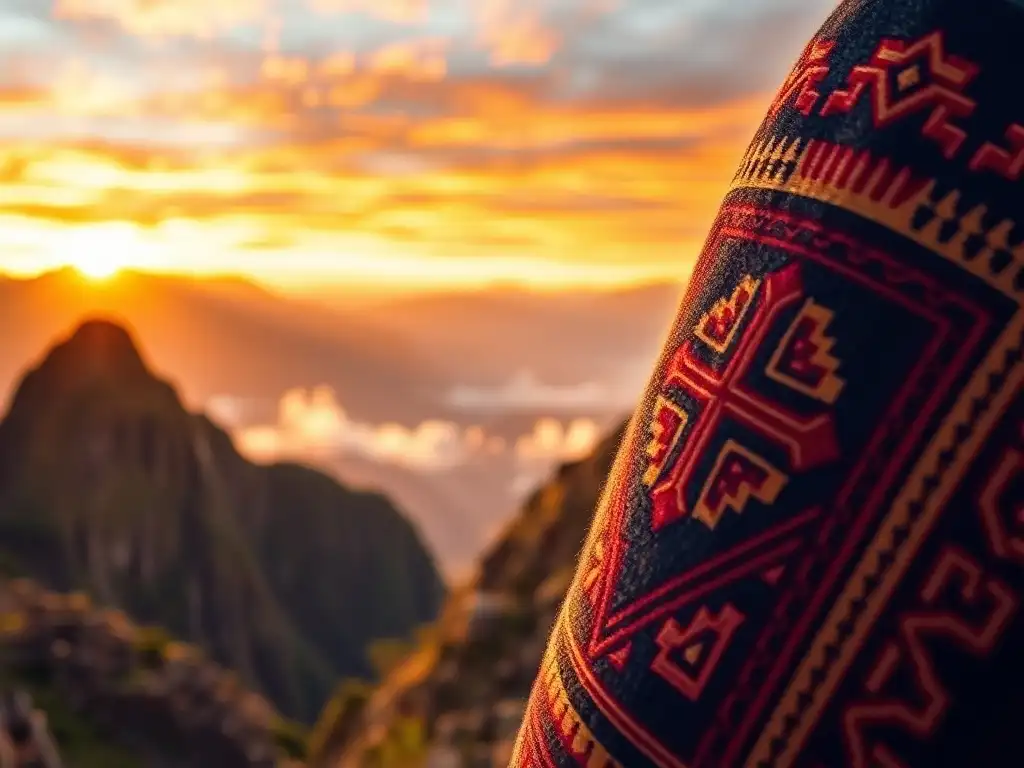
Uncover the breathtaking legacy of the Andean civilizations! Journey through millennia of ingenuity and artistry, from the intricate textiles of the Nazca to the awe-inspiring architecture of the Incas. Prepare to be captivated by the secrets hidden within their vibrant art, a testament to a sophisticated culture that continues to fascinate and inspire. Dive into the world of Andean civilizations art history and discover a world you never knew existed. What mysteries await you in the heart of the Andes?
The Andes Mountains, a spine of towering peaks traversing the western edge of South America, have cradled some of the world's most enigmatic and captivating civilizations. For millennia, ingenious cultures like the Incas, Moche, Nazca, and Tiahuanaco flourished in this challenging landscape, leaving behind a breathtaking legacy of art and artifacts that continue to fascinate and inspire. This article delves into the captivating world of Andean civilizations art history, exploring the unique styles, techniques, and symbolic meanings embedded within these remarkable creations.
We will unravel the secrets hidden within their pottery, textiles, goldwork, and stone sculptures, providing insights into the beliefs, rituals, and daily lives of these remarkable peoples. Understanding Andean art is not merely appreciating aesthetic beauty; it's unlocking a profound understanding of a rich and complex cultural tapestry woven over centuries.
This journey through authentic Andean art will reveal how these masterful works serve as invaluable windows into the past, offering glimpses into the ingenuity and spiritual depth of these ancient societies. Prepare to be amazed by the artistry and the stories they tell.
Exploring Andean Civilizations Art History Through Its Masterpieces
The study of Andean civilizations art history is a journey through diverse artistic expressions, each reflecting the unique characteristics of its originating culture. From the intricate textiles of the Paracas culture, known for their vibrant colors and complex iconography, to the monumental stone structures of Tiahuanaco, each piece speaks volumes about the society that created it. Let's examine some key examples:
- Moche Pottery: Renowned for its incredibly realistic and detailed depictions of scenes from daily life, warfare, and mythology. Moche potters were masters of their craft, employing a variety of techniques to achieve astonishing levels of realism. Their pottery often includes vibrant colors and intricate designs, providing invaluable insights into their social structures, religious beliefs, and artistic skill. The sheer diversity of subjects depicted—from portraits of rulers to depictions of hunting scenes and ceremonial rituals—highlights the complexity and richness of Moche society.
- Nazca Textiles: The Nazca people are perhaps best known for their enigmatic geoglyphs, but their textiles are equally impressive. Utilizing a variety of weaving techniques, they created intricate designs featuring geometric patterns, stylized animals, and mythical creatures. The vibrant colors and fine detail of these textiles demonstrate a high level of technical skill and artistic sophistication. These textiles often served both practical and ceremonial purposes, reflecting the importance of textiles within Nazca culture.
- Inca Goldwork: The Incas were masters of metalworking, particularly in gold. Their artisans created intricate objects, including jewelry, ceremonial vessels, and religious artifacts, showcasing a remarkable understanding of metallurgy and design. The Inca’s mastery of goldwork is evident in the delicate detail and intricate designs found in their pieces, often depicting religious symbols and figures of authority. The use of gold itself represented power, status, and the sacred within their society.
- Tiahuanaco Stone Carvings: The monumental stone structures and carvings of Tiahuanaco stand as testaments to the architectural and artistic prowess of this powerful civilization. The precision and scale of these carvings are awe-inspiring, showcasing advanced engineering skills and a deep understanding of stoneworking techniques. The intricate designs and symbolic representations found on these carvings offer insights into Tiahuanaco's cosmology, religious beliefs, and social organization. Many carvings depict figures with stylized features and complex iconography, reflecting the sophisticated beliefs and rituals of this remarkable culture.
The study of Andean art is an ongoing process, with new discoveries and interpretations continually enriching our understanding of these fascinating cultures. Each artifact unearthed unveils further secrets, allowing us to piece together a more complete picture of their lives, beliefs, and artistic achievements. The enduring legacy of Andean art serves as a powerful reminder of the ingenuity, resilience, and artistic brilliance of these ancient civilizations.
The Best Options for Collecting Authentic Andean Art
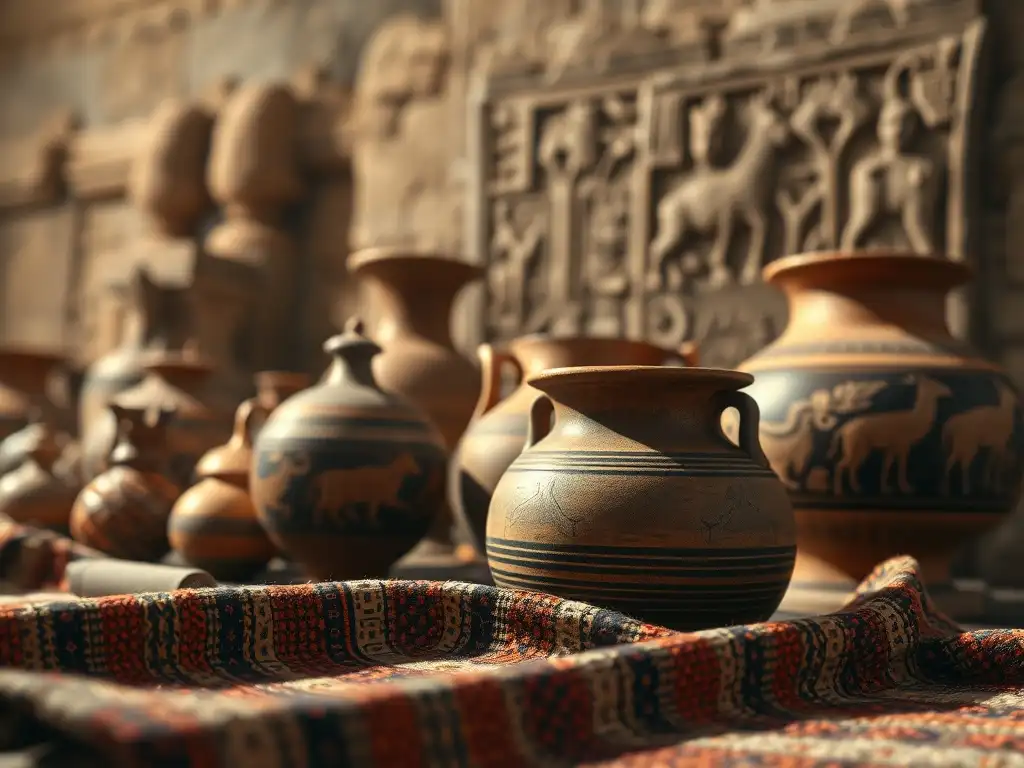
This section explores the best avenues for acquiring authentic Andean art, focusing on two prominent categories: pre-Columbian ceramics and textiles. Understanding the nuances of each type will help discerning collectors navigate the market and build a meaningful collection reflecting the rich artistic heritage of Andean civilizations. The study of Andean civilizations art history is greatly enhanced by owning authentic pieces.
Option 1: Pre-Columbian Ceramics - A Window into Andean Life
Pre-Columbian ceramics offer an unparalleled glimpse into the daily lives, religious beliefs, and artistic achievements of Andean cultures. From the intricate narratives depicted on Moche pottery to the geometric precision of Nazca ceramics, these artifacts are not merely decorative objects; they are powerful historical documents. Authenticity is paramount when collecting, requiring careful examination and ideally, verification from reputable experts in Andean civilizations art history.
Moche Pottery: Detailed Narratives in Clay
Moche pottery (c. 100-800 CE) is renowned for its incredibly detailed and lifelike depictions of scenes from daily life, mythology, and ritual practices. These aren't simply vessels; they are miniature canvases telling complex stories. The artisans' mastery of modeling, painting, and firing techniques resulted in exceptionally durable and visually stunning pieces. Common motifs include depictions of warriors, priests, erotic scenes, and elaborate ceremonies, all offering valuable insights into Moche society and beliefs.
Collectors should look for pieces exhibiting vibrant colors, well-preserved details, and evidence of authentic craftsmanship. The presence of stylistic elements consistent with known Moche artistic conventions is crucial for verifying authenticity. Analyzing the clay type and the firing techniques can also aid in authentication, although this often requires specialized knowledge.
Nazca Ceramics: Geometric Marvels of the Andes
In contrast to the narrative focus of Moche pottery, Nazca ceramics (c. 100 BCE – 500 CE) are characterized by their bold geometric designs and intricate polychrome painting. These highly stylized pieces often feature elaborate patterns, intricate lines, and vibrant colors arranged in complex compositions. While not as narratively descriptive as Moche pottery, Nazca ceramics provide equally important information about the culture's artistic sensibilities and aesthetic preferences.
The precision and control demonstrated in the execution of these designs highlight the advanced technical skills of Nazca artisans. Authenticity in Nazca ceramics can be assessed by examining the style of the painted designs, the type of clay used, and the presence of any characteristic wear patterns consistent with age and handling. A deep understanding of Nazca iconography and artistic conventions is essential for distinguishing authentic pieces from modern reproductions.
Option 2: Textiles of the Andean Cultures - Woven History
Andean textiles represent another significant category for collectors of authentic Andean art. These aren't merely fabrics; they are intricate tapestries that encode social status, religious beliefs, and historical events. The techniques employed, ranging from simple weaving to complex embroidery and tapestry, showcase the advanced technological prowess of Andean civilizations.
Inca Tapestries: Royal Weaves of Power and Prestige
Inca textiles (c. 1438-1533 CE) are often characterized by their use of high-quality materials, intricate designs, and symbolic motifs reflecting Inca imperial power and religious beliefs. Royal tapestries frequently incorporated depictions of the Inca ruler, religious figures, and symbols of authority. The use of vibrant colors, fine yarns, and sophisticated weaving techniques further emphasizes the high status of these textiles.
Collectors seeking authentic Inca textiles should look for evidence of traditional Inca weaving techniques, such as the use of specific knots, patterns, and color combinations. The material composition, typically featuring alpaca or vicuña wool, also plays a crucial role in authentication. Furthermore, the presence of any associated historical documentation or provenance information can significantly enhance the value and authenticity of a piece.
Paracas Textiles: Embroidered Masterpieces of the Coastal Andes
Paracas textiles (c. 800-100 BCE) are renowned for their exceptional embroidery techniques, featuring incredibly detailed and intricate designs. These textiles often incorporate vibrant colors, complex patterns, and symbolic motifs, reflecting the rich cultural and spiritual beliefs of the Paracas people. The use of a variety of techniques, including embroidery, tapestry, and weaving, showcases the artisans' mastery of textile arts. Authentic Paracas textiles are often characterized by their exceptional preservation and the use of high-quality materials.
Collectors should examine the stitching, the use of specific dyes, and the overall design complexity to verify authenticity. The presence of characteristic stylistic elements, such as specific motifs and color palettes, can also be used to assess authenticity. A thorough understanding of Paracas textile techniques and design conventions is essential for discerning authentic pieces from modern reproductions.
Option 3: Andean Metalwork - Glimpses into Ritual and Status
Andean metalwork offers a captivating window into the beliefs, rituals, and social structures of ancient Andean civilizations. The skill and artistry displayed in these pieces are truly remarkable, showcasing a deep understanding of metallurgy and a sophisticated aesthetic sense. From the intricate designs to the choice of materials, each artifact tells a story, revealing details about the lives and values of the people who created them.
The use of precious metals like gold and silver often signified high status and power, with elaborate pieces reserved for elite members of society. However, metalwork also played a significant role in religious practices, with many artifacts serving as offerings or symbols of deities. Studying Andean metalwork allows us to understand not only the technical prowess of these ancient cultures but also their spiritual and social worlds.
The preservation of these artifacts, often found in tombs or ceremonial sites, provides invaluable insights into the complexities of Andean societies. The careful examination of these pieces, considering their material composition, decorative styles, and contextual archaeological findings, allows researchers to reconstruct the cultural significance and historical context of these objects. The study of Andean metalwork continues to evolve as new discoveries are made and new analytical techniques are applied, constantly enriching our understanding of these fascinating civilizations.
Tiahuanaco Metal Artifacts: Crafting in Gold and Silver
Tiahuanaco metalwork, originating from the powerful Tiahuanaco civilization that flourished in the southern Andes between 500 and 1000 CE, is characterized by its unique style and sophisticated techniques. While less prolific than Inca metalwork, Tiahuanaco pieces are exceptionally valuable for their distinctive aesthetic. Gold and silver were the primary metals used, often combined with other materials like copper and shell.
The artisans employed various techniques, including hammering, casting, and soldering, to create intricate designs featuring geometric patterns, stylized figures, and representations of deities. These artifacts often included adornments such as pendants, ear spools, and headdresses, reflecting the importance of personal adornment in Tiahuanaco society. Notable examples include intricately crafted gold and silver sheets decorated with repeating motifs, suggesting their use in ceremonial contexts or as parts of larger, now-lost, objects.
The precision and detail in these pieces highlight the advanced level of metallurgical skill achieved by Tiahuanaco artisans. Furthermore, analysis of the alloys and techniques used provides clues to the trade networks and technological exchanges that shaped this civilization. The rarity and exquisite craftsmanship of Tiahuanaco metalwork make them highly sought-after items for collectors interested in Andean art history.
Inca Metalwork: Exquisite Pieces of Royal Power
Inca metalwork represents the pinnacle of Andean metallurgical achievement. The Inca Empire, which controlled a vast territory in the Andes from the 15th to the 16th century, produced a staggering amount of metalwork, demonstrating both technical mastery and artistic sophistication. Gold, silver, and copper were extensively used, often combined to create stunning polychrome effects. The Inca employed a wide range of techniques, including hammering, casting, repoussé, and filigree, to produce objects of immense beauty and complexity.
Royal power and divine authority were powerfully expressed through these magnificent objects. Many pieces depict powerful Inca imagery, including representations of the sun god Inti and other important figures. Examples include the iconic tumi (ceremonial knives), intricately decorated gold and silver vessels, and stunningly crafted jewelry. The Inca's mastery of metalwork is also evident in their ability to create large-scale objects, such as the impressive gold and silver sheets found in royal tombs.
These objects not only served as symbols of royal power but also played vital roles in religious ceremonies and state rituals. The sheer quantity and quality of Inca metalwork underscore the wealth and power of the empire, providing a tangible testament to its cultural significance. The legacy of Inca metalwork continues to inspire awe and fascination, captivating researchers and collectors alike with its exquisite artistry and historical significance. The study of Inca metalwork provides crucial insights into the social hierarchy, religious beliefs, and artistic achievements of one of the most remarkable civilizations in the Americas.
Maximizing Your Investment in Andean Art
Collecting Andean art can be a rewarding experience, offering a tangible connection to fascinating ancient civilizations and their rich cultural heritage. However, navigating this market requires understanding both the aesthetic appeal and the financial implications. This section explores strategies for maximizing your investment while ensuring ethical and responsible acquisition. The market for Andean civilizations art is dynamic, influenced by several key factors affecting both value and authenticity.
Understanding the Market for Andean Civilizations Art
The market for Andean art, encompassing pieces from various civilizations like the Inca, Moche, Nazca, and Tiahuanaco, is a multifaceted landscape. Demand is driven by several factors, including rarity, historical significance, artistic merit, and provenance. Pieces with well-documented provenance – a clear chain of ownership tracing the artifact back to its origin – command significantly higher prices. The condition of the artifact is also crucial; well-preserved pieces, free from significant damage or restoration, are more valuable.
Furthermore, the specific artistic style and techniques employed greatly influence value. For instance, intricately detailed Moche pottery or finely woven Inca textiles are highly sought after by collectors and museums alike, commanding premium prices. The current market trends also play a role; some styles or types of Andean art may experience periods of increased or decreased demand, impacting their value.
Understanding these fluctuating trends requires staying informed through specialist publications, auctions, and reputable dealers. Finally, the size and scale of the artifact can influence its value, with larger or more impressive pieces generally commanding higher prices. Collectors should be aware that the market for Andean art can be susceptible to forgery and misrepresentation, highlighting the importance of careful vetting and authentication.
Key Factors Influencing Value and Authenticity
Several critical factors influence the value and authenticity of Andean art. These include:
- Provenance: A clear and verifiable history of ownership from the artifact's discovery to the present day is paramount. A documented provenance significantly increases value and helps ensure authenticity.
- Condition: The state of preservation directly impacts value. Artifacts in excellent condition, with minimal damage or restoration, are more desirable and command higher prices.
- Rarity: Unique or exceptionally rare pieces, especially those representing unusual artistic styles or techniques, are highly sought after and command substantial premiums.
- Artistic Merit: The skill and artistry involved in the creation of the piece directly affect its value. Intricate details, masterful craftsmanship, and innovative techniques increase desirability.
- Material: The materials used in the creation of the artifact also play a role. Precious metals, rare stones, and fine textiles all contribute to the overall value.
- Authenticity: Verifying authenticity is crucial. Professional appraisal by experts specializing in Andean art is essential to avoid purchasing forgeries or misrepresented items. This often involves scientific analysis, such as stylistic analysis and material testing.
Tips for Responsible Collecting and Ethical Acquisition
Responsible collecting of Andean art involves more than just acquiring beautiful objects; it's about respecting the cultural heritage they represent and ensuring ethical acquisition. This means actively supporting fair trade practices and avoiding pieces that may have been looted or illegally trafficked.
Supporting Fair Trade Practices
Supporting fair trade practices in the acquisition of Andean art is crucial for ethical collecting. This means actively seeking out dealers and artisans who prioritize ethical sourcing and fair compensation for their work. Look for organizations or individuals committed to sustainable practices, community involvement, and the preservation of traditional techniques. By supporting these practices, collectors contribute to the economic well-being of Andean communities and help ensure the continuation of their rich artistic traditions. This ethical approach not only ensures the responsible acquisition of art but also contributes to the long-term preservation of Andean cultural heritage for future generations. Furthermore, actively researching the origin and history of each piece can help ensure that it wasn't obtained through illicit means. Transparency and traceability are key factors in responsible collecting. Remember, your purchase is not just about acquiring an object; it's about supporting a vibrant cultural heritage and contributing to its ongoing preservation.
Conclusion: The Enduring Legacy of Andean Art
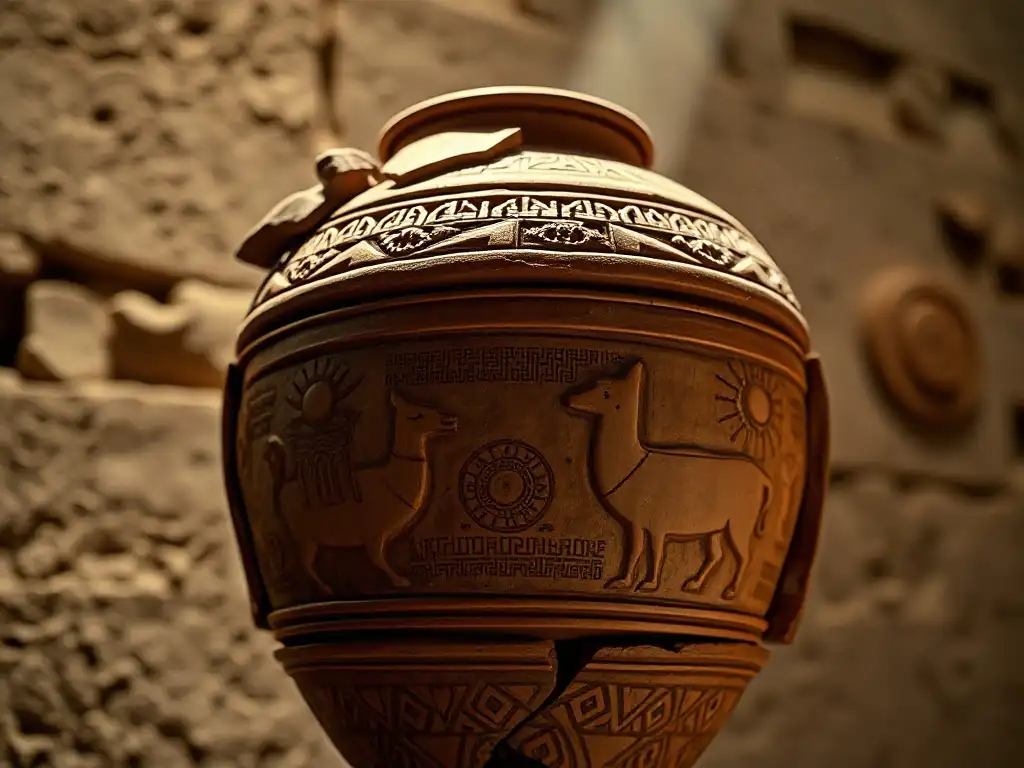
The vibrant tapestry of Andean civilizations art history continues to fascinate and inspire. From the intricate textiles of the Nazca to the monumental sculptures of the Tiahuanaco, the artistic expressions of these ancient societies offer a unique window into their beliefs, practices, and social structures. Understanding their art is crucial to understanding the Andean civilizations themselves.
The enduring legacy of their creativity is not merely aesthetic; it's a testament to human ingenuity and resilience, a narrative woven into every meticulously crafted piece. The study of Andean art is an ongoing journey of discovery, constantly revealing new insights into these remarkable cultures. Each artifact, each textile, each piece of pottery tells a story, a fragment of a larger, captivating narrative waiting to be fully understood.
The Timeless Beauty and Cultural Significance of Andean Art
The beauty of Andean art lies not just in its visual appeal but in its profound cultural significance. Consider the intricate khipus, complex systems of knotted strings used for record-keeping. These are not merely decorative objects; they represent a sophisticated system of information management, reflecting the advanced organizational capabilities of the Inca Empire.
Similarly, the elaborate gold and silver work, often depicting mythological figures and scenes, reveals much about their religious beliefs and cosmology. The Moche pottery, renowned for its naturalistic depictions of daily life and ritual ceremonies, provides invaluable insights into their social structure and worldview.
These artifacts are not simply objects; they are tangible links to a rich and complex past, providing a unique lens through which we can explore the lives, beliefs, and achievements of the Andean civilizations. The enduring appeal of this art stems from its ability to connect us to a past that, despite its distance, feels remarkably close.
The study of Andean art provides a wealth of information about the daily lives of these people. For example, analyzing the depictions of agricultural scenes on Nazca pottery illuminates their reliance on agriculture and their sophisticated understanding of irrigation techniques. The detailed portrayals of animals and plants in their art reflect their deep connection to the natural world, highlighting the importance of agriculture and resource management in their societies.
Even seemingly simple objects, like everyday pottery, can reveal intricate details about their artistic techniques and the materials available to them. This detailed approach allows us to piece together a comprehensive understanding of their society, economy, and religious practices. The more we study, the more we discover about the ingenuity and artistry of these ancient Andean civilizations.
Preserving and Protecting Andean Art for Future Generations
The preservation of Andean art is paramount. These fragile artifacts are susceptible to deterioration from environmental factors and the passage of time. Therefore, meticulous conservation efforts are crucial to ensure that future generations can continue to appreciate and learn from these invaluable pieces of history. This includes careful storage in climate-controlled environments, employing appropriate conservation techniques, and conducting thorough research to understand the materials and degradation processes involved.
Furthermore, raising awareness about the importance of protecting these cultural treasures is crucial, promoting responsible collecting practices and discouraging illicit trafficking. The preservation of Andean art is not just about protecting objects; it's about safeguarding a vital part of human history and cultural heritage. It’s a collective responsibility to ensure that the stories embedded within these artifacts continue to resonate for centuries to come.
The Role of Museums and Academic Institutions in Andean Art Studies
Museums and academic institutions play a crucial role in the study and preservation of Andean art. These institutions house extensive collections of Andean artifacts, making them vital resources for researchers and the public alike. They provide opportunities for in-depth study, enabling scholars to analyze artifacts and draw conclusions about Andean societies. Moreover, museums organize exhibitions and educational programs that raise public awareness about Andean art and its significance.
Through collaborative research projects and the dissemination of knowledge, they facilitate a deeper understanding and appreciation of Andean civilizations art history. Their commitment to research, conservation, and education ensures that the legacy of Andean art continues to thrive and inspire. The work of these institutions is critical in ensuring the accessibility and preservation of this irreplaceable cultural heritage for future generations. 🌍
Frequently Asked Questions
What makes Andean art historically significant?
Andean art offers a unique perspective on ancient civilizations. It reveals complex social structures, religious beliefs, and technological advancements through diverse mediums like textiles, ceramics, and metalwork. Studying it provides invaluable insights into their world.
How did the environment influence Andean art?
The challenging Andean landscape profoundly shaped artistic expression. Available resources, like specific minerals for pigments or particular animal fibers for textiles, directly influenced techniques and styles. The environment also inspired artistic motifs, such as mountains and animals.
Which Andean civilizations are most known for their art?
Several civilizations excelled. The Inca are renowned for their intricate textiles and goldwork. The Moche are celebrated for their sophisticated ceramics depicting life and mythology. The Nazca are famous for their geoglyphs, while Tiahuanaco produced monumental stone sculptures.
What are some common themes in Andean art?
Recurring themes often reflect religious beliefs and cosmology. Depictions of deities, mythical creatures, and rituals are prevalent. Agricultural practices and daily life are also common subjects, highlighting the importance of these aspects in their society.
Where can I learn more about Andean civilizations art history?
Numerous museums and academic institutions house significant Andean art collections. Online resources and books dedicated to Andean art history offer detailed information. Consider visiting museums like the Larco Museum in Lima or exploring online databases of archaeological findings.
Final Reflection: Echoes of the Andes: A Legacy in Art
The vibrant artistry of the Andean civilizations continues to resonate today, a powerful testament to the ingenuity and resilience of a people who shaped their world through breathtaking creativity. Their intricate textiles, majestic ceramics, and awe-inspiring goldwork are not merely artifacts of a bygone era; they are living expressions of a culture that continues to inspire and inform our understanding of human potential. The enduring legacy of Andean art challenges us to appreciate the profound connection between art, culture, and the enduring human spirit.
The impact of Andean art extends far beyond museum walls; it permeates contemporary art, fashion, and design, subtly influencing our aesthetic sensibilities and reminding us of the rich tapestry of human experience. The intricate symbolism woven into their textiles, the sophisticated techniques employed in their metalwork – these are echoes of a sophisticated civilization that continues to captivate and inspire. Art washes away from the soul the dust of everyday life.
– Pablo Picasso. This quote, while not directly about Andean art, perfectly encapsulates the power of art to transcend time and connect us to something larger than ourselves, something that the art of the Andes powerfully demonstrates.
Consider the stories whispered by these ancient artifacts. Imagine the hands that crafted them, the minds that conceived their intricate designs. Let their artistry ignite your own creativity, your own capacity for innovation and expression. Engage with the legacy of the Andes, not just as passive observers, but as active participants in a continuing dialogue across time and cultures. Seek out Andean art in your community, learn more about its history and significance, and allow its beauty to enrich your life. The echoes of the Andes await your discovery.
Embrace the Richness of Andean Art Today!
Thank you for exploring the captivating world of Andean art with us! Your journey has revealed the profound depth and beauty of its authentic expressions. Now, let's turn that inspiration into action!
- Immerse yourself in the vibrant culture: Visit local galleries and museums showcasing Andean art to discover the stories behind each piece. Consider seeking out exhibitions focusing on specific aspects of Andean artistry, such as textiles or pottery, to deepen your understanding.
- Share your passion: Discuss what you've learned about Andean civilizations with friends, family, or online communities. Inspire others to appreciate the rich heritage of the Andes.
- Create your own artistic expression: Let Andean art inspire your creativity. Experiment with different mediums and techniques to capture the spirit of the Andes in your own unique style.
Reflecting on this journey, which piece of Andean art most captivates you? Share your thoughts in the comments below!