
Andean Market Mastery: Tips and Tricks for Finding the Best Handicrafts

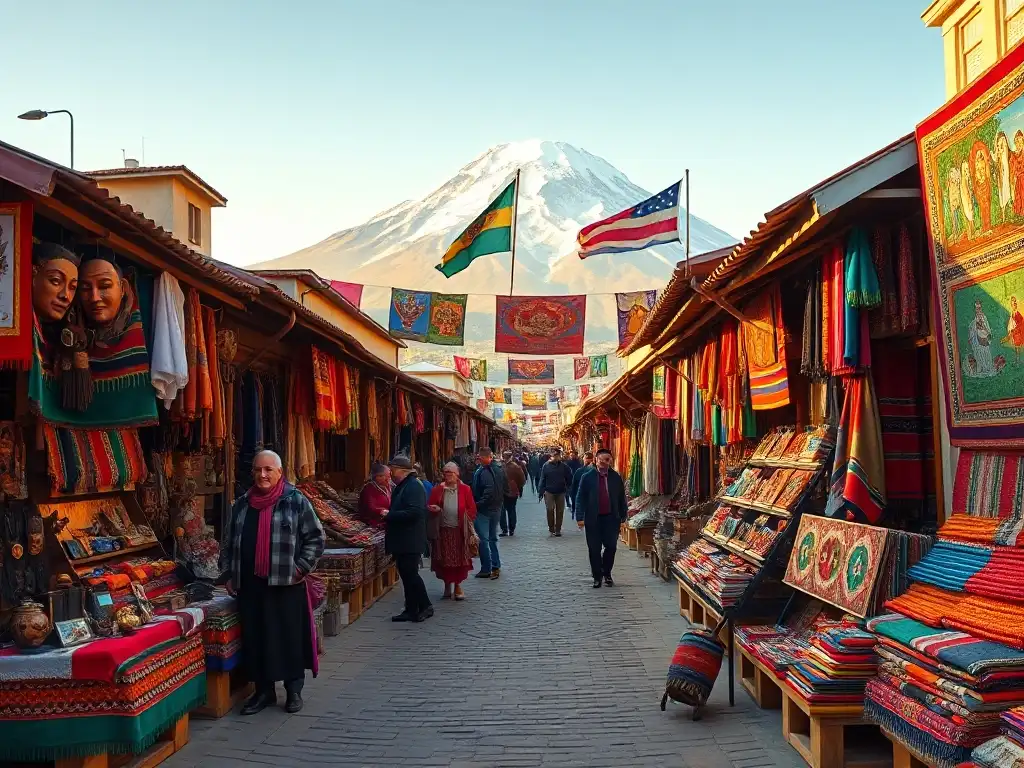
Uncover the secrets of a lost world brimming with artistry and ingenuity. For centuries, the Andes Mountains have echoed with the whispers of ancient civilizations, leaving behind a legacy of breathtaking craftsmanship. But navigating the vibrant Andean handicrafts market can be a thrilling challenge. Are you ready to unlock the expert tips and tricks to finding the most authentic and exquisite treasures? Dive in and discover the secrets to Andean Market Mastery.
The vibrant tapestry of Andean culture is richly woven into its exquisite handicrafts. From intricately woven textiles to meticulously carved ceramics, these handcrafted treasures offer a tangible connection to a history spanning millennia. This article serves as your guide to navigating the bustling Andean handicrafts markets, ensuring you find authentic, high-quality pieces that truly capture the spirit of the region.
We'll delve into the rich traditions behind these crafts, provide practical strategies for successful shopping, and offer insider tips to help you unearth those unique, unforgettable souvenirs. Understanding the nuances of the Andean handicrafts market will not only enhance your shopping experience but also deepen your appreciation for the artistry and cultural heritage embedded within each piece. This guide is designed for both seasoned travelers and first-time visitors, empowering you to confidently explore and acquire the best Andean handicrafts.
Unveiling the Rich Tradition of Andean Handicrafts: An Introduction
Andean handicrafts represent a legacy of skill and artistry passed down through generations. The techniques employed, often unchanged for centuries, are testaments to the ingenuity and resilience of Andean communities. Each piece tells a story – a story of ancestral knowledge, resourcefulness, and a deep connection to the land. Consider the following aspects of Andean craft traditions:
- Textiles: The intricate weaving techniques, using natural dyes derived from plants and minerals, are breathtaking. Different regions boast unique styles, patterns, and symbolic representations, reflecting their distinct identities. Look for variations in the weave, the quality of the materials (alpaca, llama, vicuña), and the complexity of the designs. The use of specific motifs often holds significant cultural meaning.
- Ceramics: From the delicate pottery of the Nazca to the bold, expressive forms of the Moche, Andean ceramics showcase remarkable artistic skills. Observe the craftsmanship – the precision of the forms, the quality of the glaze, and the intricate detailing. Authentic pieces often exhibit subtle imperfections, a testament to the handcrafted nature of the items.
- Metalwork: The Andean peoples were master metalworkers, skilled in techniques such as hammering, casting, and inlay. Look for pieces that demonstrate fine detail and intricate designs. Silver and gold were prized materials, often used to create ornaments and ceremonial objects.
- Wood Carving: The skillful carving of wood, often featuring intricate designs and depictions of animals or deities, showcases the mastery of Andean artisans. The type of wood used, along with the level of detail and finish, are key indicators of quality and authenticity.
Successfully navigating the Andean handicrafts markets requires a blend of knowledge, patience, and negotiation skills. Here’s how to maximize your experience:
- Research beforehand: Familiarize yourself with different Andean craft styles and techniques. This will help you identify authentic pieces and appreciate their unique qualities. Knowing the approximate prices for certain items will also aid in negotiations.
- Start early: Markets tend to be busiest later in the day, so arriving early offers a better selection and more time to browse without feeling rushed.
- Bargaining is expected: Negotiating prices is a common practice in Andean markets. Be polite but firm, and always be respectful of the artisan's work and time. A starting offer of approximately [Specific percentage]% below the asking price is a good starting point, adjusting based on the item and your assessment of its value.
- Inspect carefully: Before purchasing, carefully examine the item for quality, craftsmanship, and any potential flaws. Authentic pieces may show signs of handcrafting, which adds to their unique charm.
- Support local artisans: By purchasing directly from artisans, you support their communities and contribute to the preservation of traditional crafts. Look for smaller stalls and workshops, where you can interact directly with the creators.
- Consider the materials: Pay attention to the materials used. Authentic Andean handicrafts often utilize natural materials, such as alpaca wool, llama wool, vicuña wool, cotton, or specific types of clay and wood. Knowing these materials will help you identify genuine articles.
This detailed approach will help you confidently navigate the vibrant world of Andean handicrafts, enabling you to find unique treasures that will be cherished for years to come. 🛍️
Andean Handicrafts Market Tips: Essential Preparation Before You Go
Before embarking on your Andean handicrafts adventure, thorough preparation is key to a successful and rewarding experience. Researching specific markets beforehand can save you valuable time and potentially disappointment. Look for markets known for specializing in particular crafts; for example, some markets might be renowned for their textiles, while others focus on pottery or metalwork. Reading online reviews and checking recent visitor accounts can provide invaluable insights into current offerings and pricing. Knowing what to expect in terms of the market's atmosphere and size will help you mentally prepare for the experience.
Learning a few basic phrases in the local language, even simple greetings and thank yous, can significantly enhance your interactions with artisans. It shows respect and can lead to more engaging conversations and potentially better deals. Furthermore, understanding basic bargaining etiquette is crucial. In many Andean markets, bargaining is expected, but it's important to do so respectfully and fairly, recognizing the artisan's time and effort.
Finally, bringing along a small notebook and pen allows you to jot down notes about interesting pieces, prices, and even the artisan's name, creating a lasting memory of your market experience. Remember to bring enough local currency; credit cards are not always accepted. Planning your transportation and considering the time of year are also important factors to ensure a smooth and enjoyable shopping experience.
Identifying Authentic Andean Art: Avoiding Counterfeits
Navigating the vibrant world of Andean handicrafts requires a discerning eye to differentiate genuine artifacts from imitations. The market for Andean crafts is unfortunately susceptible to counterfeiting, so understanding how to spot fakes is essential for both your enjoyment and your wallet. Counterfeit items often lack the intricate detail and craftsmanship that characterize authentic Andean art. The materials used might be inferior, lacking the richness and texture of genuine alpaca wool or the fine detail of traditional ceramics. Mass-produced items will lack the unique imperfections and variations inherent in handcrafted pieces.
Pay close attention to the overall quality of the artwork. Authentic pieces often exhibit subtle variations and imperfections that are hallmarks of handcraftsmanship, unlike the uniformity seen in mass-produced goods. Another important aspect to consider is the provenance of the piece. If possible, inquire about the artisan's origin and the materials used. Reputable sellers will be happy to provide information about the creation process and the artist's background.
A genuine piece often comes with a story, adding to its value and cultural significance. If a deal seems too good to be true, it probably is. Be wary of excessively low prices, especially for items that appear to be of high quality. Trust your instincts; if something feels off, it’s better to err on the side of caution.
Recognizing Genuine Alpaca Wool: A Key Indicator of Quality
Alpaca wool is a highly sought-after material in Andean handicrafts, known for its softness, warmth, and luxurious feel. However, many imitations exist. Genuine alpaca wool possesses a unique softness and luster that synthetic fibers cannot replicate. It has a naturally silky feel and a subtle sheen. Unlike synthetic fibers, alpaca wool has a slightly irregular texture, showing variations in thickness and fiber length. This natural irregularity is a key indicator of authenticity.
When examining a piece purportedly made from alpaca wool, gently rub the fabric between your fingers. Genuine alpaca wool will feel incredibly soft and smooth, and you will likely notice a slight bounce or springiness. Compare the feel to a known sample of alpaca wool if possible. Look closely at the fiber structure.
Real alpaca wool fibers are fine and relatively uniform in length, but not perfectly consistent, unlike the uniform structure of synthetic fibers. Also, consider the price. Genuine alpaca wool products are generally more expensive than those made from synthetic alternatives or cheaper wools. A suspiciously low price should raise a red flag.
Decoding Traditional Motifs: Understanding Andean Symbolism
Andean textiles and crafts are often adorned with intricate motifs and symbols that carry deep cultural and historical significance. Understanding these symbols can add another layer of appreciation to your purchases. Many motifs represent Andean deities, animals, plants, or significant events in their history. For instance, the Andean condor frequently appears as a symbol of power and strength. Geometric patterns often represent specific clans or regions, reflecting the diversity of Andean cultures.
Researching common Andean symbols before your visit can significantly enhance your market experience. This allows you to identify specific motifs and appreciate their cultural context. Numerous books and online resources provide detailed information on Andean symbolism. Consider carrying a small guide or using a mobile app with images and descriptions of common motifs. Engage with the artisans; they are often happy to share the stories behind their designs and the meanings of their symbols. This interaction adds a personal touch to your purchase and deepens your understanding of the cultural significance of the crafts.
Checking for Handcrafted Details: The Hallmark of Artisan Work
Handcrafted Andean art exhibits unique qualities that distinguish it from mass-produced items. Look for subtle imperfections and variations in the design, color, and texture. These inconsistencies are characteristic of handcrafted work and add to its unique charm. Machine-made items tend to be uniform and flawless, while handcrafted pieces possess a certain organic quality. Examine the seams and stitching on textiles; hand-stitched pieces often show slight variations in stitch length and spacing, unlike the perfect uniformity of machine stitching.
In pottery and metalwork, look for hand-finished details, such as uneven edges or slight variations in the application of paint or glaze. These imperfections are not flaws but rather indicators of the artisan's hand. Observe the overall craftsmanship. Are the details carefully executed? Is the piece well-proportioned and balanced? These are signs of skill and attention to detail. Finally, touch the piece. Handcrafted items often have a unique texture and feel that reflect the artisan’s individual approach to their craft. The tactile experience can be a crucial element in identifying genuine handcrafted work.
Top Andean Handicraft Markets: Where to Find the Best Treasures
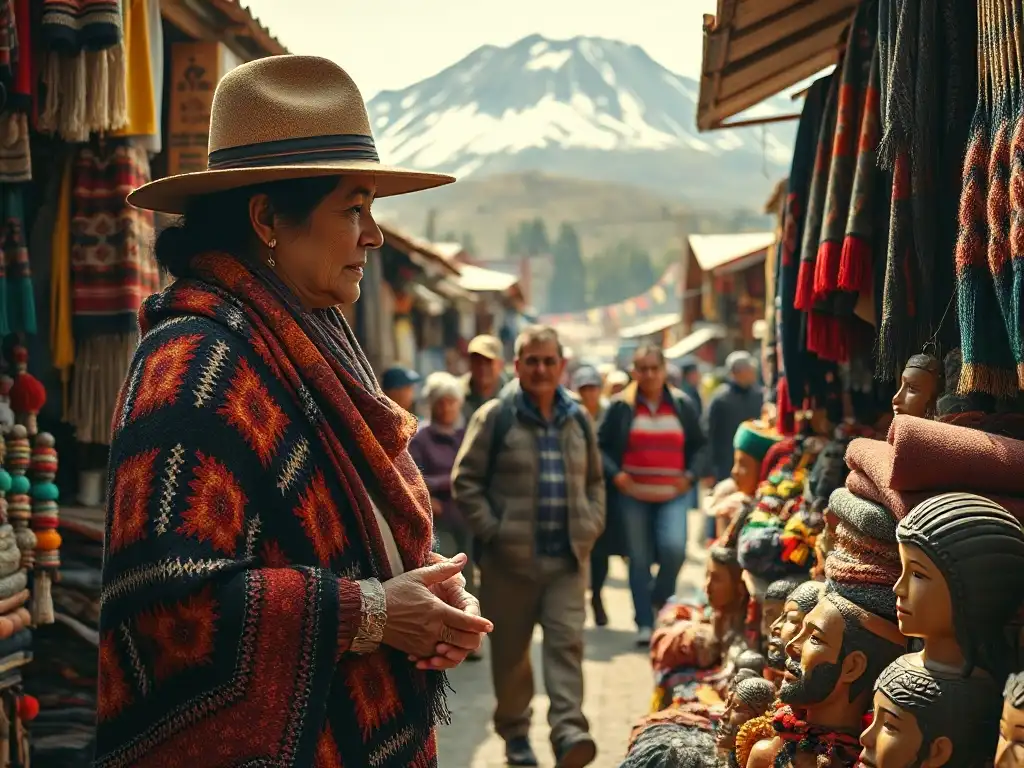
Andean handicrafts markets offer a captivating blend of history, artistry, and vibrant culture. Navigating these bustling marketplaces can be an enriching experience, but knowing where to go is half the battle. This section highlights some of the top destinations for finding exquisite Andean handicrafts. Each market offers a unique selection of goods, reflecting the diverse traditions and skills of the region. From intricately woven textiles to finely carved sculptures, these markets are treasure troves for discerning collectors and souvenir hunters alike. Remember to always be respectful of local customs and traditions when visiting these markets.
The Cusco Artisan Market: A Hub for Inca-Inspired Crafts
Cusco, the former capital of the Inca Empire, boasts a thriving artisan market that pulsates with the energy of its rich history. Here, you'll find an abundance of Inca-inspired crafts, reflecting the enduring legacy of this remarkable civilization. Expect to find intricately woven textiles featuring traditional Andean patterns, silver jewelry adorned with ancient symbols, and ceramics showcasing pre-Columbian designs. Many artisans in Cusco proudly continue age-old techniques passed down through generations, ensuring the authenticity and quality of their work.
The market is a fantastic place to discover unique pieces imbued with the spirit of the Inca Empire. The sheer variety and concentration of skilled artisans make Cusco a must-visit for any enthusiast of Andean handicrafts. You'll find everything from small, affordable souvenirs to high-end, collector's items.
The Pisac Market: A Blend of Traditional and Contemporary Designs
Located near the ancient Inca ruins of Pisac, this market offers a captivating blend of traditional and contemporary Andean designs. While you'll still find plenty of classic Inca-inspired crafts, Pisac also showcases the innovative work of modern artisans who blend traditional techniques with contemporary aesthetics. The market is known for its diverse range of textiles, ceramics, and jewelry, often incorporating vibrant colors and bold patterns.
The atmosphere is lively and engaging, with numerous vendors eager to share their stories and demonstrate their skills. Pisac's location nestled amidst breathtaking scenery adds to the overall charm and makes for a truly memorable shopping experience. You can easily spend hours browsing the colorful stalls, discovering hidden gems and unique pieces to add to your collection.
The Otavalo Market in Ecuador: A Textile Paradise
While technically outside of the Andean region as traditionally defined, the Otavalo Market in Ecuador deserves mention for its unparalleled selection of textiles. Famous throughout South America, Otavalo is a must-visit for anyone seeking high-quality, handcrafted textiles. The market is renowned for its vibrant indigenous communities who showcase their exceptional weaving skills.
You will find an incredible array of colors, patterns, and materials, ranging from intricately woven ponchos and blankets to finely embroidered clothing and accessories. The sheer scale and variety of textiles available make Otavalo a truly unique and unforgettable shopping experience. It's a place where you can immerse yourself in the rich textile traditions of Ecuador and acquire truly exceptional pieces.
The Arequipa Market: A Variety of Leather Goods and Carvings
Arequipa, a city known for its stunning colonial architecture, also boasts a vibrant market offering a variety of leather goods and intricate carvings. The artisans of Arequipa are renowned for their skill in working with leather, creating everything from belts and bags to jackets and shoes. The market also features an impressive collection of carved wooden and stone items, often depicting scenes from Andean mythology or showcasing intricate floral designs.
The quality of craftsmanship is exceptionally high, making Arequipa's market an ideal place to find durable and beautiful souvenirs. The market's unique blend of traditional crafts and modern designs offers a diverse range of options to suit various tastes and budgets.
Mastering the Art of Bargaining in Andean Markets
Bargaining is a common and often expected practice in many Andean markets. However, it's crucial to approach the process with respect and cultural sensitivity. This section offers practical tips to help you navigate the art of negotiation while maintaining positive relationships with vendors.
Understanding the Local Culture: Respectful Negotiation Techniques
Before you begin bargaining, take a moment to observe the local customs. A friendly smile and polite greeting go a long way. Remember that bargaining is a social interaction, not a competition. Approach negotiations with patience and respect, avoiding aggressive or demanding behavior. Always maintain a calm and courteous demeanor, even if you don't agree on a price. Understanding the local culture will enhance your experience and lead to more positive interactions with vendors. Respectful negotiation builds trust and fosters a positive environment for both parties.
Knowing the Average Price Range: Avoiding Overpaying
Researching average prices for similar items beforehand can help you avoid overpaying. This doesn't mean you should expect to get the absolute lowest price, but it provides a valuable benchmark for your negotiations. Comparing prices across different stalls can also help you gauge a fair price. Knowing the average price range empowers you to negotiate confidently and fairly, preventing exploitation. Remember that prices can vary based on factors such as quality, materials, and the vendor's perceived value of the item.
Building Rapport with Vendors: Creating a Positive Transaction
Building a positive relationship with vendors can significantly impact your bargaining experience. Engage in friendly conversation, show genuine interest in their craft, and appreciate their skills. This approach fosters a more collaborative atmosphere, making the negotiation process smoother and more enjoyable for both parties. A friendly and respectful approach can lead to better deals and a more enriching shopping experience overall. Remember that a positive transaction is a win-win for both the buyer and the seller.
When to Walk Away: Knowing Your Limits
Knowing your limits is essential in any negotiation. If you feel the vendor is unwilling to compromise or the price is significantly higher than your expectations, don't be afraid to walk away. Politely decline the offer and move on. Sometimes, a willingness to walk away can lead to a better offer from the vendor. Knowing your limits ensures that you're making purchases that you feel good about. Remember, the goal is to find a price that is fair for both you and the vendor, not to win a battle.
Must-Have Andean Handicraft Souvenirs: Recommendations for Every Traveler
Choosing the perfect Andean handicraft souvenir can be overwhelming, given the sheer variety and artistry on display. To help you navigate this vibrant world, we've compiled a list of must-have items that offer a blend of beauty, cultural significance, and practicality. Remember to consider the item's size and weight for easy travel, and always prioritize purchasing from reputable sources that support local artisans.
This ensures you're not only acquiring a beautiful piece but also contributing to the preservation of Andean cultural heritage. Don't forget to haggle respectfully, a common practice in many Andean markets, but be mindful of fair pricing that supports the artisans' livelihoods.
Intricately Woven Textiles: From Table Runners to Wall Hangings
Andean textiles are renowned worldwide for their intricate designs, vibrant colors, and the skill of the weavers. From delicate table runners adorned with traditional motifs to large, stunning wall hangings depicting Andean landscapes or mythical creatures, the possibilities are endless. Look for pieces featuring traditional techniques like backstrap weaving or those using natural dyes derived from plants and minerals.
These textiles are not only beautiful decorative items but also represent generations of knowledge and tradition passed down through families. Consider the material – alpaca wool is particularly luxurious and durable – and the complexity of the design when assessing the quality and value. A high-quality textile will be a treasured souvenir for years to come.
Unique Ceramics and Pottery: Pre-Columbian Inspired Pieces
The legacy of pre-Columbian pottery is evident in the stunning ceramics found in Andean markets today. Many artisans draw inspiration from ancient designs, creating pieces that blend traditional techniques with modern aesthetics. Look for unique shapes, intricate detailing, and vibrant glazes. Consider purchasing smaller pieces that are easier to transport, like decorative bowls, vases, or figurines.
Larger pieces, while impressive, can be cumbersome to travel with. Pay attention to the quality of the craftsmanship – a well-made ceramic piece will be durable and aesthetically pleasing. Remember to inquire about the clay type and firing process, as this adds to the cultural significance and uniqueness of the piece.
Handcrafted Silver Jewelry: Adornments with Cultural Significance
Andean silver jewelry is known for its exquisite craftsmanship and the use of traditional motifs. From delicate earrings and necklaces to bold bracelets and rings, there's a piece to suit every style. Look for pieces featuring traditional Andean designs, such as condor imagery, geometric patterns, or representations of mythical beings.
The quality of the silver should be clearly indicated, and you should inquire about the artisan's techniques. Authentic silver jewelry often incorporates semi-precious stones, further enhancing its beauty and cultural significance. Purchasing handcrafted silver jewelry is a way to support Andean artisans and own a piece of their rich cultural heritage.
Alpaca Wool Clothing: Scarves, Sweaters, and Ponchos
Alpaca wool is prized for its softness, warmth, and luxurious feel. Andean markets offer a wide selection of alpaca wool clothing, from cozy scarves and sweaters to warm ponchos and hats. Consider the weight and thickness of the wool when choosing a piece. A thicker garment will provide more warmth, but it will also be heavier to carry.
Look for garments with intricate designs or traditional patterns. The quality of the knitting or weaving will determine the garment's durability and longevity, making it a worthwhile investment. The softness of alpaca wool makes it a perfect choice for those seeking comfortable and stylish clothing.
Musical Instruments: Charangos, Zamponas, and Other Authentic Pieces
Andean music is rich and diverse, and the unique instruments used to create it are just as captivating. The charango, a small lute-like instrument, and the zampoña, a panpipe, are two popular choices. When purchasing a musical instrument, carefully examine its craftsmanship and sound quality. Smaller instruments are easier to transport but may have a less full sound. Inquire about the type of wood used and the artisan's experience in making the instrument, as this will impact the quality and sound. Owning an authentic Andean musical instrument is a unique way to connect with the region's vibrant musical heritage.
Beyond the Market: Supporting Andean Artisans Directly
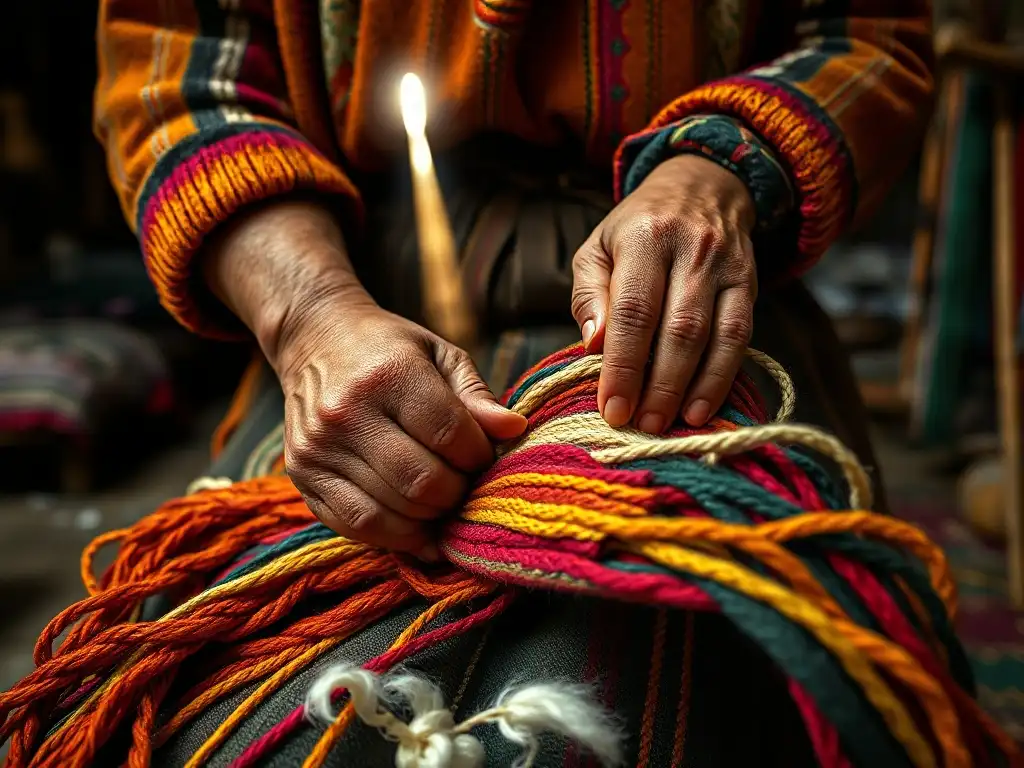
While bustling markets offer a fantastic array of Andean handicrafts, there are other avenues to explore that offer more direct support to the artisans and a deeper cultural immersion. By consciously choosing these alternatives, you not only acquire unique pieces but also contribute directly to the economic empowerment of Andean communities and the preservation of their traditional skills. This ethical approach ensures that the artisans receive a fair wage and are able to continue their craft for future generations.
Fair Trade Practices: Understanding Ethical Sourcing
Fair trade practices ensure that artisans receive fair wages, work in safe conditions, and have opportunities for growth and development. Look for certifications or labels that indicate fair trade practices. This guarantees that the price you pay reflects the true value of the artisan's work and their contribution to their community. Understanding the principles of fair trade helps you make informed choices and support ethical sourcing. By supporting fair trade initiatives, you contribute to sustainable development within Andean communities.
Collaborating with Artisan Cooperatives: Direct Impact Initiatives
Many Andean artisans work together in cooperatives, pooling resources and sharing knowledge. Purchasing from a cooperative ensures that profits are distributed fairly among the members, fostering community development and economic growth. Cooperatives often offer a wider range of products and may have workshops or studios that you can visit, providing an immersive cultural experience. Supporting cooperatives demonstrates a commitment to ethical and sustainable practices, empowering artisans and strengthening their communities.
Purchasing Online from Reputable Sources: Expanding Your Reach
The internet offers access to a wider range of Andean handicrafts than many physical markets. However, it's crucial to choose reputable online sources that guarantee fair trade practices and ethical sourcing. Read reviews, look for certifications, and verify the seller's background before making a purchase. Reputable online platforms often highlight the artisans' stories and provide information about their craft, allowing you to connect directly with the creators of the pieces. Purchasing online expands your reach and allows you to discover unique pieces from remote communities.
Visiting Workshops or Studios: Immersive Cultural Experiences
Visiting an artisan's workshop or studio provides an immersive cultural experience. You can observe the creation process firsthand, learn about traditional techniques, and connect directly with the artisans. This offers a deeper understanding of the cultural significance of the handicrafts and strengthens the connection between the creator and the consumer. Many workshops offer demonstrations or classes, allowing you to participate in the creation process and take home a truly unique souvenir. This hands-on experience adds a memorable dimension to your Andean adventure.
Preserving Your Andean Handicrafts: Care and Maintenance Tips
Acquiring exquisite Andean handicrafts is only half the journey; preserving their beauty and integrity for years to come requires diligent care and maintenance. Understanding the materials and techniques used in their creation is crucial for effective preservation. Many Andean crafts utilize natural fibers like alpaca wool or cotton, which are susceptible to damage from moisture and harsh chemicals. Ceramics, often intricately painted and sculpted, can be fragile and prone to chipping or cracking. Therefore, a proactive approach to cleaning, storage, and handling is essential to ensure these cultural treasures remain vibrant and intact for generations. Proper care not only protects your investment but also honors the artistry and cultural heritage embodied in these pieces. This involves a thoughtful approach to cleaning, storage, and display, ensuring that the integrity and beauty of these unique items endure. Remember, the longevity of your Andean handicrafts is directly related to the care you provide.
Cleaning and Storage: Protecting Textiles and Ceramics
Cleaning Andean textiles requires a gentle touch. Avoid harsh detergents and abrasive cleaners. For delicate fabrics like alpaca wool, a gentle hand wash with cool water and a mild soap is recommended. Always air dry, away from direct sunlight, to prevent fading and shrinkage. For ceramics, a soft cloth and lukewarm water are usually sufficient. Avoid submerging them completely, as this could damage the paint or cause cracking.
For stubborn stains, consult a professional textile conservator. Proper storage is equally important. Store textiles in breathable fabric bags or acid-free tissue paper to prevent mildew and insect damage. Ceramics should be stored individually, wrapped in soft material to prevent chipping and scratching. Avoid stacking them, and keep them in a cool, dry place away from direct sunlight.
Preventing Damage: Handling Delicate Items with Care
Many Andean handicrafts are incredibly delicate. Avoid rough handling and sudden movements. When transporting them, use appropriate padding and sturdy containers. For example, a finely woven textile should never be folded harshly; instead, it should be rolled carefully around a soft tube. Similarly, delicate ceramics should be individually wrapped in bubble wrap or similar protective material before packing.
Always inspect your handicrafts regularly for any signs of damage, such as loose threads, cracks, or fading. Addressing minor issues promptly can prevent them from becoming major problems. Remember, prevention is always better than cure when it comes to preserving the beauty of these irreplaceable pieces. Gentle handling, thoughtful packing, and regular inspections are key to maintaining their integrity.
Displaying Your Treasures: Showcasing Andean Culture at Home
Displaying your Andean handicrafts is a wonderful way to celebrate their beauty and share your appreciation for Andean culture. However, proper display is crucial to prevent damage. Avoid direct sunlight, which can cause fading and discoloration. Use UV-filtering glass if displaying items in a showcase. For textiles, consider framing them using acid-free materials, or carefully displaying them on mannequins or stands.
Avoid using pins or staples, which can damage the fabric. For ceramics, choose a stable and level surface. Avoid placing them in areas prone to vibrations or temperature fluctuations. The way you display your handicrafts reflects your respect for the artistry and cultural heritage they represent. By displaying them thoughtfully and carefully, you share their beauty while ensuring their longevity.
Conclusion: Embracing the Beauty and Legacy of Andean Handicrafts
Owning Andean handicrafts connects you to a rich tapestry of history, artistry, and cultural heritage. By understanding the importance of preservation and implementing the care and maintenance tips outlined above, you ensure that these remarkable pieces will continue to inspire and delight for many years to come. Each handcrafted item is a testament to the skill and dedication of Andean artisans, preserving their legacy through careful stewardship is a responsibility and a privilege.
From understanding the materials to implementing proper storage techniques, your efforts will not only protect your investment but also safeguard a significant piece of cultural heritage. Embrace the beauty and legacy of Andean handicrafts, and share their captivating stories with future generations. 🦙✨
- Unveiling the Rich Tradition of Andean Handicrafts: An Introduction
- Navigating the Andean Handicrafts Market: Key Strategies for Success
- Andean Handicrafts Market Tips: Essential Preparation Before You Go
- Identifying Authentic Andean Art: Avoiding Counterfeits
- Top Andean Handicraft Markets: Where to Find the Best Treasures
- Mastering the Art of Bargaining in Andean Markets
- Must-Have Andean Handicraft Souvenirs: Recommendations for Every Traveler
- Beyond the Market: Supporting Andean Artisans Directly
- Preserving Your Andean Handicrafts: Care and Maintenance Tips
- Conclusion: Embracing the Beauty and Legacy of Andean Handicrafts
- What are the best times of year to visit Andean markets for handicrafts?
- Where are some of the best places to find authentic Andean handicrafts?
- How can I ensure I'm buying authentic Andean handicrafts?
- What are some good bargaining strategies for Andean markets?
- How can I protect my Andean handicrafts during and after travel?
Frequently Asked Questions
What are the best times of year to visit Andean markets for handicrafts?
The best time to visit is during the dry season (May to September), offering pleasant weather and easier travel to remote markets. However, you'll find more vibrant markets during local festivals.
Where are some of the best places to find authentic Andean handicrafts?
Look beyond the tourist hotspots! Smaller, local markets in villages and towns often offer more unique and authentic pieces. Consider visiting artisan workshops directly.
How can I ensure I'm buying authentic Andean handicrafts?
Ask about the materials and techniques used. Look for hand-woven textiles, hand-carved wood, and details indicating craftsmanship. Bargaining respectfully is expected, but avoid extremely low offers.
What are some good bargaining strategies for Andean markets?
Start with a polite and respectful offer, around half the asking price. Be prepared to walk away if the price isn't right. Remember to smile and be friendly – building rapport can help.
How can I protect my Andean handicrafts during and after travel?
Proper packaging is key. Use bubble wrap or cloth for fragile items. Consider purchasing a sturdy carrying case. Upon return home, store your crafts carefully to prevent damage.
Final Reflection: Weaving a Legacy: The Enduring Spirit of Andean Crafts
The vibrant tapestry of Andean handicrafts continues to thrive, a testament to the enduring skill and artistry of its creators, yet faces the challenges of a globalized market. Understanding the nuances of this market, as explored in this article, is not merely about finding a bargain; it's about participating in a cultural exchange that supports communities and preserves traditions.
The impact of tourism and global trade on Andean craftsmanship is a complex issue, one that requires careful consideration. It's easy to be seduced by the beauty of the pieces, but we must remember the human stories behind them. The hands that create these works are the heart of the Andes, and their preservation is vital to the soul of the region.
This quote, though fictional, encapsulates the importance of ethical and conscious consumption. We need to move beyond mere appreciation and actively seek out fair trade practices, ensuring that the artisans receive fair compensation for their incredible talent and dedication.
Now, consider your next purchase. Will you simply acquire an object, or will you invest in a story? I urge you to approach the Andean handicrafts market with intentionality, seeking out authentic pieces from reputable sources, and engaging with the culture behind the craft. By doing so, you become a participant in the preservation of a rich heritage, ensuring that the vibrant threads of Andean artistry continue to weave their magic for generations to come.
Unveil the Magic of Andean Handicrafts Today!
Thank you for joining us on this journey to explore the vibrant world of Andean handicrafts! We're thrilled you found our tips and tricks helpful in discovering the best treasures these markets have to offer. Now, it's time to put your knowledge into practice!
Here's how you can delve deeper into the rich tapestry of Andean culture and craftsmanship:
- **Visit a local Andean market. ** Immerse yourself in the colors, textures, and stories behind each unique piece.
- **Share your discoveries! ** Post photos of your favorite finds on social media and tag @AndeanCivilizations to inspire others and celebrate the artisans' skill and dedication.
- **Connect with the community. ** Join online groups or forums dedicated to Andean handicrafts to exchange tips and connect with fellow enthusiasts.
What incredible piece of Andean craftsmanship are you hoping to find next? 🧡