
The Value of Authenticity: Why Genuine Andean Artifacts Matter

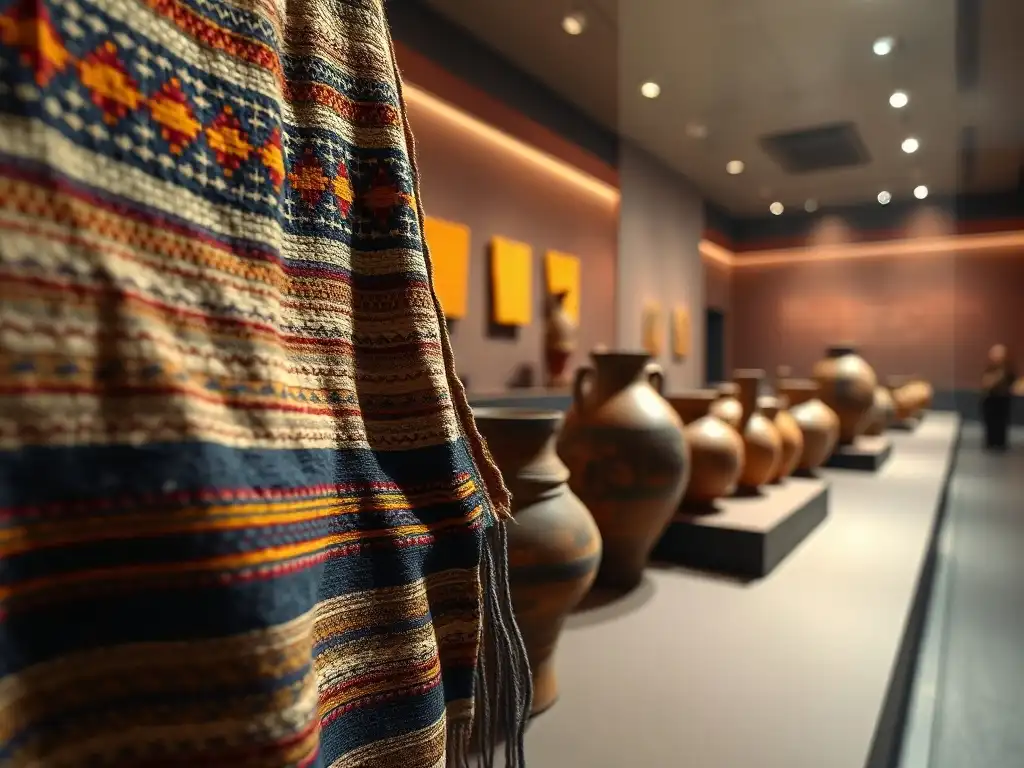
Dive into a world lost to time, yet echoing with the power of Andean civilizations. From the intricate artistry of the Nazca lines to the sophisticated engineering of the Incas, their legacy continues to fascinate. But how do we truly understand their impact? This journey begins with exploring the authentic Andean artifacts value, a critical lens through which we can appreciate the ingenuity and cultural richness of these remarkable societies. Uncover the secrets held within these ancient treasures – prepare to be amazed.
The allure of ancient Andean artifacts is undeniable. From the intricate textiles of the Nazca to the majestic goldwork of the Incas, these objects represent millennia of human ingenuity, cultural expression, and adaptation to a challenging environment. But in a market often saturated with replicas and forgeries, understanding the value of authentic Andean artifacts is paramount.
This article delves into the significance of owning genuine pieces, exploring not just their monetary worth, but their profound historical, cultural, and even ethical importance. We will examine why acquiring authentic Andean artifacts is crucial for preserving cultural heritage and contributing to a more complete understanding of these remarkable civilizations. The pursuit of genuine artifacts is not merely about collecting; it’s about connecting with a vibrant past and safeguarding its legacy for future generations.
This exploration will help you navigate the world of Andean artifacts with informed discernment, ensuring your acquisitions are both valuable and ethically sound. Understanding the nuances of authenticity is key to appreciating the true worth of these extraordinary pieces.
Understanding the Significance of Authentic Andean Artifacts
Authentic Andean artifacts are more than just aesthetically pleasing objects; they are tangible links to a rich and complex history. Each piece carries within it the echoes of its creation: the skill of the artisan, the beliefs of the culture, and the context of its use. Consider, for example, a meticulously woven textile from the Paracas culture.
The vibrant colors, intricate designs, and the very fibers themselves tell a story of sophisticated techniques, social structures, and spiritual beliefs. A genuine artifact allows us to engage directly with this narrative, offering a level of insight that no replica can replicate. Moreover, authentic artifacts provide invaluable data for archaeologists and researchers.
Their analysis – including material composition, stylistic features, and provenance – helps to refine our understanding of Andean technologies, trade networks, and social hierarchies. The study of these objects contributes to a more accurate and nuanced picture of these remarkable civilizations, constantly enriching our collective knowledge. The loss of authentic artifacts represents an irreplaceable loss of this invaluable historical and scientific information.
The authenticity of an Andean artifact also impacts its historical context. Knowing the precise origin and creation date allows scholars to place the piece within its proper cultural and chronological setting, enriching our understanding of the broader historical narrative. This is particularly crucial when considering artifacts associated with specific events or individuals, whose authenticity provides irrefutable evidence of past practices and beliefs.
For instance, the discovery of a genuine Inca ceremonial mask can provide vital insights into religious rituals and social hierarchies, confirming or challenging existing hypotheses. The study of genuine artifacts allows for a continuous refinement of our historical narratives, moving beyond speculation and towards a more robust understanding of the past. Without authentic artifacts, significant gaps in our knowledge would remain, hindering our ability to fully appreciate the complexity of Andean civilizations.
Why Seek Genuine Andean Artifacts? Exploring the True Value
The value of genuine Andean artifacts extends far beyond their monetary worth. While some pieces may command high prices at auction, their true value lies in their historical and cultural significance. Owning a genuine artifact is akin to possessing a piece of history, a tangible connection to a bygone era.
This intrinsic value is independent of market fluctuations and remains constant, representing a lasting investment in cultural heritage. Furthermore, acquiring genuine artifacts supports ethical collecting practices and helps combat the illegal antiquities trade, which often fuels conflict and destruction in vulnerable regions. By choosing to collect authentically sourced pieces, you contribute to the preservation of cultural heritage and support responsible stewardship of the past.
Beyond the historical and ethical considerations, the aesthetic value of genuine Andean artifacts is unparalleled. The craftsmanship, the artistry, and the sheer beauty of these objects are often unmatched by modern reproductions. The subtle variations in color, texture, and design inherent in handcrafted artifacts speak to the human touch and the unique skill of the artisan.
These nuances are often lost in mass-produced replicas, highlighting the irreplaceable quality of genuine pieces. The spiritual significance of certain artifacts should also be considered. Some objects held deep religious or symbolic meaning for their creators, and owning a genuine piece can provide a profound connection to these ancient beliefs and practices.
This connection transcends mere material value, offering a deeply personal and enriching experience. Therefore, the decision to acquire authentic Andean artifacts should be approached with careful consideration, appreciating the multifaceted nature of their value. The true worth of these pieces extends far beyond their monetary price, encompassing historical, cultural, ethical, aesthetic, and even spiritual dimensions.
- Understanding the Significance of Authentic Andean Artifacts
- Why Seek Genuine Andean Artifacts? Exploring the True Value
- Identifying Genuine Andean Ceramics: Key Characteristics
- Spotting Fake Andean Textiles: A Guide to Authenticity
- Recognizing Authentic Andean Metalwork: Signs of Craftsmanship
- The Importance of Provenance in Determining Authentic Andean Artifacts Value
- Identifying Distinctive Characteristics of Genuine Andean Pottery
- Recognizing the Telltale Signs of Forgeries in Andean Textiles
Differentiating Authentic Andean Artifacts from Replicas
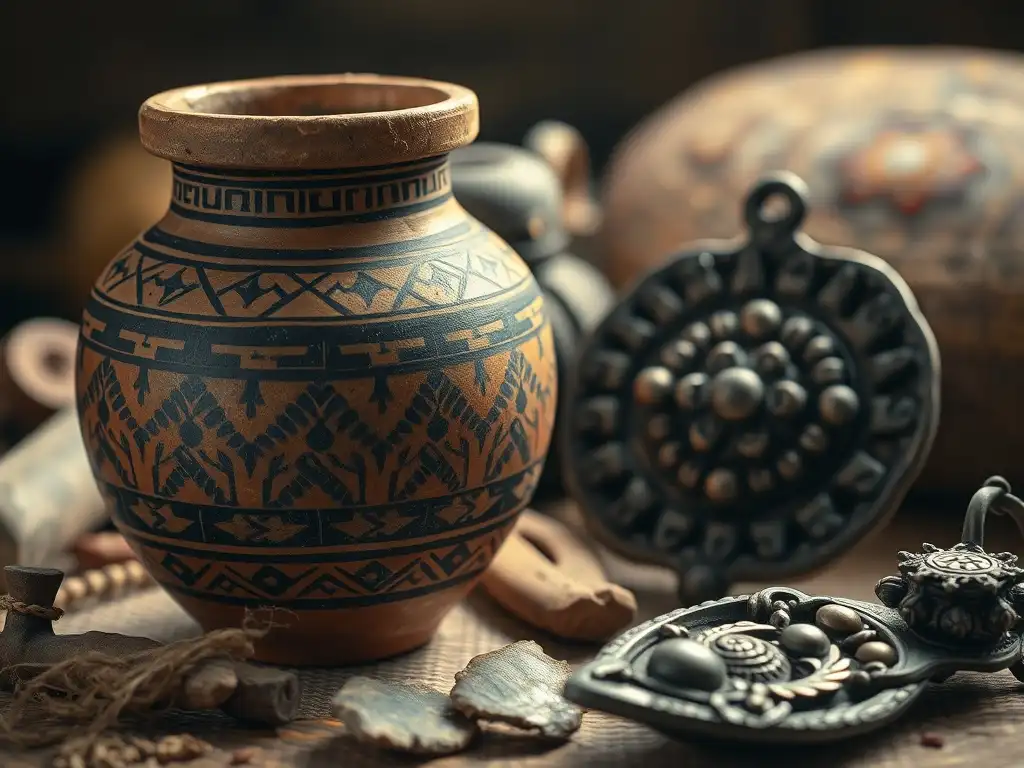
The market for Andean artifacts is unfortunately rife with forgeries. Understanding how to distinguish authentic Andean artifacts from replicas is crucial, not only for collectors but also for preserving the cultural heritage of these remarkable civilizations. The value of authentic Andean artifacts lies not just in their monetary worth, but in their historical significance and connection to a rich past. This section will equip you with the knowledge to make informed decisions and contribute to the ethical appreciation of Andean art. The demand for authentic Andean artifacts value is high, making it even more important to be discerning.
Identifying Genuine Andean Ceramics: Key Characteristics
Authentic Andean ceramics often exhibit characteristics that are difficult to replicate. These include:
- Clay Composition and Texture: Genuine pieces often show variations in clay color and texture, reflecting the natural materials used. Replicas often have a uniform, almost artificial appearance.
- Firing Techniques: Ancient firing techniques sometimes leave visible traces on the surface, such as uneven coloration or slight imperfections. These imperfections are hallmarks of authenticity, not flaws. Look for evidence of reduction firing (a smoky atmosphere during firing), which often results in a darker, more nuanced color palette.
- Surface Decoration: Hand-painted designs, characteristic of many Andean cultures, will often show variations in line weight and color intensity. Perfectly uniform designs should raise suspicion. Examine closely for subtle brushstrokes or imperfections in the painting—signs of human craftsmanship, rather than mechanical reproduction.
- Form and Style: Be aware of the stylistic conventions of the different Andean cultures. Familiarize yourself with the typical shapes, sizes, and decorative motifs associated with specific periods and cultures (e.g., the Moche's distinctive portrait vessels or the Nazca's intricate polychrome designs). Inconsistencies with known styles should prompt further investigation.
- Age and Patina: Genuine ancient ceramics will often display a natural patina—a surface discoloration acquired over time through exposure to the elements. This patina is difficult to replicate convincingly.
For example, a genuine Moche stirrup-spout bottle might show subtle variations in the red slip, while a replica might have a perfectly uniform, almost glossy finish. The presence of minor imperfections or variations in the painting should be viewed as positive indicators of authenticity.
Spotting Fake Andean Textiles: A Guide to Authenticity
Andean textiles are renowned for their intricate designs and the high-quality materials used. Spotting fakes requires careful observation:
- Fiber Content: Authentic Andean textiles often use natural fibers such as alpaca, llama, vicuña, or cotton. Replica textiles might use synthetic fibers, which lack the characteristic texture and feel of natural materials. Examine the fibers closely; can you discern the individual strands, or is it a homogenous, artificial feel?
- Dyeing Techniques: Traditional Andean dyeing techniques often involved natural pigments, resulting in subtle variations in color and a unique depth of tone. Modern dyes often appear too vibrant or uniform. Look for signs of fading or discoloration consistent with age, not a uniform, brightly colored fabric.
- Weaving Techniques: Andean weavers employed complex techniques, such as tapestry, brocade, and supplementary weft. Examine the weave structure closely. A consistently even weave, devoid of any minor irregularities, might suggest a machine-made replica.
- Motifs and Designs: As with ceramics, familiarize yourself with the characteristic designs and motifs of different Andean cultures. Inconsistencies with known styles should raise red flags. Are the designs overly simplistic or lacking in the intricate detail typical of authentic Andean textiles?
- Condition: While some wear and tear is expected in ancient textiles, excessive damage or inconsistencies in the level of deterioration might indicate a fake. A textile that appears too "perfect" for its supposed age should be viewed with skepticism.
Recognizing Authentic Andean Metalwork: Signs of Craftsmanship
Andean metalworking traditions produced stunning examples of artistry. Identifying genuine pieces requires understanding the techniques and characteristics of authentic craftsmanship:
- Metal Type and Alloy: Andean metalworkers used various metals, such as gold, silver, copper, and bronze, often in alloys. Be aware of the typical alloys and their properties for different periods and cultures. The presence of unusual metals or alloys might signal a forgery.
- Casting and Shaping Techniques: Examine the methods used to shape the metal. Ancient techniques, such as lost-wax casting, might leave subtle traces that are difficult to replicate. Look for tool marks or imperfections that indicate hand-crafting, rather than a smooth, perfect form.
- Surface Decoration: Andean metalwork often features intricate designs achieved through techniques like repoussé (hammering from the back), chasing (hammering from the front), and inlaying. Examine the detail and precision of the decoration. A lack of refined detail or inconsistencies in the application of the design may indicate a forgery.
- Patina and Corrosion: Genuine ancient metalwork will often display a natural patina or signs of corrosion consistent with age and exposure to the elements. A uniformly smooth surface, devoid of any natural weathering, might suggest a modern reproduction.
- Provenance: Knowing the origin and history of an artifact is crucial. A well-documented provenance significantly increases the likelihood of authenticity. While provenance alone doesn't guarantee authenticity, its absence should raise serious concerns. The value of authentic Andean artifacts is greatly enhanced by verifiable provenance.
Authenticating Andean artifacts requires a combination of knowledge, careful observation, and a healthy dose of skepticism. By understanding the key characteristics of genuine pieces, you can contribute to the ethical appreciation and preservation of these invaluable cultural treasures. The intrinsic value of authentic Andean artifacts is undeniable.
The Importance of Provenance in Determining Authentic Andean Artifacts Value
Provenance, the documented history of ownership of an artifact, is paramount in establishing its authenticity and, consequently, its value. A strong provenance chain—a clear and unbroken record of ownership from the time of creation or discovery to the present—significantly boosts an artifact's credibility. This detailed history helps verify the object's age, origin, and any significant events in its past.
Without a documented provenance, even an artifact appearing genuinely ancient could be dismissed as a modern forgery. Collectors and experts meticulously examine provenance records, looking for inconsistencies or gaps that might raise red flags. These records can include bills of sale, museum accession numbers, auction records, and even letters or diaries mentioning the object's ownership.
For example, a pre-Columbian textile with a documented history tracing back to a reputable archaeological excavation in Peru during the early 20th century would command a far higher price than a similar-looking piece with an unclear or absent provenance. The absence of a clear provenance often leads to lower valuations or even the outright rejection of an artifact by reputable collectors and institutions, highlighting the critical role of documentation in establishing authenticity and value within the market for authentic Andean artifacts. The value of authentic Andean artifacts is directly tied to the strength and clarity of their provenance; a robust provenance record significantly increases an object's desirability and market price.
Identifying Distinctive Characteristics of Genuine Andean Pottery
Authentic Andean pottery displays unique characteristics that distinguish it from modern reproductions. These characteristics often reflect the specific techniques and materials used by ancient artisans. For instance, the clay used in ancient pottery often contains specific mineral inclusions, detectable through scientific analysis, that are not present in modern clays. The firing techniques also leave distinct marks, such as variations in color and texture, which are difficult to perfectly replicate.
Furthermore, the styles and decorative motifs used on authentic Andean pottery are often highly specific to particular cultures and time periods, reflecting a deep understanding of Andean iconography and artistic traditions. Experts analyze these stylistic elements, comparing them with known examples from archaeological contexts to assess authenticity. For example, the characteristic "stirrup-spout" vessels of the Moche culture are easily recognized by their distinctive shape and often elaborate painted decoration, making their identification relatively straightforward.
However, more subtle differences in paint application, clay composition, and firing techniques can only be identified through careful examination and potentially scientific analysis. Replicas often lack the subtle imperfections and variations inherent in hand-crafted ancient pottery, making these details crucial in discerning authenticity. The ability to identify these distinctive characteristics is a skill honed through years of experience and specialized training, underscoring the importance of seeking expert appraisal when dealing with Andean artifacts.
Recognizing the Telltale Signs of Forgeries in Andean Textiles
Andean textiles, renowned for their intricate designs and high-quality craftsmanship, are frequently targeted by forgers. However, several telltale signs can help distinguish genuine textiles from modern imitations. Firstly, the materials used in authentic Andean textiles often include naturally dyed fibers, such as alpaca or llama wool, which have unique properties that are difficult to replicate exactly. The dyes used, often derived from plants and minerals, exhibit a specific range of colors and subtle variations that modern dyes rarely achieve.
Secondly, the weaving techniques employed in ancient Andean textiles are remarkably complex and intricate, often involving multiple interlocking layers and specialized knotting techniques. Modern forgeries often lack the precision and complexity of ancient textiles, exhibiting irregularities or inconsistencies in weave structure. Furthermore, the iconography and designs found in authentic Andean textiles are often deeply symbolic and culturally specific, echoing the beliefs and practices of the ancient Andean civilizations. Replicas often lack the depth of meaning and stylistic consistency of authentic pieces.
For example, the intricate geometric patterns and zoomorphic motifs found in Paracas textiles are distinctive to that culture and are difficult to replicate convincingly without in-depth knowledge of the Andean artistic tradition. Careful examination by an expert, potentially involving scientific analysis of the fibers and dyes, is necessary to confidently distinguish genuine Andean textiles from skillfully crafted forgeries. The value of authentic Andean textiles is directly related to their age, the complexity of their weaving techniques, and the cultural significance of their designs.
The Economic and Cultural Value of Authentic Andean Artifacts
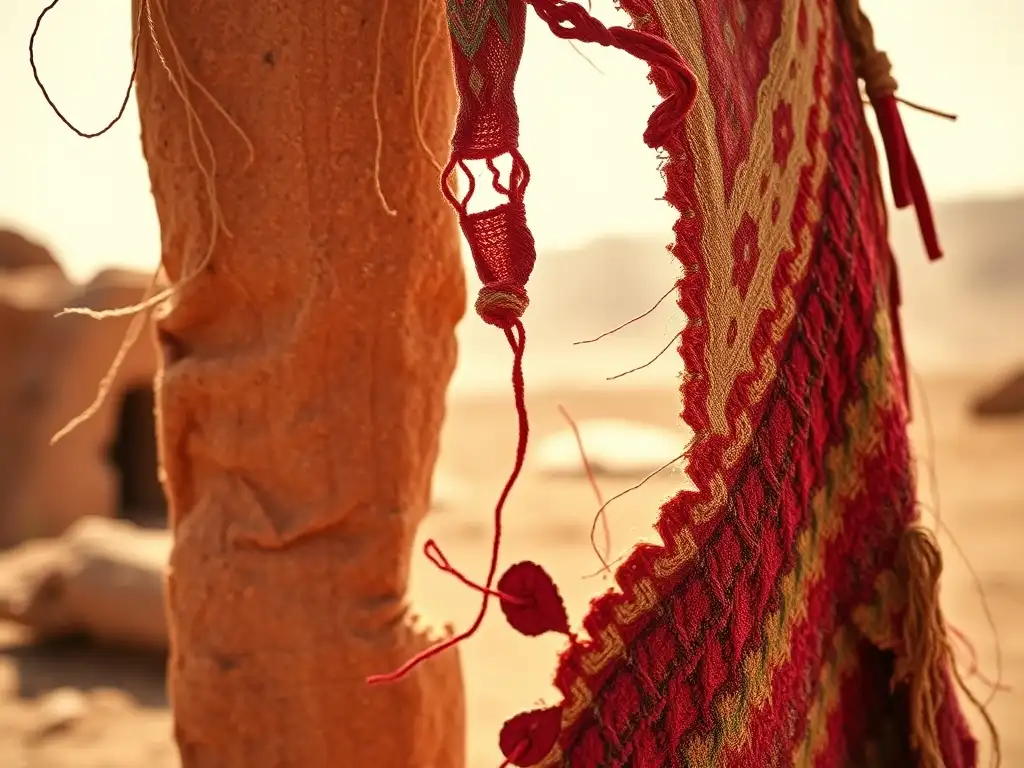
This section delves into the multifaceted value proposition of authentic Andean artifacts, exploring both their economic potential and their profound cultural significance. Understanding this dual value is crucial for responsible collecting and preservation efforts. The demand for genuine pieces drives a market with considerable investment potential, but equally important is the irreplaceable role these artifacts play in preserving and understanding Andean heritage.
The Market for Genuine Andean Artifacts: Price and Investment Potential
The market for authentic Andean artifacts is a complex and dynamic one. Prices vary dramatically depending on several factors, including the artifact's age, material, provenance (origin and history of ownership), rarity, artistic merit, and condition. A finely crafted gold Moche mask, for instance, would command a significantly higher price than a common Inca ceramic pot, even if both are genuine.
The investment potential in authentic Andean artifacts is notable, but it's crucial to approach it with caution. The market is susceptible to fluctuations influenced by global economic trends and changes in collector interest. However, rare and exceptionally well-preserved pieces from significant cultures like the Nazca or Tiahuanaco often appreciate over time, making them attractive options for discerning collectors. Proper authentication and provenance documentation are paramount to safeguarding an investment and ensuring its legitimacy. Without verifiable provenance, an artifact's value can plummet, regardless of its age or artistic merit.
Authenticity verification is a critical aspect of the market. Experienced appraisers, museum curators, and specialized laboratories use various techniques, including stylistic analysis, material testing (like X-ray fluorescence spectroscopy), and historical research, to determine an artifact's authenticity. Collectors should always prioritize engaging these experts before making significant purchases. Investing in authentic Andean artifacts requires a blend of passion, knowledge, and a prudent approach to due diligence.
The Cultural Significance: Why Protecting Authentic Andean Art is Vital
Beyond their economic worth, authentic Andean artifacts hold immeasurable cultural significance. These objects are not mere commodities; they are tangible links to the past, offering invaluable insights into the beliefs, practices, and artistic achievements of ancient Andean societies. A meticulously crafted Nazca textile, for example, reveals intricate weaving techniques and symbolic motifs that reflect the cosmology and social structures of that civilization. Similarly, the intricate pottery of the Moche civilization provides a window into their rich mythology and daily life.
The protection of these artifacts is vital for several reasons. Firstly, they represent irreplaceable pieces of a shared human heritage. Their destruction represents a loss of knowledge and cultural identity that can never be fully recovered.
Secondly, the study of authentic artifacts allows for a deeper understanding of Andean history, art, and technology, enriching our collective knowledge and appreciation of these remarkable cultures. Finally, the preservation of these artifacts ensures that future generations can connect with their ancestors and learn from their achievements. The loss of these authentic pieces is not only an economic loss but also a significant blow to cultural preservation efforts.
Preserving History: The Role of Collectors in Safeguarding Authentic Andean Artifacts
Responsible collectors play a crucial role in preserving authentic Andean artifacts. By acquiring pieces ethically and ensuring their proper care and documentation, collectors help safeguard these treasures for future generations. This responsibility extends beyond simple ownership; it encompasses a commitment to preservation, research, and ethical acquisition practices.
The ethical acquisition of Andean artifacts is paramount. Collectors should avoid purchasing items from questionable sources or those suspected of being illegally obtained. Supporting reputable dealers who adhere to ethical sourcing standards is crucial. Moreover, proper storage and conservation techniques are essential to prevent deterioration and damage. This might involve climate-controlled storage, regular inspections by conservation professionals, and appropriate handling procedures.
Furthermore, responsible collectors often collaborate with museums and research institutions, sharing their knowledge and making their collections available for study. This collaboration contributes significantly to advancing our understanding of Andean civilizations and ensuring that these valuable artifacts are used for educational and research purposes. By actively participating in preservation efforts, collectors become key stakeholders in safeguarding the rich cultural heritage of the Andes. The value of authentic Andean artifacts, therefore, extends far beyond their monetary worth; it lies in their power to connect us to the past, enrich our understanding of human history, and inspire future generations.
Where to Acquire Authentic Andean Artifacts
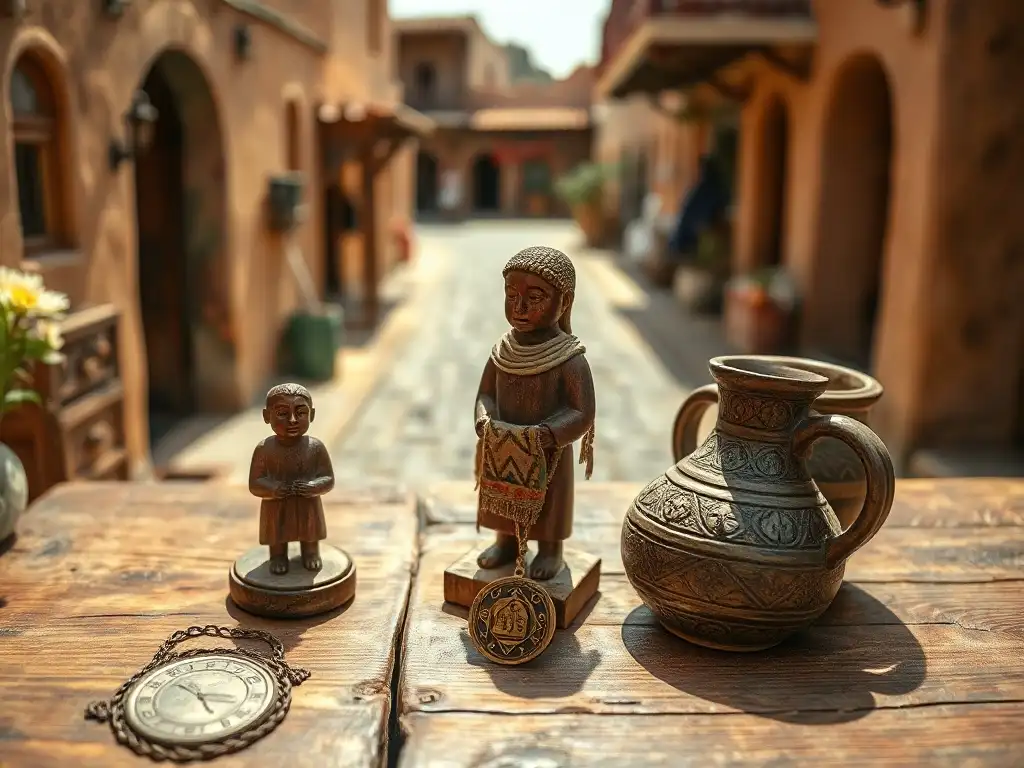
The acquisition of authentic Andean artifacts requires meticulous research and a discerning eye. The value of genuine pieces lies not only in their historical significance but also in their artistic merit and cultural representation. Navigating the market responsibly is crucial, ensuring both ethical sourcing and the protection of cultural heritage.
This section outlines key considerations and strategies for obtaining authentic Andean artifacts. Understanding the nuances of the market helps safeguard against fraudulent practices and promotes the preservation of these invaluable treasures. The demand for authentic Andean artifacts fuels a market that requires careful navigation to avoid unethical practices and ensure the preservation of cultural heritage.
Reputable Dealers and Auction Houses Specializing in Andean Art
Several reputable dealers and auction houses specialize in authentic Andean art and artifacts. These establishments often possess extensive expertise in provenance research, authentication techniques, and ethical sourcing. They provide detailed documentation accompanying each piece, including information on its origin, age, and any restoration work undertaken. Before purchasing, it's critical to verify the dealer's or auction house's reputation.
Look for organizations with a long-standing history in the field, positive customer reviews, and a transparent approach to provenance. Their expertise can significantly reduce the risk of acquiring forgeries and contribute to the responsible acquisition of authentic Andean artifacts. Choosing a reputable source is paramount to ensuring authenticity and supporting ethical practices within the Andean art market.
Christie's and Their Focus on Authentic Andean Pieces
Christie's, a globally recognized auction house, frequently features authentic Andean artifacts in their sales. Their rigorous authentication processes, coupled with their expertise in assessing provenance, make them a trusted source. Christie's often publishes detailed catalogs with scholarly essays and provenance reports for each lot. This thorough documentation provides potential buyers with comprehensive information, enhancing transparency and minimizing the risk of acquiring counterfeit items.
Their commitment to authenticity and ethical sourcing sets a high standard within the industry, influencing other dealers and fostering a more responsible market for authentic Andean artifacts. Examining Christie's catalog entries can provide valuable insights into authentication methods and the characteristics of genuine pieces. This allows collectors to develop a more informed eye when evaluating potential acquisitions elsewhere.
The Risks of Buying Unauthenticated Andean Artifacts Online
Purchasing Andean artifacts online presents significant risks. The lack of physical examination and the anonymity of online sellers create opportunities for fraud. Counterfeit artifacts flood the online market, often mimicking the style and appearance of genuine pieces. These forgeries, while potentially visually appealing, lack the historical and cultural value of authentic items. Furthermore, purchasing from unreliable online sources can inadvertently support unethical practices, such as looting and illegal excavation.
Therefore, exercising extreme caution when buying online is crucial. Thoroughly researching the seller's reputation, requesting high-resolution images, and seeking expert opinions before committing to a purchase are essential steps in mitigating the risks associated with online transactions. The absence of physical verification significantly increases the likelihood of acquiring inauthentic Andean artifacts online. Prioritize reputable dealers and auction houses with established authentication processes to ensure the value and authenticity of your acquisitions.
Due Diligence: Researching and Verifying Authenticity Before Purchase
Acquiring authentic Andean artifacts requires meticulous research and verification. The market for Andean art is unfortunately rife with forgeries, reproductions, and misattributed pieces. Investing time in due diligence before purchasing is crucial to ensure you're not only acquiring a genuine artifact but also supporting ethical practices. This process isn't simply about avoiding fakes; it's about understanding the history and cultural significance of the object you're considering.
One of the first steps involves researching the specific artifact type. Understanding the stylistic characteristics of different Andean cultures – Inca, Moche, Nazca, Tiahuanaco, and others – is paramount. This includes familiarizing yourself with typical materials, manufacturing techniques, and decorative motifs unique to each culture.
For example, recognizing the distinctive pottery styles of the Moche culture, with their intricate depictions of deities and daily life, is crucial to differentiating them from imitations. Similarly, understanding the intricate weaving techniques of the Inca is key to identifying genuine textiles. Numerous books, academic journals, and online resources dedicated to Andean archaeology and art history can provide invaluable information.
Beyond stylistic analysis, provenance is a critical factor. Provenance refers to the documented history of ownership of an artifact. A clear and well-documented provenance significantly increases the likelihood of authenticity. Reputable dealers and auction houses will often provide detailed provenance information, tracing the artifact's history back to its discovery or previous owners. However, even with provenance, skepticism is warranted. Thorough investigation may involve verifying the information provided against independent sources, such as museum records or academic publications. The absence of a documented provenance doesn't automatically invalidate an artifact, but it certainly raises significant concerns and warrants further scrutiny.
Furthermore, seeking expert opinions is highly recommended. Consulting with reputable experts in Andean archaeology or art appraisal can provide an unbiased assessment of the artifact's authenticity. These experts possess the specialized knowledge and experience necessary to identify subtle details that might indicate a forgery. Their assessment will usually involve a detailed examination of the artifact, considering its materials, craftsmanship, and stylistic features.
While expert opinions are not foolproof, they significantly reduce the risk of acquiring a fake. Remember, the cost of professional authentication is a worthwhile investment compared to the potential financial and ethical implications of purchasing a counterfeit. The value of authentic Andean artifacts is directly tied to their verifiable history and cultural significance; due diligence is the cornerstone of responsible collecting.
Protecting Your Investment: Caring for Authentic Andean Artifacts
Owning authentic Andean artifacts is not just about possessing a piece of history; it's about safeguarding a tangible link to a rich and vibrant past. The value of authentic Andean artifacts extends beyond monetary worth; it encompasses cultural significance and historical preservation. Understanding how to properly care for these treasures is crucial to maintaining their integrity and ensuring their longevity.
Neglect can lead to irreversible damage, diminishing both the aesthetic appeal and the historical value of your collection. This section will provide essential guidelines on preserving the condition of your precious Andean artifacts. The focus on proper care directly impacts the preservation of the “authentic Andean artifacts value.”
Proper Storage Techniques for Andean Pottery and Ceramics
Andean pottery and ceramics, renowned for their intricate designs and diverse styles, are particularly vulnerable to damage. Improper storage can lead to cracking, chipping, and even complete disintegration. To prevent such damage, several key strategies are vital. Firstly, individual storage is paramount.
Never stack pottery pieces directly on top of each other. Instead, use acid-free tissue paper or soft cloth to separate each item, preventing abrasion and chipping. Secondly, the environment plays a critical role. Store your collection in a cool, dry place, away from direct sunlight and extreme temperature fluctuations.
Fluctuations in temperature and humidity can cause expansion and contraction, leading to stress fractures in the ceramic material. Consider using climate-controlled storage if possible, maintaining a stable temperature and humidity level. Finally, consider using padded containers or custom-fit compartments to further protect your pieces during transit or storage. Remember, a small investment in proper storage can significantly impact the long-term preservation of your authentic Andean artifacts and their inherent value.
Handling and Displaying Delicate Andean Textiles
Andean textiles, with their vibrant colors and intricate weaving techniques, represent a pinnacle of ancient artistry. Their delicate nature, however, requires careful handling and display. Avoid direct contact with bare hands, as oils and acids from your skin can damage the fibers over time. Always use cotton gloves when handling textiles.
For display, choose a location away from direct sunlight and sources of heat or moisture. Ultraviolet (UV) rays can fade the vibrant colors, while moisture can lead to mold and mildew. Consider using UV-filtering glass or display cases to protect your textiles from light damage.
When storing textiles, roll them gently around acid-free tissue paper, rather than folding them, to minimize stress on the fibers. Avoid using mothballs or other chemical repellents, as these can damage the fibers and leave a lingering odor. Proper handling and storage are essential for preserving the beauty and value of these exquisite examples of Andean craftsmanship, thus ensuring a lasting appreciation of their "authentic Andean artifacts value."
Maintaining the Condition of Andean Metal Artifacts and Jewelry
Andean metalwork, often crafted from gold, silver, copper, and bronze, presents unique preservation challenges. These metals are susceptible to corrosion and tarnishing, requiring specialized care. Avoid touching the metal surfaces with bare hands to prevent the transfer of oils and acids. Always handle metal artifacts with clean cotton gloves.
Store metal artifacts individually in airtight containers lined with acid-free tissue paper to prevent oxidation and tarnish. Consider using silica gel packets to absorb moisture and maintain a dry environment within the container. Regular inspection is crucial. Look for signs of corrosion, tarnish, or damage.
If you notice any issues, consult a professional conservator specializing in metal artifacts. They can provide expert cleaning and restoration services, ensuring your precious Andean metalwork remains in pristine condition, thereby protecting and enhancing the "authentic Andean artifacts value" for years to come. Remember, proactive care prevents costly repairs and preserves the historical and artistic significance of these remarkable pieces.
Case Studies: The Value of Specific Authentic Andean Artifacts
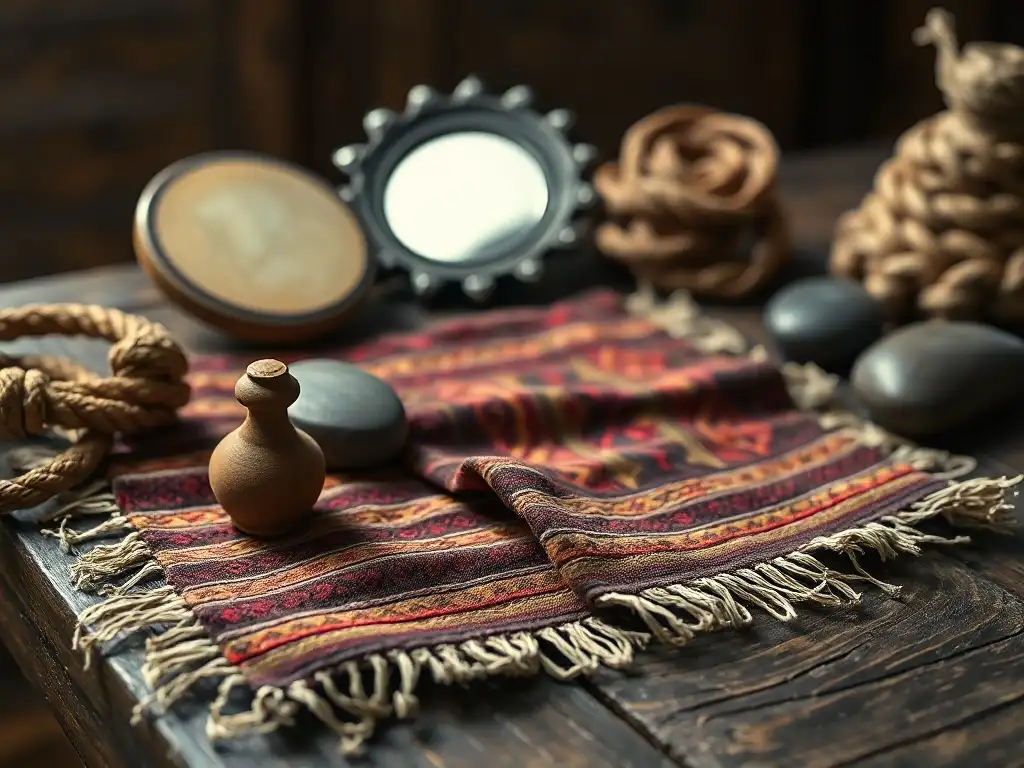
This section delves into the demonstrable value of authentic Andean artifacts through specific case studies. Understanding the unique characteristics and historical context of these objects illuminates their significance beyond mere monetary worth. The value of authentic Andean artifacts extends to their historical, cultural, and artistic merit, contributing significantly to our understanding of these fascinating ancient civilizations. The demand for authentic Andean artifacts, and their corresponding value, is directly tied to their verifiable provenance and condition. This section will focus on three examples to illustrate this point.
The Significance of a Genuine Moche Stirrup Vessel: A Case Study
Moche stirrup-spout vessels, renowned for their intricate craftsmanship and often depicting vibrant scenes of daily life, warfare, or religious ceremonies, represent a pinnacle of ancient Andean artistry. The value of a genuine Moche stirrup vessel extends far beyond its aesthetic appeal. Authenticity is paramount; a forgery, however skillfully made, lacks the historical and cultural weight of a genuine piece.
Several factors contribute to the value of an authentic Moche stirrup vessel. Firstly, its provenance, or documented history of ownership, is crucial. A vessel with a clear chain of custody, potentially traced back to reputable archaeological excavations or established collections, commands a significantly higher value. Secondly, the condition of the artifact is critical. A well-preserved vessel, with minimal damage or restoration, is far more valuable than a severely fragmented or poorly repaired one. Finally, the artistic merit of the vessel itself plays a significant role; vessels depicting rare scenes or exhibiting exceptional craftsmanship are highly sought after.
For instance, a vessel depicting a rarely seen ritual scene or featuring exceptionally fine details in its modeling and painting would command a premium price. The rarity of the depicted subject matter, coupled with the quality of the craftsmanship, contributes to its elevated value within the field of Andean art collecting. This is because these vessels not only represent incredible artistic achievement, but also provide invaluable insights into Moche society, beliefs, and artistic practices. The value of such a piece is not solely monetary; it's also immeasurable in terms of its contribution to historical and anthropological understanding.
The Value of a Complete Nazca Textile: A Look at Historical Importance
Nazca textiles, known for their intricate designs and vibrant colors, are among the most prized artifacts of the ancient Andean world. The preservation of these textiles is remarkable considering the arid conditions of the Nazca desert. However, even within this context, a complete Nazca textile is exceptionally rare and therefore highly valuable. The level of preservation directly correlates to value.
The value of a complete Nazca textile stems from several factors. First, its rarity: the fragility of these textiles means complete examples are exceptionally uncommon. Second, the intricate designs themselves offer insights into Nazca cosmology, mythology, and societal structures. The motifs woven into the textiles often depict deities, mythical creatures, and scenes of daily life, providing invaluable information about Nazca culture.
Third, the techniques used in their creation—complex weaving methods and the use of natural dyes—represent a remarkable level of technical skill. The utilization of specific dyes and their lasting brilliance are also key factors in determining the value of a Nazca textile. A textile using rare or exceptionally well-preserved dyes will be significantly more valuable.
Authenticity is crucial, as many forgeries exist. A genuine textile, with verifiable provenance and expert authentication, will fetch a significantly higher price than a copy, regardless of its perceived quality. This difference reflects the textile's historical and cultural significance and its contribution to our understanding of this enigmatic civilization.
Understanding the Cultural Context of an Authentic Inca Kero Cup
Inca kero cups, ceremonial drinking vessels often made from precious metals or wood, are highly sought after by collectors. However, the value of an authentic Inca kero extends far beyond its material composition. The cultural context of these objects is paramount to understanding their true worth.
The value of an authentic Inca kero is significantly impacted by several factors. The materials used—gold, silver, wood, or a combination—directly influence its value. Intricate designs, often incorporating symbolic motifs related to Inca mythology and religion, further enhance its worth. Furthermore, the size and condition of the kero play a crucial role in determining its market value. Larger, well-preserved kero cups, especially those with clear evidence of their use in Inca ceremonies, are exceptionally valuable.
However, the most significant aspect contributing to the value of an authentic Inca kero is its historical and cultural context. These vessels were not merely drinking vessels; they served as important symbols of power, status, and ritual. Understanding their role within Inca society adds a layer of depth to their value, making them more than just aesthetically pleasing objects.
An authentic Inca kero, with documented provenance and a clear understanding of its historical significance, is an invaluable piece of history, contributing to our understanding of Inca culture and beliefs. The intrinsic value of such an artifact surpasses any simple monetary assessment.
The Ethics of Collecting Authentic Andean Artifacts
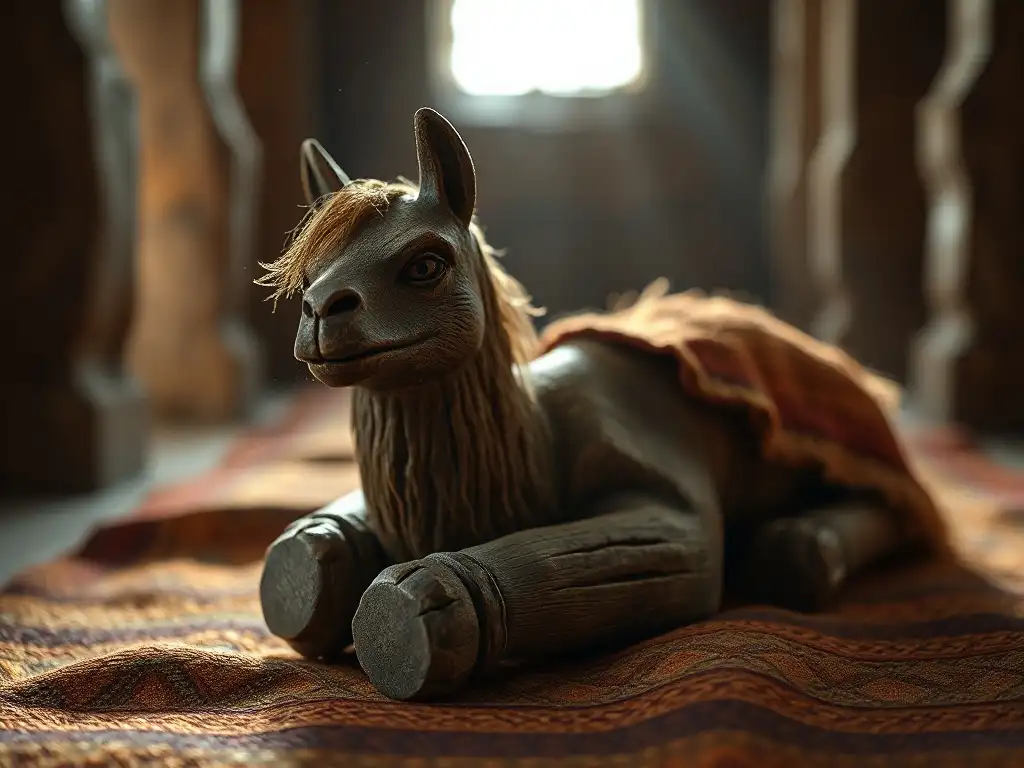
The acquisition of authentic Andean artifacts carries a significant ethical responsibility. While the allure of owning a piece of history is undeniable, it's crucial to approach collecting with a mindful awareness of the potential negative consequences associated with unethical practices. The value of authentic Andean artifacts extends far beyond monetary worth; it encompasses the cultural heritage of entire communities and the preservation of irreplaceable historical records.
Understanding and upholding ethical collecting practices is paramount to ensuring the long-term protection of this precious legacy. Ignoring ethical considerations risks contributing to the destruction of archaeological sites, the exploitation of local communities, and the overall erosion of Andean cultural heritage. This section will delve into the key ethical considerations surrounding the collection of authentic Andean artifacts, emphasizing the importance of responsible acquisition and the positive impact of ethical sourcing.
Responsible Collecting: Avoiding the Support of Illegal Trade
The illegal looting of archaeological sites poses a significant threat to Andean cultural heritage. Many artifacts on the black market have been illegally excavated, damaging sites and destroying valuable contextual information. Purchasing such artifacts unwittingly supports this destructive trade, fueling further looting and the erosion of invaluable historical knowledge. Genuine collectors must actively avoid contributing to this problem. This requires thorough due diligence before acquiring any Andean artifact.
Questions to consider include: Where did the artifact originate? What is its provenance? Is there documented proof of its legal acquisition? A lack of clear and verifiable provenance should raise immediate red flags.
Furthermore, be wary of unusually low prices, which often indicate illicit origins. The acquisition of authentic Andean artifacts should never come at the cost of cultural heritage destruction. The pursuit of authentic Andean artifacts value should never overshadow the ethical implications. Remember, supporting the illegal trade undermines the efforts of archaeologists and cultural preservationists working to protect these sites.
Supporting Communities: The Importance of Ethical Sourcing
Ethical sourcing is crucial when collecting authentic Andean artifacts. This involves ensuring that the acquisition process respects the rights and benefits the communities associated with these artifacts. Ideally, artifacts should be sourced directly from reputable dealers or organizations committed to ethical practices.
These entities often work with local communities, ensuring fair compensation and supporting sustainable development initiatives. This contrasts sharply with the exploitative practices of the illegal trade, where local communities receive no benefit and may even suffer from the destruction of their cultural heritage. Supporting ethical sourcing helps to empower these communities, ensuring that the benefits of cultural tourism and artifact trade are shared fairly.
This approach aligns the pursuit of authentic Andean artifacts value with sustainable and responsible practices. By choosing ethical sourcing, collectors become active participants in the preservation and celebration of Andean culture. The value derived extends beyond mere ownership; it becomes a contribution to the well-being of the communities that created these artifacts.
The Role of Collectors in the Preservation of Andean Heritage
Collectors of authentic Andean artifacts have a unique opportunity to contribute to the preservation of Andean heritage. By supporting ethical sourcing and responsible collecting practices, they can help ensure the long-term protection of these invaluable objects. This involves not only acquiring artifacts ethically but also actively participating in their preservation and documentation.
This may include contributing to museum acquisitions, supporting archaeological research, or promoting public awareness of the importance of protecting Andean cultural heritage. Furthermore, responsible collectors can help prevent the dispersal of artifacts, ensuring that they remain accessible for study and appreciation by future generations. The value of authentic Andean artifacts is therefore intrinsically linked to their preservation and the broader cultural context from which they originate.
By actively engaging in responsible collecting, collectors can become vital custodians of this rich heritage, ensuring its survival for years to come. The long-term value of authentic Andean artifacts is undeniably tied to their ethical acquisition and responsible stewardship.
Conclusion: The Enduring Allure of Authentic Andean Artifacts
The pursuit of authentic Andean artifacts transcends mere collecting; it's a journey into the heart of a rich and complex history. Understanding the value of these objects allows us to appreciate not only their artistic merit but also their profound cultural significance. From the intricate textiles of the Nazca to the sophisticated ceramics of the Moche, each artifact whispers tales of ancient ingenuity, beliefs, and societal structures.
These are not simply objects; they are tangible links to the past, offering a unique and invaluable connection to the Andean civilizations. The enduring allure of these artifacts lies in their power to transport us across time, fostering a deeper appreciation for the ingenuity and resilience of these remarkable cultures. The authentic Andean artifacts value is multifaceted, encompassing historical, artistic, and cultural dimensions that resonate deeply with collectors and scholars alike.
The Timeless Value of Connecting with Andean History Through Genuine Artifacts
Connecting with history through genuine artifacts offers a level of engagement unmatched by replicas or imitations. Holding a pre-Columbian ceramic vessel, for example, allows one to imagine the hands that shaped it, the rituals it may have been part of, and the lives it witnessed. The patina of age, the subtle imperfections, and the unique characteristics of each piece speak volumes about the artistic techniques and cultural practices of the past.
This intimate connection fosters a deeper understanding and appreciation of Andean civilizations, moving beyond textbook descriptions and into a realm of tangible experience. The meticulous craftsmanship evident in many authentic Andean artifacts, from finely woven textiles to meticulously carved stone sculptures, further underscores their value and historical significance.
Authenticity provides a direct line to the past, allowing us to engage with these cultures on a more personal and meaningful level. This connection is perhaps the most significant aspect of the authentic Andean artifacts value.
Investing in Authentic Andean Artifacts: More Than Just Monetary Value
While the monetary value of authentic Andean artifacts can be substantial, particularly for rare and exceptional pieces, the investment extends far beyond financial returns. Investing in these artifacts is an investment in cultural preservation, supporting the ethical acquisition and study of these irreplaceable treasures. It also represents an investment in personal enrichment, providing access to a unique and enriching historical experience.
The appreciation of authentic Andean artifacts value requires understanding their historical context, their artistic merit, and their role within the broader cultural landscape. Collectors who prioritize authenticity contribute to the ongoing effort to protect and preserve Andean cultural heritage, ensuring that future generations can appreciate these remarkable works of art.
Furthermore, investing in authentic pieces supports responsible sourcing and discourages the illicit trade that threatens the survival of many archaeological sites. Therefore, acquiring authentic Andean artifacts is an act of cultural stewardship, contributing to the preservation of a rich and invaluable heritage.
Frequently Asked Questions
What determines the value of an Andean artifact?
The value of an authentic Andean artifact is determined by several factors, including its age, provenance (origin and history of ownership), rarity, material, artistic merit, and cultural significance. Condition also plays a crucial role.
How can I tell if an Andean artifact is genuine?
Verifying authenticity requires expert examination. Look for provenance documentation, consistent stylistic elements, and the absence of signs of modern fabrication. Consulting reputable archaeologists or antiques experts is highly recommended.
What makes an authentic Andean artifact so valuable?
Authenticity connects us directly to the past, offering a tangible link to ancient Andean cultures. These artifacts provide invaluable insights into their beliefs, technology, and daily life, making them irreplaceable historical treasures.
Where can I find authentic Andean artifacts for sale?
Purchasing authentic Andean artifacts requires caution. Reputable auction houses, museums, and dealers specializing in pre-Columbian art are safer options. Always request provenance documentation and seek expert opinions before purchasing.
How can I protect the value of my authentic Andean artifact?
Proper storage and handling are crucial. Keep artifacts in a stable environment, away from extreme temperatures and humidity. Professional conservation can help maintain their value and condition over time.
Final Reflection: The Enduring Legacy of Andean Authenticity
The illicit trade in Andean artifacts continues to threaten cultural heritage, demanding a renewed focus on the intrinsic value of these objects. These aren't simply ancient relics; they are tangible threads connecting us to a rich tapestry of human history, innovation, and spiritual belief. Their preservation is not just an academic pursuit, but a vital act of cultural responsibility.
The impact of appreciating authentic Andean artifacts extends far beyond museums and academic circles. These objects represent a profound connection to the past, offering glimpses into the ingenuity and artistry of Andean civilizations. Their continued presence, both physically and in our collective consciousness, shapes our understanding of human potential and resilience. The past is never dead. It's not even past.
– William Faulkner. This quote rings true when considering the enduring power of these artifacts to inform and inspire us today. Their stories, woven into their very fabric, deserve to be heard and understood, not lost to the shadows of the black market.
Consider the stories whispered by a meticulously crafted ceramic vessel, the intricate designs etched into a pre-Columbian textile, or the subtle power held within a carefully fashioned gold ornament. These are not merely objects; they are vessels of memory, carrying the echoes of ancient voices and the weight of countless generations. You, the reader, have a role to play in protecting this legacy.
By supporting ethical sourcing, advocating for responsible collecting practices, and educating others about the importance of authenticity, you can contribute to the preservation of Andean cultural heritage for future generations. Let us ensure that these powerful voices from the past continue to resonate for centuries to come.
Embrace Authenticity: Transform Your Connection to Andean Culture!
Thank you for exploring the rich world of genuine Andean artifacts with us! Your interest in authenticity deepens your understanding and directly supports the vibrant cultures that create these masterpieces. Let's translate that passion into action!
- Discover Local Artisans: Seek out artisans in your community who create authentic Andean art and purchase their work directly. Your support is invaluable to their livelihoods and the preservation of their cultural heritage.
- Share Your Knowledge: Discuss the significance of authentic Andean artifacts with friends and family, encouraging them to appreciate the artistry and cultural context behind these pieces.
- Engage with the Community: Connect with others who share your passion for Andean culture by joining online forums or social media groups dedicated to the subject.
What Andean artifact has captivated you, and how can you help share its story within your community?