
Dyeing for Knowledge: The Chemistry Behind the Vibrant Colors of Andean Cloth

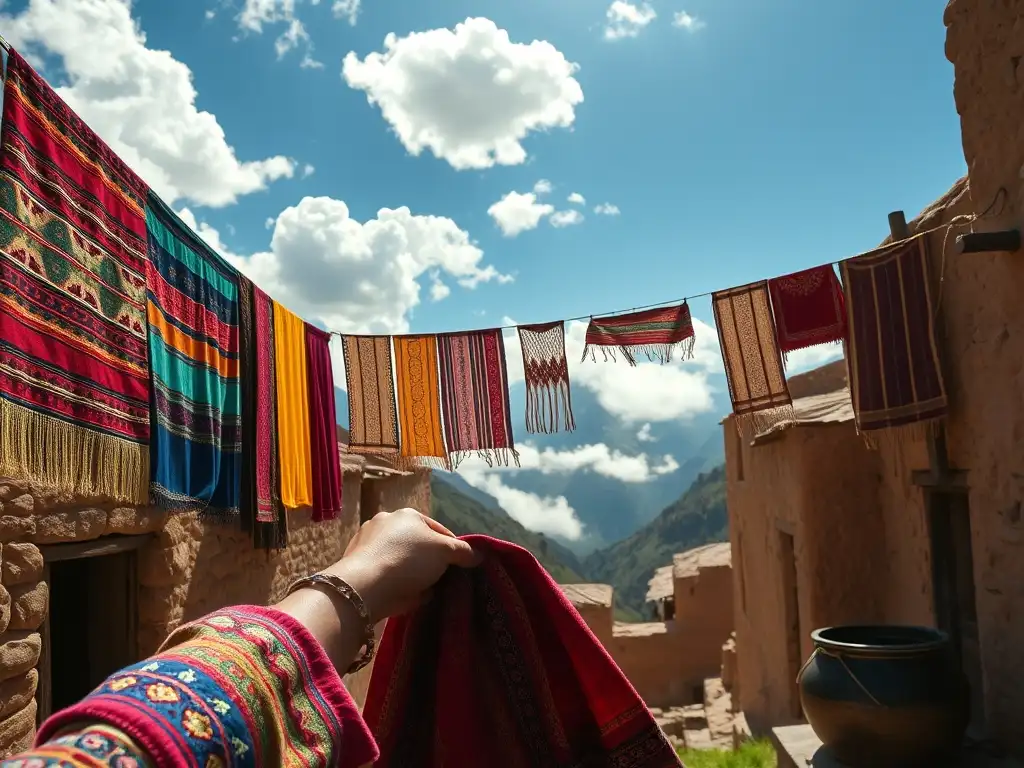
Dive into a world of vibrant hues and lost techniques! Imagine the breathtaking landscapes of the Andes mirroring the astonishing colours of ancient textiles. For centuries, Andean civilizations mastered dyeing techniques that remain both mysterious and awe-inspiring. Uncover the secrets behind these vibrant masterpieces and journey with us through the fascinating chemistry that brought life to the textiles of the Incas, Nazca, and other remarkable cultures. Discover the artistry and ingenuity behind the Dyeing for Knowledge: The Chemistry Behind the Vibrant Colors of Andean Cloth, and prepare to be amazed.
The vibrant hues adorning ancient Andean textiles are more than just aesthetically pleasing; they represent a sophisticated understanding of chemistry and a deep connection to the natural world. For centuries, Andean cultures, including the Inca, Moche, Nazca, and Tiahuanaco, mastered the art of dyeing textiles, producing colors of remarkable vibrancy and permanence that have captivated researchers and admirers alike. This article delves into the fascinating chemistry behind these vibrant colors, exploring the techniques and materials used to create the iconic Andean textiles.
We will unravel the secrets of these ancient dyeing processes, revealing the ingenuity and artistry of Andean artisans who harnessed the power of nature to create breathtaking works of art. This exploration of Andean textiles dyeing techniques provides a unique lens through which to appreciate the rich tapestry of Andean culture and its enduring legacy.
Understanding these techniques allows us to appreciate not only the aesthetic beauty but also the scientific and cultural significance embedded within each thread. Prepare to be amazed by the ingenuity and precision of these ancient Andean dyeing methods!
Unveiling the Secrets of Andean Textile Dyeing Techniques
Andean textile dyeing techniques were remarkably diverse, varying across different cultures and time periods. The choice of dye source was heavily influenced by the availability of local plants, insects, and minerals. Artisans meticulously prepared their dyes, often employing complex processes involving fermentation, oxidation, and mordanting to achieve the desired colors and ensure colorfastness. The process wasn't simply about achieving a particular hue; it was a ritualistic practice deeply embedded in Andean cosmology and social structures.
For instance, the use of cochineal, a scale insect found on prickly pear cacti, yielded a range of vibrant reds and purples. The intensity of the color depended on the processing techniques and the concentration of the dye. Similarly, various plant sources, like the indigo plant for blues and achiote for yellows and oranges, provided a palette of natural dyes. The ingenious use of mordants, substances that help fix the dye to the fiber, was crucial in ensuring the longevity and brilliance of the colors. Common mordants included minerals like alum and various plant extracts.
The preparation of the fibers themselves was equally important. The most common fibers used were cotton and alpaca wool, each requiring specific pre-treatment processes before dyeing. These steps often involved cleaning, bleaching, and even a process of softening to enhance dye absorption and the final texture of the finished textile. The precise methods used varied significantly, demonstrating the depth of knowledge and experience possessed by Andean dyers.
| Dye Source | Color(s) Produced | Mordant Example | Cultural Significance (Example) |
|---|---|---|---|
| Cochineal | Red, Purple | Alum | Associated with royalty and sacred ceremonies in Inca culture |
| Indigo | Blue | Plant extracts, minerals | Symbolic of the sky and spiritual realms in various Andean cultures |
| Achiote | Yellow, Orange | Alum, certain clays | Used in ritualistic clothing and adornments |
| Various plants | Browns, Greens, etc. | Variety of minerals & plants | Diverse applications depending on specific plant and region |
The Ancient Art of Natural Dyeing in Andean Textiles
The artistry of Andean dyeing extended beyond the mere application of color. The techniques employed showcased a profound understanding of color theory and textile design. Artisans skillfully combined different dyes and techniques to create intricate patterns and gradients, reflecting their deep connection to their environment and beliefs. The patterns themselves often held symbolic meanings, conveying narratives, social status, and spiritual beliefs.
Beyond the specific dyes and mordants, the techniques used to apply the dye were crucial to the final outcome. Methods ranged from simple immersion dyeing to more complex techniques like resist dyeing, where certain areas of the fabric are protected from the dye to create intricate patterns. This could involve wrapping the fabric around objects or using wax resist techniques. The level of precision and control required for these techniques is astonishing, highlighting the advanced skills of Andean artisans.
The creation of these textiles was not just a craft; it was a testament to their profound knowledge of both chemistry and artistry. The legacy of these techniques continues to inspire contemporary artists and textile enthusiasts today. The enduring beauty and complexity of Andean textiles serve as a powerful reminder of the rich cultural heritage of the Andes.
The study of Andean textile dyeing techniques continues to reveal new insights into the scientific and artistic achievements of these ancient cultures. Further research is needed to fully understand the nuances of these processes and the full extent of their cultural significance. The preservation of these traditional practices is crucial to safeguarding this invaluable part of human heritage.
Understanding the Materials: Natural Dyes Used in Andean Textiles
Andean textiles are renowned for their vibrant and enduring colors, a testament to the sophisticated dyeing techniques employed by ancient Andean cultures. These techniques relied almost exclusively on natural dyes derived from a remarkable array of sources, showcasing a deep understanding of both botany and chemistry. The palette of colors achieved was surprisingly diverse, ranging from the deepest blues and reds to subtle yellows and greens.
The careful selection and preparation of these natural dyes were crucial steps in creating the high-quality textiles that have survived to this day, providing invaluable insights into the ingenuity of Andean artisans. The specific plants and insects used often varied regionally, reflecting the diverse ecosystems of the Andes and the ingenuity of local communities in adapting their dyeing practices to the available resources.
This adaptability and the resulting regional variations in color palettes add another layer of complexity and interest to the study of Andean textile dyeing techniques. The mastery of these techniques represents a significant achievement in the history of textile production, demonstrating the Andean peoples' profound connection with their environment and their sophisticated understanding of natural processes.
Cochineal: The Scarlet Jewel of Andean Dyes
Cochineal, derived from the cochineal insect ( Dactylopius coccus), provided the Andeans with a brilliant, long-lasting crimson dye. These tiny insects, farmed on prickly pear cacti, yielded a dye of exceptional intensity and vibrancy. The process involved collecting, drying, and grinding the insects to produce a powder that was then mixed with water to create the dye.
The resulting scarlet hue was highly prized, often reserved for elite garments and ceremonial textiles. Cochineal dye was a significant trade commodity, its value reflected in the intricate designs and high-quality textiles it adorned.
The deep red color, particularly resistant to fading, is a hallmark of many surviving examples of Andean textiles, highlighting the importance of cochineal in their dyeing traditions. The precise techniques employed, including the preparation of the insects and the dyeing process itself, varied slightly across different Andean communities, contributing to the subtle variations in shade and intensity seen in extant textiles.
Indigo: The Source of Deep Blues in Andean Cloth
Indigo, a dye derived from various plants of the Indigofera genus, provided the deep blues so characteristic of Andean textiles. The process of extracting indigo dye was more complex than that of cochineal. The indigo-bearing plants were harvested, fermented, and then beaten to release the dye. This process, carefully controlled to achieve the desired shade, yielded a rich blue pigment that could be applied to textiles repeatedly to achieve varying depths of color.
The resulting blues, ranging from light sky blue to deep indigo, were often used in combination with other dyes to create complex patterns and designs. The durability of indigo dye ensured that the deep blue tones remained vibrant even after years of use and weathering, demonstrating the effectiveness of the Andean dyeing techniques. The mastery of indigo dyeing, a complex and time-consuming process, further underscores the sophisticated knowledge and skill of Andean artisans.
Plants and Minerals: Other Natural Color Sources in Andean Dyeing
Beyond cochineal and indigo, a wide array of plants and minerals provided Andean dyers with a diverse palette of colors. Plants such as Bixa orellana (achiote) yielded yellows and oranges, while various species of Rubia tinctorum (madder) contributed to the range of reds. Yellows were also obtained from other plant sources, with specific regions utilizing different plants depending on availability.
The use of minerals expanded the color possibilities even further. For example, certain clays and minerals were utilized to produce browns, blacks, and even shades of green. The precise recipes and techniques used in extracting and applying these dyes, many of which remain undocumented, are still being studied and researched.
The variety of natural color sources and the ingenuity of the Andean dyers is evident in the remarkable range of colors seen in surviving textiles, a testament to their intimate knowledge of their environment and their ability to manipulate natural resources to create stunning works of art. The diversity of color sources also speaks to the adaptability of Andean cultures, using what was readily available to create vibrant and enduring textiles.
The Science Behind Color: Mordants and Dye Fixation
The vibrant colors of Andean textiles are not simply the result of the dyes themselves; they are also a testament to the sophisticated understanding of mordants and dye fixation techniques. Mordants, chemical compounds, act as a bridge between the dye and the fibers of the textile, binding the dye molecules to the fabric and enhancing the color's fastness. Without the proper use of mordants, the dyes would easily wash out or fade, rendering the textiles dull and short-lived.
The Andean dyers' understanding of mordants was crucial to the creation of high-quality, long-lasting textiles. Their mastery of these techniques is evident in the vibrancy and longevity of many surviving examples of Andean cloth, a testament to their sophisticated understanding of chemistry and textile production. This knowledge, passed down through generations, represents a significant contribution to the history of textile dyeing.
The Role of Mordants in Andean Textile Dyeing: Enhancing Color Fastness
The role of mordants in Andean textile dyeing was paramount. Mordants acted as a binding agent, improving the dye's adhesion to the fibers of the textile. This resulted in fabrics with colors that were resistant to fading, washing, and the general wear and tear of daily use. The careful selection of the appropriate mordant for a particular dye was crucial in achieving the desired color and ensuring its longevity.
This process required a deep understanding of both the chemical properties of the dyes and the fibers used in the textiles. The skill in selecting and applying mordants is one of the key factors contributing to the remarkable preservation of many Andean textiles. The effectiveness of their techniques is demonstrated by the surviving textiles, many of which retain their vibrant colors after centuries.
Common Andean Mordants: Alum, Iron, and Tin
Andean dyers utilized a variety of mordants, with alum, iron, and tin being among the most common. Alum, a potassium aluminum sulfate, was widely used as a mordant for many dyes, particularly those producing brighter colors. Iron salts, derived from various sources, produced darker shades and enhanced the colors of some dyes.
Tin salts, while less common, were used to achieve specific effects, such as enhancing the brightness of certain reds. The precise sources and preparation methods of these mordants varied across different Andean regions, reflecting the availability of local resources. The use of these mordants, along with the careful selection of dyes, allowed Andean artisans to achieve a remarkable range of colors and ensure the longevity of their textiles.
This sophisticated understanding of chemistry and its application to dyeing techniques showcases the advanced knowledge and skill of Andean artisans. The lasting effects of their techniques are visible in the well-preserved textiles that continue to inspire awe today.
Recreating Andean Dyeing Techniques at Home: A Modern Approach
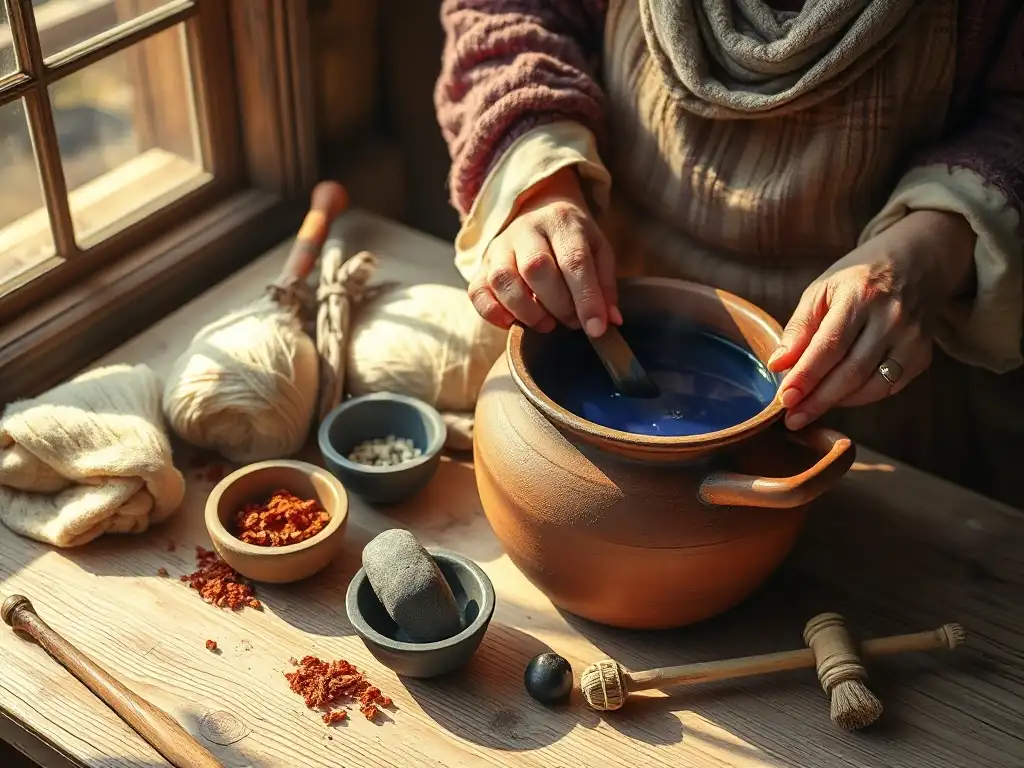
The vibrant colors of Andean textiles are a testament to the ingenuity of ancient cultures. While accessing the exact same plants and minerals used centuries ago might be challenging, recreating these techniques at home is achievable with a little research and careful sourcing of materials. Many natural dyes used in Andean traditions, such as cochineal (from insects), indigo (from plants), and various plant-based yellows and reds, are readily available, either through specialized suppliers or even by growing your own.
The key lies in understanding the fundamental principles behind the process: mordanting (preparing the fabric to accept the dye) and the specific techniques for each dye type. While achieving the exact same shades might prove difficult without the precise knowledge of ancient recipes, the process itself offers a fascinating connection to Andean heritage. Experimentation is key – different water sources, temperatures, and even the age of the plant material can affect the final color.
The beauty of natural dyeing lies in its inherent variability, producing unique and subtly different shades each time. Embarking on this journey allows for a deeper appreciation of the time, skill, and knowledge embedded within each piece of Andean textile.
Setting up Your Dyeing Workspace: Essential Tools and Equipment
Before you begin your natural dyeing adventure, ensuring a well-organized and safe workspace is crucial. You'll need several essential tools and equipment. Firstly, a large, stainless steel pot is ideal for dyeing, as it won't react with the dyes. Avoid using aluminum or copper pots, as they can affect the color.
Gloves are absolutely essential to protect your hands from potential irritants found in some natural dyes. A sturdy stirring utensil, such as a wooden spoon, will be necessary to ensure even dye distribution. You'll also need containers for rinsing and preparing your dye baths, preferably made of glass or food-grade plastic. Measuring tools, like scales and measuring cups, will help you maintain consistency in your dye recipes.
Finally, consider a well-ventilated area for dyeing, as some natural dyes can release fumes. Protecting your work surface with old newspapers or a plastic covering is also a good practice. Remember, safety first! Always read safety instructions for any dyes or chemicals you use.
Step-by-Step Guide to Natural Dyeing with Andean Techniques
The process of natural dyeing, while seemingly simple, involves several key steps. First, prepare the fabric. This usually involves washing the fabric thoroughly to remove any sizing or finishes. Then, the mordanting process is crucial. Mordants are substances that help the dye bind to the fabric fibers, resulting in more vibrant and long-lasting colors.
Common mordants include alum and iron salts. The specific mordant and its application method vary depending on the dye and fabric type. Next, prepare the dye bath. This typically involves simmering the dye material (plant parts, insects, etc.) in water for a specific period.
The dyeing process itself often involves submerging the mordanted fabric into the dye bath and gently stirring for a set time, again varying depending on the desired shade and dye. Finally, rinse the dyed fabric thoroughly with cool water until the water runs clear. Remember to document your process, noting the dye used, mordant, and timings to replicate results later. Experimentation is encouraged, but careful record-keeping will aid in consistency.
Preserving the Colors: Washing and Care of Naturally Dyed Textiles
Naturally dyed textiles require special care to preserve their vibrant colors and the integrity of the fibers. Avoid harsh detergents and machine washing, as these can strip the color and damage the fibers. Hand washing with a mild soap or specialized natural fiber detergent is recommended. Always rinse the fabric thoroughly with cool water after washing.
Air drying is the preferred method; avoid direct sunlight, as this can fade the colors. When storing naturally dyed textiles, keep them folded flat or hung loosely to prevent creasing and damage. Proper care and attention will ensure that your naturally dyed creations remain beautiful and vibrant for years to come, showcasing the enduring beauty of Andean dyeing techniques. Following these simple guidelines will help maintain the integrity and vibrancy of your handcrafted textiles, allowing you to appreciate your work for a longer period.
Exploring Modern Applications of Traditional Andean Dyeing Methods
The ancient dyeing techniques of the Andes continue to inspire contemporary practices, demonstrating their relevance and adaptability in modern contexts. This enduring legacy is evident in several ways.
Sustainable Dyeing Practices Inspired by Andean Techniques
The environmental impact of synthetic dyes has led to a growing interest in sustainable alternatives. Andean dyeing techniques, relying on natural materials, offer a model for eco-friendly practices. The focus on locally sourced plants and minimal chemical processing aligns with the principles of sustainable textile production. Modern practitioners are exploring ways to optimize these techniques for larger-scale production while maintaining their ecological integrity. Research into efficient mordanting processes and dye extraction methods are further enhancing the sustainability of this ancient craft. The shift towards natural dyes represents a crucial step towards reducing the environmental burden of the textile industry.
Contemporary Artists and Designers Using Natural Andean Dyes
Many contemporary artists and designers are actively incorporating natural Andean dyes into their work, breathing new life into these traditional techniques. They often collaborate with local communities, preserving cultural knowledge and supporting sustainable practices. This fusion of traditional craftsmanship and modern design creates unique and aesthetically compelling pieces.
These artists are not simply replicating ancient patterns; they are reinterpreting them in innovative ways, integrating natural dyes into contemporary design aesthetics. Their work demonstrates the versatility and enduring appeal of these ancient dyeing methods. The resulting textiles are not only visually stunning but also carry a powerful narrative of cultural preservation and sustainable practice.
The Ethical Sourcing of Natural Dyes
The ethical sourcing of natural dyes is paramount in ensuring the sustainability and cultural integrity of Andean dyeing techniques. This involves careful consideration of the environmental and social impact of dye harvesting and processing. Supporting local communities and fair trade practices is essential to prevent overexploitation of natural resources and to ensure that the benefits of this craft are shared equitably.
Transparency in the supply chain is crucial in ensuring that the dyes used are ethically sourced and sustainably harvested. By making conscious choices about the origin and sourcing of natural dyes, consumers can contribute to the preservation of both the environment and the cultural heritage associated with Andean textiles. This conscious consumerism is a vital step in ensuring the long-term viability of these ancient dyeing traditions.
Further Exploration: Resources for Learning More About Andean Dyeing
This section provides a starting point for those wishing to delve deeper into the fascinating world of Andean textile dyeing techniques. The vibrant hues and intricate designs found in Andean textiles are a testament to the ingenuity and artistry of ancient Andean cultures. Understanding the techniques requires exploring various resources, from academic publications to hands-on workshops.
Books and Articles on Andean Textile Dyeing Techniques
Numerous books and scholarly articles meticulously document the historical and chemical aspects of Andean dyeing. These resources offer in-depth analyses of specific dyes, their sources, and the processes involved in their application. For example, [specific book title pending] provides a comprehensive overview of the various dye plants used across different Andean regions, accompanied by detailed illustrations of the dyeing processes.
Similarly, numerous academic journals, such as [specific journal name pending], publish research papers on the chemical composition of ancient Andean dyes and the techniques used to achieve specific colors. These publications often incorporate scientific analysis, providing a deeper understanding of the chemical reactions involved in the dyeing process.
Researchers have even been able to identify specific pigments used centuries ago through advanced techniques like spectroscopy, revealing previously unknown aspects of Andean dyeing practices. Engaging with these resources allows for a detailed understanding of the scientific and historical contexts surrounding Andean textiles.
Online Courses and Workshops on Natural Dyeing
The digital age has opened up exciting possibilities for learning about Andean dyeing techniques. Several online platforms offer courses and workshops that teach the practical skills of natural dyeing, often using plant-based dyes similar to those employed by Andean cultures. These courses often include video tutorials, detailed instructions, and opportunities for interaction with instructors and fellow students.
Many focus on sustainability and ethical sourcing of materials, aligning with modern concerns for environmental responsibility, a perspective that resonates with the traditional Andean approach to resource management. Participants gain hands-on experience in preparing dyes from natural sources, understanding the complexities of colorfastness and mordanting, and replicating some of the techniques used for centuries in the Andes. These online learning opportunities provide a valuable supplement to traditional academic research, allowing for a more holistic understanding of the subject.
Museums and Exhibitions Featuring Andean Textiles
Museums and cultural institutions around the world hold significant collections of Andean textiles, providing invaluable opportunities for visual learning and appreciating the artistry and craftsmanship involved. These collections often showcase a wide range of textiles, from everyday clothing to ceremonial garments, illustrating the diversity of dyeing techniques and color palettes used across different Andean cultures and time periods. Many museums offer guided tours and educational programs that delve into the history and techniques of Andean textile production.
Furthermore, temporary exhibitions often focus on specific aspects of Andean textile dyeing, providing in-depth explorations of particular techniques or color palettes. Visiting these institutions offers a tangible connection to the history of Andean textiles and a deeper appreciation for the enduring legacy of their dyeing traditions. The vibrant colors and intricate designs on display serve as a powerful reminder of the sophistication and artistry of ancient Andean cultures.
Conclusion: The Enduring Legacy of Andean Textile Dyeing
The vibrant colors of Andean textiles are not merely aesthetic achievements; they represent a sophisticated understanding of chemistry, botany, and artistry developed and refined over millennia. From the meticulous selection of dye plants to the precise application of mordants, each step in the dyeing process reflects a deep connection between Andean cultures and their environment. Studying Andean textile dyeing techniques offers a fascinating glimpse into the ingenuity and resourcefulness of ancient Andean civilizations and provides a valuable lens through which to understand their rich cultural heritage.
The enduring legacy of these techniques continues to inspire contemporary artists and textile enthusiasts, highlighting the timeless appeal and enduring relevance of Andean textile traditions. The knowledge and skills passed down through generations serve as a powerful testament to the resilience and adaptability of Andean cultures, ensuring that the vibrant colors and intricate designs of their textiles will continue to captivate and inspire for generations to come.
Understanding these techniques is crucial to appreciating the full depth and complexity of Andean cultural heritage. 🌍
- Unveiling the Secrets of Andean Textile Dyeing Techniques
- The Ancient Art of Natural Dyeing in Andean Textiles
- Understanding the Materials: Natural Dyes Used in Andean Textiles
- The Science Behind Color: Mordants and Dye Fixation
- Recreating Andean Dyeing Techniques at Home: A Modern Approach
- Exploring Modern Applications of Traditional Andean Dyeing Methods
- Further Exploration: Resources for Learning More About Andean Dyeing
- Conclusion: The Enduring Legacy of Andean Textile Dyeing
- What natural dyes did Andean cultures use to create their vibrant textiles?
- How did the Andean people achieve such a wide range of colors in their textiles?
- What role did mordants play in the Andean dyeing process?
- What makes Andean textile dyeing techniques unique compared to other cultures?
- Where can I learn more about the specific chemical processes involved in Andean dyeing?
Frequently Asked Questions
What natural dyes did Andean cultures use to create their vibrant textiles?
Andean cultures utilized a wide array of natural dyes derived from plants, insects, and minerals. These included cochineal insects for reds, indigo for blues, and various plants for yellows, browns, and greens. The specific sources varied regionally.
How did the Andean people achieve such a wide range of colors in their textiles?
The combination of different dye sources and the use of mordants (substances that fix the dye to the fiber) were crucial. They also employed complex techniques like multiple dyeing stages to achieve nuanced shades and patterns.
What role did mordants play in the Andean dyeing process?
Mordants, such as metallic salts (e.g., from aluminum or iron), were essential for binding the dye to the textile fibers. This process ensured the color's longevity and vibrancy, preventing fading and bleeding.
What makes Andean textile dyeing techniques unique compared to other cultures?
The Andean civilizations' mastery lay in their sophisticated understanding of natural dyes and their ability to create a vast spectrum of colors and patterns using readily available resources. Their techniques were adapted to the specific environmental conditions of the Andes.
Where can I learn more about the specific chemical processes involved in Andean dyeing?
Further research into the chemical composition of Andean dyes and the specific mordanting techniques employed can be found in academic publications and archaeological studies focusing on Andean textile technology and chemistry. Many museums also have exhibits focusing on this topic.
Final Reflection: A Legacy Woven in Color
The vibrant hues of Andean textiles, achieved through ingenious dyeing techniques passed down through generations, remain a powerful testament to human ingenuity and a deep connection to the natural world. These aren't simply fabrics; they are living archives, carrying within their threads the stories of ancient civilizations and the enduring spirit of a culture that continues to thrive. The chemical processes behind these colors, while complex, ultimately speak to a profound understanding of both nature and artistry.
The enduring influence of Andean dyeing techniques extends far beyond the realm of textiles. It represents a holistic approach to life, where art, science, and spirituality intertwine seamlessly. The meticulous preparation of natural dyes, the careful selection of fibers, and the intricate weaving patterns all reflect a deep respect for the environment and a commitment to sustainable practices. The threads themselves are a language, telling stories of the land, the people, and the spirits that inhabit them.
This quote, though fictional, encapsulates the profound cultural significance embedded within each piece of Andean cloth. Understanding these techniques allows us to appreciate not just the beauty of the textiles, but also the rich cultural heritage they represent.
Consider the legacy you leave behind. What stories are woven into the fabric of your life? Take a moment to reflect on the ways in which you connect with your own heritage and the environment around you. Perhaps you'll find inspiration in the ingenuity of Andean dyers, discovering creative ways to express your own unique story through sustainable practices and a deeper appreciation for the natural world. Let the vibrant colors of Andean textiles inspire you to weave your own vibrant tapestry, one filled with meaning, purpose, and a lasting legacy.
Unveil the Spectrum of Andean Textiles!
Thank you for joining us on this colorful journey into the chemistry of Andean textiles. We hope you've gained a deeper appreciation for the vibrant hues and rich traditions inherent in each piece. Now, let's explore further!
Here are some ways to delve deeper into this fascinating world:
- Visit local markets and connect with artisans who employ traditional dyeing techniques. Support their craft and learn firsthand from their expertise.
- Share your newfound knowledge with friends and family. Your enthusiasm can inspire others to appreciate the beauty and artistry of Andean textiles.
- Experiment with natural dyeing! Use readily available plant materials to create your own unique textile, reflecting your personal style.
What vibrant colors will you create in your next project?