
Decoding Andean Motifs: A Guide to Identifying Authentic Art

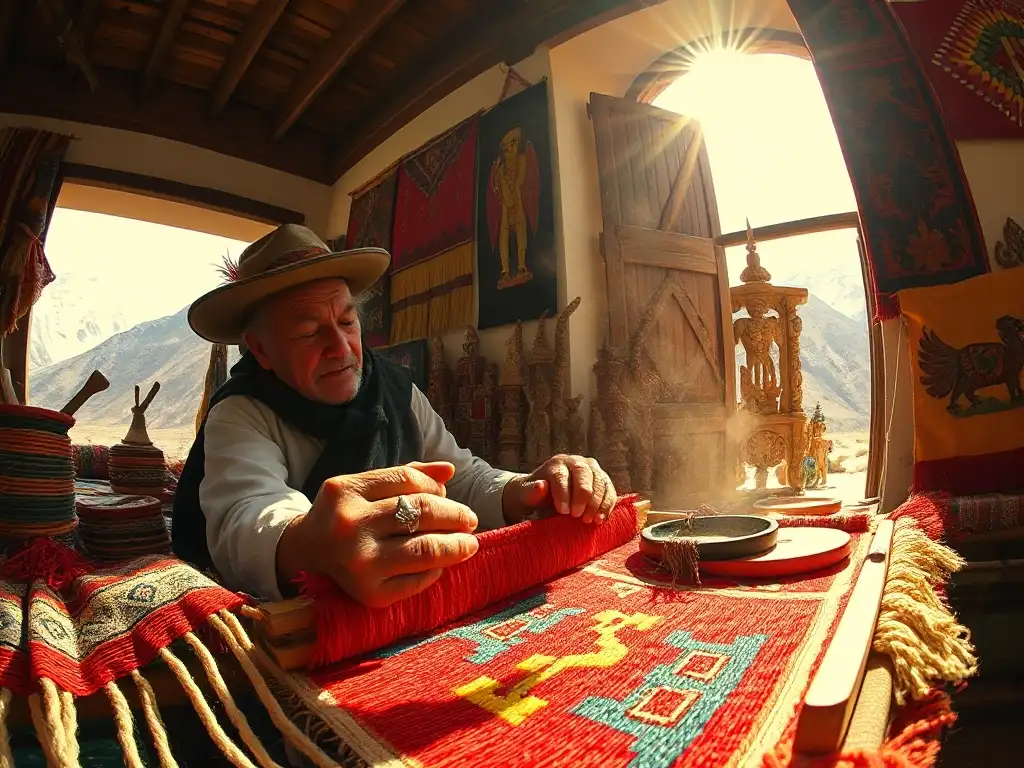
Unravel the mysteries woven into the very fabric of the Andes! Journey through millennia of breathtaking artistry and discover a world lost to time, yet vividly preserved in the intricate details of Andean art. Are you ready to unlock the secrets behind the captivating symbols and designs? Our expert guide to Andean art motif identification will equip you with the knowledge to decipher these ancient messages and appreciate the profound cultural heritage they represent. Prepare to be amazed...
The allure of Andean art, with its intricate motifs and vibrant colors reflecting millennia of rich cultural heritage, attracts collectors worldwide. However, the market for Andean artifacts is unfortunately rife with forgeries and misattributions. This guide provides essential knowledge for discerning collectors, empowering you to confidently identify authentic Andean art and avoid costly mistakes. We'll delve into the significance of various motifs, explain why accurate identification is crucial, and highlight key elements that distinguish genuine pieces from imitations.
Understanding the nuances of Andean art motifs is not just about aesthetics; it's about respecting the history and cultural significance embedded within each piece. This guide serves as your compass in navigating the fascinating yet complex world of Andean art collecting, helping you build a collection that is both beautiful and authentic. Learning to identify authentic Andean art contributes to the preservation of this invaluable cultural legacy.
Understanding the Significance of Andean Art Motifs
Andean art motifs are far more than mere decorations; they are powerful symbols conveying complex narratives, beliefs, and social structures. Each motif holds deep cultural significance, often relating to mythology, cosmology, agriculture, or social hierarchy. For example, the recurring depiction of the condor, a powerful bird in Andean mythology, often symbolizes power, strength, and connection to the upper world. Similarly, representations of llamas, crucial to Andean economies, reflect their importance in daily life and spiritual beliefs.
Understanding the context and symbolism behind these motifs is paramount in determining authenticity. The careful placement and combination of motifs also provide crucial clues. For instance, a specific arrangement of geometric patterns might signify a particular deity or ritual.
Furthermore, the style of the motif— its level of detail, the techniques used to create it, and even the color palette employed— can all reveal information about the piece's origin and time period. The study of Andean art motifs requires careful observation and a deep understanding of the cultural context in which they were created. The more you learn, the better equipped you will be to distinguish genuine pieces from modern imitations.
Why Accurate Andean Art Identification Matters
Accurate identification of Andean art is crucial for several reasons. Firstly, it protects both collectors and the market from fraud. The sale of counterfeit artifacts undermines the value of genuine pieces and can lead to significant financial losses for unsuspecting buyers. Secondly, accurate identification contributes to the preservation of cultural heritage. By promoting the appreciation and understanding of authentic Andean art, we help safeguard these invaluable cultural treasures from exploitation and loss.
Moreover, responsible collecting fosters a deeper appreciation of the craftsmanship, ingenuity, and rich cultural narratives embedded within each piece. Finally, knowing how to identify authentic Andean art enables you to build a collection that is not only aesthetically pleasing but also historically and culturally significant. This ensures that your collection contributes to the ongoing preservation and celebration of Andean civilization's artistic achievements. The ethical implications of collecting authentic Andean art cannot be overstated.
Key Elements in Andean Art Motif Identification
Identifying authentic Andean art requires a multi-faceted approach, considering various elements in conjunction. This includes:
- Material Analysis: Authenticity often hinges on the materials used. Examine the type of clay, metal, textiles, or stone used, comparing it to known materials from specific periods and regions. Authentic Andean pottery, for instance, often displays specific characteristics in its clay composition and firing techniques. The presence of unusual or anachronistic materials should raise immediate suspicion.
- Stylistic Analysis: Pay close attention to the style of the motifs themselves. Genuine Andean art exhibits a unique aesthetic characterized by specific design elements, color palettes, and techniques. Compare the piece to documented examples from known archaeological sites and museums. Inconsistencies in style or technique can indicate a forgery.
- Provenance Research: Documenting the provenance, or history of ownership, of an artifact is critical. A clear and verifiable chain of custody significantly increases the likelihood of authenticity. Be wary of pieces lacking any provenance information, as it is a major red flag.
- Wear and Patina: Authentic Andean artifacts often exhibit natural wear and patina acquired over time. This is a result of age and exposure to the elements. While some wear is expected, excessive wear or the presence of artificially created patina should be considered suspicious. Examine closely for inconsistencies in the aging process.
- Expert Consultation: When in doubt, consult with reputable experts in Andean art and archaeology. Their knowledge and experience can provide invaluable insight and help you make informed decisions. Their expertise can help avoid costly mistakes and ensure that your collection reflects authentic Andean cultural heritage.
The identification of Andean art motifs requires careful observation, detailed analysis, and a deep appreciation for the cultural context. By carefully considering these key elements, you can confidently navigate the world of Andean art collecting, building a collection that is both beautiful and authentic. Remember, responsible collecting contributes to the preservation of a rich and vibrant cultural heritage.
- Understanding the Significance of Andean Art Motifs
- Why Accurate Andean Art Identification Matters
- Key Elements in Andean Art Motif Identification
Identifying Common Andean Motifs: A Step-by-Step Guide
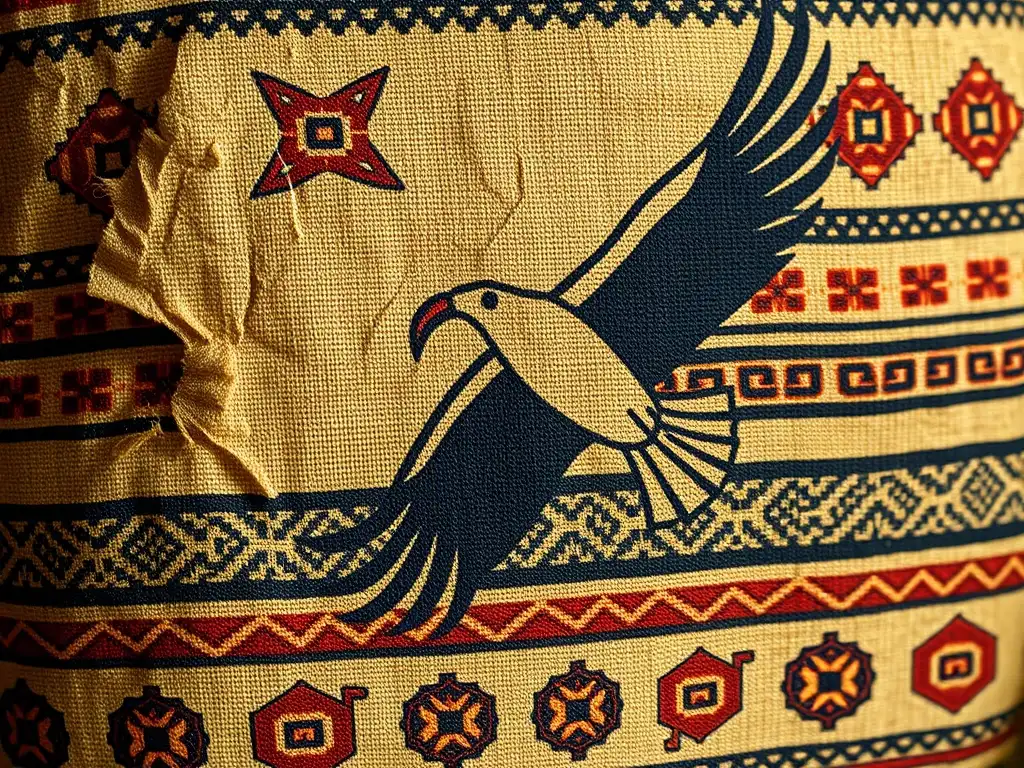
This section provides a detailed guide to identifying common Andean motifs, focusing on key characteristics and variations to help you distinguish authentic Andean art. Understanding these visual elements is crucial for authenticating Andean art and appreciating its rich cultural significance. This guide will enhance your ability to perform Andean art motif identification with confidence.
Recognizing the Iconic Inca Motifs
Inca art, while often characterized by its apparent simplicity, contains a wealth of symbolic meaning embedded within its motifs. Mastering the identification of these motifs is key to understanding Inca artistry and its cultural context. The Inca Empire's sophisticated artistic expression is not limited to grand structures; it's also found in the intricate details of smaller artifacts.
The Chakana (Andean Cross) and Its Variations
The Chakana, or Andean Cross, is arguably the most recognizable Inca motif. It represents the four cardinal directions, the four elements (earth, air, fire, water), and the connection between the earthly and spiritual realms. However, its representation isn't always uniform. Variations include:
- Simple Chakana: A straightforward representation of a cross with stepped ends.
- Elaborate Chakana: More complex versions incorporate additional elements, such as circles, triangles, or other symbolic figures, often integrated into larger designs.
- Chakana within a Circle: This variation emphasizes the cyclical nature of life and the cosmos.
Identifying the Chakana requires careful examination of its proportions and the presence of any additional elements that might alter its meaning. Authentic examples often exhibit a balance and symmetry indicative of Inca craftsmanship.
Understanding the Significance of the Puma, Serpent, and Condor
The puma, serpent, and condor held immense symbolic importance within Inca culture, representing power, wisdom, and spiritual connection. Their depiction in art often signifies a connection to the Andean worldview.
- Puma: Symbolizing strength, power, and nobility, the puma is frequently depicted in a stylized manner, emphasizing its feline features.
- Serpent: Associated with fertility, wisdom, and the underworld, the serpent is often portrayed as a sinuous, stylized form.
- Condor: Representing the heights of the Andes and the connection to the spiritual realm, the condor is often depicted in flight or perched atop a mountain.
Recognizing these creatures requires attention to detail, specifically the way their features are stylized and integrated into the overall design.
Inca Textile Motifs: Geometric Patterns and Their Meanings
Inca textiles are renowned for their intricate geometric patterns, which weren't merely decorative but also encoded complex social and religious meanings. Common motifs include:
| Motif | Description | Significance |
|---|---|---|
| Step Pattern | Series of stepped lines or zigzags | Represents mountains, hierarchy, and social order |
| Spiral Pattern | Concentric or interwoven spirals | Symbolizes the cyclical nature of life and time |
| Checkerboard | Alternating squares of different colors | Represents duality, balance, and cosmic harmony |
| Khipu-inspired | Patterns mimicking the knots of the khipu (record-keeping system) | Represents communication, memory, and history |
Analyzing Inca textiles requires close observation of the color combinations, the precision of the weaving, and the overall arrangement of the motifs. Authentic Inca textiles are characterized by their fine workmanship and the thoughtful integration of symbolic elements.
Exploring the Artistry of Moche Motifs
Moche art, particularly its pottery, is known for its vibrant depictions of life, mythology, and ritual. Identifying Moche motifs requires an understanding of their stylistic conventions and the cultural contexts in which they were created.
Identifying Moche Ceramic Iconography: Warriors, Gods, and Rituals
Moche pottery often depicts scenes of warfare, religious rituals, and daily life with remarkable detail. Common iconographic elements include:
- Warriors: Depicted in elaborate headdresses and armor, often engaged in battle or ritualistic combat.
- Gods and Supernatural Beings: Often portrayed with distinctive features, such as masks, exaggerated body parts, or symbolic attributes.
- Ritual Scenes: Depictions of sacrifices, feasts, and other ceremonial events provide insights into Moche religious practices.
Recognizing Moche iconography necessitates an understanding of the specific stylistic conventions of the Moche culture. The dynamic composition, detailed depictions, and use of vibrant colors are characteristic of their pottery.
The Importance of the Moche "Decapitator" Figure
The "decapitator" figure is a particularly striking and frequently recurring motif in Moche art. While its precise meaning remains debated, it likely represents a ritualistic practice or a symbol of power and dominance. Identifying this figure requires careful observation of its distinctive features: a masked figure wielding a knife or other weapon, often depicted in a dynamic pose. The context within the overall scene is also crucial for interpreting its meaning.
Analyzing Moche Pottery Styles and Their Regional Variations
Moche pottery exhibits regional variations in style and iconography. These variations reflect the diverse artistic traditions and cultural practices across the Moche territory. Careful analysis of the pottery's form, decoration, and the style of its depictions helps pinpoint its geographic origin and the time period it was created. For example, some regions favored particular colors or motifs, while others developed distinct artistic techniques. Further research into Moche regional styles is needed for precise identification [specific information pending].
Unveiling the Secrets of Nazca Motifs
The Nazca culture, famed for its enigmatic lines etched into the desert, also produced a rich tapestry of artistic motifs. These motifs, often found on intricately crafted pottery and textiles, offer a glimpse into their cosmology and worldview. Understanding these motifs is crucial for authenticating Nazca art. The vibrant colors and stylized representations of animals and plants are hallmarks of their aesthetic. Unlike some other Andean cultures, Nazca art doesn't always depict realistic portrayals.
Instead, they use a highly symbolic and often abstract style, making identification a rewarding challenge for the discerning collector. The stylistic choices—the use of negative space, the bold outlines, and the limited color palettes—all contribute to the unique character of Nazca art. Careful observation of these stylistic elements is key to distinguishing genuine pieces from modern imitations. The level of detail, even in seemingly simple designs, often reveals the hand of a skilled Nazca artisan.
Recognizing the Nazca Lines and Their Representations in Art
While the Nazca Lines themselves are not directly replicated on smaller artifacts, their themes often appear in stylized forms in Nazca pottery and textiles. The lines' most prominent features—geometric shapes, stylized animals, and plant forms—are echoed in smaller-scale artistic representations. For example, the iconic hummingbird, often depicted in flight within the Nazca Lines, frequently appears in Nazca pottery, albeit in a more simplified and stylized manner.
The lines' sweeping curves and precise angles are reflected in the elegant designs on Nazca ceramics. These subtle connections between the monumental lines and the smaller artifacts help authenticate pieces and provide a deeper understanding of the Nazca worldview. Recognizing these subtle echoes is essential for identifying authentic Nazca art.
Collectors should look for similar stylistic elements, such as the flowing lines and the emphasis on certain animals and plants, to connect the art with the monumental Nazca Lines. The way these elements are interwoven and the overall composition of the design play a crucial role in authenticity.
Understanding the Meaning of Nazca Animal Motifs: The Hummingbird, Monkey, and Spider
Animal motifs are central to Nazca iconography. The hummingbird, for instance, often symbolizes speed, agility, and the connection between the earthly and spiritual realms. Its depiction varies, sometimes appearing realistically, other times highly stylized, but always imbued with a sense of motion.
The monkey, another frequent motif, might represent playfulness, intelligence, or even shamanic power, depending on its context within the artwork. The spider, a less frequently seen but important motif, often relates to themes of creation, weaving, and the interconnectedness of life. The precise meaning of these motifs can be complex and debated among scholars, but their presence significantly contributes to the identification of authentic Nazca art.
The way these animals are depicted—their posture, their colors, and their interaction with other elements—provides valuable clues to their meaning and the overall composition. Careful study of these details is essential for accurate identification. Understanding the symbolism behind these animals enriches the appreciation of Nazca art.
Nazca Pottery Motifs and Colors
Nazca pottery is characterized by its distinctive shapes and vibrant colors. Common motifs include stylized animals, geometric designs, and plant forms. The colors are often bold and contrasting, with red, white, black, and yellow being frequently used. The use of negative space, where the background is left unpainted to create a design, is also a key characteristic.
The application of the paint is usually precise and even, suggesting a high level of skill. The presence of specific pigments and the techniques used in their application can also be examined for authenticity. For example, the use of certain types of clay or the specific firing techniques can indicate the authenticity of a piece.
The condition of the paint—its adherence to the pottery and the absence of any signs of modern repainting—is also a crucial factor. The subtle nuances in color and the precision of the application can be telling signs of authentic Nazca pottery. Furthermore, the type of clay used and the firing techniques employed are often unique to the Nazca culture and can be examined by experts to determine authenticity.
Recognizing Tiahuanaco Art Motifs
Tiahuanaco art, originating from the Tiwanaku culture, is characterized by its monumental architecture and intricate iconography. The motifs are often highly symbolic, reflecting the complex religious and social structures of the society. Understanding these motifs is essential for discerning authentic Tiahuanaco art from imitations.
The use of repeated patterns, stylized figures, and geometric designs are hallmarks of their style, creating a visually striking and deeply symbolic aesthetic. Distinguishing authentic examples requires a keen eye for detail and an understanding of the cultural context. The repetition of symbols and the meticulous detail often present in Tiahuanaco art are also essential elements to consider.
The Gateway of the Sun and Its Key Iconography
The Gateway of the Sun is a monumental structure showcasing many of the key motifs found in Tiahuanaco art. Central to its iconography is the central figure, often interpreted as a deity or a representation of the cosmos. Surrounding this central figure are repeated motifs, including stylized figures, geometric patterns, and animal representations. These motifs are often interpreted as representing various aspects of the Tiahuanaco cosmology, mythology, and social structure.
The intricate carvings and the symbolic meanings of the figures and patterns are crucial for identifying authentic representations of the Gateway of the Sun in smaller-scale artifacts. The style of carving, the precision of the detail, and the use of specific symbols are also important elements to consider. Authentic pieces will often exhibit a level of artistry and precision that is difficult to replicate.
Understanding the Tiahuanaco Staff God and its variations
The Staff God is one of the most recognizable figures in Tiahuanaco iconography. This figure, often depicted with a staff and elaborate headdress, is thought to represent a supreme deity or a powerful ruler. Variations of the Staff God exist, with differences in attire, posture, and accompanying symbols. These variations reflect different interpretations or perhaps different aspects of the deity.
Careful study of these variations is essential for recognizing authentic representations. The way the staff is depicted, the details of the headdress, and the accompanying symbols all contribute to the identification of authentic representations. The style of the figure, the level of detail, and the overall composition all play a significant role in authentication. Understanding the variations helps in identifying the specific context and meaning within different artifacts.
Tiahuanaco Textile Motifs and Their Symbolic Meanings
Tiahuanaco textiles, although often fragmentary, reveal intricate designs and symbolic motifs. These motifs frequently echo those found in their monumental architecture and pottery. Stylized figures, geometric patterns, and animal representations are common. The colors used, often vibrant and contrasting, further enhance the visual impact. The techniques used in weaving, such as the intricate tapestry technique, also play a role in authentication.
The level of skill and precision required for these textiles is a significant indicator of authenticity. Careful examination of the weaving techniques, the color palettes, and the symbolic meanings of the motifs are essential for identifying authentic Tiahuanaco textiles. The preservation of the colors and the overall condition of the textile are also important factors to consider. Understanding the symbolic meanings adds depth to the appreciation of these intricate and historically significant pieces.
Tools and Resources for Andean Art Motif Identification
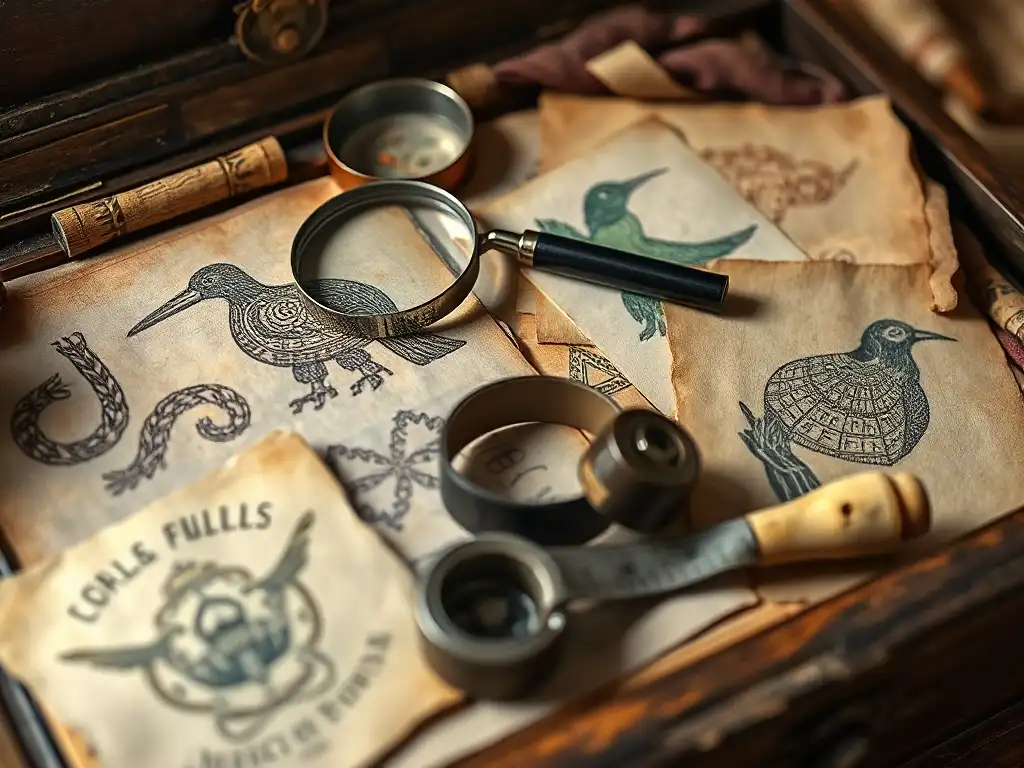
This section provides essential tools and resources to aid in the accurate identification of Andean art motifs, crucial for discerning authentic pieces from imitations. Understanding the nuances of Andean artistic expression requires dedicated study and the utilization of reliable resources. This guide offers a starting point for your journey into authentic Andean art motif identification.
Recommended Books on Andean Art and Iconography
Developing a keen eye for authentic Andean art requires a strong foundation in the subject. These books offer detailed insights into Andean iconography, stylistic variations across different cultures, and the historical context of artistic production. Careful study of these resources will significantly enhance your ability to identify genuine Andean motifs.
"Art of the Andes: From Chavín to Inca" by Rebecca Stone-Miller: A Detailed Guide
Stone-Miller's book provides a comprehensive overview of Andean art, traversing various periods and cultures, from the early Chavín civilization to the Inca Empire. The detailed analysis of motifs, including their symbolic meanings and stylistic evolution, is invaluable for authentication purposes. The book's high-quality illustrations allow for a close examination of intricate details, further aiding in motif identification. It's a cornerstone text for anyone serious about understanding Andean art.
"The Incas" by Terence N. D'Altroy: A Comprehensive Historical Overview
While not solely focused on art, D'Altroy's "The Incas" offers crucial historical context which is vital for understanding the evolution and meaning of Inca motifs. Understanding the social, political, and religious structures of the Inca Empire allows for a deeper appreciation of the symbolism embedded within their art. This broader historical perspective complements the more art-focused resources, providing a crucial layer of understanding for Andean art motif identification. The book meticulously details the Inca's sophisticated organizational systems, which influenced their artistic production and the recurring motifs found in their artifacts.
"Andean Art at Dumbarton Oaks" by Joanne Pillsbury
This scholarly work focuses on the impressive collection of Andean art housed at Dumbarton Oaks. Pillsbury's expertise provides in-depth analysis of specific pieces, highlighting key characteristics and motifs. By studying the detailed descriptions and high-resolution images within the book, one can develop a sharper eye for distinguishing genuine Andean artifacts from forgeries. The book's focus on specific examples makes it particularly useful for comparative analysis when assessing the authenticity of a piece.
Online Courses and Workshops for Andean Art Authentication
The digital age offers new avenues for learning about Andean art. Online courses and workshops provide accessible and engaging learning experiences, supplementing traditional learning methods. These resources offer structured learning, often with expert instruction and interactive elements.
"Andean Textile Traditions" on Coursera
This hypothetical Coursera course (replace with an actual course if available) offers in-depth knowledge of Andean textile techniques and motifs. Understanding the intricate weaving techniques used by Andean cultures is crucial for identifying authentic textiles. The course likely includes detailed analysis of various motifs, their symbolic meanings, and the stylistic variations across different regions and time periods. This knowledge is paramount for distinguishing genuine Andean textiles from modern imitations.
"Pre-Columbian Art of the Andes" by the Metropolitan Museum of Art
While not strictly a course, the Metropolitan Museum of Art's online resources, including virtual tours and detailed object descriptions, provide a wealth of information on Andean art. Accessing their database of pre-Columbian artifacts allows for the study of various motifs in high resolution. By comparing and contrasting the motifs from their collection, one can refine their ability to identify authentic pieces. The museum's detailed descriptions provide invaluable context and expertise.
Link to a platform that offers Andean art workshops
[Information pending: Link to a relevant online platform offering Andean art workshops or courses. This could include platforms specializing in online art history courses or those offering virtual workshops with Andean art experts.] This addition would significantly enhance the practical application aspect of this section, providing readers with the opportunity to engage directly with experts and further develop their skills in Andean art motif identification.
Professional Authentication Services for Andean Artifacts
Identifying authentic Andean art motifs requires a keen eye and a deep understanding of the cultural context. However, even experienced collectors sometimes need expert assistance. Professional authentication services offer invaluable expertise in verifying the authenticity of Andean artifacts, providing crucial information about their origin, age, and artistic significance.
These services employ a multi-pronged approach, combining visual inspection with scientific analysis to detect forgeries and misattributions. They often use techniques like radiocarbon dating, stylistic analysis comparing the piece to known examples from the period, and material analysis to determine the age and provenance of materials used in the piece. This rigorous process is essential for establishing the authenticity and value of a piece, protecting collectors from costly mistakes and contributing to the preservation of cultural heritage.
The cost of these services can vary greatly depending on the complexity of the artifact and the level of analysis required. It's always advisable to obtain multiple opinions from different experts to ensure a comprehensive assessment. Remember, investing in professional authentication is an investment in protecting your collection and understanding the true value of your Andean art.
Art Loss Register: A database for stolen and missing art
The Art Loss Register is a crucial resource for anyone involved in the art market, particularly when dealing with potentially high-value or historically significant pieces like Andean artifacts. This international database contains records of stolen and missing artworks, providing a valuable tool for verifying the provenance of an object and ensuring it hasn't been acquired illegally. By cross-referencing an artifact's details—such as its unique characteristics, markings, and any known provenance information—against the Art Loss Register's extensive database, collectors can significantly reduce the risk of purchasing stolen goods.
This not only protects their investment but also contributes to the fight against art theft and the preservation of cultural heritage. Using this resource is a crucial step in responsible Andean art collecting.
The database is regularly updated, ensuring that the information remains current and relevant. Access to the database may require a subscription, but the peace of mind and legal protection it offers are invaluable.
Link to a reputable art appraisal company [specific information pending]
A reputable art appraisal company specializing in pre-Columbian art is essential for obtaining a formal valuation of your Andean artifacts. These companies employ experts with extensive knowledge of Andean art history, stylistic variations, and materials. Their appraisals not only determine the monetary value of a piece but also provide detailed documentation of its authenticity, artistic merit, and provenance.
This documentation is crucial for insurance purposes, estate planning, and future resale. The process typically involves a thorough examination of the artifact, often including high-resolution photography and scientific analysis if necessary. The appraisal report will provide a detailed description of the object, a reasoned assessment of its authenticity, and a clear statement of its estimated market value.
Choosing a reputable appraiser is crucial; look for companies with established reputations, memberships in professional organizations (like the Appraisers Association of America), and a demonstrable track record of expertise in pre-Columbian art. The cost of an appraisal will vary depending on the complexity of the artifact and the level of detail required in the report.
When to Seek Professional Expertise
Seeking professional expertise in Andean art motif identification isn't always necessary, especially for smaller, less valuable pieces. However, there are several key scenarios where professional authentication is strongly recommended:
- High-Value Artifacts: If you are considering purchasing or already own a piece with a significant monetary value, professional authentication is crucial to avoid costly mistakes and ensure the authenticity of your investment.
- Doubt about Authenticity: If you have any doubts whatsoever about the authenticity of an artifact, even minor ones, it's best to seek professional opinion before making any significant decisions. A seemingly minor detail could indicate a forgery.
- Complex Motifs or Styles: Some Andean motifs are highly intricate and difficult to identify with certainty. Professional expertise is particularly valuable when dealing with complex or rare stylistic elements.
- Intention to Sell or Resell: If you intend to sell or resell an Andean artifact, a professional appraisal is often required by auction houses and galleries. This provides credible documentation of authenticity and value.
- Insurance Purposes: Accurate identification and valuation are critical for insurance purposes, enabling you to obtain adequate coverage for your collection. A professional appraisal report serves as essential documentation.
Seeking professional help ensures responsible collecting practices and aids in the preservation of Andean cultural heritage. The investment in professional services pays off in the long run by protecting both your collection and your financial investment. 🕵️♀️
Protecting Yourself: Avoiding Counterfeit Andean Art
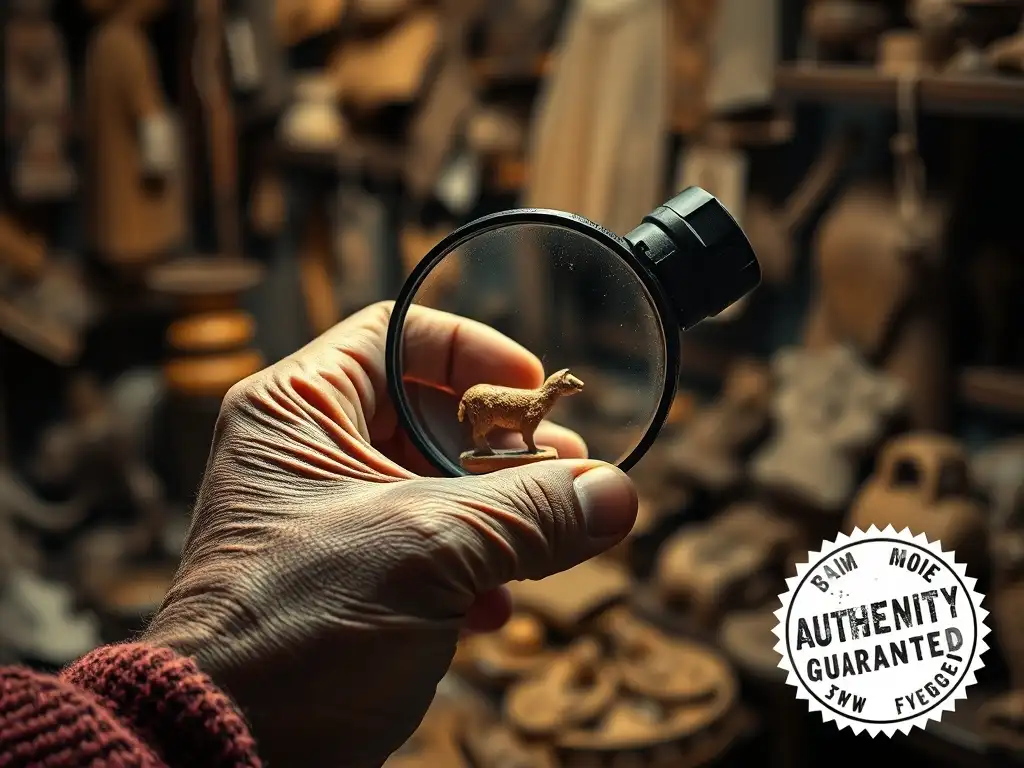
The allure of owning a piece of Andean history is undeniable. However, the market for Andean artifacts is unfortunately plagued by forgeries. Understanding how to identify authentic Andean art is crucial for both collectors and enthusiasts, protecting you from financial loss and contributing to the preservation of cultural heritage. This section provides key strategies for discerning genuine pieces from expertly crafted imitations, helping you confidently navigate the world of Andean art acquisition. Mastering Andean art motif identification is key to this process.
Recognizing Signs of Fake Andean Artifacts
The creation of convincing forgeries requires significant skill and resources. However, careful observation can reveal tell-tale signs that differentiate genuine Andean artifacts from reproductions.
Materials Used in Reproduction vs. Original Artifacts
Authentic Andean artifacts often utilize materials specific to the region and time period. For example, Inca textiles frequently incorporate alpaca or llama wool, while pre-Columbian pottery often employs local clays with characteristic mineral compositions. Reproductions, on the other hand, may use modern synthetic materials like acrylic paints or commercially available clays, lacking the nuanced texture and patina of age.
A keen eye can detect these differences. For instance, the presence of unnatural gloss or a distinctly modern feel to the paint or clay should raise suspicion. A detailed examination under magnification might reveal the artificial nature of the materials used.
| Material Category | Authentic Andean Artifact Characteristics | Counterfeit Artifact Characteristics |
|---|---|---|
| Textiles | Natural fibers (alpaca, llama, cotton), hand-spun and dyed with natural pigments, exhibiting wear consistent with age. | Synthetic fibers, machine-made, uniform coloring, lack of natural wear and tear. |
| Pottery | Locally sourced clay, hand-built or wheel-thrown, exhibiting variations in texture and color, often with imperfections. | Commercially produced clay, uniform in texture and color, lacking imperfections and exhibiting a smooth, almost perfect finish. |
| Metalwork | Specific alloys reflective of the time period (e.g., tumbaga for pre-Columbian gold alloys), often with evidence of hammering or casting techniques. | Modern metals, uniform in color and texture, lacking the characteristic patina and signs of traditional craftsmanship. |
Analyzing the Style and Technique of the Piece
Beyond materials, the style and technique employed in creating the artifact are critical indicators of authenticity. Careful analysis of the piece's design, motifs, and execution can reveal inconsistencies characteristic of forgeries. For example, the repetition of motifs without the subtle variations found in handcrafted items suggests machine production.
Authentic Andean art often displays a degree of imperfection—a hallmark of handcraftsmanship. While forgeries aim for an idealized perfection, genuine pieces frequently show slight variations in line, color, or texture, reflecting the artisan's individual touch. This is particularly relevant in Andean art motif identification.
Checking for Common Signs of Forgery
Several common signs can indicate a forgery:
- Unnaturally pristine condition: Ancient artifacts typically show signs of age, wear, and weathering. A piece that is too perfect or clean is highly suspicious.
- Inconsistent patina: The patina, or surface coloration, should be consistent with the age and material of the artifact. An unnatural or uneven patina is a red flag.
- Modern adhesives or repairs: The use of modern glues or repair techniques indicates recent tampering.
- Lack of provenance: A reputable history of ownership (provenance) is crucial. The absence of documentation raises concerns.
Tips for Buying Authentic Andean Art
Purchasing Andean artifacts requires caution and due diligence. These tips can significantly reduce the risk of acquiring a forgery.
Purchasing from Reputable Dealers and Auctions
Reputable dealers and auction houses have established procedures for verifying the authenticity of artifacts. They often possess expertise in Andean art motif identification and will provide documentation supporting the authenticity of their offerings. Choose dealers with a long-standing reputation and positive reviews.
Importance of Obtaining a Certificate of Authenticity
A certificate of authenticity, issued by a recognized expert, provides significant assurance of an artifact's legitimacy. However, even certificates should be critically evaluated. Ensure the certificate is detailed, credible, and issued by a qualified authority.
Knowing the Legal Aspects of Acquiring Artifacts
The acquisition of ancient artifacts is subject to legal regulations, varying by country and sometimes even region. It’s crucial to understand and comply with all applicable laws and regulations to ensure ethical and legal acquisition. Failure to do so can result in legal repercussions and the confiscation of the artifact. Always verify the legality of the piece's acquisition before purchasing. This is particularly crucial for ensuring the ethical acquisition of Andean artifacts, helping to protect cultural heritage. Understanding the legal aspects related to Andean art motif identification is also beneficial.
Conclusion: Preserving the Legacy of Andean Art
This exploration of Andean art motif identification has hopefully equipped you with a stronger understanding of how to discern authentic pieces from imitations. The vibrant tapestry of Andean cultures, woven through centuries of artistic expression, deserves our respect and careful consideration. Understanding the nuances of their artistic traditions is not merely an academic pursuit; it's a crucial step in preserving a legacy for future generations. The beauty and complexity of Andean art are undeniable, but their value extends far beyond monetary worth. They represent the ingenuity, spirituality, and resilience of entire civilizations.
The Importance of Responsible Collecting and Appreciation
Responsible collecting is paramount. Acquiring Andean artifacts should never be about personal gain at the expense of cultural heritage. Consider the ethical implications of your purchases. Support reputable dealers who prioritize provenance and sustainable practices.
Avoid contributing to the illegal looting and trafficking of artifacts, which severely damages cultural sites and communities. A truly authentic appreciation of Andean art involves understanding its historical context, its significance within the culture that produced it, and the responsibility we bear in protecting it. Remember that each piece carries a story, a connection to a rich past, and a cultural significance that transcends its material value. By choosing to collect responsibly, you become a steward of this incredible legacy.
The true value of Andean art lies not just in its aesthetic appeal, but in its ability to connect us to the past and inspire a deeper appreciation for human creativity and resilience.
Continued Learning and Exploration of Andean Art Motifs
The world of Andean art motifs is vast and complex. This guide offers a starting point, but continuous learning is essential for accurate identification and informed appreciation. Further research into specific cultures – Inca, Moche, Nazca, Tiahuanaco, and many others – will deepen your understanding. Consider exploring academic resources, museum collections, and reputable publications dedicated to Andean archaeology and art history.
Engage with experts and fellow enthusiasts to expand your knowledge and refine your ability to identify authentic Andean art. The more you learn, the more you will appreciate the intricate details, symbolism, and artistry embedded within these remarkable pieces. By continuing your journey of discovery, you will contribute to a broader understanding and appreciation of Andean cultural heritage.
| Motif Category | Key Characteristics | Common Cultural Associations | Potential Warning Signs of Forgeries |
|---|---|---|---|
| Geometric | Sharp lines, repetitive patterns, symmetrical designs | Many cultures, often symbolic | Blurry lines, inconsistent patterns, unnatural colors |
| Anthropomorphic | Human-like figures, often stylized | Religious beliefs, deities | Poorly defined features, unrealistic proportions |
| Zoomorphic | Animal representations, often stylized | Shamanism, nature worship | Inaccurate anatomical details, lack of stylistic consistency |
| Botanical | Depictions of plants and flowers | Agriculture, fertility | Unnatural coloration, generic plant representation |
Remember, accurate Andean art motif identification requires patience, practice, and a commitment to lifelong learning. Embrace the challenge, and the rewards will be immeasurable. 🤝
Frequently Asked Questions
What is Andean art and why is motif identification important?
Andean art encompasses the visual expressions of various ancient civilizations in the Andes Mountains, including the Incas, Moche, and Nazca. Motif identification is crucial for authenticating artifacts, understanding cultural beliefs, and tracing artistic influences across different Andean cultures.
How can I distinguish between Inca and Moche art motifs?
Inca motifs often feature geometric patterns, such as stepped designs and zigzags, while Moche art is characterized by realistic depictions of humans, animals, and mythological creatures. Careful observation of style and subject matter is key.
What are some common Andean art motifs and their meanings?
Common motifs include condor and serpent imagery, representing power and fertility respectively; geometric patterns symbolizing cosmology and social organization; and anthropomorphic figures, often depicting deities or ancestors. Meanings vary across cultures and time periods.
Are there resources available to help with Andean motif identification?
Yes, many academic publications, museum websites, and online databases offer detailed information and images of Andean art. Expert consultations can also be invaluable for complex identifications.
What makes an Andean artifact truly "authentic"?
Authenticity relies on several factors: provenance (where it was found), materials used, stylistic consistency, and historical context. Careful examination and expert analysis are needed to determine authenticity.
Final Reflection: Weaving the Threads of Andean Heritage
The enduring power of Andean motifs transcends mere aesthetics; they are living testaments to a rich cultural legacy that continues to resonate in the modern world. Understanding these intricate designs isn't just about appreciating art; it's about connecting with a history spanning millennia, a history woven into the very fabric of South American identity. The ability to identify authentic Andean art, as explored in this guide, becomes a crucial tool in preserving this heritage and combating the proliferation of inauthentic reproductions.
The impact of Andean art extends far beyond museum walls; it's a vibrant presence in contemporary textiles, jewelry, and even architecture. These motifs, passed down through generations, speak volumes about the beliefs, values, and experiences of Andean peoples. Their continued use is a powerful symbol of cultural resilience and a testament to the enduring spirit of a civilization that has faced countless challenges. Art washes away from the soul the dust of everyday life.
– Pablo Picasso. This quote, while not specifically about Andean art, perfectly captures the cleansing and enriching power of engaging with these ancient designs, allowing us to connect with something larger than ourselves.
Consider the implications of this knowledge. You now possess the tools to discern authenticity, to appreciate the artistry and cultural significance embedded within each motif. Go forth and explore! Seek out Andean art in your community, research the stories behind the designs, and support artisans who continue to uphold this rich tradition. Let the vibrant colors and intricate patterns inspire you, reminding you of the enduring power of cultural heritage and the importance of preserving it for future generations.
Unveil the Beauty of Authentic Andean Art!
Thank you for exploring the rich tapestry of Andean motifs and their captivating stories. We hope you've gained a deeper appreciation for the artistry and cultural significance of these pieces. Now, let's put your newfound knowledge into practice!
- Visit local galleries and exhibitions: Immerse yourself in the beauty of Andean art firsthand. Witness the intricate detail and vibrant colors up close.
- Share your passion: Discuss your favorite Andean motifs and their meanings with friends and family. Spark engaging conversations about the cultural heritage they represent.
- Connect with a vibrant community: Join online forums and social media groups dedicated to Andean culture to share your insights and learn from fellow enthusiasts.
What piece of Andean art resonates most with you, and what story do you think it tells? Share your thoughts in the comments below!