
Wearing History: The Enduring Allure of Andean Textiles

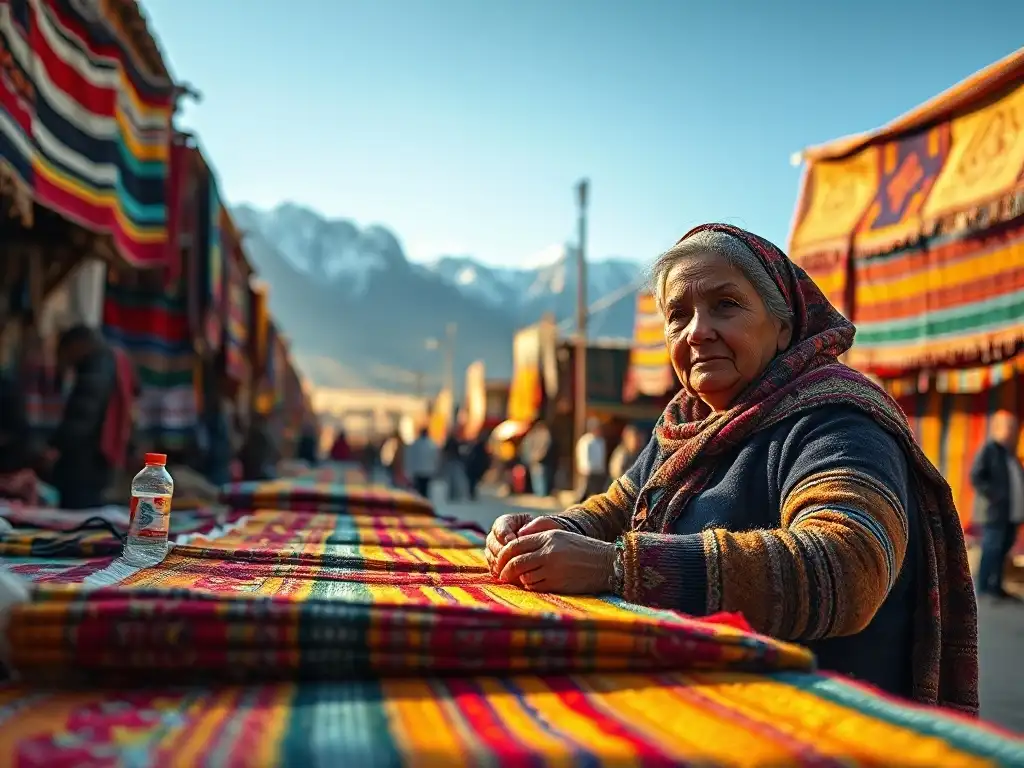
Unravel the mysteries woven into the very fabric of history. Journey with us into the captivating world of Andean civilizations, where vibrant cultures flourished and left behind a legacy as rich and complex as their intricate textiles. Discover the secrets behind the Andean textiles history, a story told not just in threads but in artistry, innovation, and enduring cultural significance. Prepare to be amazed by the enduring allure of these ancient masterpieces—a testament to human ingenuity and a captivating glimpse into a lost world.
The vibrant threads of Andean textiles whisper tales of empires risen and fallen, of intricate social structures, and of a profound connection to the land. For millennia, the peoples of the Andes—from the pre-Inca cultures to the Inca Empire and beyond—have woven not just cloth, but history itself into their textiles. This enduring legacy, characterized by its unparalleled artistry, technical sophistication, and symbolic richness, continues to fascinate and inspire.
This article delves into the captivating history of Andean textiles, exploring their evolution, significance, and lasting impact on Andean culture and beyond. We will uncover the intricate techniques, the symbolic meanings embedded within the designs, and the remarkable resilience of this ancient craft, demonstrating why understanding Andean textiles is crucial to understanding Andean history and culture itself.
Prepare to be captivated by the enduring allure of these remarkable creations, a testament to human ingenuity and cultural perseverance. We’ll explore the evolution of Andean textiles, from the earliest known examples to their modern-day expressions, demonstrating how these textiles serve as a powerful window into the past.
Unveiling the Legacy: An Introduction to Andean Textile History
Andean textile history is a vast and complex tapestry, stretching back thousands of years. Archaeological evidence suggests that textile production in the Andes began as early as 8000 BCE, with the discovery of fragments of woven fabrics in Peru. These early textiles, often made from simple materials like cotton and camelid fibers (alpaca, llama, and vicuña), demonstrate a remarkable level of skill and artistry.
The techniques employed, such as spinning, dyeing, and weaving, evolved over time, becoming increasingly sophisticated. Early Andean cultures developed a wide range of weaving techniques, including plain weave, tapestry weave, and brocade. They also mastered the art of dyeing, using natural pigments derived from plants, minerals, and insects to create a breathtaking array of colors.
The development of complex textile technologies, including backstrap looms and spindle whorls, facilitated the creation of increasingly intricate and elaborate textiles. These early textiles served a multitude of purposes, from clothing and blankets to ceremonial objects and burial shrouds. Their designs often incorporated geometric patterns and stylized representations of animals and plants, reflecting the deep connection between the Andean people and their environment.
The significance of textiles in Andean society cannot be overstated. They were not merely functional items; they served as powerful symbols of social status, religious beliefs, and cultural identity. The intricate designs and the quality of the materials used often indicated the wearer's social standing, while specific motifs held deep symbolic meanings related to Andean cosmology and mythology. The production of textiles was often a communal activity, with women playing a central role in the process.
This collective effort strengthened social bonds and contributed to the transmission of knowledge and skills across generations. The study of Andean textile history provides invaluable insights into the social, economic, and religious structures of ancient Andean societies. The colors, patterns, and materials tell stories of trade routes, agricultural practices, and religious beliefs.
The Deep Roots: Pre-Incan Textile Traditions
Before the Inca Empire's rise, a rich diversity of textile traditions flourished across the Andes. Cultures such as the Paracas, Nazca, and Moche each developed unique styles and techniques, showcasing remarkable innovation and artistic expression.
The Paracas culture (ca. 800-100 BCE), known for its elaborate burial practices, produced exquisitely crafted textiles characterized by intricate embroidery and vibrant colors. Their textiles often featured complex designs, including stylized human figures, mythical creatures, and geometric patterns. The use of a wide range of colors and techniques showcases their mastery of textile production. These textiles were often used in funerary contexts, highlighting their importance in the Paracas worldview. The intricate details and the high quality of the materials used suggest a high level of social organization and specialization in textile production.
The Nazca culture (ca. 100 BCE – 600 CE) is renowned for its stunning geoglyphs, but their textile traditions were equally impressive. Nazca textiles are distinguished by their fine weaving techniques and the use of intricate designs, often depicting stylized animals, plants, and geometric patterns. The use of natural dyes produced a wide range of vibrant colors, contributing to the visual impact of their textiles. The precision and complexity of their designs indicate a high level of skill and expertise. Like the Paracas, the Nazca also employed textiles in ceremonial and funerary contexts.
The Moche culture (ca. 100-800 CE) produced textiles that reflected their sophisticated artistic and technological skills. Moche textiles are often characterized by their realistic depictions of animals and humans, showcasing their keen observation of the natural world. The use of various weaving techniques, including tapestry and brocade, allowed them to create detailed and expressive designs. These textiles frequently featured scenes of warfare, hunting, and religious rituals, providing valuable insights into Moche culture and beliefs. The Moche’s advanced knowledge of dyeing techniques allowed them to create rich and varied palettes of colors.
These pre-Inca traditions laid the groundwork for the remarkable textile achievements of the Inca Empire, demonstrating a continuous evolution of techniques and artistic expression across centuries. The legacy of these early Andean textile traditions continues to resonate in contemporary Andean textile production, demonstrating the enduring power of cultural heritage.
Moche Textile Art: Iconography and Symbolism
Moche textile art, flourishing between 100 and 800 CE along the northern coast of Peru, is renowned for its vibrant colors and intricate iconography. These textiles, often discovered in tombs alongside elite burials, offer invaluable insights into Moche religious beliefs, social structures, and daily life. The imagery depicted on these fabrics is far from random; it's a carefully constructed visual language reflecting a sophisticated worldview.
Moche weavers meticulously incorporated symbolic motifs representing deities, mythical creatures, and scenes from daily life, creating a rich tapestry of narrative and meaning. The preservation of these textiles, often found in remarkably good condition due to the arid desert climate, has allowed scholars to decipher many of these intricate symbols, revealing a complex and fascinating culture. The remarkable detail and artistry showcased in Moche textiles highlight the advanced skills and specialized knowledge of the Moche artisans.
Their work wasn't merely functional; it was a powerful form of visual communication, reflecting the deep spiritual and societal values of their civilization. The persistence of these motifs across various textile types – from tunics and mantles to bags and shrouds – underscores their importance within Moche society.
Decoding Moche Textile Motifs: The Ai Apaec Deity
Among the most prominent figures in Moche iconography is the Ai Apaec deity, a powerful and often-depicted figure in Moche textiles. This deity, typically portrayed with fangs, claws, and a fearsome expression, is believed to have been associated with warfare, fertility, and possibly shamanistic practices. Its representation on textiles varies; sometimes it's depicted in a central, dominant position, while other times it's integrated within a larger narrative scene.
The Ai Apaec's presence on textiles often indicates the high status of the individual buried with the garment, suggesting a connection between the deity and elite power. The variations in the deity's depiction across different textiles, including changes in posture, adornments, and accompanying symbols, offer clues to the evolving understanding and interpretations of this powerful figure throughout Moche history.
Researchers continue to study these subtle variations, seeking further understanding of Moche religious practices and beliefs. The detailed rendering of the Ai Apaec in Moche textiles demonstrates the high level of artistic skill and the symbolic significance attributed to this powerful deity.
The Significance of Color in Moche Weaving
Color played a crucial role in Moche textile production, going beyond mere aesthetic appeal. Specific colors were likely associated with particular deities, events, or social statuses. For example, red, a common color in Moche textiles, might have been linked to blood, sacrifice, or warfare, while other colors like yellow or blue could represent different aspects of the natural world or spiritual realms.
The source of the dyes used in Moche textiles, primarily derived from plants and minerals, also holds significance. The painstaking process of dye extraction and application further emphasizes the value placed on color and its symbolic weight within Moche society. The careful selection and application of color in Moche textiles weren't accidental; they were integral to the narrative and meaning embedded within each piece.
Future research into the specific pigments used and their regional variations promises to deepen our understanding of the symbolic language of Moche color. This careful consideration of color demonstrates a sophisticated understanding of the symbolic power of color and its role in communicating complex ideas and beliefs.
Nazca Textiles: Geometric Precision and Advanced Techniques
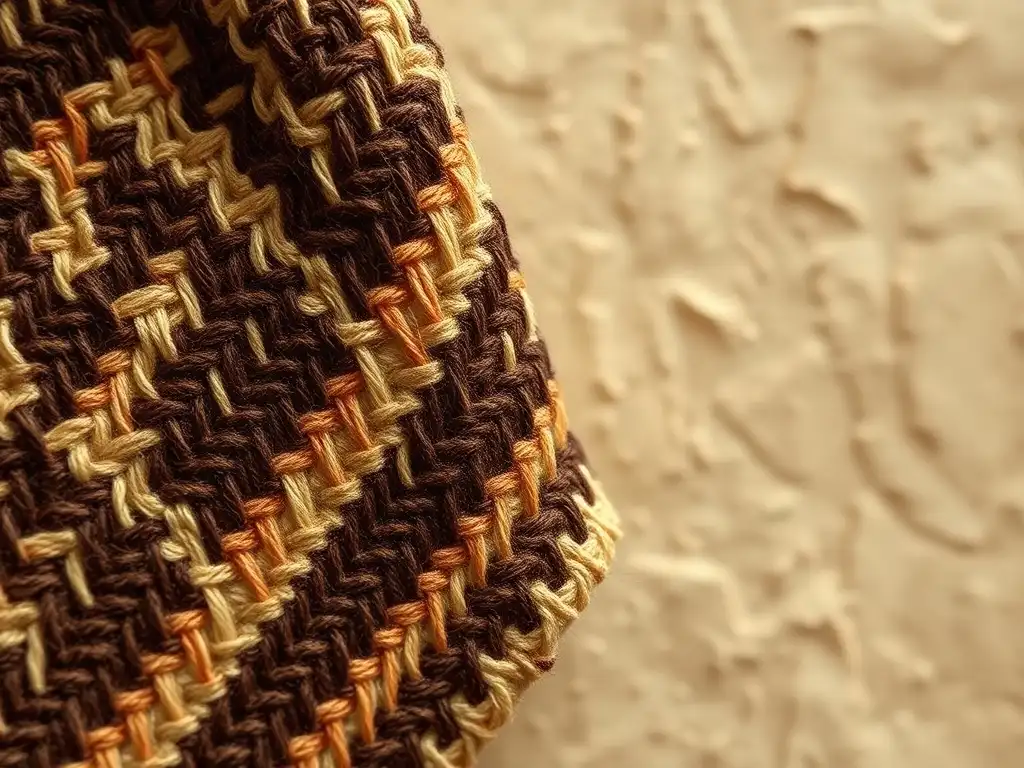
Nazca textiles, produced from approximately 100 BCE to 800 CE in southern Peru, are characterized by their exceptional geometric precision and mastery of advanced weaving techniques. Unlike the more figurative style of Moche textiles, Nazca textiles often feature intricate geometric patterns, demonstrating a remarkable level of technical skill and mathematical understanding. The use of diverse weaving techniques, such as tapestry, brocade, and weft-faced techniques, allowed Nazca artisans to create complex and visually stunning designs.
These textiles, often found in burial contexts, were clearly valued possessions, and their intricate designs suggest a high level of social organization and specialized labor. The precision and complexity of Nazca textiles point to a highly organized society with skilled artisans and a sophisticated understanding of textile production. The durability of these textiles, surviving for centuries in the harsh desert environment, is a testament to the quality of the materials and techniques employed.
Nazca Textile Patterns: Hummingbird and Monkey Designs
While geometric patterns dominate Nazca textiles, certain figurative motifs also appear, notably representations of hummingbirds and monkeys. These figures, often stylized and integrated within the geometric framework, are thought to hold symbolic meaning related to the Nazca worldview. Hummingbirds, known for their speed and agility, may have been associated with swiftness, messengers, or shamanistic powers. Similarly, monkeys, with their playful and agile nature, might have represented different aspects of the natural world or spiritual realms.
The incorporation of these animal figures within the primarily geometric designs suggests a complex interplay between abstract and representational elements within Nazca artistic expression. The placement and size of these figures within the overall design further suggests a level of hierarchical importance. The style and detail of these animal depictions highlight the Nazca weavers' ability to blend figurative representation with abstract geometric patterns.
The Intricate Nature of Nazca Weaving Technology
The production of Nazca textiles required significant technical expertise and specialized knowledge. The intricate designs and varied weaving techniques demonstrate a deep understanding of textile technology. The use of multiple colors and fine threads required meticulous planning and execution. The precise alignment of patterns across large areas of fabric suggests the use of templates or other advanced planning tools.
The durability of the textiles, even after centuries, indicates the high quality of materials and the mastery of weaving techniques. Understanding the technology behind Nazca textiles allows for a deeper appreciation of the skills and knowledge of the artisans who created them. Further research into the tools and techniques employed by Nazca weavers could reveal even more about the sophistication of their technology and the social organization of their production. The sophisticated weaving techniques employed highlight the high level of technical skill and knowledge within Nazca society.
Tiahuanaco Weaving: A Synthesis of Styles
Tiahuanaco textiles represent a fascinating blend of techniques and aesthetics, reflecting the civilization's sophisticated social structure and advanced technological capabilities. Unlike some other Andean cultures that focused on a single dominant style, Tiahuanaco weaving showcases a remarkable diversity. We see evidence of both simple and complex techniques, from plain weave structures to intricate tapestry and brocade.
The use of vibrant colors, often derived from natural dyes like cochineal (producing rich reds) and various plant extracts, further enhances the visual impact of these textiles. The masterful control over the weaving process is evident in the precision of the designs and the fine quality of the yarn. Researchers have found examples of Tiahuanaco textiles using camelid fibers – alpaca and llama – showcasing the civilization's expertise in animal husbandry and fiber processing.
The durability of these textiles, some surviving for millennia, speaks to the high quality of the materials and craftsmanship. Further research into the specific types of looms used and the organization of textile production within Tiahuanaco society would provide a more complete picture of this aspect of their culture. The variation in styles across different Tiahuanaco sites and periods suggests regional differences or possibly changes in fashion over time, reflecting a dynamic cultural landscape.
Tiahuanaco Textile Motifs: The Staff God
One of the most iconic motifs found in Tiahuanaco textiles is the representation of the Staff God, a central figure in Tiahuanaco religious iconography. This deity is often depicted wearing elaborate headdresses and robes, his staff symbolizing power and authority. The Staff God's appearance on textiles reinforces its importance in the religious and social life of the Tiahuanaco people.
The meticulous detail in which the Staff God is woven into the fabric is striking. The intricate designs, often incorporating geometric patterns and stylized representations of animals and plants, reflect a deep understanding of symbolic language and artistic expression. The use of contrasting colors and textures adds depth and dynamism to the representation, bringing the deity to life within the textile.
Analyzing the different variations of the Staff God motif across various textiles can shed light on potential regional differences or changes in religious beliefs over time. The consistent appearance of this motif across different textile types suggests its widespread significance and importance within Tiahuanaco society. Further research into the specific symbolic meanings associated with the Staff God's various attributes would provide a richer understanding of its role in Tiahuanaco religion and mythology.
The Role of Textiles in Tiahuanaco Society
Textiles played a multifaceted role in Tiahuanaco society, extending far beyond mere clothing. They served as crucial components of religious ceremonies, markers of social status, and vital elements of trade and exchange. Evidence suggests that the production and distribution of textiles were tightly controlled, possibly by the elite, indicating a complex social organization. High-quality textiles, adorned with elaborate designs and featuring prestigious motifs like the Staff God, likely signified high social standing.
The use of textiles in burials suggests their importance in the afterlife and the belief in the continuity of life beyond death. Moreover, the discovery of textile fragments in various archaeological contexts, including residential areas and ceremonial sites, points to their pervasive presence in daily life. Textiles were not simply decorative; they were functional items used for clothing, blankets, and possibly even sails or other utilitarian purposes. The intricate weaving techniques and the use of high-quality materials showcase the advanced technological skills of Tiahuanaco artisans.
The trade of textiles across the Andean region suggests that Tiahuanaco’s textile production played a significant role in the broader economic and political landscape of the time. Further research focusing on the organization of textile production and the social implications of textile distribution is needed to fully understand the multifaceted role of textiles in Tiahuanaco society. The study of Andean textiles history, specifically those of Tiahuanaco, offers valuable insights into the civilization’s complex social fabric.
- Unveiling the Legacy: An Introduction to Andean Textile History
- The Deep Roots: Pre-Incan Textile Traditions
- Moche Textile Art: Iconography and Symbolism
- Nazca Textiles: Geometric Precision and Advanced Techniques
- Tiahuanaco Weaving: A Synthesis of Styles
- What makes Andean textiles historically significant?
- How did the different Andean cultures express themselves through textiles?
- What materials were traditionally used in Andean textile production?
- What techniques were employed in creating Andean textiles?
- Where can I learn more about the history of Andean textiles?
The Inca Empire and the Evolution of Andean Weaving
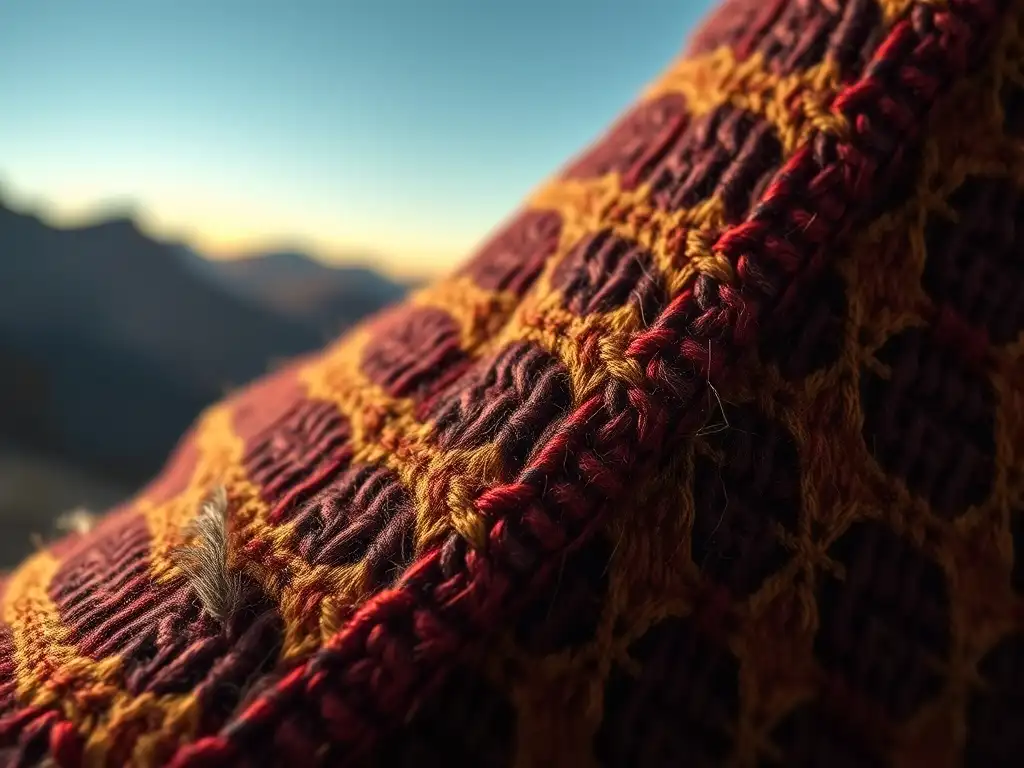
The Inca Empire, at its zenith in the 15th and 16th centuries, significantly impacted the production and meaning of Andean textiles. While weaving traditions were already deeply ingrained in Andean societies for millennia, the Inca's centralized administration profoundly reshaped the landscape of textile production. The Inca's sophisticated organizational skills and vast empire allowed for the standardization and mass production of textiles, while simultaneously maintaining the rich artistic and symbolic traditions inherent in the craft.
This period witnessed a heightened emphasis on quality, standardization of techniques, and the creation of highly specialized workshops dedicated to producing textiles for the elite. The Inca's ability to manage vast resources, including labor and raw materials like alpaca and vicuña fiber, allowed for the creation of incredibly intricate and visually stunning textiles, reflecting the power and prestige of the empire.
The legacy of Inca textile production continues to influence Andean weaving practices today, highlighting the enduring impact of this powerful civilization on the art form. Understanding the Inca's influence is crucial to understanding the complete history of Andean textiles.
Inca Textile Production: State Control and Royal Workshops
Inca textile production was not a decentralized, individual pursuit. Instead, it was meticulously organized and controlled by the state. The akullku, a type of state-appointed official, oversaw the entire process, from the herding of camelids providing the wool to the final stages of weaving.
Royal workshops, known as qhapaq q'awa, were established in major urban centers like Cusco, employing skilled artisans who produced textiles exclusively for the Inca elite, including the Sapa Inca (emperor) and the royal family. These workshops were centers of innovation and artistic expression, pushing the boundaries of weaving techniques and designs. The state’s control ensured that the finest materials and most skilled artisans were dedicated to the creation of high-status textiles, solidifying the Inca's authority and reinforcing their social hierarchy.
The production itself was often organized through mita, a system of obligatory labor, where individuals were required to dedicate a portion of their time to state-sponsored projects, including textile production. The scale and organization of Inca textile production were unparalleled in the Andes, setting a new standard for the craft.
The Importance of Cumbi Cloth: High Status Textiles
Cumbi cloth stands out as a prime example of Inca textile artistry and the social stratification reflected in Andean weaving. This highly prized fabric was typically reserved for the elite, signifying wealth, power, and social standing. Characterized by its exceptional fineness, intricate designs, and the use of luxurious fibers like vicuña wool, cumbi cloth served as a powerful symbol of Inca authority. The production of cumbi demanded significant skill and expertise, requiring artisans to master complex weaving techniques and intricate patterns.
The sheer labor involved in producing this cloth, combined with the scarcity of the vicuña fiber, contributed to its high status. The use of cumbi cloth in royal garments, ceremonial textiles, and other objects of importance further underscores its significance within Inca society. Analyzing cumbi cloth provides valuable insights into Inca social structures and the symbolic language embedded within their textiles.
Examples of Cumbi Cloth: Geometric Patterns and Fine Alpaca Wool
While vicuña was the preferred fiber for the most prestigious cumbi, alpaca wool was also utilized, particularly in textiles intended for lesser nobility or high-ranking officials. The characteristic designs of cumbi cloth often feature bold geometric patterns, frequently incorporating stripes, chevrons, and stepped motifs. These patterns were not merely decorative; they held deep symbolic meaning, often representing aspects of Inca cosmology, mythology, or social hierarchy.
Careful examination of surviving examples reveals the complexity of the weaving techniques employed, including intricate tapestry weaving and the use of multiple colors and textures within a single garment. The precision and artistry displayed in these textiles speak volumes about the skill and dedication of the Inca weavers. The surviving examples, though limited due to the fragility of the materials and the passage of time, offer invaluable glimpses into the aesthetic preferences and technical achievements of Inca textile production.
The Social and Political Meaning of Inca Textiles
Inca textiles were far more than just clothing; they served as powerful symbols of social status, political authority, and religious beliefs. The type of fiber, the complexity of the weave, and the specific designs all communicated important information about the wearer's position within society. Royal garments, adorned with elaborate designs and crafted from the finest vicuña wool, visually distinguished the Inca elite from the common population.
Textiles also played a crucial role in religious ceremonies and rituals, with specific designs and colors associated with particular deities or sacred events. The distribution of textiles as gifts or tribute further reinforced the Inca's power and control over their vast empire.
By studying the intricate designs and the materials used in Inca textiles, we can gain a deeper understanding of their complex social, political, and religious systems. The enduring legacy of Inca textiles lies not only in their artistic merit but also in their profound social and political significance.
Beyond Decoration: The Functional Roles of Andean Textiles
Andean textiles, while undeniably stunning works of art, served far more than a purely decorative purpose. Their significance extended deeply into the fabric of daily life, playing crucial roles in social structures, economic systems, and spiritual practices. From the simplest everyday garments to the most elaborate ceremonial robes, textiles were integral to the functioning of Andean societies.
Understanding their multifaceted roles is key to comprehending the profound cultural and historical weight of these artifacts. The intricate weaving techniques, the choice of colors and fibers, and even the patterns themselves all conveyed information about the wearer's social status, their place within the community, and even their relationship to the supernatural world.
The practical applications of Andean textiles were equally impressive. Their durability and versatility meant they served as essential tools and equipment in addition to clothing. Textiles were used to create sturdy bags for carrying goods, strong ropes for construction and agriculture, and even protective coverings for livestock. The ingenuity of Andean weavers allowed them to adapt their skills to create a wide array of objects, demonstrating the integration of textile production into the very core of Andean societies. This practical functionality enhanced their economic value and societal importance, extending beyond simple adornment.
Andean Textiles as Currency and Tribute: Examples of Mita Labor Payments
The economic significance of Andean textiles cannot be overstated. They functioned as a form of currency, with complex systems of exchange based on quality, type, and quantity of the textiles produced. This is particularly evident in the context of the mita, the Inca system of mandatory labor service. Communities were obligated to provide the Inca state with specific amounts of textiles as tribute. The quantity and quality of these textiles directly reflected a community's wealth and productivity, impacting its standing within the empire.
For example, the production of fine alpaca wool textiles, requiring advanced weaving techniques and significant labor, was a highly valued tribute. Communities skilled in this craft held a privileged position within the Inca system, whereas those unable to produce high-quality textiles faced consequences. This system demonstrates the crucial economic role of Andean textiles in maintaining the Inca empire's power and stability.
Records, while not always complete, showcase the massive quantities of textiles collected as tribute, highlighting their importance as a crucial component of the Inca economy. The intricate organization and management of this system, as well as the inherent value of the textiles themselves, underscore their economic power.
The Significance of Textiles in Andean Rituals and Ceremonies
Andean textiles played a vital role in religious and ceremonial practices, extending beyond their practical and economic functions. Elaborately woven garments, often adorned with intricate designs and symbolic motifs, were worn by priests, shamans, and other religious figures during ceremonies. These textiles were not merely clothing; they were imbued with spiritual power, connecting the wearer to the supernatural realm. The colors, patterns, and materials used held deep symbolic meaning, often representing deities, ancestors, or sacred events.
For instance, the use of specific colors like red (associated with blood and sacrifice) or yellow (associated with the sun god Inti) carried significant religious connotations. Similarly, intricate designs might depict mythological beings or celestial events, reinforcing the sacred nature of the textiles. Furthermore, textiles were used in various rituals and ceremonies.
They served as offerings to deities, were used in purification rites, and were even incorporated into burial practices, indicating a belief in the enduring power of textiles in the afterlife. The creation of these ceremonial textiles was often a highly specialized craft, requiring years of training and expertise, further highlighting their religious significance. The enduring presence of these textiles in archaeological sites underscores their lasting importance in Andean religious beliefs and practices.
The Enduring Legacy of Andean Textile Traditions
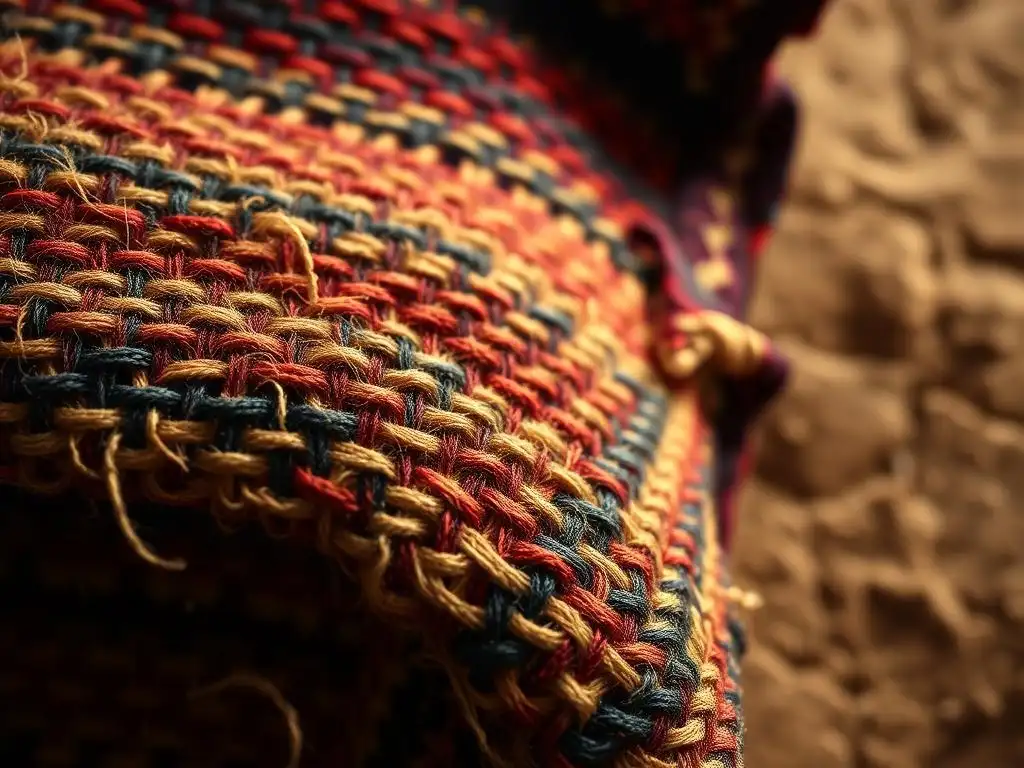
Andean textiles represent more than just clothing; they are living archives, embodying centuries of cultural knowledge, artistic expression, and technological innovation. The intricate designs, vibrant colors, and durable materials reflect the ingenuity and resilience of Andean peoples across diverse cultures and challenging terrains. From the intricate geometric patterns of the Paracas culture to the sophisticated iconography of the Inca Empire, textiles served as powerful tools for communication, social status, and spiritual expression.
The legacy of these traditions continues to resonate today, influencing contemporary fashion, art, and cultural tourism. Understanding the history of Andean textiles is crucial to appreciating the complexity and artistry embedded within each piece. The enduring appeal of these textiles lies not only in their aesthetic beauty but also in their connection to a rich and fascinating past, a powerful narrative woven into the very fabric of the Andean experience.
The keyword "Andean textiles history" perfectly encapsulates this enduring legacy. Analyzing the techniques and materials used across different Andean cultures reveals a deep understanding of their environment and social structures.
Modern Interpretations of Ancient Andean Textile Techniques
The artistry and skill involved in creating Andean textiles haven't been lost to time. Instead, they've been adapted and reinterpreted by contemporary artisans, ensuring the survival and evolution of these ancient traditions. Modern weavers continue to utilize age-old techniques, blending them with contemporary aesthetics and designs. This fascinating interplay between past and present ensures that Andean textile traditions remain vibrant and relevant. The techniques, passed down through generations, are not simply replicated but are creatively reimagined, demonstrating the enduring power and adaptability of Andean textile arts.
Contemporary Weavers Using Backstrap Looms
The backstrap loom, a portable and versatile tool used for centuries by Andean weavers, remains a central instrument in contemporary textile production. While some weavers now incorporate modern elements into their designs, many continue to utilize traditional patterns and techniques. The backstrap loom's simplicity and portability allow for weaving in diverse locations and environments, reflecting the deep connection between Andean weaving and the landscape. Many contemporary artisans are actively preserving this ancient technology, teaching workshops, and showcasing their work to a global audience. This ensures the continuation of these age-old methods, sustaining a crucial part of Andean cultural heritage.
The Revival of Natural Dyes in Andean Textile Production
The use of natural dyes is experiencing a significant revival in Andean textile production. Contemporary weavers are rediscovering and reintroducing traditional plant-based dyes, creating environmentally friendly and authentically Andean textiles. These dyes, derived from sources like cochineal insects, various plants, and minerals, produce a unique range of colors and subtle variations, adding depth and complexity to the finished products.
The resurgence of natural dyes not only enhances the aesthetic quality of the textiles but also promotes sustainable practices and reduces the environmental impact of textile production, aligning with a growing global interest in eco-conscious fashion. This revival is crucial for preserving traditional knowledge and contributing to the overall sustainability of Andean textile production.
How to Recognize Authentic Andean Textiles
Distinguishing genuine Andean textiles from imitations requires careful attention to detail and a basic understanding of traditional techniques and materials. Several key indicators can help identify authentic pieces, ensuring consumers support ethical and sustainable practices while acquiring culturally significant artifacts. This knowledge empowers buyers to make informed decisions and appreciate the craftsmanship involved in creating these unique textiles.
Identifying Genuine Weaving Techniques
Authentic Andean textiles often exhibit unique weaving techniques that are difficult to replicate. These techniques, passed down through generations, involve intricate patterns, specific knotting methods, and complex structural designs. Careful examination of the weave, including the density, type of knots, and the overall construction, can reveal clues to authenticity. For instance, the presence of specific types of knots or the use of particular weaving structures can indicate a specific Andean region or cultural group, providing valuable insights into the textile's origins. Differences in weaving techniques between various Andean cultures also offer valuable clues for authentication.
Understanding the Use of Natural Fibers: Alpaca, Llama, Cotton
The type of fiber used is another crucial factor in identifying authentic Andean textiles. Alpaca and llama fibers, renowned for their softness, warmth, and durability, are commonly used in traditional Andean weaving. Cotton, another significant fiber, was cultivated and used extensively in various Andean regions.
Understanding the characteristics of these natural fibers—their texture, strength, and unique qualities—is essential for distinguishing genuine Andean textiles from those made with synthetic materials. The use of these natural fibers not only contributes to the exceptional quality of Andean textiles but also reflects the deep connection between Andean cultures and their environment. The careful selection and preparation of these fibers are integral components of the traditional Andean textile-making process.
Exploring Andean Textiles: Resources and Opportunities
Andean textiles represent a rich tapestry of history, culture, and artistry. For those seeking to delve deeper into this fascinating world, numerous resources and opportunities exist to expand your knowledge and appreciation. From academic texts to practical workshops, the avenues for exploration are diverse and rewarding.
Understanding the history of Andean textiles requires a multi-faceted approach, blending academic research with hands-on experience and a commitment to ethical sourcing. This section will explore some key resources and opportunities available to those interested in learning more about this vibrant aspect of Andean culture. The journey of discovery can be both intellectually stimulating and personally enriching.
Recommended Books on Andean Textile History: "Weaving in the Peruvian Highlands: Dreaming Patterns, Weaving Memories" by Nilda Callanaupa Alvarez
Nilda Callanaupa Alvarez's "Weaving in the Peruvian Highlands: Dreaming Patterns, Weaving Memories" stands out as a seminal work in the field of Andean textile studies. It's not just a scholarly examination of techniques and designs; it's a deeply personal account interwoven with the author's own experiences as a weaver from the Peruvian highlands. Alvarez masterfully blends anthropological insights with the lived reality of Andean textile traditions, offering readers a rich and nuanced understanding of the cultural significance embedded within each thread and pattern.
The book meticulously details weaving techniques, historical contexts, and the symbolic meanings woven into the textiles, making it an invaluable resource for both academics and enthusiasts. It beautifully illustrates the intricate connection between Andean weaving and the spiritual and social fabric of the communities that practice it.
The book's strength lies in its ability to bridge the gap between academic rigor and emotional resonance, making it accessible and engaging for a broad audience. Reading it provides a profound appreciation for the enduring legacy of Andean textile traditions.
Online Courses and Workshops on Andean Weaving
The digital age has opened up exciting new avenues for learning about Andean weaving. Numerous online courses and workshops offer opportunities to learn about the techniques, history, and cultural significance of these textiles. These resources cater to various skill levels, from beginners eager to learn basic weaving techniques to experienced craftspeople looking to refine their skills or explore specific Andean styles.
Many online platforms feature video tutorials, providing visual demonstrations of intricate weaving processes. Some workshops even offer virtual interactions with Andean weavers, providing a unique opportunity to learn directly from the source and gain insights into the cultural context of their craft. This interactive learning experience allows participants to connect with the rich heritage of Andean textiles while learning practical skills.
The accessibility of these online resources has democratized access to knowledge about Andean textiles, making it possible for people worldwide to engage with this ancient art form. Furthermore, many online courses emphasize ethical sourcing and sustainable practices, promoting responsible engagement with this cultural heritage.
Where to Find Ethically Sourced Andean Textiles: Fair Trade Cooperatives in Cusco
Cusco, Peru, serves as a significant hub for Andean textiles, offering a wealth of opportunities to purchase ethically sourced pieces. Fair trade cooperatives in Cusco play a crucial role in ensuring that Andean weavers receive fair compensation for their work, preserving their traditional skills, and supporting their communities. Shopping at these cooperatives directly supports the artisans and helps maintain the vibrancy of Andean textile traditions.
By choosing to purchase textiles from these organizations, consumers contribute to the economic empowerment of Andean communities and actively participate in preserving their cultural heritage. This conscious consumerism is essential for the long-term sustainability of Andean textile production.
The cooperatives often offer a wide range of textiles, from clothing and home décor to intricate tapestries and ceremonial pieces, providing a diverse selection of high-quality, ethically produced goods. Choosing to purchase from these cooperatives is not just about acquiring beautiful textiles; it's about supporting a sustainable and equitable approach to cultural preservation.
Preserving the Cultural Heritage: Supporting Andean Weavers
The preservation of Andean textile traditions is not merely an aesthetic concern; it's a vital aspect of safeguarding cultural heritage and supporting the livelihoods of Andean communities. These textiles are more than just beautiful fabrics; they are repositories of knowledge, history, and cultural identity. The intricate designs and techniques employed in their creation are passed down through generations, representing a continuous thread of cultural transmission.
Supporting Andean weavers is, therefore, crucial for ensuring the survival of these traditions and the well-being of the communities that depend on them. This support extends beyond simple purchases; it involves understanding the cultural significance of the textiles and promoting responsible tourism practices that benefit the artisans directly.
The Importance of Responsible Tourism and Fair Trade
Responsible tourism plays a significant role in preserving Andean textile traditions. By choosing to patronize businesses that prioritize fair trade practices and directly support Andean weavers, tourists contribute to the economic well-being of the communities and help ensure the continuity of their craft. Fair trade principles ensure that artisans receive a fair price for their work, enabling them to sustain their livelihoods and maintain their traditional skills.
Responsible tourism also involves respecting the cultural significance of the textiles and engaging with the communities in a sensitive and respectful manner. This means avoiding exploitative practices and supporting initiatives that empower local artisans and communities. Choosing to engage in responsible tourism and fair trade practices is a direct investment in the future of Andean textile traditions.
How You Can Contribute to the Preservation of Andean Textile Art
There are many ways individuals can contribute to the preservation of Andean textile art. Supporting fair trade initiatives, purchasing textiles directly from Andean weavers or reputable organizations that ensure fair compensation, and promoting ethical tourism are all effective ways to make a difference.
Furthermore, spreading awareness about the cultural significance of Andean textiles and educating others about the importance of preserving these traditions can have a significant impact. Learning about the history and techniques of Andean weaving, sharing this knowledge with others, and appreciating the artistry and cultural heritage embedded in these textiles all contribute to the preservation of this invaluable art form.
Even small actions, such as choosing to purchase ethically sourced textiles, can collectively contribute to the long-term sustainability of Andean textile traditions and the well-being of the communities that create them. By engaging actively and responsibly, we can ensure that the rich tapestry of Andean textile history continues to thrive for generations to come.
Frequently Asked Questions
What makes Andean textiles historically significant?
Andean textiles are historically significant due to their exceptional craftsmanship, reflecting sophisticated technologies and artistic expression. They serve as primary sources for understanding social structures, beliefs, and daily life in ancient Andean societies. Their intricate designs tell stories across generations.
How did the different Andean cultures express themselves through textiles?
Each Andean culture, including the Inca, Moche, Nazca, and Tiahuanaco, developed unique textile styles. These styles reflected their distinct social hierarchies, religious beliefs, and artistic traditions. Textile designs often depicted deities, animals, and mythical creatures.
What materials were traditionally used in Andean textile production?
Alpaca, llama, and vicuña wool were the primary materials, prized for their softness, warmth, and durability. Cotton was also cultivated and used, especially in warmer coastal regions. Natural dyes from plants and minerals created vibrant, long-lasting colors.
What techniques were employed in creating Andean textiles?
Andean weavers mastered complex techniques like backstrap loom weaving, creating intricate patterns and textures. They used various spinning and dyeing methods, resulting in incredibly detailed and durable fabrics. Advanced knotting techniques were also employed in some regions.
Where can I learn more about the history of Andean textiles?
You can explore museums with significant Andean textile collections, such as the Textile Museum of Canada or the Museo Larco in Lima, Peru. Numerous academic publications and books delve deeper into the subject, offering detailed analyses of different Andean textile traditions and their historical context.
Final Reflection: Weaving the Threads of Time and Culture
The enduring legacy of Andean textiles continues to resonate today, a vibrant testament to the ingenuity and artistry of ancient civilizations and a powerful symbol of cultural resilience. These intricate weavings, far from being mere artifacts of the past, offer a profound connection to a rich history and a living tradition that continues to inspire and inform contemporary art and design. Their intricate patterns and vibrant colors whisper stories of Andean life, beliefs, and social structures, offering a glimpse into a world both ancient and remarkably relevant.
The impact of Andean textiles extends far beyond the realm of historical artifacts; they represent a powerful force in shaping cultural identity and pride. Their influence can be seen in modern fashion, art, and even political movements, demonstrating the enduring power of cultural heritage. The threads themselves are a language, speaking of history, belief, and community,
a renowned textile scholar once observed. This sentiment perfectly encapsulates the profound depth and enduring significance of these remarkable creations, their ability to transcend time and connect us to a rich tapestry of human experience.
Consider the intricate details, the symbolism woven into each thread, the stories passed down through generations. You too can become a weaver of this rich history, by appreciating the artistry and cultural significance of Andean textiles, by supporting artisans who continue this ancient tradition, and by sharing the knowledge you've gained with others. Let the vibrant colors and intricate patterns inspire you to explore the depths of human creativity and the enduring power of cultural heritage. Let the legacy of the Andes continue to weave its magic into your own life.
Unveil the Richness of Andean Textiles!
Thank you for exploring the fascinating world of Andean textiles with us! We hope you've gained a deeper understanding of their cultural significance and enduring beauty. Now, let's put that knowledge to use!
Here are some ways you can further immerse yourself in this vibrant tradition:
- Visit a local museum or cultural center to experience the intricate detail of Andean textiles firsthand.
- Participate in a weaving workshop to learn traditional techniques and discover the artistry for yourself.
- Share your appreciation for Andean textiles with friends, family, or online using the hashtag #AndeanArt.
What aspect of Andean textiles captivates you most—their history, the exquisite craftsmanship, or their influence on modern fashion?