
The Symbolism of the Llama: Exploring Animal Motifs in Andean Textiles

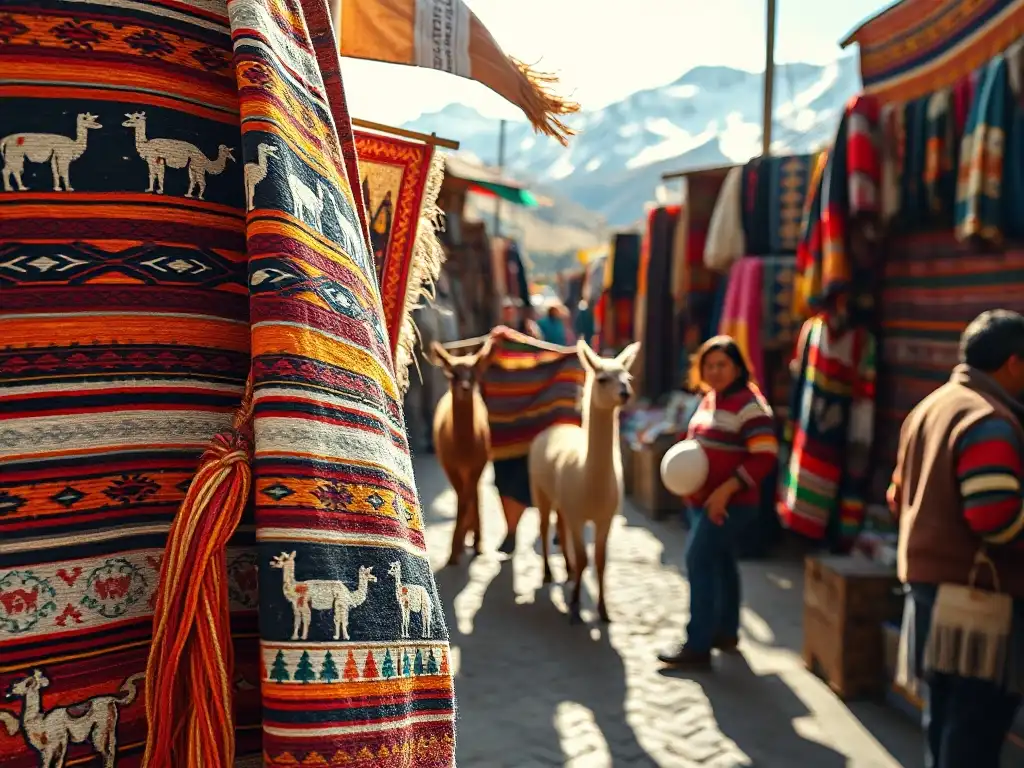
Step into a world woven with mystery and majesty! For centuries, the Andean mountains have echoed with the stories of remarkable civilizations. Here, you'll uncover the vibrant tapestry of their cultures, from the ingenuity of the Incas to the enigmatic artistry of the Nazca. But what secrets do the intricate threads themselves hold? Delve into the captivating world of Andean llama textile symbolism and discover the hidden meanings embroidered into the very fabric of their history. Prepare to be amazed.
- Andean Llama Textile Symbolism: Unveiling the Meaning Behind the Motifs
- Decoding Llama Motifs in Ancient Andean Textiles: A Step-by-Step Guide
- Products that Enhance Your Understanding of Andean Textile Symbolism
- Preserving and Appreciating the Legacy of Andean Llama Textile Art
-
Frequently Asked Questions
- What is the significance of llamas in Andean culture?
- How are llamas depicted in Andean textiles?
- What does the color of a llama in Andean textile art signify?
- What other symbols are often found alongside llama depictions in Andean textiles?
- Where can I learn more about Andean llama textile symbolism?
- Final Reflection: Weaving the Past into the Present: The Enduring Legacy of the Andean Llama
- Unveil the World of Andean Textiles
Andean Llama Textile Symbolism: Unveiling the Meaning Behind the Motifs
The majestic llama, a cornerstone of Andean life for millennia, transcends its role as a beast of burden and becomes a potent symbol woven into the very fabric of Andean culture. This article delves into the rich tapestry of Andean textile symbolism, focusing specifically on the llama motif and its multifaceted representations across various pre-Columbian cultures.
We will explore how the llama's significance in Andean society directly influenced its portrayal in textiles, revealing insights into beliefs, social structures, and the spiritual worldview of these remarkable civilizations. From the intricate designs of the Nazca lines to the vibrant weavings of the Inca Empire, the llama's image consistently emerges as a powerful and evocative symbol, offering a fascinating window into the past.
This exploration will uncover the nuanced meanings behind different representations of the llama in Andean textiles, examining variations in posture, color, and accompanying iconography to unravel the complex layers of symbolism embedded within these captivating works of art. Understanding these symbols allows us to connect with the profound spiritual and practical significance the llama held for Andean peoples, enriching our appreciation for their remarkable cultural legacy.
Introduction to the Significance of Llama Imagery in Andean Art
Llama imagery in Andean art is far from merely decorative; it's a complex system of visual communication reflecting the animal's profound importance in Andean societies. The llama wasn't simply a source of food and wool; it held deep spiritual and economic significance, often representing fertility, prosperity, and even divine power. Its presence in textiles, therefore, is not accidental. Rather, it is a deliberate and carefully considered choice, designed to convey specific meanings to those who viewed and interacted with these textiles.
The choice of colors, the llama's posture (standing, kneeling, or in motion), and its association with other symbolic elements all contribute to the overall message conveyed by the textile. For example, a llama depicted with its head raised might symbolize aspiration or connection to the divine, while a kneeling llama could represent submission or sacrifice. The specific cultural context – Inca, Nazca, Moche, etc.
– also plays a crucial role in interpreting the symbolism, adding further layers of complexity and nuance to the analysis. Detailed study of these textiles requires careful consideration of these factors, leading to a richer and more nuanced understanding of Andean culture. We will examine specific examples of llama representations to illustrate this point, highlighting the subtle yet significant differences in their symbolic meaning.
The Llama's Role in Andean Society: A Foundation for Symbolism
The llama's integral role in Andean society directly shaped its symbolic representation in textiles. As a primary source of wool, meat, and transportation, the llama was essential to the economic well-being of Andean communities. Its value extended beyond the material realm; llamas were often incorporated into religious ceremonies and rituals, further solidifying their spiritual significance.
Their domestication, dating back thousands of years, forged a deep and enduring relationship between humans and these animals, a bond reflected in the affectionate and often reverent way they are depicted in textiles. The meticulous detail and artistry evident in many llama representations suggest a deep respect and understanding of the animal's nature and importance. Furthermore, the llama's association with fertility and abundance is evident in many textile designs, highlighting its crucial role in the sustenance and prosperity of Andean communities.
This connection between the practical and the spiritual is a key element in understanding the profound symbolism embedded within the llama imagery found in Andean textiles. The llama, therefore, serves as a powerful metaphor for the interconnectedness of human life and the natural world within the Andean worldview.
Decoding Llama Motifs in Ancient Andean Textiles: A Step-by-Step Guide
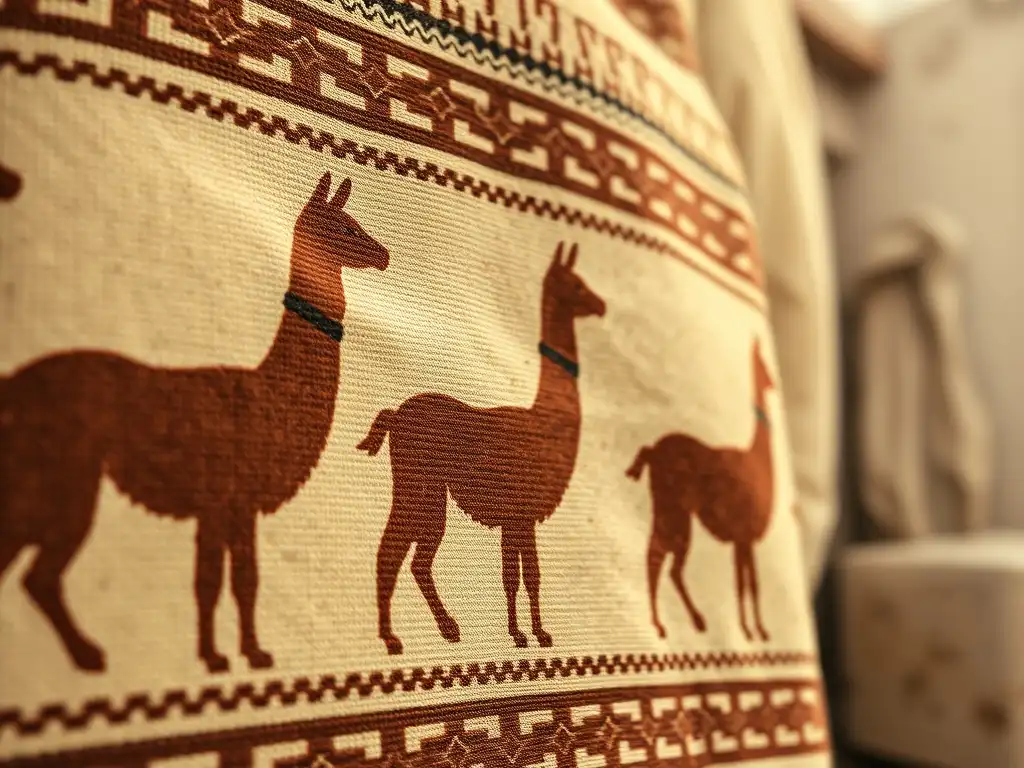
This section delves into the intricate world of Andean llama textile symbolism, providing a practical guide to understanding the multifaceted meanings embedded within these ancient weavings. The llama, far from being a mere decorative element, held profound symbolic significance for various Andean cultures, reflecting their worldview, social structures, and spiritual beliefs. Analyzing these motifs requires a careful consideration of their depiction, the context in which they appear, and their evolution through time.
Step 1: Identifying Common Llama Depictions in Weavings
Identifying llama depictions in Andean textiles requires a keen eye for detail. Llamas aren't always portrayed realistically; stylization varies greatly across different cultures and time periods. Some common representations include:
- Simplified, geometric llamas: These often feature basic shapes representing the llama's body, legs, and head, sometimes omitting details like ears or tails. The focus is on conveying the essence of the llama rather than a photorealistic portrayal. Think of them as almost abstract representations of the animal, prioritizing symbolic meaning over precise anatomical accuracy. Variations in color and the addition of other symbolic elements (e.g., geometric patterns) further enrich their meaning.
- Realistic depictions: These are more detailed, showing features like fleece, horns (in the case of male llamas), and even subtle expressions. The level of realism depends on the skill of the weaver and the cultural context. These more naturalistic representations often appear in textiles intended for elite members of society or in ceremonial contexts, suggesting a higher status and value associated with the depicted animal.
- Hybrid creatures: In some cases, llamas are depicted as hybrid creatures, incorporating features of other animals or mythical beings. This blending of forms adds another layer of complexity to the interpretation, suggesting a connection between the llama and other symbolic entities within the Andean cosmology. This is particularly interesting when analyzing textiles from the Nazca and Paracas cultures, known for their complex iconography.
- Llama herds: Representations of llama herds, often depicted in a procession or grazing, frequently symbolize prosperity, abundance, and social cohesion. The size and arrangement of the herd within the textile can provide further clues about the intended meaning.
| Llama Depiction Type | Characteristics | Cultural Significance Examples |
|---|---|---|
| Simplified, Geometric | Basic shapes, limited details | Represents the spirit or essence of the llama, often found in everyday textiles. |
| Realistic Depiction | Detailed features, naturalistic portrayal | Associated with high status, often found in ceremonial or elite textiles. |
| Hybrid Creatures | Combined with other animals or mythical beings | Symbolizes complex spiritual or cosmological concepts. |
| Llama Herds | Multiple llamas depicted together | Represents prosperity, abundance, and social unity. |
Step 2: Interpreting the Context of Llama Designs
The meaning of a llama motif isn't inherent to the image itself; it's heavily influenced by the context in which it appears. Consider these factors:
- The type of textile: A llama depicted on a ceremonial mantle will carry a different meaning than one on a simple everyday garment. Ceremonial textiles often feature more elaborate and symbolic designs, reflecting the importance of the occasion.
- Associated motifs: Llamas are rarely depicted in isolation. The presence of other motifs—such as geometric patterns, plants, or human figures— significantly impacts the overall meaning. These accompanying motifs often provide crucial clues to the textile's purpose and the intended message.
- Color symbolism: Color played a vital role in Andean textile art. The specific colors used in depicting the llama (e.g., red, black, white) can indicate different aspects of the animal's symbolic significance, potentially relating to specific deities, events, or social status. For example, red might signify power or fertility, while white might represent purity or spirituality. This is an area where further research is needed to establish a comprehensive color code.
- Weaving technique: The particular weaving technique employed—e.g., tapestry, brocade, or plain weave—can also contribute to the interpretation. More complex techniques might indicate a higher social status or a more significant purpose for the textile.
Step 3: Applying the Knowledge to Modern Andean Textiles
While ancient Andean textile traditions have evolved, the symbolism associated with the llama persists in many contemporary weavings. Understanding the historical context allows us to appreciate the continuity and evolution of these powerful symbols. Modern Andean weavers continue to incorporate llama motifs into their work, often blending traditional symbolism with contemporary expressions.
Observing the style of depiction, the accompanying motifs, and the context of use in modern textiles offers a fascinating glimpse into how these ancient traditions continue to resonate within Andean communities and their cultural identity. Analyzing these contemporary pieces helps us further refine our understanding of Andean llama textile symbolism and its ongoing relevance.
The enduring presence of the llama in Andean textiles highlights the profound and lasting connection between this animal and the people who have revered it for millennia. Careful observation and a nuanced understanding of the historical and cultural context are crucial for unlocking the rich tapestry of meanings woven into these remarkable artifacts.
Products that Enhance Your Understanding of Andean Textile Symbolism
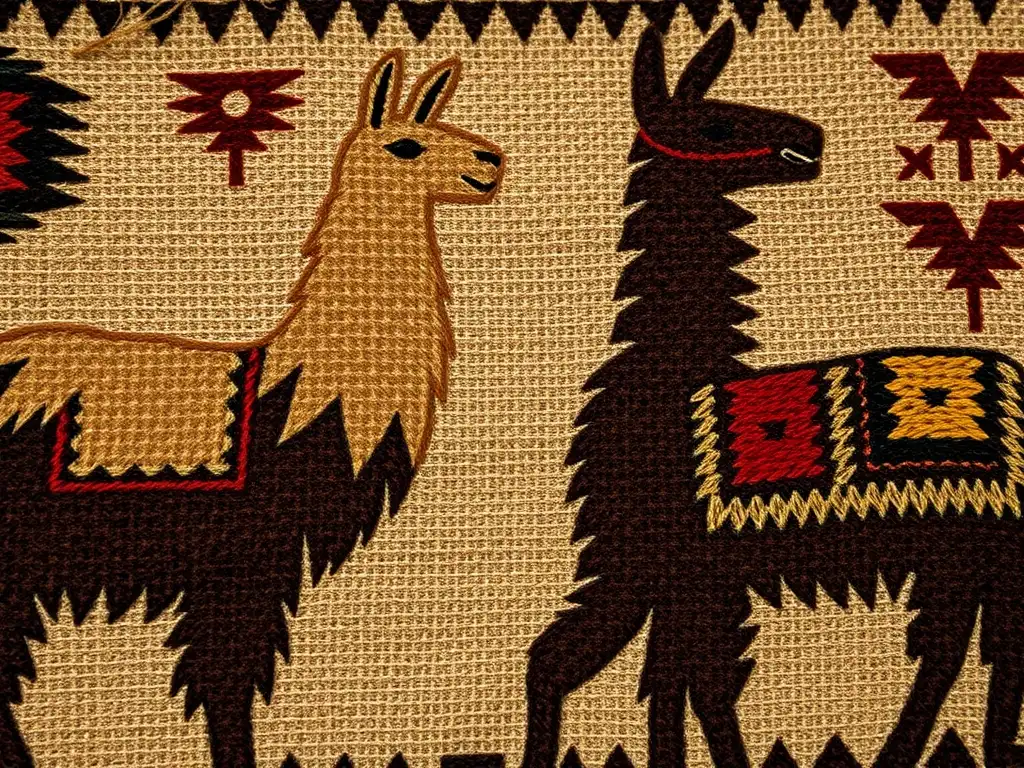
This section explores resources available to deepen your appreciation of Andean llama textile symbolism and the broader tapestry of Andean textile art. From scholarly books to hands-on learning experiences, these products offer diverse avenues for enriching your understanding of this fascinating cultural heritage. We'll examine several avenues for expanding your knowledge, focusing on the powerful symbolism woven into these intricate textiles, particularly the recurring motif of the llama.
Books and Guides on Andean Textile Art and Symbolism
Numerous publications delve into the intricate world of Andean textile art and its symbolism, offering invaluable insights into the cultural significance of the llama and other motifs. These resources range from academic texts meticulously analyzing textile techniques and iconography to visually stunning coffee-table books showcasing the beauty and artistry of Andean weaving.
Several key areas are explored within these publications:
- Detailed Iconography: Many books provide detailed analyses of individual motifs, explaining their historical context and symbolic meaning within the Andean worldview. The llama, for instance, is often depicted in various postures and contexts, each conveying specific meanings related to fertility, social status, and spiritual beliefs. These analyses often incorporate data from archaeological findings and ethnographic studies, providing a robust understanding of the cultural significance of the imagery.
- Weaving Techniques and Materials: Beyond the symbolism, these books also often explore the technical aspects of Andean weaving. Understanding the techniques used—from the preparation of the fibers (often alpaca or llama wool) to the intricate weaving patterns—is crucial to appreciating the artistry and skill involved. The books often include detailed illustrations and descriptions of different weaving styles prevalent across various Andean cultures.
- Regional Variations: Andean textile art is not monolithic; significant regional variations exist in both style and symbolism. High-quality books often highlight these differences, showcasing the unique characteristics of textiles from different regions, such as the Nazca, Moche, or Inca cultures. The representation of the llama, for example, might vary subtly or significantly depending on the region and the specific cultural group.
Museum-Quality Replicas of Ancient Andean Textiles
To truly appreciate the complexity and artistry of Andean textiles, examining high-quality replicas can be invaluable. These replicas, often produced by skilled artisans using traditional techniques and materials, allow for close observation of the intricate details and the subtle nuances of color and texture that are often lost in photographs or reproductions.
The benefits of studying these replicas include:
- Tactile Experience: Unlike images, replicas allow for a tactile experience, enabling one to feel the texture of the fibers and appreciate the three-dimensionality of the weaving. This sensory engagement can significantly enhance understanding of the artistry and skill involved in creating these textiles.
- Close Examination of Motifs: Replicas permit a close-up examination of the motifs, allowing for a deeper appreciation of the details and the symbolic meanings embedded within them. The llama, for example, might be depicted with specific adornments or in particular poses, each conveying a nuanced symbolic message.
- Enhanced Learning: By handling and examining these replicas, one can gain a more profound understanding of the cultural context and the significance of the textiles, leading to a more informed appreciation of Andean textile art and its symbolism. This hands-on approach can be particularly beneficial for educational purposes.
Educational Courses on Andean Weaving and Symbolism
For a more immersive experience, educational courses focusing on Andean weaving and symbolism offer a valuable opportunity to gain practical skills and deepen theoretical knowledge. These courses often incorporate hands-on weaving workshops, allowing participants to engage directly with the techniques and materials used in traditional Andean textile production.
These courses typically cover:
- Traditional Andean Weaving Techniques: Participants learn various weaving techniques, gaining first-hand experience in creating textiles. This practical knowledge enhances understanding of the skill and precision required to produce these intricate pieces.
- Symbolism and Iconography: The courses often incorporate detailed instruction on the symbolism and iconography of Andean textiles, providing a deeper understanding of the cultural context and the meanings embedded within the motifs. The llama's symbolism, its different representations, and its significance within the Andean worldview are often central themes.
- Cultural Context: Beyond the technical aspects of weaving, these courses often delve into the cultural and historical context of Andean textiles, providing a broader understanding of the social, religious, and economic roles these textiles played in Andean societies. This contextualization is key to interpreting the symbolism accurately.
The study of Andean llama textile symbolism offers a rich and rewarding journey into the heart of Andean culture. By utilizing the resources outlined above, individuals can significantly enhance their understanding and appreciation of this remarkable artistic and cultural heritage. 🦙
Preserving and Appreciating the Legacy of Andean Llama Textile Art
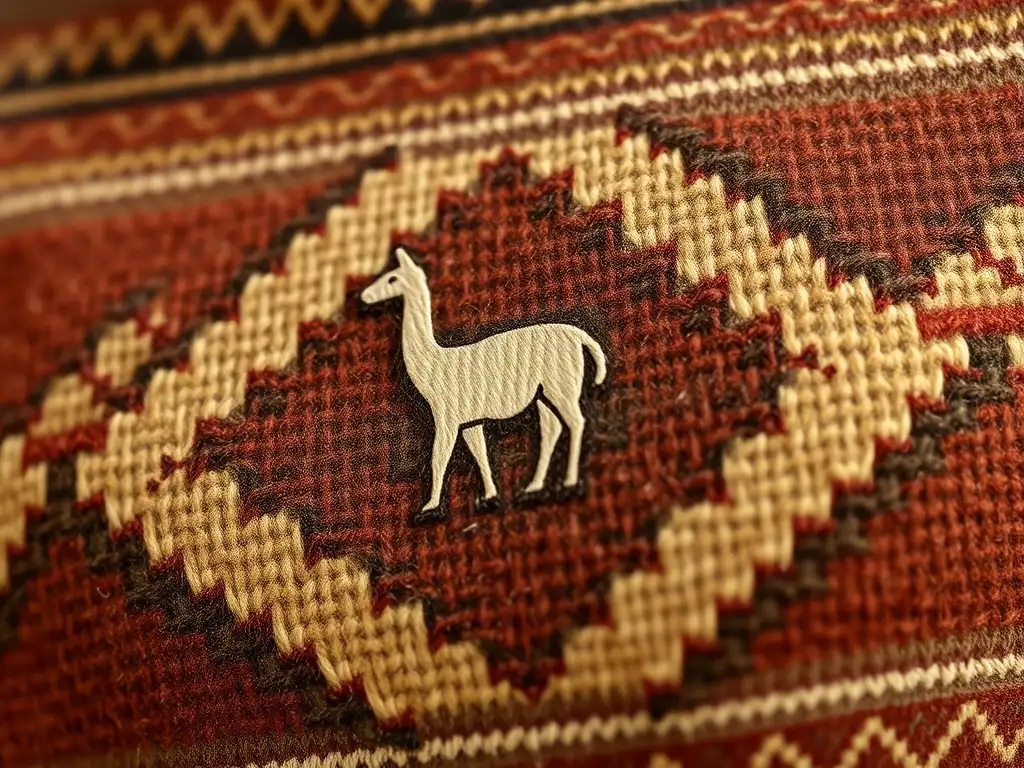
The vibrant tapestry of Andean culture is intricately woven with the symbolism of the llama, an animal deeply embedded in the region's history, mythology, and daily life. Understanding the significance of the llama in Andean textiles requires more than just admiring the artistry; it necessitates acknowledging the cultural heritage it represents and actively participating in its preservation.
The Andean llama textile symbolism isn't merely decorative; it's a living testament to generations of knowledge, skill, and spiritual connection. This section explores the importance of supporting the artisans who continue this tradition and offers guidance on how to appreciate and acquire these remarkable textiles responsibly.
The Importance of Supporting Indigenous Andean Weavers
The creation of Andean textiles, particularly those featuring llama motifs, is a labor-intensive process demanding immense skill and knowledge passed down through generations. These aren't mass-produced items; each piece is a unique expression of cultural identity and artistic mastery. Supporting indigenous Andean weavers is paramount for several reasons:
- Economic Empowerment: Fair wages ensure the weavers can sustain their livelihoods and continue their craft, preventing the loss of invaluable traditional knowledge. Many communities rely heavily on textile production for their economic survival. The decline in demand for handcrafted textiles directly impacts their well-being.
- Cultural Preservation: By purchasing authentic Andean textiles, we actively contribute to the preservation of a rich cultural heritage. The intricate designs, vibrant colors, and symbolic representations are vital components of Andean identity. Without support, these traditions risk fading into obscurity.
- Environmental Sustainability: Many Andean weaving communities utilize sustainable practices, employing natural dyes and locally sourced materials. Supporting these artisans promotes environmentally responsible production methods. This contrasts sharply with mass-produced textiles that often rely on unsustainable practices.
The economic and cultural impact of supporting these weavers extends far beyond the individual purchase. It fosters community resilience, preserves invaluable traditions, and ensures that the vibrant symbolism of the Andean llama continues to thrive for generations to come. Consider the direct and indirect benefits of purchasing ethically sourced textiles – it’s an investment in a vibrant culture and a sustainable future. The intricate designs, often imbued with deep spiritual meaning, are a direct reflection of the weaver’s skill and connection to their heritage.
Link to a Non-Profit Supporting Andean Weaving Communities [specific information pending]
This section would ideally include a link to a reputable non-profit organization dedicated to supporting Andean weaving communities. This organization should be thoroughly vetted to ensure its commitment to ethical practices, fair wages, and the preservation of traditional weaving techniques. The information provided would include the organization's mission statement, their methods of supporting weavers, and any opportunities for individuals to contribute directly to their efforts. This crucial information is pending further research to identify a suitable and reliable organization. The goal is to provide readers with a concrete avenue to support the artisans directly.
Tips on How to Authentically Appreciate and Acquire Andean Textiles
Authentically appreciating and acquiring Andean textiles requires careful consideration and responsible practices. Here are some key tips to ensure you're supporting ethical practices and acquiring genuine pieces:
- Research and Learn: Familiarize yourself with the different Andean cultures and their distinct weaving styles. Understanding the symbolism and techniques used will enhance your appreciation and help you identify authentic pieces.
- Support Ethical Retailers: Seek out retailers committed to fair trade practices and transparent sourcing. Inquire about the origin of the textiles and the conditions under which they were produced.
- Examine the Details: Pay close attention to the quality of the weaving, the type of fibers used, and the presence of any unique details that indicate authenticity. Hand-woven textiles often exhibit subtle variations and imperfections, a testament to their handcrafted nature.
- Consider the Context: Appreciate the cultural significance of the textile and its connection to the Andean worldview. Understanding the story behind the piece enhances its value and meaning.
- Avoid Imitations: Be wary of mass-produced imitations that lack the quality, craftsmanship, and cultural significance of authentic Andean textiles. Look for subtle details that distinguish genuine articles from counterfeits.
By following these guidelines, you can ensure that your acquisition of Andean textiles contributes to the preservation of a rich cultural heritage while supporting the artisans who create these extraordinary works of art. Remember, each piece tells a story, a legacy woven into the very fabric of its existence. Appreciating this legacy is a responsibility we share in preserving the vibrant tapestry of Andean culture.
Conclusion: The Enduring Power of the Llama in Andean Textile Tradition
The llama's enduring presence in Andean textile art speaks volumes about its deep-rooted significance within the culture. More than just a source of wool and sustenance, the llama embodies a complex web of symbolic meanings, reflecting spiritual beliefs, social structures, and the intimate relationship between Andean communities and their environment. From the vibrant colors representing specific deities or events to the intricate weaving techniques mirroring societal hierarchies, the llama motif transcends mere decoration; it's a powerful narrative thread woven into the very fabric of Andean history.
The meticulous preservation of these textiles, often passed down through generations, underscores the importance of understanding and appreciating this rich artistic heritage. Each piece holds a story, a connection to the past, and a testament to the enduring ingenuity and spiritual depth of Andean civilizations. The careful study of these textiles allows us to glean valuable insights into the beliefs, practices, and daily lives of the Andean peoples, providing a tangible link to their vibrant and complex past.
The continuation of llama textile traditions today further highlights the enduring power of this symbolism, ensuring that the legacy of the Andes' artistic and spiritual heritage thrives for generations to come. The llama, therefore, remains not just an animal, but a potent symbol, a cultural icon, deeply interwoven with the identity of the Andean people and their artistic expressions.
Its continued presence in contemporary Andean art serves as a powerful reminder of the enduring strength and resilience of their cultural heritage. The study of Andean llama textile symbolism provides a unique window into understanding the complex tapestry of Andean culture and its enduring legacy.
Frequently Asked Questions
What is the significance of llamas in Andean culture?
Llamas held immense spiritual and practical importance in Andean societies. They were not only a crucial source of food, wool, and transportation, but also deeply intertwined with religious beliefs and symbolism. Their presence in textiles reflects this multifaceted role.
How are llamas depicted in Andean textiles?
Llamas are depicted in a variety of ways in Andean textiles, ranging from realistic portrayals to stylized and symbolic representations. The specific depiction often carries additional meaning depending on the context and accompanying motifs.
What does the color of a llama in Andean textile art signify?
The color of a llama in Andean textiles is highly significant, often conveying specific messages or meanings. For example, certain colors might be associated with specific deities, social status, or even agricultural cycles.
What other symbols are often found alongside llama depictions in Andean textiles?
Llama depictions are frequently accompanied by other symbolic motifs, such as geometric patterns, plants, or other animals. These combinations enhance the overall narrative and meaning expressed in the textile. Understanding these accompanying symbols is key to deciphering the complete message.
Where can I learn more about Andean llama textile symbolism?
You can explore further by researching Andean textile museums, academic articles, and books on Andean art and archaeology. Many online resources also provide valuable information on this fascinating topic.
Final Reflection: Weaving the Past into the Present: The Enduring Legacy of the Andean Llama
The vibrant symbolism woven into Andean textiles, particularly the recurring motif of the llama, remains a powerful testament to the enduring connection between humans and nature. These intricate designs are not merely decorative; they are living narratives, carrying the weight of ancient traditions, beliefs, and social structures that continue to resonate today. The llama, far from being a simple animal, acts as a potent symbol of Andean identity, resilience, and the intricate relationship between humanity and the high-altitude environment.
The enduring influence of the llama motif in Andean textiles is a profound reminder of the power of cultural heritage to transcend time. These textiles are not just artifacts of the past; they are active participants in shaping present-day Andean identity and artistic expression. The intricate designs, passed down through generations, continue to inspire contemporary artists and designers, demonstrating the living legacy of these ancient traditions. The threads of our ancestors' stories are woven into the very fabric of our being.
This sentiment, though not directly from an Andean source, perfectly captures the enduring power of these symbolic representations.
Consider the intricate details, the vibrant colors, the sheer artistry involved in creating these textiles. Now, consider the stories they tell, the beliefs they embody, the history they preserve. You, the reader, are invited to engage with this legacy.
Look beyond the surface beauty and delve into the rich tapestry of meaning embedded within each thread. Seek out opportunities to learn more about Andean culture and the enduring power of its artistic traditions. Let the llama, in its symbolic form, inspire you to connect with the rich heritage of a culture that continues to thrive, weaving its past into the vibrant fabric of its future.
Unveil the World of Andean Textiles
Thank you for exploring the fascinating symbolism of llamas in Andean textiles! Your interest in these rich cultural artifacts shows a growing appreciation for the artistry woven into each piece. Let's delve even deeper!
- Explore firsthand: Visit a local museum or gallery showcasing Andean textiles to experience the stunning artistry up close. Witness the intricate detail and vibrant colors of these remarkable works.
- Share your discovery: Discuss the significance of llamas and other animal motifs with friends, family, or online communities. Sharing your knowledge helps others appreciate this rich cultural heritage.
- Express your creativity: Create a textile piece inspired by Andean designs. Don't worry about perfection; let your imagination guide you as you explore these ancient patterns and techniques.
How might the symbolism of the llama reflect broader themes within Andean culture? Consider its role in Andean society, both past and present, and how this might be represented in the textiles.