
Connecting with the Past: The Emotional Power of Owning Andean Artifacts

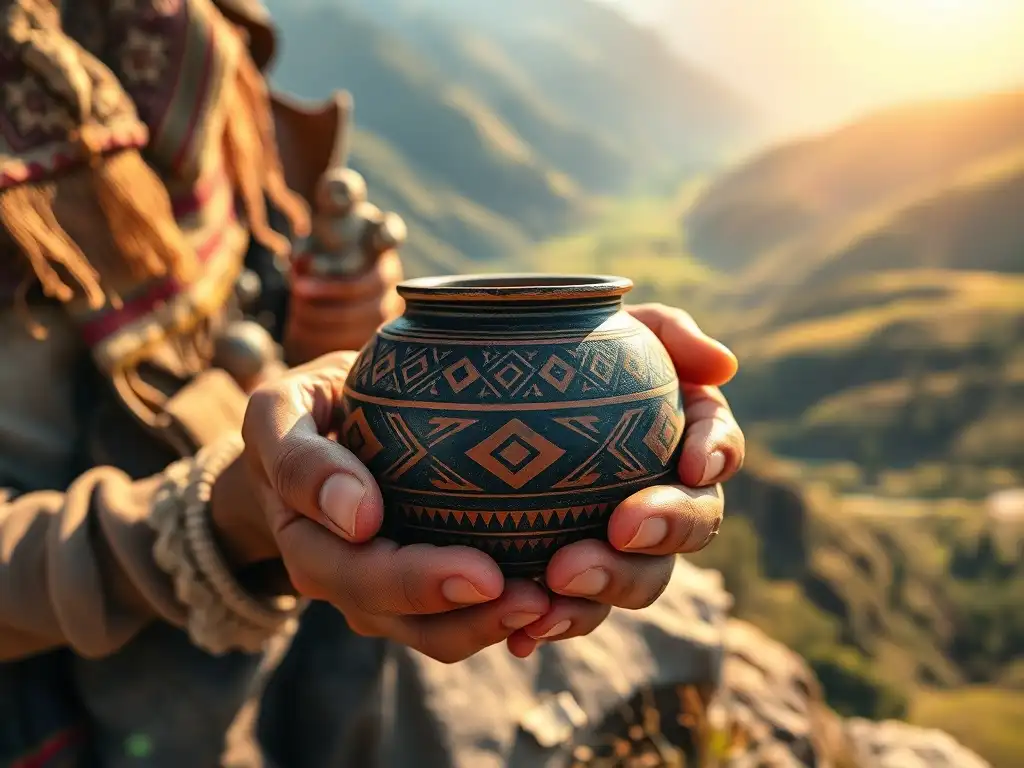
Step into a world lost to time, yet echoing with vibrant life. Imagine holding a piece of history, a tangible link to the ingenious Andean civilizations. This journey into the heart of Inca, Moche, Nazca, and Tiahuanaco cultures unveils more than just artifacts; it explores the profound Andean artifact ownership emotions that bind us to these ancient societies. Are you ready to uncover the secrets these treasures hold? Let's begin.
- Connecting with the Past: The Emotional Power of Owning Pre-Columbian Artifacts
- The Emotional Spectrum: Experiences of Pre-Columbian Artifact Collectors
- Navigating Authenticity: Ensuring Genuine Pre-Columbian Artifact Ownership
- Beyond Possession: The Deeper Meaning of Pre-Columbian Artifact Ownership
- Supporting Cultural Preservation
-
Frequently Asked Questions
- What emotions are commonly associated with owning Andean artifacts?
- Are there ethical considerations involved in owning Andean artifacts?
- How can I learn more about the history of my Andean artifact?
- What is the best way to care for and preserve an Andean artifact?
- Can owning an Andean artifact deepen my understanding of Andean civilizations?
- Final Reflection: The Enduring Legacy of Andean Artifacts
- Embrace Your Heritage: Celebrate Andean Art Today!
Connecting with the Past: The Emotional Power of Owning Pre-Columbian Artifacts
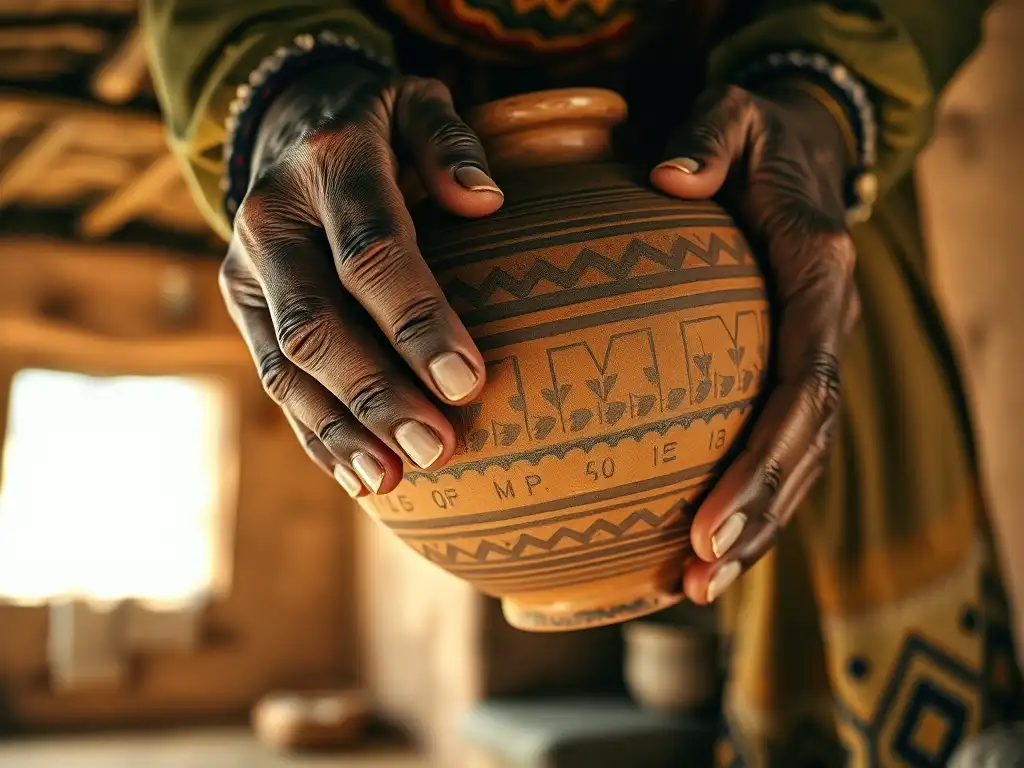
The allure of owning an Andean artifact extends far beyond simple collecting; it's a deeply personal journey connecting with a rich and complex history. This article delves into the profound emotional responses elicited by possessing pieces from ancient Andean civilizations – the Incas, Moche, Nazca, and Tiahuanaco, among others – exploring the psychological impact and the sentimental value these objects hold for their owners. We’ll uncover why the phrase "Andean artifact ownership emotions" resonates so strongly with collectors, examining the multifaceted ways these tangible links to the past shape our understanding of ourselves and the world around us.
From the thrill of the hunt to the quiet contemplation inspired by a centuries-old pot, the emotional journey of owning Andean artifacts is a powerful and rewarding experience. We will explore the various psychological and emotional aspects involved, offering insights into the unique bond forged between collector and artifact.
Understanding the Allure: Why Andean Artifact Ownership Evokes Powerful Emotions
The emotional connection forged with an Andean artifact is multifaceted. It's not merely about owning a beautiful or historically significant object; it's about possessing a tangible piece of history, a direct link to a vibrant civilization that thrived centuries ago. This connection taps into several psychological factors:
- Nostalgia and a sense of belonging: Many collectors feel a deep connection to their heritage, and owning an Andean artifact can foster a sense of belonging to a broader cultural narrative. The craftsmanship, the designs, and even the materials used resonate with a sense of shared history.
- A sense of accomplishment and achievement: The acquisition of a rare or particularly significant artifact can be a source of immense pride and satisfaction. The research, the hunt, and the eventual acquisition all contribute to a powerful sense of accomplishment.
- Intellectual stimulation and curiosity: Andean artifacts often present complex mysteries and unanswered questions, sparking intellectual curiosity and a desire to learn more about the cultures that created them. This ongoing learning process can be deeply rewarding.
- Aesthetic appreciation: The artistry and craftsmanship of Andean artifacts are undeniably captivating. The intricate designs, the skillful use of materials, and the sheer beauty of many pieces are a source of constant aesthetic enjoyment.
The Psychological Impact of Holding History: Exploring the "Andean Artifact Ownership Emotions"
The term "Andean artifact ownership emotions" encapsulates a wide range of feelings, from awe and wonder to responsibility and reverence. Consider the following:
| Emotion | Description | Example |
|---|---|---|
| Awe and Wonder | The sheer age and artistry of the artifact can evoke a profound sense of awe and wonder. | Gazing at the intricate detail of a Nazca ceramic vessel. |
| Responsibility | Owners often feel a sense of responsibility to preserve and protect these fragile pieces of history. | Carefully storing and displaying an artifact to protect it from damage. |
| Reverence | A deep respect for the culture and the people who created the artifact. | Handling an artifact with care and respect. |
| Connection to the Past | A feeling of being connected to a different time and place, a tangible link to the past. | Imagining the hands that shaped the clay of a Moche pot centuries ago. |
| Intellectual Stimulation | The desire to learn more about the artifact's history, its creation, and its cultural significance. | Researching the history and symbolism of an Inca textile. |
The emotional impact is deeply personal and varies from individual to individual, but the overall sense of connection to the past is a common thread.
More Than Just Objects: The Sentimental Value of Ancient Andean Pieces
Andean artifacts transcend their material value; they become imbued with sentimental significance over time. They serve as conversation starters, family heirlooms, and powerful reminders of the enduring human spirit. The stories associated with their acquisition, their display in the home, and their careful preservation add layers of personal meaning.
The emotional bond deepens with each passing year, transforming these objects from mere collectibles into cherished possessions reflecting personal history and cultural appreciation. The emotional connection is often passed down through generations, ensuring that the rich cultural legacy of the Andean civilizations continues to inspire and resonate. This sentimental value is a vital aspect of what makes owning an Andean artifact such a uniquely rewarding experience.
The Emotional Spectrum: Experiences of Pre-Columbian Artifact Collectors
The acquisition of an Andean artifact is rarely a purely transactional event. For many collectors, it's a deeply emotional journey, a complex tapestry woven from excitement, reverence, and a profound sense of responsibility. Understanding the emotional landscape of Andean artifact ownership is key to appreciating the motivations and ethical considerations behind this collecting practice. The "Andean artifact ownership emotions" experienced are multifaceted and intensely personal, varying widely depending on the individual, the artifact itself, and the circumstances of its acquisition. This section delves into the key emotional responses frequently reported by collectors.
The Thrill of Discovery: Unearthing the Past Through Authentic Pre-Columbian Artifacts
The thrill of acquiring an authentic Andean artifact is often compared to unearthing a piece of history. The process of research, authentication, and finally, holding a tangible piece of a lost civilization in one's hands, evokes a potent sense of adventure and discovery. Imagine the excitement of tracing the history of a meticulously crafted Nazca ceramic vessel, envisioning the hands that shaped it centuries ago.
This visceral connection to the past is a powerful driver for many collectors, fueling their passion and commitment to the field. The meticulous process of verification—examining provenance, consulting experts, and carefully analyzing stylistic elements—adds another layer to this thrill. The successful authentication of a piece is a victory, a testament to the collector's dedication and expertise, further intensifying the emotional bond.
The feeling is not simply one of possession, but of unveiling a hidden narrative, a story whispered across millennia. This emotional payoff is a significant factor in the enduring appeal of Andean artifact collecting.
A Sense of Connection: Feeling Linked to Ancient Civilizations
Owning an Andean artifact can foster a profound sense of connection to ancient Andean civilizations. The object becomes more than just a decorative item; it's a conduit to a rich cultural heritage, a tangible link to the past. Holding a pre-Columbian textile, for instance, allows the collector to imagine the intricate weaving techniques employed, the social context of its creation, and the lives of the artisans who produced it.
This connection transcends mere intellectual understanding; it's an emotional engagement, a feeling of shared history and cultural inheritance. Collectors often describe a sense of awe and reverence, a deep respect for the artistry and ingenuity of these ancient cultures.
This feeling is amplified by the understanding of the historical context surrounding the artifact, its societal function, and its place within a larger narrative of human creativity and resilience. The emotional resonance is particularly strong when the artifact carries symbolic meaning, revealing insights into the beliefs, rituals, and social structures of the Andean world.
The Responsibility of Guardianship: Preserving Cultural Heritage Through Careful Collecting
Beyond the thrill of discovery and the sense of connection, Andean artifact ownership brings a significant responsibility: the preservation of cultural heritage. Collectors understand that these artifacts are not mere commodities; they are irreplaceable pieces of history, carrying cultural and historical significance. This understanding often translates into a deep sense of duty, a commitment to the careful preservation and responsible stewardship of their collection.
This involves meticulous cataloging, proper storage conditions, and ongoing research to better understand the artifact's context and significance. Many collectors actively participate in the academic community, sharing their knowledge and contributing to a deeper understanding of Andean civilizations. The emotional weight of this responsibility—the knowledge that they are entrusted with the preservation of a precious piece of history—adds another layer of complexity to the experience of Andean artifact ownership.
This commitment to guardianship is a defining characteristic of ethical collecting, transforming the act of acquisition into an act of preservation and scholarly engagement. The emotional satisfaction derived from this responsible stewardship is a crucial aspect of the overall Andean artifact ownership experience.
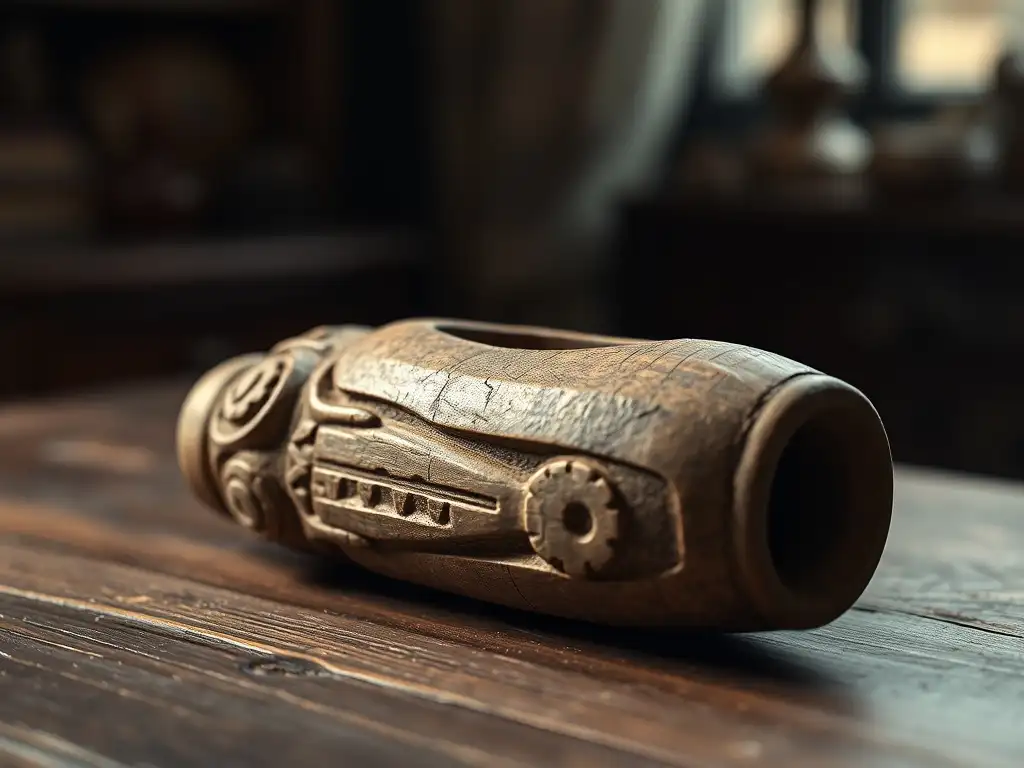
Owning an Andean artifact can be a deeply moving experience, connecting you to a rich and fascinating history. However, the emotional investment in such a piece necessitates a thorough understanding of authenticity. The market for pre-Columbian artifacts is unfortunately susceptible to forgery and misrepresentation, making careful vetting crucial.
Understanding the nuances of authentication will not only protect your investment but also ensure you're truly connecting with the past in a meaningful and ethical way. This section guides you through the essential steps to ensure your Andean artifact is genuine and its acquisition ethically sound. The emotional satisfaction derived from owning a genuine piece is unparalleled, but this satisfaction hinges on its verifiable authenticity.
The Importance of Provenance: How to Verify the History of Your Piece
Provenance, the documented history of an artifact's ownership and location, is paramount in establishing authenticity. A strong provenance chain demonstrates a clear and unbroken trail of ownership from its original discovery to your possession. This documentation can include museum records, auction catalogs, private collector inventories, and even archaeological excavation reports. The more detailed and comprehensive the provenance, the stronger the case for authenticity.
Look for specific details like dates, locations, previous owners, and any associated research or publications. A lack of clear provenance should raise serious red flags, suggesting the possibility of an illicitly obtained or forged item. For example, a meticulously documented Inca ceramic vessel with records tracing its ownership back to a reputable excavation in the 1920s is far more trustworthy than a similar-looking piece with an unclear or absent history.
Analyzing provenance requires a keen eye for detail and a healthy dose of skepticism. Don't hesitate to seek expert opinions if any aspect of the provenance seems dubious. The emotional connection to your Andean artifact will be significantly enhanced by the confidence that comes with knowing its legitimate history.
Reputable Dealers and Auction Houses: Where to Acquire Authentic Art
Acquiring Andean artifacts from reputable sources is crucial for ensuring authenticity and ethical sourcing. Reputable dealers and auction houses have established procedures for verifying provenance and authenticity. They often employ experts to authenticate pieces before offering them for sale, providing buyers with a higher degree of confidence. These institutions typically provide detailed documentation, including provenance records and expert reports.
Furthermore, reputable dealers often specialize in specific periods or cultures, allowing them to offer deeper expertise and insight. Choosing a dealer or auction house with a strong reputation and a proven track record of ethical practices is an essential step in responsible Andean artifact ownership. The emotional reward of owning a piece sourced ethically far outweighs the potential risks of purchasing from less scrupulous vendors. The peace of mind knowing your acquisition contributes to the preservation of cultural heritage is invaluable.
Recognizing the Nuances: Identifying Genuine Artifacts from Reproductions
Distinguishing genuine Andean artifacts from high-quality reproductions can be challenging, even for experienced collectors. Reproductions often mimic the style and techniques of authentic pieces, making careful examination essential. Several key factors can help in this process:
- Material Analysis: Genuine Andean artifacts are typically made from materials specific to the time and region. Analyzing the materials used, such as the type of clay, stone, or metal, can provide valuable clues. Modern reproductions often use materials that differ significantly from those used in ancient times.
- Manufacturing Techniques: Observe the manufacturing techniques employed. Ancient Andean artisans used sophisticated techniques, often leaving unique marks or imperfections that are difficult to replicate. Reproductions frequently exhibit a uniformity and precision rarely found in authentic pieces.
- Patina and Wear: Genuine artifacts often display a natural patina, a surface discoloration resulting from age and exposure to the elements. This patina is difficult, if not impossible, to perfectly replicate. Similarly, signs of wear and tear, such as scratches, chips, or repairs, can indicate age and authenticity. However, excessive damage should raise concerns about the artifact's condition.
- Stylistic Analysis: Examine the stylistic elements of the artifact, comparing it to known examples from the relevant period and culture. Inconsistencies in style or decoration can indicate a reproduction. This often requires specialized knowledge and access to comparative collections.
Careful consideration of these factors, combined with expert consultation, allows for a more informed assessment of authenticity. The emotional connection you form with your Andean artifact is strengthened by the certainty of its genuine origins, ensuring a truly enriching and meaningful experience.
Beyond Possession: The Deeper Meaning of Pre-Columbian Artifact Ownership
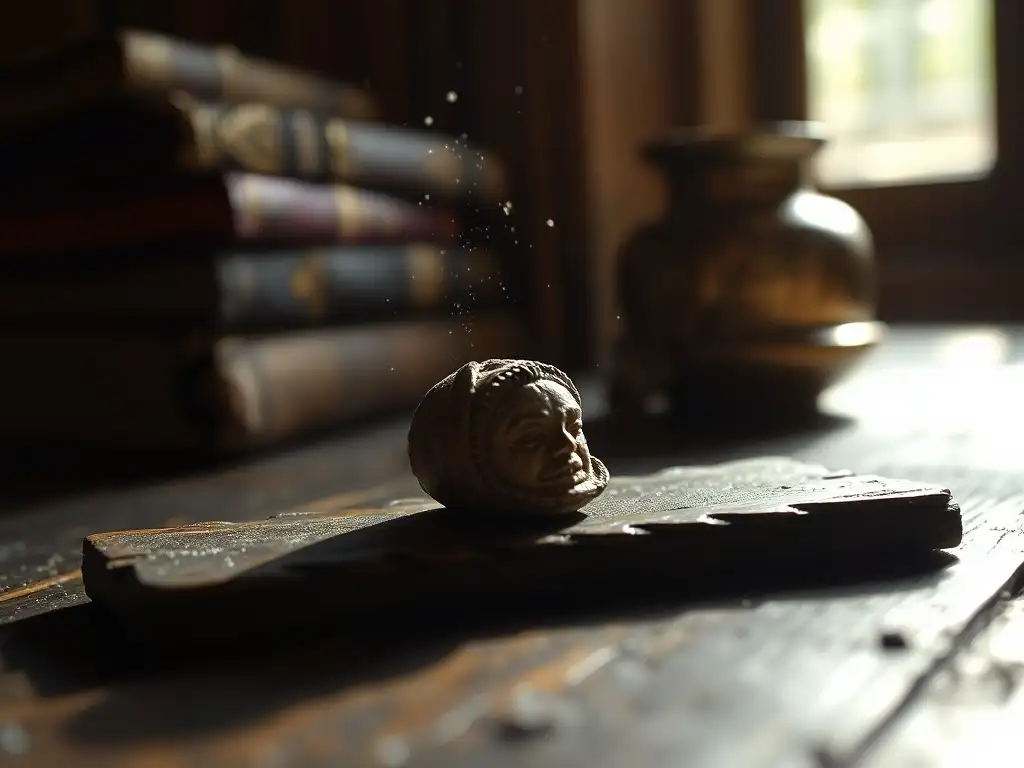
Owning an Andean artifact is far more than simply possessing a tangible object; it's about forging a connection with a rich and complex past. It's about becoming a custodian of history, a link in a chain stretching back millennia. The emotional resonance of these objects transcends their material value, tapping into a profound sense of connection to the skilled artisans who created them and the vibrant cultures they represent.
This connection fosters a deeper understanding and appreciation for Andean civilizations, their ingenuity, and their enduring legacy. The emotional journey of Andean artifact ownership often involves a powerful interplay of awe, responsibility, and a sense of privileged access to a captivating history.
This unique experience is often described as a deeply personal and moving connection, far removed from the purely transactional aspect of buying and selling. The emotional weight of this connection is a significant factor driving the interest in Andean artifact ownership.
The Power of Storytelling: Sharing the History of Your Artifacts
Each Andean artifact whispers a story. These aren't just inert objects; they are remnants of daily life, religious practices, and artistic expression. A meticulously crafted Nazca ceramic vessel might have held sacred offerings, a Tiahuanaco textile fragment could have adorned a noble's garment, or an Inca quipu might have recorded vital information.
Understanding these stories enriches the emotional connection to the artifact. Sharing these narratives with others—family, friends, or even the wider community—amplifies their significance and allows the artifact's history to resonate beyond the owner. This act of sharing transforms the artifact into a powerful teaching tool, fostering a greater appreciation for Andean history and culture among a wider audience.
Imagine the stories you could share about a meticulously carved Moche figurine, detailing the intricate artistry and the insights it provides into the Moche worldview. The emotional impact of sharing these narratives is immense, creating a sense of community and shared heritage. The act of storytelling itself becomes part of the artifact's legacy, weaving it more deeply into the fabric of human experience.
Appreciation and Education: Learning from the Art and Craftsmanship
The remarkable artistry and craftsmanship evident in Andean artifacts are a testament to the ingenuity and skill of their creators. The intricate weaving techniques of Inca textiles, the precise metalworking of the Moche, and the sophisticated ceramic artistry of the Nazca all demonstrate a level of technical expertise that continues to inspire awe and admiration. Owning an Andean artifact provides a unique opportunity for personal education and growth.
By studying the artifact's design, materials, and construction techniques, one gains a deeper appreciation for the cultural context in which it was created. This process of learning often leads to a deeper understanding of Andean values, beliefs, and artistic traditions. For example, analyzing the symbolic imagery on a pre-Columbian textile reveals not only artistic skill but also insights into religious beliefs and social structures.
This immersive educational experience is a key component of the emotional reward of Andean artifact ownership. The deeper you delve into the craftsmanship, the more profound the connection becomes.
Building a Legacy: Passing Down Artifacts to Future Generations
Owning an Andean artifact isn't just about personal enrichment; it's about preserving a piece of history for future generations. By carefully preserving and protecting these artifacts, owners contribute to the ongoing understanding and appreciation of Andean civilizations. Passing down these artifacts as family heirlooms creates a tangible link between past, present, and future. This act of transmission imbues the artifact with even greater emotional significance, transforming it into a symbol of family history and cultural continuity.
The emotional weight of this legacy is profound, connecting families across generations through a shared appreciation for history and cultural heritage. Consider the pride and sense of responsibility that comes with knowing you are entrusted with the guardianship of a piece of history, a responsibility that extends to future generations. This long-term perspective adds another layer of depth to the emotional connection with the artifact. It's about more than ownership; it's about stewardship.
Supporting Cultural Preservation
Owning an Andean artifact can be a deeply moving experience, connecting you to a rich and complex history. However, this emotional connection should be tempered by a strong sense of ethical responsibility. Understanding the provenance of your artifact and supporting initiatives that preserve Andean cultural heritage are crucial aspects of responsible ownership. The emotional resonance you feel should not come at the expense of the cultural legacy itself.
This section explores how responsible collecting can be a powerful force for good, fostering a deeper appreciation for Andean culture while contributing to its long-term survival. The emotional journey of owning an Andean artifact should be intertwined with a commitment to its preservation, creating a harmonious blend of personal enrichment and cultural stewardship. This is the essence of responsible Andean artifact ownership emotions.
Ethical Sourcing: Purchasing Art from Responsible Vendors
The ethical acquisition of Andean artifacts is paramount. Avoid purchasing from sources that lack transparency regarding the artifact's origin. Reputable vendors will provide detailed provenance information, tracing the artifact's history back as far as possible. This documentation helps ensure the artifact wasn't looted or illegally exported. Look for vendors who actively support sustainable practices and community engagement in Andean regions.
They should be able to demonstrate their commitment to fair trade principles and responsible sourcing. For example, a reputable vendor might partner with local artisans, ensuring fair wages and promoting the continuation of traditional craft techniques. This ensures that the emotional satisfaction derived from owning an Andean artifact is not overshadowed by ethical concerns. The emotional connection you forge with the piece should be complemented by the knowledge that its acquisition has had a positive impact on the Andean community.
Buying from reputable sources is crucial. Consider the following checklist when assessing a vendor:
| Criterion | Description | Importance |
|---|---|---|
| Provenance Documentation | Detailed history of the artifact's ownership and origin, ideally with photographic evidence. | High - Essential for ensuring legal and ethical acquisition. |
| Transparency and Openness | Willingness to answer questions about the artifact's origin and sourcing. | High - Suggests a commitment to ethical practices. |
| Fair Trade Practices | Evidence of fair wages and ethical treatment of artisans or those involved in the artifact's acquisition. | Medium-High - Supports sustainable practices and community development. |
| Community Engagement | Involvement in community projects or initiatives that benefit Andean communities. | Medium - Demonstrates a broader commitment to cultural preservation. |
| Reputation and Reviews | Positive reviews and testimonials from previous customers. | Medium - Helps gauge the vendor's trustworthiness and ethical standards. |
Remember, the emotional reward of owning an Andean artifact should be enhanced, not diminished, by the knowledge of its ethical acquisition. Choosing a responsible vendor is the first step in ensuring a positive and meaningful experience.
Investing in Cultural Preservation: Supporting Museums and Research
Beyond ethical sourcing, actively supporting museums and research institutions dedicated to Andean culture significantly contributes to long-term preservation efforts. Many museums and research organizations work tirelessly to catalog, study, and protect Andean artifacts. Your financial contributions, whether through donations or memberships, directly support these crucial initiatives. This financial support is not just about preserving physical artifacts; it's also about preserving the cultural knowledge and narratives associated with them.
The emotional connection you feel towards Andean artifacts can be amplified by knowing you're directly contributing to their long-term care and the understanding of their cultural significance. This active participation in preservation enhances the emotional experience of ownership, transforming it from a purely personal connection into a shared commitment to cultural heritage. Your contribution directly supports the preservation of the very history that fuels your emotional connection to Andean artifacts.
Consider donating to organizations specifically focused on Andean archaeology and cultural heritage. Your support helps fund vital research projects, conservation efforts, and educational programs that foster a deeper appreciation for Andean culture. This creates a virtuous cycle: your emotional connection to these artifacts motivates your support, which in turn ensures the long-term preservation of the culture that created them. This reciprocal relationship deepens the emotional resonance of Andean artifact ownership.
Recommended Resource: The Metropolitan Museum of Art's Collection of Pre-Columbian Art
The Metropolitan Museum of Art boasts an extensive and renowned collection of Pre-Columbian art, including a significant number of Andean artifacts. Studying their collection provides invaluable insights into the artistry, craftsmanship, and cultural significance of these objects. Examining the museum's approach to artifact preservation and research offers a model for responsible collecting and appreciation.
The depth and breadth of their collection, coupled with their commitment to scholarly research and public education, make it an excellent resource for anyone interested in deepening their understanding and appreciation of Andean culture. The emotional impact of owning an Andean artifact can be greatly enhanced by understanding the broader context within which it was created and the ongoing efforts to preserve its legacy. The Met’s collection provides a rich tapestry of information that helps contextualize your personal connection to your artifact, deepening its meaning and significance.
Recommended Resource: Dumbarton Oaks Research Library and Collection
The Dumbarton Oaks Museum and Library in Washington, D.C., serves as an invaluable resource for anyone interested in deepening their understanding of Andean artifacts and their cultural significance. Their extensive collection boasts a remarkable array of pre-Columbian art, including significant pieces from Andean civilizations. This isn't just a collection for viewing; Dumbarton Oaks actively promotes research and scholarly engagement with its holdings.
Researchers can access their catalog, view high-resolution images of artifacts, and even request in-person study of specific pieces, furthering the understanding of Andean artifact ownership emotions and the ethical considerations surrounding them. The library itself houses a wealth of primary and secondary sources on Andean history, art, and archaeology, providing context crucial for responsible collecting and appreciation. Their commitment to making this information accessible contributes significantly to the responsible stewardship of Andean cultural heritage.
By supporting institutions like Dumbarton Oaks, collectors can contribute to the preservation of knowledge and the ongoing study of these fascinating civilizations, enriching the emotional connection with their own artifacts. This kind of engagement transcends mere ownership; it fosters a deeper appreciation for the historical and cultural context, transforming the experience of owning an Andean artifact into a journey of learning and respect. The resources available at Dumbarton Oaks allow for a richer, more informed, and ultimately, more emotionally resonant connection with the past.
Frequently Asked Questions
What emotions are commonly associated with owning Andean artifacts?
Owning Andean artifacts can evoke a wide range of emotions, from deep reverence and connection to the past to a sense of responsibility for preserving a piece of history. Some owners also experience pride and joy in their acquisition.
Are there ethical considerations involved in owning Andean artifacts?
Yes, absolutely. It's crucial to ensure the artifact's legitimate provenance and that its acquisition didn't contribute to looting or damage to cultural heritage sites. Researching the piece's history is vital.
How can I learn more about the history of my Andean artifact?
Start by carefully examining the artifact itself. Then, research similar pieces in museum collections and academic databases. Consulting with experts in Andean archaeology can provide valuable insights and authentication.
What is the best way to care for and preserve an Andean artifact?
Proper storage in a stable environment is key, minimizing exposure to light, humidity, and temperature fluctuations. Avoid handling the artifact excessively and seek professional conservation advice if needed.
Can owning an Andean artifact deepen my understanding of Andean civilizations?
Yes, owning an artifact can offer a tangible connection to Andean cultures. Studying its context, materials, and craftsmanship can provide a much richer understanding of the artistic, technological, and social aspects of these civilizations than simply reading about them.
Final Reflection: The Enduring Legacy of Andean Artifacts
The emotional connection forged with Andean artifacts transcends mere ownership; it's a tangible link to a rich history, a vibrant culture, and a profound human experience that continues to resonate deeply in our modern world. These objects, imbued with the stories of their creators and the passage of time, offer a powerful opportunity for introspection and a deeper understanding of our shared human heritage. Their enduring appeal speaks to a fundamental human need to connect with something larger than ourselves.
The impact of Andean artifacts on our cultural landscape is undeniable. They serve as powerful reminders of the ingenuity and artistry of ancient civilizations, challenging our perspectives and broadening our understanding of the past. These objects, often imbued with spiritual significance, continue to inspire artists, historians, and collectors alike. The past is never dead. It's not even past.
- William Faulkner. This quote perfectly encapsulates the enduring power of these artifacts to speak to us across the millennia, reminding us of the enduring human spirit and the interconnectedness of our experiences.
Consider the weight of history you hold in your hands when you encounter an Andean artifact. Think about the stories it whispers, the lives it touched, and the legacy it carries. I urge you to explore this connection further, to seek out opportunities to learn more about these remarkable objects and the cultures that created them.
Let the emotional power of these artifacts inspire you to appreciate the richness of human history and to foster a deeper connection with the world around you. The past is not just a collection of dates and events; it is a living tapestry woven from the threads of human experience, and Andean artifacts offer us a unique and powerful way to engage with that tapestry.
Embrace Your Heritage: Celebrate Andean Art Today!
Thank you for exploring the profound emotional connection offered by Andean artifacts. Understanding the rich history and culture behind each piece is not only enlightening but also a way to honor the vibrant legacy of Andean civilizations. Let's delve deeper!
- Discover a piece of history: Begin your collection by visiting a local gallery or reputable online marketplace specializing in Andean art. Find a piece that speaks to you and reveals its story.
- Engage with your community: Connect with others who share your appreciation for Andean art by joining online forums or social media groups dedicated to the subject. Share your perspectives and learn from others.
- Organize a cultural event: Host a gathering or workshop to explore Andean traditions, art, and history. This is a wonderful way to deepen your own understanding and share the beauty of these artifacts with friends and family.
What Andean artifact will you choose, and how will it enrich your life?