
A Tapestry of Time: Tracing the Evolution of Andean Textile Styles

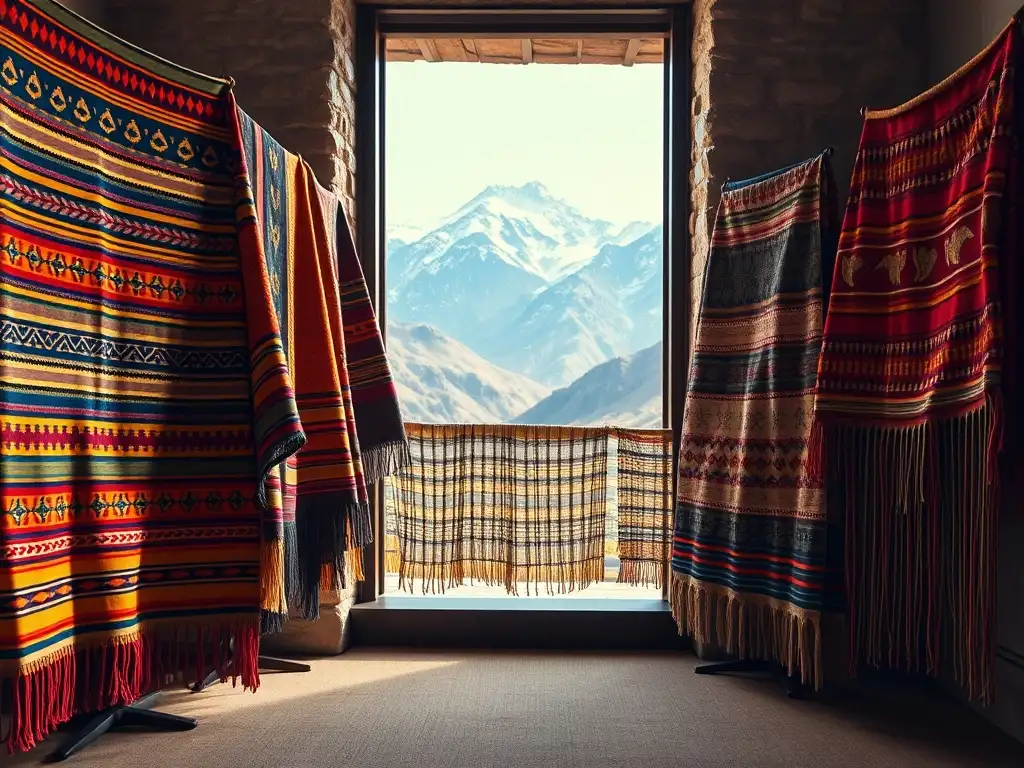
Unravel the mysteries of a lost world woven in threads of gold and vibrant color. Journey through millennia of Andean ingenuity as we explore the Andean textile evolution history, a captivating saga reflected in the breathtaking artistry of the Incas, Moche, Nazca, and Tiahuanaco. Prepare to be amazed by the intricate techniques and symbolic narratives embedded within these ancient fabrics – a legacy that continues to inspire awe today. Discover the secrets held within each meticulously crafted thread...
- Unveiling the Threads: An Introduction to Andean Textile Evolution History
- Early Andean Textile Traditions: Pre-Incan Innovations
- The Rise of Complex Designs: Andean Textile Development
- Inca Textile Mastery: A Synthesis of Tradition and Power
- Post-Conquest Transformations: The Impact on Andean Textile Traditions
- Appreciating and Learning about Andean Textiles: Resources and Guides
- Caring for Andean Textiles: Conservation and Preservation Tips
- A Journey Through Time: Reflecting on the Legacy of Andean Textiles
-
Frequently Asked Questions
- What is the main focus of this article, "A Tapestry of Time: Tracing the Evolution of Andean Textile Styles"?
- Which Andean cultures are discussed in relation to textile production?
- What specific aspects of Andean textile evolution are covered?
- How does the article connect textile production to the broader Andean civilization?
- Where can I find more information about specific Andean textile techniques?
- Final Reflection: Weaving the Threads of Andean Heritage
- Weave Your Own Story: Connect with Andean Textile Heritage!
Unveiling the Threads: An Introduction to Andean Textile Evolution History
The Andes Mountains, a spine of towering peaks running down the western coast of South America, are home to a rich tapestry of cultures that have captivated historians and anthropologists for centuries. This majestic landscape not only shaped the lives and beliefs of these ancient civilizations but also profoundly influenced their artistic expressions, most notably their textiles. This article delves into the fascinating evolution of Andean textile styles, tracing their intricate designs, innovative techniques, and the profound societal significance they held from the earliest known examples to the sophisticated artistry of the Inca Empire.
We will explore how Andean textile evolution history reflects the changing social structures, technological advancements, and spiritual beliefs of the various Andean cultures, offering a unique glimpse into the heart of their world. Understanding this evolution provides a deeper appreciation for the ingenuity and artistry of these ancient peoples and their enduring legacy.
We will be examining the "Andean textile evolution history" through the lens of several key cultures, highlighting the distinctive characteristics of each and exploring the connections and transformations across time. Prepare to be amazed by the vibrant colors, intricate patterns, and the enduring power of these ancient threads.
The Significance of Andean Textiles in Ancient Cultures
Andean textiles were far more than mere clothing; they were integral to the social, religious, and economic fabric of ancient Andean societies. Their creation was a complex process, requiring specialized skills and knowledge passed down through generations. The choice of fiber – alpaca, llama, vicuña, or cotton – and the intricate weaving techniques employed, conveyed social status, religious beliefs, and regional identity.
For example, the use of vicuña wool, a luxurious and rare fiber, indicated high social standing, often associated with elite members of society or religious figures. The vibrant colors, achieved through natural dyes derived from plants and minerals, also held symbolic meaning, often associated with specific deities or cosmological concepts. Furthermore, textiles served practical purposes beyond clothing, including the creation of intricate tapestries used in ceremonies, finely woven bags for storing sacred objects, and even durable ropes used in construction and agriculture.
The level of craftsmanship and the symbolic weight imbued in each textile piece underscores their fundamental importance in Andean culture, reflecting a deep connection between the people and their environment. The intricate weaving techniques, often involving multiple colors and complex patterns, were not merely decorative; they were a form of visual storytelling, preserving and transmitting cultural knowledge across generations.
Understanding the Chronological Journey of Andean Weaving
The history of Andean textiles is a long and complex narrative, marked by periods of innovation and change. Early examples, dating back to the pre-ceramic periods, reveal a surprising level of sophistication in fiber processing and weaving techniques. As cultures evolved, so too did their textile traditions.
The development of new technologies, such as the backstrap loom and the use of more sophisticated dyes, led to greater complexity and artistic expression. Each major Andean civilization – from the Nazca and Moche to the Tiahuanaco and Inca – left its unique mark on textile production, contributing to the rich diversity of styles and techniques that characterize Andean weaving. Tracing this chronological journey allows us to observe the gradual evolution of techniques, the adoption of new materials, and the changing aesthetic preferences reflecting shifts in social structures and beliefs.
Understanding this evolution requires careful study of archaeological finds, analysis of surviving textiles, and the interpretation of iconographic representations in other art forms. This intricate process allows us to build a comprehensive picture of Andean textile history and its enduring significance. The evolution wasn't a linear progression, but rather a complex interplay of cultural exchange, technological innovation, and artistic experimentation, resulting in a breathtaking array of textile styles that continue to inspire awe and admiration today.
Early Andean Textile Traditions: Pre-Incan Innovations
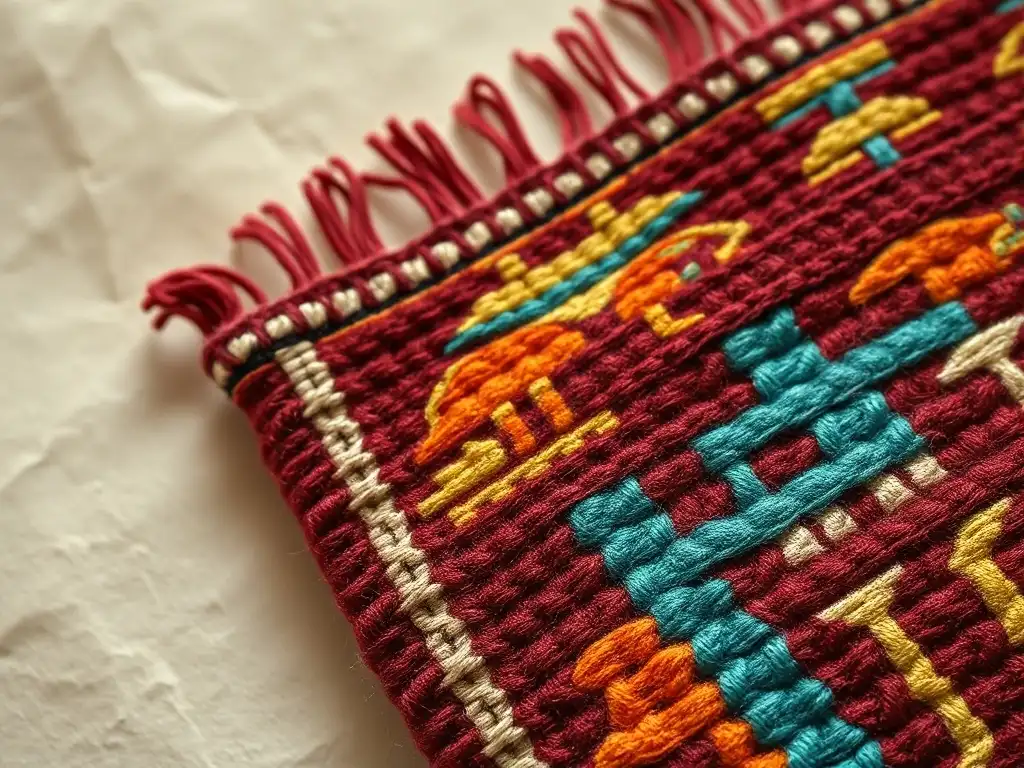
The vibrant tapestry of Andean textile history extends far beyond the Inca Empire, boasting a rich pre-Inca heritage characterized by ingenuity and artistic expression. Understanding the "Andean textile evolution history" requires delving into the sophisticated techniques and aesthetic sensibilities developed long before the Inca's rise to power. These early Andean cultures laid the foundation for the textile traditions that would later flourish under the Inca and continue to inspire artisans today.
Their mastery of fiber manipulation, dyeing processes, and weaving techniques showcases a deep connection to their environment and a remarkable level of technological advancement. The evolution of Andean textiles is a fascinating journey through time, reflecting both cultural exchange and independent innovation.
The Coastal Beginnings: Early Cotton Weaving (Paracas Culture Examples)
The Paracas culture (circa 800 BCE – 200 CE), inhabiting the southern coast of Peru, stands out as a pivotal moment in early Andean textile development. Their mastery of cotton weaving is truly remarkable. Paracas textiles are renowned for their intricate designs, vibrant colors, and the sheer scale of production. Unlike many contemporary cultures that utilized simpler techniques, Paracas artisans employed complex weaving methods, including tapestry weaving and gauze, to create incredibly detailed and three-dimensional effects.
Consider the iconic Paracas mantles: enormous, richly decorated textiles often featuring anthropomorphic figures, stylized animals, and complex geometric patterns. These weren't mere clothing items; they were powerful statements of social status, religious beliefs, and artistic skill. The use of natural dyes, derived from plants and minerals, resulted in a stunning array of colors, many of which retain their vibrancy even after centuries.
The intricate details, often involving hundreds of individual threads, point to a highly organized and specialized workforce, suggesting a significant level of social complexity within the Paracas society. Analysis of these textiles reveals a profound understanding of color theory and design principles, demonstrating a highly developed aesthetic sensibility that would influence later Andean textile traditions. The Paracas legacy in cotton weaving serves as a strong foundation for understanding the later development of Andean textiles.
Highland Adaptations: The Use of Alpaca and Llama Fibers
Moving from the coastal regions to the Andean highlands, we see a shift in fiber sources. The harsh, high-altitude environment of the Andes presented unique challenges and opportunities for textile production. The domestication of alpaca and llama provided access to incredibly soft, warm, and durable fibers. These animals became integral to the Andean economy and culture, providing not only textiles but also meat, wool, and transportation.
The use of alpaca and llama fibers necessitated adaptations in weaving techniques. Alpaca fiber, known for its fine texture, allowed for the creation of exceptionally delicate and intricate textiles. Llama fiber, being coarser, was often used for heavier garments and utilitarian items.
The skillful blending of these fibers, along with cotton where available, allowed Andean weavers to produce textiles suitable for a wide range of purposes and climates. This adaptability is a key element in the "Andean textile evolution history", demonstrating a pragmatic approach to material selection and an impressive understanding of the properties of different fibers. The development of specialized techniques for spinning and weaving these unique fibers further underscores the ingenuity and innovation of Andean textile artisans.
Exploring Techniques: Looms and Dyeing Methods of Early Andean Cultures
The creation of these remarkable textiles relied on sophisticated tools and techniques. Early Andean cultures developed a variety of looms, ranging from simple backstrap looms, portable and ideal for nomadic lifestyles, to more complex vertical looms capable of producing larger and more intricate textiles. The construction of these looms itself showcases a remarkable understanding of engineering principles.
Dyeing methods were equally sophisticated. Andean artisans utilized a wide range of natural dyes derived from plants, insects, and minerals. Cochineal, a scale insect that produces a vibrant crimson dye, was particularly prized. Other common sources included various plants like indigo for blues and yellows from various flowers and roots.
The preparation and application of these dyes required a deep understanding of chemistry and a meticulous attention to detail. The longevity and vibrancy of many of these ancient dyes are a testament to the skill and knowledge of Andean dyers. The creation of stable and long-lasting colorfast dyes is a crucial aspect of the “Andean textile evolution history,” and reveals an advanced understanding of chemical processes within these early societies. These techniques, passed down through generations, continued to evolve and refine over centuries, shaping the unique character of Andean textiles.
The Rise of Complex Designs: Andean Textile Development
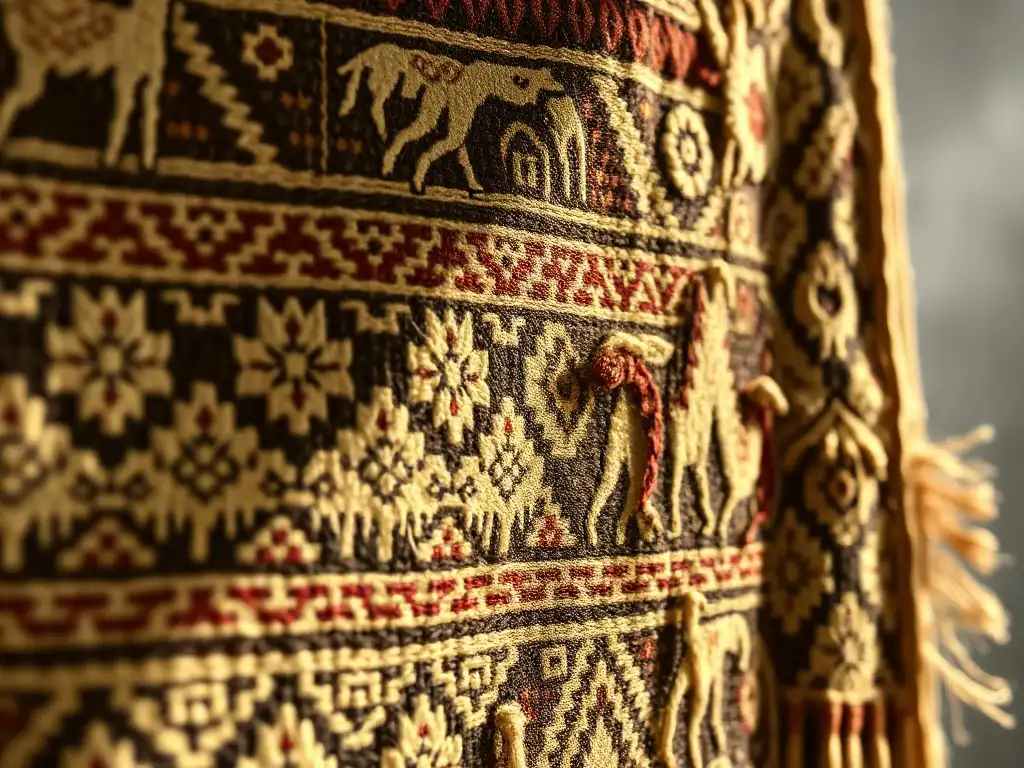
The evolution of Andean textiles is a captivating journey reflecting societal shifts, technological advancements, and evolving artistic expressions. From simple woven cloths to intricate tapestries laden with symbolism, the Andean textile tradition showcases a remarkable ability to adapt and innovate over centuries. This evolution is not merely a progression of techniques, but a mirror reflecting the complex social structures and beliefs of the various Andean cultures.
Understanding this "Andean textile evolution history" requires examining the distinct contributions of different civilizations, each leaving its unique mark on the textile landscape. Analyzing the styles, techniques, and iconography allows us to unravel the rich narratives embedded within these ancient fabrics.
The development of sophisticated weaving techniques, the mastery of diverse dyeing processes, and the emergence of complex iconography all contributed to the creation of textiles that were not only functional but also held deep spiritual and social significance. This section will delve into the specific contributions of three key Andean cultures: the Moche, the Nazca, and the Tiahuanaco.
The Moche and Their Elaborate Iconography on Fabrics
The Moche civilization (c. 100-800 CE) is renowned for its exquisite metalwork and ceramics, but their textile artistry is equally impressive. Moche textiles, often discovered within tombs and burial sites, showcase a vibrant use of color and intricate designs. Unlike some later Andean cultures, Moche textiles didn't rely solely on geometric patterns. Instead, they frequently incorporated highly detailed depictions of mythological beings, deities, and scenes from everyday life. This iconography provides invaluable insights into Moche cosmology, beliefs, and social structures.
For example, the frequent portrayal of feline-like deities and supernatural creatures speaks volumes about their religious worldview. These depictions were not merely decorative; they were imbued with symbolic meaning, potentially representing power, fertility, or connection to the supernatural realm. The use of vivid colors, often achieved through natural dyes derived from plants and minerals, further enhanced the visual impact of these designs. The level of detail in these woven images is astonishing, demonstrating a high level of skill and technical proficiency.
Scholars continue to decipher the complex narratives woven into these textiles, constantly uncovering new details about Moche society and beliefs. Analysis of the fibers used (often cotton and camelid fibers) also reveals information about the Moche's agricultural practices and access to resources. The preservation of these fragile textiles is a testament to the quality of the materials and the skill of the artisans.
Nazca's Mastery of Color and Geometric Patterns in Textiles
The Nazca civilization (c. 100 BCE – 800 CE), famous for its enigmatic geoglyphs, also possessed exceptional textile skills. While the Moche emphasized figurative representations, the Nazca excelled in the creation of intricate geometric patterns and a breathtaking range of colors. Their mastery of dyeing techniques allowed them to achieve a vibrancy and complexity unmatched by many contemporary cultures. The precise arrangement of stripes, chevrons, and other geometric motifs suggests a deep understanding of mathematical principles and a profound appreciation for visual harmony.
The Nazca's palette was exceptionally diverse, employing a wide array of natural dyes to create a spectrum of colors ranging from deep reds and oranges to vibrant blues and greens. The use of these colors was not random; it likely held symbolic meaning, possibly representing different deities, clans, or social statuses. The precision and consistency of their geometric patterns suggest a highly organized and skilled workforce, perhaps indicating a specialized class of textile artisans.
Unlike the Moche's narrative-driven iconography, the Nazca's textiles seem to prioritize abstract design and visual impact, creating a distinct aesthetic that sets them apart. Further research is needed to fully understand the cultural significance of specific colors and patterns in Nazca textiles. The survival of many fragments of Nazca textiles provides a rich source of material for ongoing research into their techniques and cultural significance.
Tiahuanaco's Influence on Textile Motifs and Symbolism
The Tiahuanaco culture (c. 500-1000 CE) significantly impacted Andean textile traditions, leaving a lasting legacy on subsequent styles. Tiahuanaco textiles are characterized by their use of specific motifs and symbols, many of which continued to appear in later Andean textile traditions. These motifs often incorporated stylized representations of animals, especially camelids, and geometric designs that were imbued with deep symbolic meaning. The stylistic influence of Tiahuanaco textiles extended far beyond their geographical region, suggesting a wide-ranging cultural and political impact.
The use of specific colors and patterns likely reflected a complex system of social hierarchy and ritual practices. The intricate weaving techniques employed by Tiahuanaco artisans demonstrate a high level of technical skill and sophistication. The consistent use of certain motifs in different textile pieces suggests that these designs served as powerful visual symbols of identity and social status.
Moreover, the discovery of Tiahuanaco textiles in diverse locations across the Andes provides evidence of the culture's extensive trade networks and widespread influence. Unlike the more naturalistic representations of the Moche, or the abstract geometry of the Nazca, Tiahuanaco textiles often feature a blend of stylized figures and geometric elements, creating a unique and recognizable aesthetic.
Further investigation into the specific meanings of Tiahuanaco textile motifs is crucial for a more comprehensive understanding of this influential culture. The analysis of surviving fragments, combined with archaeological context, continues to reveal the profound impact of Tiahuanaco on the evolution of Andean textile art.
Inca Textile Mastery: A Synthesis of Tradition and Power
The Inca Empire, at its zenith, controlled a vast territory encompassing diverse ecological zones and cultures. This geographical and cultural breadth is strikingly reflected in the remarkable diversity and sophistication of Inca textiles. However, beneath the apparent variety lies a tightly controlled system of production, reflecting the Inca state's centralized power and its strategic use of textiles as a tool for social control, economic management, and symbolic representation. The Andean textile evolution history during this era is one of remarkable standardization alongside incredible artistic achievement.
The Inca State's Control Over Textile Production
Inca textile production wasn't a haphazard affair; it was meticulously organized and regulated by the state. Specialized workshops, yacu-chumpi, employed skilled artisans who produced textiles for the elite, the military, and religious institutions. These workshops received raw materials—alpaca, llama, and vicuña fiber—collected as tribute from across the empire.
This centralized system ensured a consistent supply of high-quality materials and standardized production techniques, resulting in a uniformity of style across vast distances. Evidence suggests that regional variations, though present, were carefully integrated into the overall imperial aesthetic, further emphasizing the Inca’s power and reach. The state’s control extended to the distribution of finished products, with textiles serving as payment for taxes, rewards for loyalty, and gifts for diplomatic purposes.
This intricate system of control allowed the Inca to maintain social order and economic stability through the strategic manipulation of textile resources. The sheer scale of production—as evidenced by archaeological finds of vast quantities of textiles—testifies to the importance of textiles in the Inca economy and its sophisticated administrative capabilities.
The Significance of Cumbi and Awaska Fabrics in Incan Society
Within the Inca textile tradition, certain fabrics held particular symbolic and social significance. Cumbi, a fine, luxurious cloth typically made from vicuña fiber, was reserved for the Inca elite and royalty. Its rarity and exquisite quality made it a powerful symbol of status and authority.
Garments made from cumbi were often intricately decorated with sophisticated designs, further enhancing their prestige. In contrast, awaska, a coarser fabric often made from llama or alpaca fiber, was more widely available and used by commoners. This distinction wasn't merely a matter of material; it was a powerful visual marker of social hierarchy, reinforcing the Inca state's control over the distribution of resources and its carefully constructed social order.
The use of cumbi and awaska in different contexts—ceremonial occasions versus daily life—demonstrates the Inca's sophisticated use of textiles to communicate social identity and reinforce power structures. Analysis of surviving textiles reveals a clear correlation between fiber type, textile quality, and the social status of the individuals who owned them.
Exploring Inca Textile Techniques: Tapestry, Brocade, and Plaiting
Inca textile production wasn't limited to one or two techniques; it showcased a remarkable mastery of a wide variety of methods. Among the most notable are tapestry, brocade, and plaiting. Tapestry weaving, characterized by the interweaving of colored threads to create intricate designs, allowed for the creation of highly detailed and vibrant patterns.
Brocade, a more complex technique involving the use of supplementary weft threads to create raised patterns, produced textiles of exceptional richness and texture. Finally, plaiting, a technique involving the interlacing of strands of fiber, was used to create durable and decorative textiles, particularly for accessories and utilitarian items. The Andean textile evolution history demonstrates a constant refinement of these techniques, resulting in textiles of exceptional quality and complexity.
Archaeological evidence reveals the use of specialized tools and techniques that allowed Inca artisans to achieve an unparalleled level of precision and detail in their work. The surviving examples showcase an astonishing range of colors, patterns, and textures, reflecting both the technical skill of the artisans and the cultural sophistication of the Inca civilization. The mastery of these techniques and their skillful application underlines the sophisticated technological development of the Inca Empire, further enriching the understanding of their cultural achievements.
Post-Conquest Transformations: The Impact on Andean Textile Traditions
The arrival of the Spanish in the 16th century dramatically altered the landscape of Andean textile production, initiating a period of profound transformation that continues to resonate today. The impact wasn't solely about the introduction of new materials and techniques; it was a complex interplay of cultural exchange, economic shifts, and the persistent resilience of indigenous traditions. Understanding this period is crucial to fully appreciating the evolution of Andean textiles and their enduring legacy.
This section will explore the key changes that reshaped Andean weaving practices following the conquest, focusing on the introduction of new fibers and techniques, the adaptation of traditional designs, and the ongoing efforts to preserve this rich heritage. The keyword "Andean textile evolution history" is central to understanding this complex process.
The Introduction of European Fibers and Techniques
The Spanish conquest brought with it a wave of new materials, profoundly impacting Andean textile production. Sheep, introduced for their wool, became a significant source of fiber, supplementing—and in some cases supplanting—the traditional use of camelid fibers like alpaca and llama. This shift had far-reaching consequences. European wool, with its different properties, required adaptations in spinning and weaving techniques.
The introduction of the spinning wheel, for example, significantly increased the speed and efficiency of yarn production, though it didn't entirely replace traditional hand-spinning methods. Simultaneously, new dyes, derived from European plants and insects, were introduced, expanding the color palette available to Andean weavers. However, the integration of these new materials wasn't a simple replacement.
Instead, Andean artisans often blended European and indigenous materials and techniques, creating a unique hybrid textile tradition. For instance, some weavers incorporated European wool into their existing designs, while others adapted European techniques to their traditional patterns. This creative fusion is a testament to the adaptability and ingenuity of Andean textile artisans.
The Adaptation of Traditional Designs to New Materials
The introduction of new fibers and techniques didn't erase existing Andean designs. Instead, weavers cleverly adapted their traditional motifs and styles to incorporate these new elements. The rich symbolism embedded in pre-Columbian textile art persisted, even as the materials changed.
For example, while the introduction of European wool might have altered the texture and drape of a garment, the intricate geometric patterns and zoomorphic representations characteristic of specific Andean cultures continued to be woven into the fabric. This demonstrates a remarkable capacity for cultural preservation and adaptation in the face of significant external influence. The evolution of Andean textiles wasn't a linear progression of replacement but a dynamic process of integration and innovation.
Understanding this process requires analyzing not only the materials used but also the enduring symbolic meaning woven into the textiles themselves. The continued use of traditional designs, despite the introduction of new materials, showcases the strong connection between Andean textile traditions and their cultural identity.
Preserving Heritage: Contemporary Andean Weaving Practices and Artisans
Despite centuries of change, Andean textile traditions continue to thrive. Contemporary artisans are actively preserving and promoting their cultural heritage through weaving. They often blend traditional techniques with modern sensibilities, creating unique and contemporary pieces while upholding the rich history of Andean textile art.
Many communities maintain cooperative weaving initiatives, ensuring the transmission of skills and knowledge across generations. The demand for authentic Andean textiles has also contributed to the sustainability of these practices, providing economic opportunities for artisans and supporting the preservation of traditional techniques. However, challenges remain, including the need to balance the preservation of tradition with the demands of a globalized market.
The ongoing efforts to document and safeguard these practices are vital for ensuring that the legacy of Andean textile evolution history continues for generations to come. The vibrant tapestry of Andean weaving, a testament to resilience and adaptation, continues to evolve, reflecting both the past and the future. The dedication of contemporary artisans ensures that the rich history of Andean textiles remains a living tradition.
Appreciating and Learning about Andean Textiles: Resources and Guides
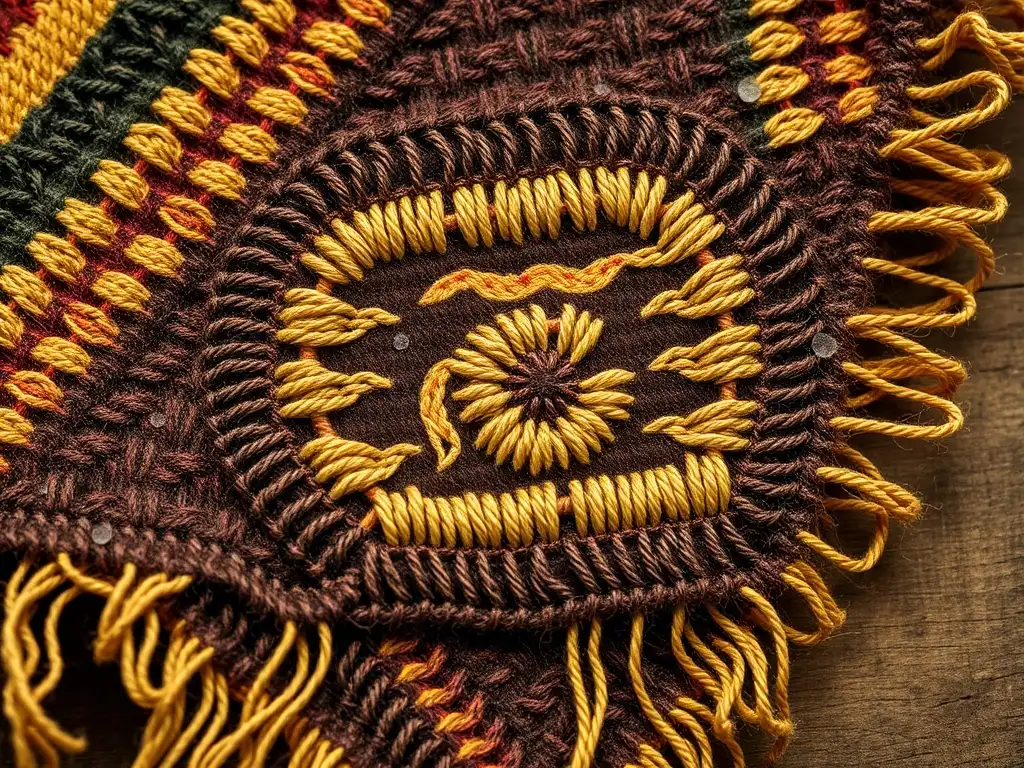
This section delves into the diverse resources available for those seeking a deeper understanding of Andean textile history and techniques. From scholarly publications to online courses and museum exhibitions, numerous avenues exist to explore the rich tapestry of Andean textile traditions. Understanding the evolution of Andean textiles requires engaging with various sources, each offering unique insights into the artistry, techniques, and cultural significance of these remarkable creations. This exploration of resources will enhance your appreciation for the intricate work involved in Andean textile production and its enduring legacy.
Books and Publications on Andean Textile History
Delving into the history of Andean textiles requires access to reliable and scholarly resources. Fortunately, a growing body of literature exists, offering diverse perspectives on the subject. These publications often go beyond mere descriptions, providing insightful analyses of the techniques, materials, and social contexts surrounding textile production.
For instance, Weaving in the Peruvian Highlands by Nilda Callañaupa Alvarez provides a firsthand account of traditional weaving practices, offering invaluable insights into the techniques and knowledge passed down through generations. This book is a treasure trove of information for anyone interested in understanding the intricacies of Andean weaving. Other significant works include studies focusing on specific cultures, such as the Nazca or Inca, detailing their unique textile traditions and iconography.
These publications often incorporate high-quality images, allowing readers to closely examine the details of the textiles and appreciate their artistic merit. The detailed analysis of color palettes, weaving structures, and symbolic motifs found in these books provides a deeper understanding of the cultural and social significance embedded within each textile. Furthermore, many academic journals publish articles dedicated to specific aspects of Andean textile history, offering cutting-edge research and analysis.
Online Courses and Workshops for Learning Andean Weaving Techniques
The digital age has opened up new opportunities to learn about Andean weaving techniques. Numerous online courses and workshops offer interactive learning experiences, allowing individuals to engage with the subject from the comfort of their homes. These platforms often feature video tutorials, providing step-by-step instructions on various weaving techniques. Some courses even offer virtual interaction with Andean artisans, allowing learners to gain firsthand knowledge and perspectives.
For example, a hypothetical "Andean Weaving Techniques" course on a platform like Coursera might cover topics such as:
- Spindle Spinning: Learning the traditional techniques of spinning yarn using a spindle.
- Natural Dyeing: Exploring the use of natural dyes derived from plants and minerals found in the Andes.
- Backstrap Loom Weaving: Mastering the intricate techniques of weaving on a backstrap loom, a traditional Andean tool.
- Pattern Design: Understanding the symbolic meaning and cultural significance embedded in traditional Andean textile patterns.
These online resources provide flexibility and accessibility, making the learning process engaging and convenient for individuals across geographical locations. The interactive nature of these courses allows for a more hands-on approach to learning, fostering a deeper understanding and appreciation for the complexities of Andean weaving. The availability of such resources significantly contributes to the preservation and dissemination of this valuable cultural heritage.
Museums and Exhibitions Showcasing Andean Textiles
Museums and exhibitions play a crucial role in preserving and showcasing Andean textiles. These institutions house extensive collections of textiles from various Andean cultures, providing a valuable resource for researchers and the public alike. Visiting museums offers a unique opportunity to appreciate the artistry and craftsmanship of these textiles firsthand. Many museums offer guided tours and educational programs, providing additional context and insights into the history and cultural significance of the displayed items.
For example, a museum like the hypothetical "Andean Textile Museum" could feature:
- A chronological display showcasing the evolution of Andean textile styles throughout different periods.
- Detailed descriptions of weaving techniques, materials, and symbolic motifs.
- Interactive exhibits allowing visitors to explore the process of textile creation.
- Special exhibitions focusing on specific Andean cultures or periods.
These physical spaces offer a tangible connection to the past, allowing visitors to engage with the artistry and cultural heritage of Andean civilizations in a profound way. The immersive experience provided by museums significantly enhances understanding and appreciation of the "Andean textile evolution history," promoting the preservation and celebration of this rich cultural heritage. The careful curation and presentation of these artifacts in museums contribute significantly to the ongoing study and appreciation of Andean textiles.
Caring for Andean Textiles: Conservation and Preservation Tips
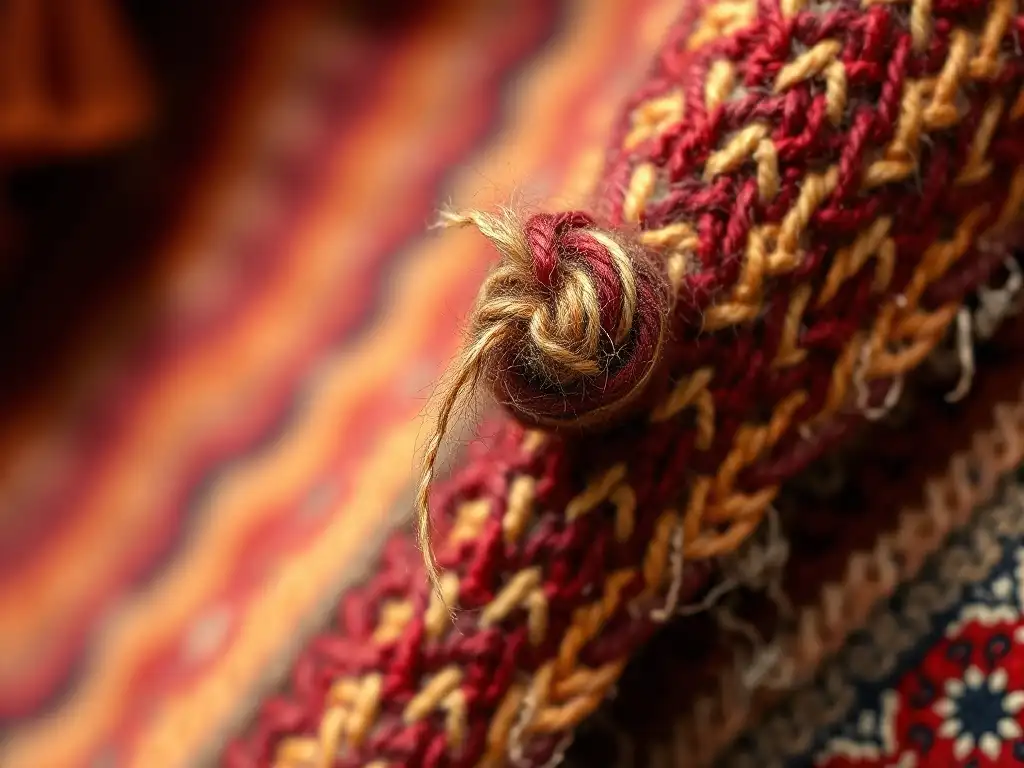
The vibrant colors and intricate designs of Andean textiles are a testament to the ingenuity and artistry of ancient civilizations. However, the age and delicate nature of these artifacts require careful handling and preservation to ensure their longevity. Understanding the proper techniques for caring for these invaluable pieces of history is crucial for protecting this cultural heritage for future generations. This section delves into the best practices for conserving Andean textiles, focusing on storage, cleaning, and professional intervention. Proper care ensures that the legacy of Andean textile evolution history is maintained.
Proper Storage Techniques for Preserving Antique Textiles
Storing Andean textiles correctly is paramount to preventing damage from light, humidity, and pests. Avoid direct sunlight, which can fade the dyes over time. Ideal storage conditions involve a cool, dark, and dry environment with stable temperature and humidity levels. Fluctuations in temperature and humidity can cause warping, cracking, and deterioration of the fibers.
Here’s a breakdown of recommended storage practices:
- Use acid-free materials: Acidic materials can react with the textile fibers, causing discoloration and weakening. Opt for acid-free boxes, tissue paper, and archival-quality storage containers.
- Avoid plastic: Plastic can trap moisture and promote mold growth. Choose breathable materials like cotton or linen for wrapping.
- Support the fabric: Do not fold or crease heavily. Instead, consider rolling the textile around a sturdy acid-free tube or laying it flat in a box with sufficient support to prevent crushing. For particularly delicate pieces, consider using acid-free foam supports.
- Pest control: Regularly inspect textiles for signs of insect infestation. Use mothballs or cedar chips (in appropriate containers) to deter pests, but always ensure they are placed appropriately to avoid direct contact with the textiles. Professional pest control may be necessary for severe infestations.
- Monitor environmental conditions: Regularly check temperature and humidity levels using a hygrometer and thermometer. Consider using a dehumidifier or humidifier if necessary to maintain stable conditions. Aim for a relative humidity between 40% and 50%.
Gentle Cleaning Methods for Delicate Fabrics (e.g., using Orvus WA Paste)
Cleaning Andean textiles requires extreme caution. Aggressive cleaning methods can irreparably damage the delicate fibers and dyes. For minor surface cleaning, a gentle approach is recommended. Using Orvus WA Paste, a mild, non-ionic detergent commonly used in textile conservation, is a safe and effective option. However, it’s crucial to test any cleaning method on an inconspicuous area first to assess its effect on the dye and fibers.
The process generally involves:
- Preparation: Gently brush the textile to remove loose dust and debris using a soft brush.
- Mixing the solution: Prepare a dilute solution of Orvus WA Paste in distilled water. The concentration should be very low – a small amount of paste in a large volume of water.
- Application: Using a soft sponge or brush, gently apply the solution to the affected area, working from the outside in. Avoid rubbing harshly.
- Rinsing: Rinse the area thoroughly with distilled water, again using a soft sponge or brush. Avoid soaking the textile.
- Drying: Allow the textile to air dry completely, away from direct sunlight and heat. Consider supporting the textile to prevent creasing.
Professional Conservation Services for Fragile Andean Textiles (e.g., Textile Conservation Center)
For significantly damaged or fragile Andean textiles, professional conservation services are essential. Trained textile conservators possess the expertise and specialized equipment to handle complex repairs and cleaning. They use advanced techniques and materials to stabilize the textile, repair tears, and address other forms of deterioration. Seeking professional help ensures that the textile is treated with the utmost care and its long-term preservation is guaranteed.
Choosing a reputable conservation center is crucial. Look for institutions with experience in Andean textile conservation and a strong track record of successful projects. They will be able to provide a detailed assessment of the textile's condition and recommend appropriate treatment options. Remember, preventative care, proper storage, and timely professional intervention are key components in preserving the rich legacy of Andean textile evolution history for generations to come.
A Journey Through Time: Reflecting on the Legacy of Andean Textiles
This section delves into the fascinating evolution of Andean textiles, tracing their development from early techniques to the sophisticated artistry of later civilizations. Understanding this evolution provides crucial insight into the social structures, beliefs, and technological advancements of these remarkable cultures. The Andean textile evolution history is not merely a chronicle of fabric and fiber; it's a vibrant narrative of human ingenuity and cultural persistence. We'll explore key periods and stylistic shifts, highlighting the enduring impact of these traditions.
The Enduring Cultural Significance of Andean Weaving
Andean weaving wasn't simply a practical skill; it was deeply embedded in the social fabric of these societies. Textiles served as powerful symbols of status, identity, and spiritual beliefs. For example, the intricate designs woven into the textiles of the Paracas culture (circa 700-100 BCE) often depicted deities, mythical creatures, and scenes from their daily lives, revealing much about their cosmology and worldview. These weren't just garments; they were narratives woven into fiber.
The Incas, known for their empire-building prowess, further elevated textile production to an art form. Royal workshops, employing highly skilled artisans, produced exquisite textiles using vibrant natural dyes and complex weaving techniques. These textiles, often adorned with intricate geometric patterns and depictions of royal insignia, served to reinforce the Inca's power and authority.
The use of specific colors and motifs further encoded social hierarchies and religious symbolism, making even the simplest garment a potent symbol. The meticulous craftsmanship evident in Inca textiles reflects not only their advanced technical skills but also the profound cultural significance they attached to the art of weaving.
The legacy of Andean weaving continues to resonate today. Traditional techniques and designs are still practiced, albeit often facing challenges in the modern world. The persistence of these traditions underscores the resilience of Andean culture and the enduring power of textile art. The vibrant colors and intricate patterns continue to captivate audiences worldwide, showcasing the enduring artistry and cultural significance woven into every thread.
The Importance of Supporting Contemporary Andean Textile Artists
The preservation of Andean textile traditions depends on supporting the contemporary artists who continue these practices. Many communities maintain traditional weaving techniques, passing down knowledge and skills through generations. However, these artisans often face economic challenges and competition from mass-produced goods. Supporting these artists directly, through fair trade practices and the purchase of authentic textiles, is crucial for the survival of these invaluable cultural traditions.
Consider the following factors when engaging with contemporary Andean textiles:
- Fair Trade Practices: Ensure that the artisans receive fair compensation for their work, allowing them to maintain their livelihoods and continue their craft.
- Authenticity: Support artists who use traditional techniques and materials, preserving the integrity of the craft.
- Community Engagement: Look for organizations that work directly with Andean communities, supporting their economic development and cultural preservation.
- Education and Awareness: Promote awareness of the significance of Andean textiles and the importance of supporting the artists who create them.
By actively supporting contemporary Andean textile artists, we not only contribute to their economic well-being but also safeguard a rich cultural heritage for future generations. The intricate artistry and cultural significance woven into these textiles represent a valuable part of the Andean heritage, a heritage that deserves our continued support and appreciation. This active participation ensures that the vibrant tapestry of Andean textile traditions continues to thrive.
Further Exploration: Resources for Deeper Understanding of Andean Textile History
For those seeking to delve deeper into the rich history of Andean textiles, several avenues for further exploration exist. Academic journals and museum collections often feature in-depth studies on specific cultures and techniques. These resources provide detailed analyses of textile construction, design motifs, and the social and cultural contexts in which they were created. Many museums offer online exhibits and databases of their textile collections, allowing access to high-quality images and detailed descriptions.
Additionally, books dedicated to Andean textiles offer comprehensive overviews of the subject, often incorporating historical accounts, ethnographic studies, and detailed illustrations. These books provide valuable insights into the evolution of weaving techniques, the use of different materials, and the symbolism embedded within textile designs. Seeking out these resources allows for a more nuanced understanding of the complex interplay between textile production, social structures, and cultural beliefs in the Andes.
The depth of information available reflects the significant role Andean textiles play in understanding the history and culture of the region. The ongoing research and documentation ensure that this rich heritage continues to be appreciated and understood.
Frequently Asked Questions
What is the main focus of this article, "A Tapestry of Time: Tracing the Evolution of Andean Textile Styles"?
This article explores the evolution of textile styles across various Andean civilizations, highlighting the rich history and techniques used in creating these remarkable fabrics. It traces the development of Andean textiles from their origins to their peak during the Inca empire.
Which Andean cultures are discussed in relation to textile production?
The article covers several significant Andean cultures, including the Inca, Moche, Nazca, and Tiahuanaco, showcasing the unique textile traditions and styles developed by each. It examines the diverse techniques and designs that characterized each culture's textile production.
What specific aspects of Andean textile evolution are covered?
The article delves into the materials used, weaving techniques, design motifs, and the social and symbolic significance of textiles across different Andean cultures. It traces how these elements changed and evolved over time.
How does the article connect textile production to the broader Andean civilization?
The article demonstrates the central role of textiles in Andean societies, illustrating their importance in religious practices, social status, and daily life. It highlights the intricate relationship between textile production and the overall development of Andean cultures.
Where can I find more information about specific Andean textile techniques?
This article provides an overview, but further research into specific weaving techniques (e.g., backstrap loom, spindle whorls) and individual Andean cultures can be found through academic journals, museum websites, and books dedicated to Andean history and archaeology. Look for resources focusing on Andean textile technology.
Final Reflection: Weaving the Threads of Andean Heritage
The vibrant artistry of Andean textiles continues to resonate today, a testament to the enduring power of cultural legacy and innovation. These intricate weavings, far from being mere artifacts of the past, offer a profound understanding of Andean societies, their beliefs, and their remarkable adaptability across millennia. Their evolution mirrors the resilience and creativity of the Andean people themselves, a story woven into every thread.
The impact of Andean textile traditions extends far beyond the realm of aesthetics; they represent a living history, a dynamic interplay between tradition and modernity. The techniques, symbols, and designs passed down through generations speak volumes about social structures, spiritual beliefs, and the intimate relationship between the Andean people and their environment. The textiles are not just cloth; they are living documents, narrating the stories of a people and their land.
This quote encapsulates the powerful narrative embedded within each piece, a narrative that continues to inspire artists, designers, and historians alike.
Consider the intricate patterns, the vibrant dyes derived from natural sources, the sheer skill involved in creating these masterpieces. Now, imagine the hands that wove these threads, the stories they held, the lives they reflected. You, too, can become a part of this ongoing narrative. Take a moment to appreciate the artistry and resilience represented in Andean textiles; let their enduring beauty inspire you to explore your own cultural heritage and the rich tapestry of human creativity that surrounds us.
Weave Your Own Story: Connect with Andean Textile Heritage!
Thank you for exploring A Tapestry of Time with us! We hope you gained insights into the rich history and evolution of Andean textile styles. Now, it's time to put that inspiration to creative use!
- Unleash your creativity! Gather textiles or craft supplies and create your own inspired piece. Let the colors and patterns tell your unique story.
- Learn from the experts. Join a local workshop to connect with artisans and learn traditional weaving or textile techniques. Hands-on experience offers unparalleled insight.
- Share your creation. Post your work on social media or in community groups. Inspire others with your exploration of Andean culture.
What will your first textile project be? How will it reflect the beauty of Andean heritage? We'd love to hear your ideas!