
Tiahuanaco Tapestries: The Geometric Precision of Tiahuanaco Weaving

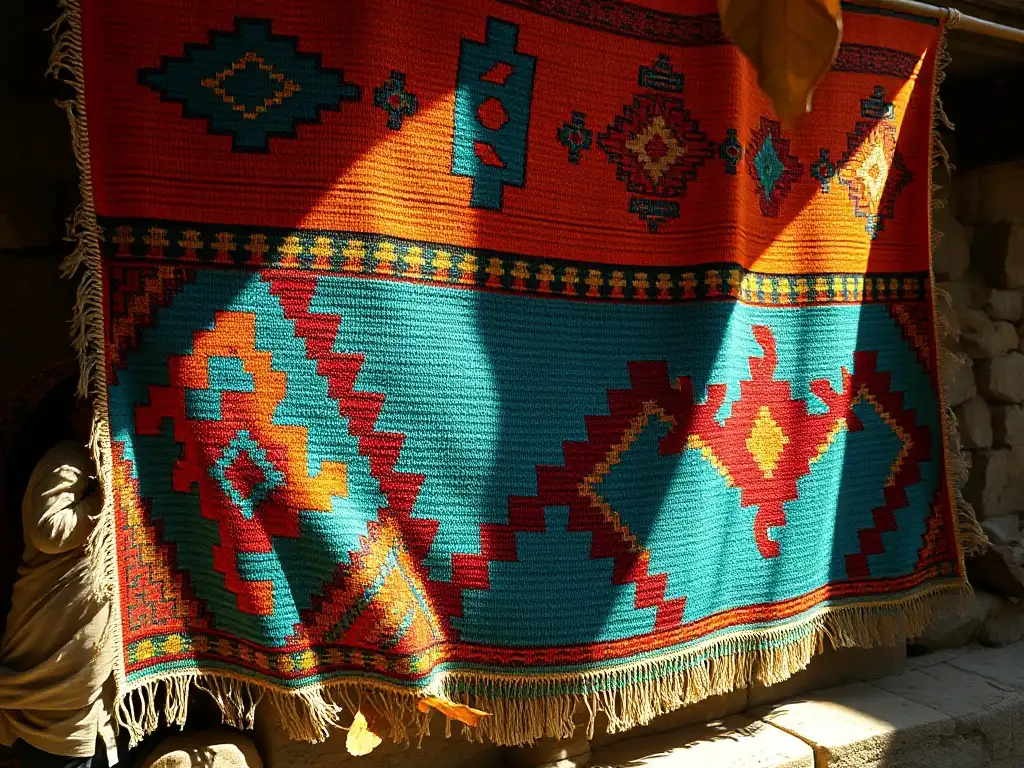
Step into a world lost to time, yet vividly preserved in thread. Imagine the intricate artistry of the Andean civilizations, a tapestry woven not just with fibers, but with stories of empires and innovation. Here, we unravel the mysteries of Tiahuanaco tapestry weaving techniques, revealing the geometric precision and symbolic power embedded within these ancient masterpieces. Prepare to be amazed by the ingenuity and artistry that continues to inspire awe centuries later. Discover the secrets hidden within the threads...
- Tiahuanaco Tapestries: Unveiling the Geometric Precision of Andean Weaving
- The Geometric Foundations of Tiahuanaco Tapestry Weaving Techniques
- Recreating Tiahuanaco Tapestry Techniques: A Step-by-Step Guide
- Tools and Materials for Tiahuanaco Tapestry Weaving
- The Enduring Influence of Tiahuanaco Weaving on Modern Textiles
-
Frequently Asked Questions
- What makes Tiahuanaco tapestries unique?
- What materials were used in Tiahuanaco tapestry weaving?
- What kind of weaving techniques were employed in Tiahuanaco tapestries?
- What are the common motifs found in Tiahuanaco tapestries?
- How has the knowledge of Tiahuanaco tapestry weaving techniques been preserved?
- Final Reflection: Unraveling the Legacy of Tiahuanaco Weaving
- **Unveil the Artistry of Tiahuanaco Weaving! **
Tiahuanaco Tapestries: Unveiling the Geometric Precision of Andean Weaving
The high Andes of South America, a region of breathtaking landscapes and challenging terrains, was also the cradle of remarkable civilizations. Among them, the Tiahuanaco culture, flourishing between approximately 500 and 1000 CE, left an indelible mark on Andean history, particularly in its mastery of textile arts.
This article delves into the intricate world of Tiahuanaco tapestries, exploring the sophisticated weaving techniques that produced these enduring masterpieces and highlighting their significance within the broader context of ancient Andean culture. We'll uncover the secrets behind the geometric precision and symbolic richness embedded in these textiles, revealing how Tiahuanaco tapestry weaving techniques reflect a highly developed understanding of textile production and a profound connection to the Andean worldview.
Understanding these techniques provides a crucial window into the social structures, beliefs, and artistic capabilities of this fascinating civilization, offering a glimpse into the lives and artistry of the people who created them. Prepare to be amazed by the ingenuity and artistry of Tiahuanaco weavers, whose legacy continues to inspire awe and admiration centuries later.
Exploring the Legacy of Tiahuanaco Textile Art
Tiahuanaco textile art stands as a testament to the advanced technological and artistic skills of the culture. Archaeological discoveries have unearthed numerous fragments and complete examples of Tiahuanaco textiles, showcasing a remarkable range of techniques and designs. These textiles weren't merely functional items; they held significant social, religious, and symbolic meaning. The intricate patterns, often featuring geometric designs, zoomorphic motifs (animal representations), and stylized human figures, suggest a complex system of beliefs and social hierarchies. The use of vibrant colors derived from natural dyes—like those extracted from plants and minerals—further emphasizes the sophistication of their techniques. The preservation of these textiles, despite the harsh Andean climate, speaks to the quality of the materials and the skilled craftsmanship involved. Many examples demonstrate a remarkable understanding of fiber manipulation, creating textures and patterns that are both aesthetically pleasing and technically impressive. We see evidence of techniques like brocade , tapestry , and complex interweaving , all indicative of highly specialized labor and a complex social organization capable of supporting such specialized artisans.
Understanding the Significance of Ancient Andean Textiles
The significance of ancient Andean textiles extends far beyond their aesthetic appeal. They serve as primary sources for understanding the social, political, and religious structures of these societies. For example, the presence of specific motifs or color combinations on textiles associated with elite burials suggests a connection between clothing and social status. The complexity of the weaving techniques themselves also speaks to the specialized knowledge and skills possessed by Andean artisans, highlighting the importance of textile production within the broader economic and social systems.
Furthermore, the use of particular fibers, like alpaca or llama wool, reveals insights into animal husbandry and resource management practices. The durability and preservation of many Tiahuanaco textiles are a testament to the quality of their craftsmanship, and their continued study provides invaluable information about the ingenuity and resilience of the Andean people. Analyzing the patterns and designs reveals clues about cosmological beliefs, mythology, and social structures.
The intricate geometric patterns, for instance, may represent celestial bodies, agricultural cycles, or other aspects of the Andean worldview. The study of Tiahuanaco tapestry weaving techniques thus allows us to reconstruct a rich and complex picture of a fascinating ancient civilization. Further research, including detailed analysis of existing artifacts and ongoing archaeological excavations, promises to further illuminate the fascinating world of Tiahuanaco textile art.
The Geometric Foundations of Tiahuanaco Tapestry Weaving Techniques
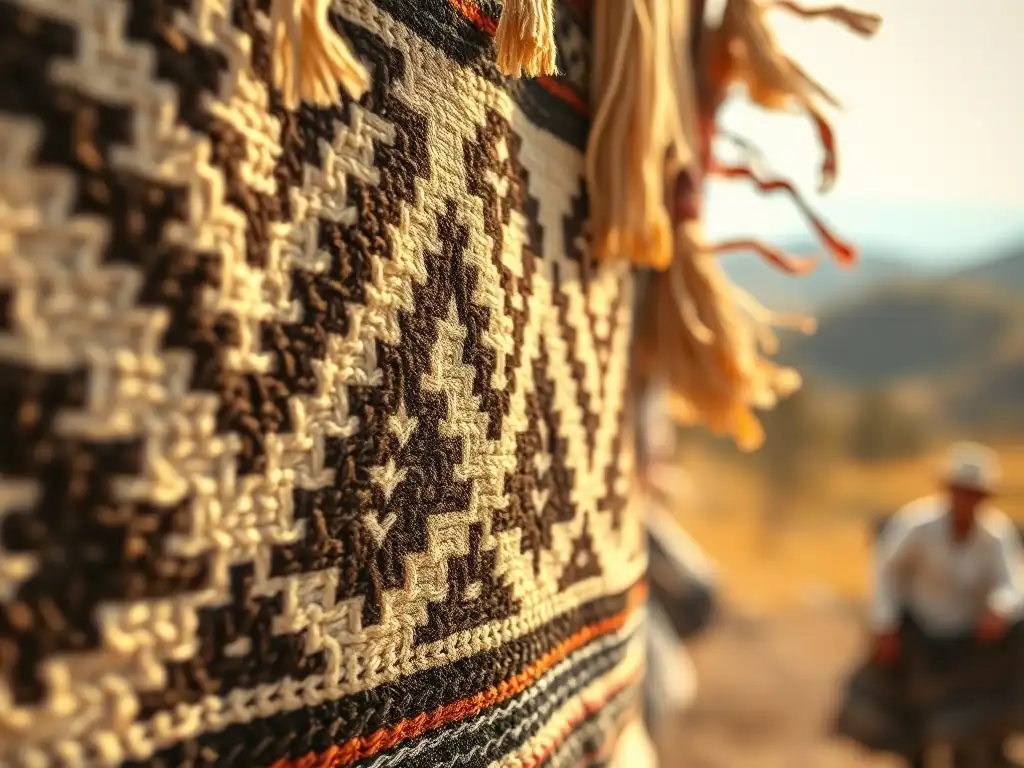
The intricate tapestry weaving techniques of Tiahuanaco are renowned for their sophisticated geometric precision. Unlike many other Andean textile traditions that emphasized figurative representations, Tiahuanaco weavers prioritized abstract geometric designs, creating a unique visual language reflecting their cosmology and social structures. Understanding these techniques requires appreciating the deep-seated mathematical and symbolic understanding embedded within the textiles themselves.
The precision achieved wasn't merely aesthetic; it was a reflection of a highly organized society with advanced knowledge of mathematics and geometry. The use of repetitive motifs, perfectly aligned lines, and complex interlocking patterns showcases a mastery of textile production rarely seen in other contemporaneous cultures. This section delves into the specific techniques employed to achieve this remarkable level of geometric accuracy.
We will explore the tools, materials, and processes involved in creating these stunning tapestries, focusing on the unique features that distinguish Tiahuanaco weaving from other Andean traditions. The mastery of these techniques allowed Tiahuanaco artisans to create durable and visually striking textiles that served both practical and symbolic purposes.
The Distinctive Characteristics of Tiahuanaco Weaving
Tiahuanaco weaving distinguishes itself through several key characteristics. Firstly, the use of high-quality camelid fibers, primarily alpaca and llama wool, contributes to the textiles' durability and softness. The fibers were carefully prepared, spun into fine threads, and then meticulously dyed using natural pigments derived from plants and minerals. The color palette, often featuring earthy tones like reds, browns, yellows, and blacks, reflects the Andean landscape.
Secondly, the complex warp-faced plain weave structure is fundamental to the geometric precision. This technique, which involves the warp threads being dominant on the surface, allows for the creation of sharp, well-defined lines and intricate patterns. The tightly woven fabric creates a dense and durable textile, resistant to wear and tear. Thirdly, the absence of figurative representations is a defining feature.
While other Andean cultures incorporated human and animal figures in their textiles, Tiahuanaco weavers largely focused on abstract geometric patterns. This stylistic choice reflects a worldview where abstract forms carried significant symbolic meaning. Finally, the consistent use of specific geometric patterns across various textile types points to a standardized system of design and production, suggesting a highly organized and regulated craft tradition.
Key Patterns and Motifs: Understanding the Tiahuanaco Visual Language
The geometric patterns found in Tiahuanaco tapestries are not random; they form a complex visual language rich in symbolic meaning. Recurring motifs include stepped frets, interlocking triangles, and stylized representations of feline and avian figures, often highly stylized and geometrically abstracted. These motifs are frequently arranged in symmetrical patterns, emphasizing balance and order.
For example, the stepped fret motif, reminiscent of Andean architecture, is believed to represent the sacred landscape and the cyclical nature of life and death. The interlocking triangles, often arranged to create larger, more complex designs, may symbolize duality and cosmic balance. The stylized animal figures, though geometrically simplified, retain enough visual cues to suggest their identities, and likely held religious or shamanic significance.
Analyzing the arrangement and combination of these motifs reveals a sophisticated system of visual communication, indicative of a complex social hierarchy and worldview. Further research is needed to fully decode the meaning of each pattern, but the existing evidence suggests a deep connection between the textiles and the religious beliefs of the Tiahuanaco civilization. Detailed studies of surviving fragments are crucial to unraveling the nuances of this unique visual language.
Analyzing the Use of Geometric Shapes in Tiahuanaco Designs
The prevalence of specific geometric shapes in Tiahuanaco tapestries reflects a deep understanding of mathematical principles and their symbolic importance. The consistent use of triangles, squares, and stepped frets, and their precise arrangement, points to a level of mathematical sophistication. These shapes are not merely decorative; they are fundamental building blocks of the visual language. The triangles, for instance, could represent mountains, or perhaps more abstract concepts like duality or the cosmic forces.
Squares and rectangles, often representing agricultural fields or built structures, suggest a connection between the textiles and the earthly realm. The stepped frets, highly prevalent, echo the architectural style of Tiahuanaco structures, suggesting a connection between textile production and the wider societal organization. The precise execution of these shapes, the perfectly aligned lines, and the intricate interweaving of patterns, all point to a highly skilled workforce and a sophisticated understanding of geometry and design.
The recurring use of these shapes, across different textile types and sizes, suggests a standardized system of design that was consistently applied, indicating a level of cultural control and organization in the production process. Further research into the mathematical ratios and proportions used in these designs could reveal even more about the advanced knowledge of the Tiahuanaco weavers. The precision of these geometric designs is a testament to their skill and the cultural value placed on their craft.
Recreating Tiahuanaco Tapestry Techniques: A Step-by-Step Guide
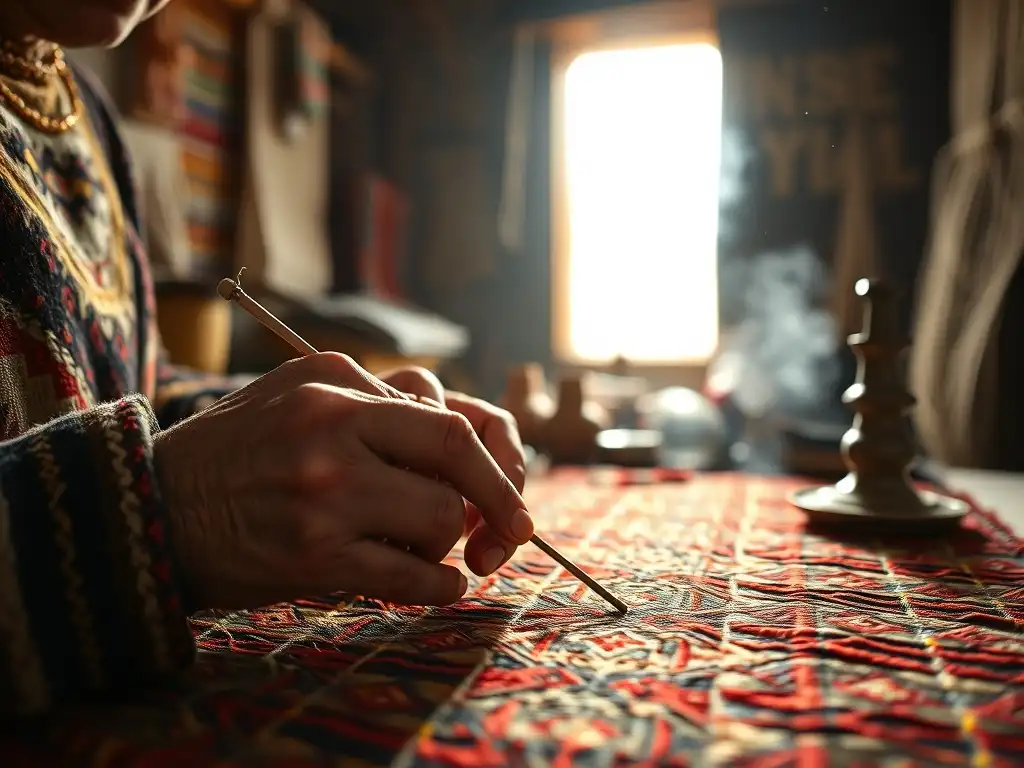
This section delves into the practical aspects of recreating the intricate tapestry weaving techniques employed by the Tiahuanaco civilization. While precise details are scarce due to the limited surviving examples and the passage of time, careful study of existing fragments and archaeological evidence allows us to reconstruct a plausible approach to this fascinating art form. Understanding these techniques offers a deeper appreciation for the skill and artistry of Tiahuanaco weavers and their mastery of Tiahuanaco tapestry weaving techniques.
Step 1: Selecting the Appropriate Natural Fibers for Tiahuanaco-Style Weaving
The choice of fiber is paramount in achieving the characteristic texture and durability of Tiahuanaco tapestries. Archaeological analysis suggests the prevalent use of camelid fibers – alpaca and llama wool – primarily. These fibers, known for their softness, warmth, and strength, were ideally suited to the demanding weaving process.
The selection process wasn't arbitrary. Weavers likely carefully sorted the fibers based on length, fineness, and color. Longer, finer fibers would have been reserved for the warp threads, providing the structural integrity of the tapestry. Shorter, coarser fibers might have been used for the weft, although the Tiahuanaco preference for intricate designs suggests a consistent use of high-quality fibers throughout.
The natural coloration of the fibers, ranging from creamy white to various shades of brown and black, would have been supplemented with natural dyes derived from plants and minerals, allowing for a broader palette of colors in the finished product. Evidence suggests that the dyeing process was sophisticated, resulting in vibrant and long-lasting hues. The precise recipes for these natural dyes remain largely unknown, representing an area where further research is needed to fully understand the Tiahuanaco tapestry weaving techniques.
We can infer from surviving fragments that the preparation of the fibers involved careful cleaning, carding, and spinning. This meticulous preparation ensured that the finished threads were strong, even, and free from impurities, crucial elements for successful weaving. The spinning techniques themselves likely varied, with potentially both hand-spinning and spindle whorl methods employed. The choice of spinning technique may have depended on the desired thickness and texture of the yarn.
Step 2: Setting Up the Andean Backstrap Loom for Tapestry
The Andean backstrap loom is a portable and versatile tool that was fundamental to Andean textile production, including the creation of Tiahuanaco tapestries. This loom, consisting of a warp beam, a heddle (a device used to separate warp threads), and a backstrap, allowed for precise control over the weaving process. Setting up the loom for tapestry weaving requires specific steps.
First, the warp threads – the lengthwise threads forming the foundation of the tapestry – are carefully stretched and secured to the warp beam and the backstrap. The tension of the warp is crucial; it needs to be firm enough to maintain the integrity of the woven fabric but not so tight as to make weaving difficult. The weaver adjusts the tension by adjusting the backstrap.
The heddle is then positioned to control the lifting and lowering of the warp threads, allowing for the insertion of the weft threads (the crosswise threads that create the design). The exact arrangement of the heddle and the number of warp threads would have varied depending on the complexity of the design and the desired final size of the tapestry.
The preparation of the loom was a skillful process, and the weaver's expertise was essential to its success. This detailed setup, coupled with the use of carefully chosen fibers, is a key aspect of understanding the Tiahuanaco tapestry weaving techniques.
The intricacy of Tiahuanaco tapestries suggests a high level of skill in loom manipulation. The weaver needed to manage the warp threads with precision, ensuring that the weft threads were interwoven tightly and evenly to create a dense and durable fabric. The ability to maintain consistent tension throughout the weaving process was crucial for preventing irregularities in the finished product.
Step 3: Implementing the Tiahuanaco Interlocking Weft Technique
The hallmark of Tiahuanaco tapestries is their distinctive interlocking weft technique. This technique, characterized by the intricate interweaving of weft threads, creates a richly textured fabric with a striking visual effect. Unlike simpler tapestry techniques, this method involves the careful manipulation of multiple weft threads simultaneously, creating a complex pattern of interlocking strands. This advanced technique, combined with the use of multiple colors and the precise control of the loom, allowed Tiahuanaco artisans to produce highly detailed and visually stunning tapestries.
While the exact method remains partially elusive due to limited surviving artifacts, analysis of existing fragments suggests a process involving the simultaneous manipulation of several weft threads of different colors. These threads would be carefully interlocked and interwoven with the warp threads, creating a complex pattern. The weaver's skill lay in maintaining the correct tension and ensuring that the weft threads were interwoven tightly enough to create a durable and visually appealing fabric, yet loose enough to allow for the manipulation of multiple threads simultaneously.
The mastery of this Tiahuanaco tapestry weaving techniques required years of training and practice. Further research into surviving textiles and archaeological evidence is crucial to fully unravel the intricacies of this remarkable weaving tradition.
Step 4: Finishing Your Tiahuanaco-Inspired Tapestry
Once the weaving is complete, the final steps are crucial in achieving an authentic Tiahuanaco tapestry aesthetic. These finishing touches not only enhance the visual appeal but also contribute to the longevity and durability of your creation. The techniques used here mirror those employed by ancient Andean artisans, ensuring a respectful and accurate representation.
First, you need to carefully secure the warp threads. This prevents unraveling and maintains the structural integrity of the tapestry. Traditional Andean weavers often used a simple yet effective method: tightly knotting the warp threads at both ends, then carefully tucking these knots into the woven fabric. This creates a clean finish, avoiding any bulky or unsightly knots on the visible surface. You might consider using a small needle to weave these ends into the fabric itself for an even more refined look. Remember, patience is key during this phase; rushing could lead to unraveling.
Next, consider the edges. While some Tiahuanaco tapestries featured raw, unfinished edges, others demonstrate a level of refinement that suggests further processing. You could choose to fringe the edges, carefully cutting the warp threads to a uniform length. Alternatively, you could create a simple hem by folding over the edges and stitching them down. The choice depends on the desired aesthetic and the complexity you want to achieve. Either option adds a touch of elegance and protects the woven fabric from fraying.
Finally, the crucial process of washing and drying needs careful attention. Ancient Andean weavers likely used natural methods, perhaps utilizing a gentle stream or river water. For your tapestry, a gentle hand-wash in cool water with a mild, pH-neutral detergent is recommended. Avoid harsh scrubbing, as this could damage the delicate fibers. After washing, gently roll the tapestry in a clean towel to absorb excess water.
Then, lay it flat to dry, away from direct sunlight or heat, to prevent shrinkage or color fading. This careful approach ensures the vibrant colors and intricate designs of your tapestry are preserved for years to come. The final result? A beautiful, authentic-looking piece that reflects the mastery of Tiahuanaco tapestry weaving techniques. 🎉
Tools and Materials for Tiahuanaco Tapestry Weaving
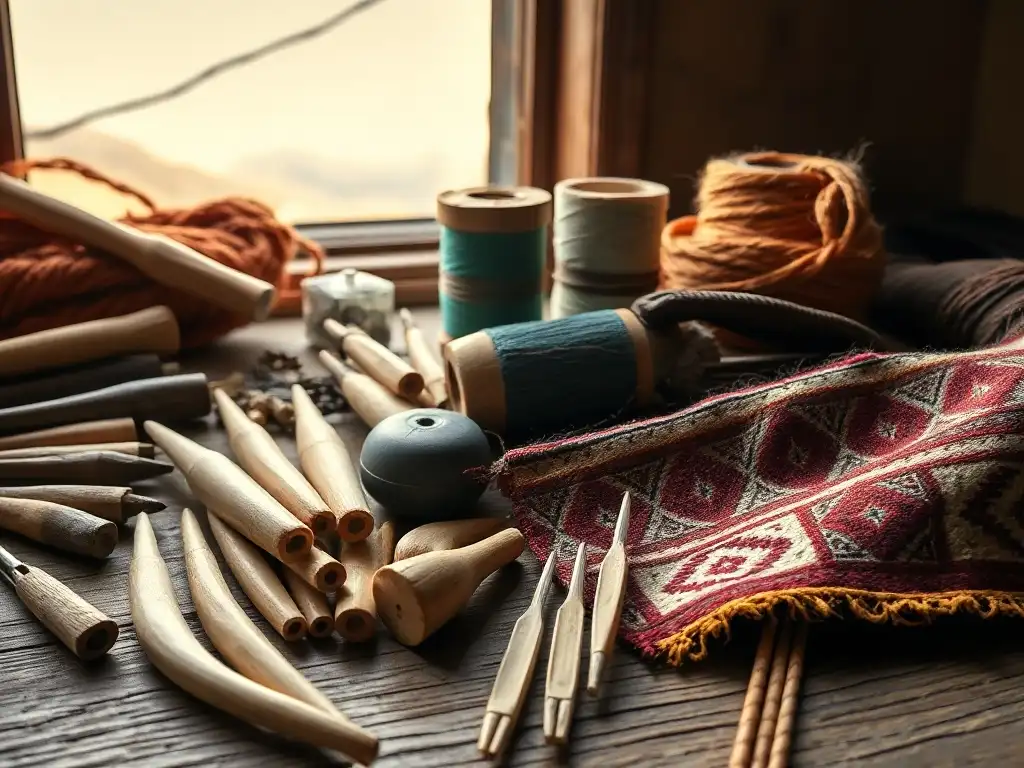
This section delves into the specific tools and materials used in the intricate art of Tiahuanaco tapestry weaving. Understanding these elements is crucial to appreciating the skill and precision involved in creating these remarkable textiles. The techniques employed, passed down through generations, demanded high-quality materials and specialized tools, reflecting the sophisticated technological advancements of the Tiahuanaco culture. We'll explore both the essential supplies for those starting their weaving journey and the resources available for more experienced weavers seeking to deepen their understanding.
Essential Weaving Supplies for Beginners and Advanced Weavers
Creating a Tiahuanaco-inspired tapestry requires careful selection of materials. The quality directly impacts the final product's durability and aesthetic appeal. While exact replicas of ancient materials may be unavailable, understanding the historical context helps in choosing suitable modern alternatives.
For Beginners:
- Warp: A strong, even warp is fundamental. Modern cotton or wool yarns in natural earth tones (browns, creams, beige) would be suitable starting points. Aim for a yarn thickness that allows for manageable tension and detailed weaving. Consider a warp of approximately 10-15 threads per inch for beginner-friendly projects.
- Weft: Similar to the warp, the weft should be a high-quality yarn that allows for intricate designs. Again, natural fibers like cotton or wool are recommended. Experiment with different yarn weights to achieve varying textures and visual effects.
- Loom: A simple backstrap loom is a good starting point, mimicking the portable nature of ancient Andean looms. While more complex looms exist, a backstrap loom allows for a hands-on experience with the basic principles of weaving.
- Shuttle: A simple wooden shuttle, easily crafted or purchased, will suffice. Its primary function is to carry the weft yarn across the warp threads.
- Other Tools: A tapestry needle for weaving in loose ends, small scissors, and a comb or reed for spacing the warp threads are also essential.
For Advanced Weavers:
Advanced weavers might explore more specialized materials and tools to achieve a higher level of detail and authenticity:
- Alpaca or Llama Wool: These luxurious fibers, traditionally used in Andean weaving, offer unique properties of softness, warmth, and vibrant natural colors. Sourcing ethically sourced alpaca or llama wool elevates the final product.
- Natural Dyes: Experimenting with natural dyes derived from plants and minerals, similar to those used by the Tiahuanaco people, adds a layer of historical authenticity and unique color palettes. This requires additional research and preparation.
- Complex Looms: Advanced weavers might consider using more sophisticated looms for larger and more complex projects.
- Specialized Tools: Tools such as heddles, shed sticks, and beaters can be incorporated for more intricate weaving techniques, allowing for greater control over the weaving process.
| Material | Beginner | Advanced |
|---|---|---|
| Warp Yarn | Cotton, Wool (natural tones) | Alpaca, Llama wool |
| Weft Yarn | Cotton, Wool (natural tones) | Alpaca, Llama wool, with natural dyes |
| Loom | Backstrap Loom | More complex looms (e.g., floor loom) |
| Shuttle | Simple wooden shuttle | Specialized shuttles for specific techniques |
| Dyes | Commercial dyes (natural tones preferred) | Natural dyes (plant-based, mineral-based) |
Where to Find Authentic Resources and Workshops
Finding authentic resources and workshops focused on Tiahuanaco tapestry weaving techniques can be a rewarding experience, connecting you with the rich history and cultural heritage of the Andean region. However, dedicated workshops specifically focusing on Tiahuanaco techniques might be limited. Many workshops focus on broader Andean weaving traditions.
Researching and contacting museums with significant Andean textile collections, or organizations dedicated to the preservation of Andean crafts, is a good starting point. Look for workshops that emphasize traditional techniques and the use of natural materials. Online forums and communities dedicated to textile arts can also be valuable resources for connecting with experienced weavers and learning about upcoming workshops and events. Remember to prioritize workshops that emphasize ethical sourcing of materials and respect for cultural heritage.
[Specific workshop and resource details pending]. The search for authentic resources requires dedication and patience, but the rewards of learning these ancient skills are immeasurable. The pursuit itself is a testament to the enduring legacy of Tiahuanaco tapestry weaving.
The Enduring Influence of Tiahuanaco Weaving on Modern Textiles
The intricate geometric designs and innovative weaving techniques of the Tiahuanaco culture continue to resonate in contemporary textile art. While the original Tiahuanaco tapestries themselves are rare and often fragmented, their legacy lives on through meticulous study and artistic reinterpretation. The bold use of color, the sophisticated interplay of geometric shapes, and the mastery of complex weaving structures—all hallmarks of Tiahuanaco textiles—have inspired countless modern artists and designers.
This influence is not limited to a single style; rather, it manifests in diverse expressions, reflecting a broad spectrum of creative approaches. The enduring appeal of Tiahuanaco aesthetics speaks to a timeless quality inherent in their designs, a quality that transcends cultural and temporal boundaries. The geometric precision, often incorporating stepped fret patterns, interlocking squares, and stylized animal motifs, is readily identifiable and provides a powerful visual signature.
Contemporary Adaptations of Tiahuanaco Geometric Patterns
Contemporary artists and designers draw inspiration from Tiahuanaco weaving in a multitude of ways. Some faithfully replicate the original designs, using traditional Andean techniques and materials like alpaca and llama wool. Others reinterpret the patterns, incorporating them into modern clothing, home decor, and even digital art.
This range reflects the versatility of the original Tiahuanaco aesthetic. For instance, the stepped fret pattern, a recurring motif in Tiahuanaco textiles, has been adapted into contemporary fashion prints, adding a touch of ancient Andean elegance to modern garments. Similarly, the bold color palettes characteristic of Tiahuanaco textiles—often featuring vibrant reds, oranges, yellows, and deep blues—have influenced modern design trends, bringing a sense of warmth and vibrancy to contemporary spaces.
The impact extends beyond visual aesthetics; the very structure and techniques employed by Tiahuanaco weavers, such as the use of supplementary weft techniques to create intricate patterns, continue to inspire innovation in contemporary textile design. The intricate knotting techniques, often overlooked, are also being studied and revitalized.
The Value of Preserving and Promoting Traditional Andean Craftsmanship
Preserving and promoting traditional Andean craftsmanship, including Tiahuanaco tapestry weaving techniques, is crucial for several reasons. First, it safeguards a unique cultural heritage, ensuring that the skills and knowledge passed down through generations are not lost. Second, it supports the livelihoods of Andean artisans, many of whom rely on these traditional crafts for their economic survival.
Third, it contributes to the diversity and richness of global textile art, offering a valuable counterpoint to mass-produced, industrially manufactured textiles. The loss of these traditional skills would represent a significant cultural loss, diminishing the vibrant tapestry of human creativity and ingenuity. Furthermore, the intricate knowledge embedded in these techniques—from the sourcing of materials to the specific dyeing processes—represents an invaluable body of knowledge that deserves to be preserved and celebrated.
Documenting these techniques through detailed studies and workshops ensures that future generations can appreciate and learn from them. The preservation of these traditions also contributes to the safeguarding of biodiversity, as many Andean textiles utilize locally sourced natural dyes and fibers.
Supporting Andean Artisans and Sustainable Textile Practices Through Fair Trade Initiatives
Fair trade initiatives play a vital role in supporting Andean artisans and promoting sustainable textile practices. These initiatives ensure that artisans receive fair wages for their work, allowing them to maintain their livelihoods and continue practicing their traditional crafts. Fair trade also emphasizes ethical sourcing of materials and environmentally friendly production methods, minimizing the environmental impact of textile production.
By purchasing textiles through fair trade channels, consumers directly support Andean communities and contribute to the preservation of their cultural heritage. This approach fosters economic empowerment and ensures that the production of Andean textiles is both sustainable and equitable. The benefits extend beyond the economic realm; fair trade initiatives often incorporate community development programs that support education, healthcare, and other essential services in Andean communities.
This holistic approach contributes to the long-term well-being of Andean communities and ensures the continued vitality of their unique textile traditions. The support of fair trade organizations is crucial in ensuring the future of "Tiahuanaco tapestry weaving techniques" and similar crafts. Choosing ethically sourced products is a direct action towards supporting these artisans and their invaluable contributions.
Frequently Asked Questions
What makes Tiahuanaco tapestries unique?
Tiahuanaco tapestries are renowned for their geometric precision and complex designs. The intricate patterns and use of vibrant natural dyes are hallmarks of their distinctive style.
What materials were used in Tiahuanaco tapestry weaving?
Weavers primarily used alpaca and llama wool, renowned for their softness and warmth. Cotton was also incorporated, particularly in warmer regions. The dyes were derived from plants and minerals.
What kind of weaving techniques were employed in Tiahuanaco tapestries?
Tiahuanaco weavers mastered various techniques, including backstrap loom weaving and advanced supplementary weft techniques. These allowed for the creation of intricate patterns and textures.
What are the common motifs found in Tiahuanaco tapestries?
Common motifs include geometric shapes, such as triangles, stepped frets, and crosses, often arranged in symmetrical patterns. Stylized representations of animals and deities also appear.
How has the knowledge of Tiahuanaco tapestry weaving techniques been preserved?
While much is lost to time, surviving fragments of tapestries, combined with archaeological findings and ethnographic studies of Andean weaving traditions, continue to illuminate these ancient techniques.
Final Reflection: Unraveling the Legacy of Tiahuanaco Weaving
The intricate geometric precision of Tiahuanaco tapestries continues to resonate today, a testament to the enduring power of Andean artistry and a profound connection to the past. These ancient textiles, far from being mere artifacts, offer a window into a sophisticated civilization and a complex worldview, challenging our modern understanding of textile production and cultural expression. Their survival, often in remarkably preserved condition, is a gift that allows us to appreciate the skill and dedication of the weavers who created them.
The impact of Tiahuanaco weaving extends far beyond the realm of archaeology; it speaks to the enduring human need for creative expression and the power of art to transcend time. The bold designs, the masterful use of color, and the sheer technical skill involved continue to inspire contemporary artists and designers. The past is never dead. It's not even past,
wrote William Faulkner, and this rings profoundly true when considering the lasting influence of Tiahuanaco's artistic legacy. The techniques, the motifs, even the very fibers used, whisper stories across millennia, reminding us of the interconnectedness of human experience.
Consider the intricate patterns, the vibrant colors, the sheer dedication required to create these masterpieces. Now, consider your own life, your own creative endeavors. What enduring legacy are you weaving into the fabric of your existence? Take a moment to reflect on the skills you possess, the stories you wish to tell, and the impact you want to leave on the world. Let the enduring spirit of Tiahuanaco inspire you to create your own tapestry, a testament to your unique journey and a contribution to the rich, ever-evolving human story.
**Unveil the Artistry of Tiahuanaco Weaving! **
Thank you for exploring the intricate world of Tiahuanaco tapestries with us! You've gained valuable insights into the geometric precision and artistry of this ancient civilization. Now, let's delve even deeper into this fascinating subject.
Here are some suggestions to further your exploration:
- **Visit museums and online exhibitions:** Discover the beauty of Andean art firsthand by exploring local museums or online exhibitions featuring Tiahuanaco tapestries.
- **Share your appreciation:** Inspire others by sharing images of your favorite tapestries on social media, highlighting the unique artistry of this ancient culture.
- **Connect with fellow enthusiasts:** Join online forums or social media groups dedicated to Andean civilizations to engage in discussions and learn from others who share your passion.
What captivating historical connections and stories will you uncover as you continue to explore the art of Tiahuanaco?