
The Legacy of Andean Artists: A Tribute Through Collecting Their Creations

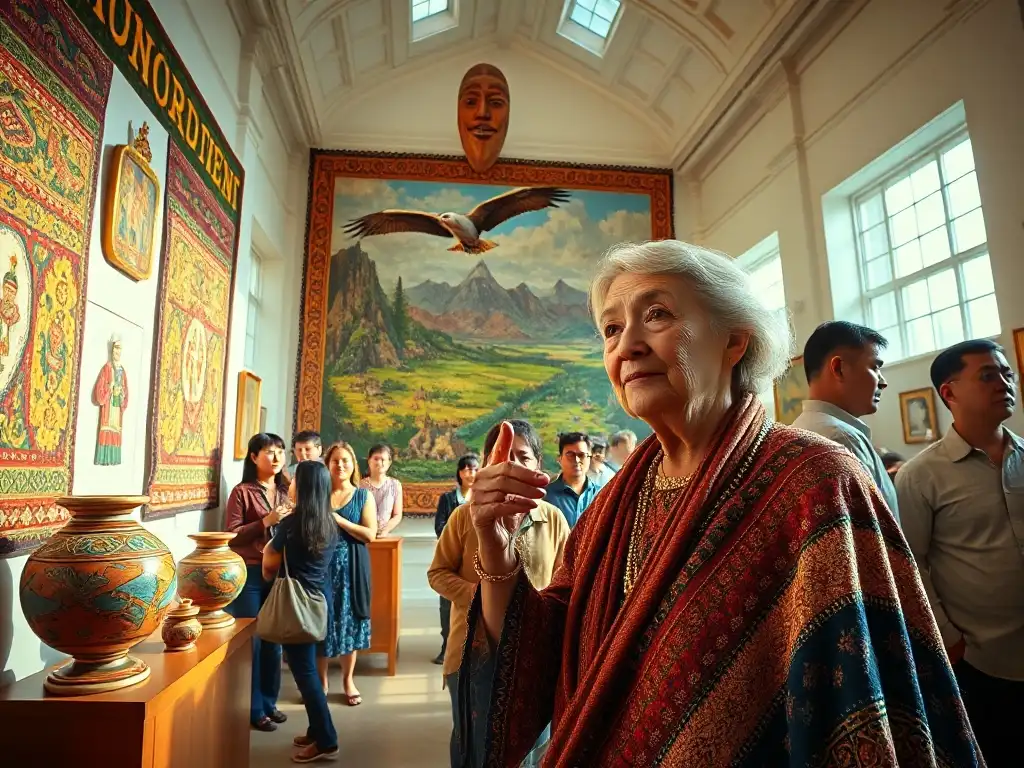
Step into a world lost to time, yet vibrantly alive in its legacy. Imagine uncovering the secrets held within intricate textiles, breathtaking pottery, and awe-inspiring goldwork – the very essence of Andean art collecting. This journey through the remarkable achievements of the Incas, Moche, Nazca, and Tiahuanaco will ignite your curiosity and reveal a captivating story of ingenuity and artistry.
Prepare to be amazed as we delve into the fascinating world of Andean civilizations and their enduring cultural impact. Discover the hidden narratives within each artifact and understand why Andean art collecting is more than just a hobby; it's a connection to a powerful past.
-
The Legacy of Andean Artists: A Tribute Through Andean Art Collecting
- Understanding the Allure of Andean Art: More Than Just Artifacts
- Why Collect Andean Art? Exploring the Cultural and Historical Significance
- Delving into the Diverse Styles of Andean Art: From Ceramics to Textiles
- Andean Ceramics: A Window into Ancient Life
- Andean Textiles: Woven Stories of Power and Tradition
- Andean Metalwork: Gold, Silver, and the Divine
- Starting Your Andean Art Collection: A Beginner's Guide
- Authenticating Andean Art: Tips for Responsible Collecting
- Where to Find Authentic Andean Art: Online Marketplaces and Physical Stores
- The Ethical Implications of Andean Art Collecting: Preservation and Respect
- Supporting Contemporary Andean Artists: Keeping the Tradition Alive
- Caring for Your Andean Art Collection: Ensuring Longevity
- Conclusion: Preserving the Legacy Through Andean Art Collecting
-
Frequently Asked Questions
- What makes Andean art so unique and desirable for collectors?
- What are some popular types of Andean art sought after by collectors?
- How can I ensure I'm collecting Andean art ethically and legally?
- What should I consider when evaluating the authenticity and value of Andean art pieces?
- Where can I learn more about Andean art and find reputable sources for collecting?
- Final Reflection: Weaving a Legacy Through Andean Art
- Celebrate and Preserve the Legacy of Andean Artists!
The Legacy of Andean Artists: A Tribute Through Andean Art Collecting
The breathtaking artistry of the Andean civilizations—from the intricate textiles of the Nazca to the monumental stonework of the Inca—continues to captivate audiences worldwide. This enduring legacy, a testament to the ingenuity and spiritual depth of these ancient cultures, is now increasingly accessible through the practice of Andean art collecting. This article delves into the compelling reasons behind the growing interest in acquiring and preserving these remarkable creations, exploring the cultural and historical significance embedded within each piece.
We will navigate the nuances of authentic Andean art collecting, providing insights into what to look for, the importance of ethical sourcing, and the profound rewards of becoming a custodian of this invaluable heritage. Understanding the context behind each artifact elevates the experience from mere acquisition to a deeply enriching engagement with a rich and complex past.
From meticulously crafted pottery to stunning goldwork, the journey into Andean art collecting is a journey through time, a celebration of human creativity, and a powerful connection to the vibrant cultures that shaped the Andes. The aim is to provide a comprehensive guide for those interested in embarking on this rewarding endeavor, ensuring responsible and informed collecting practices for the benefit of both the collector and the preservation of Andean cultural heritage.
Understanding the Allure of Andean Art: More Than Just Artifacts
Andean art possesses an undeniable allure, transcending mere aesthetics to offer a profound connection to the past. More than just visually appealing objects, these artifacts are tangible links to sophisticated societies that thrived in the challenging Andean environment. The artistry reveals a deep understanding of cosmology, social structures, and daily life.
For instance, the intricate designs woven into textiles often depict narratives, ceremonies, and mythological figures, offering glimpses into their belief systems and worldview. Similarly, the ceramic vessels, often adorned with vibrant colors and intricate motifs, were not simply functional; they held ritualistic significance and played a crucial role in social interactions. The meticulous detail and technical mastery evident in these pieces showcase the high level of skill and artistry achieved by Andean artisans.
The enduring appeal of Andean art stems from its ability to transport us to another time and place, allowing us to engage with a rich cultural heritage and appreciate the enduring power of human creativity. Collecting these artifacts is, therefore, more than simply acquiring objects; it's about preserving a legacy, supporting cultural preservation efforts, and actively participating in the continued appreciation of Andean artistry. The emotional resonance of these pieces is undeniable, adding another layer to their already significant value.
Why Collect Andean Art? Exploring the Cultural and Historical Significance
The decision to collect Andean art is driven by a multitude of factors, extending far beyond mere investment potential. The cultural and historical significance of these artifacts is paramount. Each piece tells a story, a fragment of a larger narrative that reveals the complexity and sophistication of Andean civilizations. Collecting Andean art contributes to the preservation of this legacy, ensuring that these invaluable pieces remain accessible for study and appreciation by future generations.
Moreover, ethical collecting practices support local communities and artisans, fostering sustainable development and empowering cultural preservation initiatives. By choosing to collect authentic pieces with verifiable provenance, collectors actively contribute to the fight against illicit trafficking and the destruction of cultural heritage. The investment in Andean art is, therefore, an investment in history, culture, and the preservation of a remarkable legacy.
Consider the intricate goldwork of the Moche, the stunning Nazca lines, or the impressive stone structures of the Inca—each piece reflects a unique artistic tradition and a profound understanding of the natural world. The sheer diversity of styles and techniques across different Andean cultures makes this field incredibly rich and rewarding for collectors who appreciate both the artistry and the historical context of these remarkable objects. The act of collecting becomes a powerful statement, a commitment to the preservation and celebration of Andean cultural heritage.
Delving into the Diverse Styles of Andean Art: From Ceramics to Textiles
Andean art collecting offers a fascinating journey through millennia of artistic expression. The sheer diversity of styles, materials, and techniques employed by Andean civilizations is staggering. From the intricately woven textiles of the Andes to the vibrant polychrome ceramics of the coastal cultures, each piece tells a unique story of its creators and their world. Understanding the context of these creations is crucial for responsible and informed collecting.
This involves researching the specific culture of origin, the techniques used, and the historical significance of the motifs and designs. For example, a seemingly simple textile might reveal complex social structures or cosmological beliefs through its intricate weaving patterns and the use of specific colors and materials. Similarly, the iconography depicted on ceramic vessels often provides valuable insights into religious practices, social hierarchies, and daily life. Building a collection of Andean art requires patience, careful research, and a deep appreciation for the cultural heritage it represents.
The true value of Andean art extends far beyond its monetary worth; it lies in its capacity to connect us to the rich tapestry of human creativity and ingenuity across time. Responsible collecting, therefore, necessitates a commitment to ethical sourcing and preservation, ensuring these invaluable pieces remain accessible for future generations to appreciate and learn from. The pursuit of authentic Andean art is not merely an accumulation of objects, but a journey of discovery and cultural immersion.
Andean Ceramics: A Window into Ancient Life
Andean ceramics represent a significant aspect of Andean art collecting. These objects weren't simply functional vessels; they served as powerful mediums for artistic expression, religious rituals, and social communication. The mastery of ceramic techniques varied greatly across different Andean cultures, reflecting unique artistic traditions and technological advancements.
The quality of the clay, the firing techniques, and the decorative styles all contribute to the uniqueness and value of these artifacts. Analyzing the types of clay used, the presence of pigments, and the firing methods provides valuable information about the technological capabilities and the artistic choices of the ancient artisans. Furthermore, the iconography depicted on these vessels – from realistic depictions of animals and humans to abstract geometric patterns – offers invaluable insights into the beliefs, values, and daily lives of the people who created them.
The study of Andean ceramics contributes significantly to our understanding of ancient Andean societies, their social structures, religious practices, and artistic skills. Collecting these pieces responsibly, therefore, involves a commitment to preserving and understanding this rich cultural legacy.
Moche Ceramics: Erotic Art and Ritual Scenes
Moche pottery, produced on the northern coast of Peru between approximately 100 and 800 CE, is renowned for its exceptional realism and its often explicit depictions of erotic scenes and ritual practices. The Moche artists displayed an astonishing mastery of modeling techniques, creating three-dimensional figures with remarkable detail. These ceramics frequently depict scenes of warfare, hunting, and religious ceremonies, offering a glimpse into the daily lives and beliefs of the Moche people.
The use of vibrant colors and intricate details elevates these vessels beyond mere functional objects, transforming them into powerful statements of artistic skill and cultural significance. The erotic imagery, in particular, has sparked considerable debate among scholars, with interpretations ranging from fertility rituals to expressions of social power. Regardless of interpretation, these depictions underscore the complexity and boldness of Moche artistic expression.
The preservation and study of Moche pottery continue to provide invaluable insights into the culture and beliefs of this fascinating ancient civilization. Collecting authentic Moche ceramics requires careful attention to provenance and authenticity to ensure responsible acquisition.
Nazca Pottery: Geometric Designs and Mythological Figures
In contrast to the realistic style of Moche pottery, Nazca ceramics (c. 100 BCE – 800 CE) are characterized by their distinctive geometric designs and stylized representations of mythological figures. The Nazca culture, known for their impressive geoglyphs, applied similar aesthetic principles to their pottery. They employed a sophisticated palette of colors, including red, black, white, and yellow, to create intricate patterns and figures. These patterns often incorporate stylized representations of animals, plants, and mythical beings, reflecting the religious beliefs and cosmology of the Nazca people.
The precise application of paint and the overall elegance of the designs showcase the high level of artistic skill achieved by Nazca artisans. The study of Nazca pottery enhances our understanding of their worldview, their artistic traditions, and their connection to the surrounding environment. Collecting these pieces requires a deep appreciation for their aesthetic qualities and their cultural significance.
Moche Stirrup Vessel Replica: Understanding the Craftsmanship
A Moche stirrup-spout vessel replica, while not an original artifact, can offer valuable insights into the craftsmanship and techniques employed by ancient Andean artisans. Examining a replica allows for a closer study of the vessel's construction, the methods used to create the intricate spout, and the application of the polychrome paint. This hands-on experience provides a deeper appreciation for the skills and artistry involved in creating these remarkable objects. Replicas also contribute to educational efforts, making these ancient techniques accessible to a wider audience.
However, it is crucial to distinguish between authentic artifacts and replicas when building a collection. Authenticity verification should always be a priority in Andean art collecting, and experts should be consulted when in doubt. Responsible collecting prioritizes the preservation and study of original artifacts while recognizing the educational value of high-quality replicas.
Andean Textiles: Woven Stories of Power and Tradition
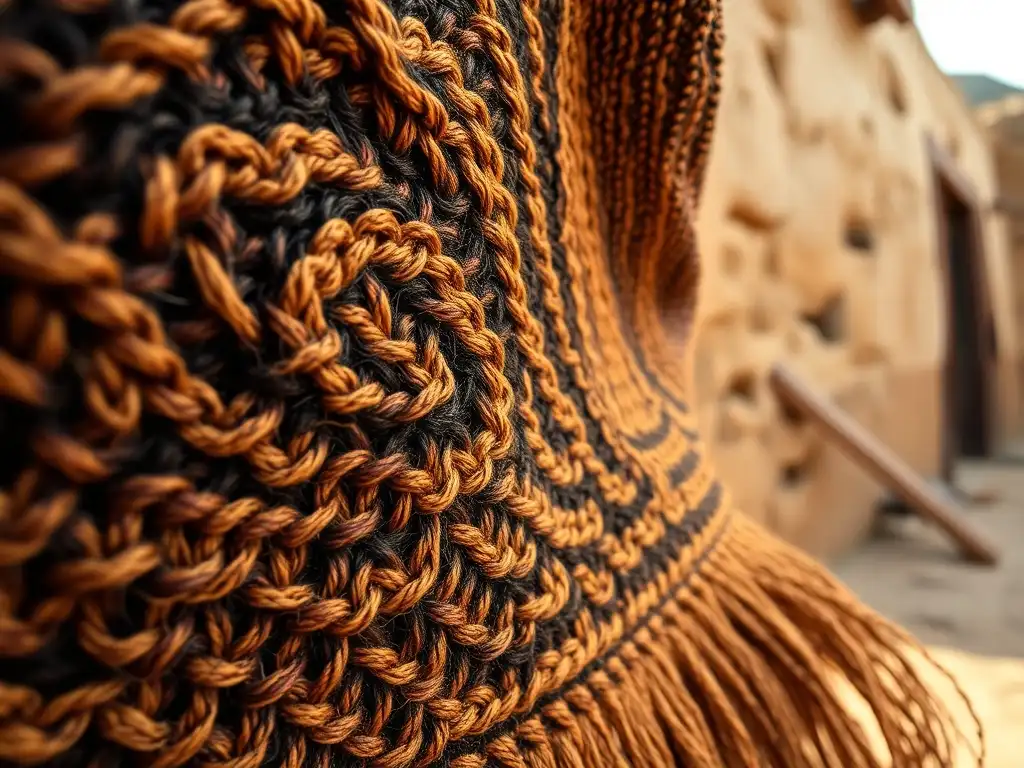
Andean textiles represent a remarkable legacy of artistic skill and cultural expression. For centuries, Andean peoples have used weaving as a means of storytelling, preserving history, and expressing social status. The intricate designs and vibrant colors found in these textiles reflect not only artistic talent but also a deep connection to the Andean landscape and cosmology.
From the simplest everyday garments to the most elaborate ceremonial cloths, each thread tells a story, weaving together threads of history, belief, and identity. The enduring appeal of Andean textiles in the art collecting world lies in their ability to transport us to another time and place, allowing us to connect with the rich cultural heritage of the Andes. The techniques employed, passed down through generations, are a testament to the ingenuity and resilience of Andean artisans.
Collectors appreciate the historical context, the cultural significance, and the sheer beauty of these remarkable works of art. The diversity of styles across different Andean cultures further enhances the allure of collecting these woven masterpieces.
Inca Textiles: Intricate Patterns and Royal Significance
Inca textiles stand out for their exceptional quality and intricate designs. The Inca Empire, known for its sophisticated administrative system and vast infrastructure, also produced textiles of unparalleled artistry. Royal Inca textiles often featured complex geometric patterns, symbolic motifs, and vibrant colors derived from natural dyes.
These patterns were not merely decorative; they held deep symbolic meaning, often representing power, lineage, and the Inca worldview. The use of camelid fibers like alpaca and vicuña, prized for their softness and warmth, further underscored the status of those who wore these garments. Examining the detail of Inca textiles reveals a mastery of weaving techniques, including tapestry weaving and brocade, which allowed for intricate designs and textures.
Collectors seek out Inca textiles not only for their aesthetic appeal but also for their historical and cultural importance as tangible links to one of the most impressive civilizations of the Andes. Authenticity is paramount, requiring careful examination of the materials, construction techniques, and patterns to ensure genuine Inca origin.
Paracas Textiles: Vibrant Colors and Complex Techniques
Pre-Inca Paracas textiles, dating from approximately 200 BCE to 200 CE, are renowned for their vibrant colors and extraordinary complexity. Paracas artisans employed a wide range of weaving techniques, including tapestry, embroidery, and gauze, creating textiles with incredible detail and texture. The use of rich, natural dyes, many of which remain vibrant even today, is a testament to their mastery of colorfast techniques.
Paracas textiles often feature intricate designs depicting mythical creatures, deities, and scenes from daily life. These designs provide invaluable insights into the beliefs and worldview of the Paracas culture. The sheer scale and technical sophistication of some Paracas textiles, including the large mantles and burial shrouds, are particularly impressive.
Collectors are drawn to the unique aesthetic qualities of Paracas textiles, their historical significance, and the exceptional skill demonstrated by the artisans who created them. The vibrant colors and intricate designs make them highly sought-after pieces in the Andean art market.
Handwoven Andean Textile Wall Hanging: Appreciating the Artistry
Handwoven Andean textile wall hangings represent a significant aspect of Andean art collecting. These pieces, often created using traditional techniques and materials, showcase the exceptional skill and artistry of Andean weavers. The intricate designs, which frequently incorporate geometric patterns, symbolic motifs, and representations of animals or deities, are a testament to the rich cultural heritage of the Andes.
The use of natural dyes, sourced from plants and minerals found in the region, adds to the unique character and beauty of these textiles. Many contemporary Andean artisans continue to produce high-quality wall hangings, preserving traditional weaving techniques and designs. Collectors appreciate not only the aesthetic appeal of these pieces but also their cultural significance and the connection to the living traditions of Andean communities.
Examining the detail of the weaving, the quality of the materials, and the unique design elements allows collectors to appreciate the artistry involved in creating these stunning works of art. The increasing popularity of these wall hangings reflects a growing appreciation for traditional crafts and the cultural heritage of the Andes.
Andean Metalwork: Gold, Silver, and the Divine
Andean metalworking represents a pinnacle of ancient American artistry. The mastery of techniques like hammering, casting, and alloying allowed Andean artisans to create stunning objects of gold, silver, and other metals. These objects served a variety of purposes, from ceremonial and ritualistic use to adornment and daily life.
The use of precious metals often reflected a connection to the divine, with gold, in particular, being associated with the sun and its power. The intricate designs and detailed craftsmanship of Andean metalwork are a testament to the skill and creativity of the artisans. Collectors are drawn to the beauty, rarity, and historical significance of these objects.
The enduring allure of Andean metalwork lies in its ability to connect us to a rich cultural past and to the sophisticated technologies employed by ancient Andean cultures. Understanding the techniques and materials used is crucial to appreciating the true value and artistry of these pieces.
Inca Gold: The Sun's Metal and Royal Power
Inca gold artifacts hold a special place in Andean art collecting. Gold, associated with the sun god Inti, held immense symbolic importance in Inca culture. Inca goldsmiths created exquisite objects, including jewelry, ceremonial vessels, and adornments for religious figures, showcasing remarkable skill in working with the precious metal. The intricate designs, often featuring naturalistic representations of animals and plants or geometric patterns, reflect the Inca worldview and their connection to the natural world.
The use of gold underscored the power and authority of the Inca rulers and the elite. Collectors highly value Inca gold artifacts for their aesthetic beauty, historical significance, and the connection they provide to a powerful and sophisticated ancient civilization. Determining authenticity is critical, requiring expertise in identifying the characteristics of genuine Inca goldwork.
Inca Silver Tumi Knife Replica: Examining the Detail
While original Inca silver tumi knives are exceptionally rare and valuable, high-quality replicas provide an opportunity to examine the detail and artistry of these iconic objects. The tumi, a ceremonial knife with a distinctive crescent shape, was an important symbol of Inca power and ritual. The blades were often intricately decorated with engraved designs, and the handles were frequently adorned with precious metals and stones.
Studying a replica allows collectors to appreciate the sophisticated metalworking techniques employed by Inca artisans, including the precise casting and detailed engraving. The replica can serve as an educational tool, helping collectors understand the cultural significance and artistic merit of the original tumi knives.
The attention to detail in a well-crafted replica can offer a fascinating glimpse into the skill and artistry of Inca metalworkers, highlighting the importance of preserving and understanding this significant aspect of Andean culture. Comparing a replica with images and descriptions of genuine tumi knives will assist collectors in developing a deeper understanding of these significant artifacts.
Starting Your Andean Art Collection: A Beginner's Guide
Embarking on the journey of Andean art collecting can be both exciting and daunting. The sheer diversity of styles, materials, and historical periods represented in Andean art presents a wealth of options, but also necessitates careful consideration. Beginners should focus on building a foundation of knowledge before making any significant purchases. This involves researching different Andean cultures—Inca, Moche, Nazca, Tiahuanaco, and many others—to understand their unique artistic expressions.
Familiarize yourself with the common materials used, such as ceramics, textiles, gold, and silver, and learn to identify typical stylistic features. Start small; acquiring a few high-quality pieces is more rewarding than accumulating numerous questionable items. Consider attending museum exhibitions and lectures to enhance your understanding and refine your aesthetic preferences.
Online resources, reputable books, and academic articles can also significantly aid your learning process. Don't rush into buying; take your time to develop a discerning eye and a deep appreciation for the artistry and cultural significance of each piece. Remember, the goal is not just to own Andean art, but to understand and appreciate its rich history and cultural context.
Authenticating Andean Art: Tips for Responsible Collecting
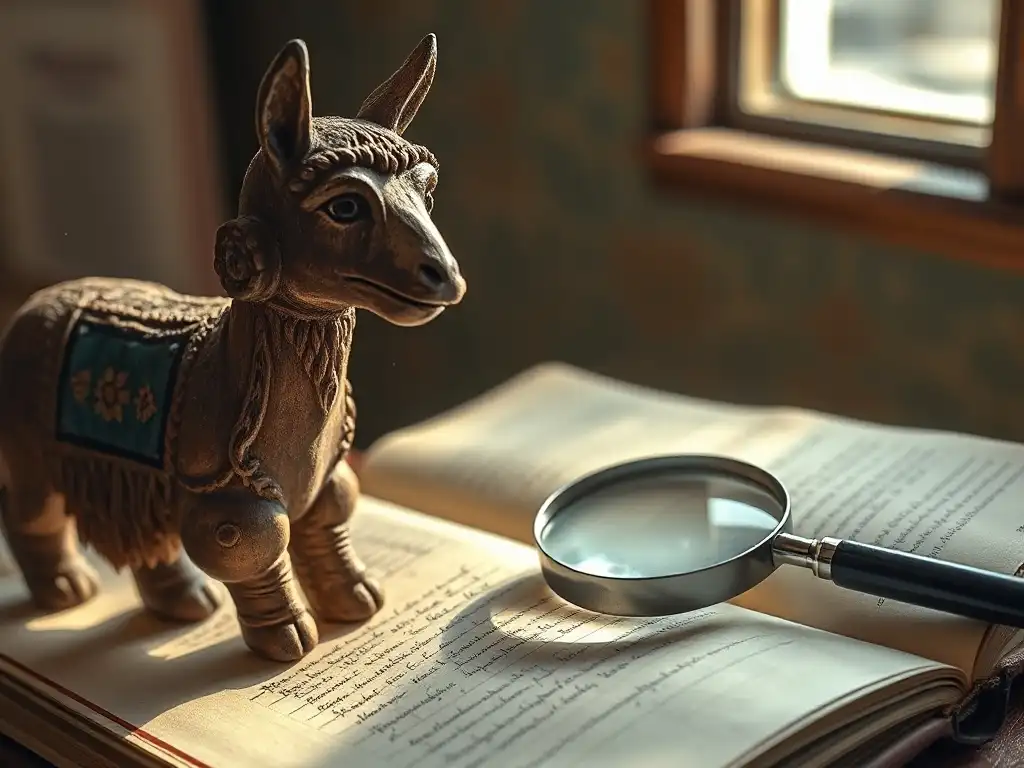
The world of Andean art is unfortunately plagued by forgeries and misattributions. Responsible collecting necessitates a keen awareness of authentication techniques and a commitment to ethical sourcing. This is crucial not only to protect your investment but also to preserve the integrity of Andean cultural heritage. A discerning collector should always prioritize provenance—the documented history of ownership—of an artifact.
A detailed provenance significantly increases the likelihood of authenticity. Scrutinize the materials used; understanding the techniques and materials employed by different Andean cultures is vital in spotting inconsistencies. For example, the types of clay used in pottery, the dyes in textiles, and the alloys in metalwork varied significantly across time and regions.
Pay close attention to details: inconsistencies in style, wear patterns, or the presence of modern repairs can indicate a forgery. Remember, a genuine artifact will often display signs of age and wear, while a newly created forgery will usually lack these characteristics. This aspect of Andean art collecting requires patience, research, and a willingness to seek expert opinions when necessary.
Recognizing Genuine Andean Artifacts
Identifying genuine Andean artifacts requires a multi-faceted approach. Begin by examining the object's material composition. Authentic Andean pottery, for instance, often exhibits specific clay types and firing techniques. Closely examine the surface texture; genuine pieces often display signs of age and wear, such as minor scratches, crazing (fine cracks in the glaze), or discoloration. Pay attention to the style and decoration. Each Andean culture possessed distinct artistic conventions; familiarizing yourself with these styles is essential.
Look for inconsistencies; forgeries often exhibit stylistic errors or anachronisms. Compare the piece to known examples in museums or reputable publications. Consider the object's overall condition; extensive damage or overly perfect preservation might raise suspicions. Finally, remember that expert opinions are invaluable. Consulting with recognized specialists in Andean archaeology or art history can provide crucial insights and help you make informed decisions. The process of authentication is complex and requires dedicated research and expertise.
The Importance of Reputable Dealers and Galleries
When collecting Andean art, choosing reputable dealers and galleries is paramount. Working with established professionals protects you from acquiring forgeries or illegally obtained artifacts. Reputable dealers provide detailed provenance documentation, which is crucial for authenticating a piece.
They also often have a deep understanding of Andean art and can offer valuable insights into the object's history and cultural significance. Look for dealers who actively participate in the academic community and have a strong reputation for ethical practices. Transparency is key; a reputable dealer should be open and forthcoming about the origin and history of their pieces.
Avoid dealers who are unwilling to provide documentation or who offer unusually low prices, as these may be indicators of questionable practices. Building relationships with trusted dealers is a long-term investment that will safeguard your collection and support responsible collecting practices within the Andean art world. Remember, the cost of a piece should reflect not only its aesthetic value but also its provenance and ethical acquisition.
Art Authentication Services for Andean Pieces
For particularly valuable or questionable Andean artifacts, seeking professional authentication services is strongly recommended. Several specialized laboratories and institutions offer scientific analysis to determine the age and origin of artifacts. These services often employ techniques such as thermoluminescence dating (for ceramics), radiocarbon dating (for organic materials), and material analysis (to identify the composition of metals and pigments). The cost of such services can vary greatly, depending on the complexity of the analysis required.
However, the peace of mind and certainty provided by a professional authentication report are often well worth the investment. When choosing an authentication service, ensure they have a strong reputation and specialize in Andean artifacts. They should provide a detailed report outlining their methodology and findings. Remember, even with professional authentication, there is always a degree of uncertainty involved in assessing the authenticity of ancient artifacts, highlighting the importance of responsible acquisition and thorough research.
Where to Find Authentic Andean Art: Online Marketplaces and Physical Stores
Finding authentic Andean art requires diligence and a discerning eye. The market, unfortunately, is susceptible to counterfeits, so understanding where to look is crucial for responsible Andean art collecting. There are two main avenues: online marketplaces and physical stores. Both offer unique advantages and disadvantages. Navigating these avenues successfully depends on research, verification, and a healthy dose of skepticism. Remember, the allure of a bargain often masks a fraudulent artifact.
Exploring Online Platforms for Andean Art
The internet offers unprecedented access to a vast array of Andean art. However, this convenience comes with increased risk. Reputable online platforms specializing in antiques and art often have vetting processes to ensure authenticity. These platforms usually provide detailed descriptions, high-resolution images, and sometimes even provenance documentation. However, even on reputable sites, careful scrutiny is essential.
Look for inconsistencies in descriptions, overly-polished images that might mask flaws, or a lack of clear provenance. Be wary of sellers with limited feedback or a history of negative reviews. Always ask for additional photos or videos, and don't hesitate to seek expert opinions before committing to a purchase. The process of verifying the authenticity of online Andean art is time-consuming but essential for ethical collecting.
Visiting Reputable Galleries Specializing in Andean Artifacts
Physical galleries specializing in pre-Columbian art provide a more tangible and secure approach to Andean art collecting. Visiting these establishments allows for direct examination of the artifacts, enabling a more informed assessment of their authenticity. Reputable galleries usually have extensive knowledge of their inventory, providing detailed information about the piece's origin, age, and any restoration work. They also often have relationships with experts who can authenticate pieces.
The personal interaction with gallery staff can be invaluable in building trust and understanding. However, it's still crucial to remain vigilant and ask pertinent questions. Don't hesitate to request documentation, such as provenance reports or certificates of authenticity. Investigate the gallery's reputation and history to ensure their credibility within the Andean art collecting community.
Online Marketplace for Andean Art
While online marketplaces can be a convenient starting point for your search, proceed with caution. Many platforms lack the robust verification systems of specialized art sites, increasing the risk of encountering forgeries. The sheer volume of items can also make it challenging to distinguish genuine Andean art from imitations. Before making a purchase, thoroughly research the seller's reputation, look for multiple high-quality images, and carefully read all descriptions.
It is often advisable to seek expert authentication before purchasing any item from an online marketplace. Remember that the price alone is not an indicator of authenticity; many forgeries are sold at inflated prices. A price that seems too good to be true often is. Always prioritize informed decision-making over impulsive purchases.
The Ethical Implications of Andean Art Collecting: Preservation and Respect
Andean art collecting carries significant ethical responsibilities. It's not just about acquiring beautiful objects; it's about preserving cultural heritage and respecting the indigenous communities whose ancestors created these artifacts. Ethical collecting involves ensuring that the acquisition does not contribute to the looting of archaeological sites or the exploitation of indigenous artisans.
Supporting reputable dealers and galleries who adhere to ethical sourcing practices is paramount. This often involves verifying provenance, ensuring that the art was acquired legally and ethically, and that any proceeds benefit the communities of origin or support conservation efforts. Furthermore, responsible collectors should prioritize the preservation of the artifacts they acquire, maintaining them according to best practices and, where possible, supporting research and documentation efforts.
Respect for the cultural significance of Andean art is crucial, acknowledging the rich history and spiritual meaning embedded within each piece. Ethical Andean art collecting is not merely a pursuit of personal gain; it's a commitment to safeguarding cultural heritage for future generations. Ignoring these ethical considerations undermines the very legacy we seek to celebrate.
Supporting Contemporary Andean Artists: Keeping the Tradition Alive
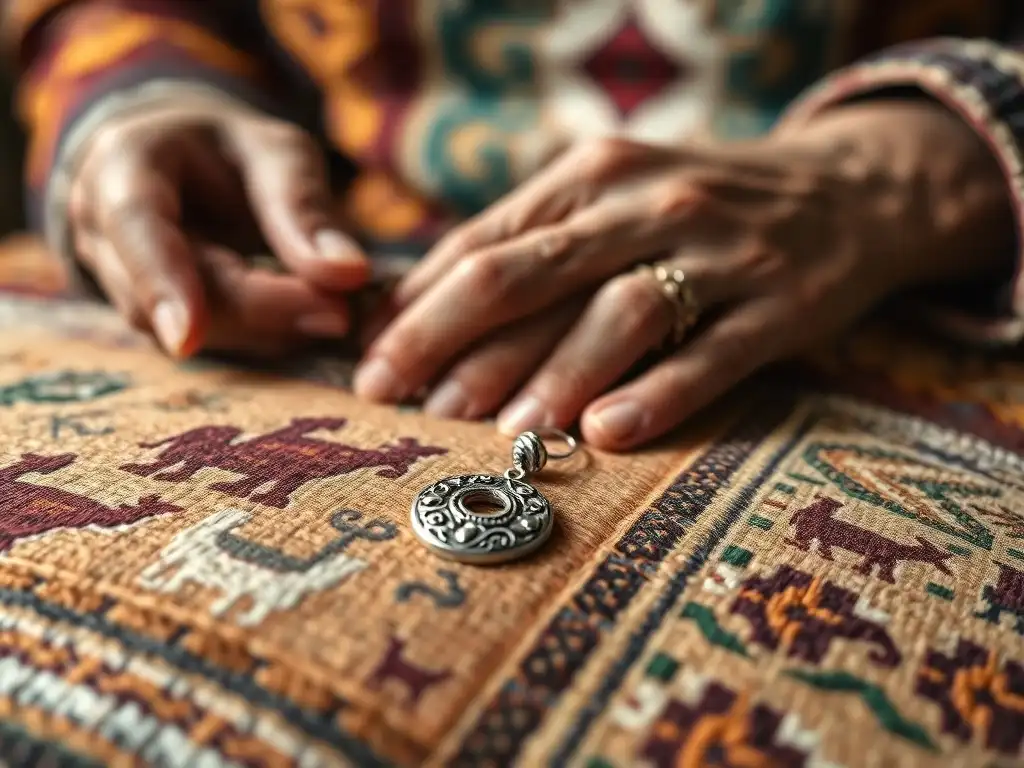
The vibrant tapestry of Andean art continues to be woven today by skilled artisans. Supporting these contemporary artists is not just about acquiring beautiful pieces; it's about preserving a rich cultural heritage and ensuring its continuity for future generations. The techniques and styles passed down through centuries are still practiced, albeit often with modern interpretations.
From intricate textiles to meticulously carved ceramics, the spirit of innovation blends seamlessly with the ancient traditions. Buying directly from artisans or through ethically sourced galleries ensures fair compensation and contributes directly to the sustainability of these artistic practices. This active participation in the art market helps maintain the livelihoods of these communities and encourages the continuation of these invaluable skills.
Furthermore, it allows for a more personal connection with the art, understanding the story behind each piece and the artist’s unique perspective. By choosing to support contemporary artists, collectors become active participants in the ongoing narrative of Andean art.
Discovering and Purchasing Art from Contemporary Andean Artisans
Finding authentic contemporary Andean art requires diligence and a discerning eye. Directly engaging with artisans through workshops, festivals, or community visits provides unparalleled opportunities for genuine interaction and a deeper understanding of the creative process. Many artisans maintain online presences, offering a convenient way to browse and purchase their work. However, it's crucial to verify the authenticity and ethical sourcing of the pieces. Look for information regarding the artist's background, materials used, and the techniques employed.
Reputable galleries specializing in Andean art often provide detailed provenance information and guarantees of authenticity. Always inquire about the artist's story and the inspiration behind their creations. This process not only ensures you acquire a genuine artwork but also fosters a meaningful connection with the artist and their community. Remember, responsible collecting involves supporting fair trade practices and contributing to the economic well-being of the artisans.
Contemporary Andean Artisan Crafted Textile: A Bridge Between Past and Present
Contemporary Andean textiles are a remarkable testament to the enduring legacy of ancient weaving techniques. Artisans continue to utilize traditional methods, such as backstrap loom weaving, while incorporating modern influences in color palettes, patterns, and materials. The result is a stunning fusion of tradition and innovation, creating pieces that are both historically significant and strikingly contemporary. Many modern artisans reinterpret traditional designs, infusing them with new narratives and symbolic meanings.
These textiles often incorporate natural dyes derived from plants and minerals, reflecting a deep connection to the Andean landscape and its resources. From the intricate designs of the Peruvian Andes to the bold geometric patterns of Ecuadorian textiles, each piece tells a unique story, reflecting the artist’s skill, creativity, and cultural heritage. Collecting these textiles allows you to own a piece of living history, a tangible link to generations of Andean artistry.
Caring for Your Andean Art Collection: Ensuring Longevity
Proper care is essential to preserve the beauty and historical significance of your Andean art collection. Understanding the materials used in each piece is crucial. Textiles, for example, are particularly sensitive to light, humidity, and pests. Storing them in acid-free archival boxes or displaying them behind UV-protective glass helps prevent damage from light exposure.
Ceramics, on the other hand, require careful handling to avoid breakage. Avoid extreme temperature fluctuations and store them in a stable environment. Regular cleaning, using appropriate methods for each material, is also essential for maintaining the integrity of the artwork.
For more delicate pieces, consulting a professional conservator is advisable. By taking proactive steps to protect your collection, you ensure that these precious artifacts will continue to inspire and enrich future generations, safeguarding a part of Andean cultural heritage for years to come. Proper care guarantees the longevity of these exquisite pieces, preserving their value and ensuring they remain a source of beauty and cultural understanding.
Conclusion: Preserving the Legacy Through Andean Art Collecting
The acquisition and preservation of Andean art is not merely a pursuit of aesthetics or financial gain; it's a vital act of cultural preservation. Each meticulously crafted textile, intricately carved piece of pottery, or delicately fashioned gold ornament speaks volumes about the ingenuity, spirituality, and societal structures of these remarkable civilizations. By collecting Andean art responsibly—that is, ensuring provenance and supporting ethical sourcing—we become active participants in safeguarding a legacy that deserves to be celebrated and understood. The vibrant hues of a Nazca textile, the powerful gaze of a Moche portrait, or the intricate detail of a Tiahuanaco stone carving are not just beautiful objects; they are tangible links to a past that continues to resonate with us today. They offer invaluable insights into the lives, beliefs, and artistic achievements of the Andean peoples, enriching our understanding of human history and creativity.
Collectors, therefore, play a crucial role in ensuring that future generations can appreciate and learn from these extraordinary artifacts. The responsibility lies with us to ensure that these treasures are not only admired but also protected from exploitation and decay, allowing their stories to continue to be told for centuries to come. The act of Andean art collecting, when approached with respect and awareness, transcends mere ownership; it becomes a form of stewardship, a commitment to preserving the rich cultural heritage of the Andes for generations to come. This legacy, woven into the very fabric of these artifacts, demands our careful attention and dedicated preservation efforts.
The vibrant tapestry of Andean art continues to inspire awe and wonder, a testament to the enduring creativity and resilience of its creators. Supporting museums, archaeological research, and ethical collectors helps ensure the long-term protection of these invaluable treasures and the continuation of their stories. Through conscious and responsible collecting, we contribute not only to the appreciation of Andean art, but also to its enduring legacy. 🌎
Frequently Asked Questions
What makes Andean art so unique and desirable for collectors?
Andean art boasts exceptional craftsmanship and unique artistic styles, reflecting diverse cultures like the Inca, Moche, and Nazca. Its historical significance and rare materials also contribute to its desirability.
What are some popular types of Andean art sought after by collectors?
Textiles, ceramics, and gold and silverwork are highly sought after. Collectors also appreciate stone carvings, feathers, and mummies (though ethically sourced ones are crucial).
How can I ensure I'm collecting Andean art ethically and legally?
Always buy from reputable dealers and auction houses that provide provenance documentation. Avoid items of dubious origin and support organizations fighting against the illegal antiquities trade.
What should I consider when evaluating the authenticity and value of Andean art pieces?
Examine the materials, style, and provenance. Consult with experts to verify authenticity and get a professional appraisal before making a significant purchase.
Where can I learn more about Andean art and find reputable sources for collecting?
Museums like the Metropolitan Museum of Art and reputable auction houses are excellent resources. Academic journals and books offer in-depth knowledge; joining collector associations is also beneficial.
Final Reflection: Weaving a Legacy Through Andean Art
The enduring power of Andean art isn't merely aesthetic; it's a vibrant thread woven into the tapestry of cultural heritage, a testament to resilience and creativity that continues to resonate today. The pieces discussed in this article, from intricate textiles to powerful sculptures, represent more than just artistic skill; they are living narratives, carrying the weight of history and the spirit of a people. Understanding their significance allows us to connect with a rich past and appreciate the ongoing artistic traditions of the Andes.
Collecting Andean art is not simply accumulating objects; it's participating in the preservation of a legacy. It's about acknowledging the profound stories embedded within each piece, the generations of artists who poured their hearts and souls into their creation, and the cultural context that shaped their expression. Art washes away from the soul the dust of everyday life.
– Pablo Picasso. This quote, while not specifically about Andean art, perfectly encapsulates the transformative power of engaging with these creations, allowing us to transcend the mundane and connect with something profoundly meaningful.
Consider the impact of your own choices. Will you be a passive observer, or will you actively contribute to the preservation and appreciation of Andean art? You have the power to support artists, museums, and initiatives dedicated to protecting this invaluable heritage. By engaging with Andean art—whether through visiting museums, supporting artisans, or even simply learning more about its history—you become a part of its ongoing story, ensuring that the vibrant legacy of Andean artists continues to inspire and enrich generations to come.
Celebrate and Preserve the Legacy of Andean Artists!
Thank you for exploring the remarkable contributions of Andean artists. Your interest honors their legacy and enriches our understanding of these vibrant cultures. Let's now actively engage with this incredible artistic heritage!
- Explore Andean art: Discover local galleries or online exhibitions featuring contemporary Andean artists and their work. Consider visiting museums with significant collections of Andean art.
- Share the beauty: Share this article on social media, introducing friends and family to the stunning artistry of the Andes. Post images of your favorite pieces and discuss what resonates with you.
- Join a community of enthusiasts: Participate in workshops, online forums, or cultural events focused on Andean crafts to connect with others who share your passion. Look for local groups or societies dedicated to Andean art and culture.
What piece of Andean art has most inspired you, and how will you share its beauty and significance with others?