
The Collector's Eye: Developing Your Expertise in Andean Art

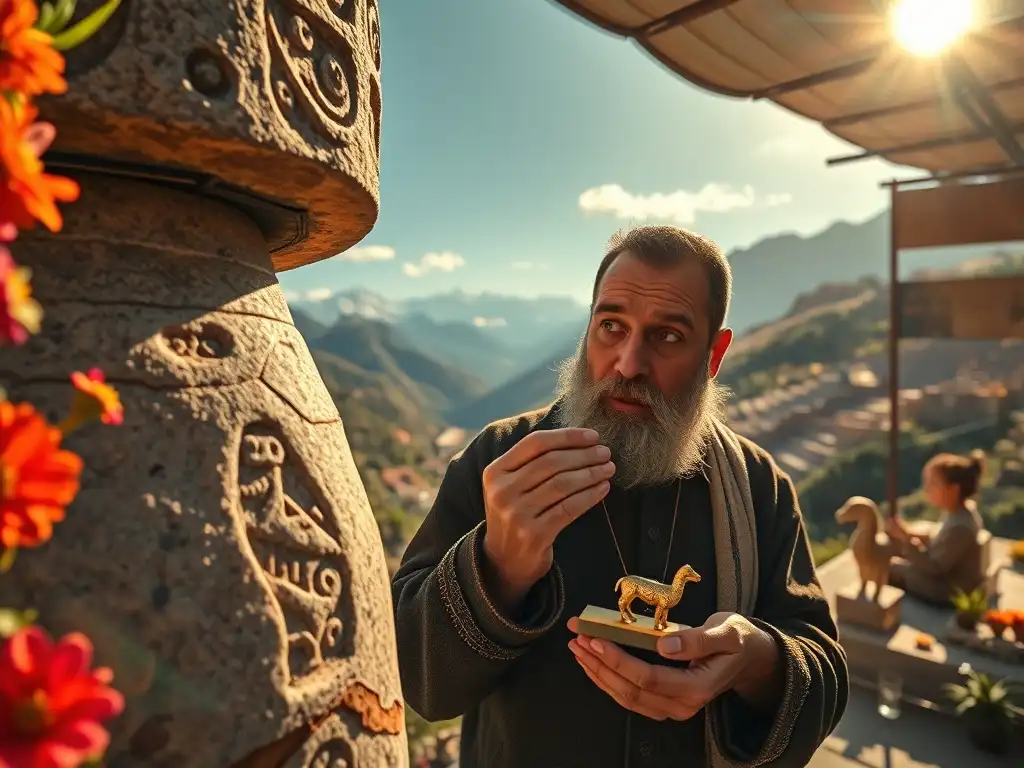
Step into a world lost to time, yet vibrantly alive in its legacy. Discover the secrets whispered across millennia within the breathtaking artistry of the Andes. From the intricate textiles of the Nazca to the majestic goldwork of the Incas, a fascinating tapestry of cultures awaits. But how do you navigate this captivating landscape and develop your own Andean art collecting expertise? Uncover the answers within, and embark on a journey of discovery that will transform your understanding of these remarkable civilizations.
The allure of Andean art is undeniable. From the intricate textiles of the Nazca to the majestic goldwork of the Moche, the artistic legacy of the Andean civilizations is a testament to human ingenuity and cultural richness. This article serves as a guide for aspiring collectors, navigating the complexities of acquiring and appreciating authentic Andean art.
Developing expertise in this field requires a keen eye, diligent research, and a deep understanding of the historical and cultural context surrounding each piece. We will explore the crucial elements needed to cultivate your expertise in Andean art collecting, enabling you to make informed decisions and build a collection that reflects both your passion and your discerning taste. This journey into the world of Andean art collecting will equip you with the knowledge to confidently navigate the market and assemble a truly remarkable collection.
We will delve into the nuances of identifying authentic pieces, understanding stylistic variations across different Andean cultures, and recognizing the hallmarks of quality craftsmanship. Ultimately, the goal is to empower you to become a discerning collector, capable of appreciating the beauty and historical significance of Andean art.
Introduction to Andean Art Collecting Expertise
Developing expertise in Andean art collecting is a journey of continuous learning. It's not simply about acquiring aesthetically pleasing objects; it's about understanding the intricate history, cultural significance, and artistic techniques behind each piece. This requires a multi-faceted approach, encompassing research, hands-on experience, and a willingness to engage with the broader field of Andean studies.
The market for Andean art is diverse, ranging from mass-produced souvenirs to highly valuable museum-quality artifacts. Discerning authentic pieces from forgeries or modern reproductions is paramount and requires a critical eye and a thorough understanding of the characteristics of different Andean cultures' artistic styles.
Successfully navigating this landscape requires a commitment to ongoing education and a deep appreciation for the cultural heritage represented in these artifacts. The rewards, however, are substantial: the satisfaction of owning a piece of history, contributing to the preservation of cultural heritage, and building a collection that reflects a deep understanding and appreciation for Andean art.
Understanding the Nuances of Andean Art
Andean art is remarkably diverse, reflecting the unique cultural expressions of various civilizations across millennia. Understanding these nuances is crucial for developing collecting expertise. For example, the intricate textiles of the Nazca culture are distinct from the monumental stonework of Tiahuanaco, and both differ greatly from the sophisticated metalwork of the Moche. Each civilization employed unique techniques and stylistic elements, reflecting their beliefs, social structures, and technological advancements.
Recognizing these differences requires careful study of archaeological findings, museum collections, and scholarly literature. Furthermore, understanding the materials used – from precious metals like gold and silver to intricately woven textiles and ceramics – is essential. The provenance of a piece—its documented history of ownership—is also a key factor in determining authenticity and value.
Careful examination of the piece itself, including its construction, materials, and stylistic elements, is crucial in determining both authenticity and cultural significance. Without this understanding, a collector risks acquiring pieces lacking historical or artistic value, or even potentially contributing to the illicit trade of artifacts. Consider the differences in pottery styles between the Chimú and Inca cultures, for example; their distinct forms and decorative motifs are critical identifiers.
Developing Your Andean Art Collecting Skills
Building your Andean art collecting skills is an iterative process involving continuous learning and refinement. This involves several key steps: Firstly, immerse yourself in the field by visiting museums with significant Andean collections, attending lectures and workshops, and engaging with scholarly publications. Secondly, network with other collectors, experts, and archaeologists to expand your knowledge and gain access to valuable insights. Thirdly, develop a keen eye for detail by carefully examining pieces, paying attention to their craftsmanship, materials, and stylistic elements.
Fourthly, cultivate a critical approach to provenance by researching the history of ownership of any potential acquisition. Finally, remember that responsible collecting is ethical collecting. Ensure that any piece you acquire is obtained legally and ethically, contributing to the preservation rather than the exploitation of cultural heritage.
This involves being aware of the laws and regulations surrounding the import and export of antiquities. By following these steps, collectors can develop a sophisticated understanding of Andean art and build a collection that is both personally rewarding and contributes to the appreciation and preservation of this invaluable cultural heritage. This commitment to responsible collecting will ensure the long-term preservation of these incredible works of art for future generations.
Tools and Resources for Andean Art Collectors
Developing expertise in Andean art collecting requires diligent research and the utilization of various tools and resources. Begin by familiarizing yourself with reputable academic journals and books specializing in Andean archaeology and art history. These publications often feature detailed analyses of specific artifacts, stylistic periods, and provenances, providing invaluable context for your collecting endeavors. Look for works that focus on specific cultures, like the Inca, Moche, or Nazca, to build a nuanced understanding of their unique artistic expressions.
Furthermore, museum websites and online databases are treasure troves of information. Many museums provide high-resolution images and detailed descriptions of their Andean art collections, allowing for comparative analysis and the identification of stylistic features. Consider joining professional organizations related to archaeology or art history; these communities often host lectures, workshops, and conferences that can significantly enhance your knowledge. Networking with other collectors and experts can also provide invaluable insights and opportunities.
Finally, don't underestimate the power of reputable auction house catalogs. These provide a glimpse into the market value of different pieces and can inform your collecting strategies. Pay close attention to the descriptions and provenance information included, as these details are crucial for assessing authenticity. Remember, building expertise is a continuous process requiring consistent engagement with these resources.
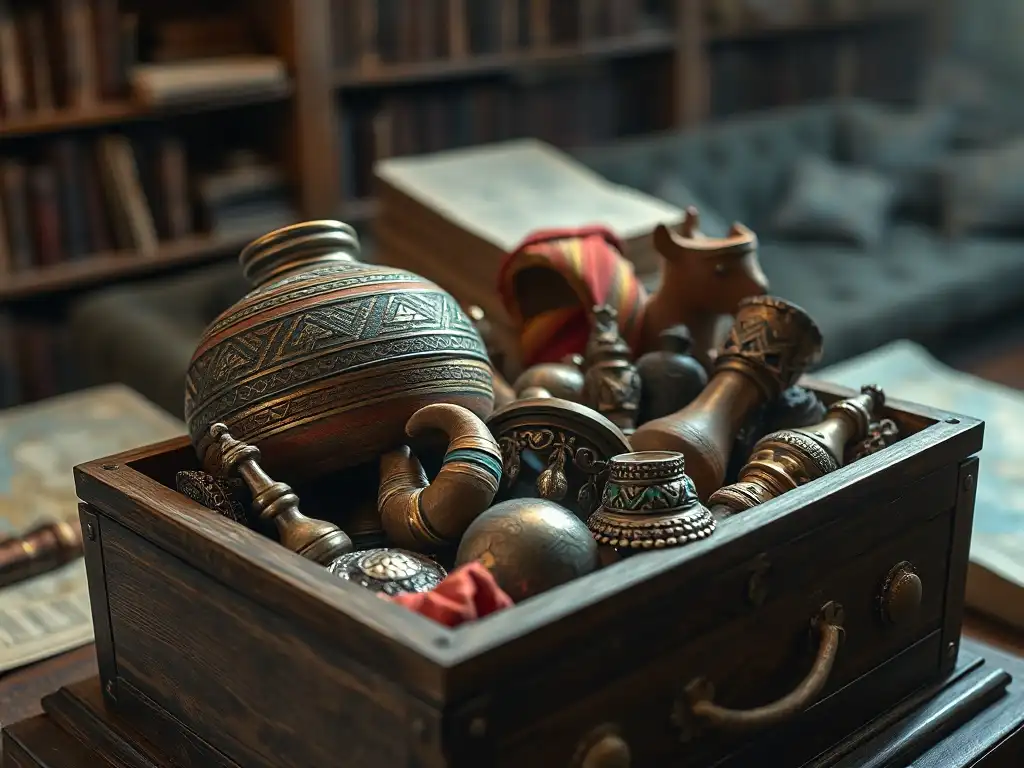
The Andean art market, like any other collecting field, presents both exciting opportunities and potential pitfalls. Authenticity is paramount; unfortunately, the market is not immune to forgeries and misattributions. Therefore, developing a critical eye is essential. Start by learning to identify common stylistic characteristics of different Andean cultures. Understanding the materials used, the techniques employed, and the evolution of artistic styles across time periods will equip you to distinguish genuine artifacts from imitations.
Seek expert opinions from reputable appraisers and archaeologists specializing in Andean art. Their expertise can provide invaluable insights into the authenticity and value of prospective acquisitions. Thoroughly examine the provenance of any piece you consider purchasing. A clear and documented chain of custody, tracing the artifact's ownership from its discovery to the present, significantly increases its credibility. Be wary of pieces lacking provenance information or those with unclear or suspicious histories.
Research the seller's reputation and credibility. Deal with reputable dealers and auction houses with established track records of ethical practices. Remember, due diligence is crucial. Investing time in research and seeking expert advice will protect you from costly mistakes and ensure that your collection consists of authentic and valuable Andean artifacts. Finally, be aware of legal regulations concerning the import and export of antiquities; compliance with these laws is essential to ensure ethical and legal acquisition.
Conservation and Care for Your Andean Art Collection
Proper conservation and care are crucial for preserving the longevity and value of your Andean art collection. Understanding the materials used in creating these artifacts is the first step. Many Andean artifacts are made from fragile materials such as pottery, textiles, and metal alloys, each requiring specific care. For example, ceramic pieces should be handled with extreme care to avoid chipping or breakage. Store them in a stable environment, free from extreme temperature fluctuations and humidity. Textiles require protection from light, pests, and excessive handling.
Proper storage, ideally in acid-free archival boxes, is essential to prevent deterioration. Metal artifacts may require specialized cleaning and protection to prevent corrosion. Always consult with a professional conservator before attempting any cleaning or restoration. They possess the expertise to assess the condition of your artifacts and recommend appropriate preservation methods. Regular inspection is critical; monitor your collection for signs of damage or deterioration, such as cracks, fading, or pest infestation. Early detection allows for timely intervention and prevents irreversible damage.
Proper environmental controls, such as maintaining stable temperature and humidity levels, are essential. Consider investing in climate-controlled storage if necessary. Remember, proactive conservation measures are vital in preserving the aesthetic and historical value of your Andean art collection for generations to come. Proper documentation, including detailed records of each artifact’s condition and any conservation treatments, is also crucial. This information will be invaluable for future researchers and conservators.
Building Your Andean Art Collection Ethically
Developing expertise in Andean art collecting goes hand-in-hand with ethical considerations. The acquisition of Andean artifacts carries a significant moral responsibility, given the often-turbulent history surrounding their creation and preservation. Many pieces have been looted from archaeological sites, fueling illicit trafficking networks that damage cultural heritage and often exploit vulnerable communities. Therefore, responsible collecting is paramount. A truly informed collector understands that their purchases contribute to either the preservation or the destruction of cultural legacy.
One crucial aspect of ethical collecting is ensuring the provenance of any artifact you consider purchasing. Provenance refers to the documented history of ownership of an object, tracing its journey from its creation or discovery to the present. A clear and verifiable provenance significantly reduces the risk of acquiring looted or illegally trafficked goods. Collectors should always request detailed provenance documentation, including any certificates of authenticity and previous ownership records. Be wary of vague or incomplete provenance information—it's a major red flag. Thorough due diligence is essential; a reputable dealer will be transparent and readily provide such documentation.
Furthermore, supporting reputable dealers and auction houses is key. These establishments often have established procedures for verifying the legality of their offerings and ensuring that artifacts are acquired through ethical channels. They frequently work with experts to authenticate pieces and often collaborate with organizations dedicated to the preservation of cultural heritage. Engaging with such institutions not only safeguards your investment but also contributes to the responsible stewardship of Andean art.
Beyond provenance, consider the impact of your collecting on local communities. Many contemporary Andean artisans continue to produce beautiful and intricate works, maintaining traditional techniques and designs. By actively seeking out and purchasing authentic contemporary Andean art, you support living artists and contribute to the sustainable development of their communities. This approach aligns with a holistic approach to appreciating Andean art, recognizing its living legacy beyond ancient artifacts.
This ethical dimension adds another layer of value to your collection, enriching it beyond monetary worth. Remember, your collecting practices contribute to a larger narrative—choose to be part of a story of preservation and respect. The pursuit of “Andean art collecting expertise” should always be coupled with an unwavering commitment to ethical practices.
- Introduction to Andean Art Collecting Expertise
- Understanding the Nuances of Andean Art
- Developing Your Andean Art Collecting Skills
- Tools and Resources for Andean Art Collectors
- Navigating the Andean Art Market
- Conservation and Care for Your Andean Art Collection
- Building Your Andean Art Collection Ethically
- What makes Andean art so unique and collectible?
- How can I begin to develop expertise in identifying authentic Andean artifacts?
- What are some crucial factors to consider when appraising Andean art?
- Are there specific types of Andean art that are particularly desirable among collectors?
- Where can I find reputable sources for learning more about Andean art and collecting?
Frequently Asked Questions
What makes Andean art so unique and collectible?
Andean art boasts a remarkable diversity across cultures like the Inca, Moche, and Nazca. Its unique styles, materials (e.g., gold, silver, textiles), and iconography reflect complex belief systems and sophisticated artistic techniques, making it highly sought after.
How can I begin to develop expertise in identifying authentic Andean artifacts?
Start by researching the various Andean cultures and their artistic styles. Visit museums and study reputable catalogs and books. Learn to identify characteristic features and common forgeries.
What are some crucial factors to consider when appraising Andean art?
Provenance is paramount – knowing the object's history is essential. Consider the material, craftsmanship, style, and condition. Consulting with expert appraisers is highly recommended.
Are there specific types of Andean art that are particularly desirable among collectors?
Highly desirable pieces include rare gold and silver objects, fine textiles, and ceremonial pottery. The rarity and cultural significance of an item heavily influence its value.
Where can I find reputable sources for learning more about Andean art and collecting?
Explore museum websites, academic journals, and reputable auction houses. Consider attending lectures and workshops led by experts in Andean art and archaeology. Networking within the collecting community is also beneficial.
Final Reflection: Cultivating a Legacy Through Andean Art
The passion for collecting Andean art is not merely a pursuit of beautiful objects; it's a journey into a rich tapestry of history, culture, and human ingenuity. Understanding the nuances of these artifacts allows us to connect with the vibrant civilizations that shaped them, fostering a deeper appreciation for their enduring legacy. This understanding, built through careful study and informed acquisition, is crucial in ensuring the preservation and responsible stewardship of these invaluable pieces.
The impact of responsible collecting extends far beyond the individual collector. It influences the market, shaping ethical practices and supporting communities involved in the creation and preservation of Andean art. The true value of art lies not only in its aesthetic appeal but also in its power to connect us to the past and inspire us for the future.
This quote underscores the importance of our role as collectors, not just as owners, but as custodians of a shared heritage. We must strive to ensure that our passion contributes to the positive growth and understanding of Andean art, rather than its exploitation.
Now, consider your own journey. Are you ready to embark on this path of discovery? Take the time to learn, to research, to connect with experts and fellow enthusiasts. By cultivating a discerning eye and a commitment to ethical collecting, you can not only build a remarkable collection but also contribute to the preservation and appreciation of Andean art for generations to come. Let your passion become a legacy, a testament to the enduring beauty and cultural significance of these extraordinary artifacts.
**Cultivate Your Inner Collector Today! **
Thank you for exploring the fascinating world of Andean art with us! Discovering the rich history and cultural significance of these masterpieces is a wonderful first step towards becoming a knowledgeable collector. Now, let's put that knowledge to work!
Here are a few ways to further your appreciation and expertise:
- Start Building Your Collection: Begin by acquiring a piece of Andean art that resonates with you. Explore local galleries or online auction houses specializing in Andean artifacts to find the perfect addition to your collection.
- Join a Community: Connect with other art enthusiasts by joining online forums or social media groups dedicated to Andean art. Sharing your insights, asking questions, and learning from others' experiences will greatly enhance your journey.
- Attend Workshops or Lectures: Seek out local or online events focused on Andean art and culture. Learning from experts will deepen your understanding and may even inspire your next acquisition.
As you begin this exciting journey, which piece of Andean art or artifact has most captivated your imagination? Share your thoughts below!