
The Art of Authentication: Key Factors in Identifying Genuine Andean Pieces

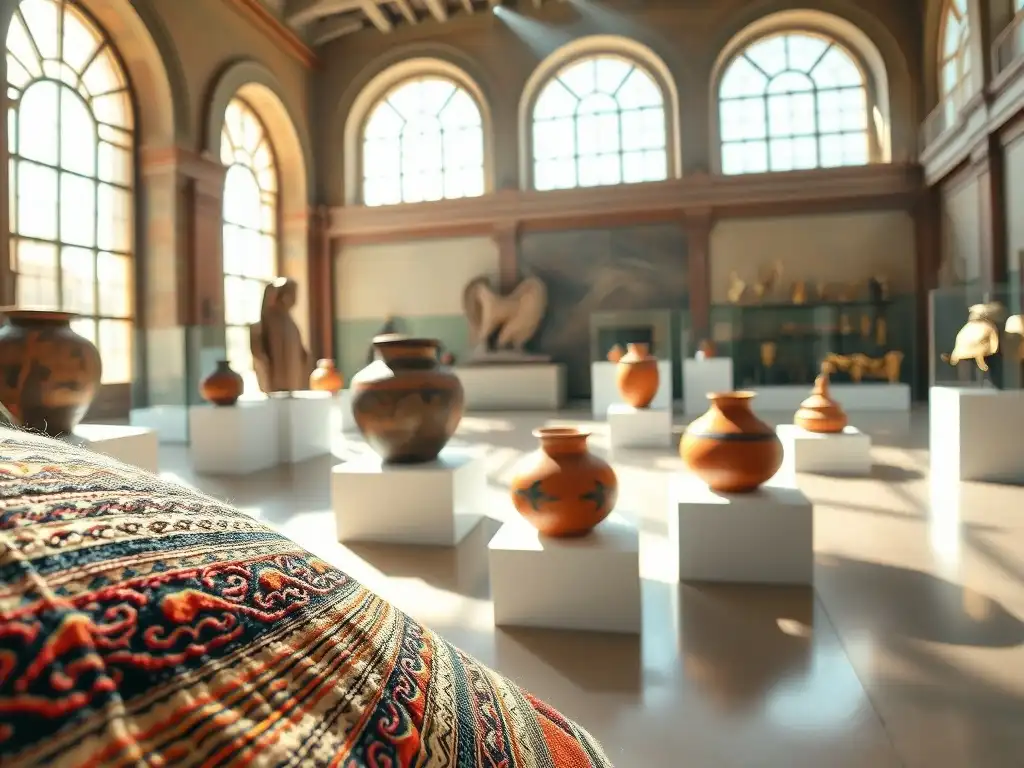
Dive into the captivating world of Andean Civilizations! From the intricate artistry of the Nazca lines to the sophisticated engineering of the Incas, this website unveils the secrets of a remarkable past. But how do we separate genuine treasures from skillful imitations? This journey begins with authenticating ancient Andean artifacts, a crucial aspect of understanding and preserving their legacy. Uncover the mysteries and learn to distinguish the real from the replica – your exploration starts now.
- Understanding the Importance of Authenticating Ancient Andean Artifacts
- Initial Steps in Verifying Andean Artifacts: A Practical Guide
- Key Features to Look for When Authenticating Andean Pieces
- Specific Examples of Authentication in Practice
- Tools and Resources for Authenticating Ancient Andean Art
- The Ethical Considerations of Collecting Andean Artifacts
-
Frequently Asked Questions
- How can I tell if an Andean artifact is genuine?
- What are some common signs of a fake Andean artifact?
- What is the importance of provenance when authenticating Andean artifacts?
- Are there specific materials commonly used in authentic Andean artifacts that I should be aware of?
- Where can I go to get an Andean artifact authenticated?
- Final Reflection: The Enduring Legacy of Andean Craftsmanship
- Unveil the True Beauty of Andean Art!
Understanding the Importance of Authenticating Ancient Andean Artifacts
The allure of ancient Andean artifacts—from intricately woven textiles to majestic gold ornaments—is undeniable. These objects whisper tales of sophisticated civilizations, remarkable artistry, and a rich cultural heritage spanning millennia. However, the booming market for Andean art also attracts unscrupulous individuals who create and sell forgeries.
This article delves into the crucial aspects of authenticating ancient Andean artifacts, equipping collectors and enthusiasts with the knowledge necessary to discern genuine pieces from expertly crafted imitations. Understanding the key factors involved in authentication is not merely a matter of financial prudence; it’s a vital step in preserving the integrity of Andean history and protecting cultural heritage.
We will explore the various methods used by experts to verify the authenticity of these invaluable pieces, highlighting the risks associated with acquiring counterfeit items and the importance of due diligence in the collecting process. The goal is to empower you to make informed decisions, ensuring that your collection truly reflects the rich tapestry of Andean civilization.
Why Proper Authentication is Crucial for Collectors and Enthusiasts
Authenticating Andean artifacts is paramount for several reasons. Firstly, it protects collectors from financial losses. Counterfeit items, often skillfully made to deceive the untrained eye, can command high prices. Investing in a fake artifact is not only a waste of money but also undermines the value of genuine pieces within a collection.
Secondly, proper authentication ensures the preservation of cultural heritage. The acquisition of counterfeit artifacts fuels the illegal antiquities trade, contributing to the depletion of archaeological sites and the erosion of cultural significance. By demanding authenticity, collectors support ethical sourcing and contribute to the responsible stewardship of Andean history. Finally, the ownership of a genuinely authenticated Andean artifact provides a unique and deeply enriching experience.
Knowing that you possess a piece of history, meticulously crafted by skilled artisans centuries ago, adds a profound layer of meaning and value far beyond monetary worth. This connection to the past is an invaluable part of appreciating and understanding Andean cultures. Consider the difference between owning a meticulously replicated Inca vase and possessing an actual vessel used in a centuries-old ceremony—the latter carries an irreplaceable weight of history and authenticity.
The Risks of Counterfeit Andean Art and the Importance of Diligence
The market for counterfeit Andean art is substantial, posing significant risks for collectors. These risks extend beyond financial loss; they encompass the ethical implications of supporting illegal activities and the potential damage to the reputation of reputable collectors. Counterfeiters employ sophisticated techniques, often using modern materials and processes to mimic the appearance of ancient artifacts. This can make detection challenging even for experienced collectors.
The consequences of acquiring a fake can range from disappointment and financial loss to legal repercussions if the piece was illegally obtained. Therefore, thorough diligence is essential. This includes carefully examining the artifact for inconsistencies in materials, craftsmanship, and style, seeking expert opinions from reputable appraisers, and researching the provenance—the history of ownership—of the piece.
A lack of proper documentation or a suspicious history should raise immediate red flags. Furthermore, purchasing from reputable dealers and auction houses with established provenance tracking systems significantly mitigates the risk of acquiring a counterfeit. The commitment to meticulous research and careful evaluation is not just advisable—it is crucial to responsible and ethical collecting of ancient Andean artifacts.
Initial Steps in Verifying Andean Artifacts: A Practical Guide
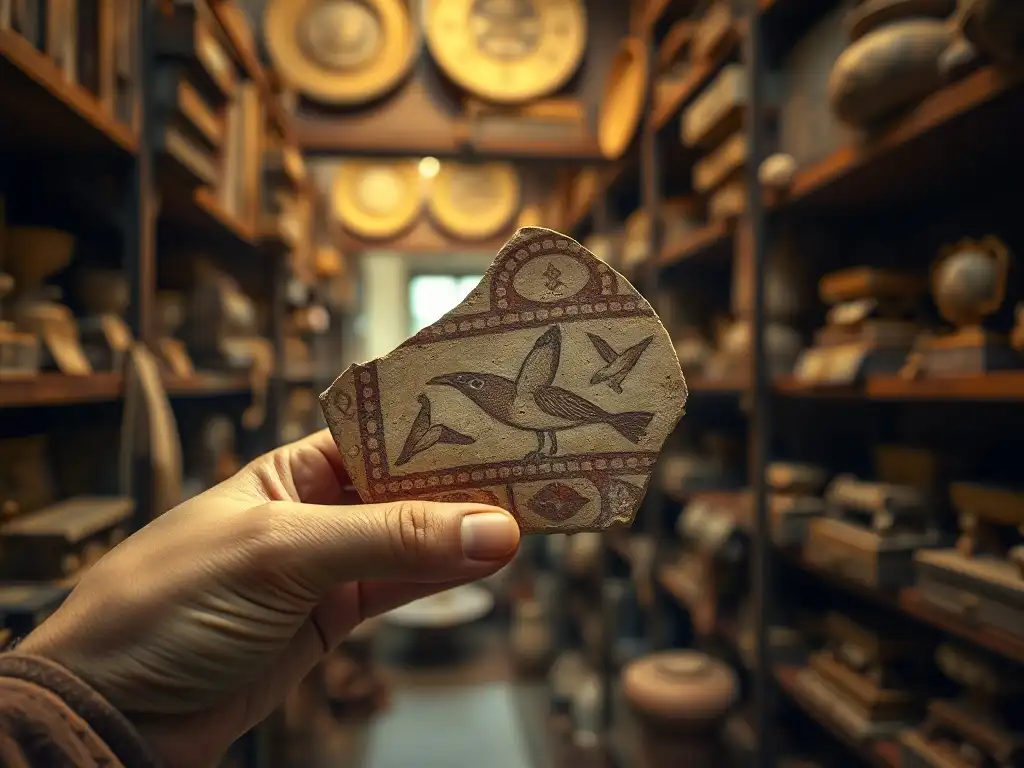
This section provides a practical guide for initial steps in authenticating ancient Andean artifacts. The process of authenticating ancient Andean artifacts is complex and often requires expert consultation, but understanding some basic principles can significantly improve your ability to distinguish genuine pieces from modern forgeries. Successfully authenticating ancient Andean artifacts requires a keen eye for detail and a thorough understanding of Andean artistic traditions and manufacturing techniques. Remember, always seek expert opinions from reputable archaeologists or art historians when dealing with potentially valuable or significant artifacts.
Examining the Material: Identifying Authentic Andean Materials
The materials used in ancient Andean art are a crucial aspect of authentication. Forgers often use modern materials attempting to mimic the appearance of ancient ones. Careful examination can reveal inconsistencies.
Analyzing the Clay Composition of Moche Stirrup Vessels for Authenticity
Moche stirrup vessels, renowned for their intricate designs and fine craftsmanship, are frequently targeted by forgers. Authenticating these vessels requires analyzing the clay composition. Genuine Moche pottery typically utilizes local clays with specific mineral compositions and impurities. These impurities, visible under magnification, can include traces of volcanic ash, quartz, or other local minerals.
Modern reproductions often use commercially available clays lacking these characteristic impurities. Furthermore, the color and texture of the clay should be consistent throughout the vessel. Uneven coloration or a noticeably different texture in certain areas can indicate a modern fabrication. Advanced techniques like X-ray fluorescence (XRF) spectroscopy can provide a definitive analysis of the clay's elemental composition, offering compelling evidence for authentication or refutation.
Recognizing Genuine Andean Textiles: Fiber Analysis and Weaving Patterns
Andean textiles, particularly those from the Paracas, Nazca, and Inca cultures, are highly prized for their intricate designs and fine craftsmanship. Authenticating these textiles requires careful examination of the fibers and weaving techniques. Genuine Andean textiles often utilize camelid fibers such as alpaca or llama wool, and sometimes cotton. Microscopic analysis can identify the type of fiber and its degree of degradation, providing insights into the textile's age.
The weaving techniques themselves are also crucial indicators. Ancient Andean weavers employed complex techniques, such as tapestry weaving, brocade, and sumptuary weaving, each with characteristic features. Understanding these techniques is essential to identify modern imitations, which often lack the precision and complexity of ancient pieces. The presence of inconsistencies in the weave, the use of modern synthetic dyes, or the lack of characteristic wear and tear are all red flags.
Techniques of Production: How Ancient Andean Artisans Worked
Understanding the techniques employed by ancient Andean artisans is crucial for authenticating their work. These techniques varied across different cultures and time periods, leaving distinct marks on the finished products.
Identifying Tool Marks on Inca Stone Walls
Inca stonework is renowned for its precision and fit. Authenticating Inca stone walls involves examining the tool marks left by the artisans. The Inca used stone tools, primarily copper and bronze chisels and hammers, to shape and fit the stones. These tools left characteristic marks, often fine and precise, which are difficult to replicate exactly. Modern reproductions may exhibit tool marks from modern tools, revealing inconsistencies.
The precise fitting of stones, without the use of mortar, is another key feature. The absence of mortar and the presence of characteristic Inca tool marks are strong indicators of authenticity. However, even experienced experts sometimes need to conduct further analysis to definitively establish authenticity. The presence of unusual or inconsistent tool marks should raise immediate concern.
Understanding the Firing Techniques of Nazca Polychrome Ceramics
Nazca polychrome pottery is celebrated for its vibrant colors and intricate designs. Authenticating these pieces requires understanding the firing techniques used by Nazca artisans. Nazca potters used open-air kilns, resulting in variations in firing temperatures and the development of unique surface characteristics. These characteristics include subtle variations in color, texture, and the presence of kiln-related imperfections, such as minor discoloration or warping. Modern reproductions, often fired in controlled environments, typically lack these characteristics.
The pigments used in Nazca pottery were also derived from natural sources, and their composition can be analyzed to determine authenticity. The presence of modern synthetic pigments is a clear indication of forgery. Furthermore, careful examination of the painting style and the level of detail can provide additional clues. The precision and fluidity of the lines in genuine Nazca pottery are often difficult to replicate.
Key Features to Look for When Authenticating Andean Pieces
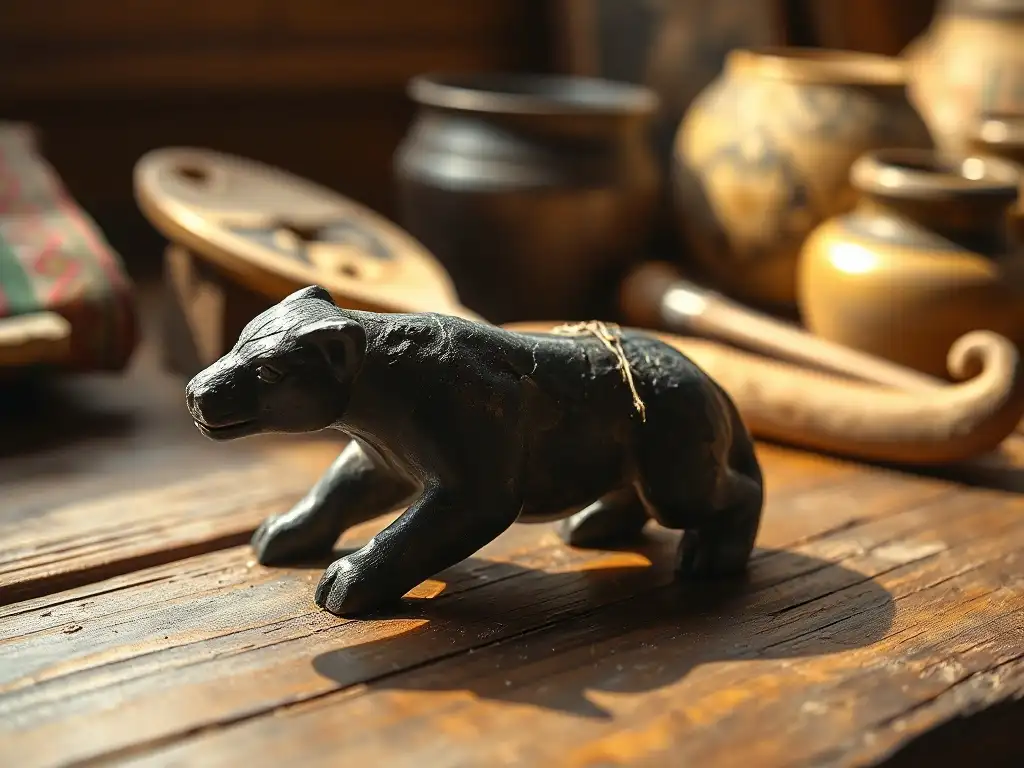
This section delves into the crucial aspects to consider when assessing the authenticity of ancient Andean artifacts. Authenticating ancient Andean artifacts requires a keen eye for detail and a thorough understanding of Andean artistic conventions and material properties. We will explore key features that distinguish genuine pieces from modern forgeries, focusing on visual analysis, material examination, and an understanding of the cultural context. This knowledge empowers collectors to make informed decisions and appreciate the true artistry and history embedded within these remarkable objects.
Analyzing the Iconography and Symbolism of Authentic Andean Art
The iconography and symbolism employed in Andean art are rich and complex, providing vital clues for authentication. A deep understanding of these visual languages is crucial for discerning genuine pieces from imitations. Forgers often fail to accurately reproduce the intricate details and nuanced meanings embedded within these artistic expressions.
Recognizing Accurate Representations of Wiracocha, the Creator Deity
Wiracocha, the creator deity, is frequently depicted in Andean art. Authentic representations often show him with specific attributes: a long, flowing robe, a staff, and sometimes a beard. His facial features are typically serene and dignified, reflecting his divine status. However, forgeries may simplify these features or inaccurately portray his attire, making the identification of authentic representations critical in authenticating ancient Andean artifacts.
Pay close attention to the proportions of the figure, the details of the clothing, and the overall expression. A poorly executed rendering of Wiracocha, lacking the subtle details and spiritual aura of genuine depictions, is a major red flag. Variations in depiction exist across different Andean cultures, but a knowledgeable eye can spot inconsistencies and inaccuracies.
Understanding the Significance of Step-Fret Patterns in Andean Textiles
Step-fret patterns, geometric designs characterized by a series of interconnected, stepped lines, are a prominent motif in Andean textiles. These patterns hold significant cultural and symbolic meaning, often representing agricultural terraces, water channels, or even celestial pathways. Authentic step-fret patterns exhibit a precision and intricacy that is difficult to replicate. The lines are typically clean, sharp, and evenly spaced.
Forgeries often display imprecise lines, uneven spacing, or a simplified representation lacking the subtle variations found in genuine pieces. Furthermore, the colors and dyes used in authentic textiles often exhibit a unique patina developed over time, a characteristic absent in newly created imitations. Analyzing the textile construction—the type of weave, the quality of the yarn, and the overall craftsmanship—is also vital.
Checking for Age and Wear: Distinguishing Genuine Patina from Artificial Aging
The passage of time leaves its mark on ancient artifacts. A genuine patina, the surface discoloration and wear resulting from age and exposure, is a crucial indicator of authenticity. However, forgers often attempt to artificially age artifacts, creating a false patina that lacks the subtle nuances of genuine aging.
Using 10x Magnifying Loupes to Examine Surface Details
A 10x magnifying loupe is an invaluable tool for examining the surface details of Andean artifacts. Under magnification, genuine wear patterns reveal themselves as subtle abrasions, scratches, and discolorations consistent with age and handling. Artificial aging, on the other hand, often appears uniform and lacks the complexity of natural wear.
Close examination can reveal inconsistencies in the artificial patina, such as an unnatural uniformity of color or texture. The magnification will allow observation of minute details in the material itself, helping determine if it’s consistent with the claimed age and origin. For example, one can observe the microscopic details of the weaving in textiles or the subtle variations in the metal alloy of gold tumbaga artifacts.
Recognizing the Natural Effects of Time on Gold Tumbaga Artifacts
Tumbaga, a gold-copper alloy prevalent in Andean art, develops a unique patina over time. This patina often exhibits a range of colors, from deep reddish-brown to greenish hues, depending on the alloy's composition and environmental conditions. Authentic tumbaga artifacts often display subtle variations in color and texture across their surfaces, reflecting the natural aging process. Artificial aging techniques often fail to replicate this complexity, resulting in a uniform and unnatural appearance.
The presence of corrosion or other natural signs of aging, when consistent with the purported age of the artifact, reinforces its authenticity. Conversely, the absence of any wear or discoloration on a purportedly ancient artifact raises serious concerns. A careful examination, using both the naked eye and magnification, is essential for distinguishing genuine patina from artificial aging.
Provenance Research: Tracing the History of an Andean Piece
Provenance research is crucial for authenticating ancient Andean artifacts. It involves meticulously tracing the object's ownership and location from its discovery to the present day. A strong provenance chain significantly increases the likelihood of authenticity. This process often involves examining historical records, such as excavation reports, auction catalogs, and private collection inventories.
Gaps in the provenance chain, particularly those spanning significant periods, can raise red flags and necessitate further investigation. The more detailed and documented the history, the more confident one can be in the artifact's legitimacy. For example, a ceramic vessel with clear documentation showing its discovery during a reputable archaeological dig, subsequent acquisition by a respected museum, and later transfer to a private collector presents a much stronger case for authenticity than a piece with an undocumented history.
The absence of any historical record or a sudden appearance on the market without a clear chain of custody should immediately raise concerns about its authenticity when authenticating ancient Andean artifacts. Thorough provenance research is not merely about verifying ownership; it's about understanding the artifact's journey through time, which offers valuable context and strengthens the case for its authenticity. This detailed historical analysis is a cornerstone of authenticating ancient Andean artifacts.
Utilizing Museum Collection Databases to Research Provenance
Museum collection databases are invaluable resources for provenance research. Many major museums worldwide maintain online databases detailing their collections, including acquisition histories and sometimes even images of related documentation. By searching these databases using descriptive terms related to the artifact in question (e.g., material, style, geographical origin), researchers can potentially uncover similar pieces with known provenance, which can help contextualize and authenticate a piece under scrutiny.
For example, if an individual possesses a Nazca ceramic and finds a very similar piece documented in the collection of the Metropolitan Museum of Art with a clear provenance, this adds significant weight to the authentication process. However, it is essential to remember that visual similarity alone is insufficient for definitive authentication. Further research, including stylistic analysis and material testing, remains necessary.
The information found in these databases should be treated as a starting point for more in-depth investigation, rather than conclusive proof. Furthermore, the quality and completeness of information vary greatly across different museum databases, so utilizing multiple sources is a best practice when authenticating ancient Andean artifacts. Using these resources effectively requires careful attention to detail and a systematic approach to data analysis.
The Role of Appraisers Specializing in Pre-Columbian Art
Engaging experienced appraisers specializing in pre-Columbian art is a crucial step in the authentication process for ancient Andean artifacts. These experts possess in-depth knowledge of Andean art history, stylistic variations, and common forgery techniques. They can analyze an artifact's material composition, manufacturing techniques, and stylistic features to identify anomalies or inconsistencies that may indicate a forgery.
Their assessment often involves visual examination, often using magnification tools, as well as scientific analysis such as X-ray fluorescence (XRF) spectroscopy to determine the chemical composition of materials. A qualified appraiser will not only provide an opinion on authenticity but also offer a detailed report outlining their methodology and findings. This report can be invaluable in supporting claims of authenticity or in identifying areas requiring further investigation.
Choosing a reputable appraiser with a proven track record and appropriate professional certifications is critical. Their expertise in authenticating ancient Andean artifacts goes beyond simple visual inspection; it encompasses a comprehensive understanding of the cultural context, artistic techniques, and potential for imitation prevalent in Andean art. Their role is essential in navigating the complexities of the art market and ensuring the integrity of collections.
Specific Examples of Authentication in Practice
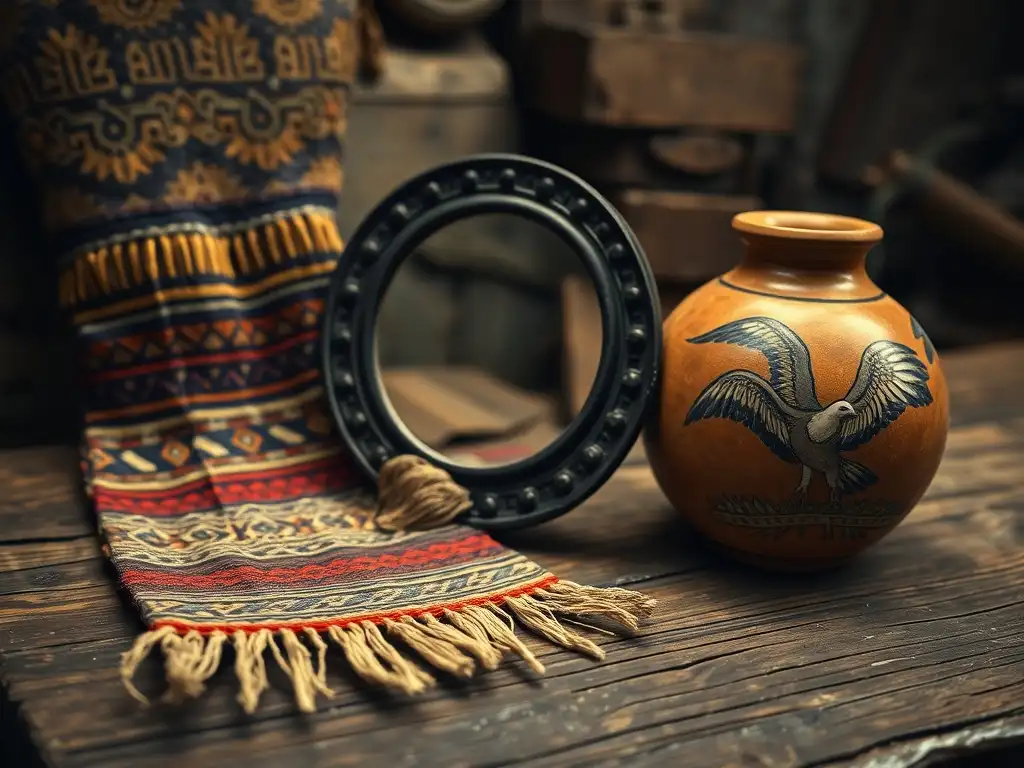
This section delves into practical examples of authenticating ancient Andean artifacts, highlighting the meticulous processes involved in distinguishing genuine pieces from expertly crafted forgeries. Successfully authenticating ancient Andean artifacts requires a multi-faceted approach, combining stylistic analysis, material testing, and a deep understanding of the historical context. The ability to discern subtle differences between genuine and fraudulent pieces is crucial for collectors and researchers alike. This expertise helps preserve the integrity of the Andean cultural heritage and protects against the illicit antiquities trade.
Case Study 1: Identifying a Genuine Tiahuanaco Kero vs. a Forgery
Authenticating Tiahuanaco keros, ceremonial drinking vessels, presents unique challenges due to their popularity among collectors and the prevalence of high-quality forgeries. The following analysis contrasts a genuine Tiahuanaco kero with a sophisticated imitation, demonstrating the key elements used in authentication.
Comparing the Style and Construction of the Pieces
A genuine Tiahuanaco kero exhibits specific stylistic features developed over centuries. These include:
- Shape and Proportion: Authentic keros often possess a specific, subtly curved shape, with a consistent ratio between height and diameter. Forgeries may exhibit inaccuracies in these proportions, appearing slightly off or disproportionate.
- Surface Decoration: Genuine keros display intricate carvings and designs, typically executed with precision and depth. The motifs often reflect characteristic Tiahuanaco iconography, such as stylized figures, geometric patterns, and stepped friezes. Forgeries sometimes employ simplified or inaccurate representations of these motifs.
- Manufacturing Techniques: Careful examination reveals the hand-crafted nature of genuine Tiahuanaco keros. Slight inconsistencies in the carving and finishing are common, reflecting the artisan's hand. Forgeries, however, might display a uniformity that suggests mass production or the use of modern tools.
| Feature | Genuine Tiahuanaco Kero | Forgery |
|---|---|---|
| Shape | Subtly curved, consistent proportions | Slightly off, proportions inconsistent |
| Surface Decoration | Intricate carvings, deep relief, accurate motifs | Simplified motifs, shallow relief, inaccuracies |
| Manufacturing | Hand-crafted, slight inconsistencies | Uniformity suggests mass production or modern tools |
Analyzing the Chemical Composition of the Clay
Beyond stylistic analysis, scientific methods play a vital role in authenticating Andean artifacts. In the case of ceramic pieces like keros, analyzing the chemical composition of the clay provides strong evidence of authenticity.
The clay used in genuine Tiahuanaco keros originated from specific geological sources. Scientific techniques such as X-ray fluorescence (XRF) spectroscopy can identify the elemental composition of the clay, comparing it to known samples from the Tiahuanaco region. Discrepancies in the chemical makeup can strongly suggest a forgery. Furthermore, the firing techniques used in ancient times leave distinct traces in the clay's structure, which can be analyzed using microscopic techniques. Forgeries often fail to accurately replicate these characteristics. For example, a modern kiln might produce a different firing pattern compared to the ancient techniques utilized by Tiahuanaco artisans.
Case Study 2: Verifying the Authenticity of an Inca Tapestry Fragment
Authenticating textile fragments presents a different set of challenges compared to ceramics. The delicate nature of these objects and the intricate techniques employed in their creation require specialized expertise.
Examining the Weave and Dyeing Techniques
Inca textiles are renowned for their sophisticated weaving techniques and vibrant natural dyes. Authenticating a fragment requires a detailed analysis of:
- Weave Structure: Inca textiles employed various complex weaving techniques, including tapestry, brocade, and sumptuary weaving. The specific weave structure, including the type of yarns, their arrangement, and the density of the weave, provides crucial clues to authenticity. Forgeries often exhibit simpler or inconsistent weave structures.
- Dyeing Techniques: Inca artisans used natural dyes derived from plants, minerals, and insects. Analysis of the dyes using techniques such as high-performance liquid chromatography (HPLC) can identify the specific pigments used. The presence of synthetic dyes is a clear indicator of forgery. Furthermore, the application of the dyes, including the consistency of color and the presence of specific patterns, contributes to the authentication process. The subtlety of color gradients and the precision of dyeing are rarely replicated in modern forgeries.
Assessing the Condition and Preservation of the Textile
The condition of the textile is also a key indicator of authenticity. Genuine Inca textiles, even fragmented ones, often exhibit signs of natural degradation consistent with age and exposure to the elements. These include fading of dyes, minor fiber damage, and the presence of natural wear. Forgeries, on the other hand, may appear artificially aged or lack the subtle signs of natural deterioration observed in ancient textiles.
The presence of unnatural damage or overly uniform degradation should raise suspicion. The overall level of preservation, considering the age and material, should align with what is expected for an object of that age and provenance. Expert knowledge of textile degradation processes is essential for this assessment. The presence of modern repairs or alterations can also be a clear sign of a forgery.
Tools and Resources for Authenticating Ancient Andean Art
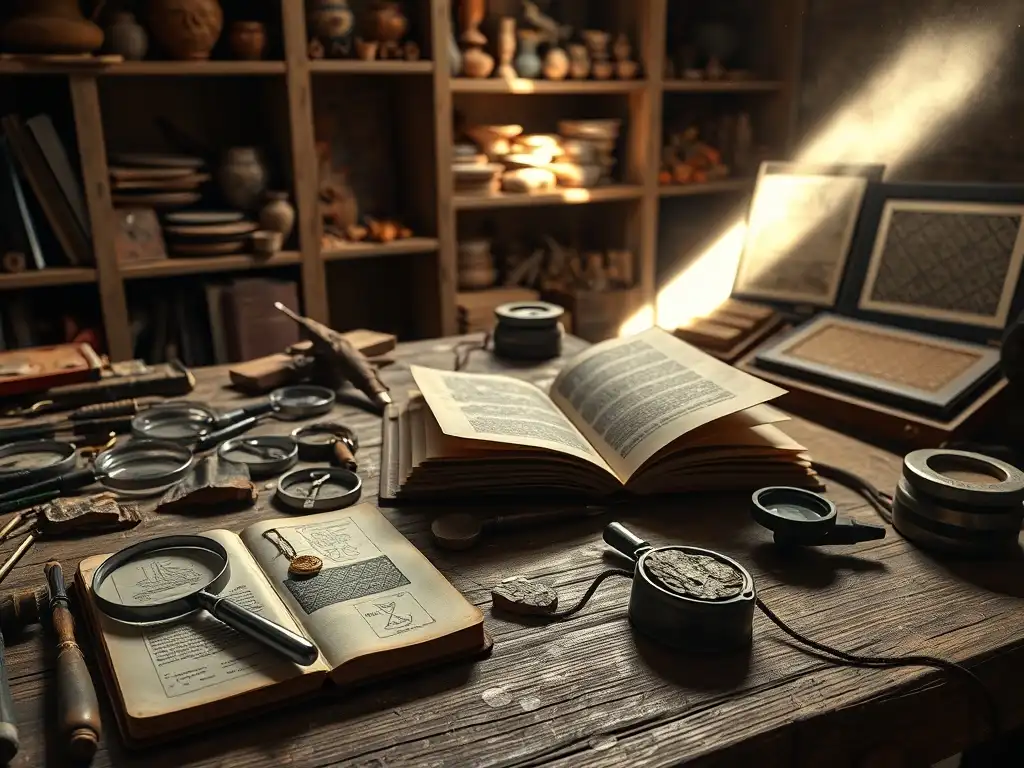
This section details the essential tools and resources crucial for authenticating ancient Andean artifacts. Knowing how to properly examine a piece is paramount to discerning genuine artifacts from skillful forgeries. The market for Andean art is unfortunately rife with reproductions, therefore, a methodical and informed approach is necessary. Successfully authenticating ancient Andean artifacts requires a combination of practical tools and academic knowledge.
Essential Tools for the Collector: Handheld Microscope, UV Light
The careful examination of an artifact's physical characteristics is the cornerstone of authentication. Two readily accessible tools significantly aid in this process: a handheld microscope and a UV light.
A handheld microscope, even a relatively inexpensive model with 30x to 60x magnification, allows for close inspection of surface details. This is critical for identifying telltale signs of age and wear, such as microscopic scratches, pitting, and variations in patina. For example, the subtle striations left by ancient tools on pottery surfaces are often invisible to the naked eye but easily detectable under magnification.
Furthermore, a microscope can reveal inconsistencies in the application of paint or glaze, a common characteristic of modern reproductions. The level of detail achievable helps in determining whether the craftsmanship aligns with the expected techniques of a particular Andean culture, further aiding in the process of authenticating ancient Andean artifacts.
A UV light is equally valuable. Many modern pigments and resins fluoresce under UV light, revealing their relatively recent origins. Genuine Andean pigments, on the other hand, often exhibit a different reaction, or no fluorescence at all.
By comparing the fluorescence pattern under UV light with known characteristics of Andean pigments, you can further verify the authenticity of the artwork. This is particularly useful in evaluating textiles and painted pottery where the chemical composition of dyes and pigments plays a significant role in determining authenticity. Remember to always handle artifacts with care and use appropriate safety precautions when working with UV light.
Recommended Books and Publications on Andean Art and Authentication
Beyond the practical tools, a solid theoretical foundation is essential. Developing a keen eye for authentic Andean artifacts necessitates a deep understanding of their stylistic features, manufacturing techniques, and historical context. The following resources provide invaluable insights into these aspects:
"Andean Art at the Metropolitan Museum" by Joanne Pillsbury - A Comprehensive Guide
Pillsbury's book offers a comprehensive overview of Andean art, covering various cultures and periods. Its detailed illustrations and descriptions are invaluable for comparing stylistic elements, identifying distinctive characteristics of different Andean cultures, and understanding the evolution of artistic techniques throughout the centuries. This detailed catalog provides a benchmark for comparison when authenticating ancient Andean artifacts. The book’s meticulous documentation of known genuine pieces serves as a crucial reference point for collectors. The in-depth analysis of materials and techniques within the book is unparalleled for its focus on authenticating ancient Andean artifacts.
"Ñawpa Pacha" - Scholarly Articles on Andean Artifact Analysis
"Ñawpa Pacha," a peer-reviewed journal dedicated to Andean archaeology and anthropology, publishes cutting-edge research on Andean art and material culture. Accessing articles from this journal provides access to the latest scholarship on authentication techniques, material analysis, and stylistic developments. These articles often present detailed scientific analyses of artifacts, including chemical analyses of pigments and metallurgical studies of metalwork, providing essential data for authenticating ancient Andean artifacts based on scientific evidence. Regularly consulting this journal ensures you remain abreast of the latest methodologies and discoveries in the field. Staying updated on current research is crucial for responsible and informed collecting.
Professional Authentication Services and Their Value
Professional authentication services offer invaluable assistance in verifying the authenticity of ancient Andean artifacts. These services leverage the expertise of seasoned archaeologists, art historians, and conservators who possess extensive knowledge of Andean art and its stylistic evolution across different periods and cultures. Their rigorous examination often involves a multi-faceted approach, going beyond superficial visual inspection.
This includes material analysis using scientific techniques like X-ray fluorescence (XRF) spectroscopy to determine the composition of pigments or metals, and thermoluminescence (TL) dating to estimate the age of ceramic objects. Furthermore, these experts can identify subtle stylistic inconsistencies, manufacturing techniques, and tell-tale signs of forgery that might escape the notice of even a seasoned collector. The value of engaging professional authentication services extends beyond simply confirming authenticity; it also provides detailed documentation, which is crucial for insurance purposes, legal proceedings, and establishing provenance, thereby increasing the artifact's market value and enhancing its historical significance.
The cost of such services varies significantly depending on the complexity of the analysis required and the reputation of the institution or expert involved; however, the investment is often justified by the potential losses associated with acquiring a forgery. This is especially true for high-value pieces. Remember, authenticating ancient Andean artifacts is a complex process requiring specialized knowledge and resources.
Consulting with Experts at Sotheby's Pre-Columbian Art Department
Sotheby's, a globally renowned auction house, possesses a dedicated Pre-Columbian Art Department staffed with leading experts in the field. These specialists have a deep understanding of Andean cultures and a keen eye for detecting forgeries. Their expertise covers a wide range of Andean artifacts, from intricately woven textiles to finely crafted gold ornaments and monumental ceramics.
Consulting with Sotheby's experts involves submitting detailed images and information about the artifact in question. They may request further examination, potentially involving a physical inspection at their facilities. This process offers a rigorous assessment, taking into account stylistic analysis, material provenance, and comparisons with known authenticated pieces within their extensive database.
While Sotheby's primarily focuses on the market value and auctionability of artifacts, their authentication process provides a high level of confidence regarding the genuineness of a piece. The cost of their services is typically tailored to the item’s estimated value and the level of analysis required, making it a resource primarily suited for high-value or significant pieces within the field of authenticating ancient Andean artifacts. Their detailed reports are highly regarded within the collecting community.
Seeking Professional Appraisals from The American Society of Appraisers
The American Society of Appraisers (ASA) is a professional organization that sets rigorous standards for its members, including those specializing in fine arts and antiques. While not exclusively focused on Pre-Columbian art, ASA-certified appraisers with expertise in ancient artifacts can provide valuable authentication services. These appraisers typically follow established methodologies, incorporating stylistic analysis, material testing, and provenance research to support their conclusions.
Their reports are often used for insurance purposes, estate settlements, and legal disputes—situations where a neutral and credible opinion on authenticity is paramount. Finding an ASA appraiser with specific expertise in Andean art may require some research, but their accreditation offers a degree of assurance regarding the qualifications and impartiality of the assessment.
Compared to specialized departments within auction houses, ASA appraisers may offer a broader range of services, including valuation and appraisal alongside authentication, making them a versatile resource for collectors with diverse needs related to authenticating ancient Andean artifacts. However, it is crucial to verify the appraiser’s specific experience with Andean artifacts to ensure a thorough and informed assessment.
The Ethical Considerations of Collecting Andean Artifacts
Collecting ancient Andean artifacts presents a unique ethical challenge. The sheer beauty and historical significance of these pieces are undeniable, but acquiring them responsibly requires careful consideration of the cultural heritage they represent and the potential for contributing to the illicit antiquities trade. Authenticating ancient Andean artifacts is only one part of the equation; ethical acquisition and responsible ownership are equally crucial. This section delves into the ethical responsibilities inherent in collecting these pieces, emphasizing the importance of respecting cultural heritage and supporting ethical acquisition practices.
Respecting Cultural Heritage and Avoiding the Illicit Trade
The illicit trade in cultural artifacts is a significant problem, impacting both the preservation of cultural heritage and the economies of countries where these artifacts originate. Many ancient Andean artifacts were looted from archaeological sites, often causing irreparable damage to these irreplaceable historical resources. Purchasing such pieces, even unknowingly, fuels this destructive trade. Therefore, responsible collecting necessitates a thorough investigation into the provenance of any artifact under consideration.
This involves scrutinizing the documentation accompanying the piece, verifying its history, and ideally, tracing its ownership back to its initial acquisition. Questions to ask include: Where and when was the artifact discovered? Who were the previous owners? Is there documented evidence of legal acquisition?
Failing to ask these questions, and to seek credible answers, contributes to a market that encourages looting and the destruction of archaeological sites. The ethical collector actively avoids contributing to this destructive cycle. The weight of history rests on the shoulders of each collector; responsible ownership requires understanding the full context of the artifact's journey. Ignoring this responsibility undermines the very cultural heritage we seek to appreciate and preserve.
The impact extends beyond individual artifacts. The removal of significant pieces from their original context deprives communities of their shared history and cultural identity. For example, the removal of ceremonial objects can disrupt traditional practices and spiritual connections.
This loss is immeasurable and represents a profound violation of cultural heritage. Therefore, ethical collecting demands not only the authentication of the piece but also a deep respect for the cultural significance it holds for the communities from which it originates. This means understanding the history, beliefs, and traditions associated with the artifact and actively avoiding anything that might contribute to its further exploitation.
Supporting Ethical Acquisition Practices and Repatriation Efforts
Beyond avoiding illicit trade, ethical collectors actively support responsible acquisition practices. This includes purchasing artifacts only from reputable dealers who can provide clear and verifiable provenance, ideally with documentation proving legal acquisition. Supporting auctions and dealers committed to ethical sourcing is crucial. Furthermore, collectors should actively encourage and support repatriation efforts – the return of cultural artifacts to their countries of origin.
Many museums and institutions are actively involved in repatriation programs, working to return looted artifacts to their rightful owners. Supporting these efforts, even through advocacy or donations, is a crucial aspect of ethical collecting. This involves understanding the complexities of repatriation laws and supporting organizations dedicated to returning cultural heritage to its original communities. [Specific examples of repatriation efforts and organizations pending].
By actively supporting repatriation and responsible acquisition practices, collectors demonstrate a commitment to preserving cultural heritage for future generations and mitigating the damage inflicted by the illicit trade. This commitment extends beyond simple authentication; it encompasses a broader responsibility to protect and respect the rich history of the Andean civilizations. The responsible collector is not simply an admirer of ancient art but a steward of cultural heritage.
Frequently Asked Questions
How can I tell if an Andean artifact is genuine?
Authenticating Andean artifacts requires expert examination. Look for consistent patina, appropriate materials, and stylistic features consistent with the claimed period and culture. Consult reputable experts or institutions.
What are some common signs of a fake Andean artifact?
Fake artifacts often exhibit unnatural coloration, incorrect stylistic elements, or poor craftsmanship. They may also lack provenance or a clear history of ownership. Be wary of unusually low prices.
What is the importance of provenance when authenticating Andean artifacts?
Provenance, or the history of ownership, is crucial. A documented history tracing the artifact back to its origin significantly increases its authenticity. Lack of provenance is a major red flag.
Are there specific materials commonly used in authentic Andean artifacts that I should be aware of?
Yes, understanding the materials is key. Authentic pieces often use specific types of stone, metals, pottery clays, and textiles specific to particular Andean cultures and time periods. Research the typical materials for the artifact's claimed origin.
Where can I go to get an Andean artifact authenticated?
Seek reputable museums, university archaeology departments, or recognized experts in Andean archaeology. Avoid individuals offering quick or inexpensive authentication services as these are often unreliable. Thorough authentication takes time and expertise.
Final Reflection: The Enduring Legacy of Andean Craftsmanship
The ability to authenticate ancient Andean artifacts is not merely an academic pursuit; it's a crucial step in preserving cultural heritage and combating the illicit antiquities trade. The devastating impact of looting and forgery on these irreplaceable treasures demands a vigilant and informed approach, one that empowers both collectors and enthusiasts to make responsible choices.
The enduring power of Andean artistry continues to resonate today, influencing fashion, design, and our understanding of ancient civilizations. These pieces are more than just objects; they are tangible links to a rich and complex past, whispering stories of intricate social structures, spiritual beliefs, and unparalleled artistic skill. The past is never dead. It's not even past.
– William Faulkner. This quote perfectly encapsulates the ongoing relevance of understanding and preserving these artifacts, ensuring their stories continue to be heard and appreciated. Their authenticity is the key to unlocking these narratives and preventing the erosion of cultural memory.
Consider the implications of your own choices. Are you actively seeking out ethically sourced Andean art? Are you supporting institutions and individuals dedicated to preserving these treasures? You have the power to make a difference. By educating yourself about the hallmarks of authenticity and supporting responsible practices, you contribute to the preservation of a legacy that deserves to be cherished for generations to come. Let the art of authentication be your guide, not just in identifying genuine pieces, but in shaping a future where cultural heritage is valued and protected.
Unveil the True Beauty of Andean Art!
Thank you for exploring the nuances of authentic Andean art. Gaining an understanding of how to identify these treasures enriches your appreciation for their history and artistry. Now, let's put that knowledge to use!
Here are some ways to deepen your connection with Andean culture:
- Visit Local Art Galleries and Craft Fairs: Experiencing Andean art firsthand and engaging directly with the artists is invaluable.
- Join Online Communities: Connect with other enthusiasts on social media or forums dedicated to Andean art to share your discoveries and learn from others.
- Share Your Passion: Start a blog or social media page to document your journey and inspire others with your discoveries of authentic Andean pieces.
What piece of Andean art has captivated you, and how will you share its story?