
Inca Weaving: Intricate Textiles and Their Symbolic Meaning

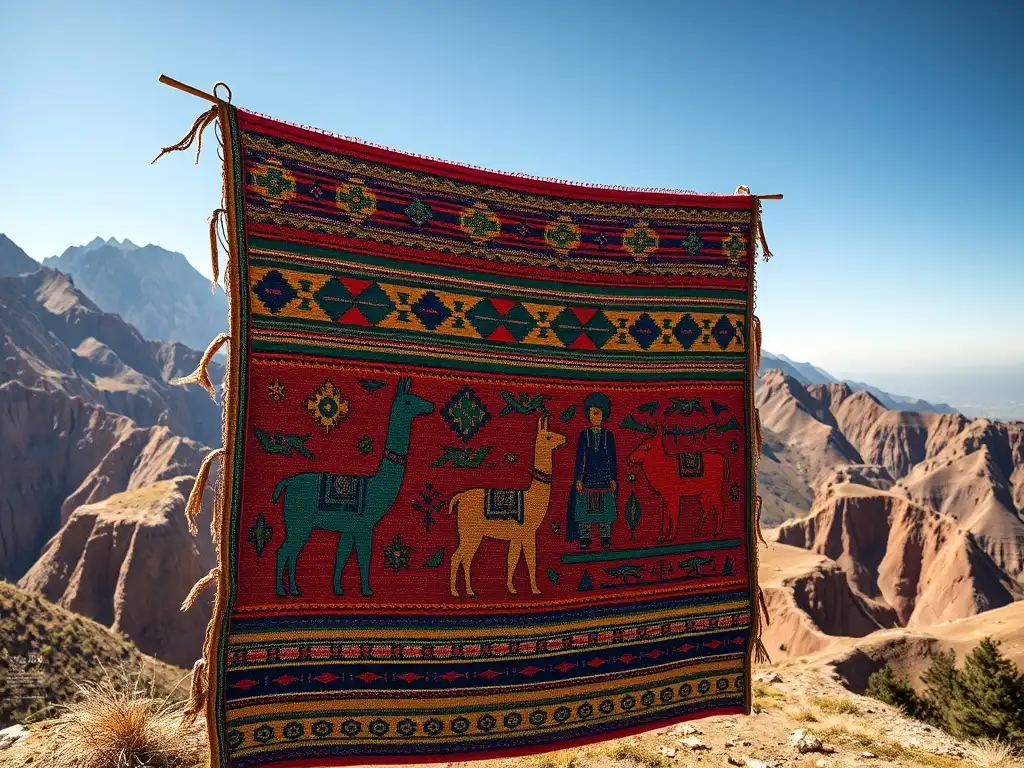
Unravel the mysteries woven into the very fabric of Andean history. For centuries, the intricate textiles of the ancient Andean civilizations have whispered tales of power, spirituality, and daily life. But what secrets do the vibrant colors and complex designs of Inca textiles truly hold? Dive into the captivating world of Inca weaving and discover the symbolic meaning behind these remarkable artifacts – a journey that will leave you breathless.
The Inca Empire, renowned for its sophisticated administrative system and impressive infrastructure, also possessed a highly developed textile tradition. Inca weaving wasn't merely a craft; it was deeply interwoven with the social, political, and religious fabric of Andean society. This article delves into the intricate world of Inca textiles, exploring the symbolic meaning embedded within their designs, the materials used, and the remarkable techniques employed by these skilled artisans.
Understanding Inca textiles provides crucial insight into the complexities of Inca government and administration, revealing how these objects served as powerful tools for communication, social control, and the reinforcement of imperial power. We will uncover the rich tapestry of meaning woven into each thread, revealing how these seemingly simple cloths held profound significance for the Inca people and their intricate social structure.
The enduring legacy of Inca textiles continues to fascinate and inspire, offering a window into the heart of this remarkable civilization and its enduring impact on Andean culture. The keyword "Inca textiles symbolic meaning" will be explored in depth throughout this article.
The Significance of Inca Textiles in Andean Society
Inca textiles held immense social and political significance. Clothing, tapestries, and other woven items served as powerful indicators of social status, profession, and even religious affiliation. Elaborately decorated textiles were reserved for the elite, including the Sapa Inca (emperor) and members of the royal family, while simpler garments were worn by the common people.
The intricate designs and vibrant colors were not merely decorative; they communicated complex messages, conveying power, identity, and religious beliefs. For example, certain motifs might symbolize deities, ancestors, or significant events in Inca history. The distribution of textiles was also a crucial aspect of Inca governance, with the state controlling the production and allocation of these valuable goods.
This control allowed the Inca rulers to maintain social order and reinforce their authority throughout the vast empire. The intricate designs and high quality of the textiles also served as a testament to the Inca's mastery of craftsmanship and their deep understanding of their environment. The production of these textiles was a highly organized process, with specialized workshops and skilled artisans contributing to the creation of these symbolic masterpieces.
Materials and Techniques of Inca Weaving
The remarkable quality of Inca textiles stemmed from the use of high-quality materials and sophisticated weaving techniques. The Incas were masters of utilizing the resources available to them in the Andes Mountains, creating textiles of exceptional beauty and durability.
Andean Fibers: Wool from Llamas, Alpacas, and Vicuñas
The primary fibers used in Inca weaving came from the region's native camelids: llamas, alpacas, and vicuñas. Llama wool was strong and durable, ideal for clothing and utilitarian items. Alpaca wool, known for its softness and fineness, was used to create more luxurious textiles.
Vicuña wool, incredibly soft and rare, was reserved for the elite, signifying high status and prestige. The careful selection and preparation of these fibers were crucial to the quality of the final product, demonstrating the Incas' profound understanding of the properties of their resources. The meticulous care taken in the selection and processing of the raw materials greatly contributed to the rich textures and exceptional qualities of the finished textiles.
Natural Dyes and Pigments in Inca Textile Art
Inca artisans utilized a wide range of natural dyes and pigments derived from plants, minerals, and insects to create a vibrant spectrum of colors. These dyes were carefully prepared and applied, resulting in incredibly long-lasting and richly hued textiles. The colors themselves held symbolic meaning; for example, red might represent blood or power, while yellow might symbolize the sun or gold.
The precise methods used to obtain and apply these dyes remain partially shrouded in mystery, a testament to the sophisticated knowledge of the Inca artisans and their deep connection to the natural world. The development of these techniques likely involved extensive experimentation and a deep understanding of the properties of various plant and mineral-based substances.
Looms and Weaving Methods Used by the Incas
Inca weavers employed various types of looms, including backstrap looms and vertical looms, to create their intricate textiles. These looms allowed for complex weaving techniques, enabling the creation of finely detailed patterns and designs. The skill and precision of the Inca weavers are evident in the complexity and intricacy of their work. They mastered techniques such as tapestry weaving, brocade, and supplementary weft weaving, which allowed them to create stunningly detailed and richly textured fabrics.
The use of different weaving techniques added another layer of complexity to the symbolic meanings encoded within the textiles. The specific techniques employed could vary depending on the intended use and the social status of the recipient, adding further nuance to the interpretation of the textiles' symbolic significance. The sophistication of Inca weaving technology is a testament to their ingenuity and their ability to adapt to the challenging environment of the Andes.
The Symbolic Language of Inca Textiles
Inca textiles weren't merely clothing; they were a sophisticated system of communication, conveying complex social messages, religious beliefs, and even historical narratives. The intricate designs, vibrant colors, and the very act of weaving itself held deep symbolic meaning, reflecting the Inca worldview and societal structure. Each textile was a carefully crafted artifact, a testament to the weaver's skill and a powerful symbol of Inca culture.
Understanding these symbols allows us to delve deeper into the intricacies of Inca society and their unique way of expressing themselves. The use of specific fibers, techniques, and designs all contributed to the overall message embedded within the textile. This symbolic language extended beyond simple decoration; it was a vital part of Inca life, influencing social interactions, religious ceremonies, and political power.
Geometric Patterns and Their Interpretations
Geometric patterns, prevalent throughout Inca textiles, were far from random. Researchers have identified recurring motifs, such as chevrons, zigzags, stepped triangles, and spirals, each carrying specific symbolic weight. For example, stepped triangles are often associated with mountains, reflecting the Andean landscape and the Inca's reverence for the natural world. Zigzags might represent lightning or the pathways of spirits, connecting the earthly realm with the celestial.
Further research is needed to fully decipher all the meanings of these geometric patterns, but the evidence suggests a complex system of visual communication. The arrangement and combination of these patterns also added layers of meaning, making the interpretation of Inca textiles a challenging but rewarding endeavor. Archaeologists continue to uncover new examples and refine our understanding of this intricate visual language.
Color Symbolism in Inca Weaving
Color played a crucial role in Inca textile symbolism. Certain colors were associated with specific deities, events, or social groups. For instance, red, obtained from cochineal insects, was often linked to power, war, and the sun god Inti. Yellow, derived from various plants, might represent the earth or agricultural abundance.
White, often achieved through the use of alpaca or vicuña fibers, symbolized purity and spirituality. The careful selection and combination of colors in a textile created a complex visual narrative, expressing a range of meanings depending on the context. The scarcity of certain dyes further heightened the symbolic importance of specific colors, making them markers of prestige and status. Understanding Inca color symbolism requires analyzing not only the individual hues but also their interplay within the overall design.
The intricate art of Inca weaving was intrinsically linked to the empire's rigid social structure. Textiles served as powerful indicators of social standing, reflecting an individual's position within the complex hierarchy. The type of fiber used, the complexity of the design, the techniques employed, and even the color palette all contributed to signifying one's place in Inca society.
This visual representation of social standing was crucial in a society where social mobility was limited, and maintaining order depended on clear visual cues. The production and ownership of specific textiles were carefully regulated, ensuring that only certain individuals could wear or possess certain garments.
Textiles as Markers of Social Status
The quality and type of textile directly correlated with social status. Garments made from fine vicuña wool, for example, were reserved for the elite, including the Inca emperor and high-ranking officials. Alpaca wool, while also luxurious, was accessible to a slightly broader segment of the population. Llama wool, the most common fiber, was used for everyday clothing worn by the majority of the population.
The intricate designs and techniques employed also signaled social status. Elaborate tapestry weaving, demanding significant skill and time, was primarily used for garments of the elite, while simpler techniques were used for more common textiles. These visual differences reinforced the social hierarchy, clearly distinguishing the elite from the commoners.
The Role of Cumbi Cloth in Inca Society
Cumbi cloth, a finely woven textile characterized by its distinctive striped patterns, held a significant position within Inca society. While precise details about its specific symbolic meaning remain debated among researchers, it's generally accepted that cumbi cloth was associated with elite status and religious ceremonies. Its production likely involved specialized weavers and was likely reserved for important individuals or religious contexts.
Further research into the specific patterns and color combinations found in cumbi cloth is needed to fully understand its symbolic significance within the complex Inca tapestry of meaning. The limited availability of cumbi cloth likely contributed to its prestige and its use as a marker of social rank and religious authority.
Weaving as a Skill and Duty for Inca Women
Weaving was not merely a craft; it was a fundamental skill and a crucial duty for Inca women. From a young age, girls were trained in the art of textile production, mastering various techniques and designs. This skill was essential to the Inca economy and social structure.
Women's contributions to textile production were vital, and their proficiency reflected their social standing and their role in the community. The quality and intricacy of their work directly contributed to their family's status and the overall economic well-being of the Inca Empire. The mastery of weaving was a demonstration of skill and dedication, representing a critical aspect of Inca women's lives and their contributions to the empire's cultural and economic success.
The Production and Distribution of Inca Textiles
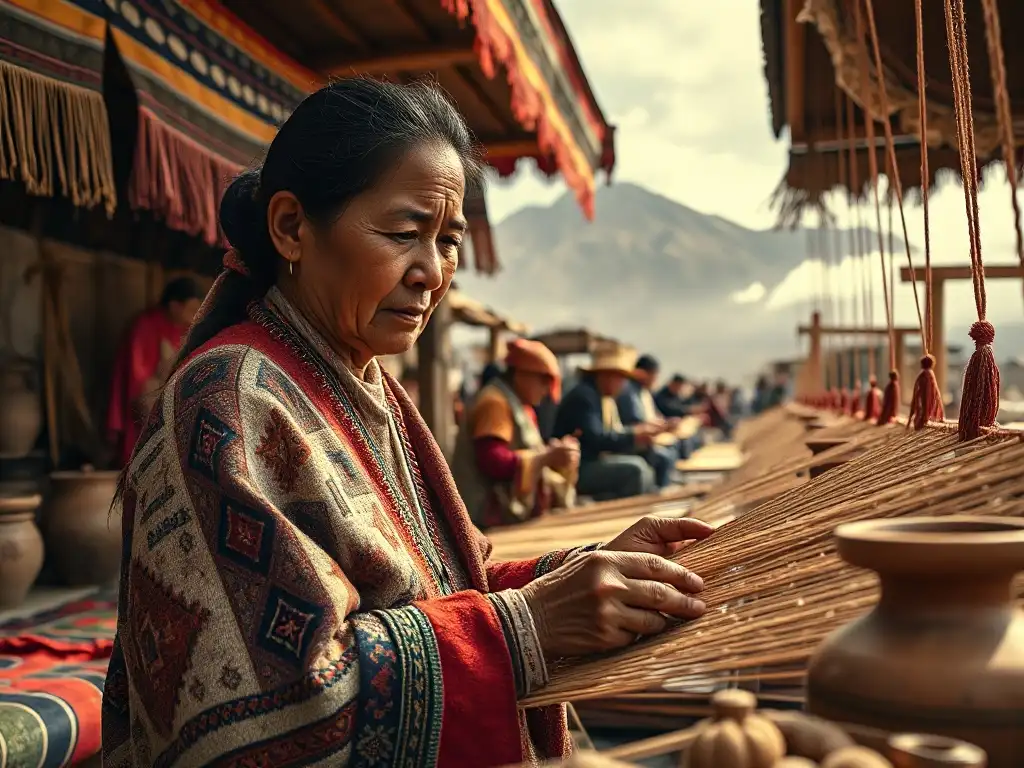
The production and distribution of Inca textiles were highly organized and controlled, reflecting the sophisticated administrative structure of the Inca Empire. This intricate system ensured the consistent supply of high-quality textiles for the elite, the military, and religious purposes, while also providing clothing and other necessities for the common people. The sheer volume of textiles produced speaks volumes about the scale of Inca organization and the importance placed on this craft.
From the meticulous shearing of alpaca and llama fleece to the dyeing of yarns and the final weaving process, each stage was carefully managed to maintain standards of excellence. The empire's vast network of roads facilitated the efficient transport of raw materials and finished products across the mountainous terrain.
State-Controlled Textile Production
State-controlled textile production was a cornerstone of the Inca economy. The Inca government held a monopoly over the most crucial aspects of the process, including the ownership of livestock and the allocation of resources. This ensured a steady supply of high-quality textiles for the state's needs.
The state directly employed thousands of weavers, many of whom were highly skilled artisans. These artisans worked in state-run workshops, known as qollqas, which were often located near sources of raw materials or major population centers. The centralized control ensured uniformity in design, quality, and output, allowing for standardized production of textiles for specific purposes.
The Importance of Textile Workshops
Textile workshops, or qollqas, were not merely production centers but also significant social and economic hubs within Inca society. These workshops were often large-scale operations employing hundreds, even thousands, of weavers. The workshops provided a structured environment where specialized skills could be passed down through generations, fostering a high level of craftsmanship. These workshops were also crucial for training new weavers and maintaining the quality and consistency of textiles produced for the Inca state. The location of these workshops often played a strategic role, ensuring access to resources like water and dye plants, and proximity to transportation routes.
Textiles as Tribute and Gifts in the Inca Empire
Textiles served as a vital form of tribute and gift-giving within the Inca Empire. Communities and provinces were expected to provide textiles as a form of tax to the Inca state. The quality and quantity of textiles delivered reflected the economic capacity of each region, and served as an indicator of productivity and loyalty.
These textiles were then used to clothe the Inca army, adorn temples, and provide for the needs of the Inca elite. Furthermore, finely crafted textiles were often presented as gifts to establish and maintain diplomatic relations with neighboring groups, showcasing the Inca's wealth and power. The exchange of textiles was a crucial element in the political and economic relationships that shaped the Inca Empire.
Preservation and Legacy of Inca Textiles
Despite the passage of centuries, a significant number of Inca textiles have survived, providing invaluable insights into the artistry and sophistication of Inca weaving techniques. These surviving examples are not only testament to the durability of the materials and methods used but also offer a tangible connection to the past. The unique characteristics of these textiles, including their intricate designs, vibrant colors, and exceptional craftsmanship, continue to fascinate and inspire researchers and textile enthusiasts alike. Their preservation is of paramount importance for understanding Inca culture and technology.
Surviving Examples of Inca Weaving
Remarkably well-preserved Inca textiles, often found within the dry Andean climate in burial sites or within archaeological contexts, offer a glimpse into the mastery of Inca artisans. These surviving pieces demonstrate a vast range of techniques, from plain weave to complex tapestry and embroidery. The use of natural dyes derived from plants, minerals, and insects resulted in a vibrant palette of colors, many of which retain their intensity even today.
These textiles frequently incorporate symbolic motifs, reflecting the deep cosmological and religious beliefs of the Inca people. The detailed patterns and intricate designs are a testament to the high level of skill and artistry achieved by Inca weavers. Examples include the textiles found at sites such as Paracas and Nazca, which predate the Inca but provide context for later Inca traditions.
The Influence of Inca Textile Art on Modern Andean Culture
The legacy of Inca textile art continues to resonate in modern Andean culture. Traditional weaving techniques, designs, and motifs have been passed down through generations, maintaining a direct link to the Inca past. Many contemporary Andean weavers draw inspiration from ancient Inca textiles, incorporating traditional patterns and techniques into their own work. This continuity of textile traditions highlights the enduring cultural significance of Inca weaving and its role in shaping Andean identity. The vibrant colors and intricate designs of modern Andean textiles often reflect the enduring influence of Inca artistic sensibilities.
The Importance of Inca Textiles for Understanding Inca Society
Inca textiles provide an invaluable window into the social, political, and religious aspects of Inca society. The intricate designs often incorporated symbolic motifs that reflected cosmology, religious beliefs, and social hierarchy. The quality of the textiles, the materials used, and the techniques employed reflected the social status of the wearer and the occasion.
By studying these textiles, researchers can gain a deeper understanding of the organization of Inca society, its economic systems, and its worldview. The analysis of Inca textiles, therefore, is crucial for building a comprehensive understanding of this remarkable civilization and its rich cultural heritage. The careful study of these artifacts provides invaluable insights into the complexities of Inca life, revealing intricate details about social structure, religious beliefs, and artistic expression.
Inca Textile Patterns: Decoding the Past
Inca textiles weren't merely clothing; they were complex tapestries woven with threads of history, social status, and spiritual beliefs. Understanding Inca textile patterns is crucial to deciphering the intricate social fabric of the Inca Empire. Scholars painstakingly analyze the intricate designs, colors, and techniques employed to uncover their symbolic meaning. The use of specific dyes, sourced from plants and minerals across the vast Inca empire, itself held symbolic weight.
For example, the vibrant crimson derived from cochineal insects signified royalty and power, while the deep blues from indigo represented the Andean sky and its celestial significance. The very act of weaving, passed down through generations of women, held a profound cultural and spiritual significance, connecting the past, present, and future. The meticulous craftsmanship and the use of rare materials further underscored the importance of these textiles within the Inca societal structure.
Detailed analysis of surviving textiles, often found in well-preserved tombs, provides invaluable insights into Inca society. These textiles serve as primary sources, offering glimpses into the lives of individuals across different social strata. The patterns themselves, often geometric or representational, encoded messages that were understood by those within the Inca world.
The Tupu Design: A Symbol of Female Identity and Status
The tupu, a distinctive textile pattern featuring stylized figures, often female, is a prime example of how Inca textiles reflected gender roles and social hierarchy. These figures, frequently depicted with elaborate headdresses and jewelry, are believed to represent powerful women within Inca society, perhaps priestesses or members of the royal lineage. The intricate detail and the high-quality materials used in creating tupu designs further emphasize the importance of these women and their roles within the Inca world.
The specific color combinations and the arrangement of the figures within the tupu design likely indicated the wearer's specific status or clan affiliation. Further research into these patterns aims to clarify the specific meanings encoded within the various representations found across different tupu textiles.
By studying the stylistic variations and the context of their discovery, scholars aim to refine our understanding of the role of women in Inca society and their relationship to power structures. The preservation of these tupu designs is crucial for continued research into Inca gender dynamics and social stratification.
The Tokapu Pattern: Representing Imperial Power and Authority
The tokapu pattern, characterized by its bold geometric designs and often incorporating representations of the Inca sun god, Inti, is strongly associated with imperial power and authority. This pattern was frequently used in textiles intended for the Inca elite, including the Sapa Inca himself, and often adorned ceremonial garments and objects. The use of specific colors, such as the aforementioned imperial crimson, further reinforced the association with royal authority.
The tokapu pattern's prevalence in textiles intended for official ceremonies and religious rituals suggests its importance in legitimizing Inca rule and reinforcing the divine right of the Sapa Inca. The repetition of the pattern, particularly the representation of Inti, likely served to visually communicate the Inca emperor's power and his connection to the divine realm.
The presence of the tokapu design on a textile was a clear indicator of the wearer's proximity to power and their role within the Inca administrative structure. Studying the variations in tokapu patterns across different regions and time periods can offer valuable insights into the evolution of Inca imperial ideology.
The Future of Inca Textile Studies
The field of Inca textile studies is constantly evolving, with new technologies and approaches continually refining our understanding of these intricate artifacts. Advanced imaging techniques, such as multispectral imaging, allow researchers to uncover previously hidden details and patterns within the textiles, revealing information not visible to the naked eye. This provides a more comprehensive understanding of the production methods and the symbolic meaning encoded in the textiles.
Furthermore, collaborative research involving anthropologists, archaeologists, and textile experts from around the world is leading to a more holistic and nuanced interpretation of Inca textiles. The application of digital technologies, such as 3D modeling and virtual reconstruction, facilitates the study and preservation of fragile textiles, allowing for wider access to these invaluable cultural treasures. Future research will undoubtedly focus on applying these advanced methods to analyze the remaining Inca textile collections, uncovering further insights into the complex social, political, and spiritual lives of the Inca people and their relationship to their world.
The ongoing research into Inca textiles promises to continue enriching our understanding of "Inca textiles symbolic meaning" for years to come. The preservation and continued study of these artifacts are essential for preserving this vital aspect of Andean cultural heritage.
- The Significance of Inca Textiles in Andean Society
- Materials and Techniques of Inca Weaving
- The Symbolic Language of Inca Textiles
- Inca Textiles and Social Hierarchy
- The Production and Distribution of Inca Textiles
- Preservation and Legacy of Inca Textiles
- Inca Textile Patterns: Decoding the Past
- The Future of Inca Textile Studies
Frequently Asked Questions
What makes Inca textiles so unique?
Inca textiles were incredibly complex and intricate, showcasing mastery of weaving techniques. Their unique characteristics include vibrant colors from natural dyes, and highly detailed designs. The quality of the materials used also contributed to their lasting appeal.
What symbolic meanings are conveyed through Inca textile designs?
Inca textile designs often depicted religious beliefs, social status, and important events. Specific motifs, colors, and patterns held deep cultural significance, varying across different regions and time periods. They served as a powerful form of visual communication.
How did Inca weavers create such intricate designs?
Inca weavers employed sophisticated techniques like backstrap loom weaving and multiple-ply yarns. They used a variety of knotting and embroidery methods to create intricate patterns and textures. Their skill and expertise were passed down through generations.
What types of materials were used in Inca textile production?
Inca textiles were primarily made from alpaca and llama wool, known for their softness and warmth. Cotton was also used, particularly in warmer regions. The quality of the fiber and the dyeing process contributed to the longevity and beauty of the textiles.
Where can I learn more about the symbolic meaning of Inca textiles?
To delve deeper into the symbolic meaning of Inca textiles, explore museums with significant Andean collections, academic journals specializing in textile history, and reputable online resources. Look for books and articles focusing on Inca iconography and textile analysis.
Final Reflection: The Enduring Legacy of Inca Textiles
The intricate artistry of Inca textiles continues to resonate today, a powerful testament to a civilization's ingenuity and profound spiritual connection to the world. Their vibrant colors and complex designs aren't merely aesthetic achievements; they are tangible expressions of a worldview that valued community, nature, and the divine. Understanding this legacy allows us to appreciate not only the skill of the weavers but also the rich tapestry of Inca beliefs and societal structures.
The enduring influence of Inca textiles on Andean culture is undeniable, a constant reminder of the deep-rooted traditions that persist through generations. Their symbolic language, woven into every thread, continues to inspire contemporary artists and designers, reminding us of the power of visual storytelling. The threads themselves are a language, a way of communicating across time and space.
– (This quote needs to be sourced to a relevant expert or publication). The vibrant colors and intricate patterns are not simply decorative; they are a living legacy, a testament to the resilience and enduring spirit of the Inca people.
Consider the intricate detail, the symbolism embedded within each motif. Let the vibrant hues and complex designs inspire you to explore the deeper meanings woven into the fabric of your own life. What stories do you want to weave into the tapestry of your existence? Embrace the power of symbolism, the beauty of craftsmanship, and the enduring legacy of the Inca, and discover the rich narratives that await you. Let the threads of their artistry inspire you to create your own vibrant and meaningful life.
Unleash Your Creativity with Inca Weaving Today!
Thank you for exploring the fascinating world of Inca weaving and its rich symbolism! You've discovered how these intricate textiles tell captivating stories of culture and identity. Now it's your turn to connect with this vibrant tradition and create something truly unique.
Here are a few ways to get started:
- Try a simple weaving project: Gather materials like yarn or fabric scraps and experiment with basic weaving techniques at home. You might be surprised by your creations!
- Join a local weaving group or workshop: Look for community classes focusing on traditional techniques. Connecting with others will enhance your learning and shared passion.
- Share your work online: Post photos of your weaving projects on social media and tag us to connect with a community of fellow enthusiasts.
What aspect of Inca textiles most captivates you, and how will you integrate it into your creative journey?