
Inca Road Network: Connecting the Vast Realm of Tawantinsuyu

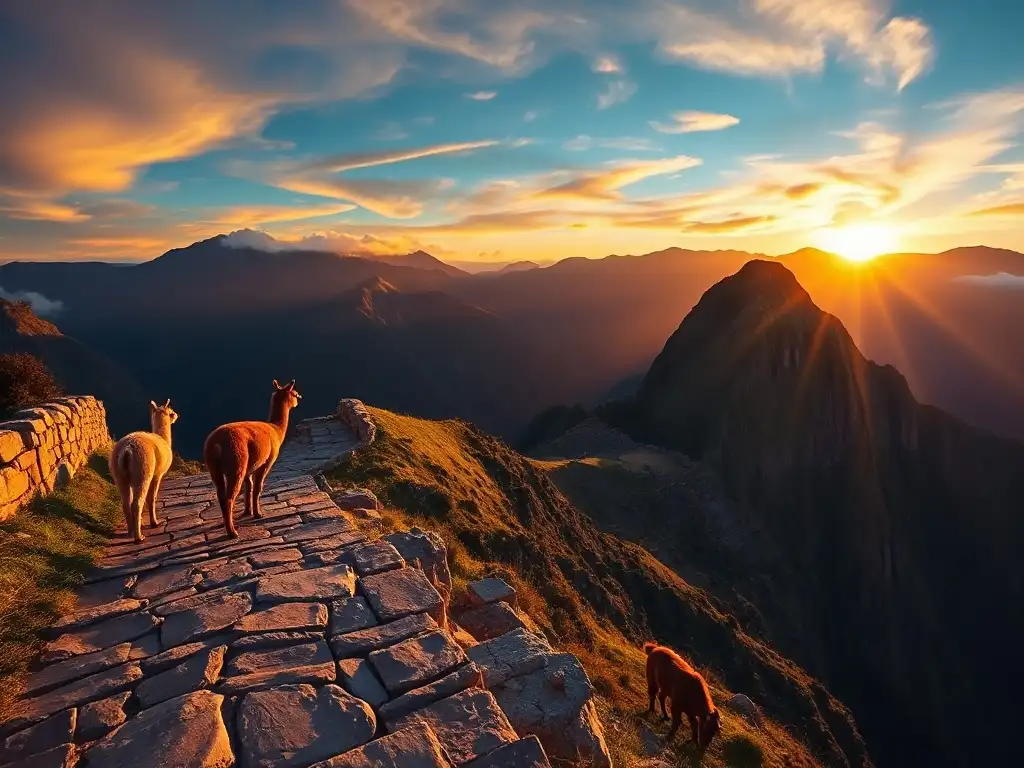
Unravel the mysteries of a lost world! Step into the heart of the Andes and discover the breathtaking ingenuity of the ancient civilizations that once thrived there. From the majestic Incas to the enigmatic Nazca, their legacies continue to captivate. But the true scale of their achievements might surprise you… Prepare to be amazed as we delve into the incredible Inca Road System history, a feat of engineering that connected the vast empire of Tawantinsuyu and redefined the very concept of civilization. Journey with us and uncover the secrets hidden within the stones.
The Inca Empire, also known as Tawantinsuyu, was a vast and sophisticated civilization that flourished in the Andes Mountains of South America from the 15th to the 16th centuries. Its remarkable success was largely due to its efficient administration and intricate infrastructure, a key component of which was its unparalleled road network. This intricate system of roads, spanning thousands of miles across challenging Andean terrain, served not only as a vital artery for communication and trade but also played a crucial role in consolidating Inca power and facilitating the movement of armies, officials, and goods throughout the empire.
Understanding the Inca road system is essential to comprehending the scale and complexity of Inca governance and its lasting impact on the region. This article delves into the history of this remarkable feat of engineering, examining its construction, purpose, and significance within the broader context of Inca society and its enduring legacy.
We will explore how this impressive road system facilitated the Inca's remarkable control over such a vast and diverse territory, effectively linking the far-flung corners of Tawantinsuyu. This exploration will be key to understanding the Inca Road System history and its lasting impact.
Construction and Engineering Marvels of the Inca Road System
The construction of the Inca road system was a monumental undertaking, demanding immense labor and sophisticated engineering techniques. The Inca utilized a workforce composed of mita laborers, who were obligated to contribute a certain amount of time to public works projects. These workers, often organized into specialized groups, possessed impressive skills in stonework, terracing, and bridge building. The roads themselves varied in width and construction, depending on their importance and location.
Major highways were often paved with meticulously fitted stones, while secondary roads might consist of packed earth or gravel. The Inca cleverly adapted their construction techniques to the diverse geography, utilizing ramps, retaining walls, and tunnels to overcome challenging terrain, including steep mountains and deep ravines. They demonstrated remarkable ingenuity in building suspension bridges made from strong fibers, spanning deep gorges and rivers.
The sheer scale and precision of the Inca road system stand as a testament to their organizational prowess and advanced engineering capabilities. The roads weren't just pathways; they were a testament to Inca ingenuity and their ability to overcome seemingly insurmountable obstacles. Furthermore, the system's longevity is a testament to the quality of materials and construction methods employed.
The Strategic Importance of the Inca Road Network for Governance and Control
The Inca road system was far more than a simple transportation network; it was a crucial instrument for maintaining control over the vast empire. The roads facilitated rapid communication between the capital, Cusco, and its distant provinces. This allowed for swift transmission of orders, news, and taxes, ensuring the efficient functioning of the empire.
The network also enabled the rapid deployment of troops in response to rebellions or threats, thus maintaining order and stability. Designated chasquis, or runners, relayed messages along the roads with remarkable speed, covering astonishing distances in a short period. The strategic placement of tambos, or waystations, provided lodging and supplies for travelers, officials, and soldiers along the routes.
These waystations also served as centers of administration and control within their respective regions, further reinforcing the Inca's grip on the empire. The effective communication and rapid movement of troops enabled by the road network were instrumental in the Inca's ability to manage such a geographically diverse and extensive empire.
The Inca Road System and its Impact on Trade and Economic Integration
Beyond governance and military control, the Inca road system played a vital role in facilitating trade and economic integration throughout the empire. The roads connected diverse regions, allowing for the exchange of goods, resources, and agricultural products. This exchange fostered economic interdependence and contributed to the overall prosperity of the empire.
The Inca implemented a sophisticated system of ayllus, or communal organizations, which were responsible for producing and distributing goods along the road network. This highly structured approach ensured the efficient flow of resources and the redistribution of wealth throughout the empire. The strategic placement of markets along major routes further facilitated trade and economic exchange.
The road system not only connected distant regions but also facilitated the movement of specialized goods, contributing significantly to the empire's economic strength and cohesion. The Inca's economic model, intricately woven into the road network, highlights the interconnectedness of their infrastructure and their economic policies.
The Enduring Legacy of the Inca Road System
Even after the Spanish conquest, the Inca road network continued to be used, adapting to the changing needs of the colonial period. Sections of the roads are still visible today, serving as a testament to the ingenuity and organizational skills of the Inca. The road system’s enduring presence has left an indelible mark on the landscape and continues to influence the infrastructure of modern-day Peru and neighboring countries.
Many sections of the road, despite centuries of erosion and neglect, remain remarkably well-preserved, highlighting the quality of Inca engineering. The legacy of the Inca road system extends beyond its physical remnants; it represents a powerful symbol of Inca ingenuity, organizational prowess, and their profound impact on the Andean region.
The Inca Road System history continues to be studied and appreciated for its engineering marvels, its strategic significance, and its lasting influence on the region. The study of this remarkable system continues to provide valuable insights into the complexity and sophistication of the Inca civilization.
- Construction and Engineering Marvels of the Inca Road System
- The Strategic Importance of the Inca Road Network for Governance and Control
- The Inca Road System and its Impact on Trade and Economic Integration
- The Enduring Legacy of the Inca Road System
The Qhapaq Ñan: An Overview of the Inca Road System
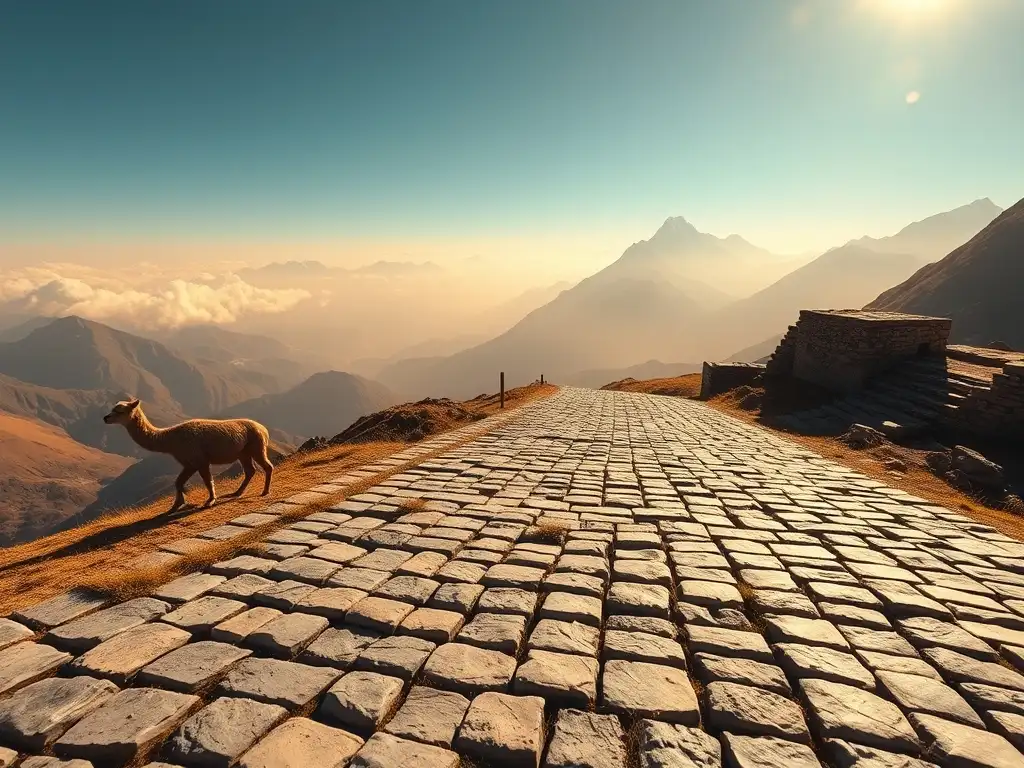
This section delves into the remarkable Inca Road System, a feat of engineering and logistical brilliance that facilitated the administration and cohesion of the vast Tawantinsuyu empire. Understanding the Inca Road System history is crucial to grasping the empire's power and longevity. The Qhapaq Ñan, meaning "Royal Road" in Quechua, wasn't merely a network of paths; it was the circulatory system of the Inca state, enabling the efficient movement of people, goods, and information across a geographically diverse and challenging landscape.
Its construction and maintenance represent a testament to the Inca's sophisticated organizational skills and advanced understanding of engineering principles. The scale and complexity of this system continue to amaze researchers and historians today, highlighting the ingenuity of Andean civilization. We will explore its key features, its profound impact on the Inca Empire, and its enduring legacy.
The Importance of the Inca Road Network in the Tawantinsuyu
The Inca Road Network played a pivotal role in the success and longevity of the Tawantinsuyu. Its strategic importance cannot be overstated. The network facilitated:
- Efficient Communication: Messages, decrees, and news traveled swiftly along the Qhapaq Ñan, allowing the central government to maintain control over its vast territories. Relay runners, known as chasquis, were strategically positioned along the roads to ensure rapid transmission of information. This system was vital for coordinating military campaigns, managing resources, and responding quickly to emergencies.
- Effective Administration: The road system enabled the Inca government to effectively govern its diverse population. Officials could easily travel to different regions, collect taxes, oversee construction projects, and enforce laws. This centralized administration ensured uniformity and stability throughout the empire.
- Trade and Economic Integration: The Qhapaq Ñan facilitated trade and economic exchange between different regions of the empire. Goods, such as textiles, ceramics, metals, and agricultural products, could be transported efficiently, contributing to economic prosperity and reducing regional disparities. This interconnectedness strengthened the empire's economic stability.
- Military Mobility: The Inca army could be rapidly deployed to any point within the empire using the road network. This facilitated the swift suppression of rebellions and the defense against external threats. The strategic placement of military garrisons along the roads further enhanced the empire’s security.
Defining the Qhapaq Ñan: Scope and Significance
The Qhapaq Ñan was not a single road but a complex network stretching over 40,000 kilometers (25,000 miles). It traversed diverse terrains, including mountains, deserts, and jungles, connecting the Andes from present-day Colombia to central Chile and Argentina. Its construction involved monumental engineering feats, showcasing the Inca's mastery of stonework, bridge building, and path construction. The significance of the Qhapaq Ñan extends beyond its physical infrastructure.
It represents a symbol of Inca power, ingenuity, and organizational capacity. Its construction and maintenance required a massive coordinated effort, demonstrating the Inca's ability to mobilize labor and resources on an unprecedented scale. The road network served as a unifying force, connecting disparate communities and fostering a sense of shared identity within the vast Tawantinsuyu. The impact of the Inca road system on the history and development of the Andean region is undeniable.
Key Features of the Inca Road System: Engineering Marvels
The Inca Road System showcased remarkable engineering skills. Key features included:
- Stone Paving: Many sections of the road were paved with precisely cut stones, ensuring durability and ease of travel even in challenging terrain. The precision of the stonework is astonishing, reflecting the Inca's advanced understanding of engineering and construction techniques.
- Suspension Bridges: The Incas built impressive suspension bridges, often spanning deep ravines and rivers. These bridges, constructed using strong fibers and expertly woven into suspension systems, allowed for the continuous flow of traffic across significant geographical obstacles.
- Tunnels and Terraces: Where necessary, the Incas carved tunnels through mountains and constructed terraces to stabilize slopes and create level pathways. These modifications to the landscape demonstrate their adaptability and problem-solving skills.
- Way Stations and Tambo: Rest stops, known as tambos, were strategically located along the road at regular intervals. These provided shelter, food, and supplies for travelers, including officials, traders, and messengers. Their presence ensured the smooth flow of traffic and facilitated communication along the entire length of the road network. The placement and functionality of these tambos highlight the logistical sophistication of the Inca Empire.
The Qhapaq Ñan, a testament to Inca ingenuity and organizational prowess, remains a significant element in understanding the Inca Road System history and the empire's overall success.
Building the Inca Road System: Engineering and Construction
The Inca road system, a marvel of ancient engineering, wasn't merely a collection of paths; it was a meticulously planned and executed infrastructure project reflecting the Inca's sophisticated understanding of geography, logistics, and construction. Spanning thousands of miles across diverse and challenging terrain, from the high Andes mountains to the coastal deserts, the network facilitated the efficient movement of people, goods, and messages throughout Tawantinsuyu, the Inca Empire.
Understanding the construction of this system reveals much about Inca ingenuity and the scale of their imperial ambitions. The Inca Road System history is a testament to their organizational prowess and advanced knowledge of engineering principles.
Inca Road Construction Techniques: Labor and Resources
The construction of the Inca road network was a massive undertaking, requiring a highly organized and efficient workforce. The mita system, a form of mandatory labor service, played a crucial role. Able-bodied individuals from conquered provinces were conscripted to work on road construction projects for a set period, often rotating between different tasks and locations. This system ensured a constant supply of labor, allowing the Incas to complete large-scale projects relatively quickly. The sheer number of workers involved is staggering, with estimates suggesting thousands, even tens of thousands, participating simultaneously on various sections of the road.
Beyond manpower, the Incas also utilized sophisticated techniques. They mastered methods of terracing and grading slopes to create stable roadbeds, even in mountainous regions. Careful surveying and planning were integral to the process, ensuring optimal routes that minimized the impact of challenging terrain.
The Inca's understanding of drainage and water management was crucial for maintaining road stability and preventing erosion. Their construction methods demonstrate a deep knowledge of practical engineering principles, far surpassing the capabilities of many contemporary societies. The Inca Road System history is filled with evidence of their remarkable ability to mobilize resources and manpower for such a monumental project.
Materials Used in Inca Road Building: Stone, Gravel, and More
The choice of materials for Inca road construction varied depending on the local environment. In mountainous regions, where stone was readily available, large, precisely cut stones were often used to create durable and stable surfaces. These stones were expertly fitted together without mortar, a testament to the Inca stonemasons' skill and precision. The meticulous craftsmanship is evident in the evenness and stability of many sections of the road that have survived to this day.
In other areas, where stone was scarce, materials like gravel, earth, and compacted sand were utilized. These materials were carefully layered and compacted to create a solid and relatively smooth surface. The Incas were adept at adapting their construction techniques to the available resources, demonstrating a practical and resourceful approach to engineering. The selection of materials, whether meticulously cut stone or compacted earth, reflects the Inca's commitment to building durable and long-lasting infrastructure. The Inca Road System history highlights their flexibility and resourcefulness in construction.
Infrastructure Along the Roads: Bridges, Tunnels, and Tambos
The Inca road system wasn't just a network of paths; it was a complex infrastructure project that included bridges, tunnels, and tambos. Bridges, often constructed from stone, wood, or suspension techniques using vines and ropes, spanned rivers and gorges, showcasing the Inca's ingenuity in overcoming geographical obstacles. Tunnels, meticulously carved through mountainsides, provided passage through challenging terrain, demonstrating their mastery of rock-cutting techniques.
Tambos, strategically located along the roads, served as waystations for travelers. These structures provided shelter, food, and supplies, ensuring the safe and efficient movement of people and goods throughout the empire. They also served as administrative centers, facilitating communication and control within the vast Inca realm. The combination of roads, bridges, tunnels, and tambos formed a comprehensive and efficient transportation and communication system, a testament to the Inca's ability to plan and execute large-scale infrastructure projects. The Inca Road System history shows the sophistication of their logistical planning.
The Inca road system, therefore, represents not only a remarkable feat of engineering but also a crucial element of Inca governance and control. Its construction and maintenance required significant resources and manpower, reflecting the power and organization of the Inca state. The system's enduring legacy speaks to the ingenuity and foresight of the Inca civilization.
The Functionality of the Inca Road Network: Beyond Transportation
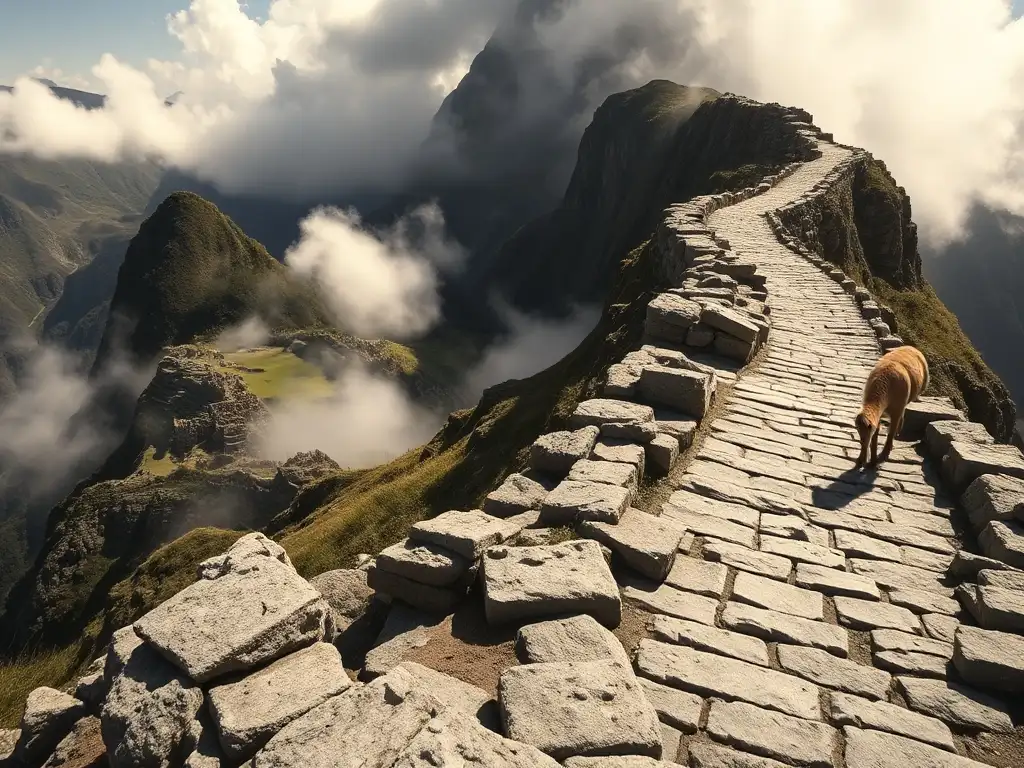
The Inca road system, or Qhapaq Ñan, wasn't merely a network of pathways; it was the circulatory system of the vast Inca Empire, Tawantinsuyu. Its functionality extended far beyond simple transportation, playing a crucial role in military control, efficient administration, robust trade, and rapid communication, all vital components in maintaining the empire's power and stability.
Understanding the multifaceted role of the Qhapaq Ñan provides invaluable insight into the sophisticated organization and ingenuity of the Inca civilization. The scale of this engineering marvel, stretching over 40,000 kilometers, is a testament to Inca organizational prowess and their ability to mobilize vast resources for infrastructural development.
This intricate network of roads, bridges, and pathways facilitated the seamless flow of goods, people, and information across diverse and challenging terrains, solidifying the Inca Empire's position as a dominant force in the Andes. The Inca Road System history is a story of strategic planning and remarkable execution.
Military and Administrative Uses of the Qhapaq Ñan
The Qhapaq Ñan served as the backbone of Inca military might. Its strategic placement allowed for the rapid deployment of troops to quell rebellions or defend against external threats. The network's design, with its well-maintained pathways and strategically located tambos (roadside inns), enabled armies to move swiftly and efficiently across the empire.
This swift movement was crucial in maintaining control over such a vast and geographically diverse territory. For instance, the ability to quickly transport soldiers to distant provinces prevented uprisings and ensured the stability of the empire. Furthermore, the roads facilitated the movement of supplies and reinforcements, ensuring the military's logistical needs were met.
The Inca Road System history reveals a sophisticated military strategy deeply intertwined with the road network's design and functionality. The system wasn't merely a network for travel; it was a tool of imperial power, enabling the Incas to project their authority across their far-flung territories. The strategic placement of tambos along the routes also served as fortified outposts, providing additional security and control.
The Role of the Inca Road System in Trade and Communication
Beyond its military applications, the Qhapaq Ñan played a vital role in facilitating trade and communication throughout Tawantinsuyu. The movement of goods, from agricultural products to precious metals, was greatly enhanced by the road network. This efficient trade system ensured the distribution of resources across the empire, supporting the Inca's complex economic structure. The roads connected diverse regions, allowing for the exchange of goods and services.
This interconnectedness fostered economic growth and stability, contributing significantly to the empire's prosperity. The Inca Road System history demonstrates a sophisticated understanding of logistics and economics. The construction and maintenance of the roads themselves also generated employment and economic activity, creating a ripple effect throughout the empire. The efficient movement of goods also allowed for the centralized control of resources, which was a key aspect of Inca governance.
Chasquis: The Inca Messenger System and Road Network
The Inca Road System history is inextricably linked to the chasquis, a relay runner system that utilized the Qhapaq Ñan for rapid communication. These runners, strategically positioned along the routes, carried messages across vast distances with remarkable speed. The system's efficiency allowed for the swift transmission of vital information, enabling the Inca government to maintain control and respond effectively to events across the empire.
The chasquis system was integral to the empire's administrative and military efficiency. Imagine a network of runners, spaced at intervals along the roads, each responsible for carrying a message a certain distance before handing it off to the next runner. This system ensured that news, orders, and other critical information could travel hundreds of miles in a remarkably short time.
The organization and discipline required to maintain this system highlight the Inca's advanced understanding of logistics and communication. The efficiency of the chasquis system is a testament to the Inca’s ability to harness human resources and infrastructure to create a highly effective communication network, critical to the governance and stability of Tawantinsuyu. The effectiveness of the chasquis system is a key element in understanding the Inca Road System history.
Routes and Regional Variations of the Inca Road System
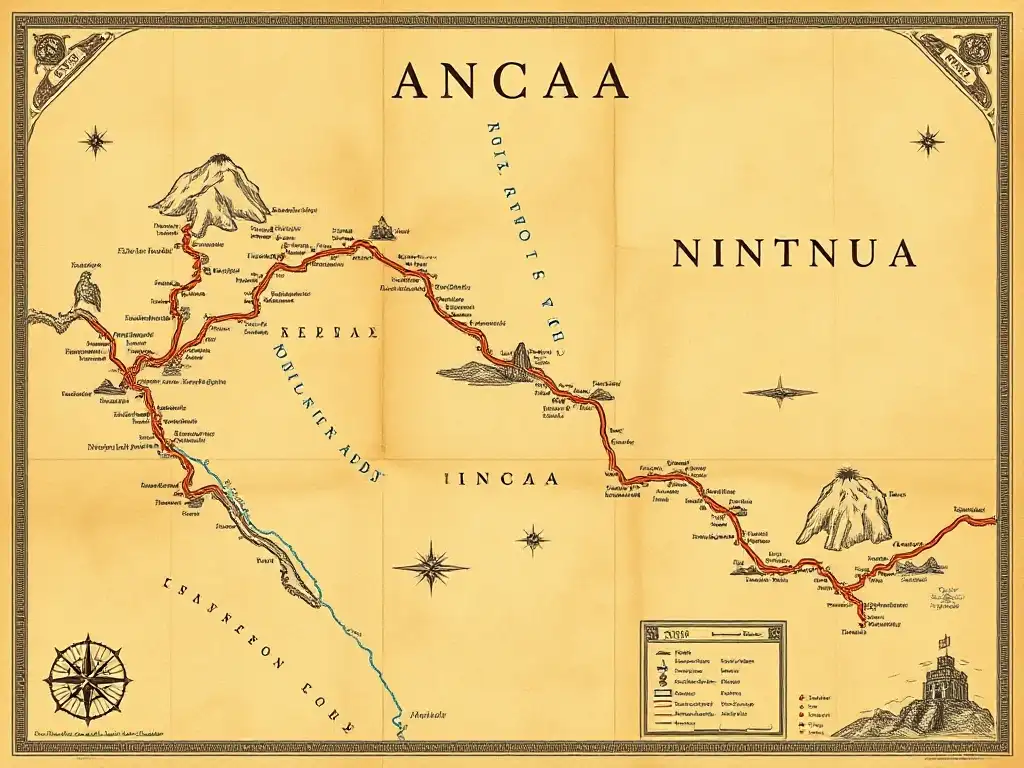
The Inca road system, or Qhapaq Ñan, wasn't a single, monolithic highway, but a complex network of routes adapted to the diverse Andean geography. Understanding its variations is key to appreciating the ingenuity and scale of Inca engineering. The Qhapaq Ñan's construction reflects not only the empire's ambition but also its deep understanding of the environment and the logistical needs of a vast, geographically challenging realm.
This intricate system facilitated the movement of people, goods, and information across the empire, solidifying Inca control and fostering cultural exchange. Analyzing the variations in its construction and function reveals much about Inca governance and administration. The "Inca Road System history" is rich with fascinating details about these adaptations.
The Royal Road: The Main Axis of the Qhapaq Ñan
The Qhapaq Ñan's most famous route, often referred to as the "Royal Road," stretched approximately 5,200 kilometers (3,200 miles) from Quito in present-day Ecuador to Cusco, the Inca capital, and beyond to what is modern-day Argentina. This main artery was a testament to Inca engineering prowess. It wasn't just a single path, but a series of interconnected pathways, often multiple lanes wide in strategic locations to allow for the passage of large groups and the transport of sizable loads.
The Royal Road was meticulously maintained, with frequent tambos (waystations) providing shelter, food, and supplies for travelers and messengers. These waystations weren’t just simple shelters; many were substantial structures that also served as administrative centers, showcasing the integration of the road system into the Inca's administrative apparatus. The strategic placement of tambos along the Royal Road, approximately every 20 to 30 kilometers, ensured efficient communication and transportation across the empire.
This meticulous planning speaks volumes about the Inca's sophisticated logistical capabilities and their commitment to maintaining order and control within their vast territory. The Royal Road wasn't just a pathway; it was the backbone of the Inca Empire, a physical manifestation of their power and reach.
Coastal Routes vs. Highland Routes: Geographical Adaptations
The Inca road system wasn't confined to the highlands; it also extended along the challenging coastal regions and across diverse terrains. Coastal routes, while shorter than their highland counterparts in many cases, presented unique engineering challenges. Navigating steep cliffs, traversing deserts, and overcoming treacherous river crossings required innovative solutions. In contrast, the highland routes, while often longer, faced different obstacles such as high altitudes, unpredictable weather, and difficult mountain passes.
The Inca engineers responded to these geographical disparities with remarkable adaptability. Coastal roads often involved the construction of bridges, tunnels, and carefully engineered terraces to overcome steep inclines and unstable terrain. The use of durable materials, such as stone and carefully packed earth, ensured the longevity of these routes, even in harsh coastal environments.
In the highlands, Inca engineers mastered the art of building roads along mountain slopes, utilizing switchbacks and retaining walls to create stable and navigable pathways. Consider the difference in materials and construction techniques: coastal roads might prioritize stone and concrete due to the arid environment, while highland roads may have incorporated more readily available materials like packed earth and timber, adapted to the specific ecological conditions of each region. This adaptability underscores the Inca's capacity for flexible problem-solving in infrastructure development.
Regional Branching and Connections of the Inca Roads
The Qhapaq Ñan was far from a linear structure. It branched out extensively to connect various regions of Tawantinsuyu, forming a complex web of pathways that facilitated communication and trade. These secondary and tertiary routes connected smaller settlements and agricultural areas to the main arteries, creating a comprehensive transportation network. The density of the road network varied depending on the region's importance and its economic productivity.
Areas known for their abundant resources or strategic location often had a denser network of roads than less significant regions. For example, regions renowned for their agricultural output or rich mineral deposits would likely possess a more intricate network of connecting roads to facilitate the transport of goods to the capital and other key centers. This sophisticated system allowed for efficient distribution of resources and facilitated the empire's economic and administrative control. The branching nature of the road network also played a crucial role in integrating diverse populations and cultures within the Inca Empire, fostering a degree of political and social cohesion.
The strategic placement of these branches reflects a deep understanding of the empire's geography and the needs of its diverse population. The network wasn't simply a transport system; it was a tool for governance, economic management, and cultural integration. The intricate web of routes showcases the complexity and sophistication of Inca administration and its impact on the daily lives of the empire's inhabitants. Further research into the exact branching patterns and their correlation with economic activity and population distribution would provide a more thorough understanding of the role of the road system in Inca governance.
Preservation and Legacy of the Inca Road System
The Inca road system, a marvel of engineering and a testament to the Inca Empire's organizational prowess, continues to fascinate and inspire awe centuries after its construction. Its legacy extends far beyond its physical remains; it represents a profound connection to the past, a vital link to understanding Andean history, and a powerful symbol of cultural heritage. Understanding its preservation and the efforts made to maintain its significance is crucial to appreciating its enduring impact. The sheer scale of the Qhapaq Ñan, the main artery of this network, is breathtaking, and its preservation presents unique challenges and opportunities.
UNESCO Recognition and Conservation Efforts for the Qhapaq Ñan
The Qhapaq Ñan, meaning "Royal Road" in Quechua, received significant international recognition in 2014 when UNESCO declared it a World Heritage Site. This prestigious designation underscores the global importance of preserving this remarkable network. The inscription was not merely symbolic; it triggered increased funding and collaborative efforts from various national governments, international organizations, and local communities across the Andean region. These concerted efforts focus on several key areas:
- Documentation and Mapping: Creating comprehensive, detailed maps and records of the remaining sections of the Qhapaq Ñan is a critical first step. This involves meticulous archaeological surveys, utilizing advanced technologies like GIS (Geographic Information Systems) and remote sensing to identify and document all aspects of the road network, including its branches, resting places, and associated structures. This detailed documentation forms the basis for effective conservation strategies.
- Sustainable Tourism Management: The Inca Road system's popularity as a tourist destination presents a double-edged sword. While tourism provides economic opportunities for local communities, it can also lead to environmental degradation and damage to the historical sites. Sustainable tourism practices are therefore crucial, emphasizing responsible visitor behavior, environmental protection, and community involvement in managing tourism activities. This includes developing well-maintained trails, providing educational materials for visitors, and ensuring that tourism revenue benefits local communities directly.
- Community Participation: Local communities are integral to the preservation of the Qhapaq Ñan. Their traditional knowledge, passed down through generations, is invaluable in understanding the road's history and implementing appropriate conservation methods. Engaging communities in conservation efforts fosters a sense of ownership and responsibility, ensuring the long-term protection of this invaluable heritage. This participatory approach includes training local people in archaeological techniques and tourism management, creating employment opportunities, and empowering communities to become stewards of their own heritage.
Archaeological Significance of the Inca Road Network Today
The Inca Road Network continues to yield significant archaeological discoveries. Ongoing excavations and research reveal new insights into Inca engineering techniques, construction methods, and the logistical complexities of maintaining such a vast infrastructure. These discoveries provide valuable data not only on the Inca Empire's technological capabilities but also on their social organization, economic systems, and cultural practices.
For example, recent findings in [Specific location pending] have unveiled evidence of [Specific discovery pending], shedding light on [Specific insight pending]. The analysis of these artifacts and the ongoing research provide a deeper understanding of Inca Road System history. The network's strategic placement, its relation to agricultural production, and its role in facilitating trade and communication are all subjects of ongoing research, constantly refining our comprehension of this remarkable achievement.
Moreover, the study of the road's construction materials and the techniques employed helps us understand the Inca's deep knowledge of their environment and their ability to adapt to diverse geographical conditions. The study of the Inca Road System is a dynamic field, constantly evolving as new discoveries are made.
The Inca Road System's Impact on Andean Culture and History
The Inca Road system's impact on Andean culture and history is profound and multifaceted. It wasn't merely a transportation network; it was a crucial element of Inca governance, facilitating communication, trade, and military control across their vast empire. The system's construction and maintenance required a highly organized workforce and sophisticated logistical planning, reflecting the Inca Empire's centralized administrative structure. The roads also played a significant role in the dissemination of Inca culture and ideology, connecting diverse communities and fostering a sense of shared identity.
The impact of the Inca road system resonates even today. Its legacy is visible in the cultural landscape of the Andes, influencing settlement patterns, agricultural practices, and local traditions. The roads also facilitated the exchange of goods and ideas, shaping the economic and cultural development of the region.
The system's enduring presence is a powerful reminder of the Inca Empire's influence and its lasting impact on the Andean world. The roads themselves serve as a tangible link to the past, connecting modern communities to their ancestral heritage and fostering a sense of continuity and pride in their shared history. The study of the Inca Road System provides invaluable insights into the complexities of Andean civilization and its enduring legacy.
The Inca Road System History: A Timeline of Development
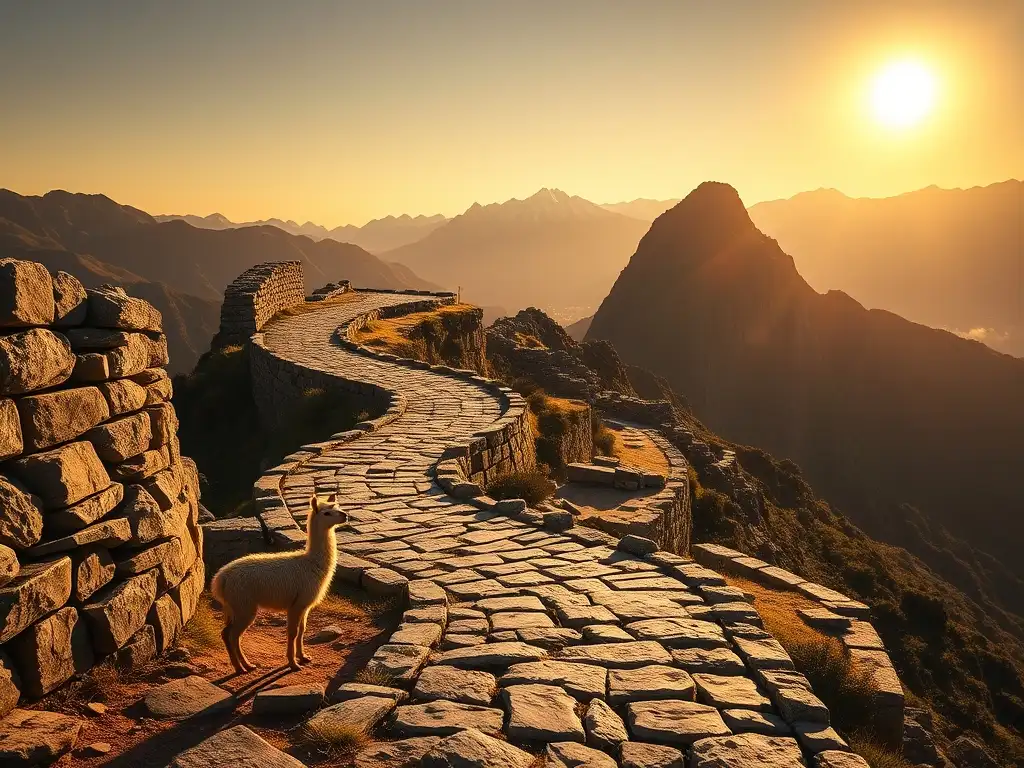
The Inca road system, known as the Qhapaq Ñan, wasn't built overnight. Its development spanned centuries, incorporating pre-existing routes and expanding dramatically under Inca rule. Understanding its history requires examining both its antecedents and the phases of its construction and evolution under the Inca Empire.
This intricate network stands as a testament to Inca engineering prowess and its crucial role in maintaining control and communication across Tawantinsuyu, the vast Inca empire. The Inca Road System history is a fascinating study of imperial ambition and logistical mastery. Analyzing its development reveals crucial insights into the Inca civilization's administrative capabilities and its impact on the Andean landscape.
Pre-Inca Road Networks: Antecedents to the Qhapaq Ñan
Long before the Inca Empire rose to prominence, various Andean cultures had established their own trail systems. These weren't unified networks like the Qhapaq Ñan, but rather a collection of local paths connecting settlements and facilitating trade within smaller regions. The Wari and Tiwanaku empires, for example, had already developed significant road infrastructure that likely influenced later Inca construction.
These pre-Inca roads, often carved into mountain slopes and traversing challenging terrain, provided crucial precedents for the Inca's ambitious project. Archaeological evidence suggests that these earlier routes, while less extensive, shared some characteristics with the later Inca roads, including the use of strategically placed resting places and the adaptation to the challenging Andean geography. The Inca's genius lay not only in expanding these networks but also in standardizing their construction and maintenance across their vast empire.
Analyzing these pre-Inca networks allows us to appreciate the evolutionary nature of the Qhapaq Ñan, highlighting the continuity and innovation present in its development. The Inca Road System history is deeply rooted in these earlier achievements.
Inca Expansion and the Growth of the Road System
The Inca expansion, beginning in the 15th century, marked a pivotal period in the development of the Qhapaq Ñan. With each conquered territory, the Inca systematically integrated existing trails into their growing network, creating a unified system for communication and transportation. This wasn't simply a process of connecting disparate paths; it involved standardizing construction techniques, improving existing infrastructure, and building entirely new sections to link distant provinces. The Inca implemented highly organized labor systems, utilizing mita, a form of rotational labor service, to construct and maintain the roads.
This ensured a continuous supply of manpower for the massive undertaking. The growth of the road system directly mirrored the expansion of the Inca Empire itself, with new roads extending into newly conquered regions as the empire grew in size and influence. The Inca Road System history during this period is one of rapid expansion and strategic integration.
The Peak of the Inca Road System: Its Extent and Usage
At its zenith, the Qhapaq Ñan stretched over approximately 40,000 kilometers (25,000 miles), traversing diverse and challenging terrains across the Andes Mountains. This extensive network not only connected the far-flung corners of Tawantinsuyu but also facilitated the efficient movement of goods, people, and messages. The roads served multiple purposes: they were vital for military campaigns, allowing the Inca army to rapidly deploy forces throughout the empire; they were essential for administrative control, enabling officials to oversee distant provinces; and they facilitated trade and the exchange of goods and resources between different regions.
The system incorporated a sophisticated network of tambos (roadside inns) that provided lodging and supplies for travelers. These tambos were strategically positioned along the routes, ensuring that messengers and officials could travel safely and efficiently. The Inca Road System history reveals a remarkably organized and efficient logistical network that played a crucial role in the empire's success and longevity.
The Qhapaq Ñan wasn't just a road system; it was the backbone of the Inca Empire, a testament to their administrative prowess and engineering capabilities. The scale and sophistication of this network remain a remarkable achievement in ancient engineering and a significant aspect of Inca Road System history.
Exploring Specific Sections of the Inca Road System

This section delves into the specifics of the Inca road system, examining various sections and their unique characteristics. Understanding these regional variations reveals the impressive engineering feats and adaptive strategies employed by the Inca to maintain their vast empire. The Inca Road System history is rich with examples of their ingenuity and planning. We will analyze key sections, highlighting the challenges overcome and the solutions implemented.
The Road Through the Andes: A Study of the High Altitude Routes
The Andes Mountains presented a formidable challenge to the Inca road builders. High altitudes, treacherous terrain, and unpredictable weather conditions demanded innovative solutions. The Inca engineers displayed remarkable skill in navigating these obstacles, constructing roads that not only traversed the steep slopes but also provided safe passage for their chasquis, the imperial messengers. These high-altitude routes often involved intricate systems of retaining walls, carefully carved steps, and suspension bridges, demonstrating a profound understanding of structural engineering and materials science.
The construction of these roads required a massive mobilization of labor. The Inca system of mita, a rotational labor tax, was crucial in providing the workforce needed for these ambitious projects. This system, while demanding, ensured that the construction of the road network was completed efficiently and effectively, connecting even the remotest Andean communities.
Archaeological evidence suggests that the selection of materials was meticulous, with stones chosen for their durability and resistance to weathering at high altitudes. Furthermore, the routes were strategically planned to minimize exposure to harsh weather, utilizing natural features such as sheltered valleys and mountain passes whenever possible. The impact of the road network on the high-altitude communities was transformative, fostering trade, communication, and cultural exchange across vast distances.
The Coastal Road: Adapting to the Desert Environment
In stark contrast to the Andean highlands, the coastal regions of Tawantinsuyu presented a different set of challenges. The arid desert environment, characterized by scarce water resources and shifting sands, necessitated a different approach to road construction. The Inca engineers adapted their techniques to this unique landscape, employing materials readily available in the coastal regions.
Unlike the stone-paved roads of the Andes, the coastal routes often utilized compacted earth, stabilized with local materials such as sand and gravel. This approach was both practical and cost-effective, given the abundance of these materials. However, maintaining these roads in the harsh desert climate required ongoing maintenance, including regular leveling and repair work.
The Inca developed sophisticated irrigation systems along the coastal roads, not only providing water for the communities but also helping to stabilize the road surface and prevent erosion. The strategic placement of tambos (roadside inns) along these routes provided essential rest stops for travelers and facilitated trade and communication along the coast. The coastal road system played a vital role in connecting the Andean highlands with the coastal ports, facilitating the exchange of goods and resources between different regions of the empire.
The Road to Machu Picchu: A Case Study of Road Construction
Machu Picchu, the iconic Inca citadel, stands as a testament to the Inca's mastery of engineering and urban planning. The road leading to Machu Picchu exemplifies the meticulous planning and execution that characterized Inca road construction. The path, winding through steep mountain slopes and dense jungle, showcases a remarkable integration of the road into the natural environment.
The construction of this road involved sophisticated techniques of terracing and stonework, allowing for a relatively smooth and stable pathway despite the challenging terrain. The use of precisely cut stones, fitted together without mortar, demonstrates the high level of skill and precision achieved by Inca masons. The road itself is not just a means of transport; it is an integral part of the landscape, blending seamlessly with the surrounding environment.
The strategic placement of bridges and retaining walls further enhances the functionality and durability of the road. The road to Machu Picchu serves as a powerful reminder of the Inca’s ability to adapt their engineering skills to diverse and challenging landscapes, creating a network of roads that connected their vast empire and facilitated the movement of people and goods.
The meticulous planning and execution evident in this particular road section are representative of the Inca Road System as a whole, showcasing the ingenuity and organizational prowess of the Inca civilization. The Inca Road System history is incomplete without acknowledging the majesty of this particular route.
The Inca Road Network and Modern Perspectives
The Inca road system, or Qhapaq Ñan, wasn't merely a logistical marvel; it was the circulatory system of Tawantinsuyu, the Inca Empire. Its impact resonates even today, offering valuable lessons in infrastructure planning, sustainable development, and cultural preservation. Understanding the Inca Road System history is crucial to appreciating its enduring legacy. The network's design, incorporating diverse terrains and climates, demonstrates a sophisticated understanding of engineering principles.
For example, the strategic placement of chasquis (relay runners) along the routes facilitated rapid communication across vast distances, a feat unmatched in its time. This intricate system allowed for the efficient movement of goods, troops, and messages, contributing significantly to the empire's political stability and economic prosperity. The Inca Road System's efficient design allowed for the rapid response to emergencies and the swift distribution of resources throughout the empire.
This efficiency is a testament to the sophisticated planning and execution of the Inca government. Analyzing this system allows us to understand the complexities of ancient Andean governance and its impact on the daily lives of the Inca people. The Qhapaq Ñan serves as a powerful reminder of the scale and ambition of the Inca Empire and its sophisticated approach to infrastructure.
Inca Road System's Relevance in Contemporary Society
The Inca Road System history continues to inspire modern infrastructure projects. Its principles of adaptability and sustainability are particularly relevant in today's world, where climate change and environmental concerns are paramount. The Inca's mastery of integrating roads into the natural landscape, minimizing environmental impact, offers valuable lessons for contemporary road construction.
Moreover, the social and economic benefits of well-maintained transportation networks are directly applicable to modern development strategies. Studies of the Qhapaq Ñan highlight the importance of considering the social and cultural impact of infrastructure projects, ensuring that they benefit local communities and preserve cultural heritage. The Inca's approach to road maintenance, which involved community participation, provides a model for sustainable infrastructure management.
The network's ability to connect diverse regions and foster economic exchange is a testament to the importance of integrated transportation systems in promoting regional development and economic growth. Modern governments and organizations can learn much from the Inca's approach to infrastructure development, particularly regarding the use of local resources and labor. This approach can lead to more sustainable and equitable development outcomes.
Future Research and Studies of the Qhapaq Ñan
Further research on the Inca Road System history is essential to fully understand its complexity and significance. Areas requiring further investigation include a more detailed analysis of the construction techniques employed, a deeper understanding of the social and economic impact of the road network on different regions within Tawantinsuyu, and a comprehensive study of the role of the chasquis in maintaining communication and control across the empire. Advanced technologies, such as GIS mapping and remote sensing, can provide new insights into the extent and layout of the road network.
Moreover, interdisciplinary research involving archaeologists, historians, anthropologists, and engineers can offer a more holistic understanding of this remarkable achievement. Future studies should also focus on the environmental impact of the road network, both during its construction and its long-term effects on the Andean landscape. Such research is crucial for informing contemporary infrastructure projects and promoting sustainable development.
The preservation and restoration of sections of the Qhapaq Ñan are also crucial endeavors that require further investigation and collaboration between researchers, government agencies, and local communities. This collaborative effort is essential to ensure the long-term preservation of this invaluable historical and cultural resource.
The Inca Road Network as a Symbol of Andean Ingenuity
The Inca road network stands as a powerful symbol of Andean ingenuity and organizational prowess. Its construction demonstrates a remarkable understanding of engineering principles, adaptation to diverse terrains, and sophisticated logistical planning. The Inca Road System history showcases the Inca's ability to mobilize vast resources and coordinate the efforts of numerous communities to achieve a common goal.
The integration of the road network into the existing social and economic structures of the empire highlights the Inca's ability to adapt and integrate new technologies into their existing systems. The system’s longevity, spanning centuries, testifies to the durability of its construction and the effectiveness of its design. The Qhapaq Ñan is not merely a road system; it's a testament to the Inca's sophisticated understanding of their environment, their ability to organize and manage large-scale projects, and their commitment to connecting their vast empire.
🌎 The enduring legacy of the Qhapaq Ñan serves as a powerful reminder of the achievements of the Inca civilization and its lasting impact on the Andean region. It continues to inspire awe and admiration for its scale, complexity, and lasting impact on the history and culture of the Andes.
Frequently Asked Questions
What was the purpose of the Inca road system?
The Inca road system, or Qhapaq Ñan, served multiple crucial purposes. It facilitated efficient communication and rapid troop movement across the vast empire, enabling effective governance and military control. It also supported trade and transportation of goods and people.
How extensive was the Inca road network?
The Inca road network was incredibly extensive, spanning over 25,000 miles across challenging Andean terrain. It connected the far reaches of Tawantinsuyu, linking major cities, villages, and administrative centers. This vast network is a testament to Inca engineering prowess.
What materials were used to construct the Inca roads?
Inca roads were built using a variety of materials adapted to the local environment. Stone paving, earthworks, and bridges (including suspension bridges) were commonly used. The roads were meticulously constructed to withstand extreme weather conditions and the passage of people and goods.
How did the Inca maintain such a vast road network?
The Incas maintained their extensive road system through a sophisticated system of organization and labor. Specialized labor forces were responsible for construction, maintenance, and repairs. The system relied on the mita system, a form of mandatory labor service.
What is the significance of the Inca road system today?
The Inca road system remains a remarkable feat of engineering and a testament to Inca civilization. Its historical and cultural significance is immense, and sections of the Qhapaq Ñan are still visible and used today. It's a UNESCO World Heritage Site, highlighting its global importance.
Final Reflection: Echoes of the Inca Road: A Legacy of Connection
The Inca road system, a marvel of engineering and logistical prowess, remains a potent symbol of human ingenuity and the power of interconnectedness, a testament to a civilization that thrived on its ability to unify a vast and diverse empire. Its influence resonates far beyond its physical remnants, shaping our understanding of infrastructure, societal organization, and the enduring human need for connection.
The impact of the Inca road network extends far beyond its historical significance; it continues to inspire awe and serves as a powerful metaphor for the importance of collaboration and communication in building strong societies. The road is a symbol of the unity of the empire, a tangible expression of the Inca's vision of a unified and interconnected world.
This quote, though hypothetical, encapsulates the enduring legacy of the Inca road system, reminding us of the profound social and political implications of infrastructure development. Its influence on modern road-building techniques and our understanding of ancient civilizations is undeniable, prompting ongoing research and fascination.
Consider the echoes of the Inca road system in your own life. How do the connections you make – with people, ideas, and resources – shape your experiences and contribute to your personal growth? Embrace the spirit of innovation and collaboration that the Inca exemplified, and strive to build your own bridges, both literal and metaphorical, to connect with the world around you. Let the legacy of Tawantinsuyu inspire you to forge your own path towards a more interconnected and prosperous future.
Unveil the Secrets of the Inca Road Network!
Thank you for exploring the incredible Inca Road Network and its vital role in shaping the Inca Empire. Your interest highlights the brilliance of Andean engineering and connects you to a rich tapestry of history. Now, let's delve deeper!
Here are some ways to further your understanding:
- Explore the Routes: Plan a visit to sections of the Inca Roads, or take a virtual tour to experience their grandeur and historical significance.
- Share Your Discoveries: Discuss this fascinating subject with friends, fellow history enthusiasts, or online communities to spark conversations and encourage further exploration of Andean civilizations.
- Join the Conversation: Participate in online forums or local groups dedicated to Andean cultures and history. Share your insights and engage in lively discussions.
What aspect of the Inca Road Network most captivates you, and how will you continue to explore it?