
Inca Taxation System: How the Empire Collected Tribute and Resources

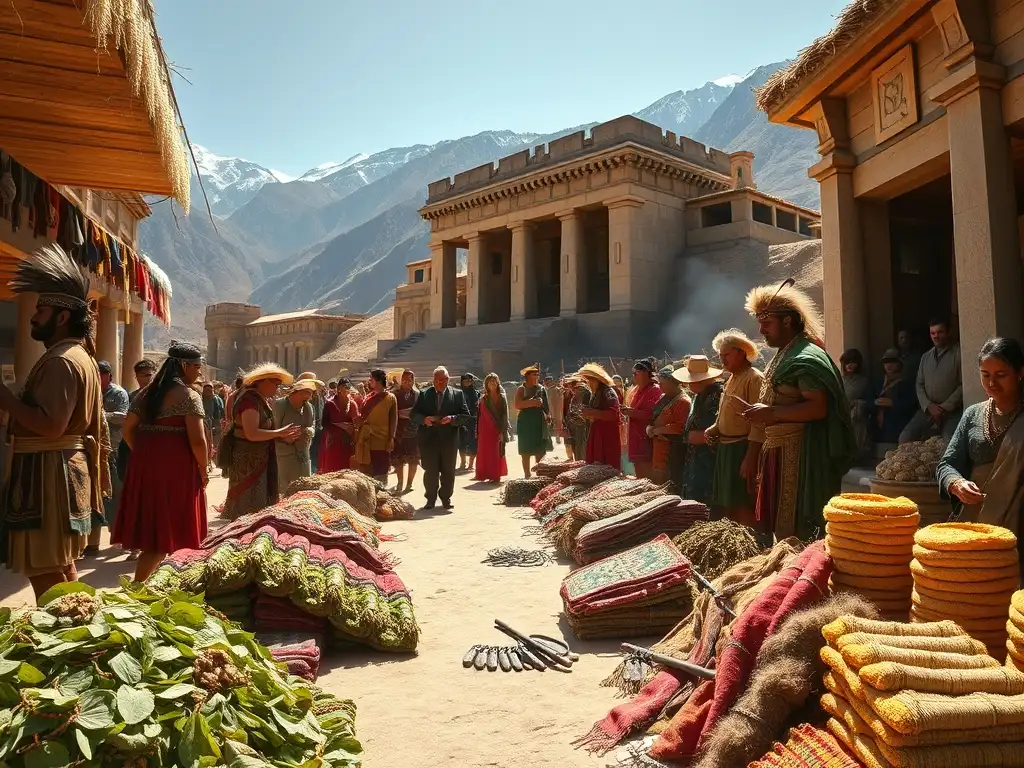
Uncover the secrets of a lost world! Journey with us into the heart of the Andean Civilizations, where empires rose and fell, leaving behind a legacy of breathtaking artistry and intricate societal structures. But what truly powered this immense power? Delve into the fascinating intricacies of the Inca empire taxation system, a complex mechanism that fueled the empire's growth and unprecedented influence. Discover how this ingenious system worked and its lasting impact on the Andean world – your exploration begins now.
-
Inca Empire Taxation System: How the Empire Collected Tribute and Resources
- Understanding Inca Tribute: The Basis of the System
- The Mita System: Labor as Tax in the Inca Empire
- Types of Mita Obligations: Specific Labor Contributions
- Ayni and Mink'a: Reciprocal Labor Practices
- Goods and Resources as Tribute: Beyond Labor
- Agricultural Products as Inca Taxes: Sustaining the Empire
- Textile Production and Taxation: The Importance of Cloth
- Precious Metals and Crafts as Tribute: Luxury and Power
- The Role of the Quipus in Inca Tax Administration
- Quipu Keepers: The Accountants of the Inca Empire
- Managing and Distributing Tribute: The Inca Storage System
- Regional Storage Facilities: Colcas
- Centralized Storage in Cusco: Qollqas
- The Impact of the Inca Taxation System on Andean Society
- Social Stratification and Tribute Obligations
- The Inca State and Resource Redistribution
- Legacy of the Inca Tax System: Influences and Comparisons
- Comparisons with Other Ancient Tax Systems: Egyptian Taxation
- Lessons from the Inca Taxation Model: Centralized Control and Resource Management
-
Frequently Asked Questions
- What was the primary form of taxation in the Inca Empire?
- How did the Inca system ensure fair distribution of resources?
- What goods or services were commonly subject to the mita system?
- Were there any exceptions to the mita system?
- How effective was the Inca taxation system in supporting the empire?
- Final Reflection: The Enduring Legacy of Inca Taxation
- Unlock the Secrets of Inca Wisdom!
Inca Empire Taxation System: How the Empire Collected Tribute and Resources
The Inca Empire, a sprawling civilization that dominated the Andes Mountains from the 15th to the 16th centuries, relied on a sophisticated and efficient taxation system to maintain its power and vast infrastructure. Unlike modern monetary systems, the Inca empire's taxation was primarily based on the concept of mita, a form of tribute encompassing labor, goods, and services. This system, intricately woven into the fabric of Inca society, ensured the continuous flow of resources necessary to support the empire's expansive military, monumental construction projects, and the vast bureaucracy that governed its diverse population.
Understanding the Inca taxation system provides crucial insight into the empire's economic strength, social organization, and overall success in controlling such a geographically challenging and diverse territory. This article will delve into the complexities of the Inca tribute system, exploring its foundational principles and the various forms of labor and goods that constituted this crucial aspect of Inca governance.
We will examine how the mita system functioned, the types of labor obligations imposed, and the overall impact on the lives of the Inca subjects. The keyword "Inca empire taxation system" is central to understanding this complex and fascinating facet of Inca civilization.
Understanding Inca Tribute: The Basis of the System
The Inca tribute system, fundamentally based on the concept of ayni (reciprocity) and mita (labor service), was not simply a system of extraction but a deeply ingrained social contract. The emperor, considered a divine figure, was seen as the ultimate provider and protector, and in return, the population was expected to contribute their labor and resources. This wasn't a purely exploitative system; the contributions were seen as a form of participation in the collective well-being of the empire.
The system ensured the provision of essential goods and services, such as food for the army, materials for construction projects (like the impressive Machu Picchu), and labor for public works. The distribution of resources was overseen by a complex network of officials, ensuring that the empire's needs were met while maintaining a degree of social equity. Failure to fulfill one's mita obligations, however, could lead to severe consequences, highlighting the system's importance to the empire's stability.
The efficiency of this system is a testament to the Inca's administrative capabilities and their understanding of the importance of resource management in maintaining a vast and powerful empire. The intricate web of reciprocal obligations fostered a sense of collective responsibility and ensured the continued prosperity of the Inca state.
The Mita System: Labor as Tax in the Inca Empire
The mita system was the cornerstone of Inca taxation. It wasn't simply a form of forced labor; it was a structured system that allocated labor based on an individual's capabilities and the needs of the empire. Each individual, except for the nobility and the elderly, was expected to contribute a specific amount of labor.
This labor could involve anything from farming in state-owned lands ( tambos) to working on construction projects, mining, or serving in the military. The allocation of mita obligations was carefully planned and organized, ensuring that the empire's needs were met efficiently. The system was not static; it adapted to the changing needs of the empire, with specific tasks being assigned based on seasonal requirements and ongoing projects.
This adaptability allowed the Inca to effectively manage their resources and maintain a robust and resilient economy. The mita system was a vital component of the Inca's ability to undertake large-scale projects and maintain their expansive empire. The organization and efficiency of the system are remarkable feats of ancient engineering and social management.
Types of Mita Obligations: Specific Labor Contributions
The mita obligations were diverse and varied depending on the needs of the empire and the individual's skills. Some common examples included:
- Agricultural Mita: This involved working on state-owned agricultural lands, producing food for the army, officials, and religious institutions.
- Construction Mita: This contributed to the building and maintenance of roads, temples, palaces, irrigation systems, and other public works. The construction of impressive sites like Machu Picchu is a testament to the scale of these projects.
- Mining Mita: The Inca Empire possessed significant mineral resources, and the mita system provided the necessary labor for extracting these resources.
- Military Mita: Serving in the Inca army was a significant mita obligation, particularly for young and able-bodied men.
- Textile Production Mita: This involved the production of textiles for clothing and other purposes. The Inca were renowned for their sophisticated textile production techniques.
The specific type and duration of mita obligation were carefully determined by local officials based on the individual's capabilities and the empire's needs. This system, though demanding, was crucial to the Inca Empire's success and demonstrates the remarkable organizational capabilities of the Inca state. The diverse nature of these obligations underscores the multifaceted nature of the Inca taxation system and its impact on all aspects of Inca life. The efficiency and effectiveness of this system remain a subject of study and admiration for historians and anthropologists alike.
Ayni and Mink'a: Reciprocal Labor Practices
The Inca empire's taxation system wasn't solely based on monetary levies. A significant portion relied on the intricate systems of ayni and mink'a, reciprocal labor obligations that formed the backbone of community cooperation and imperial resource mobilization. Ayni referred to the exchange of labor between individuals or communities, often involving mutual assistance with tasks like farming, construction, or textile production.
This wasn't a forced labor system in the strictest sense, but rather a deeply ingrained social practice underpinned by the principle of reciprocity and mutual benefit. Failure to participate in ayni could, however, lead to social ostracism and potentially impact one's standing within the community, effectively acting as a form of social pressure to contribute.
Mink'a, on the other hand, involved larger-scale community projects organized by the state. These projects ranged from building roads and irrigation systems to constructing temples and palaces. While participation in mink'a was compulsory, it was often seen as a communal duty rather than a purely extractive measure.
The Inca state provided food and other necessities for the workers during these projects, mitigating some of the burdens. The organization and coordination of mink'a demonstrate the sophisticated administrative capabilities of the Inca empire, highlighting their capacity to mobilize significant labor resources for large-scale infrastructure projects crucial to the empire's expansion and stability. The effectiveness of ayni and mink'a lay in their integration into the social fabric, blending communal obligation with the needs of the empire.
Goods and Resources as Tribute: Beyond Labor
Beyond labor contributions, the Inca taxation system encompassed a wide range of goods and resources. This tribute wasn't simply about extracting wealth; it was a strategic mechanism for resource redistribution and the maintenance of the empire's vast infrastructure and population. Textiles, particularly those of high quality, were highly valued and constituted a significant portion of the tribute. These textiles, produced by skilled artisans, were used for clothing, ceremonial purposes, and trade. Precious metals, such as gold and silver, were also collected as tribute, often used in religious ceremonies, royal adornments, and to reinforce the empire's power and prestige.
Furthermore, the Inca empire systematically collected other resources vital for its functioning. This included building materials like stone, timber, and clay, essential for the construction of public works projects. Additionally, the tribute system encompassed various other materials, ranging from medicinal herbs and dyes to specialized tools and weaponry.
The meticulous record-keeping of the Inca bureaucracy ensured that the collection and distribution of these resources were efficiently managed, highlighting the sophisticated administrative capacity of the Inca state and its ability to manage the complex logistics of the empire's resource needs. The diverse range of goods collected as tribute showcases the comprehensiveness of the Inca taxation system and its integral role in the empire's economic and social organization.
Agricultural Products as Inca Taxes: Sustaining the Empire
A cornerstone of the Inca taxation system was the collection of agricultural products. Given the empire's agrarian economy, the tribute system ensured the flow of food and other agricultural goods to support the imperial bureaucracy, the military, and the population centers. Different regions specialized in different crops, creating a network of agricultural production that served the entire empire. The coastal regions, for example, provided fish and cotton, while the highlands produced potatoes, maize, and quinoa. This diverse agricultural output was strategically distributed across the empire via a well-organized network of roads and storage facilities.
The tambos, strategically located waystations along the Inca road system, played a crucial role in this distribution network. They served as storage facilities for agricultural goods and provided rest stops for travelers and messengers. This efficient system ensured that the empire's population had access to food and other necessities, even in times of scarcity or during periods of drought.
The Inca's meticulous agricultural planning, coupled with their sophisticated infrastructure, allowed them to effectively manage food production and distribution, mitigating the risk of famine and ensuring the stability of the empire. The agricultural tribute was not just about collecting surplus; it was a critical component of the empire's food security and economic stability, demonstrating the Inca's mastery of resource management and their ability to sustain a vast and complex empire.
Textile Production and Taxation: The Importance of Cloth
Textiles played a crucial role in the Inca empire's economy and its taxation system. The Inca state heavily regulated textile production, controlling the entire process from the cultivation of cotton and other fibers to the weaving of intricate fabrics. This control was not merely for economic gain, but also deeply intertwined with social and religious practices. Fine textiles served as a vital form of tribute, reflecting the skill and productivity of a region.
The quality and quantity of cloth delivered as tax directly impacted a community's standing within the empire. Different regions specialized in different types of textiles, with some renowned for their fine alpaca wool, while others excelled in cotton weaving. This specialization contributed to a complex network of exchange within the Inca state, where tribute in the form of textiles flowed from various provinces to the capital and other administrative centers. The Inca’s meticulous record-keeping, likely using the quipu system, detailed the types and quantities of textiles collected as taxes, allowing for efficient distribution and allocation of these resources.
The empire's vast network of roads and storage facilities (qollqas) facilitated the movement and storage of these textile tributes, ensuring a steady supply for the Inca elite, the army, and religious institutions. The intricate designs and symbols woven into the textiles often held symbolic significance, reflecting the Inca worldview and solidifying the power and authority of the empire. The use of textiles as tribute also fostered a sense of unity and shared identity across the diverse regions of the empire.
Precious Metals and Crafts as Tribute: Luxury and Power
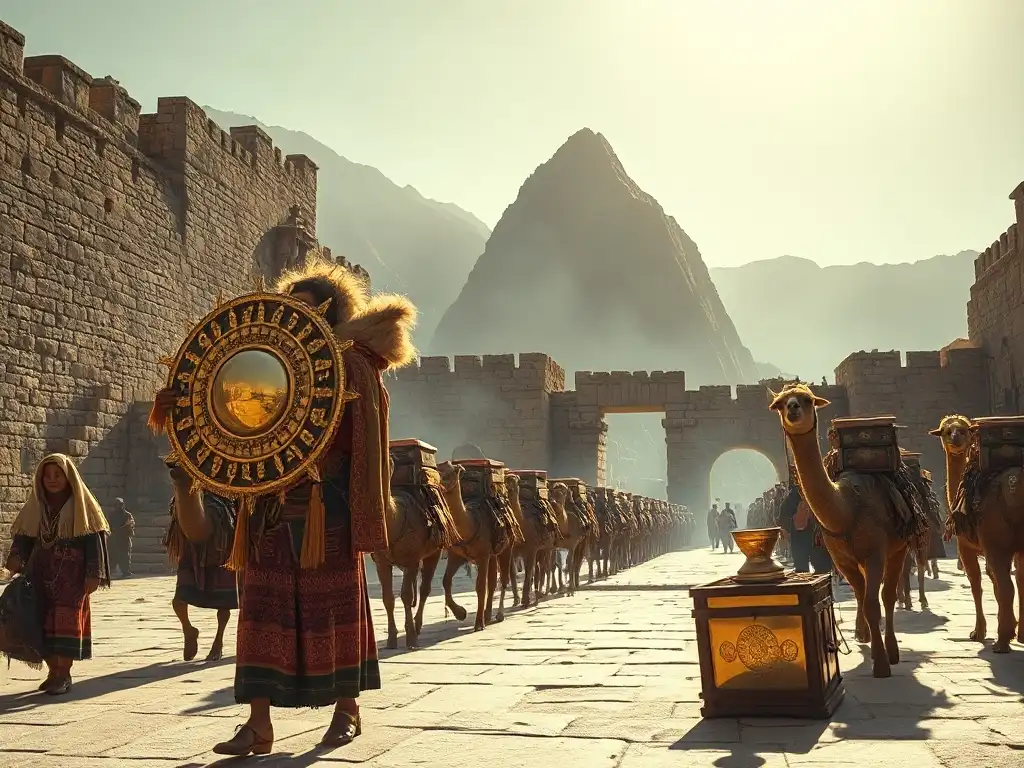
Gold, silver, and other precious metals were highly valued within the Inca empire, serving as a potent symbol of power and wealth. The extraction and working of these metals were closely controlled by the Inca state, with specialized workshops and skilled artisans producing exquisite objects for religious ceremonies, royal adornment, and to be used as tribute. The amount of gold and silver collected as tribute varied depending on the region's resources and productivity. Regions rich in mineral deposits contributed significantly more precious metals than those with fewer resources.
These precious metals, often crafted into intricate jewelry, ceremonial objects, or tools, were a key component of the Inca taxation system, reflecting the wealth and power of the empire. The collection and distribution of these valuable resources were carefully managed, with detailed records kept to ensure accurate accounting and fair allocation. The Inca's mastery of metallurgy allowed them to create incredibly detailed and sophisticated objects, further enhancing the value and prestige of these items as tribute.
The use of precious metals as tribute not only strengthened the empire's economic base but also served to reinforce the Inca's authority and control over the vast territories they governed. The sheer quantity of gold and silver accumulated in the Inca empire is a testament to the efficiency and reach of their taxation system. This system of tribute enabled the Inca to fund large-scale public works projects, maintain a powerful army, and support a complex administrative apparatus.
The Role of the Quipus in Inca Tax Administration
The quipu, a complex system of knotted strings, played a vital role in the Inca empire's sophisticated administration, particularly in managing the intricate system of taxation. While the precise method of quipu use remains a subject of ongoing research and debate, evidence strongly suggests its use in recording and tracking various aspects of the tax system. These knotted strings served as a form of record-keeping, enabling the Inca to maintain detailed accounts of the types and quantities of goods collected as tribute from different provinces.
Scholars believe that different colors and knots represented different items, quantities, and locations, creating a sophisticated system of numerical and possibly even textual information. The quipu likely recorded not only the amount of tribute collected but also information about the population, land use, and other crucial data related to the empire’s economic and administrative functions. The use of quipus allowed the Inca to efficiently manage the vast quantities of goods collected as taxes, ensuring their equitable distribution and allocation throughout the empire.
The ability to maintain accurate records was essential to the functioning of the Inca state, allowing for effective planning, resource management, and the maintenance of order and stability throughout the empire. The quipu system, therefore, wasn't merely a tool for bookkeeping; it was an integral part of the Inca's administrative structure, demonstrating their advanced understanding of record-keeping and information management. The complexity and sophistication of the quipu system highlight the advanced administrative capabilities of the Inca empire and their ability to effectively manage a large and diverse population.
Quipu Keepers: The Accountants of the Inca Empire
The Inca empire, renowned for its sophisticated administrative system, relied heavily on a unique accounting method: the quipu. These were not simply decorative knots; they were complex mnemonic devices used to record vast amounts of data, including the crucial details of the empire's taxation system. Highly trained quipucamayoc (quipu keepers) meticulously recorded tributes collected from each province, meticulously noting the type and quantity of goods received.
This wasn't a simple tally; the quipu system allowed for complex calculations, tracking surpluses, deficits, and the overall economic health of the empire. Different colored strings, knot types, and spacing represented various items and quantities, demonstrating an advanced understanding of numerical representation far exceeding simple counting. The quipu system wasn't just about numbers; it also likely encoded information about population, labor allocation, and even historical events, all vital components in managing a vast and diverse empire.
The precision and complexity of quipu records allowed the Inca to effectively manage the flow of resources across their expansive territories, ensuring the smooth operation of their centralized economy. The skill of the quipucamayoc was essential to the functioning of the entire Inca state, highlighting the importance of record-keeping in their administrative prowess. Decoding the quipu remains a challenge for modern researchers, but the surviving examples demonstrate the sophistication and efficiency of the Inca taxation system.
Managing and Distributing Tribute: The Inca Storage System
Once collected, the tribute—consisting of agricultural produce, textiles, precious metals, and labor—needed efficient management and distribution. The Inca developed a sophisticated storage system to handle this massive influx of resources. This system wasn't merely about warehousing; it was strategically designed to ensure the equitable distribution of goods throughout the empire. Centralized control of resources was key to the Inca's power and stability.
The storage system prevented localized shortages and ensured that goods reached areas needing them most, whether due to natural disasters, population fluctuations, or the demands of public works projects. The system's efficiency allowed the Inca government to respond effectively to emergencies and maintain social order. Surplus resources were strategically stored and allocated, supporting the empire’s vast infrastructure projects, religious ceremonies, and the needs of the ruling elite.
This effective management of resources was a significant factor in the Inca empire's longevity and overall success. The system's organization relied heavily on the information meticulously recorded by the quipucamayoc, ensuring a precise and timely distribution of goods. The interconnectedness of the storage system with the quipu accounting system is a testament to the Inca's advanced understanding of logistics and resource management.
Regional Storage Facilities: Colcas
The physical manifestation of the Inca storage system was the colca. These were strategically located regional warehouses, often built into hillsides or cliffs, providing natural protection against the elements and potential theft. Colcas varied in size and design depending on the specific needs of the region, ranging from small structures in less populated areas to large complexes in densely inhabited provinces.
Their construction, often using sophisticated stonework techniques, reflects the Inca's engineering prowess and their commitment to efficient resource management. The design of the colcas incorporated ventilation systems to prevent spoilage and maintain the quality of stored goods, showcasing an impressive understanding of preservation techniques. The placement of colcas along major roads and trails facilitated the efficient transport of goods throughout the empire.
These strategically located facilities played a crucial role in the distribution of resources, ensuring that food, textiles, and other necessities reached their destinations promptly. The colcas represent a tangible testament to the Inca's ability to organize and manage vast quantities of resources, supporting their complex administrative and economic systems. The presence of numerous colcas throughout the empire stands as a powerful symbol of the Inca's centralized control and their effective management of the tribute system.
Centralized Storage in Cusco: Qollqas
The Inca empire's sophisticated taxation system relied heavily on a centralized storage system based in Cusco, the imperial capital. These storehouses, known as qollqas, were strategically located throughout the empire, forming a vast network for collecting and distributing goods. The qollqas weren't simply warehouses; they were meticulously organized and carefully managed facilities. Their construction reflected Inca engineering prowess, featuring sophisticated stonework, ventilation systems, and even internal ramps for efficient access.
The size and number of qollqas varied depending on the region's productivity and population density. Larger, more densely populated areas naturally had more extensive storage facilities. These structures were crucial not only for storing tribute but also for managing surplus agricultural production and ensuring the empire's food security during lean times. The effectiveness of this system was a key factor in the Inca empire's ability to sustain its vast population and powerful military.
The qollqas acted as a central nervous system, allowing for the efficient redistribution of resources throughout the empire, supporting the Inca's remarkable administrative capabilities. The careful accounting and management of goods stored within the qollqas represent a highly advanced form of early bureaucratic organization. Archaeological evidence continues to reveal new details about the complexity and scale of this impressive system.
The Impact of the Inca Taxation System on Andean Society
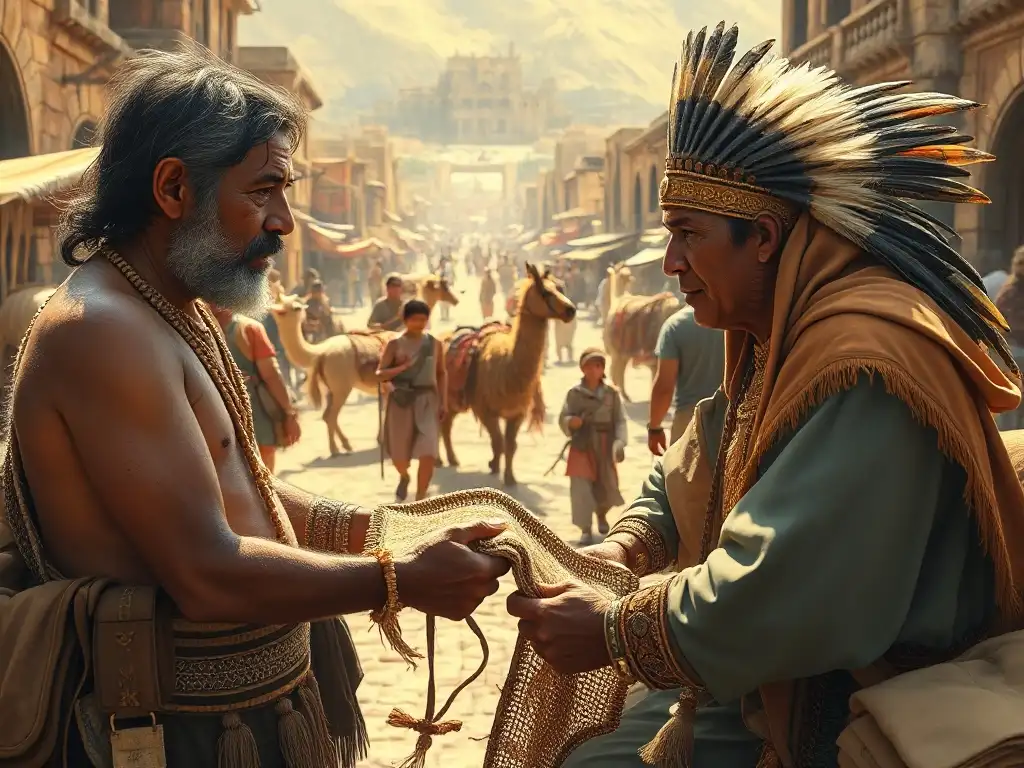
The Inca taxation system, while undeniably efficient for the empire, had a profound and multifaceted impact on Andean society. While providing a degree of stability and security through infrastructure projects and resource distribution, it also imposed significant burdens on the population. The mita system, a form of labor tribute, demanded substantial contributions from individuals, often diverting them from their own agricultural activities and other personal endeavors. This could lead to hardship, particularly for those living in less fertile regions or facing challenging environmental conditions.
The system's impact varied across different social strata, with the elite largely exempt from direct labor obligations. However, even within communities, the burden of tribute wasn't evenly distributed, often falling disproportionately on the commoners. The system's success depended on a complex web of reciprocal obligations, with the Inca government providing protection, infrastructure, and social services in exchange for tribute.
However, the balance between these reciprocal elements could be precarious, potentially leading to social unrest and rebellion if the system became too oppressive. Understanding the multifaceted impact of the Inca taxation system requires careful consideration of its effects on both the empire's overall strength and the daily lives of its diverse population. Historians continue to debate the extent to which the system fostered social stability or contributed to widespread hardship.
The Inca empire's social hierarchy played a significant role in determining tribute obligations. The elite, including the Inca emperor, his family, and the nobility, were largely exempt from direct labor contributions or agricultural production. Their wealth and power were derived from the tribute system itself, as they received a significant portion of the collected goods and resources. The ayllu, a community-based social structure, formed the backbone of the Inca's taxation system.
Each ayllu was responsible for contributing its share of labor, agricultural products, and other resources to the empire. However, the level of contribution varied based on the ayllu's size, productivity, and location. Those living in fertile valleys typically contributed more than those in less productive regions. This system reinforced existing social hierarchies, with those in higher social positions within the ayllu often overseeing the collection and distribution of tribute.
This created a complex interplay between community obligations and imperial demands, illustrating the intricate relationship between social structure and the functioning of the Inca state. The social stratification inherent in the system ensured the elite's continued power and privilege while simultaneously maintaining a degree of social control over the broader population. The system's effectiveness rested on this carefully calibrated balance of power and obligation. Understanding this interplay is key to comprehending the dynamics of the Inca empire's taxation system and its long-term impact.
The Inca State and Resource Redistribution
The Inca empire's success hinged on its remarkably efficient system of resource management and redistribution, often mistakenly simplified as a purely "taxation" system. It wasn't merely about collecting tribute; it was a sophisticated mechanism for controlling and allocating resources across a vast and diverse empire. The ayllu, the fundamental socio-economic unit, played a crucial role in this process. Each ayllu was responsible for contributing its surplus labor and produce to the state, a form of reciprocal obligation rather than a strictly monetary tax.
This contribution, however, was meticulously organized and accounted for, ensuring a steady flow of resources to the central government. The Inca state didn't just demand; it meticulously planned and directed the allocation of these resources, ensuring that everything from food and textiles to labor and building materials flowed where needed, supporting the imperial bureaucracy, monumental construction projects, and the army. This system allowed for the efficient provisioning of distant provinces and the rapid mobilization of resources in times of need, such as during droughts or military campaigns.
The intricate network of storehouses ( qollqas) throughout the empire further facilitated this redistribution, ensuring a strategic reserve of goods available for distribution when and where required. This system was far more than simple taxation; it was a complex mechanism underpinning the Inca's centralized control and remarkable organizational abilities. The success of this system is a testament to the Incas' sophisticated understanding of logistics and resource management, far exceeding the simple collection of tribute.
Legacy of the Inca Tax System: Influences and Comparisons
The Inca empire's sophisticated system of resource management left a lasting impact on subsequent Andean societies. The principles of reciprocal obligation and community contribution, central to the Inca system, continued to influence the organization and administration of Andean communities long after the Spanish conquest. While the formal structures of the Inca state crumbled, the underlying social mechanisms for resource sharing and communal labor persisted, adapting to the new colonial realities.
The mita, a form of compulsory labor service, though drastically modified under Spanish rule, retained elements of the Inca system’s emphasis on communal contribution to state projects. Comparing the Inca system to later colonial taxation systems reveals significant differences. Spanish taxation, for instance, focused heavily on extracting wealth through monetary levies and the exploitation of labor, unlike the Inca system's emphasis on reciprocal obligations and integrated resource management.
The Inca system, while demanding, was also deeply embedded in the social fabric of the empire, ensuring a degree of social cohesion and stability that was absent in the often exploitative colonial system. The legacy of the Inca system shows that effective resource management can be deeply intertwined with social structures and reciprocal obligations, a lesson that continues to resonate in discussions of resource allocation and social justice today. Understanding this legacy helps us appreciate the complexity and nuance of the Inca system beyond a simplistic view of "taxation".
Comparisons with Other Ancient Tax Systems: Egyptian Taxation
Comparing the Inca taxation system with that of ancient Egypt reveals both similarities and striking differences. Both empires developed sophisticated systems for collecting resources to support their vast bureaucracies and monumental projects. The Egyptians, like the Incas, relied on a complex network of administrators and officials to oversee the collection and distribution of goods and labor.
However, while the Inca system was characterized by a strong emphasis on reciprocal obligations within a communal framework (the ayllu), the Egyptian system was more directly tied to land ownership and agricultural production. Egyptian taxation was often levied in the form of grain, labor, or other goods directly tied to agricultural output, a system that reflected the fundamental role of agriculture in Egyptian society. In contrast, the Inca system, while heavily reliant on agricultural production, also incorporated a broader range of resources, including textiles, metals, and specialized crafts.
Furthermore, the Inca system’s emphasis on redistribution and the strategic storage of goods in qollqas contrasts with the Egyptian system, which, while also involving redistribution, lacked the same level of centralized control and logistical sophistication demonstrated by the Incas. The differences highlight the diverse ways in which ancient empires adapted their resource management systems to their specific socio-political contexts and technological capabilities. Both systems, however, demonstrate the crucial role of effective resource management in sustaining large-scale empires and monumental achievements.
Lessons from the Inca Taxation Model: Centralized Control and Resource Management
The Inca empire's taxation system, while seemingly harsh in its demands, offers valuable lessons in centralized control and resource management. Its effectiveness stemmed not solely from coercion but also from a sophisticated understanding of logistics, distribution, and the needs of a vast, diverse population. The system's success lay in its ability to efficiently gather resources from across the empire and redistribute them to support the state, infrastructure projects, and the population itself, particularly during times of scarcity or hardship.
This intricate network ensured the empire's stability and facilitated its expansion for centuries. The meticulous record-keeping, using quipus (knotted strings), allowed for accurate tracking of tribute payments and resource allocation, minimizing waste and maximizing efficiency. This level of organizational prowess is a testament to the Inca's administrative capabilities.
The system was not static; it adapted to local conditions and agricultural cycles, demonstrating a pragmatic approach to resource management. This adaptability is a key lesson for modern resource management strategies, highlighting the importance of flexibility and responsiveness to changing circumstances. The Inca system underscores the critical link between effective governance, resource control, and societal well-being.
The Inca taxation system provides a compelling case study for modern-day governance and resource management. Its centralized nature, while demanding, ensured the equitable distribution of resources throughout the empire. This contrasts sharply with many modern systems where inequalities in resource distribution are commonplace.
The Inca's focus on meeting the needs of the population, even while collecting significant tribute, offers a valuable counterpoint to purely extractive economic models. The system’s success in supporting a large and diverse population across varied geographical terrains highlights the importance of comprehensive planning and adaptable strategies in resource management. Furthermore, the meticulous record-keeping and logistical systems employed by the Inca serve as a powerful reminder of the crucial role of data in effective governance and resource allocation.
Analyzing the Inca model allows us to appreciate the intricate interplay between centralized control, efficient resource management, and the overall well-being of a large and complex society. The ability to adapt the system to local needs is a particularly valuable lesson for modern governance, emphasizing the importance of contextual understanding in policy implementation.
While the Inca system was ultimately based on compulsory labor and tribute, its efficiency in resource management and distribution provides invaluable insights for contemporary societies grappling with issues of equitable resource allocation and sustainable development. The Inca's ability to balance the needs of the state with the needs of its citizens, albeit within a hierarchical structure, offers a complex and nuanced example of how centralized control can be used to manage resources effectively and support the overall well-being of a population.
The success of their system underscores the importance of careful planning, robust logistics, and detailed record-keeping in achieving both efficiency and equity in resource management. Analyzing this model allows us to critically examine the strengths and weaknesses of centralized control and its implications for contemporary governance and resource management strategies.
Frequently Asked Questions
What was the primary form of taxation in the Inca Empire?
The Inca Empire didn't use money as we understand it. Their system relied on mita, a form of labor tribute, where subjects contributed a set amount of work to the empire. This could involve agriculture, construction, or other tasks.
How did the Inca system ensure fair distribution of resources?
The Inca state controlled land and resources, redistributing them based on need. This centralized system aimed for a balance, ensuring everyone had access to basic necessities while also supporting the empire's projects. Surplus production was also managed and redistributed.
What goods or services were commonly subject to the mita system?
Agricultural labor was a major component, with subjects working on state-owned lands (or ayllu lands). Construction projects, such as roads and temples, also required substantial mita labor. Specialized skills like textile production or metalworking might also be demanded.
Were there any exceptions to the mita system?
Yes, certain groups, such as priests, nobles, and the elderly were often exempt from mita obligations. Additionally, individuals might be temporarily excused due to illness or other extenuating circumstances. The system wasn't entirely rigid.
How effective was the Inca taxation system in supporting the empire?
The mita system, combined with the Inca's centralized control over resources, proved remarkably effective. It fueled the empire's massive infrastructure projects, supported its army, and maintained a relatively stable society for centuries, until the Spanish conquest.
Final Reflection: The Enduring Legacy of Inca Taxation
The Inca empire's sophisticated taxation system, far from being a relic of the past, offers crucial insights into the complexities of resource management and societal organization in the face of immense challenges. Its efficiency and adaptability remain a compelling case study for modern governance, reminding us that equitable distribution and sustainable practices are not merely modern ideals, but fundamental principles for societal stability.
The Inca system's impact resonates even today, shaping our understanding of how large-scale societies can function effectively without relying solely on monetary exchange. Its emphasis on reciprocal obligations and community participation serves as a powerful counterpoint to contemporary models often driven by individual profit maximization. The Inca system was not merely about extracting resources; it was about weaving together a vast and diverse empire through a shared sense of responsibility and mutual benefit.
This quote highlights the crucial element of social cohesion that underpinned the Inca's success, a lesson often overlooked in modern economic discussions.
Consider the implications of the Inca system for your own life. How can we apply the principles of equitable resource distribution and community participation to address the challenges we face today? Think about your own consumption habits, your engagement with your community, and the systems that govern your society. Let the legacy of the Inca empire inspire you to seek more sustainable and just solutions, fostering a world where resources are shared responsibly and the well-being of all is prioritized.
Unlock the Secrets of Inca Wisdom!
Thank you for exploring the intricacies of the Inca taxation system with us! You've gained valuable insights into how this remarkable empire managed its resources and tributes. But there's much more to discover!
Here are some suggestions for further exploration:
- **Delve deeper:** Compare the Inca economic system to those of other ancient civilizations, such as the Roman Empire or the ancient Egyptians, and consider how modern taxation systems have been influenced by these historical precedents.
- **Join the discussion:** Share your thoughts and insights on the Inca taxation system in the comments section below. What aspects were most surprising or intriguing to you?
- **Spread the word:** Share this article on social media and encourage your network to discuss the fascinating world of ancient economies and their continuing relevance.
Consider this: **How have ancient tax systems influenced the economies of modern societies? ** Let's continue this exploration together!